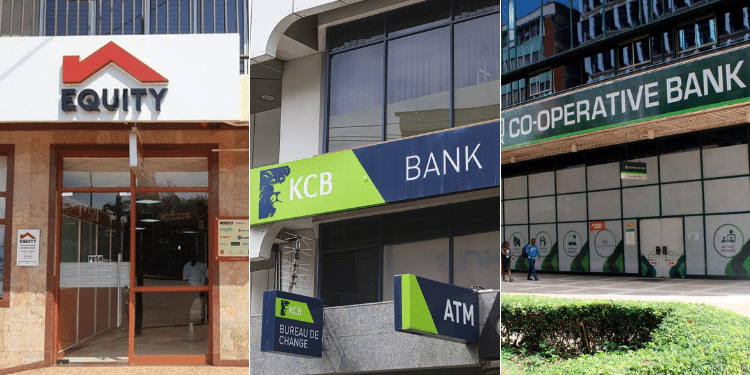
According to the latest CBK data, the average commercial bank lending rate stood at 14.82 percent in December 2025, down from 14.88 percent in October 2025.
Citibank N. Kenya had the lowest lending rates at 10.17 percent, followed by Stanbic Bank Kenya Limited at 11.80 percent.
On the other hand, Access Bank (Kenya) PLC had the highest lending rate at 19.55 percent, followed by Credit Bank PLC at 18.87 percent and Bank of Africa Kenya Limited at 18.39 percent.
Below is the list of Kenyan Banks and their lending rates (cheapest-expensive)
The Government has officially launched the Kenya Pipeline Company (KPC) Initial Public Offer (IPO), providing an investment opportunity to millions of Kenyans and international investors.
According to KPC, shares will be priced at Sh9 each, with a minimum purchase of 100 shares per investor.
This means that with as low as Sh900, investors can now take part in owning the company while helping the government to raise non-tax revenue of Sh106.3 billion to fund critical national infrastructure.
The offer is set to run for one month from Monday, January 19, to February 19, 2026.
How to participate
The purchase of shares is done online through USSD or via an online platform. Any investor must have an account with the Central Depository and Settlement Corporation (CDSC).
A CDSC account holds your shares electronically. Investors wishing to open the account are required to:
Contact any licensed stockbroker or investment bank.
Provide personal identification documents (ID/Passport) and KRA Pin.
Many brokers now allow the opening of a CDS account via their mobile apps
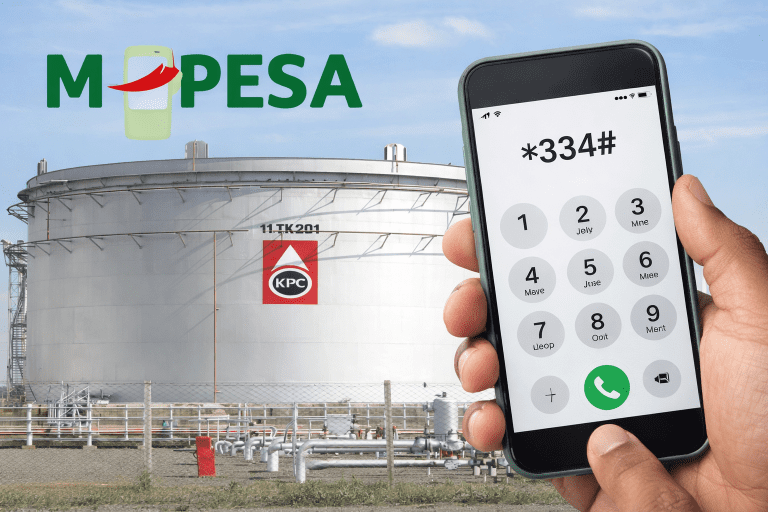
How to Buy KPC Shares via USSD Code *483*816#
Dial *483*816# on your Kenyan mobile number.
Read and accept the Terms and Conditions.
Select “New Application” and follow the prompts.
Enter your CDS account details.
Receive a payment prompt to complete the transaction.
Fill in the mandatory fields, including your CDS account number and applicant type.
Upload required documents (for institutions) and proof of payment (for bank transfers)
In case an applicant is unable to complete payment, they will receive an email or an SMS with instructions on how to pay for the offer shares that have been applied for.
During the Offer Period, applicants can increase the number of shares they have already applied for by dialling the designated code and selecting the “Add Shares” option.
“If using the USSD method, you can make partial payments as long as the full amount is settled before the offer closes on February 19, 2026,” KPC stated.
All payments must be made in Kenya Shillings (KES) via M-Pesa or bank transfers. M-Pesa payments can be made either through an STK push or by sending money to the Paybill number provided by the Authorised Selling Agent.
Applicants are required to use their unique Application Serial Number (shown on the application portal or physical form) as the account number.
Bank Transfers Payment Options
Cooperative Bank of Kenya Limited
Pay Bill Number: 4999915
Account Number: 59867XXXXXXX (XXXXXXX – being the 7-digit number on the Application Form)
Kenya Commercial Bank Limited
Pay Bill Number: 522533
Account Number: 40384XXXXXXX (XXXXXXX – being the 7-digit number on the Application Form)
Stanbic Bank Kenya Limited
Pay Bill Number: 8250250
Account Number: 11140XXXXXXX (XXXXXXX – being the 7-digit number on the Application Form)
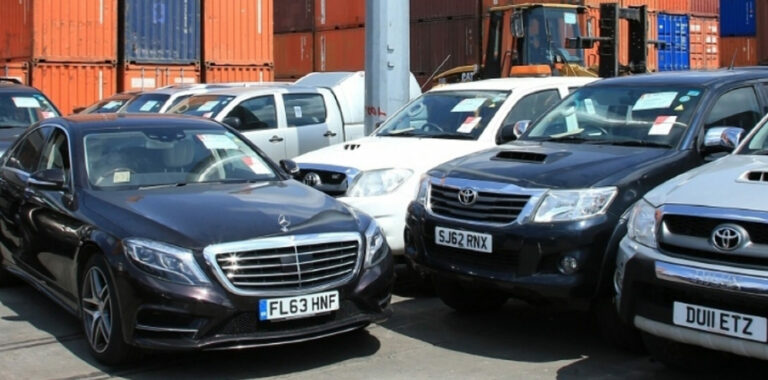
The Ministry of Co-operatives and Micro, Small and Medium Enterprises (MSMEs) Development has announced mass disposal of unserviceable motor vehicles through a public auction.
In a public notice issued on Tuesday, January 20, the State Department also announced the auction of obsolete tyres for Sh10,000.
The auction is set to take place on February 4, 2026, at the NSSF Building, basement three, on Bishops Road, Nairobi, starting at 10:00 am.
According to the notice, the cheapest model, a Nissan N17 will go for Sh50,000 while the most expensive, a Toyota model will go for Sh600,000.
Others are Nissan N17 (Sh60,000), Toyota (Sh300,000), Mitsubishi Pajero (Sh250,000), Nissan X-trail (Sh180,000), Nissan X-trail (Sh280,000), Ford Ranger (Sh250,000), and Nissan Urvan (Sh230,000).
Interested bidders have been advised to inspect the vehicles and tyres between January 21 and February 2, 2026, at Basement 3 of the NSSF Building on Bishops Road, Nairobi Area Traffic Headquarters and Samo Garage along Falcon Road off Enterprise Road in the Industrial Area.
Viewing will be conducted daily from 8.00 a.m. to 5.00 p.m., except on Saturdays and Sundays. The items will be sold without warranty or guarantee.
Prospective bidders are required to pay a refundable deposit equivalent to 10 percent of the reserve price for each lot, alongside a non-refundable bidding form fee of Sh1,000.
The deposit must be paid into the State Department for Co-operatives account at the Central Bank of Kenya.
Upon payment, bidders will be issued a receipt and a bidding number from the Supply Chain Management Office. No bidding will be permitted without an official bidding number.
Successful bidders will be required to pay 25 percent of the purchase price immediately after the hammer falls and clear the balance within seven days.
Purchased vehicles and tyres must be collected within seven days. Failure to comply with this directive will result in storage charges of Sh1,000 per day.
The Kenya Pipeline Company’s Initial Public Offer (IPO) will reward transaction advisers and other agencies involved with Sh3 billion earnings.
These funds shall reflect the 2.8 percent amount of fees that shall be given to transaction advisers, investment banks and lawyers for facilitating the Kenya Pipeline IPO.
The IPO went live at the Nairobi Securities Exchange (NSE) on January 19 and shall run until February 19, 2026. It has been priced at Sh9 per share.
According to the IPO prospectus, the government has allocated the public 60 percent of the 11.81 billion shares that are on offer.
If this allocation is fully subscribed, the government will collect a total of Sh106.3 billion, from which gross the Sh3 billion advisory fees shall be redeemed.
According to the National Treasury, 20 percent -equivalent to 2.36 billion shares in the IPO -have been set aside for local retail and institutional investors. 15 percent – equivalent to 1.77 billion shares – has been set aside for oil marketing companies operating in Kenya while 5 percent – equivalent to 590.3 million shares – has been set aside for Kenya Pipeline employees.
Foreign investors and investors from the East African Community have been allocated 20 percent of the shares on offer during the IPO.
In case the IPO is oversubscribed, the National Treasury says that local Kenyan investors shall be given the first priority.
In the IPO, stockbrokers and investment will be some of the biggest gainers with Sh1.59 billion earnings in fees.
In this trade, the National Treasury has appointed 22 intermediaries to handle the sale. These include Faida Investment Bank which shall also be paid Sh98.6 million for leading the transaction in addition to the placement fee.
Others are Dyer & Blair Investment Bank which is the lead sponsoring broker, and Francis Drummond which is a co-sponsoring broker. At the same time, the National Treasury has enlisted the Co-operative Bank of Kenya, KCB Bank, and Stanbic Bank as the receiving banks.
Co-op Bank will pocket Sh9.96 million, KCB Bank Kenya Sh3.6 million, and Stanbic Bank Kenya Sh2.78 million. PriceWaterhouse Coopers LLP shall pocket Sh13.45 million as the IPO’s reporting accountants.
At the same time, the transaction’s legal advisers TripleOKLaw Advocates and G&A Advocates LLP will receive a fee of Sh31.9 million.
Apex Communications and Belva Digital who have been given the roles of public relations and advertising agencies will be paid Sh42.13 million and Sh12.26 million respectively.
On its part, the National Treasury will pay Sh40 million in advertising fees, Sh6.25 million in printing costs, and Sh12.5 million as other fees. It will also pay the Capital Markets Authority Sh30 million in IPO approval fees, and Sh1.5 million to the Nairobi Securities Exchange as listing fees.
All learners in Day secondary schools in Mathira Constituency will henceforth study free of charge after Mathira Member of Parliament Eric Wamumbi scrapped school fees.
In a statement on Monday, January 19, the MP announced the withdrawal of the previous Sh1,000 school fees per term as part of the Masomo Kwa Wote Programme aimed at making education affordable for all learners.
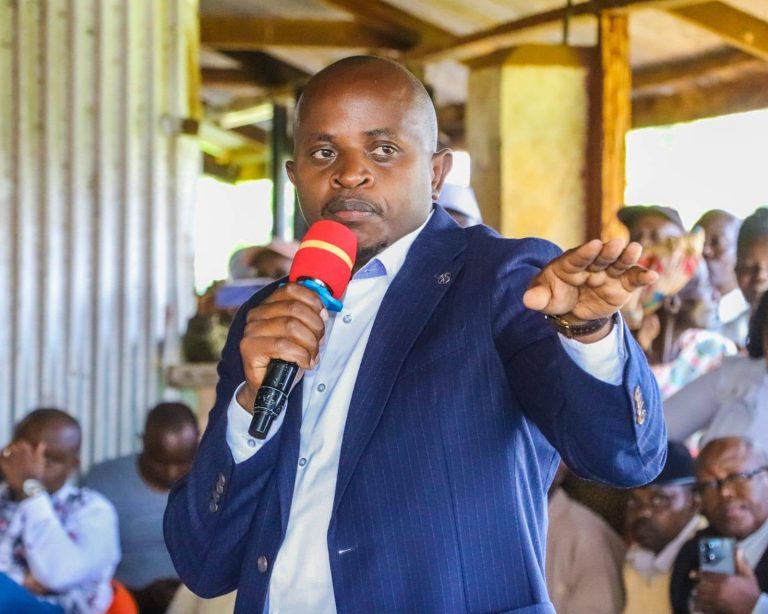
“In a bid to perfect the Wamumbi Masomo Kwa Wote Programme, I am proud to announce that all day schools in Mathira will now be free of charge, scrapping the Ksh1000 term fee. A step aimed at easing the financial burden on parents and ensuring that no child is left behind due to inability to pay,” said Wamumbi.
“This decision is part of a broader vision to promote fairness,inclusion,and equal opportunity for every learner across Mathira,” he added.
This comes days after Kiharu MP Ndindi Nyoro lowered school fees for day students from Sh1,000 per term to Sh500 under the Masomo Bora initiative.
The new school fees will cover all students from Grade 10, Form Three and Form Four. According to the MP, the fees will cover all students regardless of whether they are from Kiharu or not, as long as they school in Kiharu day schools.
The initiative launched in 2023 includes food programme where all learners will be served with chapatis every last Friday of the month. They will be served with rice for three days, githeri for three days and will also get porridge during tea breaks. These meals will be served to students attending classes during Saturdays.
Starting a business is usually one of the most challenging yet rewarding endeavors a person can undertake, requiring creativity, persistence, and a strong willingness to learn from both successes and failures.
For many entrepreneurs, getting started and turning an idea into a practical plan is usually the most challenging step. However, once the step is taken, confidence often grows, lessons become clearer, and challenges begin to feel more manageable, paving the way for steady progress and long-term success.
A Kenyan lady, has taken to social media to ask for advice on the best business to start with Sh10,000 and earn between Sh300 and Sh500 per day.
In a post on the Tujengane Group, the lady under the user name Miney Lee revealed that she is looking for a flexible business that she can run while in the company of her kid.
“I have saved 10k. What business can I do and make at least 300 to 500 per day? I have a school going kid so I want something flexible such that the kid can passby after school before we go home. A business that I can do from 7am to 9pm because she goes to school at 6.30,” the post reads.
Responding to the question, various users shared some of the profitable ideas to start with Sh10,000. Michael Mwasaru advised her to invest in Chicken Mishikaki, detailing the entire setup as follows:
What you need.
CHICKEN MISHAKIKI NDO BIZ.
Choma grill (around 5K)
3KG chicken (500)tafuta msee anafuga kuku na kuchinja daily utapata na hio bei
Green pepper 1kg(chagua green pepper zenye ziko kubwa but hazina weight ndo ziwe mob.
1pkt skewer
Kata hio kuku utoe wings na thigh kando, hizo wings moja uza 30, thigh uza 60,the rest kata into small but good size. Unaeza pata 120 pieces ama ata soo.
Marinate hio kuku na hizo spice.
Kata green pepper and red onion into small cube.
Hio marinated chicken tunaiweka kwa skewer. Start with green pepper the red onion, alafu 1pc of chicken rudia hio procedure mpaka uwe na vipande vitatu vya kuku kwa skewer moja.
Unaeza toa atleast 40 PORTION.
1PC YA SKEWER 30 BOB
30×40=1200
chicken thighs 2=120
Wings 2=60
Total 120+60+1200=1380
Hio ndo doo utapata na 1 chicken unaeza uza hata kuku watatu kuanzia 4pm-10pm.
Ukiwa unachoma MISHAKIKI kuwa na brush ya kupaka hizo kuku. Changanya maji na salt kwa mkebe moja, hio mkebe ingine Changanya cooking oil na Paprika. Ukiweka brash kwa hio mixture ya cooking oil na Paprika the you brash them mishakiki zinaleta colour poa.
As Kenyans start to work on their 2026 resolutions, a Facebook user has taken to social media to ask for business ideas.
In a post shared on the Tujengane Facebook group, the user revealed that he has a capital of Sh300,000, but does not have a business idea. He added that he prefers something he can export or import from Uganda or Tanzania.
“I have a capital of 300k. I am shopping for business Ideas. Something I can export/Import from Uganda or Tanzania. I have capital but no idea,” he stated.
Responding to the matter, various Facebook users poured some business advises. Below are some of the responses.
Marshall Mathenge
Import animal feeds, raw products from Uganda, mix them here, and sell to farmers.
Maggie Babere
Tanzania has rice, Uganda has eggs Kenya has the market
KindRaspberry4342
What about dera and ladies sandles from Tz. From ug you can do Shea butter and groundnuts
Muchwezi Vicent
Come in Uganda and we invest in farming mostly cabbage, Tomatoes and onions and you will never regret One acre hiring is 10k per year one year has got 3season of planting cabbage seed for one acre 8,000, water pump plus pipes 30k digging 3k one acre carrys 20,000 heads of cabbages one cabbage farm price here in Uganda is 60 bob×20000= 1,200,000 this is after 3 months one month in seedbed two months in main garden.
Edwin Njiru
Sunflower from Singida, Tanzania seek aggregation contract from Bidco.
Josiah, a Nairobi-based businessman, advises people with business ideas to execute them immediately and that no business is small; what is needed is discipline and determination.
“For you to succeed in business, you must persevere: money does not come just like that, people must steal from you, you must make losses, you must meet stiff competition. But all these will come to an end when you become resilient,” he said.
“We all have the opportunity to make it in life, but what some of you imagine is that success is reserved for specific people. All the wealthy people you see around started from somewhere,” he added.
Former Kiambu Governor Ferdinand Waititu’s land has been put up for auctioning over a Sh40 million debt that he has defaulted on.
Waititu is said to have borrowed Sh30 million from Pelican Credit. The debt has now ballooned to Sh40 million, prompting Pelican to enlist the services of Garam Auctioneers.
Waititu had used this land as part of security for the loan that he took. Out of the Sh30 million loan, he repaid Sh9.8 million then fell behind. This saw Pelican initiate penalties on his defaults that expanded his loan to Sh40 million.
A notice by Garam described the land put on auction as “All that parcel of land known as Title No. Nairobi/Block 105/8659 Ruai/ Eastern Bypass Interchange, Ruai Township along Kangundo Road, Nairobi County, registered in the name of Ferdinand Ndungu Waititu Babayao.”
The property that has been put up for auctioning situated opposite Be-Energy Petrol Station, Ruai, and at the junction underpass.
“The subject plot measures 0.2059 hectares (0.509 acres) or thereabouts, and it is underdeveloped. The title is a leasehold interest for a term of 99 years,” the notice stated.
“Mains electricity and piped water services are available for connection to the subject property from within the immediate neighborhood Drainage will be directed to the mains sewer.
This is the latest in a series of financial troubles that the politician is currently facing. Waititu is also set to be auctioned by Wananchi Credit over a Sh10 million debt that he has defaulted on.
The National Treasury today launched the Kenya Pipeline Company (KPC) Initial Public Offering (IPO) at the Nairobi Securities Exchange (NSE). The transaction – the largest IPO and the first electronic in the capital market’s will see 65 per cent of KPC’s issued 11,812,644,350 ordinary shares offered at KES 9 per share at the Nairobi bourse. This opens up ownership of one of Kenya’s most strategic energy infrastructure assets to local, regional, and international investors.
The IPO also includes an Employee Share Ownership Plan (ESOP), under which 5% of the total offer shares are reserved for eligible KPC employees. This enables employees to participate directly in the IPO and aligns their long-term interests with the company’s future performance.
The offer period opens today, 19th January 2026, and is scheduled to close on 19th February 2026, with listing and trading of KPC’s shares on the Nairobi Securities Exchange expected to commence on 9th March 2026. The overall IPO and privatization process is expected to conclude by 31st March 2026, subject to regulatory timelines and applicable approvals.
The IPO represents a major milestone in Kenya’s state-owned enterprises reform agenda and capital markets development, aimed at broadening citizen ownership, strengthening market depth and liquidity, and supporting the Government’s fiscal sustainability objectives.
“We are coming to the market at a time of strong momentum at the NSE, with market capitalization crossing Kshs. 3 trillion in November 2025. This rally demonstrates the depth and resilience of our capital markets to absorb a transaction of this magnitude.”
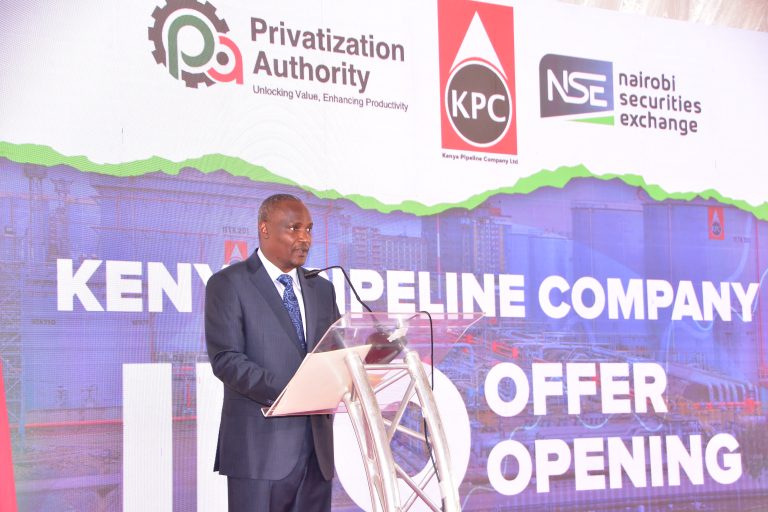
The launch ceremony, which was officiated by FCPA Hon. John Mbadi, the Cabinet Secretary for the National Treasury, brought together senior Government officials, regulators, market leaders, and private sector executives.
“This IPO is about transforming a wholly-owned state enterprise into a people-owned company. By opening Kenya Pipeline Company to public ownership, we are strengthening the company, deepening our capital markets, and giving Kenyans the opportunity to participate directly in one of the country’s most strategic infrastructure assets.
The Government is offering ordinary shares of Kenya Pipeline Company, giving Kenyans and the global investing community a direct opportunity to become co-owners of one of our most strategic national assets,” the Cabinet Secretary added.
Also speaking at the launch, Faisal Abass, Chairman of the Privatization Authority, described the transaction as a defining moment for Kenya’s public sector reform efforts.
“This IPO demonstrates how privatization can be undertaken transparently, competitively, and in the public interest,” he said. “By leveraging market mechanisms and digital platforms, we are ensuring broad access, strong governance, and long-term value creation for both investors and the Kenyan economy.”
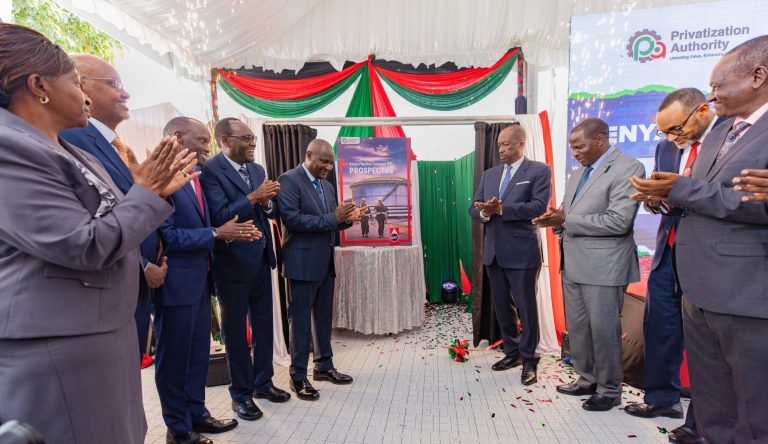
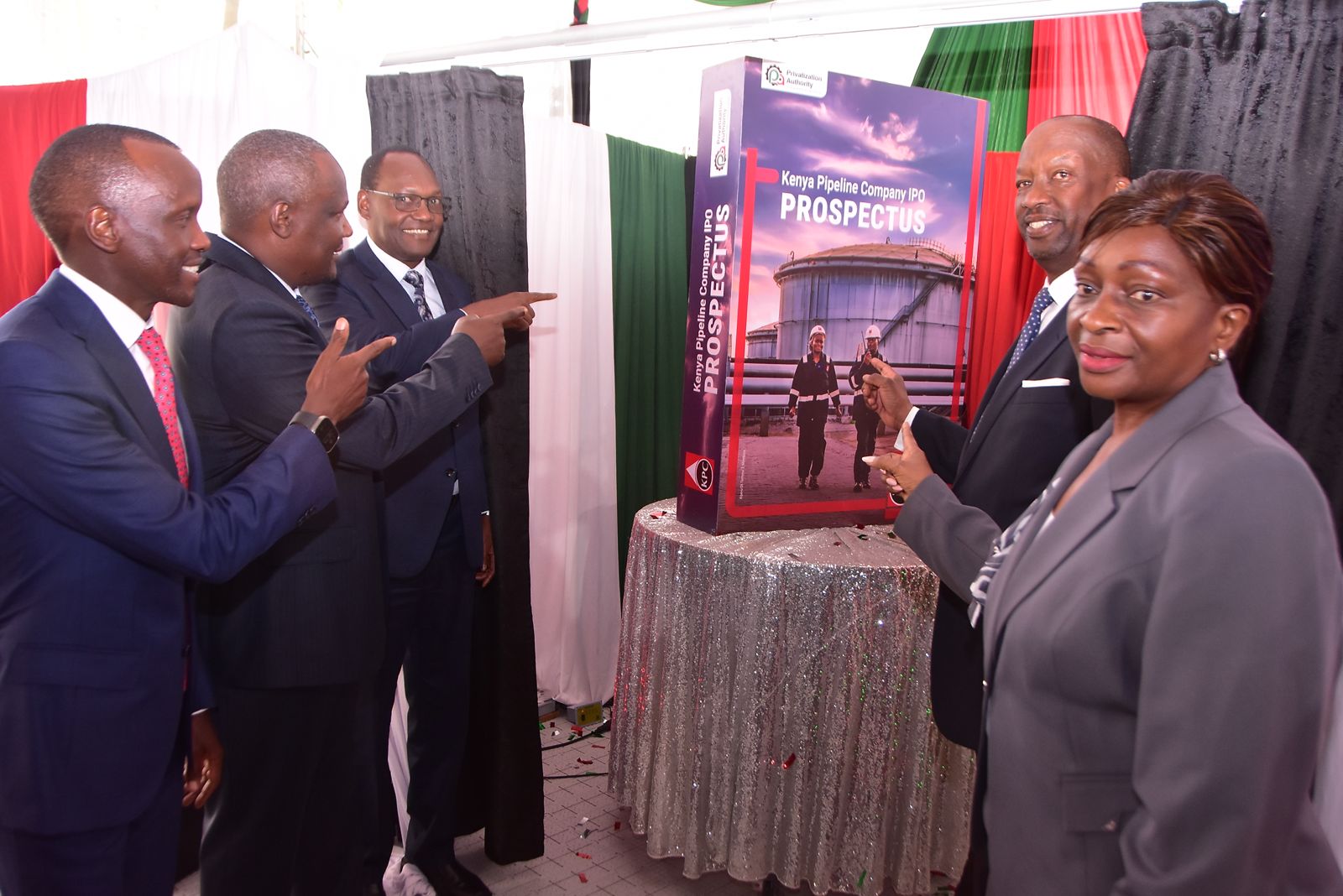
L-R Kenya Pipeline Company MD Mr Joe Sang, National Treasury CS, Hon. FCPA John Mbadi Ng’ongo, EGH, Principal Secretary (PS) for National Treasury, Hon. Dr Chris KiptooChairman, Nairobi Securities Exchange, Mr. Kiprono Kittony and Privatization Authority CEO Dr Janerose S. Omondi share a light moment during the launch of Kenya Pipeline Company IPO Opening at Nairobi Securities Exchange.
The IPO has received regulatory approval from the Capital Markets Authority and the Nairobi Securities Exchange. The offer is open to Kenyan retail and institutional investors, East African Community investors, Oil Marketing Companies, KPC employees, and international investors, in accordance with applicable regulations.
Proceeds from the offer will accrue to the Government of Kenya and will be applied in line with the national budget framework and fiscal policy direction, supporting priority economic and social programmes, strategic infrastructure investments, and fiscal consolidation. Gross proceeds will form part of the Government’s approved financing plan for the 2025/26 financial year, with resources allocated to critical commercially viable infrastructure investment priorities, specifically Energy, Roads, Water and Irrigation, and Airports.
Investors can participate by applying electronically through authorised selling agents, licensed stockbrokers, and the approved digital IPO application platforms during the offer period.
KPC is one of Kenya’s most profitable state-owned enterprises, reporting revenues of Ksh. 38.6 billion and after-tax profits of Kshs. 10.37 billion for the financial year ended 30 June 2025. The company operates a critical petroleum transportation and storage network spanning more than 1,300 kilometres of pipeline infrastructure, playing a central role in national energy security and regional trade.
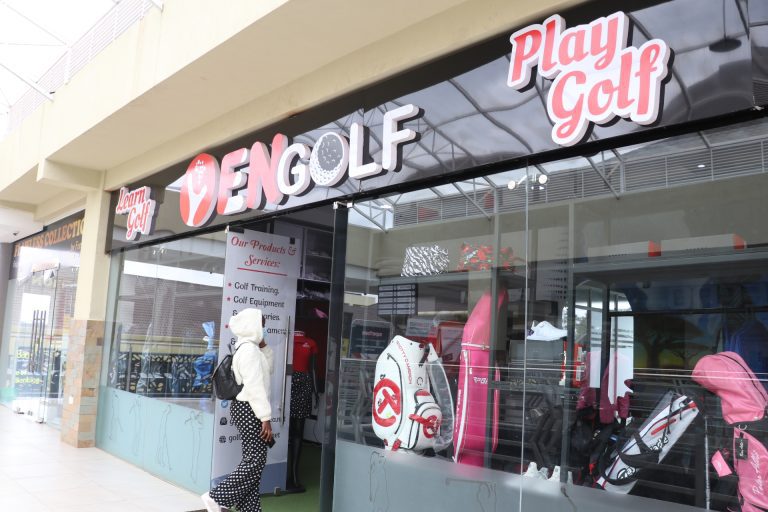
YENGolf has announced that it is looking for a pro shop attendant to assist in running operations at its Runda Mall-based shop.
In an advertisement, the firm said it is seeking to hire a customer-focused individual with a strong social media marketing and Tele-sales skills.
“YENGolf is seeking a dynamic, customer-focused Pro Shop Attendant with strong Social Media Marketing and Tele-sales skills to join our growing golf academy. This role is ideal for someone who enjoys sales, digital engagement, and delivering excellent customer experiences in a premium sporting environment,” reads the notice.
Key responsibilities include:
Manage daily operations of the YENGolf Pro Shop
Attend to walk-in clients and handle phone inquiries professionally
Actively promote YENGolf programs, cohorts, merchandise, and events via tele-sales
Create, post, and manage engaging content across Instagram, WhatsApp, TikTok, and Facebook
Respond promptly to social media and WhatsApp inquiries and convert leads to bookings
Maintain stock records, merchandising displays, and basic sales reports
Support marketing campaigns, promotions, and special events
Requirements
Previous experience in retail sales, tele-sales, or customer service
Proven experience managing or marketing on social media platforms
Strong communication and persuasion skills
Comfortable working with sales targets and follow-ups
Basic computer skills (WhatsApp Business, Excel/Google Sheets, social media tools)
Passion for sports or golf experience is an added advantage
How to apply
Interested candidates are directed to send their CV and a brief cover note explaining their sales and social media experience to: [email protected] with the Subject Line: Pro Shop Attendant Application. The application deadline is 23rd January 2026.
Successful applicants will be entitled to a competitive salary alongside performance-based commissions, an opportunity to grow within a fast-expanding golf brand, and exposure to sports marketing and premium clientele.