Home Blog Page 146

Zoho One unveils major enhancements to boost collaboration, security, and intelligence

0

Zoho Corporation, a global technology company, today announced numerous enhancements to Zoho One, its all-in-one business software platform. The latest update introduces a reimagined user experience designed to make collaboration easier, improve security, and deliver deeper intelligence across all 50+ applications. With this release, Zoho One offers a more connected and context-aware environment for organisations of all sizes.

“The Zoho One update reflects how work has evolved from using individual applications to operating within a unified platform,” said Veerakumar Natarajan, Country Head, Zoho Kenya. “Zoho One customers are not simply licensing apps; they are choosing a solution that allows Zoho to handle the technology while they focus on productivity. The enhancements announced today deliver a cohesive experience built on unified integrations, context, and data.”

Since its launch in 2017, Zoho One has grown to support more than 75,000 organisations worldwide, with customers using an average of 22 applications within the suite. The platform’s extensive integrations, privacy-focused architecture, and consolidated technology stack ensure reliability and consistency for businesses looking to streamline operations.

A Reimagined User Experience

Zoho One’s new interface places context at the centre of the user journey and removes traditional boundaries between applications. Spaces now organise tools by purpose—such as Personal, Organisation, and Department-specific groups—enabling employees to access what they need without switching between apps. A centralised search bar spans the entire ecosystem, allowing users to find information or trigger workflows instantly.

An enhanced Action Panel provides a full view of upcoming meetings, unread messages, pending tasks, and other key updates, helping employees remain informed regardless of which app they are using. The updated Dashboard consolidates data from Zoho and third-party apps into one central hub that can be customised using pre-existing or bespoke widgets.

The platform also introduces Vani, a new visual-first collaboration space that supports brainstorming, planning, and creation through diagrams, whiteboards, mind maps, and integrated video calling.

Native Integrations for Better Security and Efficiency

Zoho One continues to strengthen its position as a unified business operating system by offering native integrations across Zoho’s suite and with third-party applications. This reduces external entry points and supports faster anomaly detection. With Zoho Directory included, administrators also gain a secure platform for managing workforce identity and access within the same unified system.

A central integrations panel enables administrators to monitor and configure all connections. Foundational integrations bring application-specific portals—Zoho or third-party—into a single unified portal. Practical tasks such as domain verification and authentication can now be configured more easily.

The new Smart Offboarding feature introduces outcome-based integrations, allowing organisations to transfer department ownership, manage employee device data, and determine data access rights within a single workflow, ensuring smooth transitions.

Kenyans with innovative business ideas to get Sh100,000 funding from Zoho

Contextual Intelligence Powered by Zia

Zia, Zoho’s AI assistant, is now accessible throughout Zoho One, providing unified intelligence that supports decision-making and improves productivity. Zia can aggregate and contextualise information from various platforms, including third-party systems such as Google Workspace, and present it as clear, actionable insight.

Zia Hubs, the platform’s intelligent content management system, now has a dedicated space where contracts, meeting recordings, and other important assets are automatically organised. Through Zia Search, employees can quickly surface relevant information without navigating multiple locations.

Ask Zia, available from the bottom toolbar, enables prompt-based searches across Zoho One, providing quick visibility into schedules, tasks, recent interactions, and other key details.


The New KCC is on verge of collapse as farmers go unpaid for months

The New KCC is struggling financially and is on the verge of collapse. This has emerged as tens of farmers come out lamenting that the milk processing company has not paid them for months.

According to reports, the New KCC has pending arrears of up to Sh300 million stretching for up to four months. Among the hardest hit farmers are milk suppliers in Nakuru, Nyandarua, Trans Nzoia, Uasin Gishu, Nandi, Kericho and Narok counties.

“KCC is currently struggling to pay farmers for milk supplied, and the government is working on a privatization programme to solve these challenges,” said the Cabinet Secretary for Co-operatives Wycliffe Oparanya.

The crisis at KCC has been worsened by debts that various government institutions and departments have not settled. For instance, the Ministry of Defence and the Administration Police Service are the largest debtors. They owe the New KCC Sh49.49 million and Sh32.38 million respectively, according to documents that were tabled before the National Assembly Committee on Trade, Industry and Co-operatives.

The Kenyatta National Hospital (KNH) owes the factory Sh14.98 million. State House owes Sh14.62 million. At the same time, the National Security Intelligence Service owes the factory some Sh4 million while the Nairobi Water and Sewerage Company owes the factory Sh2.27 million.

There is also an unpaid debt of Sh52.24 million that other government agencies owe the factory.

According to CS Oparanya, the government is now considering privatizing the factory in what he claimed is a bid to improve efficiency and productivity, and address farmers’ financial concerns.

Formerly known as KCC, the milk processor had collapsed in 1998 following years of persistent abuse, including cash flow problems and mismanagement. In 2000, the government of the late former president Moi sold the company to a group of private investors at a throwaway price of Sh447 million. This was despite KCC having a market valuation of Sh2 billion.

The new private investors, however, were unable to revive it. In 2003, the then new government of late former president Mwai Kibaki bought the factory at Sh547 million and managed to revive it.

READ MORE: How Ruto’s family, allies make profits from sending Kenyans to Saudi – New York Times

How students sponsored by Equity Bank own and operate Equity Afia clinics

0

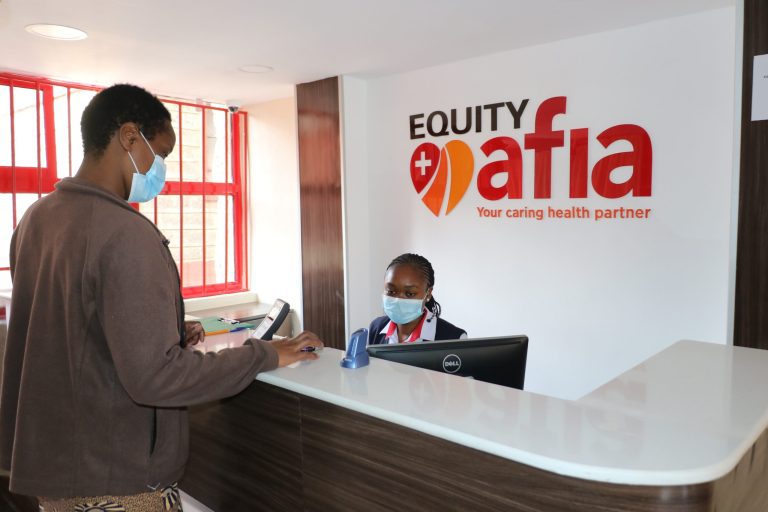
The Equity Afia clinics are among the most popular medical facilities in the country, known for quality, affordable outpatient services.

These facilities are known to be well-resourced and equipped to offer comprehensive outpatient services, including consultation, emergency care, diagnostic services, pharmaceutical services and specialist services, including physiotherapy, minor outpatient surgery, and nutrition counselling among others.

The Equity Afia medical centres were first launched in 2015 under the Equity Group Foundation’s (EGF) Health pillar as a response to the growing need for affordable and accessible quality healthcare for Kenyans.

While they are perceived to be owned by Equity Bank, the truth is that the Equity Afia clinics are owned and run by individual medical professionals who are alumni of the Equity Leaders Program (ELP), a Equity Group-led training program for high-performing Kenyan students.

The medical professionals supported include doctors, nurses, pharmacists and pharmaceutical technologists, dentists and oral health officers, lab technologists, sonographers, and optometrists.

The clinics use a franchise model, where the Equity Group Foundation provides support to Equity Leaders Program medical entrepreneurs by mentoring them and providing them with the resources and structure to run their own clinics.

Equity Afia provides standardized healthcare across its network. The consultation fee for a general doctor is a consistent Sh500 at all locations while a specialist consultation fee is a standard Sh1,500.

Currently, Equity Afia runs 147 medical centres across the 47 counties and has served over 4.3 million customers.

Equity Group Q3 2025 net profit jumps 32 percent to Sh54.1 billion

Some of its branches are in Ongata Rongai, Kawangware, Kasarani, Lodwar, Kayole, Thika, Ruiru, Nyeri, Nakuru, Kahawa West, Kapenguria, Utawala, Karatina, and Kitale among others.

About Equity Leaders Program (ELP)

The Equity Leaders Program (ELP) is a rigorous leadership development program under the Equity Group Foundation.

The program targets top-performing Kenyan students who are exposed to a high-performing environment and trained in their respective areas of study.

Each year, Equity Bank develops a selection criterion for new scholars based on various performance including general KCSE performance, distribution of Equity Bank branches, performance of graduating Wings to Fly scholars, and performance categories i.e. top nationally, top in county and top in sub-county.

The selected students are then sponsored and trained is some of the best universities both locally and internationally.

ELP scholars who wish to study abroad are taken through a month-long residential training program that covers critical thinking, college application processes and exposure to what global universities have to offer.

After the pre-university internships, the scholars join various universities abroad. During the long break, they get an opportunity to apply back to the bank for a paid internship, which is made available based on the business need.

So far, over 891 scholars have secured admission in over 209 leading global universities across 35 different countries. ELP graduates from these institutions have proceeded to have fulfilling careers in leading global institutions in the fields of Finance, Health, IT, among others.

Guide to the Mobile Games Ecosystem: Genres, Platforms, and Trends

0

Mobile gaming has evolved into a diverse ecosystem that encompasses casual play, competitive esports, open-world adventures, and monetized formats such as mobile games for real money and casino mobile games. The segment includes titles designed for short intermittent sessions as well as expansive experiences that mirror traditional console or PC games. Searches such as best games android, best games iphone, or trending mobile games reflect a broad user intent, ranging from entertainment to competitive participation. This article approaches the subject analytically and descriptively, focusing on categories, mechanics, and platform differences without promotional intent.

Aviator Game Review: Mechanics and Context

The aviator game represents a genre commonly referred to as crash-style or multiplier-based gameplay. In its typical configuration, a virtual aircraft ascends while a multiplier increases over time. The participant chooses when to stop the round before the aircraft departs, at which point the multiplier is locked. Failure to stop before departure results in the loss of the round. From a structural perspective, this design emphasizes timing and probability rather than narrative progression or skill-based mastery.

The relevance of Aviator in discussions of mobile games for real money and casino mobile games derives from its simplified interface and rapid session format. The design encourages continuous interaction, facilitated by minimal visual complexity and a clear feedback loop. Its prominence illustrates how certain mobile formats prioritize speed and accessibility, diverging from traditional gameplay that relies on progression systems or story development. Observationally, the Aviator model demonstrates how mobile platforms accommodate both entertainment-focused and monetization-driven formats under a shared technological framework.

Trending Mobile Games and Shifting Preferences

Trending mobile games often reflect broader shifts in user behavior and technological capabilities. Games gaining traction typically align with improvements in graphical rendering, server stability, and cross-platform integration. The concept of popularity in this space is influenced by download rates, user engagement metrics, and social interaction features.

Economic Impact of International Sports Events In Kenya

While trends evolve, recurring characteristics include real-time multiplayer options, seasonal content updates, and monetization systems integrated with progression mechanics. These factors contribute to the visibility of certain titles and shape perceptions of relevance within the mobile gaming environment.

Best Offline Games: Playability Without Constant Connectivity

Best offline games retain functionality without persistent internet access. Their design centers on standalone performance, often prioritizing optimized resource usage and device efficiency. Common genres include puzzle, strategy, and single-player role-playing experiences.

Offline formats are particularly relevant in regions with limited connectivity or for users prioritizing uninterrupted experiences. The absence of live updates or server dependencies alters the pacing and structural design of gameplay. These games tend to offer fixed content cycles rather than ongoing expansions.

Best Android Open World Games

The category of best android open world games includes titles that allow free exploration within expansive digital environments. These games often feature nonlinear progression, side quests, and dynamic interaction systems. The open-world framework requires higher processing capabilities and storage optimization, reflecting advancements in mobile hardware.

Digital Casinos Go Destination Experiences: Immersive Gaming Solutions Stuck between Quick Plays and Journeys

Such games demonstrate the capacity of Android devices to support complex spatial design and interactive storytelling. From a structural perspective, open-world formats emphasize immersion and user autonomy more than rigid linear gameplay.

Best Games Android vs Best Games iPhone

The comparison between best games android and best games iphone illustrates platform-specific approaches to mobile gaming. Android is characterized by broader device diversity, resulting in varied performance benchmarks. iPhone gaming tends to emphasize hardware-software optimization within a controlled ecosystem.

Differences emerge in areas such as exclusive releases, graphical fidelity, and optimization strategies. While both platforms support a wide range of genres, performance reliability and update cycles can vary. This segmentation underlines how platform infrastructure influences game design and user experience.

Esport Mobile Games: Competitive Structures on Smartphones

Esport mobile games replicate structured competitive environments traditionally associated with PC or console gaming. Titles such as Mobile Legend Bang Bang, Pubg, and Call of Duty have established structured tournament ecosystems supported by formalized rulesets and spectator features.

These games prioritize balance, real-time decision-making, and synchronized multiplayer servers. The integration of ranking systems and regional competitions underscores the transition of mobile gaming into organized competitive formats. The sustained engagement associated with esports titles highlights the strategic and mechanical sophistication of modern mobile games.

Legendary Franchises in the Mobile Context

Certain franchises such as Dota 2 and CS:GO maintain prominence in the gaming culture despite not being natively designed for mobile platforms. Their influence extends through adaptations, spin-offs, or similar genre representations in the mobile domain.

These legacy titles shape user expectations and gameplay models. Their structured mechanics and competitive history inform the development of comparable experiences on mobile, illustrating continuity between traditional and handheld gaming ecosystems.

Genshin Impact and the Expansion of Mobile RPGs

Genshin Impact exemplifies the convergence of console-grade design and mobile accessibility. Its open-world structure, character-driven narrative, and environmental detail illustrate how mobile hardware can accommodate complex role-playing frameworks.

The game’s presence in discussions of best games android and best games iphone reflects its cross-platform adaptability. Its design integrates continuous updates and narrative expansion, positioning it within the evolving archetype of live-service RPGs adapted for mobile consumption.

Mobile Games for Real Money

Mobile games for real money constitute a segment where interaction is tied to monetary outcomes. These games operate within regulatory frameworks and often utilize verification systems to enable participation. The mechanics generally resemble traditional gaming structures but incorporate transactional layers that differentiate them from entertainment-only formats.

The History of Gambling: From Ancient Dice Games to the Digital Betting Boom

The presence of this model affects user perception and game design priorities, often emphasizing simplified rulesets and frequent engagement cycles. This segment illustrates how the mobile gaming industry navigates intersections between entertainment and transactional entertainment models.

Casino Mobile Games: Structural Overview

Casino mobile games are designed to simulate elements commonly found in physical casino environments. These include digital representations of card games, slot systems, and number-based interfaces. Their design often prioritizes quick accessibility and user-friendly navigation.

From an analytical standpoint, casino mobile games operate as part of a broader interactive entertainment model that prioritizes repetition and simplicity. The format demonstrates how traditional recreational structures are adapted to mobile contexts without substantial narrative or progression systems.

The Role of Technology in the Evolution of Mobile Gaming

Technological improvements continue to influence mobile gaming design. Advancements in GPU processing, touch interface precision, and cloud integration contribute to more immersive experiences. These developments allow mobile games to incorporate mechanics previously limited to dedicated gaming platforms.

Additionally, augmented reality and cloud-streaming further expand the potential scope of gameplay. These technologies alter how games are structured and delivered, reinforcing the dynamic nature of the mobile gaming ecosystem.

Future Trajectories and Structural Patterns

Mobile gaming continues to diversify in format and complexity. The coexistence of offline titles, esports mobile games, open-world adventures, and monetized formats illustrates a multifaceted environment. The analysis of this structure suggests increasing integration of technological capabilities and evolving user preferences without indicating a singular dominant trajectory.

Conclusion: An Integrated Perspective on Mobile Gaming

The mobile gaming landscape encompasses a wide range of formats, from best offline games to complex open-world titles and competitive esports structures. The inclusion of monetized models such as mobile games for real money and casino mobile games further reflects broader shifts in interactive entertainment design.

By examining categories such as best android open world games, best games iphone, and trending mobile games, it becomes evident that mobile gaming operates as a multifaceted system shaped by technological, cultural, and structural factors. This ecosystem continues to expand without reliance on a single defining model, reinforcing its position as a significant component of digital entertainment infrastructure.


Unlocking Opportunity: How Kenyan entrepreneurs can access European Investment Bank support

0

As Kenya’s private sector continues to anchor the nation’s economic growth, access to affordable finance remains a pressing challenge for many small and medium-sized enterprises (SMEs).

According to the Kenya National Bureau of Statistics (KNBS), at least 450,000 SMEs close in Kenya annually translating to 30,000 a month and 1,000 daily on average.

Access to affordable and long-term credit has been named as the main challenge leading to these closures. This is because traditional lenders, including commercial banks, require high collateral, which majority of SMEs and startups simply do not have and in some cases, the cost of credit can be very high.

Additionally, the high cost of doing business coupled with higher taxes has made it almost impossible for Kenyan SMEs to operate and remain afloat.

Private capital is emerging as a powerful driver of development in Africa since the public sector alone cannot provide the capital needed to meet demand. This is why the European Investment Bank (EIB) has stepped in through its intermediated lending framework to help Kenyan SMEs survive.

Through the framework, EIB provides credit lines to local banks to then on lend to SMEs or invests in local private equity and venture capital funds enabling them to in turn invest in businesses by taking on some equity in the businesses, without the requirement of quick repayment.

Recently, the EIB set up a unique initiative called Boost Africa, a joint venture between African Development Bank and the European Investment Bank with support from the European Commission.

Deployed in 2020, Boost Africa, is designed to empower young African entrepreneurs especially youth and women by unlocking early-stage financing through venture capital or private equity funds operation in Africa and strengthening technical capacity within Africa’s business ecosystems so that business can grow sustainably into the future.

Beyond capital, Boost Africa’s support frequently includes technical assistance helping partner fund managers improve their fundraising and equipping entrepreneurs to design inclusive products, become investor ready, and facilitating business networks or advisory services.

ALSO READ: How EIB-backed finance is bridging the financing gap for Africa’s young innovators

How entrepreneurs can access EIB-backed funding

Entrepreneurs looking to scale their businesses an access EIB support through the following ways:

  1. Via Venture Capital and Private Equity Funds

Since the 1990s, the EIB has been at the forefront in helping bridge the venture-capital gap for early-stage and growth-oriented companies across sub-Saharan Africa. The lender’s support involves financing local private equity and venture capital funds which in turn invest in high-growth potential enterprises and startups in Africa.

In Kenya, Boost Africa works with funds like Seedstars Africa Ventures, TLcom, Atlantica, and AfricInvest to support enterprises active in sectors like ICT, healthcare, climate-tech, agriculture, education, financial services, and manufacturing.

Under the first phase of the Boost Africa initiative, the EIB has invested EUR 78 million in six African funds, which in turn helped mobilise EUR 382 million from other investors into these six funds.

Over 70 companies across Africa have benefited from capital injection and technical assistance training, and the number is set to surpass 120 companies by the end of the investment period. This is creating thousands of jobs for Africa’s youth.

  1. Through Local Partner Banks and Financial Institutions

The EIB channels most of its SME financing through Kenyan banks and microfinance institutions. Entrepreneurs seeking funding can approach partner banks such as KCB Group, Co-operative Bank, and Family Bank, which manage EIB credit lines.

These facilities often offer longer loan tenors, lower interest rates, and flexible repayment terms tailored to SMEs across sectors such as manufacturing, agribusiness, technology, and renewable energy.

  1. Green and Climate Finance Opportunities

The EIB is one of the world’s largest financiers of climate action. Kenyan businesses pursuing renewable energy, energy efficiency, waste management, or sustainable agriculture projects can access green finance

4. Digital and Innovation Hubs

For start-ups in the digital economy, the EIB backed P.E funds partner with innovation accelerators offering technical assistance and seed funding opportunities. These hubs often host calls for proposals or pitch events where entrepreneurs can showcase their solutions to investors.

Requirements and Eligibility

Boost Africa has zeroed in on technology-enabled ventures across high-growth sectors. Its priorities include fintech, logistics and supply chain, ICT, edtech, healthtech, and agritech.

While each funding window has its own criteria, the Boost Africa Lead for Kenya, Astou Dia, says that enterprises that stand out for the support are those with a clear value proposition and market fit, strong, committed founding team, potential for scale and cross-border growth, and those open to mentorship and capacity-building and aligned with Environmental and Social Governance and impact principles.

Enterprises must also be legally incorporated and operating in Sub-Saharan Africa, with at least one branch in the region.

“Requests for support goes through a formal process: self-assessment by the beneficiary and the fund manager, review of the assessment, EIB approval, and deployment of expert consultants,” Dia explains.

The lender says the demand for its services is rising and is now looking for ways to extend its support for high-growth enterprises in Kenya and across Africa as the current phase of Boost Africa nears its end.

ALSO READ: How to grow your business by just giving out a share to other investors

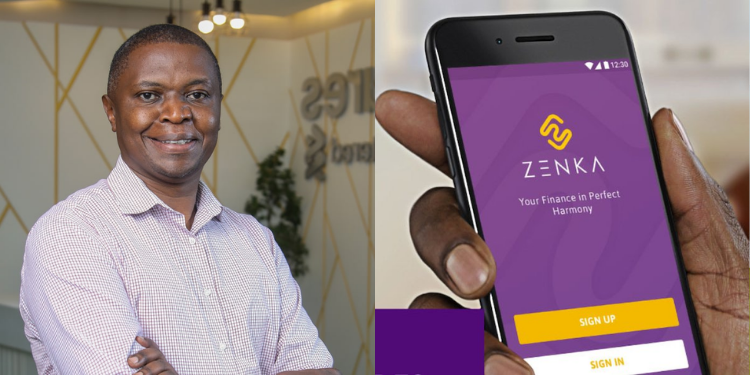
Robert Masinde: Profile of Starehe Boys alumnus who founded Zenka loan app

0

The Zenka Mobile Loan App is one of the popular mobile lenders in Kenya, offering instant short-term credit to a diverse group of borrowers.

Founded in 2018, Zenka boasts over 10 million customers in Kenya, rivaling Tala and Branch platforms which have dominated the market for years.

Zenka’s success story cannot be told without mentioning Robert Masinde, the co-founder, who has heavily invested in the tech industry.  Masinde is also the founder of Micro Mobile Ltd and co-founder of Mtaji Technologies.

Born and raised in Western Kenya, Masinde attended the prestigious Starehe Boys Centre for his secondary education.

He joined the University of Nairobi, graduating with a Bachelor of Commerce Degree in Finance. He later proceeded to the prestigious Oxford University in the United Kingdom for a Master’s in business administration.

He has over the years served in various capacities in the Finance sector and has worked with some of the leading banking institutions including CitiBank, Stanbic Bank and Standard Bank of South Africa.

He started his career at Citi Bank in 1997, climbing the ranks from a Management Associate,   Trade Operations Head, Branch Operations Head, to Head of Trade Finance.

In 2004, he joined Stanbic Bank where he served until 2011. Masinde worked as Director and Global Head, Payment Product Management at Standard Bank South Africa from 2011 to 2013.

James Sang: Unanswered questions that saved me from investing in Cytonn

After exiting the banking sector, Masinde ventured into the world of mobile lending. He established Micro Mobile Ltd, where he served as Chief Executive Officer (CEO) from May 2013 to September 2018.

In 2018, he partnered with his foreign friend Lucas Notopolous to launch Zenka, which has grown to become a household name in the Kenya’s digital lending sector.

Masinde served as CEO of Zenka Digital between January and December 2019. The company’s main goal was to provide personal flexible loan services from Sh500 up to Sh20,000.

Other Roles

Masinde was among the founders of Digital Lenders Association in Kenya (DLAK). The association which was founded on June 6, 2019 consists of digital-first lenders and other stakeholders who represent and promote the common interest of digital lenders, consumers and the digital lending industry.

The association was founded with 12 companies including Zenka Finance, Tala, Alternative Circle, Kuwazo Capital, MyCredit, Okolea, LPesa, Kopacent, Finance Plan Limited and Mobile Financial Solutions (MFS).

Masinde has also held other senior government roles. He has served as the Chairperson of the Digital Finance Committee under the Ministry of ICT from June 2019 to March 2022.

He was also a Senior Consultant at the International Finance Corporation, World Bank. He currently serves as a Senior Consultant at Equity Bank Limited and is a member of the Kenya Private Sector Alliance (KEPSA).

Crypto boom exposes Africa cyber risk

Cryptocurrency in Africa has evolved rapidly from a fringe financial activity into a major economic force – and cybercriminals are taking notice. Between July 2024 and June 2025, the continent recorded USD $205-billion in on-chain transactions, making it the world’s third-fastest-growing crypto market. Driven by economic volatility and a growing demand for alternatives to traditional banking, this surge presents governments with a critical challenge: harnessing cryptocurrency’s potential for innovation, while protecting businesses and citizens from rising cyber threats.

“Fraud, hacking and illicit transfers are on the rise, targeting countries that lack adequate protection. Authorities are responding by strengthening anti-money laundering frameworks, but these only work when underpinned by robust cybersecurity practices. Without secure systems for transaction monitoring, identity verification, and platform integrity, even the strongest regulations can’t prevent criminals from exploiting vulnerabilities to conceal stolen assets,” says Allan Juma, Cybersecurity Engineer at ESET Africa.

Africa loses an estimated USD $88.6-billion every year to illegal financial flows, with crypto-related scams accounting for a growing share. Fraud of this nature drains resources, slows public investment, and limits opportunities for businesses and entrepreneurs, directly affecting the continent’s economic growth. For African policymakers, maintaining secure digital systems is no longer just a regulatory requirement – it’s become an economic imperative.

“Governments are now responding with comprehensive frameworks that recognize cybersecurity as integral to financial regulation,” says Juma. This approach is already taking shape in countries like Kenya and Ghana, which have recently introduced Virtual Asset Service Provider (VASP) Acts that combine mandatory security standards with compliance requirements for crypto platforms. By addressing the vulnerabilities that cybercriminals exploit, these measures aim to make digital transactions safer, more traceable, and fully transparent.

Young Kenyans turning to mobile devices to grow wealth

“Africa has become a testing ground for financial cybersecurity,” says Juma. “The continent faces challenges that other developing markets will increasingly encounter, as governments work to secure rapidly digitizing financial systems while maintaining accessibility. The cybersecurity frameworks emerging from Africa – combining threat intelligence, platform strengthening, and regulatory oversight – could serve as blueprints for managing digital finance in high-risk environments globally.”

With millions of Africans still unbanked, cryptocurrency offers a vital pathway to financial inclusion – but only if users can trust the system. This creates a delicate balance: overly restrictive security measures risk excluding those who need alternatives most, while inadequate protections invite fraud that undermines confidence in digital finance entirely.

“The path forward lies in viewing cybersecurity and compliance as complementary, not competing priorities,” says Juma. “When strong encryption, multi-factor authentication, and secure infrastructure align with clear legislative frameworks, they form systems that are both resilient and trustworthy.”

James Sang: Unanswered questions that saved me from investing in Cytonn

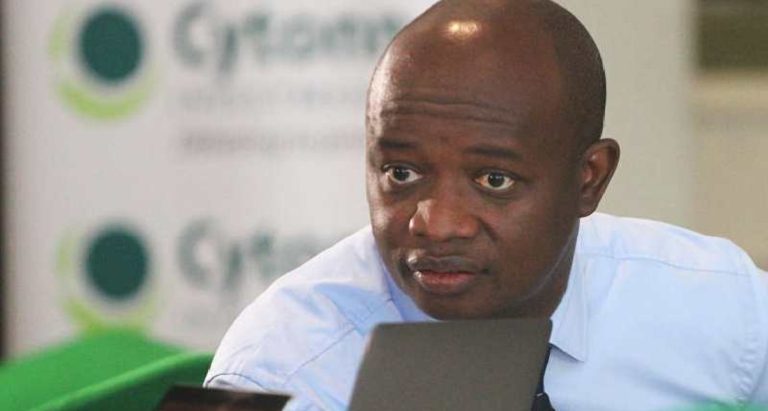
A Kenyan has shared how investment questions and concerns that were never answered by Cytonn Investments saved him from losing his money. The Kenyan who is known as James Sang shared that he was keen to invest in the company until he started spotting red flags in an investment proposal.

He had come across an advertisement in the form of an investment proposal that had been placed by Cytonn in the newspaper one morning in Nairobi, in January 2017. In the advertisement, Cytonn was offering very high returns of between 18 percent and 25 percent at a time when real estate returns in Kenya were hovering around 10 percent.

These returns were being offered through two Special Purpose Vehicles that had been dubbed as the Cytonn High Yield Solutions (CHYS) and the Cytonn Project Notes (CPN). However, Mr. Sang noticed that there were certain terms in the proposal that he was not clear with.

“I didn’t know what ‘Structured’ or ‘Alternative’ investments meant. I noted these terms down and decided to seek clarification from Edwin Dande, the chief executive officer of Cytonn,” said Mr. Sang, who is also a US citizen.

Sang pointed out that his concerns were mainly due to the risks that he felt an investor would be exposed to. He also felt that there was lack of diversification, and questioned if the company was using short-term investor funds to finance long-term real estate projects.

He then went on to post questions about the investment proposal on Dande’s Facebook page. He asked as follows:

“Does this mean that you use short-term monthly funds from investors to finance your long-term real estate investments, expecting good returns from these real estate investments to repay the high returns? If that is the case, this is where my concerns arise, because I am unsure how diversified your real estate investments are.”

“I am aware of your two main projects – The Amara Ridge in Karen (100 percent subscribed) and the Alma (55 percent?). (This is a fairly positive sign.) But how many more projects are included in the portfolio? Is it only these two? My point is that “alternative investments” are only beneficial as long as the overall demand for the real estate portfolio remains strong and well diversified. However, if the market collapses, as it did in the US in 2007, don’t you think it could be disastrous for both you and the investors?”

Sang never got a response from Dande and since his concerns had not been addressed, he chose not to invest. This decision saved him from losing a substantial amount of money that he had considered investing.

“My concerns were later vindicated. By 2020, investors complained to the Capital Markets Authority (CMA) about unpaid funds totaling Sh123 million. In June 2021, CMA declared CHYS and CPN as unregulated vehicles and therefore were under criminal investigation,” he said.

“On January 6, 2023, the High Court ordered the liquidation of the two vehicles, which had so far collected Sh11 billion from over 3,000 investors. Cytonn appealed the decision 23 times, but on Friday last week, the Court of Appeal upheld the ruling, ordering auctions and receivership of properties tied to the SPVs.”

New York Times: How Ruto’s family, allies make profits from sending Kenyans to Saudi

Super Metro announces job opportunities for road inspectors

0

Matatu Sacco Super Metro has announced job opportunities for day and night road inspectors.

In a notice on Friday, November 21, the company invited qualified Kenyans to apply. Successful applicants will be tasked with monitoring road operations, ensuring that vehicles move efficiently, reporting any incidents or delays, and offering support to crew members during trips.

They will also be responsible for enforcing company policies, promoting safety, and helping maintain the high customer service standards the operator is known for.

Interested candidates must possess skills that meet the set requirements and have a minimum education level of Form Four.

Candidates must also have the ability to work with minimal supervision and be willing to work day or night shift.

Other requirements are honesty, responsibility, good communication, and strong observation skills. According to Super Metro, experience in road operations or public transport is an added advantage.

Interested applicants were directed to submit their applications on or before Friday, December 5, 2025. Applications should be delivered physically to the Super Metro office located on the seventh floor of Njengi House along Tom Mboya Street in Nairobi.

Super Metro is a significant player in Kenya’s public transportation sector, providing daily affordable and reliable bus services to thousands of commuters.

Established in 2016, the company began its operations by providing bus services on the Thika Road route in Nairobi before expanding to other routes, including Rongai, Ngong, Kitengela, and Waiyaki Way.

ALSO READ: JSC announces job opportunities for various professionals; how to apply

Ruto’s State House blows Sh4.32 billion in just 3 months!

0

President William Ruto’s State House blew Sh4.32 billion in just three months. This massive expenditure was against the target allocation of Sh1.92 billion that State House had been given to spend in the first quarter of the current 2025/26 financial year.

Instead, in the three months that ended on September 30, State House had spent Sh4.32 billion. This means that the budget was overshot by 125 percent in three months. This shocking expenditure has once again raised concerns at how Ruto’s State House has been blowing billions of money way out of its allocations. It has not been clear on what the actual expenses such huge amounts have been getting spent on really are.

The huge State House spendthrift comes riding on the back of incremental cash supplies from the National Treasury. These cash top-ups have been quoted as funds for expenses such as fuel, travels and maintenance of vehicles.

For instance, State House received Sh3.6 billion in the less than two months to the end of the last financial year. A report by the Controller of Budget (CoB) Margaret Nyakang’o shows that the National Treasury released the amount between May 14, 2025 and June 24, 2025.

This money was released to allegedly facilitate fuel, travels and hospitality. According to the report, Dr. Nyakang’o had approved Sh2.3 billion out of the Sh3.6 billion that was sent to State House.

The report observed that on May 14, the cabinet secretary for the National Treasury John Mbadi approved the withdrawal of Sh1.5 billion. These funds were then billed as the cover for shortfalls in domestic travels, hospitality supplies, fuel and maintenance of vehicles.

On May 15, Dr. Nyakang’o authorized the withdrawal of Sh358.16 million. On May 21, Sh263.46 million was approved while on May 27, Sh626.5 million was approved. State House then received an additional Sh250 million on May 28.

The report further shows that on June 13, CS Mbadi approved Sh850 million to be used on what was termed as shortfalls under the areas of expenditure for domestic travel, hospitality supplies and services, fuel expenses and maintenance of motor vehicles. However, Dr. Nyakang’o only approved Sh738 million out of these funds.

On May 15, the report states that CS Mbadi approved the withdrawal of some Sh1.25 billion from the Consolidated Fund. However, there was no expenditure request that was forwarded to Dr. Nyakang’o for approval. In total, in the full financial year that ended on June 30, 2025, some Sh17.4 billion was spent without the Dr. Nyakang’o’s approval.

The spendthrift has also been present at the official Office of the President. For instance, in the six-month period to December 2023, State House spent Sh429.9 million while the Office of the President spent Sh223.5 million. These monies were spent on among other things food and entertainment. Overall, in that period, State House spent Sh5.37 billion!

New York Times: How Ruto’s family, allies make profits from sending Kenyans to Saudi