Home Blog Page 2215

Nakumatt and Faraja Cancer Support Trust Launch Cancer Month Campaign

0

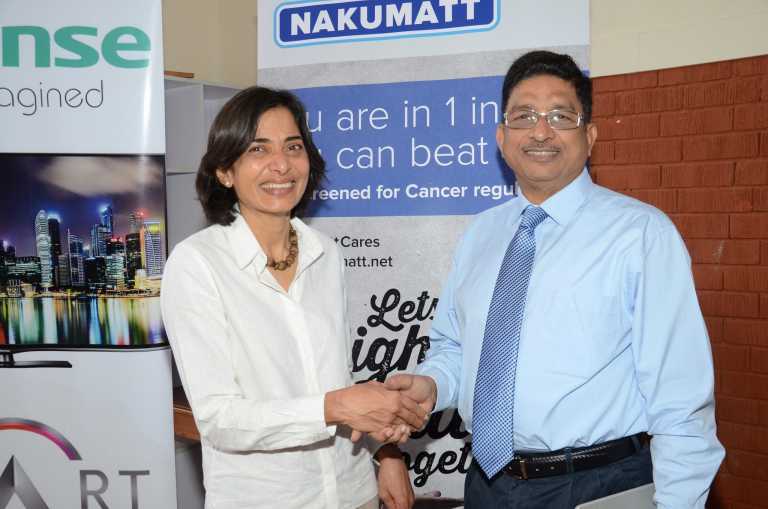
Regional retailer, Nakumatt Holdings, has reaffirmed its support to ease the financial burden on cancer patients through its partnership with Faraja Cancer Support Trust.

This is the second year running that the supermarket giant is working with Faraja Cancer Support Trust to provide cancer treatment, provide access to life-saving cancer screenings and education through the campaign which will involve its customers.

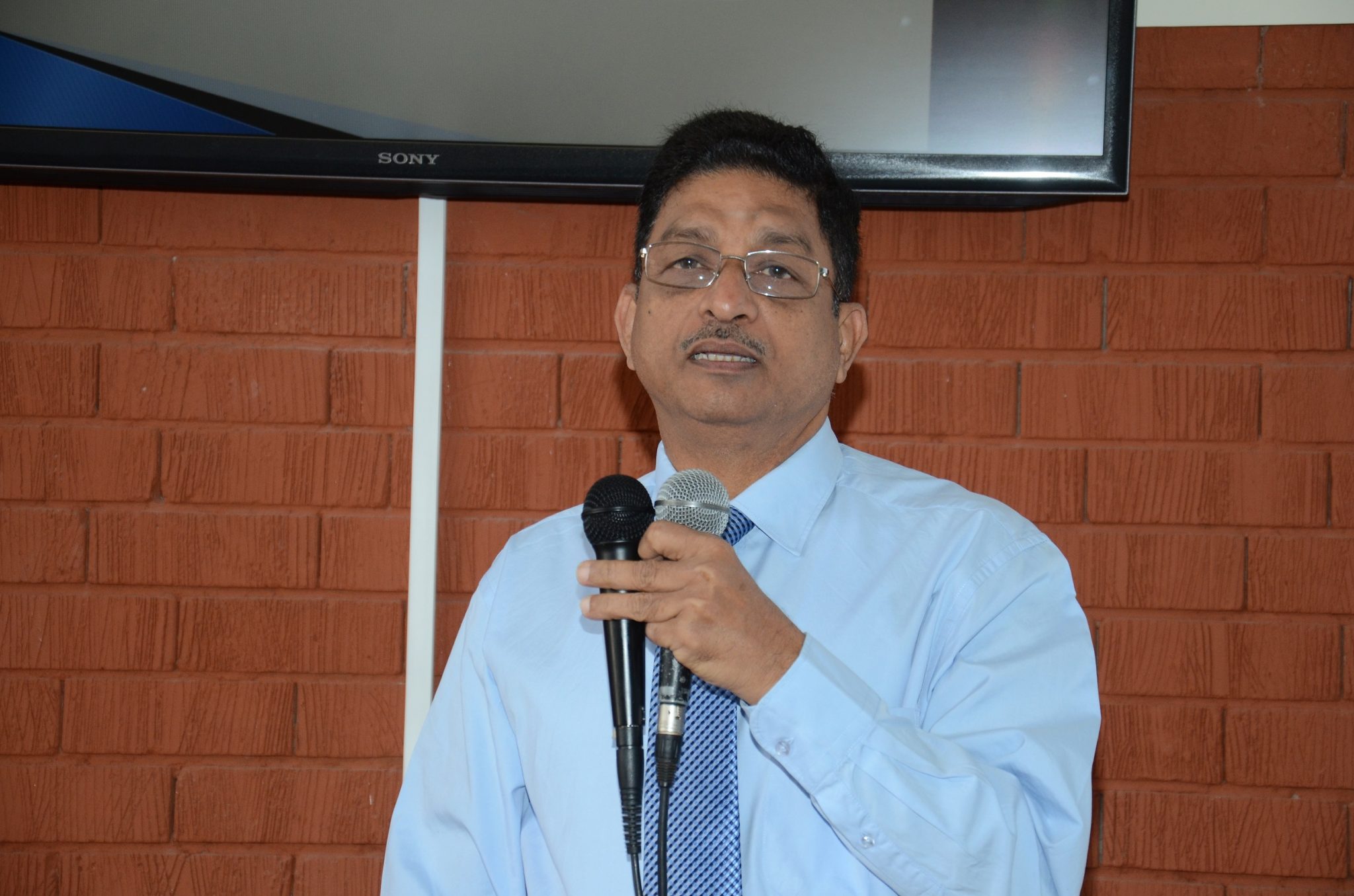
Nakumatt Regional Strategy and Operations Director, Ramamurthy Thiagarajan

Speaking during the launch of the Cancer Month Campaign, Nakumatt Regional Strategy and Operations Director Ramamurthy Thiagarajan said such collaborations with organizations such as the Faraja Trust will help reach into communities with a disproportionate cancer burden.

“Cancer is a devastating disease that deserves our concerted effort to boost awareness and facilitate support to provide services to encourage cancer prevention, early detection and early treatment, ultimately saving more lives,” he said.

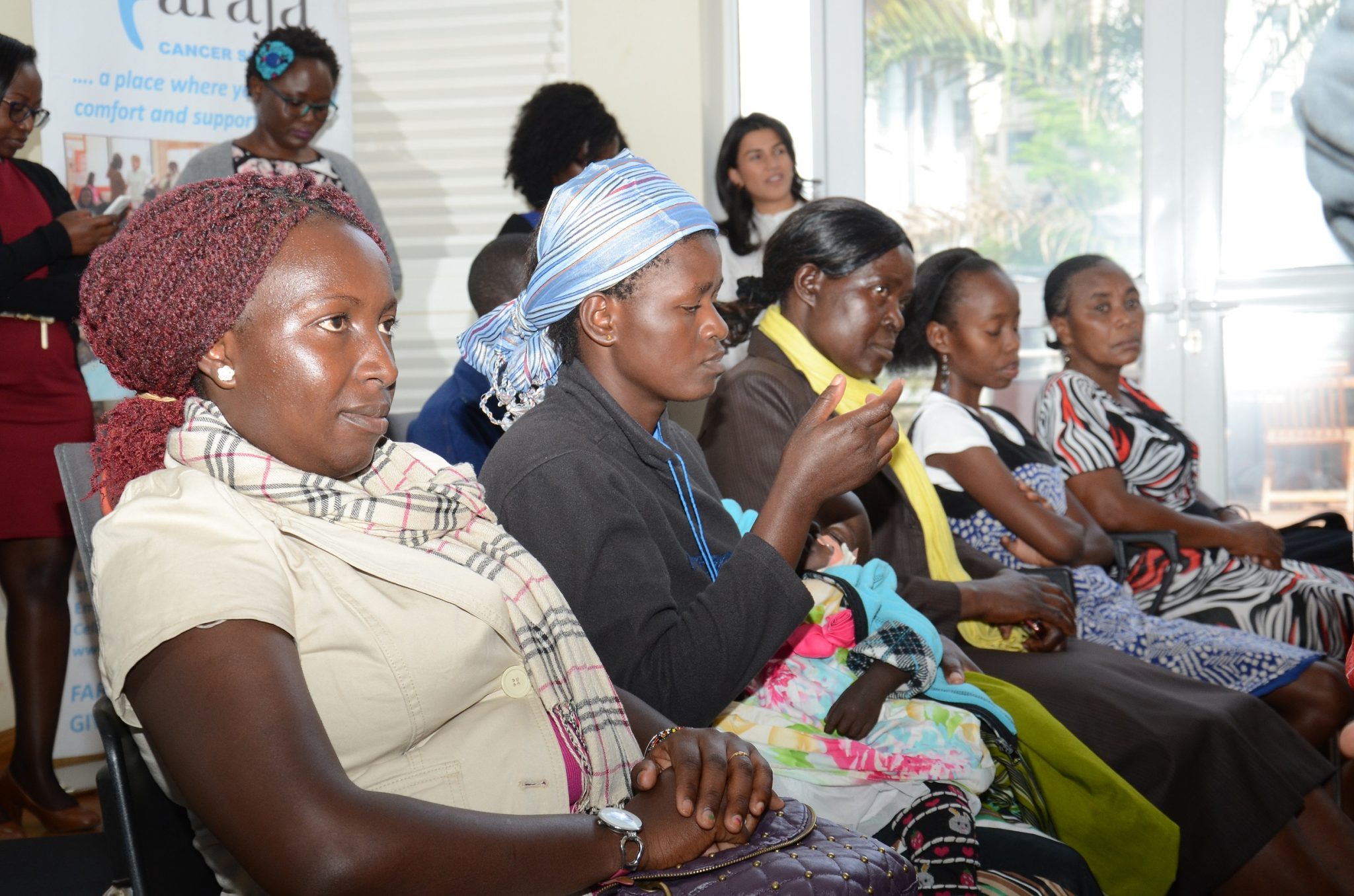
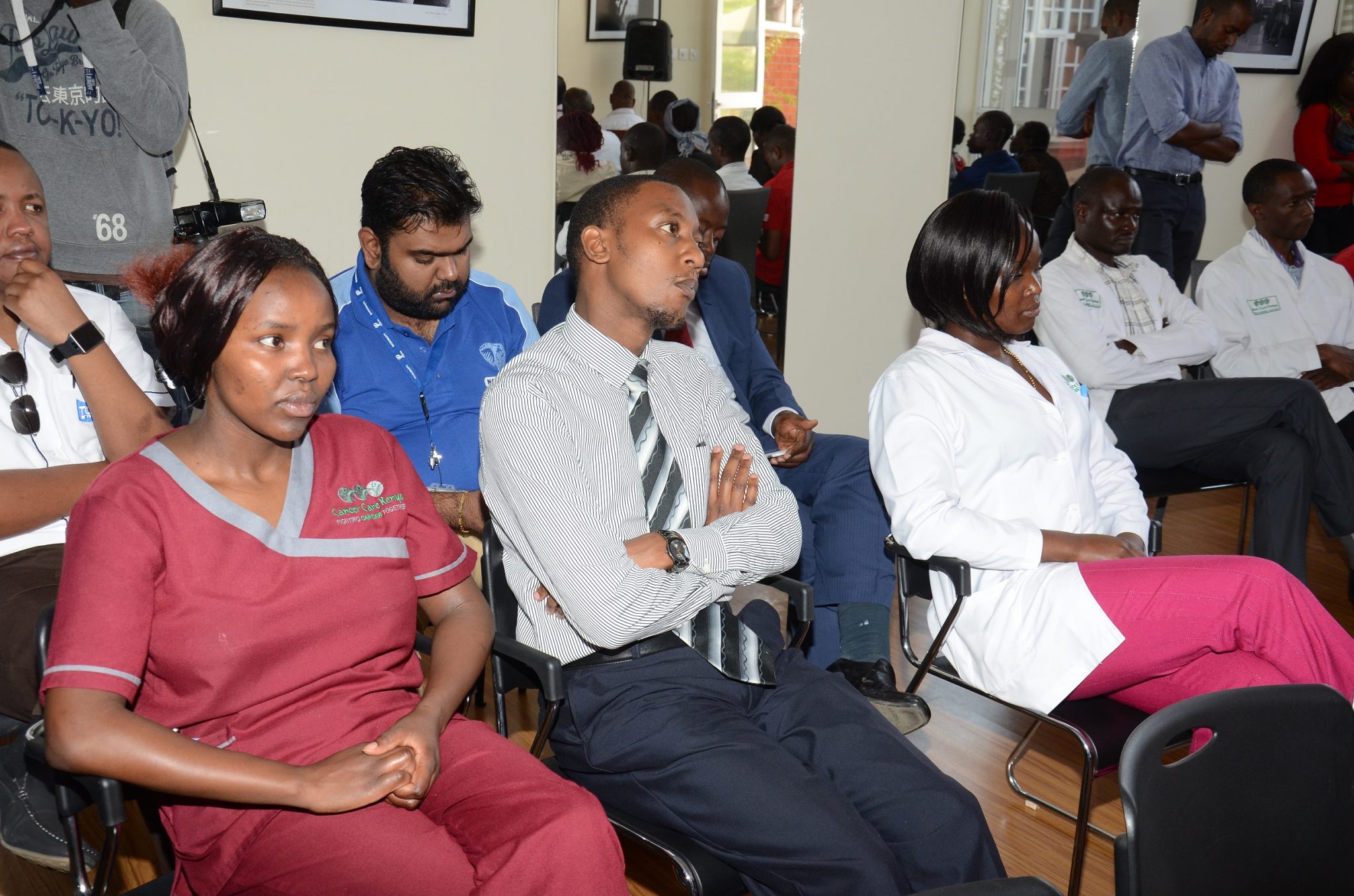
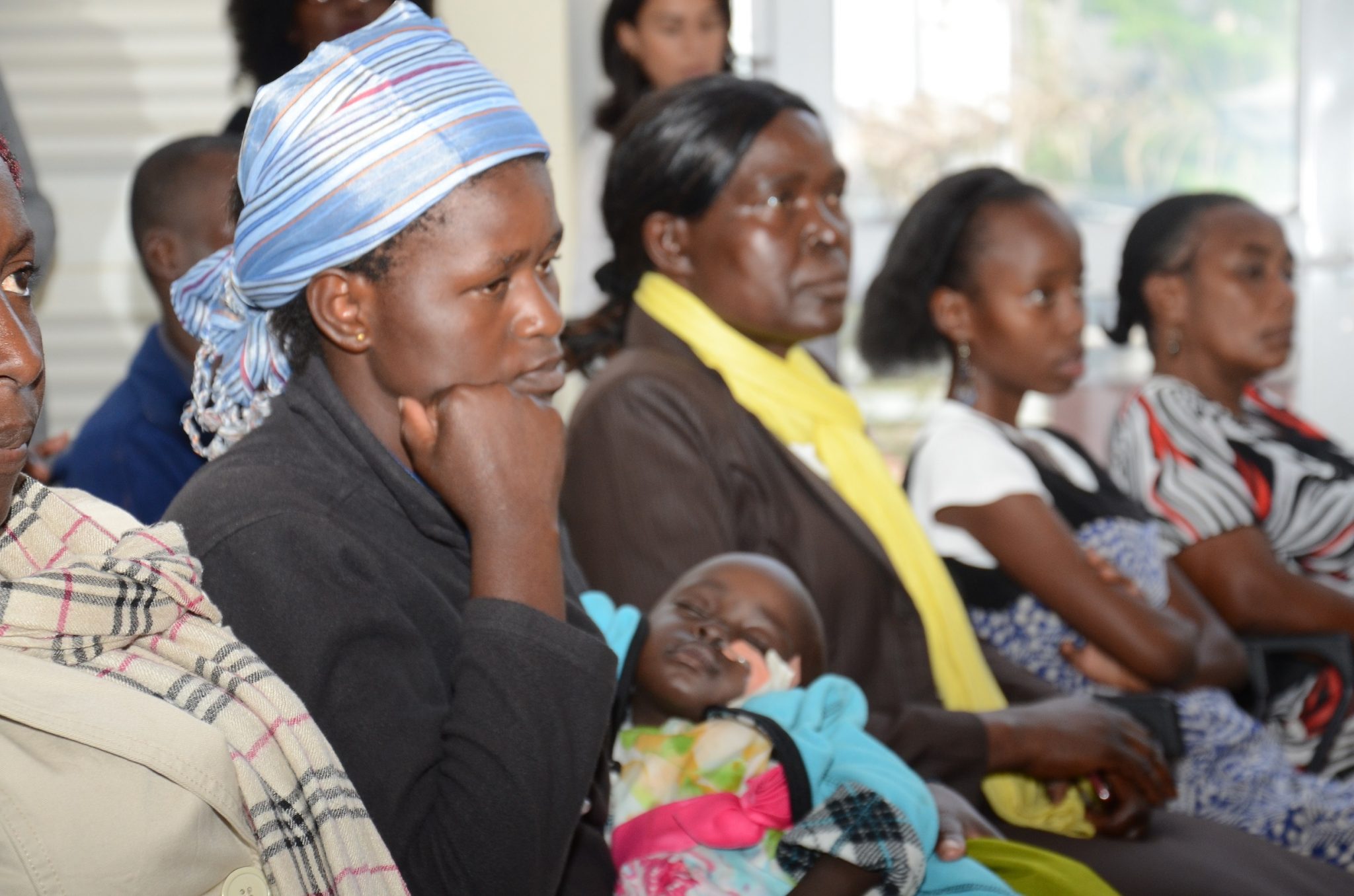
Guests at the Nakumatt & Faraja Trust Campaign Launch 2

The partnership is geared at boosting awareness, through a month-long campaign of the deadly disease which accounts for approximately 18,000 deaths in Kenya annually.

The campaign is hoping to raise Ksh12million shillings which Nakumatt customers can make a contribution by purchasing Blue Label products, donate Smart Points and cash donations towards the cause.

Baby Cynthia, Cancer survivor, and her dad

Last year through the Nakumatt platform, Ksh5million shillings was raised and was channeled towards the care and treatment of 6 patients suffering from the disease.

The money also assisted in the screening efforts in Kisumu and Thika, with 1,622 people undergoing screening, 103 of which were identified as suspicious cases- however only 3 were diagnosed with cancer and are currently undergoing treatment.

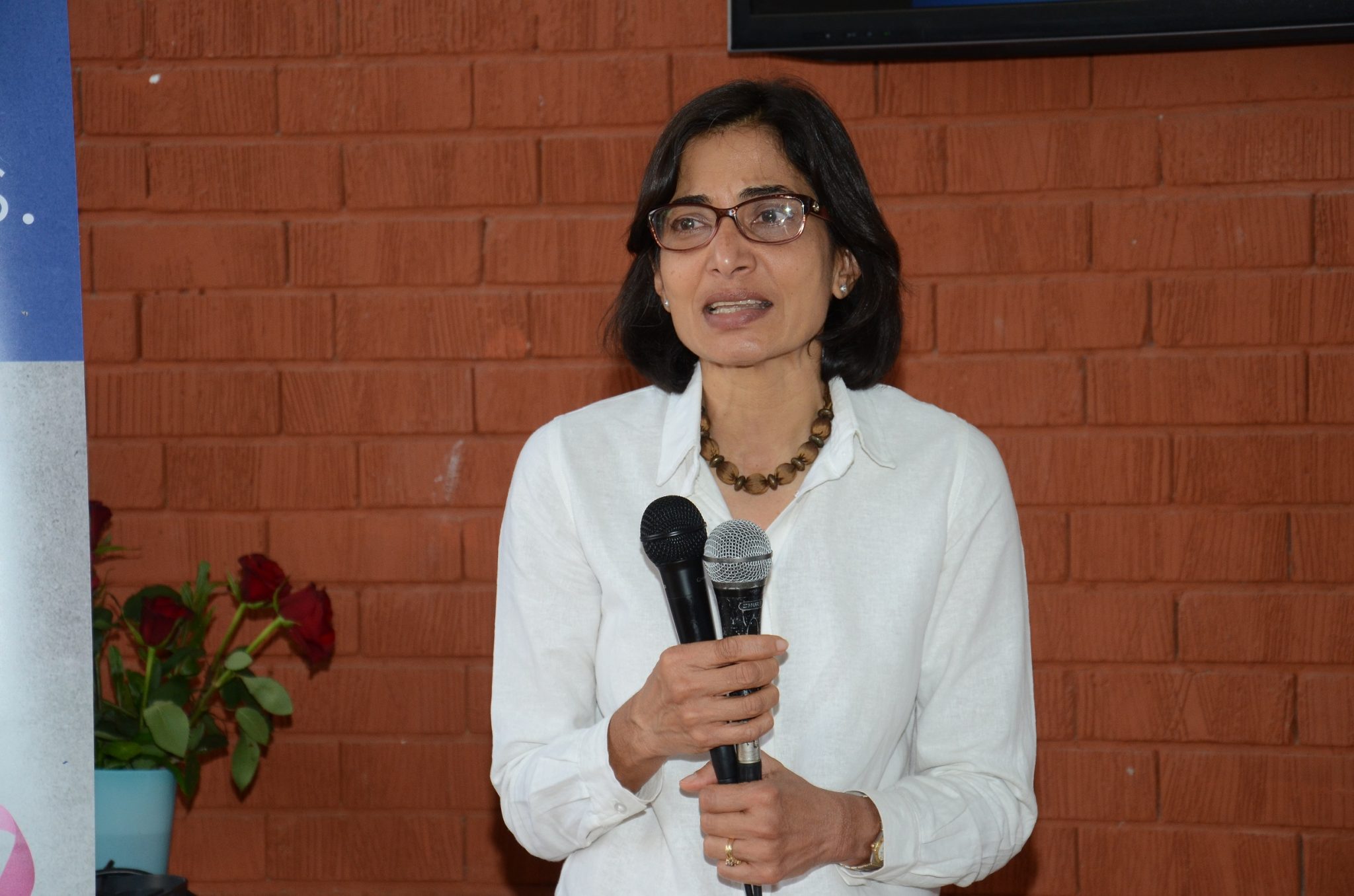
Shaira Adamali, Founder, Faraja Trust
Cindy Ogana, Faraja Fundraising Manager
Joyce Wawira, Cancer Survivor speaks to the audience

Faraja Fundraising Manager Cindy Ogana said: “Timely access and affordability to cancer healthcare, is the biggest barriers to survival in Kenya. To tackle this, Faraja is building a medical fund to support adults and children diagnosed with cancer in Kenya to access medical treatment at the right time.”

Out of a population of 40 million, 40,000 cases of cancer are reported annually. It is unfortunate that most cases of cancer are diagnosed at a late stage in Kenya. As Faraja, we advocate for early detection through early screenings and encourage people to live healthy lifestyles.

Guests at the Nakumatt & Faraja Trust Campaign Launch 3
Guests at the Nakumatt & Faraja Trust Campaign Launch


By raising awareness on cancer, the Faraja and Nakumatt partnership will be seeking to boost survival rates as global research confirms that when detected early – localized stage – the five-year survival rate is 98 per cent for breast cancer victims. Regrettably due to low awareness, over 30 per cent of women are routinely diagnosed with breast cancer only after it has spread beyond the localized stage.

“At Nakumatt, we shall also be actively facilitating access to information through our in store platforms as we seek to encourage proactive cancer management and prevention in conjunction with Faraja Cancer Trust,” Mr Thiagarajan said.

The Nakumatt team, Faraja Trust team as well as cancer survivors

He went on to add: “The customer, staff and suppliers support has been tremendous and we are now hoping to retain this initiative as our headline social investment activity annually. Our employees are committed to the campaign and have received special training in preparation of this as our intention is to interact intensively with our shoppers.”

According to a report by the International Journal of Cancer, disparities predominantly arise from inequities in work, wealth, income, education, housing and overall standard of living, as well as social barriers to high-quality cancer prevention, early detection and treatment services.

Vignesh Ramachandran (l) and Bernard Musomi of Nakumatt

Additionally, persons with lower socioeconomic status are more likely to engage in behaviors that increase cancer risk such as tobacco use, physical inactivity, and poor diet due to environmental or community barriers.

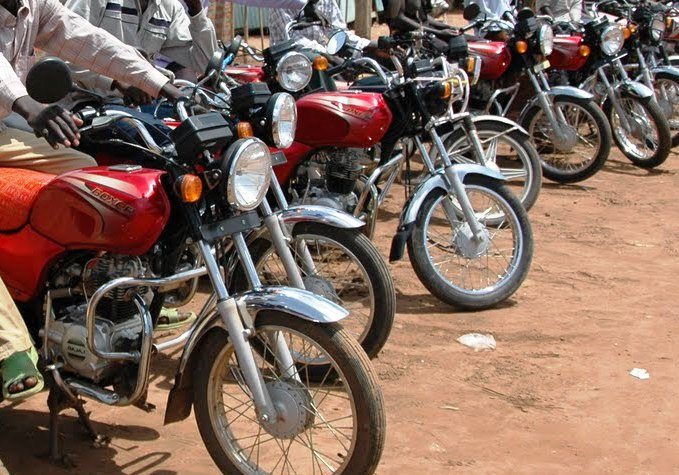
Esther Nyawira: riding boda boda gave me a life

0

She admits she didn’t not learn to ride a motorbike in a driving school. However, Esther Nyawira says she could not resign to fate and become a statistic among the jobless young women in Kirinyaga county.

“I have seen many young women give up in life or stay in bad marriages because they cannot fend for themselves. I wanted a different life for myself and I figured, I didn’t have the luxury to be picky when it came to work.

I had tried looking for work at salons and shops, but those jobs were not available,” says the mother of one. Curious and ready to wade in uncharted waters by a woman in her town of Kiaga, she approached a male friend for lessons on riding a boda boda. “He was kind enough that whenever he didn’t have a customer, he would teach me the basics in riding,” she says.

Boda

Nyawira quickly learnt to ride nd after a while, she was confided in her skills and went out looking for a job. Her approach to making ends meet had tongues wagging as in some quarters she was considered a ‘loose’ woman.

“I was always in the company of men and some people even thought I was a prostitute,” she says. Undeterred, Nyawira convinced a motor bike owner to give her a job and he did.

After a few days, she came face to face with discrimination and even taunting from some passengers. Some would be clients sneered at her direction and would not look at her twice. “I was required to give Sh300 to my employer every day which was not easy, bearing in mind that many people were reluctant to use my service,” she says.

Nyawira thanks some of her male friend riders who encouraged her to stay. “They told me there is no job that is easy and that the difference between a winner and loser is the effort and determination put. Some of them even shared clients with me and they would recommend me to passengers,” says the rider.

Looking to make more income, Nyawira also looked for a job at a car wash. “That way, I could make extra income,” he says. While at it, she would also assist in making cushions, which attracted the attention of her employer.

That was years ago. Now, she makes about 15 cushions a day depending on the number on the order. The cheapest cushion goes for Sh700. Nyawira says she finds pleasure in the trade and doing what many women would not even dare think about. She says she now earns enough to cater for her family and her daughter who is in a private school.

This, however, has not come without a challenge; she says some customers still belittle and mock her especially because of her small physique.

She recalls an incident where a male customer refused to talk to her until her boss returned. “Some customers don’t believe that a woman can do such a job. However those that I have served always come back and demand that I serve them again,” says the rider.

Since she completed her 0 Levels at Kiaga Mixed Secondary School in 2007, Nyawira says she has made many mistakes in search of a livelihood. She, however, says that she does not let those mistakes define her. “Life is about learning. A wise friend told me: “Fall seven times, get up eight times.

In short, don’t give up too easily,” she says. Now, she juggles three jobs; washing cars, making cushions and riding a boda boda. “I hope that one day I will start my own cushions making business and a car wash,” she says.

How to find and fix coolant leaks in your engine

0

Coolant leaks can occur anywhere in the cooling system. Nine out of ten times, coolant leaks are easy to find because the coolant can be seen dripping, spraying, seeping or bubbling from the leaky component. The first symptom of trouble is usually engine overheating. But your car may also have a Low Coolant indicator lamp. If you suspect your vehicle has a coolant leak, open the hood and visually inspect the engine and cooling system for any sign of liquid leaking from the engine, radiator or hoses.

The color of the coolant may be green, orange or yellow depending on the type of antifreeze in the system. You may also notice a sweet smell, which is a characteristic odor of ethylene glycol antifreeze.

The most common places where coolant may be leaking are:

a bad water pump shaft seal can leak coolant A worn seal on the water pump shaft can leak coolant.

Water pump — A bad shaft seal will allow coolant to dribble out of the vent hole just under the water pump pulley shaft. If the water pump is a two-piece unit with a backing plate, the gasket between the housing and back cover may be leaking. The gasket or o-ring that seals the pump to the engine front cover on cover-mounted water pumps can also leak coolant. Look for stains, discoloration or liquid coolant on the outside of the water pump or engine.

radiator corrosion This radiator is badly corroded and is not worth fixing

Radiator — Radiators can develop leaks around upper or loser hose connections as a result of vibration. The seams where the core is mated to the end tanks is another place where leaks frequently develop, especially on aluminum radiators with plastic end tanks. On copper/brass radiators, leaks typically occur where the cooling tubes in the core are connected or soldered to the core headers. The core itself is also vulnerable to stone damage. Internal corrosion caused by old coolant that has never been changed can also eat through the metal in the radiator, causing it to leak.

Most cooling systems today are designed to operate at 8 to 14 psi. If the radiator can’t hold pressure, your engine will overheat and lose coolant.

radiator hose can leak coolant Pinch hoses to check for age cracks, hardening, soft spots, blisters or bulges.

Hoses — Cracks, pinholes or splits in a radiator hose or heater hose will leak coolant. A hose leak will usually send a stream of hot coolant spraying out of the hose. A corroded hose connection or a loose or damaged hose clamp may also allow coolant to leak from the end of a hose. Sometimes the leak may only occur once the hose gets hot and the pinhole or crack opens up.

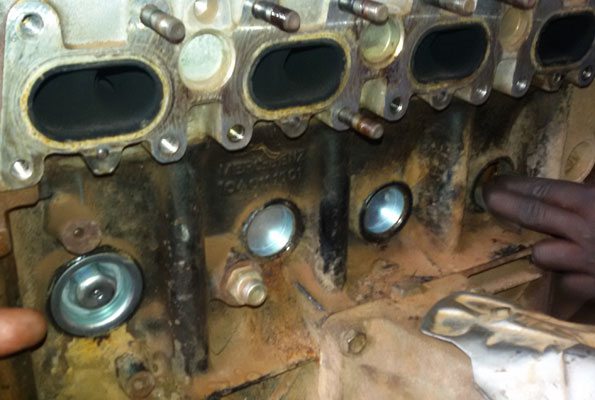
Freeze plugs — These are the casting plugs or expansion plugs in the sides of the engine block and/or cylinder head. The flat steel plugs corroded from the inside out, and may develop leaks that are hard to see because of the plug’s location behind the exhaust manifold, engine mount or other engine accessories. On V6 and V8 blocks, the plugs are most easily inspected from underneath the vehicle.

Heater Core — The heater core is located inside the heating ventilation and air conditioning (HVAC) unit under the dash. It is out of sight so you cannot see a leak directly. But if the heater core is leaking (or a hose connection to the heater core is leaking), coolant will be seeping out of the bottom of the HVAC unit and dripping on the floor inside the passenger compartment. Look for stains or wet spots on the bottom of the plastic HVAC case, or on the passenger side floor. Some Chrysler vehicles have a reputation for developing coolant leaks in the heater core, and repeat heater core failures. Some have found that an aftermarket copper/brass replacement heater core lasts longer in these applications than the original equipment aluminum heater core.

Intake Manifold gasket — The gasket that seals the intake manifold to the cylinder heads may leak and allow coolant to enter the intake port, crankcase or dribble down the outside of the engine. Some engines such as General Motors 3.1L and 3.4L V6 engines as well as 4.3L, 5.0L and 5.7L V8s are notorious for leaky intake manifold gaskets. The intake manifold gaskets on these engines are plastic and often fail at 50,000 to 80,000 miles. Other troublesome applications include the intake manifold gaskets on Buick 3800 V6 and Ford 4.0L V6 engines.

INTERNAL COOLANT LEAKS

There are the worst kind of coolant leaks for two reasons. One is that they are impossible to see because they are hidden inside the engine. The other is that internal coolant leaks can be very expensive to repair.
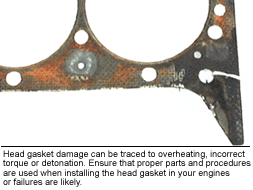
a bad head gasket can leak coolant 

Bad head gasket –Internal coolant leaks are most often due to a bad head gasket. The head gasket may leak coolant into a cylinder, or into the crankcase. Coolant leaks into the crankcase dilute the oil and can damage the bearings in your engine. A head gasket leaking coolant into a cylinder can foul the spark plug, and create a lot of white smoke in the exhaust. Adding sealer to the cooling system may plug the leak if it is not too bad, but eventually the head gasket will have to be replaced.

If you suspect a head gasket leak, have the cooling system pressure tested. If it fails to hold pressure, there is an internal leak. A “block tester” can also be used to diagnose a leaky head gasket. This device draws air from the cooling system into a chamber that contains a special blue colored leak detection liquid. Combustion gases will react with the liquid and cause it to change color from blue to green if the head gasket is leaking.

Head gasket failures are often the result of engine overheating (which may have occurred because of a coolant leak elsewhere in the cooling system, a bad thermostat, or an electric cooling fan not working). When the engine overheats, thermal expansion can crush and damage portions of the head gasket. This damaged areas may then start to leak combustion pressure and/or coolant.

cracks in cylinder head can leak coolant A cracked cylinder head can leak coolant inside the engine.

Cracked Head or Block — Internal coolant leaks can also occur if the cylinder head or engine block has a crack in a cooling jacket. A combustion chamber leak in the cylinder head or block will leak coolant into the cylinder. This dilutes the oil on the cylinder walls and can damage the piston and rings. If the coolant contains silicates (conventional green antifreeze), it can also foul the oxygen sensor and catalytic converter. If enough coolant leaks into the cylinder (as when the engine is sitting overnight), it may even hydro-lock the engine and prevent it from cranking when you try to start it. Internal leaks such as these can be diagnosed by pressure testing the cooling system or using a block checker.

A coolant leak into the crankcase is also bad news because it can damage the bearings. Coolant leaking into the crankcase will make the oil level on the dipstick appear to be higher than normal. The oil may also appear frothy, muddy or discolored because of the coolant contamination.

Leaky ATF oil cooler — Internal coolant leakage can also occur in the automatic transmission fluid oil cooler inside the radiator. On most vehicles with automatic transmissions, ATF is routed through an oil cooler inside the radiator. If the tubing leaks, coolant can enter the transmission lines, contaminate the fluid and ruin the transmission. Red or brown drops of oil in the coolant would be a symptom of such a leak. Because the oil cooler is inside the radiator, the radiator must be replaced to eliminate the problem. The transmission fluid should also be changed.

PRESSURE TESTING THE COOLING SYSTEM FOR LEAKS

There are several ways to find out whether or not your cooling system is holding pressure. One is to top off your cooling system, tighten the radiator cap and start the engine. When the engine reaches normal operating temperature, turn on the air conditioner (to increase the cooling load on the system) and/or take it for a short drive. Then check the radiator, hoses and water pump for seepage or leaks.

WARNING: DO NOT open the radiator cap while the engine is hot! Even if the cooling system is leaking, the coolant will be under considerable pressure — especially if it is low and coolant is boiling inside the engine. Shut the engine off and let it sit about an hour so it can cool down. Then place a rag over the radiator cap and slowly turn the cap until it starts to release pressure. Wait until all the pressure has vented before turning the cap the rest of the way off.

radiator pressure tester Radiator pressure test kit

A special tool called a pressure tester can also be used to check your cooling system. The tool is nothing more than a little hand pump with a combination vacuum-pressure gauge and a fitting that is attached to the radiator filler neck. To check for leaks, attach the tool to the radiator and pressurize the radiator to the pressure rating on the radiator cap. For example, if you have a radiator cap that says 12 pounds, you pressurize the radiator to 12 lbs. and wait to see what happens. If there are no leaks, the system should hold pressure for 10 to 15 minutes. If it does not hold pressure, the system is leaking. If you cannot see any visible leaks on the outside, it means the leak is inside (bad head gasket or cracked head or block). See How to Fix a Leaky Head Gasket.

A block Checker is another tool that can be used to detect a leaky head gasket. The gas-sensitive blue liquid changes color if there are any combustion gases in the coolant.

Leak detection dye can also be added to the coolant itself to make a slow leak easier to find. Some of these dyes glow bright green or yellow when exposed to ultraviolet light.

RADIATOR CAP CHECKS

The radiator cap should also be pressure tested, especially if the system has been overheating or losing coolant with no obvious external leaks. A weak cap that cannot hold pressure will allow the system to boil over. If the cap cannot hold its rated pressure, replace it.

replace radiator to repair coolant leak The best fox for a leaky radiator is to replace it with a new or recored radiator.

REPAIRING A LEAKY RADIATOR

If your radiator is leaking, you have several repair options:

You can try the cheap fix and add a bottle of cooling system sealer to the radiator. These products are designed to seal small leaks. They can also seal internal engine leaks. Some work better than others, but most provide only a temporary solution to your problem.

You can attempt to repair the radiator yourself. Copper/brass radiators on older vehicles can often be soldered to repair leaks. Cracks or pinholes in aluminum radiators in newer vehicles can often be repaired with epoxy glue. But if the core is severely corroded or damaged, the radiator may have to be professionally repaired at a radiator shop, or replaced with a new radiator.


 

Why every farmer needs to link up with agriprenuers to grow their profits

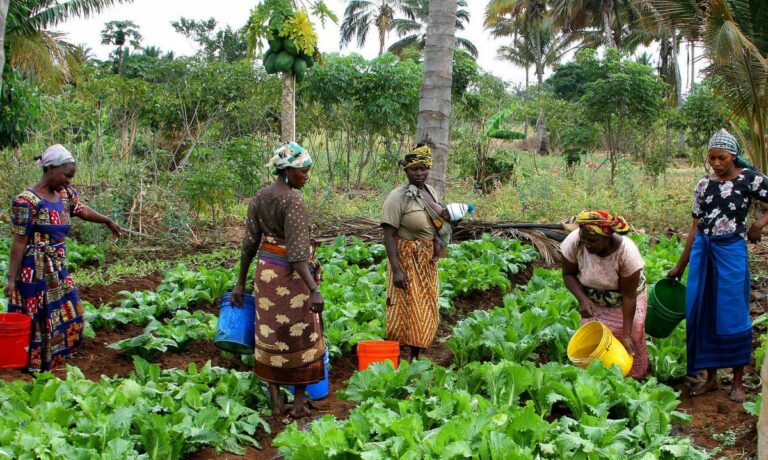
There are approximately three million smallholder farm families in Kenya. Smallholder farms hold the greatest promise for the growth of the produce sector, for enhanced productivity, and for meeting the challenges of food insecurity and malnutrition head on.

There is growing evidence that smallholder farmers also hold the key to solving rising climate change challenges.

Farmers create primary value by being production focused. Farmers bring to the table land, labour, productive capacity, motivation to persevere under all conditions, and the will to survive. Their businesses largely fall in what we call the informal market.

The informal market is not good for these farmers in the long run; it leaves them with little to no power to influence the marketplace and it keeps them in what I call “equity darkness”, that dim place where no one knows who you are or what you do and you go in circles trying to figure out how to pay for input supplies and hired labour to no avail. Their prized knowledge is about their crops and how to produce quality fruits and vegetables.

When I ask smallholder farmers about their greatest challenges, I hear laments about entering and securing stable markets for both raw and processed goods. I hear about the demerits of relying on rain alone, misunderstandings about the use and amount of fertilisers and the differences between organic and non-organic fertilisers, and the lack of access to processing facilities.

An agripreneur is a businessperson who combines the prowess of farming with innovative agro-technologies to increase production and make more cash.

RISKY BUSINESS
This agricultural entrepreneur cares as much for community development as she does farming. It is not just about her growing more quality food on a stable basis; it is about joining together with other farmers in new ways such as through cooperatives and producer unions so that all farmers can produce their way to a better life.

It is also about local communities embracing their farmers as important members of the local economy and improving conditions for their sustainability. By utilising and sharing agro-technologies, smallholder farmers have the opportunity to join the agribusiness value chain and reap the profits.

Agripreneurs empower farmers by moving them into the formal economy and linking them with other actors in the agricultural value chain to bring about a movement on a mass scale.

They incorporate technology, new ideas, innovative approaches, basic education and technical capacity building to demonstrate practical ways to grow more produce, create processing capacity and impact market share on a grand scale. They have the power to influence the market by aggregating hundreds and hundreds of farmers’ productive capacity through technology.

For Kenya, this means bringing millions of smallholder farmers into the complex but sustainable world of agricultural value chains. Farmers have a legitimate role in the agricultural value chain and I believe they have the opportunity now to drive the value chain through apps that give them the information they need to make better decisions.

After all, farmers are in a high risk business; they need to manage risk by making better informed decisions. The top software apps for Kenyan farmers: iCow, Rural eMarket, mFarm, mFisheries, Esoko mAgric platform, FarmerConnect, M-Shamba, Mobile Agribiz, AgroSim, amAgriculture, and Farming Instructor.

mFisheries connects fishermen with agents in the fisheries value chain. It includes navigational tools such as a compass and a GPS logging and retrieval application as well as training companions. Esoko links farmers to markets with automatic market prices and offers from buyers. mFarm connects farmers to share ideas and enhances operational efficiencies with production cost estimating tools. Rural eMarket communicates market information in multiple languages.

iCow increases productivity by accessing knowledge partners and experts. M-Shamba, currently in use by 4,000 rice farmers in Kenya, provides information on production, harvesting, marketing, credit, weather and climate based on location and crop preference.

Mobile Agribiz helps connect farmers to buyers and source information on how to plant crops, how to use fertilisers, and aggregates weather and crop pricing from multiple sources.
By building strong partnerships between farmers and agripreneurs, we can easily distribute and use these agri-technologies for the benefit of Kenyan farmers.

Ksh. 13.5 million new Tesla X model car with 400 kph on charge, 96 kph in 3 seconds, roll-over resistance and bio-weapons defense

0

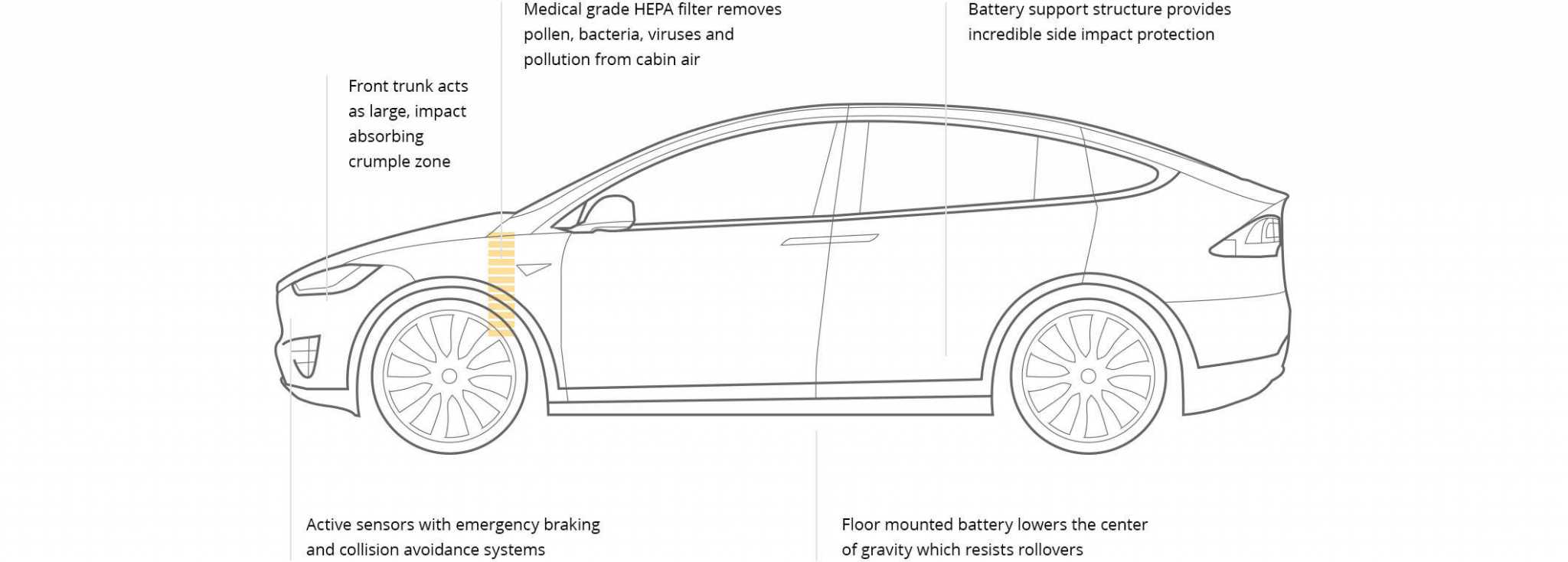
The world’s first luxury electric SUV is gorgeous. It’s futuristic. And once again, Tesla Motors is redefining the electric vehicle. Tesla’s Model X is probably the safest, fastest and most capable sport utility vehicle in history. Standard with all-wheel drive and a 90 kWh battery providing 250 miles of range, Model X has ample seating for seven adults and all of their gear. And it’s ludicrously fast, accelerating from zero to 60 miles per hour in as quick as 3.2 seconds.

Let’s start with the acceleration. It’s crazy. Every Model X comes with a 90 kilowatt-hour battery and dual motors, a model known as 90D. Sixty mph comes in 3.2 seconds, which is on par with the some of the best sports cars from anyone in Italy, Germany, or Britain. We tried it. That number’s legit. Tesla says the Model X P90D will do it in 11.7 seconds. That put its alongside cars like the BMW M5, Corvette Z06, and Porsche Panamera Turbo. Top speed is limited to 155 mph.

section-safety-hero

The Ksh. 13.5 million electric vehicle that will go 250 miles on a charge, carry seven people and haul more stuff than anyone but a hoarder might want with him. And although the X shares much of its DNA with the impressive Model S P90D sedan, in many ways it eclipses that phenomenal car. It’s not just the design, which is futuristic without being weird. It’s not just the performance, which is holy shit fast. And it’s not even the dramatic “falcon” doors that lift like the wings of a bird. That means the X can park in a tight spot or garage and rear passengers will still be able to get in and out, because the doors get completely out of the way. (You need to be mindful of ceiling clearance, but ultrasonic sensors in the doors will stop them if they’re about to hit something.)

There’s a lot of flashiness to these — there’s not a lot of justification for them — though they make getting in and out of the back a breeze, and they’re designed to make it especially easy to install a car seat for a child. Despite that 3.2-second 0-60 time, this is still a family car, after all. The rear and front doors are all motorized, of course; in fact, the driver’s side door will automatically close itself if you get in and put your foot on the brake.

Another clever trick is the “monopost” design of the second-row seats, which is fancy way of saying that each seat (two if you get the six-passenger model, three if you get the seven), sits on its own chrome-plated post. That makes each seat almost infinitely adjustable fore and aft and provides ample room for everyone’s feet.

CarsEqually impressive is the sound system which is, in a word, glorious. But then, with 560 watts and 17 speakers, how could it not be? Tesla designed the system in-house specifically for the X because it wanted to ensure the system delivered the best sound with the smallest power requirements—essential in an electric vehicle. (General Motors took a similar tack with the Chevrolet Volt, tapping Bose to design a system specifically for the car.) The sound is crisp, clear, and loud—even when standing 15 feet away from the car.

The styling is perhaps best described as a Model S on steroids. It’s a taller, obviously, and, at 5,441 pounds, about 740 pounds heavier than the S. That said, it also looks more than a little like the BMW X6 from the rear three-quarter view—but when it glides by you silently on the freeway, you’ll know it’s a Tesla.

The remainder of the interior is Tesla typical: the seats look nearly concept-spec, mounted on thin, shiny posts that open up additional storage space around the floor of the vehicle. (The third row folds down, but the second row does not.) The dash will be immediately familiar to anyone who’s seen a Model S, with a full LCD instrument cluster and 17-inch display in the center stack. The user interface, for better and worse, is identical to the S, apart from pictograms of the car that have been updated for the X.

CarsAs with recent builds of the Model S, the X features Autopilot — Tesla’s semi-autonomous driving system — and the company says that both vehicles will stay in lockstep as Autopilot becomes more advanced and new software builds roll out. At launch, the Model X will only be available with a 90kWh battery — the largest that Tesla currently offers.

Why your car loses power

0

(Q). What could be the possible cause of a Toyota car slightly losing power and gaining when I am driving at high speed.

(A). Intermittent loss of engine power or poor engine performance when driving is often caused by a fault in the ignition or emission systems of your Toyota. There are several dependent variables or components which will cause the above situation.

It would be very useful to know the mileage and recent service history of your Toyota. There are certain ignition system maintenance procedures that ought to be carried out at 100,000kms. For instance, replacement of the long life fuel filter in the engine bay or fuel tank (depending on the year of manufacture).

This fuel filter will get clogged and restrict prompt fuel delivery to the engine as well as damage the fuel pump. A dirty fuel filter will allow deposits to pass through and build up in the fuel injectors causing their damage and intermittent poor engine performance.

You therefore need a qualified mechanic to replace the fuel filter and confirm the working condition of the fuel injectors. This can be compounded with a test to establish the fuel pump generates sufficient fuel delivery pressure. The above procedures have to be carried out by a qualified mechanic using a fuel pressure gauge or electronic tester.

The condition of the engine spark plugs and high tension leads or ignition coils (depending on the engine generation), should be verified or replaced from a genuine Toyota parts source. Your mechanic should check the engine throttle valve in case its movement is clogged by soot.

This would restrict air supply to the engine and affect acceleration power. The throttle cable should be inspected in case it is damaged. Restricted movement of the throttle cable can cause the kind of intermittent poor engine performance you are experiencing.

Finally, you need to choose your fuel source carefully. Your car is fitted with a catalytic converter which is sensitive to adulterated fuel. The catalytic converter is designed to render less harmful environmental pollutants in the exhaust smoke.

However, exposure to exhaust smoke from adulterated fuel damages or blocks it. This will restrict the outflow of exhaust smoke and affect engine performance.

The secret to keeping your chicken safe from poultry diseases

In poultry, there are general and specific clinical symptoms for certain diseases and disorders. A farmer must be conversant with these factors through daily observation of the birds and learning from veterinary doctors and other farmers.

In poultry farming, the large number of birds under confinement predisposes them to many diseases and disorders. These diseases and disorders are caused by various microbial agents, parasites, nutrition (lack or excess nutritional elements), toxins and environmental/management factors.

This is further exacerbated by age, breed, immune status, stage of growth and level of production. I did note that you carried out all vaccinations as advised by your veterinarian and that was a step in the right direction. But many farmers are misled to thinking that once their birds have been vaccinated, they can relax.

This is a false illusion. Vaccinations are indeed supposed to protect your birds against specific but not all infections. A farmer still needs to observe biosecurity measures aimed at protecting the birds from contact with disease causing micro-organisms.

Cases of vaccine failure, either due to mode of administration or handling, are many. For instance, some farmers use chlorinated water to reconstitute vaccines. This greatly lowers potency. Since you birds were vaccinated, you may need to do a post evaluation of how this was done and whether there are possibilities that you missed out on some steps.

The ferocity of poultry diseases tend to vary across ages. Old stock is normally immune compared to young ones. That is why old and young birds must never be mixed. Poultry farmers are normally advised to thoroughly disinfect old premises and give it a grace period of about two months before introducing another batch of birds. If this is not observed, the chicks will be prone to diseases before they develop the requisite immunity. But since your stock was attacked between the third and fifth month, this may not be the reason you lost your hens.

Environmental and management factors play a critical role in the development and spread of poultry diseases. Aspects like lighting, sanitation, air quality and ventilation must be taken into consideration when constructing poultry houses. Failure to observe these leads to the development of stress among birds which compromises their immunity. Any opportunistic diseases can easily flare up.

Other factors include the quality of feed and water and their availability when needed by the birds. Idleness among the birds can also lead to development of vices like feather plucking. I doubt that your birds lost their feathers due to idleness as the same clinical signs are observed in parasite infestation, allergies and in cases where birds purely feed on seeds and table foods. Loss of feathers can also occur due to skin inflammation or in case of liver diseases.

Loss of feathers can also be a direct consequence of poor air circulation, humidity and imbalance in light and dark cycles in birds. The disturbance in the 12/12 light and dark hours may cause a physiological disorder characterised by loss of feathers.

You also mentioned weak joints and subsequent death. While I may not authoritatively pin point why, calcium and phosphorous deficiency may be the cause. Lack of these two minerals in birds is characterised by weak joints and bones (rickets in young birds and osteoporosis in old birds) and poor shell formation for laying birds. Rickets is also caused by lack of Vitamin D.

Calcium is necessary for the functioning of the nervous system and its deficiency results in paralysis and death. Since you didn’t observe any other clinical signs like respiration (breathing) or digestive system problems which are common with infectious diseases in poultry, the most probable cause of your loss might be nutritional.

But this is only tentative and a further diagnosis by a veterinarian will help you narrow down to the exact problem.

In the meantime, please separate the sick birds from the healthy ones. Dispose off dead birds properly and and don’t let outsiders inside your poultry unit. Also, don’t visit other poultry farms and, most importantly, call your nearest vet.

Beyond lack of money, cash deployment decisions kill most small businesses

0

In the world of money and wealth, many people are unable to discern the difference between cash flow, riches and wealth. Most people confuse more cash flow in their daily lives for wealth and proceed to behave as if they have crossed the line of poverty forever.
Psychologists put it that we become what we have experienced in our past life, which implies that a new you must be born of new behaviors free of you if you were to experience a meaningful difference. Most young people start with misconceived world view of money acquired from the language and real life modeling by important others. Our children learn from what we do rather what we tell them or would like them to do, and so they form their ideas of money from what we say and do with money.

In a society pumps up the image of living well to mean financial wellness, when it is not and will never be, children have mixed ideas about money. Society level behaviors has for example pushed the flashy things such as owning a big home, expensive cars, and other flashy spending as a way displaying the purported wealth status whether or not the cash flow is permanent or discontinuous. For example, a tenderpreneur can be in big money for five years, then dry up to nil, having lived big in that short season
The process of acquiring the world view is personal and is developed in the ordinary course of our relationship with parents, peers and important others. Incidentally, it cannot be previewed until the young star is exposed to handling money.

For a young entrepreneur, the main problem is not just money, but also the quality of decisions they take with the money at hand. A small business is not a large business squeezed into a smaller size. A small business is unique. It is facing its equally unique challenges in the environment where it is being steered to acquire and maintain a competitive edge.

During the growth face of the business decisions are critical, especially decision that allocate money to expansion of its operating capacity. Many small business die when thing s change for the better because of poor decisions that for example take away cash required to bring in stocks and create debtors into the expansion of machinery, making the business unable to meet client orders.

Cash flow is defined as streams of cash coming in as income and going out as expenses. Controlling your cash flow therefore mean that you first take control of the sources of your income before you take control of where you spend it.

For a small business owner, this may mean considering other business ideas before considering large spending on a home in a key address or that dream car. Better still the choice between expanding capacity and keeping customers current orders satisfied.
When cash flow management is the problem, growth can be poison, and has indeed killed many small businesses. Acquiring financial literacy to see the difference between assets and liabilities, capital assets and working investment and to improve the quality of your decisions regarding money deployment in business operations is critical for business growth.

Many small businesses have been strangled to death by their owners who divert cash flow from their businesses to acquire their desires too soon. Incidentally bankers do not provide charity and would be the least helpful people to approach for help when you have committed such a social offense. To be a winner. Control your emotions to control your cash flow.

Article by: Patrick Wameyo

Patrick Wameyo is Financial Literacy Coach and small business financial consultant.
Financial Academy & Technologies is a unique academy that train adults to manage their money better to create wealth. The Academy runs monthly workshops on financial management for small business owners focusing in managing finances in growing businesses. For comments email: [email protected]

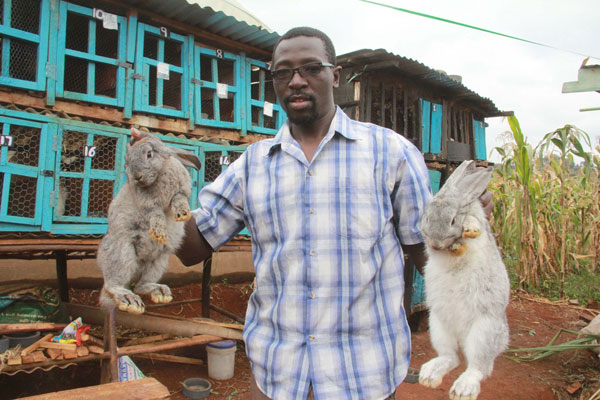
The proper way to rear your rabbits for higher production and profits

The benefits of rabbit farming, however, go beyond the sumptuous taste of its meat. This farming venture is also convenient and manageable since it does not require a large piece of land or intense labour. Rabbits are highly prolific animals. They can reproduce up to 10 times per year, with an average litter size of nine young ones per birth.

This makes it possible for shoe-string budget farmers to start on a small scale and quickly expand their ventures. Many farmers already in this business attest to the fact that it is possible to make all returns on investment within the first three month, that is, if the enterprise is properly managed. But before any farmer jumps into rabbit farming, it is important that they make a few considerations. As it is in any other business venture, it is the small details that make all the difference.

Housing is perhaps the single most important factor that a novice in the “hare-raising” business needs to consider. Rabbit hutches are however relatively cheap and easy to make. They can be constructed using locally available (low cost) materials either. They can be built either in an open area or inside an already existing building. There are, however, various considerations that the farmer needs to make before putting up rabbit hutches for commercial farming purposes. The first is ventilation. Rabbit hutches need to be well ventilated to allow for free circulation of fresh air. This is crucial in preventing diseases that are predisposed by dampness, as well as in controlling the stench emanating from rabbit urine.

Rabbits are very clean animals and thrive well in a clean and dry environments. It is therefore important for a farmer to ensure that the hutch’s floor is either self-cleaning or easy to clean. One can use porous pits below the cages; with layers of gravel and sand. Alternatively, a farmer can use chicken wire (0.5 by 1.0 inch) and align it with a plastic sheet. It is also possible to use solid concrete floors, but theses require frequent cleaning which may be labour intensive depending on the scale of the venture.

Whichever floor the farmer chooses, it must be fitted with a very effective drainage system to collect urine, which can either be used as foliar fertiliser or sold for industrial purposes.

It is also important for the farmer to note that rabbits are highly sensitive to extreme temperatures.

They are highly prone to sicknesses like pneumonia if exposed to frigid temperatures or draft. Farmers in very hot areas need to take special care of their male rabbits, also known as bucks, as high temperatures expose them to the risk of becoming sterile. It is therefore important that rabbit farmers in such regions use hatches that allow free flow of air. This can be easily achieved by using wire mesh walls instead of solid concrete.


If concrete walls must be used, it is of paramount importance that other measures, such as the use of a cooling system or housing the bucks at the lower, often cooler cages, be put in place. It is also advisable that the farmer puts into consideration the prolific nature of the rabbit by ensuring the hutches are easily extendable. Often, novices at rabbit farming get overwhelmed by the frequent new births in the farm for lack of planning.

One should therefore consider a multi-storied building with 2-3 tiers. Cage sizes must be appropriate to ensure effective space management and proper housing for the rabbits. A 30” by 30” by 20” dimension is appropriate for adult rabbits. Lighting is also key for the proper growth and reproduction of rabbits. It is therefore very important for the farmer to ensure the hutches are designed to allow moderate lighting into the rabbit cages. Where open area housing is preferred, the hutches must also be designed with a roof to protect them from the rain.

Rabbits are light feeders with an amazing rate of feed to meat conversion. It is therefore important for the farmer to ensure the rabbit gets all the nutrients supplied in the little food it consumes in a day. Daily requirements for the rabbits include energy feeds, protein, minerals as well as fats and vitamins. Rabbits are mainly foragers and get the bulk of their nutritional requirements from both green and dry matter they forage on. It is, however, important for the farmer to provide the rabbits with grains such as wheat, sorghum or maize for they are good sources of digestible fiber which enhances digestion.

Root crops such as carrots are also important as a source of Vitamin A which is essential in the growth and reproduction processes of a rabbit. It is very important for the farmer to supplement the nutritional requirements of the rabbits with commercial supplements which are often packed with energy.

One must also provide the rabbits with hay to chew, a salt cake to lick as well as a sufficient amount of fresh clean water all day long. There are various types of breeds to choose from depending on personal interests and the availability of the breeding stock in their region. The most important thing to note about rabbit breeding is that one must never practice inbreeding, allowing close relative such as mother and son or brother and sister to mate. It results in a weak offspring, often with deformed bodies.

It is therefore important to separate the two sexes when they get to the breeding age, which ranges from 4-8 months depending on the breed and the individual weight. Mating is also best timed at the cooler hours of the day. It is always the female (doe) that is taken to the buck, not the other way round. Usually, the process of mating takes about five minutes or less, and must therefore not be left unsupervised.

There is a lot more that goes into rabbit farming, especially on the care of the young ones and pregnant does. It is therefore important to carry our thorough research on the management procedures as well as other practices such as slaughtering and pest and disease management procedures. Each aspiring rabbit farmer must also carry out a thorough research on the marketing opportunities in their region. Currently, there are various organisations, private companies and individuals that offer farmers a market for their live rabbits. It is however important for each farmer to carefully evaluate the terms of trade and choose the most profitable and stable offer available.

Rabbit farming is a highly potential venture, with the power to feed the future and bless the farmers with financial prowess. But it must be well planned and carefully thought out. The role of training on rabbit management and marketing can also never be over emphasized, nor can the power of passion be underestimated.

Vacancies: Kenyatta University Jobs in Kenya, Apply before 14th October 2015

0

Kenyatta University Jobs is an opportunity for competent and dedicated applicants
to fill up the following positions.

  1. OFFICE OF THE VICE – CHANCELLOR

            INTERNAL AUDIT DEPARTMENT

INTERNAL AUDITOR – GRADE 12

            QUALIFICATIONS:

  • Master Degree in the field of Accounting or Finance from a recognized university
  • Bachelor of Commerce Degree (Accounting Option) from a recognized university
  • CPA (K)
  • At least six (6) years work experience, three (3) in Audit from a recognized institution
  • Computer literate
  • CISA or CIA Certificate will be an added advantage

INFORMATION SYSTEMS AUDITOR – GRADE E/F

            QUALIFICATIONS:

  • Bachelor of Science Degree in Computer Science/Information Technology/Information Systems from a recognized university
  • Certified Information Systems Auditor (CISA) Certificate from a recognized institution
  • At least three (3) years work experience in a recognized institution
  • At Least CPA 1 will be an added advantage

AUDIT ASSISTANT – GRADE C/D

            QUALIFICATIONS:

  • Bachelor of Commerce Degree (Accounting Option) from a recognized university
  • At least CPA II
  • At least three (3) years relevant work experience in a recognized institution
  • CIA or CISA Certificate will be an added advantage

INTERNAL AUDITOR – GRADE 12

QUALIFICATIONS:

  • Master Degree in the field of Accounting or Finance from a recognized university
  • Bachelor of Commerce Degree (Accounting Option) from a recognized university
    CPA (K)
  • At least six (6) years work experience, three (3) in Audit from a recognized institution
    Computer literate
  • CISA or CIA Certificate will be an added advantage

INFORMATION SYSTEMS AUDITOR – GRADE E/F

QUALIFICATIONS:

  • Bachelor of Science Degree in Computer Science/Information Technology/Information Systems from a recognized university
  • Certified Information Systems Auditor (CISA) Certificate from a recognized institution
  • At least three (3) years work experience in a recognized institution
  • At Least CPA 1 will be an added advantage

AUDIT ASSISTANT – GRADE C/D

QUALIFICATIONS:

  • Bachelor of Commerce Degree (Accounting Option) from a recognized university
    At least CPA II
  • At least three (3) years relevant work experience in a recognized institution
    CIA or CISA Certificate will be an added advantage

OFFICE OF THE DEPUTY – VICE CHANCELLOR (ADMINISTRATION)

     OCCUPATIONAL SAFETY & HEALTH OFFICER

Kenyatta University seeks to recruit an Occupational Safety & Health Officer to advice on, maintain and protect health standards that touch on Occupational Safety & Health among the University Community in their work environment.

QUALIFICATIONS:

  • Bachelor Degree in Occupational Safety and Health or Risk Management
  • Alternative qualifications in Engineering, Construction, Business Management or Law will be an added advantage
  • At least three (3) years relevant post qualification experience in a busy institution or company

DUTIES:

  • Investigating/recording incidents, accidents, complaints and cases of ill health
  • Undertaking risk assessment and site inspections
  • Ensuring that equipment is installed correctly/safely
  • Identifying potential hazards
  • Determining ways of reducing risks
  • Writing internal Health and Safety policies/strategies
  • Compiling statistics
  • Drawing upon safe operational practices and making necessary changes
  • Writing reports
  • Ensuring compliance with current health and safety legislation
  • Conducting training sessions for Supervisors and workers on health safety practice and legislation
  • Coordinate emergency procedures, rescue and first aid

ADMINISTRATIVE ASSISTANT – GRADE C/D

QUALIFICATIONS:

  • Bachelor Degree from a recognized university
  • Applicants with additional qualification in Management, CPS or equivalent will have an added advantage
  • At least three (3) years relevant post qualification work experience
    Computer literate

OFFICE OF THE REGISTRAR (CORPORATE AFFAIRS)

            KU CAMPANILE ADMINISTRATIVE ASSISTANT

            QUALIFICATIONS:

  • Bachelor Degree from a recognized university
  • Applicants with additional qualification in Management, CPS or equivalent will have an added advantage
  • At least three (3) years relevant post qualification work experience
  • Computer literate
  • Background in archival or curator sciences

SCHOOL OF MEDICINE

            MEDICAL PHYSIOLOGY DEPARTMENT

ASSOCIATE PROFESSOR

            QUALIFICATIONS:

  • Bachelor Degree in Medicine or Pharmacy and Master Degree in Medical Physiology or related medical discipline
  • PhD Degree in Medical Physiology or Bioinformatics  or Biophysics from a recognized university
  • At least eight (8) years of university teaching, four (4) of which as a full-time Senior Lecturer OR for those from Research Institutions six (6) years of university teaching, four (4) of which as full-time Senior Lecturer
  • Successfully supervised at least four (4) Master students and one (1) PhD student, since being appointed as Senior Lecturer
  • At least four (4) articles in refereed journals since being appointed as Senior Lecturer
  • Evidence of successfully applying for a grant either individually or as a group since being appointed as Senior Lecturer
  • Evidence of active participation in departmental activities and good quality teaching
  • Evidence of attendance and contribution at learned conferences, seminars orWorkshops
  • Registered by the Medical Practitioners, Dentists Board and have Medical specialist recognition  

SENIOR LECTURER

QUALIFICATIONS:

  • Bachelor Degree in Medicine or Pharmacy and a Master Degree in Medical Physiology or related medical discipline
  • PhD Degree in Medical Physiology or Bioinformatics  or Biophysics from a recognized university
  • At least five (5) years of university teaching, three (3) of which as full-time Lecturer, OR for those from Research Institutions four (4) years of university teaching, three (3) of which as full-time Lecturer
  • At least three (3) articles in refereed journals since being appointed as Lecturer
  • Successful supervision of at least (3) Master students
  • Evidence of applying for a grant either individually or as a group since being appointed as Lecturer
  • Evidence of active participation in departmental activities and good quality teaching
  • Evidence of attendance and contribution at learning conferences, seminars or workshops
  • Registered by the Medical Practitioners, Dentists Board and have Medical specialist recognition

LECTURER

QUALIFICATIONS:

  • Bachelor Degree in Medicine and Surgery (MBchB) or BPharmacy from a recognized institution
  • MMed in Medical Physiology, Anaesthesia or Internal Medicine from a recognized institution
  • PhD Degree in Medical Physiology  or Bioinformatics  or Biophysics will be an added advantage
  • University teaching/ clinical experience from a recognized institution
  • Candidates who have training in Biophysics will have an added advantage
  • Registered by the Medical Practitioners, Dentists Board and have Medical specialist recognition

DEPARTMENT OF MEDICINE, THERAPEUTICS, DERMATOLOGY & PSYCHIATRY      

PROFESSOR

            AREAS OF SPECIALIZATION:

  • Nephrology
  • Gastroenterology
  • Dermatology
  • Haemato/Oncology
  • Chest Medicine/ Pulmonologist
  • Therapeutics
  • General Psychiatry
  • Cardiology
  • Infectious Diseases
  • Endocrinology
  • Child Psychiatry
  • Geriatric Psychiatry

QUALIFICATIONS:

  • PhD Degree in the relevant discipline from a recognized university
  • At least twelve (12) years of university teaching, five (5) of which as full-time Associate Professor OR for those from Research Institutions seven (7) years of university teaching, five (5) of which as full-time Associate Professor
  • At least four (4) articles in refereed journals, since being appointed as Associate Professor
  • Successful supervision of at least four (4) Master students and at least two (2) PhD students since being appointed as Associate Professor
  • Evidence of successfully applying for a grant either individually or as a group since being appointed as Associate Professor
  • Evidence of active participation in departmental activities and good quality teaching
  • Evidence of attendance and contribution at learning conferences, seminars or workshops
  • Registered by the Medical Practitioners, Dentists Board and have specialist recognition

SENIOR LECTURER

AREA OF SPECIALIZATION:

  • Nephrology
  • Gastroenterology
  • Dermatology
  • Haemato/Oncology
  • Chest Medicine/Pulmonologist
  • Therapeutics
  • General  Psychiatry
  • Cardiology
  • Infectious diseases
  • Endocrinology
  • Child Psychiatry
  • Geriatric Psychiatry

QUALIFICATIONS:

  • PhD Degree in the relevant discipline from a recognized university
  • At least five (5) years of university teaching, three (3) of which as full-time Lecturer, OR for those from Research Institutions four (4) years of university teaching, three (3) of which as full-time Lecturer
  • At least three (3) articles in refereed journals since being appointed as Lecturer
  • Successful supervision of at least (3) Master students
  • Evidence of applying for a grant either individually or as a group since being appointed as Lecturer
  • Evidence of active participation in departmental activities and good quality teaching
  • Evidence of attendance and contribution at learning conferences, seminars or workshops
  • Registered by the Medical Practitioners, Dentists Board and have specialist recognition
  • Have attained professional will be an added advantage.

LECTURER

AREA OF SPECIALIZATION:

  • Internal Medicine
  • Nephrology
  • Gastroenterology
  • Dermatology
  • Haemato/Oncology
  • Chest Medicine/ Pulmonologist
  • Therapeutics
  • General Psychiatry
  • Cardiology
  • Infectious Diseases
  • Endocrinology
  • Child Psychiatry
  • Geriatric Psychiatry
  • Master Degree in Internal Medicine  in area of specialization from a recognized university
  • University teaching/ clinical experience from a recognized institution
  • Have attained the professional level of Consultant in Obstetrics and Gynaecology
  • Willing to pursue PhD in a relevant area of specialization
  • Registered by the Medical Practitioners, Dentists Board and have specialist recognition 

DEPARTMENT OF MEDICAL LABORATORY SCIENCES

LECTURER

            AREA OF SPECIALIZATION:  VIROLOGY
            QUALIFICATIONS:

  • Master Degree in Virology from a recognized university
  • PhD Degree in Virology will be an added advantage
  • University teaching experience

TUTORIAL FELLOW

            AREA OF SPECIALIZATION:  VIROLOGY
            QUALIFICATIONS:

  • Master  Degree in Virology or Infectious Diseases (Virology option) from a recognized university
  • Able to teach any of the above courses

LECTURER

            AREA OF SPECIALIZATION:  EPIDEMIOLOGY/ BIOSTATISTICS
            QUALIFICATIONS:

  • Master Degree in Epidemiology/ Biostatistics/ Clinical Laboratory Informatics from a recognized university
  • PhD Degree in the relevant area will be an added advantage
  • University teaching experience

TUTORIAL FELLOW

            AREA OF SPECIALIZATION:  EPIDEMIOLOGY / BIOSTATISTICS
            QUALIFICATIONS:

  • Master  Degree in Epidemiology/ Biostatistics/ Clinical Laboratory Informatics from a recognized university
  • Able to teach any of the following courses: Epidemiology/ Biostatistics/  Clinical Laboratory Informatics

LECTURER – CLINICAL AREAS

            AREA OF SPECIALIZATION:  ANATOMY/ HUMAN PATHOLOGY/     HISTOCYTOPATOLOGY/ HAEMATOLOGY
            QUALIFICATIONS:

  • M Med Degree in a relevant discipline from a recognized university
  • PhD Degree in the relevant area will be an added advantage
  • University teaching experience

TUTORIAL FELLOW

            AREA OF SPECIALIZATION: ANATOMY/ HUMAN PATHOLOGY/ HAEMATOLOGY
            QUALIFICATIONS:

  • Master  Degree in a relevant discipline from a recognized university
  • BSc in Medical Laboratory Science
  • Able to teach any of the above courses

SCHOOL OF PURE AND APPLIED SCIENCES

            CHEMISTRY DEPARTMENT

CHIEF TECHNICIAN – GRADE 11

The incumbent manages stock taking of the chemical stores, running of Laboratory classes and        purchase and maintenance of equipment.

            QUALIFICATIONS:

  • Master of Science Degree in the relevant area from a recognized institution
  • Bachelor Degree in Chemistry  OR Higher National Diploma (HND) in Analytical Chemistry or related field from a recognized institution
  • Diploma in Analytical Chemistry or related field from a recognized institution
  • At least five (5) years relevant work experience in a busy teaching or research laboratory, three (3) of which at a Senior level

MEDICAL ENGINEERING TECHNOLOGIST – GRADE 11

This is the position of Chief Technician who will have Senior Technicians and Technicians supporting the position.

            PURPOSE OF THE JOB:
To oversee usage, repair and maintenance of Laboratory equipment and advice on acquisition of new modern equipment.

            QUALIFICATIONS:

  • Master Degree in the relevant field from a recognized university
  • Bachelor Degree or Higher Diploma in Medical Engineering or Electronic and Instrumentation or related field from a recognized institution
  • Diploma in Instrumentation and knowledge in Chemistry will be an added advantage
  • At least two (2) years experience in maintenance of modern electronic instruments such as chromatographic and spectroscopic instruments in a busy teaching or research laboratory

SCHOOL OF ENVIRONMENTAL STUDIES

            DEPARTMENT OF ENVIRONMENTAL SCIENCES

CHIEF TECHNICIAN – GRADE 11

            QUALIFICATIONS:

  • Master Degree in Analytical Chemistry/Environmental Chemistry from a recognized university
  • Higher National Diploma/ BSc in Analytical Chemistry/ Environmental Chemistry from a recognized institution

At least five (5) years experience in a teaching institution, research organization or government

SCHOOL OF AGRICULTURE AND ENTERPRISE DEVELOPMENT

            DEPARTMENT OF AGRICULTURAL RESOURCE MANAGEMENT

SENIOR LABORATORY TECHNOLOGIST (ANIMAL SCIENCE) – GRADE C/D

            QUALIFICATIONS:

  • BSc or Higher National Diploma in Animal Production/ Analytical Chemistry
  • At least two (2)  years experience in a feed analysis laboratory and other laboratory techniques
  • Computer literate

SCHOOL OF HUMANITIES AND SOCIAL SCIENCES

            DEPARTMENT OF SOCIOLOGY
                        Areas of Specialization:

  • Sociological Theory
  • Sociology of Development
  • Social Psychology
  • Sociology of Work and Industry
  • Qualitative Research Methods
  • Group Dynamics
  • Urban Sociology
  • Medical Sociology

LECTURER

QUALIFICATIONS:

  • PhD Degree in any two (2) areas of specialization in Sociology from a recognized university
  • University teaching experience

TUTORIAL FELLOW

QUALIFICATIONS:

  • Master Degree in any two (2) areas of specialization in Sociology from a recognized university
  • Registered for PhD Degree

SCHOOL OF HUMANITIES AND SOCIAL SCIENCES

            DEPARTMENT OF HISTORY, ARCHAEOLOGY AND POLITICAL STUDIES

PROFESSOR

QUALIFICATIONS:

  • PhD Degree in the relevant field from a recognized university

ARCHAEOLOGY:

  • African prehistory
  • Theory and practice in archaeology
  • Palaeo ecology
  • Historical archaeology
  • Heritage management (Material culture an d museum studies)
  • Knowledge in geological data management

HISTORY:

  • Philosophy of History
  • Political Economy

            POLITICAL THEORY:

  • International political economy
  • International public law
  • International security
  • At least twelve (12) years of university teaching, five (5) of which as full-time Associate Professor OR for those from Research Institutions seven (7) years of university teaching, five (5) of which as full-time Associate Professor
  • At least four (4) articles in refereed journals, since being appointed as Associate Professor
  • Successful supervision of at least four (4) Masters students and at least two (2) PhD students since being appointed as Associate Professor
  • Evidence of successfully applying for a grant either individually or as a group since being appointed as Associate Professor
  • Evidence of active participation in departmental activities and good quality teaching
  • Evidence of attendance and contribution at learning conferences, seminars or workshops

ASSOCIATE PROFESSOR

QUALIFICATIONS:

  • PhD Degree in the relevant field from a recognized university

AREAS OF SPECIALIZATION:
ARCHAEOLOGY:

  • African prehistory
  • Theory and practice in archaeology
  • Palaeo ecology
  • Historical archaeology
  • Heritage management (Material culture an d museum studies)
  • Knowledge in geological data management

HISTORY:

  • Philosophy of History
  • Political Economy

            POLITICAL THEORY:

  • International political economy
  • International public law
  • International security
  • At least eight (8) years of university teaching, four (4) of which as a full-time Senior Lecturer OR for those from Research Institutions six (6) years of university teaching, four (4) of which as full-time Senior Lecturer
  • Successfully supervised at least four (4) Masters students and one (1) PhD student, since being appointed as Senior Lecturer
  • At least four (4) articles in refereed journals since being appointed as Senior Lecturer
  • Evidence of successfully applying for a grant either individually or as a group since being appointed as Senior Lecturer
  • Evidence of active participation in departmental activities and good quality teaching
  • Evidence of attendance and contribution at learned conferences, seminars or Workshops

SENIOR LECTURER

QUALIFICATIONS:

  • PhD Degree in the relevant field from a recognized university
  • Political Science
  • Diplomacy and International Relations
  • Peace and Conflict Studies
  • Archaeology
  • At least five (5) years of university teaching, three (3) of which as full-time Lecturer, OR for those from Research Institutions four (4) years of university teaching, three (3) of which as full-time Lecturer
  • At least three (3) articles in refereed journals since being appointed as Lecturer
  • Successful supervision of at least (3) Masters students
  • Evidence of applying for a grant either individually or as a group since being appointed as Lecturer
  • Evidence of active participation in departmental activities and good quality teaching
  • Evidence of attendance and contribution at learning conferences, seminars or workshops

LECTURER

QUALIFICATIONS:

  • PhD Degree in the relevant field from a recognized university
  • Political Science
  • Diplomacy and International Relations
  • Peace and Conflict Studies
  • Archaeology
  • University teaching experience

TUTORIAL FELLOW

QUALIFICATIONS:

  • Master Degree in the relevant field from a recognized university
  • Archaeology
  • Political Science
  • Diplomacy and International Relations
  • Peace and Conflict Studies
  • Registered for PhD Degree

KENYATTA UNIVERSITY POSTMODERN LIBRARY

            LIBRARY ASSISTANT – GRADE C/D
Main, Ruiru, Parklands, City, Nakuru and Embu Campus

            QUALIFICATIONS:

  • Bachelor Degree in Library and Information Science or equivalent professional qualification from a recognized Institution
  • At least three (3) years relevant post-qualification work experience
  • Practical knowledge relevant Library ICT applications

 SCHOOL OF HUMANITIES AND SOCIAL SCIENCES

DEPARTMENT OF PHILOSOPHY AND RELIGIOUS STUDIES

LECTURER

            Kericho, Nakuru, Nyeri and Main Campus
                       
                        AREAS OF SPECIALIZATION:

  • Bibilical Studies (Old/ New Testaments)
  • Religious Studies
  • Philosophy

            QUALIFICATIONS:

  • PhD Degree in any of the areas of specializations from a recognized University.
  • University teaching experience

TUTORIAL FELLOW

            Main Campus
                       
                        AREAS OF SPECIALIZATION:

  • Philosophy
  • Religious Studies

            QUALIFICATIONS:

  • Master Degree in any of the areas of specialization from a recognized University
  • Registered for PhD Degree

NB: Applicants should specify their preferred Campus.

TERMS OF SERVICE:

For teaching positions above Tutorial Fellow employment will be on permanent and pensionable terms.

Tutorial Fellows are employed on one (1) year renewable contract, to the maximum of three (3) years.

The terms for non- teaching positions include a generous medical scheme, house allowance and commuting allowance. Successful candidates will be offered two (2) year renewable performance – based contract and gratuity will be paid at the end of the contract.

The applicant should give full details of educational and professional qualification, work experience, present post and salary, applicant’s telephone number and e-mail address.

Copies of certificates and testimonials should also be enclosed giving the names and addresses of three (3) referees who are conversant with the applicant’s competence in area of specialization.

Applicants and Referees should write directly to the undersigned:

Deputy Vice-Chancellor (Administration)
Kenyatta University
P. O. BOX 43844 – 00100
NAIROBI

Applications and letters from the referees should be received not later than, Wednesday, 14th October 2015

Kenyatta University is an equal opportunity employer and canvassing will lead to automatic disqualification.

Only short-listed applicants will be contacted.

Women and persons with disability are encouraged to apply.