Home Blog Page 2251

Lessons from Jonathan Ciano’s fallen Uchumi star

Great wartime statesmen make poor peacetime leaders, so the saying goes. Winston Churchill was a great wartime statesman but much less successful as a peacetime leader. Churchill’s resolute insistence that Britain would not be defeated was highly effective in motivating soldiers and the civil population during the Second World War.

However, the same approach in the face of the rapid decline and collapse of the British Empire was futile. Churchill’s style suited one circumstance much better than the other; he was a great leader in times of turmoil.

Jonathan Ciano was the face of Uchumi Supermarket’s turnaround since his appointment as receiver manager in July 2006 by Kenya Commercial Bank and PTA Bank to help recover their Sh956.7 million debt.

Mr Ciano led the re-opening of Uchumi stores, they had been closed for two weeks, after the retailer’s near collapse under the weight of debts, which saw the chain suspended from trading at the Nairobi Securities Exchange. The recovery had the support of the government, which helped raise a Sh975 million rescue package.

Uchumi even cleared the loans and opened 12 new stores. The recovery earned Mr Ciano a fresh CEO’s contract in March 2010 and underlined his credentials as a turnaround artiste, having accomplished a similar feat at Kenya Power.

So why was the same Jonathan Ciano fired last week? The answer is simple. The peacetime CEO does not resemble the wartime one. In wartime, the company typically has a single bullet in the chamber and must, at all costs, hit the target. The company’s survival in wartime depends on strict adherence and alignment to its mission.

In peacetime leaders must maximise and broaden the current opportunity. As a result, peacetime leaders employ techniques to encourage broad-based creativity and contribution across a diverse set of possible objectives.

In wartime, a company is fending off imminent threats to its existence. Such threats can come from a wide range of sources including competition, dramatic macro-economic and market changes, supply chain challenges, and so on.

The great wartime CEO Andy Grove describes forces which can take a company from peacetime to wartime in his book Only the Paranoid Survive. Peacetime is a period when a successful company has an advantage over the competition in its core market, and its market is growing. In times of peace, the company can focus on expanding the market and reinforcing its strength.

Close to bankruptcy

When Steve Jobs returned to Apple, the company was weeks away from bankruptcy — a classic wartime scenario. He needed everyone to move with precision and follow his exact plan; there was no room for individual creativity outside of the core mission.

In stark contrast, Google’s management fostered peacetime innovation by enabling and even requiring every employee to spend 20 per cent of their time on their own new projects. A wartime CEO lets the war define company culture. A peacetime CEO spends time defining the culture.

A wartime CEO knows that sometimes he has got to take high risks. A peacetime CEO always has a contingency plan. Of course the big question is; can a CEO build the skill sets needed to lead in both peacetime and wartime? I believe that the answer is yes, but it’s hard. And I don’t know of any management books that teach you how to manage in wartime like Ciano did.

Old Mutual, UAP to merge and list on NSE

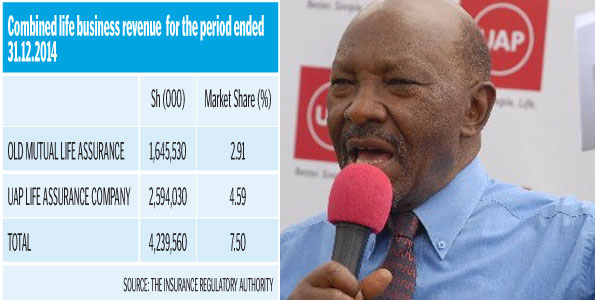
UAP Holdings and Old Mutual Kenya have begun merging the two businesses ahead of a planned listing of the combined entity on the Nairobi Securities Exchange (NSE). UAP owners agreed to the listing during the annual general meeting in Nairobi last Friday.

The decision follows Old Mutual raising its shareholding to 60.66 per cent from 23.3 per cent after the South African firm bought a combined 37.3 per cent from private equity (PE) firms Aureos, Africinvest and Swedfund for around Sh14 billion.

UAP chairman Joe Wanjui announced that Old Mutual had received regulatory approvals to buy out the PE firms.

“The combined UAP and Old Mutual businesses in Kenya will be enhanced to include insurance, investment management, properties, banking and securities brokerage thus creating a strong operating platform to continue growing the business,” said Mr Wanjui in a statement.

Listing will also make it easier to trade the firm’s shares and help in price discovery. The stock is currently traded over-the-counter at up to Sh200.

UAP did not indicate when the listing will happen but analysts at Genghis Capital estimate that it will take more than six months before the firm’s shares can be traded on the NSE.

“UAP bears the possibility of listing first half 2016; after a 60.66 per cent strategic acquisition by Old Mutual, which will also expand networks and its pension business. Listing will be a huge liquidity boost for early investors,” said a market report by Genghis Capital.

The 2014 annual report shows that as at the end of last year the company had 995 shareholders but most of the company’s stock was held by a few large investors.

Old Mutual first bought into UAP in January by acquiring a combined 23.3 per cent stake from Centum Investments and businessman Chris Kirubi for around Sh8.8 billion.

Centum sold its stake to get funding needed for its massive real estate, financial services and power projects. Other large shareholders include Joe Wanjui who has a 20.46 per cent stake and former chief executive James Muguiyu who has a 5.97 per cent stake.

The listing will make the new entity the seventh insurance company on the NSE. UAP operates in Kenya, Uganda, South Sudan, Rwanda, Tanzania and DR Congo.

Common chicken problems: what to look for and how to prevent them

Moulting

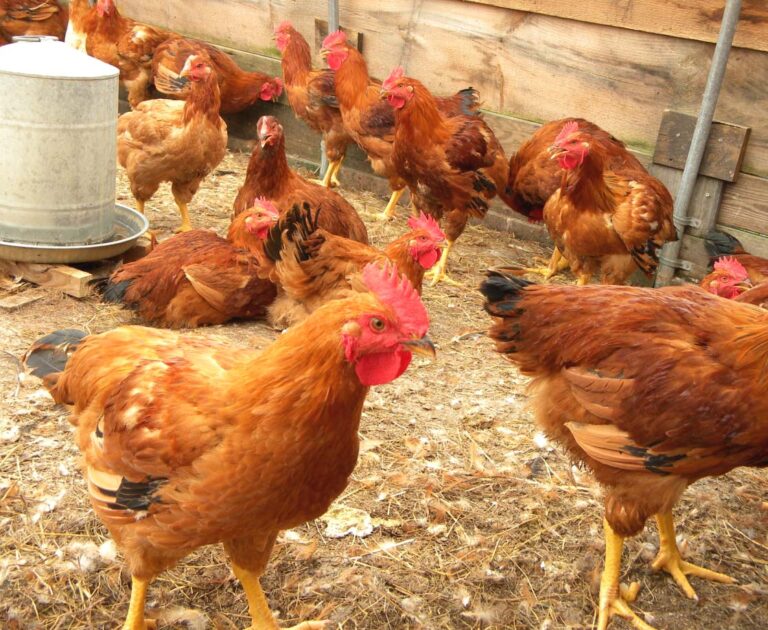
Chickens normally moult once a year. This process uses a huge amount of energy and can be very tiring for your pet. If the moult occurs at the same time as a stressful event, like being put into a new house or a new addition to the flock arriving, your chicken can be at increased risk of disease because their immunity is lowered for the duration of the moult, which typically takes 1 – 2 months. The best treatment for your pet during this process is ensuring a good quality food is available, plenty of vitamin and mineral supplements are used, and stress is kept to a minimum. If you have just bought ex-battery chickens and are worried that they look a bit scruffy and bedraggled, don’t panic! Their feathers should grow back in good condition after plenty of good food, TLC and a moult.

Worms

There are many round and tape worms that can affect your chicken and they can reside not only in the intestines, but also in the stomach and wind pipe. With the latter, your chicken might also be suffering from respiratory disease or might be anorexic, although this is a common finding in any sick bird. Chickens with worms will lose weight over time, and may become anaemic if the worm burden is high enough. Anaemia can usually be seen as a paling of the comb or wattle colour. The loss of nutrients caused by the worms will also result in vitamin and mineral deficiencies in your chickens, which in turn may impact on their egg-laying ability as well as the quality of egg shell. If the shells are too brittle, the egg might break within the chicken and cause egg peritonitis, which can be fatal. Chickens should be wormed at least twice a year to prevent these problems.

Mites

Mites come in a variety of shapes and sizes, and affect different areas of your chickens.

  • Dermanyssus gallinae, or red mite, is the most common by far and is notoriously difficult to eradicate from the housing. Red mites only come out at night and are blood-sucking mites, so can cause significant anaemia and can cause death. They are also very annoying, as you might imagine, and can therefore cause stress-related illness as well. Both the chickens and their housing need to be treated (with dusting powders) for red mites – this includes all the furniture in the housing because the mites hide under this during the day. In addition to the dusting powders, it is essential that a lighted blow torch be run over all the corners and all the joins between the house and perches to eliminate larvae. Neither of these methods works alone, but red mites will crop up anywhere that chickens are kept for any length of time, so do need to be used in conjunction with each other in the event of infestation. In severe cases, it may be best to burn the affected house and purchase a new one.
  • Ornythornyssus sylviarum is also known as the Northern fowl mite, is black and can cause scaling on the face, comb and wattles. Again, discomfort and anaemia along with scabby skin are the hallmarks of these mites. The feathers are also affected at the base where they grow, and can look as though they have been chewed at. These mites, unlike red mite, are rare, but are almost impossible to get rid of. Again, the housing needs to be treated as well as the chickens, but often it is better to burn the housing and purchase a new one if these mites do take up residence.
  • Cnemidocoptes mutans is commonly called the scaly leg mite, and unsurprisingly manifests as a chicken with scaly legs! The mite burrows between the scales and causes so much discomfort that your pet may have difficulty walking. This mite usually starts in an older bird but if any one of your pets is affected, the others are in danger of contracting it. The first step is to soak off the dead skin in warm water and Epsom salts, but care must to be taken to avoid bleeding because the mites are easily spread like this, and your pet will need to be isolated if bleeding occurs. Once the damaged skin has gone, cover the legs in petroleum jelly to suffocate the mites. This problem is usually associated with damp conditions, so it is important to check that your chickens’ housing has adequate ventilation.

Common chicken problems: what to look for and how to prevent themLice

Lice in chickens do not suck blood: they simply eat dead feather and skin debris. However, they can still cause intense irritation because they inhabit the growing base of the feather, the follicle, and remain there for their entire life. Lice are very easy to treat but you need to check your pets regularly to see whether treatment is needed. Hold your chicken by the legs and check the vent – where the eggs and droppings come out – as this is the most common site that lice will inhabit. Normal chickens will have healthy skin and dry feathers around the vent, but chickens with lice may have reddened skin around the vent, and there may be white crystals that look like sugar or icing powder around the feathers. In some cases you may even see the lice! In this case, your chicken will need to be treated with lice powder or cold ash from a wood fire.

Coccidiosis

Coccidiosis is traditionally associated with intensive farming of chickens and does not tend to be a major problem for the average backyard chicken flock. However, many chickens coming out of the production industry may be carriers of Coccidia without showing any signs, and this can cause problems when these chickens are introduced to established flocks, or when a chicken carrying the disease becomes unwell with another illness. General things to look out for include blood in the droppings, emaciation and anorexia, lethargy and a reduction in the number of eggs laid, or sudden fatalities in the flock. Coccidia are spread through dirty bedding and contaminated clothing, shoes and equipment, so good hygiene will prevent most potential cases.

Feather pecking and bullying

Feather pecking can be a result of bullying, which can be due to problems with the housing, illness, or from being bottom of the hierarchy! Unfortunately, there will always be a chicken at the bottom of the pecking order. However, if enough food, space, perches and nesting spaces are provided that the chickens do not need to compete for these commodities, bullying can be reduced to a minimum. Your chickens are also at risk of having their feathers pecked if they get an injury: any sign of redness or blood in a flock of listless chickens will result in ruthless pecking of the injured bird, often resulting in catastrophic injuries or death. The answer to this problem is to ensure that your chickens have plenty to keep them occupied and to check your pets every day for injuries and illness. Although beak trimming is performed in some commercial flocks, this is not an appropriate course for backyard chickens that should have plenty of stimulation: it is both an unethical practise and an incredibly painful one for your pet chicken.

Cockerel behaviour

Cockerels are beautiful birds and are very protective of female chickens, so can be handy to have around in a pinch; they also ensure a constant supply of fertile eggs if you wish to breed, and can be very friendly. However, their violent tendencies are not always purely angled at animal threats! With some exceptions, cockerels will fight each other over the flock, if the flock is either not big enough to provide enough females for the number of cockerels present, or if the breed produces very violent males. In this case, they may also attack the hand that feeds them – you! When selecting your chickens, it is advisable to choose a breed that has not been used for cock fighting in the past: selective breeding for violence over the years has made these cockerels frequently difficult to handle, and their spurs can inflict some real damage if you are caught by them. It is just as important to handle and tame your cockerel as it is your hens: not only will you be able to detect illness more readily in the males, but your chances of being mistaken for an enemy are much reduced. Spurs are found on the inside of the legs of both male and female chickens, but are much larger in males. They are removed in some countries to reduce injuries, but this is similar to removing all the claws of a cat and is considered both unethical and a mutilation in this country. In any case, there is a large artery that runs through the spur, so removal should be discouraged! However, spurs can be trimmed every other year using claw clippers, and can also be filed down to prevent damage to your hens.

Common chicken problems: what to look for and how to prevent themCrop impaction and stasis

These are fatal conditions if untreated and the sooner they are picked up, the better the outcome is likely to be. Crop stasis is also called ‘sour crop’ because of the smell that goes with it – if you smell an affected chicken’s breath, it will smell something like sour milk or yoghurt. Often owners don’t realize that their chicken isn’t eating because the crop always seems to be full. Indeed, the crop continues to grow if the chicken is still trying to eat but nothing is getting through! If your chicken is suffering from crop stasis, it is also very likely to be suffering from something else: crop stasis is rarely a primary problem but is a result of other disease processes. If your chicken has a crop impaction, the crop will continue to grow as your pet eats, becoming very hot, red and heavy – so much so that it can be difficult for your chicken to stand. These problems demonstrate why it is so important to feel the keel and surrounding muscles regularly: these chickens will be starving with a full crop. Whilst you are watching your chickens eat, take the time to check that they are actually eating the grains, not just pecking around in the dirt! The only effective treatment is surgery for these cases, although medical management can be attempted if a crop stasis is caught early and before an impaction builds up.

Egg peritonitis

Unfortunately, this is a common disease in ex-battery chickens and carries a very poor prognosis. Battery chickens have a very difficult life and their living conditions are manipulated to maximise their egg production. Unfortunately, this usually involves eliminating the natural resting period that chickens have between laying clutches of eggs by altering the light cycle, leaving the chicken no time to recover or to replace calcium losses from her bones (which is where the calcium for the egg shells comes from). When loving owners take on these stressed, immuno-compromised and nutritionally deficient chickens, it may be that the disease process for egg peritonitis has already started but is not apparent. This is no reason to be discouraged from re-homing these chickens! They need all the TLC they can get! However, it is not only ex-battery chickens that suffer from this condition: any chicken that is low in calcium or vitamins, or has difficulty laying at any time can be a victim of this disease. The eggs burst inside the chicken, leaving a perfect growing environment for bacteria, which take rapid advantage of the situation. It is essential to catch this process early so that medical or surgical intervention can be taken, so if you are even slightly concerned about your chicken’s laying or egg production, or if your chicken seems ‘a bit down’, bring her in for a check-up!

Scald

Scald is when the skin on the legs, and particularly the feet of your chickens, turns a very red raw colour and becomes painful for the chicken. This is a condition brought about purely through housing problems – wet bedding and flooring results in the ammonia in the droppings literally burning through the skin. If you have ever burnt your hand on the oven, scale this up to your whole foot and imagine walking on it – scald is excruciatingly painful and requires treatment! However, scald is also easily prevented by cleaning out the housing regularly, moving runs around, and providing plenty of space. Good ventilation is also essential because ammonia also gives off vapours that are toxic to the lungs, so can cause breathing difficulties.

Prolapse

Unlike mammals, birds do not have a separate anus and birth canal. Instead, the eggs and droppings come from their different tubes inside the body to be delivered through the same vent, although not at the same time! Therefore, in order to lay an egg and prevent contamination with droppings, birds have a clever system of inverting their oviduct – the tube that the egg comes from – until the egg is out, leaving it completely untouched by droppings. In a normal bird, this system works perfectly. However, if your chicken is deficient in calcium or vitamins, or has not had time to recuperate after laying each clutch of eggs, or if she has a muscle weakness, the tube may continue to come out. This is known as a prolapse and you will recognize it as a very pink to red structure visible at the vent. If this becomes contaminated with droppings, gets damaged or gets progressively bigger, the prognosis for your chicken might become very guarded because infection can easily take hold, or the chicken might become so ill that surgery becomes very dangerous. It is therefore important to keep a close eye on your chickens throughout their laying period and bring them to the vets if you see a prolapse. In some chickens, the prolapse may correct itself. Prolapse is usually a sign that the chicken is starting to become significantly deficient in vitamins and minerals, so she should still be brought in for an injection of these in addition to providing oral supplements because these cannot be processed quickly enough to help during the rest of the lay. If the prolapse does not correct itself, surgery is necessary to replace it. In some cases, if the prolapse is very large and damaged or if your chicken has recurrent prolapse, it may be necessary to spay your chicken. Although this will be the end of her egg laying days, she will still be a fun, lively and integral part of your pet flock!

Common chicken problems: what to look for and how to prevent themMarek’s disease

Marek’s disease is a nasty illness caused by an alpha-herpes virus that infects the immune system, causing nervous signs and tumours, usually in birds less than 5 months old. Commercial chickens are vaccinated against it routinely, but because the vaccine is only effective when the birds are very young, it is not possible to vaccinate your chicken once it is an adult. Silkies and Sebrights are particularly prone to this disease. This disease is very contagious and is spread through feather dust. Signs to look out for include paralysis, usually of one wing (resulting in a dropped wing) and leg, a head tilt, and changes in the droppings because the digestive tract can be affected. Unfortunately, there is no cure for Marek’s disease and euthanasia of the affected bird should be performed both on welfare grounds and for the health of the remaining flock. If you are purchasing your chickens from a breeder, it is worth asking them to vaccinate your chicks before you collect them (the vaccine needs to be given at 1 day of age, then again 2 weeks later). If you are getting ex-industry chickens, it is worth finding out if they have already been vaccinated. If you intend to breed your own chickens, make sure you are prepared and have ordered the vaccine in advance of the hatching date!

Mycoplasma

Mycoplasma gallisepticum is a common, highly infectious disease that causes severe breathing difficulties in chickens and can take weeks of antibiotics to resolve. Mycoplasma species are, however, notoriously difficult to completely eradicate and may recrudesce later in time. Classical signs of a chicken suffering from this malady include a clear discharge from the nose and eyes; sneezing may or may not accompany other signs. The eyes become very puffy, and the whole head may look swollen – this is because the sinuses are all full. If you have ever had sinusitis, you will understand just how unpleasant the sensation can be! Unfortunately, this sensation is magnified with Mycoplasma because all of the sinuses are usually involved. Affected chickens are therefore also very lethargic, often anorexic, and may seem mentally depressed. Frequently the comb might fall to one side, which is a result of dehydration, and may also become much paler than usual. Sadly, many cases are not picked up until the chicken exhibits all of the above signs, at which point the bird might be too weak to be able to respond to treatment, and euthanasia is advisable at this stage for welfare reasons. However, if caught early, this disease can be effectively treated with an appropriate antibiotic. This antibiotic will need to be provided for the whole flock because all of your birds will have been exposed to the pathogen, and will last for several weeks. However, individual medication is usually only necessary in the affected birds: the remainder of the flock can frequently have their water medicated instead. It is very important to finish the course of antibiotics even if your pets seem to have made a full recovery: Mycoplasma lives inside cells so can hide away very effectively, and unless the antibiotic course is finished, the infection can come back very quickly.

Osteomyelitis

The word ‘osteo’ means ‘bone’, and ‘itis’ means inflammation, so osteomyelitis is an inflammation of the bone. The most common place for this to occur is on the keel because there is only a very thin layer of skin covering this bone. Therefore, if your chicken is weak due to another disease process or has difficulty raising itself off the ground (which can be difficult to spot when brooding), the keel is always in contact with the floor. This causes abrasion to the overlying skin until sores develop. Once this happens, infection enters the wound and can very quickly take up residence in the damaged bone. Sometimes the skin can heal again over the keel, but the infection has already been trapped inside and might not become apparent for several days to weeks later. As with any bacterial infection that takes hold, your chicken will develop a fever, leading her to become lethargic, anorexic and not want to drink. She might have visible sores or scars over her keel area, or on her feet if the infection is secondary to scald. Although osteomyelitis is usually secondary to damage to another part of the body, it can also be contracted without any external damage. Bone infections are incredibly painful and can also be challenging to treat, so the earlier this is caught, the better the prognosis. Once again, this highlights the need to check your chickens on a regular basis to prevent infections being able to access the bones.

Common chicken problems: what to look for and how to prevent themAspergillosis

This disease is caused by a fungus called Aspergillus fumigatus that is found everywhere in the environment. It is therefore reasonable to suppose that all birds are exposed to it! However, if you have ever spoken to a falconer, you will probably have heard tales of doom where aspergillosis is concerned. Aspergillus species love to grow on mouldy grains, so poor quality foods hold a very heavy load of fungus – far more than the immune system is used to dealing with, and mouldy seeds are a large cause of disease. However, aspergillosis is far more commonly seen as a sequel to other disease processes: when a bird is fighting an infection, its immune system focuses everything on that infection. This leaves your pet vulnerable to attack from other infective causes, and as mentioned, Aspergillus is found everywhere. If your pet is suffering from a long-term debilitating disease, you should certainly be aware of the signs of aspergillosis. The fungus affects the respiratory system, and cumulates in the air sacs of birds. Although birds have lungs, they do not act in the same way that ours do, and gas exchange – the process that ensures that oxygen is transferred to the blood – actually occurs in the air sacs, not the lungs. Birds have an incredibly efficient mechanism for breathing such that any air breathed in is circulated twice before it is breathed out, so there are twice as many opportunities to take oxygen into the body. However, this also gives Aspergillus species twice as many opportunities to take up residence in the air sacs! Once in the air sacs, the fungus forms plaques that are very adhesive and thick, so are difficult to remove and difficult to treat. Birds suffering from aspergillosis may bob their tails in later disease, but before that might have a change of tone in their voice, or may lose their voice altogether. This is almost diagnostic for aspergillosis and should not be ignored! Your pet may be more lethargic than usual and might not come to feed as quickly as usual, or might hang back from the group. You might notice an increase in the effort that is needed to breathe – you might see the chest rising and falling, or even the abdomen being used to breathe. This disease is fatal in chicks and is very serious in adults, so it is important to seek advice for any disease to prevent aspergillosis subsequently. Treatment can be prolonged and intensive, and requires large quantities of TLC on the side! The best way to avoid aspergillosis is to ensure clean housing is provided at all times with plenty of ventilation. Avoid alternating wet and dry conditions: this is perfect for the formation of fungal spores during the wet patches, and dispersal of them during the dry. Just think of the conditions in autumn when the toadstools arrive – this is what you want to avoid! Aspergillus can also rarely affect people, particularly very young or elderly people, or those undergoing treatment with strong drugs such as anti-cancer treatments. If anyone in your family fits into those categories, it is advisable to prevent them from coming into contact with the chickens or their housing. In some cases, affected birds may need to be euthanized to protect other members of the family or for welfare reasons.

Avian influenza

The first thing to mention about avian ’flu is that you are very unlikely to get it! People and birds do not have the same receptors (places that the virus attaches to) within the body, and the receptors present even sit in different anatomical places, so the virus would have to undergo many, many mutations and probable cross-replication with ’flu from another species in order for you to catch it. However, it can be a serious disease for your pets, depending on which strain they catch. There are many different strains of influenza and most are relatively harmless: your birds will be exposed to them on an almost daily basis, the same way that you are exposed to human influenza on most days. The only strain that has been associated with human disease is the H1N1 strain, originally from Asia. This strain is also Notifiable, which means that if you or your vet suspects this disease to be present, DEFRA must be contacted by law and an investigation carried out. Some signs to look out for include the comb and wattle turning blue and becoming swollen, difficulty breathing, your chicken having a swollen head or neck, lack of co-ordination, and anorexia with excessive thirst. Influenza should also be considered if several birds die within 2 days of each other without any indication that a predator might have been present or of another disease process being present. However, remember that this strain is very rare and there is no need to panic unnecessarily! The most common source of influenza is passing wild birds – they are usually attracted to your pets’ food and water sources, so putting these somewhere out of sight such as under a shelter can help to deter them. However, the area does need to be fully ventilated so avoid closing your chickens in to feed them! Most birds with a touch of ’flu will recover in the same way that most people with a touch of ’flu recover. Even if your bird does catch a nasty strain of influenza and has difficulty recovering, it is unlikely to have the H1N1 virus!

Salmonellosis

Salmonella is a bacterium found in the intestines of most birds, but is carried in much higher numbers in chickens than in other species. Salmonella species do not normally cause a problem for your chickens, but will cause you or your family a problem if undercooked, affected eggs are eaten, or if food is eaten with contaminated hands. The best way to avoid salmonellosis, which can cause symptoms of food poisoning or breathing difficulties in people and chickens, is to ensure good hand hygiene. Always wash your hands thoroughly in warm soapy water after handling your chickens, their eggs or their bedding. Resist the temptation to feed your chickens scraps from your kitchen as treats: this is both illegal and one of the best ways to set up a Salmonella infection in your chickens! Most pet chickens will not have a significant load of Salmonella, but if you are at all worried that your chickens or eggs might be affected, contact the vets to get a faecal sample sent to a laboratory for analysis. If your chickens are suffering from salmonellosis, they can be treated with antibiotics successfully, but be aware that it can be months before they are declared Salmonella-free.


I live abroad but my pigs take care of my family

0

A ride on the bumpy murram road from Kolenyo market to Akado village in Seme, Kisumu County, leads me to the home of Mr Ronald Omondi.

Omondi is a security supervisor at a hotel in Qatar, but back home in Kolenyo, he rears rabbits, pigs and has a hydroponics project to supplement the animal fodder. Omondi credits his pig-rearing ideas and skills to vast research over the internet.

“I have not gone for any training on pig rearing, all the information on rearing pigs is on the internet. I went to YouTube and watched people who have piggeries in Kenya. I came across Clare Omanga in Nyamira who sold 40 pigs for over Sh1 million,” he says.

He adds: “I asked myself what I could do while outside my country; I could go back and start a similar project. I once read an article online of a pig farmer in Uganda who makes Sh7 million in a year.”Omondi’s entrepreneurial spirit was ignited when he partnered with his aunt, Eunice Atieno, who lives in the US, to start the agribusiness project as a source of employment, income and education for the extended family at home.

“We decided we would start a model farm and employ family members at first. When it picks, we can give them each a pig to rear. This is in an effort to eradicate poverty.” He takes me around his piggery. He started off with 20 piglets. He raised and fattened them for three months before selling them. A pig can give a farmer between nine to 16 piglets.

“We spent Sh1.8 million to construct the pig sty,” he says. “We plan to have two buildings. The other one can host 60 pigs. When the second building is complete, it will host 140 to 150 pigs.”

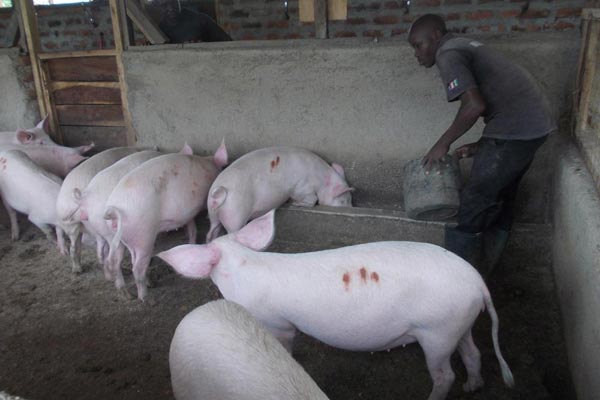
One of the pens has five pigs. “I bought them at four months on February 24 this year. They have added weight. Right now they weigh 55kgs. I plan to sell them on June 24. I will be doing three-month cycles of fattening the pigs and selling them as others grow,” he says.

KEEPS RECORDS

The father of two says he has nine pens in total in the piggery. One is meant for the males that serve the sows. He also has a tracker pasted on every pen that keeps essential records and information of the pigs. The tracker has information on the date of arrival of the pigs, their age, medication and the date set for them to leave the pen for sale.

“A fully grown pig eats 3kg of grain in a day. One has to consider the age so that you don’t overfeed them. One to two month-old pigs consume 1kg of dry matter in a day while two to four month-old pigs take 2kg.”

The farmer keeps the landrace breed, which grow fast and are resistant to disease. The pigs eat almost anything and rarely fall sick, hence the cost of maintaining them is relatively low.

“After consulting a nutritionists, I learned that pig finishes are good when you are fattening them and just about to market them.

“I purchase my own feed and mix them. Normally I buy wheat pollard, wheat bran, bread crumbs, fish mill (ground dagaa) and limestone for calcium,” says the farmer.

“The feed for 50 pigs will cost me around Sh120,000 per month; that is dry matter, hydroponics and cabbages. I purchase cabbage from the market at Sh100 per 90kg sack.

“We wake at 7am, clean the piggery then we give them food between 9am and 5pm when we sweep the pens and feed them again at 6pm,” he says.

“We give them medication after every two weeks, deworm them and give them some antibiotics. We spray the piggery after two weeks against ticks and other insects.

“Pigs hate stress. Any abrupt noise can be a source of stress which leads to loss of weight.

“People have not realised that pigs can be very profitable because they grow quickly and don’t have high demands.” He sells the animals to buyers in Nairobi and sometimes in Kisumu, and the returns are handsome.

“For you to realise good returns from pigs, you should sell in bulk. Our target is to sell 40 to 50 pigs after every three months. One piglet costs about Sh4,000, it matures within six months and sells at between Sh25,000 and Sh40,000,” says Omondi.

He feeds the pigs on hydroponics plants that are nutritious and make the pig lean. A lean pig will fetch you more cash than one with plenty of fat. Normally a pig has 14mm of fat in its body. If you feed them 60 percent hydroponics and 40 percent dry matter, the fat level drops half.

“A lean pig will fetch you Sh300 per kg and above depending on the market, unlike a pig with 14mm of fat that will fetch you Sh230 to Sh280,”

“I sell the big pigs at Waiyaki Farms in Nairobi, who buy the pork at Sh280 per kg. If I subtract the expenditure on feeds, staff and transportation, I remain with Sh500,000 from the sale of 50 pigs. I can only realise this if I sell in bulk.”

“I wish the youth would change their minds on white-collar jobs and embrace agribusiness. I would not have realised the returns of farming if I had not embraced it,” he concludes.

Layers vs Broilers: which are the best and most profitable to farm?

The following analysis is courtesy of The Graduate Farmer

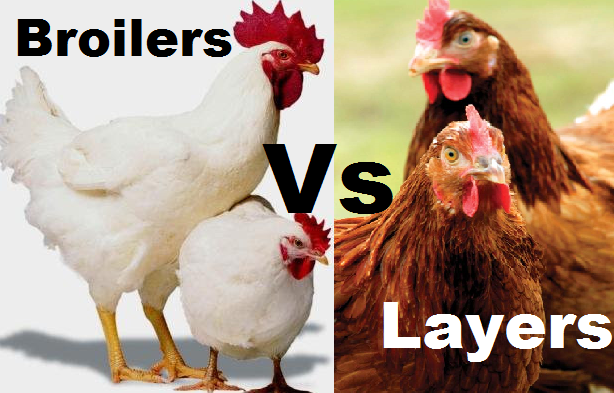
Which is the best kind of poultry farming to do between layers and broilers? This is a common question frequently asked by Kenyans who want to start poultry farming. We have compiled a list of calculations highlighting the profit margins of the two. I hope this will help shed some light to which is most profitable.


BROILER 500 BIRDS

Feed Cost per Kg Duration Maximum grams fed to per day
Broiler Starter 50 3 Weeks 100g
Broiler Finisher 45 4 Weeks 180g


Mature broilers are sold at Ksh 400

layers

Feed Cost of Feeds
Broiler Starter Ksh 52,500
Broiler Finisher Ksh 113,400
TOTAL FEED COSTS Ksh 165,900

.

Income Revenue from Sale of 500 broilers = Ksh 200,000

Gross Margin = Ksh 34, 100.

Net Profit per month = Ksh 17,050


LAYERS 500 BIRDS


Feed Cost per Kg Duration Maximum grams fed to per day
Chick Mash 45 1-8 weeks 60g
Growers Mash 30 9-19 weeks 90g
Layers Mash 40 20-84 weeks 120g


Feed Cost of Feeds
Chick Mash Ksh 75,600
Growers Mash Ksh 103,950
Layers Mash Ksh 1,092,000
TOTAL FEED COSTS Ksh 1,271,550


Cost of a tray of eggs= Ksh 320


Revenue from sale of eggs.

Laying percentage is usually 85%

Total eggs collected for 455days = Ksh 193,375

Total crates of eggs = Ksh 320 x 6,446

Total Income revenue = Ksh 2,062,720

Gross margin = Ksh 791,170

Net Profit per Month = 52,745


So which one do you think is best for you? Please share your comments below

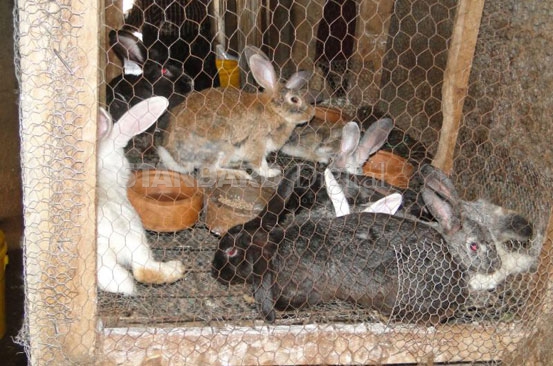
Margaret Odhiambo: I nearly gave up on rabbit farming

It is easy to assume that farming is mere walk in the park, especially when you see a farmer’s venture thriving. But before a farmer starts reaping the benefits, they go through numerous challenges. Margaret Odhiambo, a rabbit farmer from Bondo, Siaya County demonstrates this reality. “I started rearing rabbits last year after my kids interested me in the idea.

We started with a lot of excitement, but the journey has also been sobering,” says the teacher. To start off, she bought a Flemish Giant buck from a farmer in Kakamega at Sh3,500 and other four mixed breeds. She spent Sh8,000 to buy rabbits and Sh20,000 for putting up rabbit structures. It was all smooth, then the storm set in.

After about six months into the venture, she faced the problem of rabbit diseases, lack of feeds and vaccines. She tells Smart Harvest: “I lost more than 20 rabbits in one week. We just woke up one day and found the animals dead. I was shocked and called in a vet the next morning. The vet examined the animals and told me they died due to a mite infestation. I had no idea how I could control them.” That was a wake-up call for her. She was advised to start using Servin Dust (a powder for killing mites).

She dusts the powder on the rabbits and their hutches. “Since I started using these remedies, I have not experienced any animal deaths related to that disease. I have also been giving them antibiotics and multivitamins,” she says. She also faced some challenges during the dry season because she was forced to travel long distances in search of feed. “I usually feed them on pellets which I buy at Sh500 per 10kg pack. This I supplement with vegetables and fruit remains which I collect from the market,” she adds.

Being a teacher and a farmer is hectic, and so Ms Odhiambo has to work smart to juggle the two roles. On a daily basis, she wakes up as early 4:30am, prepares and heads to school to monitor the students for the morning preps. She comes back to the house at around 5am to clean the rabbit cages and feeds them before going back to school for the morning classes.

When there is a doe that are about to kindle, she is forced to wake up in the middle of the night to check on the animal to ensure the delivery is safe. “Most rabbits give birth at night and if you leave them unattended, the animal might accidentally step on its kits (baby rabbit),” she says. The Deputy Principal at Nyamonye Girls Secondary School in Bondo, Siaya County says she loves rearing these animals because rabbit meat has a ready market and fetches good money.

The animals also mature and breed fast. She says, “I started with a small structure not knowing the rabbits would multiply very fast. From the five rabbits that I bought, I now own more than 100.” Another plus of rearing rabbits is that it requires little space and the returns are good.

“The returns are quite impressive. A mature rabbit fetches about Sh4,000.” She uses the locally available materials like wood planks and second-hand iron sheets to build the rabbit hutches. Odhiambo who expects more than 50 bunnies in the next few weeks says she keeps more than 20 bucks which she fattens and sells them for meat to her colleagues and other locals.

“Rabbit meat has a big market but the only challenge that most farmers experience is meeting the market demand. If you were to supply around 100kg of rabbit meat per week to a restaurant, it means you must have a not less than 100 rabbits at any given time,” she explains adding that this is why she has been selling to domestic consumers.

She sells mature rabbits at between Sh800 and Sh1,500 while 2 month-old rabbits for breeding at Sh600 to Sh800 for does and bucks respectively. “We have also tried to put up structures to the recommended type but not to perfection,” she says.

Odhiambo looks forward to being a major player in the county’s white meat market by establishing her own butchery that specialises in rabbit and poultry meat.

11 banks book space at Centum’s Sh. 25 billion Two Rivers mall

0

Eleven commercial banks have booked space at Centum’s upcoming Two Rivers mall, targeting the 40,000 people expected to be visiting the facility daily.

The lenders will join a growing list of tenants – including several international brands – that have reserved the 220 shops available at the shopping complex which is expected to open its doors to the public by the end of the year.

Barclays Bank, Standard Chartered, Kenya Commercial Bank and Co-operative Bank, Imperial Bank, K-Rep, CfC Stanbic, Prime Bank and Chase Bank are set to open new branches in Two Rivers’ banking section situated on the mall’s rooftop.

“There has been significant demand from banks seeking to set up in the mall, but we did not have space to accommodate everybody,” said James Mworia, Centum’s chief executive.

Commercial banks have earmarked shopping malls as lucrative locations given the high human traffic that frequents these facilities.

Recent shopping malls like TRM situated along Thika Highway have attracted several banks including Diamond Trust, Barclays, ABC, NIC, Oriental Commercial, KCB, StanChart and CBA.

“We expect over 40,000 visitors to the mall every day and coupled with the businesspeople who will be operating here, it is easy to see why banks are attracted to the mall,” said Mr Mworia.

The Two Rivers mall, which will be operating under a different name once it opens in October, covers an area of 1.2 million square feet excluding parking space for 3,000 vehicles.

Construction of the mall will cost at least Sh15.5 billion, another Sh2.8 billion will go towards setting up infrastructure while Sh3.8 billion will be used to construct apartments later this year.

French retailer Carrefour is set to be the mall’s anchor tenant with other brands being LC Wakiki – a Turkish luxury clothing line – and Virgin Active, a platinum health club.

Other brands that are expected to set up in the three-floored mall include; Adidas, Hugo Boss, Porsche, Essentials, Lacoste and Foschini.

Why Every Business Needs A blog By Sheeroh Kiarie

0

The Oxford dictionary defines a blog as a regularly updated website or web page, typically run by an individual or small group that is written in an informal or conversational style. Nowadays, blogging has become one of the leading ways to generate interest online by creating all manner of content besides the mainstream social media. The premise that every business requires a blog is therefore more factual than ever if the said businesses are destined to survive. A couple of years back, a similar argument had been brought forth; only that websites then were the subject. Businesses have since embraced websites with immense benefits. Many small and large businesses are still unaware of the benefits associated with blogs. If you are a business owner, read on to found out the benefits of a having a blog.

Industry Leadership

A business blog is a sure way to build authority in your industry by demonstrating great knowledge and expertise in relevant areas. Business websites are helpful but in this context, they are so yesterday. Most websites appear too formal and promotional and unlike blogs, they are rarely updated. Customers want to deal with knowledgeable and experienced people therefore updating your blog regularly is the best way of connecting with current and potential customers without coming off as too marketing oriented. Put yourself into the customers’ shoes. Explore problems and scenarios that they encounter in that particular field and address frequently asked questions by giving suitable answers and solutions. Give your opinions on the latest trends in your industry to portray yourself as a market leader.

Free Marketing

Marketing budgets especially for small businesses are too lean or non-existent at all. Business blogs linked to company websites and email signatures are great ways to achieve free advertising. Majority of potential customers use search engines like Google to search for products and services. Regular creation of content with use of SEO optimized keywords is a perfect way of generating huge traffic to the blog and subsequently to your website free of charge and boost sales. This eliminates the need to spend on sponsored links and Google Adwords to advertise your business.

Create and Establish Brands

There is a great audience for blogs more than ever that has been fueled by the availability of internet and evolving social media trends. People are more interconnected than ever before. A business blog is the perfect launching pad for your branding activities. You can post content that details the intrinsic value of your brand and constantly engage customers while at it. You can also read the comments section to obtain valuable customers feedback and respond to customers’ comments and emails. The feedback from customers is very useful in coming up with innovative ways to improve your brands and establish them fully in the market.

Boost Your Social Media Presence

Social media buttons like: Follow, Like and Share are essential for all business blogs. We are increasingly witnessing an increase in the percentage of shared content from blogs on social media. A well-written blog post can go viral on social media in a matter of hours or days and that will generate great interest in your business products and services. This will no doubt have a direct impact on sales and in the number of potential customers that will follow your social media accounts. Use of catchy hashtags to alert your audience of new posts can easily get your business trending in social media. It is no secret that every business needs a strong social media presence as a way of building relationships with customers by reaching out to potential customers, engaging with existing customers and even running promotional activities. This is yet another reason why every business must have a blog.

Strategic Growth

Many businesses have a strategic growth plan and consistency in business blogging is a long-term marketing strategy that will definitely guarantee the future growth of your business. Sustainable brands have continued to be developed thanks to strong customer relationships, networking and word of mouth marketing that come with exceptional business blogs. With time, business blogs help business grow a robust mailing list that can be used for future marketing, promotions and to keep the customers updated on your brands through periodic publications like newsletters.

As you can see, it is essential for every business to have a blog more so if you are to see strategic growth and sustainability of your enterprise. Blogging platforms are many; Blogger and WordPress are some of the popular ones. These sites are easy to use and have simple plugins to help set up a business blog without much tech know-how. It’s not too late to start a blog for your business if you don’t have one. Start your blog today!

Article contributed by Sheeroh Kiarie. She is a full time work from home online professional. She has been in online business for three years and absolutely loves it. She is very enthusiastic about the future of online business. She runs Work Online Kenya and a Blog that provides aspiring freelancers with helpful information about working online in Kenya and how they can make money online.

Vacancies: KCB is Hiring for the following Positions, Apply before 3rd July 2015

0

KCB is renowned for its diversity and growth in the Region is currently strengthening its support for group operations and business with the aim of maintaining Best Practice whilst also responding to the growing Business needs to support internal and external Customer Service delivery objectives and increase shareholder value. To this end the following challenging positions have arisen and candidates with the requisite competencies and qualifications described below are hereby encouraged to apply.

HEAD OF ASSETS AND LIABILITIES MANAGEMENT
JOB REF: TREASURY 03/2015

The Position:
Reporting to Director Treasury the role holder will be required to drive the Group ALM processes and generate Treasury revenue through strategic positioning of Assets and liabilities, ensure optimal pricing, effectively manage Liquidity, interest rate risks among other risks inherent to the Group balance sheet.

Key Responsibilities:

· Lead the ALM team performance, development and motivation for the team and ensure strategies are executed and monitored for optimal revenue.
· Lead the execution of both strategic and tactical management responsibilities.
· Drive the use of cash flow forecasting process for the group as part of liquidity management and carry out liquidity scenario analysis.
· Advice on funding diversification to ensure an optimal funding mix is achieved.
· Support subsidiaries’ ALM process and make visits to optimize group performance.
· Actively participate during group ALCO and make presentations on market trends, bank’s cash flow projections and other ALM issues for decision making.
· Engage regulators on emerging issues and ensure the bank meets regulatory requirements.
· Actively engage businesses regarding lending pipelines and give input on both pricing and funding solutions.
· Drive the FTP process to ensure the bank adopts the best pricing for both assets and liabilities as per the overall bank strategy.
· Relay macro-economic shifts or trend changes to relevant parties promptly to drive the right decisions for both assets and liabilities.
· Supervision of Treasury accounting related activities including: Derivatives, Fx Swaps, Fcy Loans, Investments, · Forex settlements and other activities encompassing all treasury activity.
· Managing foreign currency exposure risks of the bank.

    The Person:

· A University degree from a recognized university in a Business related field.
· ACI Dealing Certification is required.
· An MBA or Master’s degree or relevant professional qualifications in a relevant field will be an added advantage.
· A minimum of 6 Years’ Experience in Assets and Liability Management including 4 Years covering Fixed Income
· Experience in Treasury Back Office will be an added advantage.
· Experience in General Banking.
· Good understanding of dynamics of Financial Markets and local and regional regulatory environment.

2.HEAD OF ARCHITECTURE AND INNOVATION

JOB REF: IT 10/2015
The Position:

· Reporting to the Chief Information Officer the Head of Architecture the job holder will act as a technology leader and subject matter expert. He/She will design, develop and implement IT Architecture projects and may lead either directly or by matrix a team of Enterprise and/or Solution Architects. The position is also responsible for defining business processes and business models to support each business unit, designing and assessing the maturity of the overarching enterprise infrastructure; reviewing technical design and application design specifications to assure integration with the enterprise model. Identify gaps, overlaps and inconsistencies and opportunities to develop data models that support SVB’s business processes efficiently and effectively.

· Leverage expertise across all KCB business and technology domains (including applications, information management/data, security, infrastructure, middleware, etc.) to define and document exemplary strategies and standards for IT and business technology strategies in combination with business owners and the IT Business Vertical Heads and business stakeholders.

Key Responsibilities:

    1.Technology Architecture:

· Ensure alignment of Business Goals with an IT Enterprise Architectural Blueprint.
Define the on-going architecture governance process to ensure on-going alignment with the business strategy.
Work with platform architects and engineering leads across the organization to ensure the appropriate technology strategies for all platforms are defined fully and fit into the overarching framework of the enterprise architecture.
· Define and document technology standards and the policies and the appropriate governance process to enforce them.
· Analyze legacy IT systems and business processes in the context of industry leading practices and recommend initiatives to improve business capabilities through continuous improvements to the enterprise architecture – assist in developing and championing the necessary business cases to accomplish same.
· Represent Enterprise Architecture in a formal consulting capacity to key technical projects by acting as a sounding board, advisor, and technical consultant to the appropriate Tech Leads.
· Review and approve interface designs.
· Review and advise on solution alternative reviews and designs for these same key projects.
· Drive and serve as custodians of EA roadmaps and the Governance process. Maintain IT Schematics.
· Work with Business Partners to review business drivers, needs, and strategies and understand implications to the application architecture.
· Establish criteria and perform technology evaluations, including analysis and proof of concept along with supporting analysis and documentation.
· Provide input to the development of project initiation documents including objectives, scope, approach, and deliverables, when needed.
· Provide support and guidance to the development teams during the analysis, development, and testing processes.

    2. Innovation:

· Lead New Digital Businesses product innovation.
· Evaluating product and technologies of the growing technology community.
· Driving Bank-as-a-service platform as a key customer and contributor of business requirements.
· Contributing to KCB-Group wide IT platforms as a key internal customer.

    The Person:

For the above position, the successful applicants should have the following minimum qualifications:

· A holder of a degree Computer Science/Information Technology/Electronic Engineering or Computing · Mathematics from an institution recognized by Commission for University Education.
· TOGAF Certification.
· ITIL Foundations Certification.
· 8+years of IT financial services work experience in a combination of Enterprise Architecture related IT fields including 5+ years of IT Delivery, technical project management or related experience.
· Ability to facilitate and lead cross-functional teams to drive technical consensus and drive complex project plans with technical interdependencies.
· Comfortable facilitating work sessions with technical engineers and senior managers.
· Able to lead discussions, capture results and produce related technical design documents and related deliverables.
· Familiarity with the financial industry and knowledge of regulatory guidelines.
· Familiarity with COBIT framework.
· Familiarity or certification with PRINCE process framework.

3.PLATINUM RELATIONSHIP MANAGER
JOB REF: RB 48/2015

Purpose:

Reporting to the Centre Manager Platinum, Platinum Relationship Manager will be responsible for servicing and managing high net worth (HNW) customer relationships by engaging them, uncovering their needs and providing them with the appropriate financial solutions. The relationship manager is responsible for driving profitable revenue and volume growth of the HNW customer base through targeted sales efforts and the delivery of impeccable service.

Key Responsibilities

· Drive portfolio growth through acquisition of new to bank high net worth customer relationships and through deepening of existing customer relationships by cross selling to increase product holding per customer.
· Achieve agreed sales targets for new accounts, assets and liabilities.
· Conduct a detailed needs analysis for all existing and potential customers to determine their financial planning needs in order to play a proactive role in increasing their wealth. Manage a call and customer visits program to build long term relationships, compile reports including names of customers called, meetings held and cross sell opportunities identified and followed through for closure to determine personal sales progress against agreed targets.
· Working with the Centre manager, manage and execute innovative micro marketing plans in the Centre.
· Work in liaison with the branch network, corporate and investment banking teams to, identify HNW clients and agree on ways to jointly approach the clients to create customer product awareness based on the proposition.
· Be the principle point of contact for the bank’s relationship with a designated portfolio of HNW customers and offer a consistent yet differentiated customer experience by taking ownership of all categories of customer service matters. In consultation and liaison with other support functions in the bank resolve client queries and complaints to closure and effectively convert service recovery to sales opportunities and sustained loyalty.
· Manage the HNW customer requests and transactions in compliance to KCB operational guidelines and procedures with zero tolerance to operational risk and frauds.
· Manage the customer portfolio at risk and, monitor account migration and provisions to ensure they are within the set business acceptable levels.
· Keep current on business trends and competitor offerings by gathering market intelligence on loans and accounts to maintain a competitive edge.
· Create a lead base of external target market through networking, customer referrals and attending social events, seminars, trade shows and Industry events.
· Prepare management reports.

Qualifications and requirements

· For this position, the successful applicant will be an experienced high net worth relationship manager. The applicant will be a customer centric, business-driven, and highly innovative, revenue generator, with a keen eye for quality.

For the position, the successful applicant should have the following:

· A university degree in a business related field from an accredited university. Possession of a postgraduate degree or professional qualification in a business related field will be an added advantage.
· At least 4 years’ experience in general banking with 2 years’ experience in the following areas; high net worth client relationship management, customer service, product development, sales and people management.
· Additional experience is required in more specific areas like credit skills, risk management, banking operations and report writing.
· Excellent verbal and written communication skills and ability to communicate with stakeholders at different levels with a high level of professionalism.

4. IT SECURITY SPECIALIST
JOB REF: IT 09/2015

The Position:
Reporting to the Senior Manager, IT Security, the Security specialist will be responsible for safeguarding information system assets by identifying and solving potential and actual information systems security threats thought the KCB network.

Key Responsibilities

· Perform vulnerability assessment and penetration testing on the banks infrastructure and applications to ensure that they are secure from external or internal hacking attempts.
· Research on and provide technical security expertise on continuous persistent threats affecting the bank to the Head and Senior Manager, IT Risk and Security.
· Develop and implement IT Security Policies, procedure, standards and guidelines based on best practice benchmarking COBIT, ISO/IEC 270001, NIST, ITIL and other relevant standards.
· Provide technical security related solutions to projects from inception through to successful implementation to ensure that security is inbuilt into the applications as opposed to the more expensive process of adding security features post a breach or on a system that is already in production.
· Recognizes and provides solutions for IT security related problems by identifying abnormalities and reporting violations.
· Implementing and provide long term security improvements by assessing current situation; evaluating trends and anticipating requirements.
· Develop plans to safeguard computer files against accidental or unauthorized modification, destruction, or disclosure and to meet emergency data processing needs, customer privacy and comply with relevant regulations.
· Appropriately review System Security Configurations for effectiveness and recommend appropriate settings.
· Continuously update the IT security monitoring and assessment as required. Stays current on malware trends, especially in the financial industry and adjusts the assessment accordingly to reflect the latest trends. Continually reviews latest hacking techniques and adjusts the assessment accordingly to reflect the latest trends.
· Communicate to KCB Users on matters concerning IT Security, train and promote security awareness among users to reduce incidents and make users part of banks security solution.

The Person:

For the above position, the successful applicants should have: –

· Bachelor’s degree in IT or related field from a university recognized by Commission for University Education.
· A post graduate qualification in a related field will be an added advantage.
· Certification on any of CISM,CISSP, CCNA , CISA ,CASP, GIAC
· A minimum of 4 years’ experience in Information Technology with hands on experience in the following areas:

o Active Directory management, IT Security on operating systems and databases (Oracle, SQL, Unix).
o Experience in Threat and Vulnerability testing.
o Database and Web Application Security,

· Working knowledge on network security and relevant network devices.
· Demonstrate in-depth understanding of broad range of MS Windows servers and desktops operating systems.
· Wide knowledge of web application security.
· Exceptional planning and organizing skills.
· Demonstrate an In-Depth Analysis of Vulnerability assessment and management.
· Excellent problem analysis and detail.
· Good knowledge of various Banking operations.
· Superb customer service and willingness to travel
· Knowledge of web programming languages (ASP, .NET, JavaScript, etc.) is an added advantage
· Excellent communication and interpersonal skills
· Planning, organizing, and problem solving skills
· Ability to work effectively under pressure and tight deadlines
· Initiative, self-drive and open minded
· Attention to detail
· Team Player

5.HEAD OF SECURITIES AND DOCUMENTATION
JOB REF: CS 04/2015

The Position:

· Reporting to the Company Secretary the job holder will be responsible for the management and custody of documentation and securities post-loan approval for KCB Group Facilities through provision of legal advice, management of external lawyers, perfection of securities, approval of disbursements and safe custody of securities.

Key Responsibilities:

· Lead and Direct Department Team
· Develop and execute the annual departmental plan and budget within approved limits
· Develop and maintain Business Continuity, Risk, Compliance Management & Regulatory Controls for Department
· Relationship Management of stakeholders of the Securities and Documentation Department: International Businesses, Retail Branch Network, Corporate Banking, Credit Division, Mortgage Division, External Lawyers
· Drive development of or the implementation of securities and documentation policies, standards, regulatory or industry determined procedures, staff work measures and service level agreements.
· Responsible for data integrity, turnaround time and accuracy efficiencies of the Department Operations.
· Oversight management of Letters of Offer, perfection and custody of all the Bank’s securities
· Provide legal advice to Stakeholders in respect of securities documentation.
· Manage the approval of loan disbursements as per approved lending conditions.

The Person:

· Bachelors Degree in Law from a university recognised by Commission for University Education.
· Must be an Advocate of the High Court.
· LLM will be an added advantage.
· 8 Years Experience in similar role covering the following;
· 4 Years Loan Documentation/Conveyancing.
· 4 Years Legal.
· Experience in Banking Operations and Credit.
· Familiarity with the financial industry and knowledge of regulatory guidelines.
Good Leadership Skills

The above positions are demanding for which the bank will provide a competitive package for the successful candidates. If you believe you can clearly demonstrate your abilities to meet the criteria given above, please submit your application with a detailed CV, stating your current position, remuneration level e-mail and telephone contacts quoting the job title/reference in the subject field to [email protected]

To be considered your application must be received by July 3, 2015.

Vacancies: Kenya Red Cross Society Is Hiring Now, Apply Before 26th June 2015

0

Kenya Red Cross Society is one of the largest humanitarian organizations in Kenya.

Its mission is to be the leading humanitarian organization in Kenya delivering excellent quality service of preventing and Alleviating Human Suffering.

The Society seeks to fill the following position:

Position Title: Nutrition Advisor

Reporting to: Deputy Secretary General, Programmes and County Management
Job location: Headquarters

Reporting to the Deputy Secretary General, Programmes and County Management, the Nutrition Advisor will be responsible for providing technical support and coordination of nutrition programming with a special focus on supporting integration of nutrition in both emergency and development programmes for the National society.

Specific duties include building capacity and implementing selected projects to ensure alignment with the Society’s strategy, and assisting regions, counties and branches in acquiring adequate resources to effectively scale up and implement community based nutrition interventions in support of National policies and strategies.

Key Responsibilities:

> Programme development and resource mobilization to grow the nutrition portfolio in Kenya Red Cross Society.

> Nutrition Policy /strategy development and implementation for KRCS at national and county level.

> Support KRCS overall strategy implementation, monitoring, reporting and evaluation.

> Nutrition programme management and coordination both internally and externally Technical support to other KRCS Programmes and disaster management operations teams.

> Partnership management: including movement partners ( IFRC, ICRC, Partner national societies, National and County governments as well as UN network and other donors including the EU) this will also involve expanding partnerships for nutrition that also involves private sector.

> Knowledge and learning including documentation of best practices.

> Overall responsible for Reporting and supporting monitoring and evaluation of nutrition Programme.

> Support talent acquisition and management for nutrition Programme.

> Provide leadership in relevant Nutrition sector committees.

> Representing KRCS in nutrition related meetings and networks

> Oversee the development and maintenance of a nutrition roster or database of consultants and short-term staff who could be deployed to support humanitarian emergencies.

> Provide nutrition support and technical input to existing and new humanitarian capacity building programmes.

> Develop further technical capacity building initiatives for nutrition and integrated technical programming.

> Provide high quality nutrition related technical support to the regions and branches including guidance on the design, budgeting, implementation, monitoring and evaluation of nutrition programs through on-going correspondence, review of proposals and reports as well as regular field visits and mentoring of key programme staff to improve quality.

Desired Competencies

Technical:

Expertise or understanding of technical issues around policy and programming to support the integrated treatment of acute malnutrition within health systems.

Demonstrated proficiency in computer applications such as word processing, spreadsheets, data-base, email and utilization of the internet.

Strong analytical and conceptual skills and the ability to think and plan strategically.

Ability to travel at short notice.

Ability to work effectively across teams and departments.

Generic:

Building Sustainable Organization Capabilities: Closing the capability gaps in order to drive sustainable business results both today and in the future. Looking at all aspects of capability building, including people, work processes, systems, and work environment.

Process Improvement: Evaluating existing processes and identifying more efficient ways to accomplish goals and meet stakeholder requirements; continuously improving the processes through regular assessment and adjustment.

Delegating/Following-Up: Ability to accomplish results through individuals and/or a team by delegating work, task, or assignments; establishing effective controls; ensuring that associates have the necessary resources and authority; monitor the results of delegations, assignments, or projects.

Building Value-Based Relationships: Generating alliances internally and externally by continuously identifying and acting on those things that will create.

success for the organization and its stakeholders.

Providing Feedback: Objectively observing, analyzing, and sharing your perception of other people’s performance to reinforce or redirect behavior to improve performance and business results.
Providing feedback that is timely, specific, behavioral, balanced, and constructive.

Establishing Strategic Direction: Creating a clear view of the destination for the business unit; helping others understand how and why things will be different when the destination is achieved; building commitment and inspiring action toward the destination.

Problem Analysis: Forming an opinion or making a decision through careful testing of assumptions and facts; taking action that is consistent with available facts, constraints, and probable consequences.

Work Standards: Setting high standards of performance for self; assuming responsibility and accountability for successfully completing assignments or tasks; self-imposing standards of excellence rather than having standards imposed.

Education and Experience:

MSC in public health, nutrition or equivalent

At least 7 years experience in a similar role.

Track record of success in delivering high quality emergency response programmes in nutrition.

Applications should contain:

A letter of application, curriculum vitae, and copies of academic certificates, address and contacts of two referees.

Applications should be sent to the following address to be received on or before 5:00 pm Friday, 26th June 2015.

Late applications will not be considered.

The Secretary General
Kenya Red Cross Society
P.O. Box 40712-00100,
Nairobi