Home Blog Page 2308

Why older women make best lovers

0

Here is a list of why older women make the best lovers:

Beauty vs poise

Younger women have the advantage of having wrinkle-free skin, tighter bums but they are also vain and self-absorbed, and if you scratch underneath all that you, what you will find is horrifying insecurity.

But for every part of the older woman’s body that is struggling under gravity, they make it up with formidable poise, self-assurance and confidence.

Ask the man seated next to you now what he will pick, given a choice between a hot, vain woman and an older version with poise and confidence.

Please don’t nibble my earlobes
As any man will confirm, nothing is harder than to please a woman who doesn’t understand her own body. A woman’s body is a Rubik’s cube and most older women have learnt their bodies beyond knowing that their earlobes aren’t their only erogenous zones.

In short, older women are more comfortable and confident in their sexuality.

Conventions
Admit it; trends rule the city and younger women are the major followers of these trends. They play to that gallery. Older women, on the other hand, seem to have fulfilled their expectations of life and are at peace with the findings.

She has no illusions of who she is. Younger women have more to prove, to themselves and to their men, which is to say they have baggage and baggage is only sexy if it comes in the form of a Louis Vuitton bag.

I’ll get that
Let’s not even pretend that times aren’t so tough that younger women long forgot how to pick a tab.

These younger men, straight out of campus fumbling through their first jobs and struggling to cook from their baby mekos in their cubicles can’t finance romance with the women they desire, because these women want to have drinks with fancy names like Daiquiri.

Up comes the older woman with a money purse and less drama. Connect the dots.

Patience
Since an older woman has lived her life; gotten her heartbreaks and broken a few hearts herself, raised her children, made her mistakes, I would imagine that her outlook of life is more sober, more calculated.

She has learnt to take life at its pace. And also since she has dated her fair share of men, she naturally understands them and is more patient.

To put all these into perspective is a quote from the television writer, Andy Rooney, “Women get psychic as they age, you never have to confess your sins to an older woman. She always knows.”

How to accumulate wealth

1

Ndindi Nyoro: Many of us, especially the younger generation hang around some myth; that getting richer is a destination that happens somehow as we ride the voyage of life. Interestingly though, some of us are in a walk, not a voyage. We imagine that those with considerable wealth, ‘somehow’ got there. Nothing is further from the truth.

Wealth creation is a combination of strategy, discipline and consistency. It just doesn’t happen. You plan for it and stic to the plan.

I’ll repeat something I’ve put across here before. That whether our calling is in business or in a corporate set up as employees, we MUST adopt a culture of saving. Not for savings sake only, but for investment… And a plan of ‘How lone we want to remain in the same position’. Doing the same business or working in the same place and position.

These riches things don’t just happen! Of course, it is easier updated here than done. Whatever your current income, set aside some percentage. I repeat, set aside some percentage. Then evaluate all investment options available and go for the few that require the least work but give the most gain. This again will not just happen!

You have to literally get down to business and evaluate the options available objectively. Figure out this. Imagine you are a nursery school kid, and someone makes the following proposal:

If you wait for four hours, I will give you five biscuits but if you can’t wait, I’ll give you one biscuit right now!

What would you choose? Somehow, even in wealth creation, we remain in the nursery school. Always one biscuit NOW over five biscuits LATER! We choose impulse over restraint, desire over self-control, gratification over delay. Results are that we remain with one biscuit in the mouth while losing four to our impatience.

Bottom line: if you want to be wealthy or rich, it starts now; consciously and sacrificially… And there is no better way to start than with this October’s salary!!!


Digital Certificates for All by End Year

0

The government will by the end of the year roll out the national payment gateway that will see all revenue collected electronically hence the need for Kenya to secure online transactions.

The ICT industry has been projected to contribute up to 280 billion shs to the country’s GDP annually.

Kenyans will by the end of this year be required to have acquired digital certificates to be able to undertake o their online transactions in a move aimed at boost in cyber security in the country.

[Original:kbc]

To facilitate this, the government has focused on first protecting online operations by enhancing cyber security, with ICT principal secretary Joseph Tiampati noting that previous incidences of hacked government websites have since been resolved.

Part of ICT development on the country has seen the government partner with the private sector in digital talent development.

Speaking during the unveiling of Techno Brain Global headquarters in the country, the firm’s CEO Manoj Shanker noted that there still remains a huge gap in technological innovation in Kenya with most government and private sector services yet to be automated.

Jua Kali artisans now to sell products in Europe, Asia

0

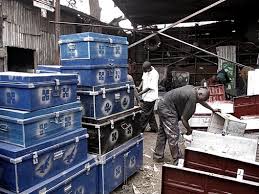
Undugu Fair Trade is providing Jua Kali artisans in the crafts and art industry with a global platform to sell their produce to Europe, Asia, pacific rim, and the United States by linking the artisans to buyers at a time when the artists are struggling find markets for their wares despite having quality products.

In 2012, the informal sector was estimated to have been employing 10.5 million people. This comprises of small businesses and the Jua Kali sector, which together account for 82.5 per cent of the country’s self-employed, according to the Economic Survey, 2013.

This sector has, however, shied away from the export industry because of insufficient information about the overseas market, and its inability to finance the exports alongside the challenge of meeting strict and costly regulations governing exports from the country.

This combination of challenges has hampered the ambition of many artisans in successfully undertaking international business, impeding their vision to export. With a clear understanding of the ingredients that make it difficult for artisans to embrace the global market, Undugu Fair trade is now providing a comprehensive solution to aid such ventures to reap from the export market.

Undugu Fair Trade, a joint venture between Undugu Society of Kenya and The Awendo Foundation, was established in 2010 to provide marketing support to disadvantaged artisans and producers, facing market access challenges, who have the potential to positively change their lives by exploiting their crafts skills and materials found in their environment.

The company targets Jua Kali artisans from all over the country. “The Jua Kali industry is one very promising industry with rich resources waiting to be tapped into,” said Mr. Ture Boru, Undugu’s Business Development and Strategy Advisor.

“When approached by an artisan wishing to market their produce through us, we get as much market information as possible about the artisan’s product from the market.

This is done through sharing product information with our network of international customers and support partners to establish the product demand as well as get feedback on areas of possible improvement” said Mr. Ture “We then go ahead and share the gathered information with the artisans who make their products in line with what is in demand with the support of our practical capacity building solutions.

From there, it is upon us to facilitate packing and shipping of the products in line with the customers’ specifications. Since production is linked to the demand of the customers, artisans only produce what the market needs thereby avoiding the risk of dead stocks,” said Mr. Ture. Evans Some, a soapstone artisan in Kisii, is one such artisan benefiting from Undugu’s export market platform.

For Evans, Undugu is a business partner that empowers local artisans economically and provides a market for their produce. The logistics of how his produce gets across the borders are the least of Mr. Some’s worries, as he does not have to be involved with the regulatory laws governing the export of the produce, yet he still reaps the benefits from the foreign sales of his items.

Further, Undugu pre-finances order production in line with their fair trade principles, shielding artisans from the stress of order financing especially in the face of the prevailing exorbitant interest rates. “I am a parent of four, with two children in high school,” said Mr. Some.

“Through Undugu, I am now able to pay my children’s school fees comfortably and the best part about it all is that I am not restricted to just sell my produce to Undugu, and therefore make extra money by selling some of my produce locally.” Undugu exports the artisans’ produce every month, although this also depends on the clients’ needs and order seasons.

For Evans, he is able to export at least three to four of his soapstone products a month.

The crafts are exported by Undugu to clients based in countries like United States, Sweden, Austria, the UK, Italy, Belgium, Canada, New Zealand, and Taiwan among others. The company is currently working with over 60 Jua Kali artisans who own crafts businesses that support employment of more than 800 people.


23-year old skating his way to riches

0

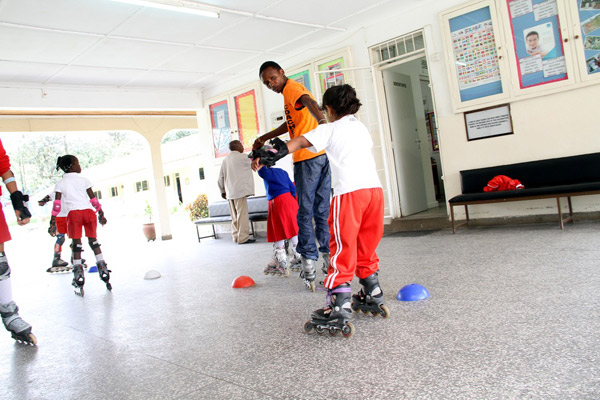
He started skating by the roadside as a hobby immediately after high school. While at it, parents approached him to train their children.

The request saw Kelvin Mwangi buy three sets of skating kits from second hand shoe dealers to start coaching his skill in 2012.

Today, Mr Mwangi, 23, is an accomplished skating trainer in Nakuru and does not regret venturing into an area that is slowly becoming a popular sport among children, especially those from affluent families.

He usually charges Sh300 per session with each period lasting three hours in a day.

With the demand growing, Mr Mwangi incorporated his two friends into the booming business.

“My weekends are jammed and I have to attend church service early in the morning before venturing out to attend to many orders in various schools,” he said.

EVER BUSY

Schools keen on introducing skating as a sport have ensured that he is ever busy every evening and at weekends.

Earlier, Mr Mwangi, who is a trained chef, used to skate as a way of exercising but has slowly turned cooking into his hobby while skating is his full-time job which earns him Sh20,000 profit in a month.

“I charge Sh7,000 per student in the international schools and Sh4,500 per student in the local schools. The payments are paid per term,” he told Money.

So far, he has acquired 30 sets of skating kits which he uses to train both children and adults. Each set consists of a helmet, a pair of elbow-guards, palm-guards and knee-guards as well as a pair of skating shoes.

Flexible and swift

“I have mainly invested in children because I enjoy most when training them since they understand easily than adults. Their bodies are highly flexible and swift, too,” he added.

Apart from training children, skating has also seen him get marketing contracts with local companies to distribute flyers, booklets and posters.

“Skating helps in covering long distances while at the same time having fun. I have done it with NSSF, Orange Kenya and a number of mobile phone companies,” he said.

Like any other form of business, however, Mr Mwangi has faced challenges which include lack of training stadia.

“The county government should consider skating as an important sport that requires a specialised indoor facility for both adults and children. This will also help in creating more opportunities for the youth,” he added.


INCOME AVENUES

  • Parents part with Sh300 per three-hour session for their children.
  • International Schools keen on introducing skating as a sport pay Mr Mwangi Sh7,000 per pupil per term as local schools pay Sh4,500 for each learner.
  • Marketing contracts from local companies.

The Gaming Industry in Kenya

0

The gaming industry has come a long way. From the likes of Nintendo’s “Super Mario bross” where video games were a child’s play; to the modern nextgen gaming that is now more profitable than the music and movie industries. With games like GTA 5 making over a billion dollars in just one day.

There a few game developing studios in Kenya, so we decided to take a look at what the Kenyan game market has to offer.

Leti Arts

They seem to be miles ahead of their Kenyan counter parts with an array of products that include;mobile games, social games, mobile apps, digital comics.

Mobile Games

Out of the six mobile games made, my favourites are;

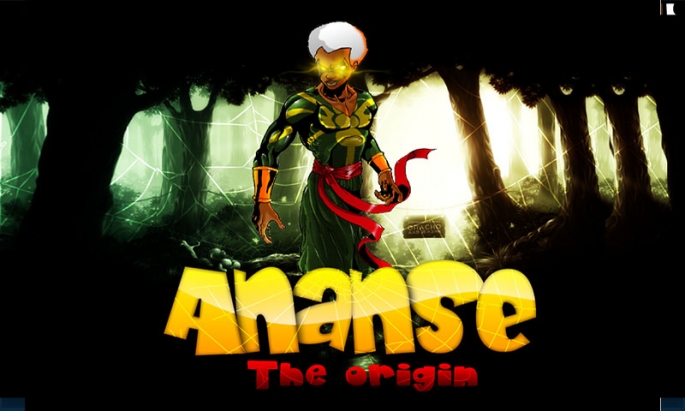
“Anase: The origin”.

anase the origin

It’s a platform game, based on the story of the pilot issue of the digital comic “The True Ananse” superhero series. It gets its origin from an african folklore character from Ghana, Kweku Ananse, a character of trickery and cunning.

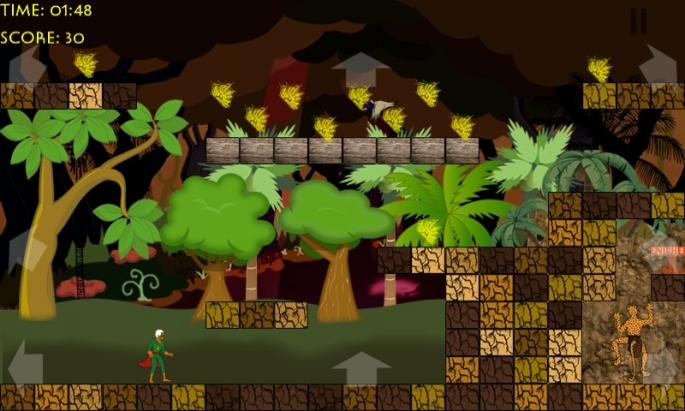
anase game play

Anase as he continues his quest.

“Africa’s legends”

Definitely not you’re ordinary versus game. It’s a tile-matching puzzle based fight simulation game using superheroes and villains in the Africa’s Legends universe.

africas legends

Africas legnd


The Beautiful Girls of the Mursi Tribe

2

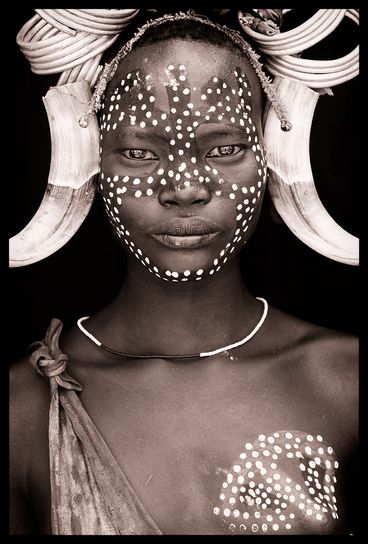
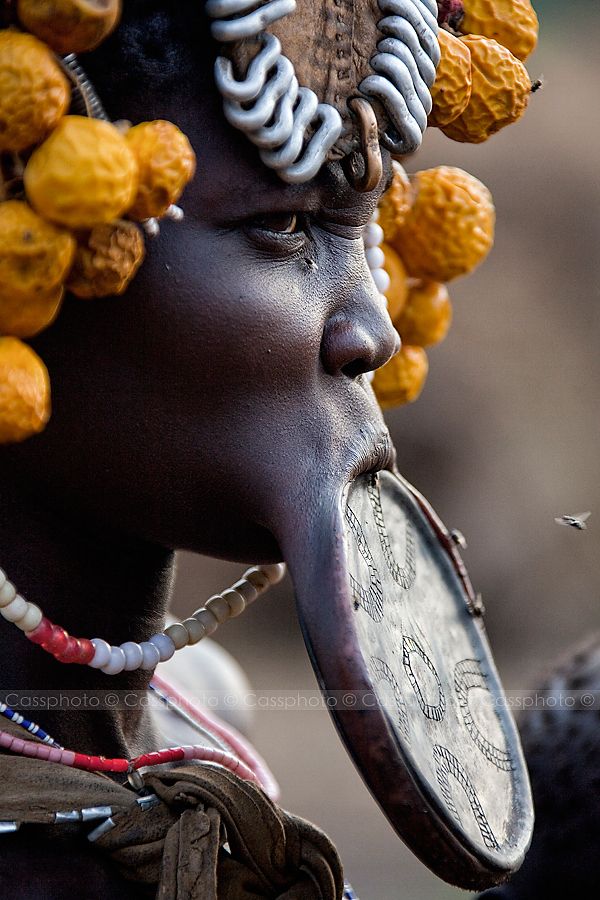
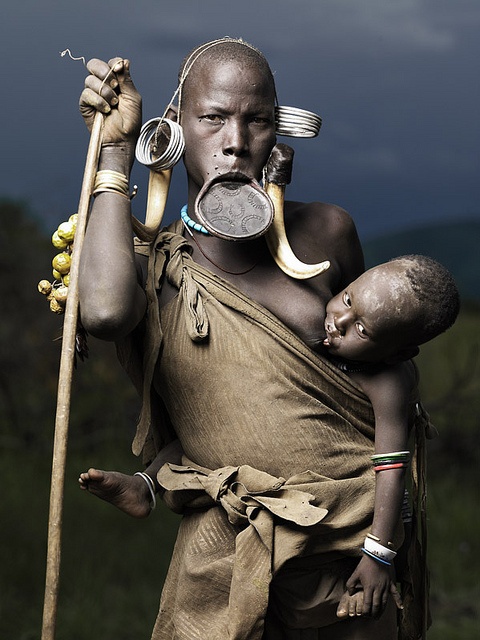
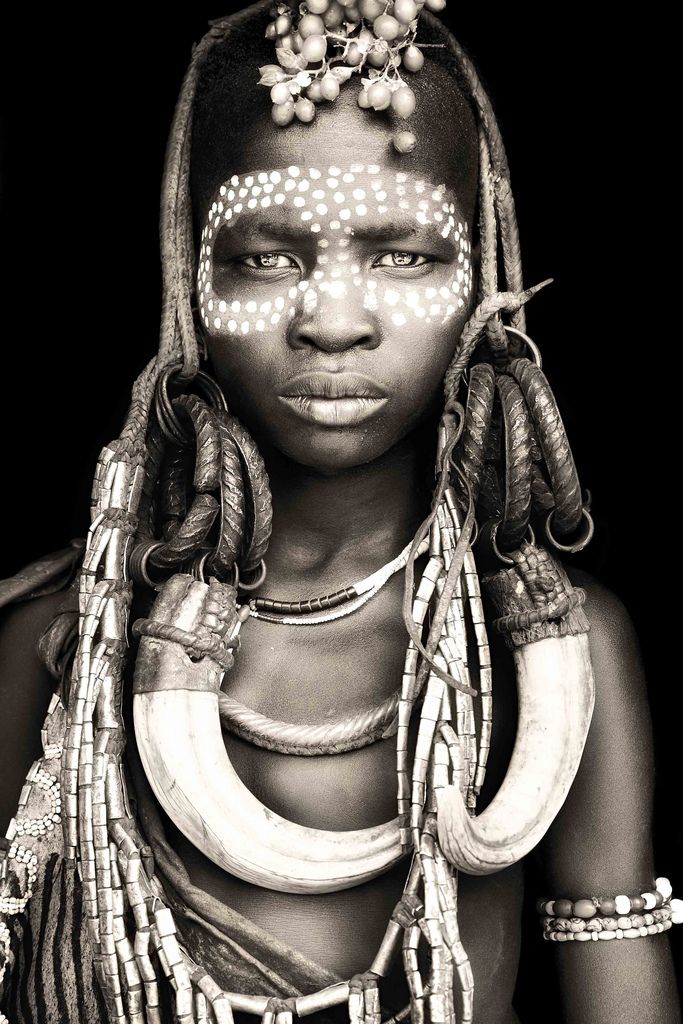
Whoever said “beauty lies in the eyes of the beholder,” clearly had not seen the “beautiful” women of the Mursi Tribe in Omo Valley Ethiopia.

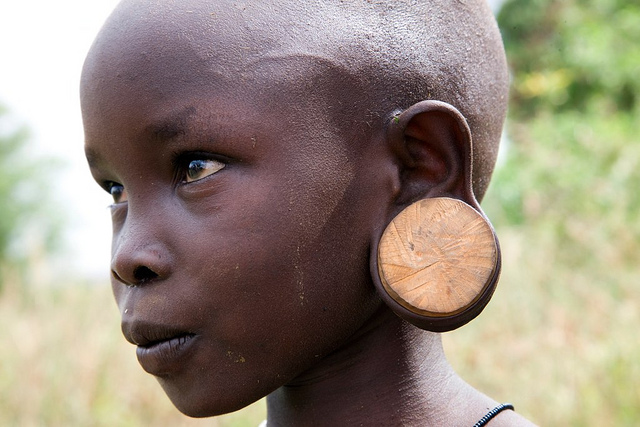
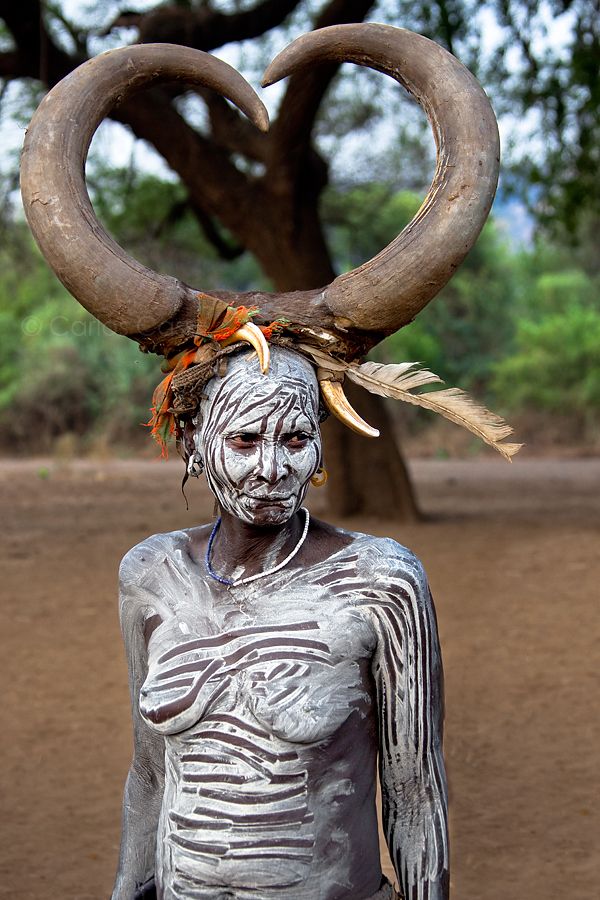
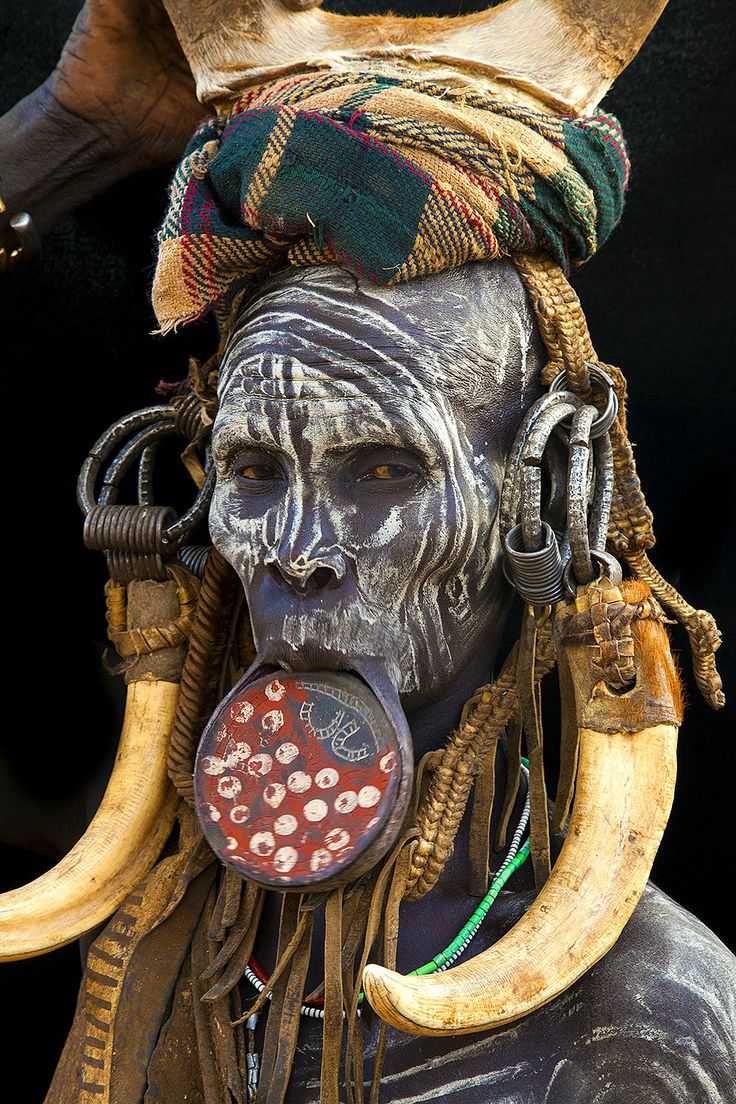
The Mursi women paint their bodies and face white and wear the lip plates. The lips get cut at the tender age of 15 or 16; a small clay plate is then inserted into the lip.

Through the years, larger plates are inserted into the lip causing it to stretch. The larger the clay plate, the more the woman is worth before she gets married.

“It is said that the clay plates were originally used to prevent capture by slave traders and neighbouring tribes. They made them undesirable in order to protect them.”

Although very unique and part of their tradition, the Mursi women only wear the plates for a short time because they are so heavy and uncomfortable.

A beautifull Mursi Girl befor the lip pearcing

A girl with her lips pearced

Mursi Woman with Horns

A scary Mursi woman

An elderly Mursi woman

pierced upper lip

Ethopian woman with a suckling baby

An african Godess

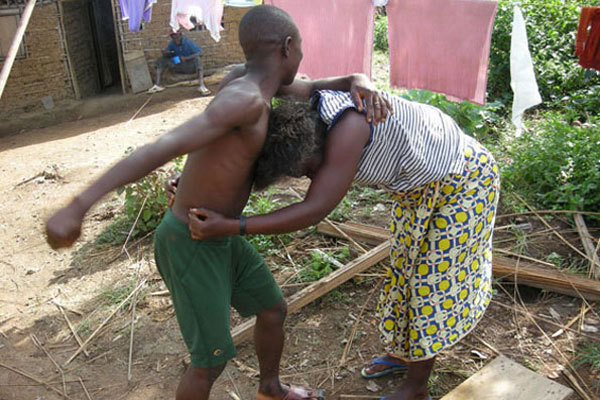
Wives beating their husbands in Kisumu

0

More men than women are victims of domestic violence in Kisumu County, a survey has established.

Its findings indicate that Kisumu and Kakamega have a high prevalence of gender violence, where wives have been beating up their husbands.

Ms Matrober Maube, the nurse in charge of the Gender-Based Violence Recovery Centre at Jaramogi Oginga Odinga Teaching and Referral Hospital, said the number of male victims seeking treatment at the unit had increased.

Speaking during the launch of the findings in Kisumu Tuesday, she attributed the reporting to increased awareness among the public.

“For long, women have been reporting the cases, but of late, men are coming on board. The fear is no longer there, thanks to community change agents,” she said.

Wives beating husbands over conjugal rights

Mr Jactonne Ouma (not his real name) is one of the victims. His wife beat him when they disagreed over sex.

“When I asked her for my right, she became very hostile and turned against me,” he said. “I did not even know how to defend myself.”

Although they had quarrelled many times before, he said, he did not imagine that the woman could beat him.

Mr Otieno Kodhoch, a chief, said he had handled several such cases. “We are tackling the issues, and with awareness creation, we are hoping that gender-based violence will be a thing of the past,” he said at the forum.

However, violence against women is still rampant in Kisumu and Kakamega counties, in spite of the findings on men, says the survey, which was conducted in September.

The research was conducted in four districts: Nyakach and Kisumu East in Kisumu County and Kakamega South and Mumias in Kakamega County, where cases of gender violence are reportedly high.

A total of 736 respondents were interviewed. A majority, 384 or 52.2 per cent, were male, while 352 or 47.8 per cent were female.

The study was conducted in slums and rural settlements.

While many of the women do not report the cases, male victims are coming out to tell their story, it emerged during a community discussion held in Kisumu Tuesday.

How I won war on kidney failure

0

Simon Ng’ang’a reclines on a seat in his office at Nyamweru Secondary School in Lari sub-county, where he is the principal.

He is alone and in deep thought. Death was close a few months back. His kidneys were failing and he needed millions of shillings for an operation to save his life.

Now he only has memories of that dark period in his life when he was grasping on straws.

His students offered him help and saved his life. They made mandazi which they sold in a bid to raise Sh2.4 million for his treatment.

Doctors diagnosed him with “end-stage kidney disease”, where both his kidneys were working below 20 per cent capacity.

He bites his lower lip. News of the disease hit him hard. It was shocking for Mr Ng’ang’a since nobody in his family ever had such a condition.

SEEKING TREATMENT

“I was diagnosed with the disease in June 2009 at a private clinic in Nakuru, and I immediately started seeking treatment and ways of managing the disease,” he says.

He underwent his first operation in the same year to prepare his body for dialysis to clean his kidneys of they toxins they could not naturally excrete.

“I went for dialysis twice a week until March 2010, with each session taking four hours in Nakuru. From March 2010, my doctor allowed me to go for dialysis at a hospital in Nairobi. I went there until April 2014,” he says.

He started treatment in Nakuru, where his family home and family doctor were, but later moved to a convenient hospital in Nairobi since he works in Lari, Kiambu.

He remembers how his body changed.

Mr Ng’ang’a looked sickly. He could not teach more than one lesson, and would spend most of the time seated.

He had difficulty breathing as toxins were not excreted by the kidneys

The teacher would go to bed in the evening with swollen feet and wake up in the morning with a swollen face.

“I later learnt that the heart of a kidney failure patient usually has difficulty in ensuring optimum circulation of blood in the body, hence the swelling of some body parts,” says Mr Ng’ang’a.

Since 2009, when he was diagnosed with kidney failure, Mr Ng’ang’a planned to have a kidney transplant but he could not find a suitable donor.

He searched for a donor even as the tiring dialysis procedures went on every two days.

“Three donors who volunteered were disqualified due to incompatibility. They had a low Glomerular filtration rate, which meant their lives would not be sustained with one kidney if they donated the other,” he says.

The savings he had accumulated over years were spent on medical care. Dialysis costs Sh9,500 a session. From time to time, he needed an injection to help in blood formation. Each 200mg injection cost Sh2,500, while an injection to boost iron cost Sh1,500.

In December 2013, Mr Ng’ang’a suffered a serious health condition, where his haemoglobin count was as low as six instead of 13.

He was quickly admitted to the Nakuru Memorial Hospital because of this, and other complications.

The attack meant that he needed urgent medical attention and a quick kidney transplant or else he would die.

SEARCH FOR DONOR

The cost of a transplant was high, and it was difficult to get a suitable and compatible donor for Mr Ng’ang’a.

Many feared that the war was about to be lost, until Mr Ng’ang’a’s elder sister, Ms Mary Wanjiru, volunteered her kidney.

This was followed by waiting to see whether the sister was a compatible donor. Tests were conducted and she was found to be a suitable donor.

Without wasting time, in January 2014, preparations began on how the donor and recipient would undergo the operation in India, but there was one hitch.

The operation would cost Sh1.4 million. Taking into account accommodation and air fare, the total cost stood at Sh2.4 million.

Mr Ng’ang’a shared his predicament with school heads in Lari sub-county. Through the Lari headteachers’ association, his colleagues committed themselves to raising the required Sh2.4 million.

The association divided the people who would offer financial help into clusters of headteachers, relatives, friends, teachers, students and schools.

Nyamweru Secondary School Deputy Principal Alice Muchiri was to make sure the students and the school raised their target amount.

SOLD MANDAZI

Day students would go home and ask for money from their parents and relatives, while boarders decided to make mandazi in the evening and sell them at school during tea break.

“Imagine students using their little free time in school to make mandazi to help their sick principal. Is that not touching?” said Mr Ng’ang’a.

News of students at Nyamweru Secondary School making mandazi and selling them to raise money for their sick principal touched the hearts of many.

Even Mr Ng’ang’a’s former students at Naaro Secondary School in Murang’a, where he was a teacher, raised Sh400,000.

“I later learnt that my former students at Naaro have a Facebook page for the alumni and they shared my predicament on the platform. Students who were in the country and others abroad sent their contributions towards my surgery.”

“I was so touched,” he adds.

Other former students of two schools where he taught, Njabini Boys and Mungari Secondary, also sent their contributions.

“One of the doctors who treated me in Kenya heard about the harambee and told me, ‘I am sending you my mandazi.’ He sent me some money.”

The mandazi drive managed to raise Sh47,000 towards the principal’s surgery.

The main harambee was held at Kiboko Hotel in Limuru on 4 April 2014, and the contributions exceeded the Sh2.4 million target.


 

5 high paying jobs and careers in Kenya

0

The following are some of well paying jobs and careers in Kenya today.

Architecture

A degree holder in architecture earns at least Sh. 150,000 per month. However, with experience, an architecture has the potential to earn up to Sh. 1 million per month. Enrolling for the course is however very expensive. A degree in architecture takes up to 7 years to complete.

Engineering  

Engineers are professionals with very fat pay checks. With an entry level salary for an engineer being Sh. 80,000, employees with some working experience will earn up to 5 times this amount. The course takes 5 years to complete, with tuition fees for students on parallel programs being largely out of reach for many.

Politics

Across the world, politics has proven to be one of the money making mechanisms. From political analysis, political campaigners, busybodies and joyriders, political party owners, there is a huge cake for everyone.

Accounting and procurement

An accountant at entry level is likely to get a monthly salary of Sh. 50,000, while an entry level procurement graduate will earn a minimum of Sh. 60,000 per month. Three years of work experience in both fields will easily grant an employee in either fields a six figure salary.

IT

The average salary earned by an entry level Java Developer in IT is Sh. 50,000. The more experienced developers have the capacity to rake in Sh. 100,000. Enrolling for an IT course is affordable. The course takes only 4 years in Kenyan Universities.