Home Blog Page 24

NCBA sponsors 10 creators for the inaugural Creative Economy 101 programme turning talent into scalable businesses

0

NCBA, through its Elev8 programme, is sponsoring ten creators to participate in the inaugural Creative Economy 101 cohort launched today by the The Burns Brothers in Partnership with Strathmore University Business School.

Building Sustainable Creative Businesses

The inaugural Programme under the recently launched Creative Economy Africa Institute aims to empower Africa’s creators to build sustainable businesses and careers. The programme brings together industry leaders, educators, creators, and ecosystem partners to strengthen Africa’s creative economy through practical business education. Delivered through creativeeconomy101.com, the self-paced online programme features seven modules available for Kshs. 8,500, covering the foundations of the creative economy, and is certified by Strathmore University Business School.

NCBA Invests in Entrepreneurial Education

The banks sponsorship reflects the important role financial institutions can play in expanding access to entrepreneurial education and supporting the growth of sustainable creative businesses.

“At NCBA, we believe creators are entrepreneurs, innovators, and business builders whose ideas have the power to create jobs and drive economic growth. Through our Elev8 programme, we are proud to support ten creators to participate in Creative Economy 101 and gain access to the skills, knowledge, and networks that will help them grow their enterprises. Supporting the creative economy is not only an investment in talent, but also an investment in Africa’s economic growth,” said Nelly Wainaina, Group Director, Marketing, Communications and Citizenship, NCBA Group.

NCBA champions Kenya’s creative and sports economy through talent, finance and mentorship

Addressing the Business Skills Gap

Creative Economy 101 has been developed in response to one of the greatest challenges facing Africa’s creative industries today: while creative talent is abundant across the continent, many creators lack access to the business knowledge, networks, and practical tools required to transform creativity into sustainable economic opportunity.

“The launch of Creative Economy 101 represents the first step in realizing the vision of the Creative Economy Africa Institute. Africa’s greatest export over the coming decades will be its creativity, culture, innovation, intellectual property, and human potential. Creative Economy 101 is the first of many initiatives we will launch through the Creative Economy Africa Institute as we work to build the knowledge, partnerships, and ecosystems required to unlock the full value of Africa’s creative economy, helping creators build sustainable businesses and generate long-term economic value,” said Mike Burns, President and Founding Partner, The Burns Brothers.

Practical Learning for the Creative Economy

The programme combines insights from entrepreneurs, business leaders, creators, and industry experts to provide practical learning that helps participants better understand entrepreneurship, intellectual property, finance, business growth, and the broader creative economy ecosystem.

Esports sparks Africa’s next creative revolution as Kenya, Tanzania, and Botswana lead the charge

Academic and Industry Collaboration

“The creative economy is one of Africa’s most significant untapped economic opportunities. Through the Creative Economy Africa Institute and programmes such as Creative Economy 101, we are combining academic excellence with practical industry expertise to develop leaders, strengthen ecosystems, and generate the knowledge needed to build a more competitive and inclusive creative economy across the continent,” said Dr. Caesar Mwangi, Executive Dean, Strathmore University Business School.

Preparing Future Talent for Emerging Industries

As Africa’s creative economy grows, the need to prepare future generations for emerging industries is becoming increasingly important. Beyond higher education and professional development, there is a growing recognition that schools must also evolve to reflect changing workforce realities. Industry, educators, and institutions have a shared responsibility to ensure young people are equipped with the skills, mindsets, and capabilities needed to succeed in a rapidly changing economy.

NCBA sponsors 10 creators for the inaugural Creative Economy 101 programme turning talent into scalable businesses
(L-R) Mottif Di Don-Music Producer, Timothy Owase-CEO Kenya Film Commission, Mike Burns-President and Founding Partner The Burns Brothers, Nelly Wainaina – Group NCBA Director Marketing, Communication and Citizenship.jpg

HELB opens applications for 2026/27 postgraduate scholarships

0

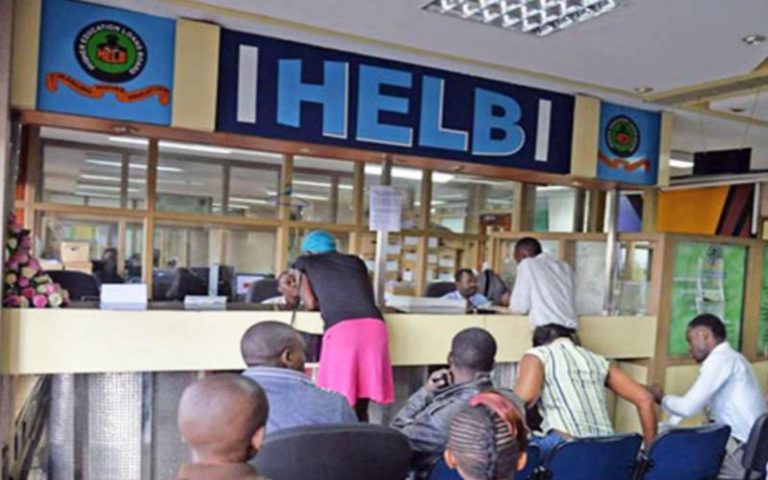
The Higher Education Loans Board (HELB) has opened applications for its 2026/2027 partial postgraduate scholarship programme, offering financial support of up to Sh450,000 to eligible Kenyan students pursuing Master’s and Doctor of Philosophy (PhD) studies.

The scholarship programme is designed to ease the financial burden of advanced university education while supporting the country’s investment in high-level skills development.

According to HELB, the scholarships are available to Kenyan students enrolled in Master’s and PhD programmes at both public and private universities accredited by the Commission for University Education (CUE).

Under the programme, successful Master’s students will receive Sh200,000, disbursed over two years, while PhD candidates will be awarded Sh450,000, payable over a three-year period.

The scholarships are targeted at students pursuing courses in Science, Technology, Engineering and Mathematics (STEM) as well as agriculture-related disciplines, which the board says are critical to advancing Kenya’s industrialisation, innovation and food security goals.

To qualify for the scholarship, applicants must have attained at least a Second Class Upper Division in their undergraduate studies and possess a valid admission letter from a university recognised by the Commission for University Education.

HELB further stated that applicants who previously benefited from its loan programme must be actively servicing their loans or have fully cleared any outstanding balances before they can be considered for the scholarship.

Applicants will also be required to pay a non-refundable application fee of Sh3,000 through the eCitizen platform. The board encouraged persons living with disabilities to submit their applications.

At the same time, HELB warned prospective applicants to remain vigilant against fraudsters purporting to influence or expedite scholarship awards.

“The selection process is fully automated,” the board said, urging applicants to disregard individuals claiming they can secure or fast-track scholarships in exchange for payment or other favours.

The application window will remain open until August 31, 2026.

Also Read: KNEC sets strict Grade 10 subject selection rules for schools

KNEC sets strict Grade 10 subject selection rules for schools

0

The Kenya National Examinations Council (KNEC) has issued new directives requiring schools to strictly follow prescribed subject selection guidelines during the ongoing registration of Grade 10 learners.

In a circular dated July 27, the examinations council instructed schools to register learners only after confirming their selected career pathways and subject combinations, emphasizing that all entries must align with the approved Senior School curriculum.

According to KNEC, the accuracy of the registration process is critical because the information submitted will determine how learners are placed, taught and assessed throughout senior school.

“Subject choices registered will form the basis for learner placement, instruction, and subsequent assessment processes; therefore, schools must ensure accuracy and compliance with the prescribed guidelines,” the KNEC circular states.

The council directed schools to verify that every learner’s chosen subjects correspond with the pathways available in their respective institutions before completing registration.

Among the key guidelines is a restriction on science subject combinations. KNEC said learners who opt for General Science will not be permitted to register for any of the three Pure Science subjects—Biology, Chemistry or Physics.

“A learner who registers for General Science shall not be eligible to register for either Biology, Physics or Chemistry,” the council said.

The directive effectively requires learners to choose either the General Science option or the Pure Sciences track, but not both.

KNEC also outlined mathematics requirements based on the learner’s chosen pathway.

Students pursuing two or three Pure Science subjects—Biology, Physics and Chemistry—will be required to register for Core Mathematics.

However, learners enrolled in Applied Sciences or Technical and Engineering courses under the Science, Technology, Engineering and Mathematics (STEM) pathway may choose between Core Mathematics and Essential Mathematics.

The same flexibility applies to learners pursuing the Social Sciences, Arts and Sports pathways, who may register for either Core Mathematics or Essential Mathematics.

The council further limited learners to a single religious education subject during registration. Under the guidelines, candidates may only register for one of Christian Religious Education (CRE), Islamic Religious Education (IRE) or Hindu Religious Education (HRE).

KNEC also clarified the eligibility requirements for Kenya Sign Language (KSL). The subject will be reserved exclusively for learners who are deaf.

Learners registered for KSL will not be allowed to take Kiswahili or Fasihi ya Kiswahili. Conversely, hearing learners will not be eligible to register for KSL but may instead take Sign Language Skills.

“Hearing learners cannot take KSL but can take Sign Language Skills,” the circular states.

The examinations council urged schools to carefully verify all subject selections before finalizing the registration process, noting that the decisions made at this stage will guide teaching, learning and assessment throughout learners’ senior school education.

Also Read: TSC invites applications for 20,000 permanent teaching vacancies

Redefining self-care: The timeless experience at All Things Hamsini Beauty Spa

0

In today’s fast-paced world, where demanding work schedules, family responsibilities and the constant pressures of modern life often take center stage, finding time to recharge has become more important than ever.

Beauty and wellness spas have evolved beyond places of luxury to become essential sanctuaries where individuals invest in both their physical appearance and mental well-being.

From advanced skincare treatments and body therapies to relaxation sessions that melt away stress, these facilities provide a holistic approach to health, confidence and self-care.

They are spaces where beauty meets science, allowing clients to restore, rejuvenate and emerge feeling refreshed inside and out.

Among Nairobi’s growing collection of premium wellness destinations is All Things Hamsini Timeless Beauty Spa, a premier wellness and skincare studio.

Located at Dhanjay Apartments in Valley Arcade, the facility offers an elegant escape from the bustle of city life, combining sophisticated interiors with cutting-edge beauty technology and personalized customer service.

From the moment guests step through its doors, they are welcomed into a thoughtfully designed environment that immediately inspires calm and comfort.

A warm reception team greets every client, confirms appointments and guides them through their wellness journey with professionalism and genuine hospitality.

The spa features contemporary interiors tastefully furnished with state-of-the-art décor and premium fittings, creating an atmosphere of sophistication while maintaining a sense of warmth and relaxation.

Beyond the reception area are private treatment rooms that provide comfort and discretion, allowing guests to fully unwind during their sessions.

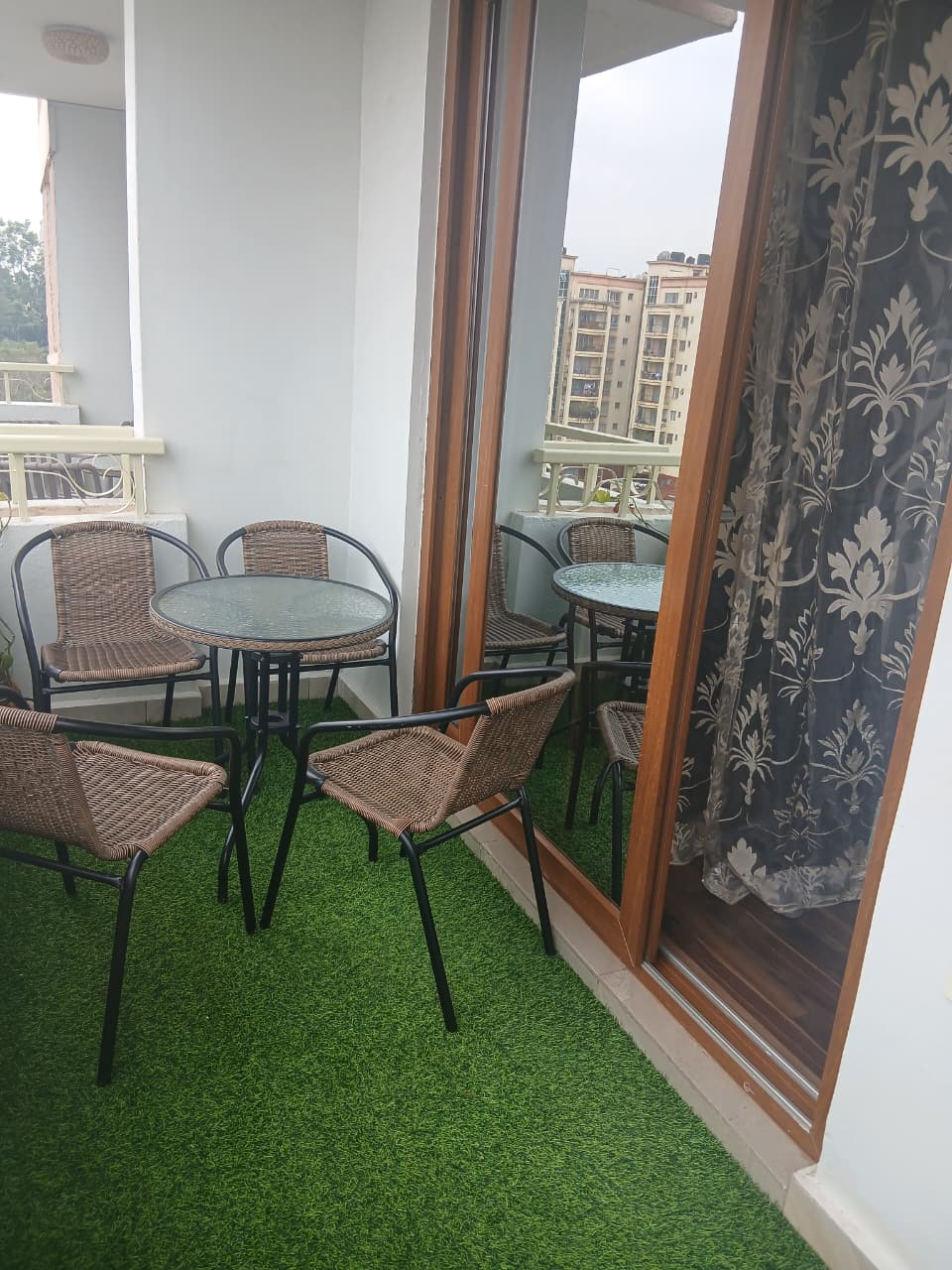
The facility also features a luxurious Jacuzzi, designed to help clients relax before or after treatments. Complementing this experience is a tranquil balcony where guests can pause, breathe and embrace moments of serenity away from the city’s fast pace.

At the heart of All Things Hamsini Timeless Beauty Spa is a comprehensive range of professional beauty and aesthetic services tailored to meet the unique needs of every client.

Redefining self-care: The timeless experience at All Things Hamsini Beauty Spa

Every treatment begins with a detailed skin analysis, enabling specialists to recommend personalized skincare solutions that deliver optimal results.

Clients seeking radiant, healthy-looking skin can choose from an extensive selection of facial treatments performed using advanced techniques and premium products.

Whether addressing hydration, acne management, anti-ageing concerns or skin rejuvenation, each facial is designed to restore the skin’s natural glow while promoting long-term skin health.

The spa also provides professional beauty and makeup services for clients preparing for weddings, corporate functions, special celebrations or everyday elegance.

All the services are delivered by skilled beauty professionals in compliance with applicable health, safety, and hygiene regulations under the laws of the Republic of Kenya.

Redefining self-care: The timeless experience at All Things Hamsini Beauty Spa

Recognizing the growing demand for non-invasive body enhancement solutions, All Things Hamsini Timeless Beauty Spa has invested in modern aesthetic technologies that help clients achieve their wellness goals safely and effectively.

The facility offers body sculpting, fat freezing, and cavitation services to support body contouring by targeting stubborn fat deposits without the need for surgery.

For clients focused on improving skin firmness and youthful appearance, the spa offers radiofrequency sculpting alongside High-Intensity Focused Ultrasound (HIFU) skin-tightening treatments.

These advanced procedures stimulate collagen production, helping improve skin elasticity and creating a smoother, firmer appearance with minimal downtime.

Hamsini also offers HIFEM Emsella Chair therapies, an advanced treatment that strengthens pelvic floor muscles through high-intensity electromagnetic technology.

This non-invasive therapy supports improved pelvic health while offering clients enhanced comfort and convenience during treatment.

Other specialized services include professional teeth whitening treatments that help brighten smiles, as well as expert waxing services delivered with precision, hygiene and client comfort in mind.

Redefining self-care: The timeless experience at All Things Hamsini Beauty Spa

What truly distinguishes All Things Hamsini Timeless Beauty Spa is its philosophy that every client deserves personalized attention.

Rather than offering one-size-fits-all treatments, the spa emphasizes consultation, customized care and professional guidance, ensuring every visit is tailored to individual goals and expectations.

For those seeking more than just a beauty appointment, All Things Hamsini Timeless Beauty Spa offers an experience, one where every visit becomes an opportunity to relax, restore confidence and celebrate timeless beauty.

Also Read: 10 Business Principles for a Smarter Home Remodel


Renovating Like an Entrepreneur: 10 Business Principles for a Smarter Home Remodel

0

Renovating your home can feel overwhelming because the project combines design choices, contracts, budgets, schedules, and unexpected conditions. A more disciplined approach is to treat the remodel as a major investment: define the result, plan the work, choose qualified partners, document decisions, and measure whether the finished space delivers lasting value. These business principles can help you reduce avoidable risk while keeping the project focused on how your home should function.

Treat Your Home Renovation Like a Major Investment Project

Like any significant investment, a renovation should have a clear purpose and a realistic view of value. The return may include improved function, comfort, energy performance, accessibility, resale appeal, or some combination of those benefits. Defining that return early helps you decide which costs support your priorities and which are mainly optional.

Define the Outcome Before Discussing Materials and Finishes

Before choosing paint, counters, or fixtures, identify the problems the renovation should solve and how the space should work after completion. A kitchen designed for efficient family meals may require different storage, circulation, and surfaces than one designed mainly for entertaining. Clear goals also give designers and contractors a practical standard for evaluating alternatives. When each selection supports an agreed outcome, the project is less likely to drift into expensive changes that do not improve daily use.

Build a Realistic Budget With Room for Uncertainty

A useful renovation budget covers more than quoted labor and materials. Include design fees, demolition, permits, temporary living arrangements, storage, inspections, cleanup, taxes, and financing costs where applicable. Also reserve a contingency based on the age of the home, the amount of concealed work, and how complete the plans are. Older homes and projects involving plumbing, electrical, or structural work often carry more uncertainty.

Plan payments as carefully as the total price. The Federal Trade Commission advises consumers not to pay the full project cost in advance and notes that some states limit contractor deposits. Tie progress payments to clearly completed milestones and keep payment records. The FTC also notes that contract and down-payment requirements vary by state, so homeowners should check the official state or local consumer agency before signing or releasing major payments.

Assemble Your A-Team: Choosing the Right Partners

A remodeling team may include a designer, architect, engineer, general contractor, specialty contractors, and suppliers. Their qualifications and ability to coordinate will directly affect cost, schedule, safety, and the quality of the finished work.

Compare Design-Build With the Traditional Contractor Model

In a design-build arrangement, one company is typically responsible for both design and construction under a coordinated delivery model; one firm’s description of this approach is available at visit website, although homeowners should independently verify licensing, insurance, responsibilities, and contract terms. This can simplify communication, but it does not automatically prevent delays or disputes. The contract should still identify who is responsible for design decisions, construction defects, approvals, schedule coordination, and changes.

Under a traditional model, the owner hires the designer separately and then seeks construction bids based on the completed plans. That structure may make it easier to compare contractors on the same design, but the owner may need to coordinate between separate design and construction contracts. The better choice depends on the project, the contracts, and the homeowner’s willingness to manage multiple relationships.

Conduct Due Diligence Before Choosing a Remodeling Team

Do not rely only on the lowest quote or an informal recommendation. Ask for recent references and review completed projects similar to yours. The Federal Trade Commission recommends confirming a contractor’s license with the relevant state or county authority and requesting proof of insurance. Because licensing and contract requirements vary by state, verify the rules that apply where the property is located. Check complaint records with state or local consumer-protection agencies and compare written estimates that describe the same work, materials, timing, and price.

For a home built before 1978, ask whether the planned work is covered by the Environmental Protection Agency’s Lead Renovation, Repair and Painting Rule. The rule generally requires paid firms performing covered work that disturbs painted surfaces in pre-1978 housing to use certified personnel and lead-safe practices, although exceptions and EPA-authorized state programs may apply.

Strategic Execution: Managing the Renovation Process

Once the goals, budget, and team are set, the project depends on a complete written agreement, timely decisions, and consistent documentation.

Create a Clear Scope to Prevent Costly Project Creep

A detailed scope of work should state what will be built, what materials and allowances will be used, and which services are included or excluded. It is a core part of the remodeling contract, not a replacement for the entire agreement. The contract should also address price, payment timing, estimated start and completion dates, permits, inspections, warranties, insurance, dispute procedures, and termination rights as applicable.

Confirm who will obtain permits, schedule inspections, correct failed work, and secure final approval. Check those responsibilities with the official state or local permitting authority and state them in the contract rather than assuming them. Changes should be documented in a written change order that describes the revised work, price adjustment, schedule effect, and required approvals before the added work begins whenever practicable.

Make Design Decisions That Support Everyday Performance

Evaluate finishes and fixtures for durability, maintenance, safety, and daily use, not appearance alone. A marble counter may require more care than another surface, and a minimalist fixture may be difficult to clean or operate. Consider how household members move through the space, where items will be stored, and how materials will respond to moisture, heat, stains, pets, or heavy use. A successful choice should perform reliably as well as support the intended design.

Proactive Risk Management and Communication

Strong project management anticipates foreseeable problems and establishes a process for responding when conditions change.

Manage Timelines, Materials, and Supply Risks

Discuss lead times for critical materials before construction begins. Identify items that must be ordered early, confirm where substitutions require approval, and decide how delays will affect the schedule and price. Avoid demolishing usable spaces before essential materials, permits, and design decisions are sufficiently secure. Ask the contractor to update the schedule when inspections, hidden conditions, substitutions, or owner-requested changes alter the original plan.

Maintain Communication and Accountability Throughout the Build

Set a regular meeting schedule and decide which communication method will be used for formal approvals, routine updates, and urgent questions. Keep written records of selections, instructions, delays, site conditions, payments, and change orders. When an issue arises, ask for a clear explanation of the proposed solution, cost, and schedule effect before approving it.

Accountability works both ways. Homeowners should make decisions promptly and provide required access, while contractors should follow the agreement, document changes, and report problems early. The contract—not a vague expectation—should define what information, notices, approvals, and records each party must provide.

Defining Success Beyond Aesthetics

A successful renovation should meet the objectives established at the beginning, not merely produce an attractive photograph.

Complete the Project Before Releasing Final Payment

Before treating the project as complete, confirm that required inspections have passed and that warranties, manuals, receipts, lien-related documents required by applicable law or contract, and other closeout materials have been delivered. Compare remaining work with the contract and approved change orders, document unresolved items, and release final payment only when the agreed conditions are satisfied.

Measure Success Beyond the Finished Appearance

Evaluate the project against its functional, financial, and practical goals. Did the kitchen improve workflow? Did the added bathroom reduce congestion? Did insulation or window work improve comfort or energy use? Compare final cost and timing with the approved budget, schedule, and change orders.

The strongest result is a space that looks appropriate, performs well, and reflects informed decisions throughout the project. By applying disciplined planning, due diligence, written controls, and clear measures of success, homeowners can manage a remodel as a valuable long-term investment rather than a series of disconnected purchases.

Frequently Asked Questions

How should I set a renovation budget?

Include labor, materials, design fees, permits, inspections, cleanup, temporary living costs, storage, taxes, and financing expenses where applicable. Set aside a contingency based on the home’s age, the amount of concealed work, and how complete the plans are.

What should I verify before hiring a remodeling contractor?

Review recent references and similar completed projects. Confirm the contractor’s license with the appropriate state or county authority, request proof of insurance, check complaint records, and compare written estimates covering the same work, materials, timing, and price.

What should a remodeling contract include?

The contract should include a detailed scope of work, price, payment schedule, estimated start and completion dates, permit and inspection responsibilities, warranties, insurance requirements, dispute procedures, and termination terms where applicable.

How should changes to the renovation plan be handled?

Document each change in a written change order. It should describe the revised work, any price adjustment, the effect on the schedule, and the approvals required before the additional work begins whenever practicable.

When should I make the final payment?

Release final payment only after confirming that required inspections have passed, agreed work is complete, unresolved items are documented, and required warranties, manuals, receipts, lien-related documents, and other closeout materials have been


The World Cup ends, Football never stops on SuperSport

0

The final whistle has blown on a spectacular 2026 FIFA World Cup, where Spain and Argentina battled for global supremacy in a tournament that captivated millions. SuperSport brought fans every single moment, delivering all 104 matches live – every goal, every twist, every defining moment. Now, without missing a beat, the focus shifts from the world stage back to football’s elite leagues. The 2026/27 football season is here, and SuperSport, your World of Champions, continues to deliver the game at its very best on DStv and GOtv.

From 104 Matches to a Season of Unmissable Action
The World Cup showcased football at its most dramatic – tactical masterclasses, emerging stars, and unforgettable finals drama. SuperSport was there for it all, providing unrivalled coverage from kickoff to crowning moment. Now, that same energy, expertise, and world-class broadcasting carries straight into the new domestic season.

The Premier League, La Liga, and Serie A return with fresh narratives, new managers, and fierce rivalries. The momentum of a global tournament rolls seamlessly into a season-long celebration of football, live every week on SuperSport.

New Champions, New Challenges Across Europe
The 2025/26 season delivered defining moments across the continent. Arsenal ended their long wait for Premier League glory, Inter Milan dominated Serie A, and Barcelona secured back-to-back La Liga titles under Hansi Flick.

But as the new campaign begins, the landscape has shifted. Can Arsenal stay on top? Will Inter’s dominance continue? And can Real Madrid, under returning manager Jose Mourinho, disrupt Barcelona’s charge for a third straight crown? The answers unfold live, week after week.

Premier League: A New Era Begins
Arsenal enter the season as champions, but the Premier League has been reshaped by major managerial changes. Andoni Iraola leads Liverpool into a new chapter, Enzo Maresca takes charge at Manchester City, Xabi Alonso arrives at Chelsea, and Manchester United back Michael Carrick after their resurgence.

With Coventry City, Hull City, and Ipswich Town stepping up to the top flight, the season promises intensity from the very first whistle. It all begins on 21 August 2026, with Arsenal hosting Coventry, and runs through to 30 May 2027.

Serie A: Inter Lead the Chase
Inter Milan set the benchmark last season, and they return as the team to beat under Cristian Chivu. Yet, sweeping changes across Italy signal a fiercely competitive campaign ahead. Max Allegri takes charge at Napoli, Ruben Amorim begins anew at AC Milan, and Gennaro Gattuso steps in at Lazio.

Promoted sides Venezia, Frosinone, and Monza add fresh intrigue as the season kicks off on 22 August 2026, with Inter hosting Monza.

La Liga: Power, Pride, and a Title Hat-Trick Bid
Barcelona are chasing history after two consecutive titles, but Real Madrid have responded decisively with the return of Jose Mourinho and a strengthened squad featuring Marc Cucurella, Bernardo Silva, Ibrahima Konate, and Denzel Dumfries.

Reason why FIFA has issued new suspension threats to Kenya’s Harambee Stars

With Racing Santander, Deportivo La Coruña, and Malaga back in the mix, the Spanish topflight is set for another thrilling chapter. The season opens on 15 August 2026, though both Barcelona and Real Madrid have had their matches postponed in response to Spain’s World Cup win, giving their players more recovery time.

Betway Premiership: Can Pirates Defend Their Throne?

Orlando Pirates ended Mamelodi Sundowns’ long dominance of the Betway Premiership in the 2025/26 season, but you can bet the Brazilians will be hungry to reclaim the throne. And what of Kaizer Chiefs – now under yet another new coach – and league newcomers Milford FC and Kruger United? South Africa’s top-flight league resumes on the weekend of 1 August 2026, with the Buccaneers opening their defence against Milford in Soweto.

PSG, Aston Villa Set For Battle In Leipzig

Paris Saint-Germain (UEFA Champions League winners) and Aston Villa (UEFA Europa League winners) will battle in Leipzig for the UEFA Super Cup on Wednesday 12 August, a  clash which will set the standard for European club football in the coming season.

Seamless Coverage, Wherever You Are
From the biggest international stage to the weekly drama of domestic football, SuperSport continues to deliver unmatched coverage to fans across Africa. Whether at home or on the move, on DStv or GOtv, the action never stops. From 104 matches at the World Cup to an entire season of elite league football, SuperSport remains your ultimate destination for the beautiful game.

Kick-off Dates
• European football fans can look forward to the UEFA Super Cup, pitting Champions League winners Paris Saint-Germain against Europa League winners Aston Villa in Leipzig on Wednesday 12 August.

• The FA Community Shield sets the tone for the new season, with Arsenal taking on Manchester City on 16 August 2026 at Wembley Stadium.
• The Premier League begins on 21 August 2026, as Arsenal host Coventry City.
• La Liga kicks off on 15 August 2026, with Deportivo Alaves tackling Getafe in the opening match. (NB: La Liga has amended the first round, postponing the Barcelona and Real Madrid games to give those players more rest after the World Cup)                                                 • Serie A starts on 22 August 2026, with Inter Milan facing Monza.

TSC invites applications for 20,000 permanent teaching vacancies

0

The Teachers Service Commission (TSC) has announced 20,000 permanent and pensionable vacancies for post-primary teachers to serve in Junior Schools, opening a nationwide recruitment drive aimed at strengthening the implementation of the Competency-Based Education (CBE) curriculum.

In a recruitment notice issued on July 28, the Commission invited qualified Kenyan teachers to apply for the positions through its online recruitment portal, with applications closing at midnight on August 31, 2026.

“Interested and qualified candidates should submit their applications through the Commission’s website, www.tsc.go.ke under “careers” or teachersonline.tsc.go.ke not later than midnight of 31st August,2026,” part of the advertisement notice read.

TSC clarified that only online applications will be considered, warning that manual submissions will not be accepted.

The successful applicants will be deployed to Junior Schools across the country to bolster teaching capacity under the Competency-Based Education programme.

To qualify for the vacancies, applicants must be Kenyan citizens and registered teachers with the Teachers Service Commission.

They must also hold at least a Diploma in Education and have attained a minimum mean grade of C+ (plus) in the Kenya Certificate of Secondary Education (KCSE).

In addition, candidates are required to have scored at least a C+ in each of the two teaching subjects they intend to teach, or possess equivalent qualifications.

The Commission advised applicants with equivalent academic credentials to refer to the TSC website for guidance on eligibility requirements.

The Commission further stated that applicants must comply with the recruitment guidelines for the 2026/2027 financial year, be unemployed at the time of application, and must not have previously exited the teaching service on disciplinary grounds.

Successful candidates will be required to present their original academic and professional certificates during the recruitment process for verification. TSC noted that selection will be conducted based on the number of vacancies allocated to each county.

The Commission also cautioned applicants against submitting more than one employment application form, warning that multiple submissions could affect their eligibility.

Teachers recruited under the exercise will be retained within their current sub-counties and placement stations, where they will teach various learning areas under the Junior School curriculum.

Also Read: How much teachers will earn as TSC implements new salary increases

Average bank lending rate falls to 14.38pc as Citibank emerges cheapest lender

0

The average cost of borrowing from commercial banks declined marginally in June, with the Central Bank of Kenya (CBK) reporting a slight easing in lending rates across the banking sector.

In its latest Banking Sector Interest Rates Report released on July 29, the regulator said the industry’s average lending rate dropped to 14.38 percent in June from 14.49 percent recorded in May, signaling a modest reduction in the cost of credit.

The report shows significant differences in lending rates among Kenya’s commercial banks, with Citibank N.A. Kenya offering the cheapest loans during the review period at an average lending rate of 10.49 percent.

It was followed by Standard Chartered Bank Kenya at 11.49 percent and Stanbic Bank Kenya at 11.50 percent.

At the opposite end of the market, Access Bank (Kenya) PLC remained the most expensive lender with an average lending rate of 17.57 percent, ahead of Bank of Africa Kenya Limited at 17.50 percent and SBM Bank Kenya Limited at 17.38 percent.

Average Lending Rates by Commercial Banks (June 2026)

Rank Bank Average Lending Rate (%)
1 Citibank N.A. Kenya 10.49
2 Standard Chartered Bank Kenya Limited 11.49
3 Stanbic Bank Kenya Limited 11.50
4 Habib Bank A.G. Zurich 12.58
5 HFC Limited 12.93
6 Guardian Bank Limited 13.47
7 Absa Bank Kenya PLC 13.48
8 Bank of India 13.92
9 Paramount Bank Limited 13.92
10 Prime Bank Limited 13.92
11 Bank of Baroda (Kenya) Limited 13.97
12 Consolidated Bank of Kenya Limited 14.00
13 I&M Bank Limited 14.00
14 Development Bank of Kenya Limited 14.00
15 Diamond Trust Bank Kenya Limited 14.09
16 Gulf African Bank Limited 14.22
17 Guaranty Trust Bank (K) Ltd 14.22
18 Victoria Commercial Bank PLC 14.24
19 Credit Bank PLC 14.38
20 NCBA Bank Kenya PLC 14.57
21 M-Oriental Bank Limited 14.58
22 KCB Bank Kenya Limited 14.81
23 Commercial International Bank (CIB) Kenya Limited 14.81
24 Equity Bank Kenya Limited 14.82
25 Ecobank Kenya Limited 15.00
26 Co-operative Bank of Kenya Limited 15.08
27 Sidian Bank Limited 15.19
28 African Banking Corporation Limited 15.46
29 Premier Bank Kenya Limited 15.49
30 UBA Kenya Bank Limited 15.65
31 DIB Bank Kenya Limited 15.72
32 National Bank of Kenya Limited 15.84
33 Family Bank Limited 15.91
34 Middle East Bank (K) Limited 16.22
35 Kingdom Bank Limited 17.02
36 SBM Bank Kenya Limited 17.38
37 Bank of Africa Kenya Limited 17.50
38 Access Bank (Kenya) PLC 17.57

The June figures indicate that while the overall cost of borrowing eased slightly, lending rates continued to vary widely among lenders, with a spread of more than seven percentage points separating the cheapest and the most expensive banks.

The variation reflects differences in banks’ funding costs, pricing strategies, customer risk profiles, and business models.

The publication of monthly lending rates is intended to enhance transparency in the banking sector by enabling borrowers to compare the cost of credit across institutions before making financing decisions.

Also Read: Britam unveils medical cover for domestic and informal workers

Britam unveils medical cover for domestic and informal workers

0

Britam Connect, Kenya’s largest microinsurer by market share, has unveiled Bima ya Wafanyikazi, a comprehensive medical insurance solution that expands access to quality healthcare for domestic and informal workers.

Affordable healthcare cover from Sh336 per month

From as little as Sh336 a month, the cover, underwritten by Britam and distributed by Minet Kenya Insurance Brokers, provides inpatient, outpatient, maternity, dental, optical and last expense benefits.

It is available to individual domestic workers, employers and registered worker associations, widening access to healthcare protection for a segment that has traditionally had limited access to insurance.

Addressing the healthcare gap for domestic workers

From caring for children and older persons to cleaning homes, preparing meals, providing security and supporting hospitals and other community institutions, domestic and informal workers keep households, organisations and essential services running every day.

The domestic sector is one of the country’s largest sources of employment outside agriculture and small-scale trade. Yet over 90 per cent of domestic workers lack any form of medical protection, according to the International Labour Organization (ILO).

Many also work in informal or semi-formal arrangements, often without written contracts or adequate financial protection, leaving them particularly vulnerable when illness or medical emergencies strike.

Top insurance mistakes that Kenyans make and how to avoid them

Britam: Cover designed around workers’ everyday realities

Britam Connect CEO and Principal Officer Evah Kimani said the launch reflects the company’s commitment to designing insurance solutions around the everyday realities of underserved communities.

“For many domestic and informal workers, there is very little room for life’s disruptions. An illness, injury or even a few days away from work can quickly place pressure on household finances. Bima Ya Wafanyikazi is anchored on holistic healthcare, bringing together outpatient and inpatient care, maternity, dental and optical benefits, as well as annual health check-ups, so workers can seek care earlier, stay healthier and face fewer financial shocks when illness strikes,” she said.

Minet Kenya highlights partnership to close insurance gap

Minet Kenya CEO Sammy Muthui said the partnership combines Minet’s distribution capability with Britam Connect’s expertise in inclusive insurance to deliver a solution that addresses a genuine market need.

“Insurance should solve real problems. We spent a great deal of time listening to our customers and understanding their evolving needs. One message came through clearly: there is a significant gap in healthcare protection for Kenya’s informal workforce, and it is a gap that demands innovative solutions. Together with Britam, we have combined our strengths to create a solution that will make a meaningful difference for thousands of Kenyan workers and their families,” he said.

Expanding inclusive insurance in Kenya

The launch builds on Britam Connect’s leadership in inclusive insurance by developing solutions that help improve access to healthcare, promote decent work and reduce inequalities by making medical cover available to people who have traditionally been excluded.

KCB Bank Secures KSh12.9 Billion EBRD Facility to Boost SME Lending in Kenya

0

KCB Bank Kenya has secured a US$100 million (KSh12.9 billion) financing facility from the European Bank for Reconstruction and Development (EBRD) in a move expected to expand access to credit for micro, small and medium enterprises (MSMEs) across the country.

The funding will support businesses that have traditionally struggled to access affordable financing, while also advancing investments in women-led enterprises, youth businesses and environmentally sustainable projects.

Women, Youth and Green Investments to Benefit

Under the financing arrangement, 35 per cent of the facility has been earmarked for women and youth-led enterprises, while 30 per cent will finance eligible green investments, including renewable energy, climate-smart technologies and other sustainable business initiatives.

The funding is expected to strengthen financial inclusion while supporting Kenya’s transition towards a greener economy.

KCB Group disburses KShs. 48.8 Billion worth of Green Loans as it screens KShs. 587.9 Billion to support its sustainable finance targets

EBRD Makes First Investment in Kenya’s Financial Sector

Speaking during the signing ceremony, EBRD Managing Director for Sub-Saharan Africa, Dr Heike Harmgart, said the partnership marked the institution’s first investment in Kenya’s financial sector.

“This investment marks our first investment in Kenya’s financial sector. By partnering with KCB Bank, we are helping to channel much-needed financing to MSMEs, the engines of job creation and economic growth. We are particularly pleased that this facility will contribute to the transition to a greener economy and will expand opportunities for women and young entrepreneurs, whose success is critical to Kenya’s long-term prosperity,” said Dr Harmgart.

Technical Support for Green Lending

In addition to the financing, EBRD will provide technical assistance to KCB Bank to strengthen its green lending capabilities through specialised training, advisory services and technical expertise.

The support is expected to enhance the bank’s ability to finance environmentally sustainable projects and expand access to green financing for businesses.

KCB Targets Greater SME Financing

KCB Bank Kenya Managing Director Annastacia Kimtai said the facility would enhance the lender’s capacity to provide affordable credit to SMEs, particularly businesses that have faced barriers in accessing financing.

Peter Ng’eno appointed Corporate Banking Director, KCB Bank Kenya

“This facility will strengthen our capacity to extend affordable financing to SMEs, particularly those who have traditionally faced barriers in accessing credit. We remain committed to sustainable finance by increasing investments in renewable energy, climate-smart agriculture and other green projects that contribute to Kenya’s climate ambitions while creating long-term economic value,” she said.

KCB’s Growing Support for SMEs

The latest funding builds on KCB Bank’s continued investment in Kenya’s MSME sector.

According to the bank, it has disbursed more than KSh156 billion to women entrepreneurs through its Female-Led & Made Enterprises (FLME) proposition. It has also extended more than KSh48.8 billion in green financing loans supporting renewable energy and climate-smart investments.

By the end of March 2026, KCB had advanced KSh13 billion in new credit to micro, small and medium enterprises, underlining its focus on supporting business growth and expanding access to finance.

Boost for Kenya’s MSME Sector

The new facility is expected to increase financing for small businesses, improve financial inclusion and accelerate investment in sustainable enterprises. The partnership also reinforces KCB Bank’s position as one of Kenya’s leading lenders to SMEs while supporting national efforts to create jobs and drive inclusive economic growth.