Home Blog Page 67

Inside Safaricom’s Sh95.6 billion record-breaking net profit in 12 months

0

Telecommunications firm Safaricom has become the first company in East and Central Africa to clock Sh95 billion in net profit in a single year.

This is after the company made a record-breaking Sh95.6 billion net profit attributable to equity holders in the full year 2026.

This mega profit was an increase of 37 percent from the Sh69.8 billion net profit that the company had made in the previous full year 2025. This result has now positioned Safaricom as the most profitable company listed on the Nairobi Securities Exchange.

An analysis of the results shows that M-Pesa is now accounting for 43 percent of Safaricom’s total revenue of Sh 427.5 billion.

Whereas voice has previously been the main revenue driver for the company, the growth of M-Pesa now shows how the company’s fundamentals have shifted from primarily being voice-driven to financial services.

In the full year under review, M-Pesa revenue grew 13.4 percent to Sh182.7 billion, with growth in higher customer activity, expanded merchant acceptance across Pochi la Biashara and Lipa na M-Pesa, and rising digital wealth management adoption.

At the same time, the M-Pesa platform recorded significant growth in its lending, with Fuliza disbursements rising by 49.3 percent to Sh1.47 trillion in the financial year under review.

Repayments for Fuliza funds increased byr 49.2 percent to Sh1.49 trillion, keeping the repayment-to-disbursal rate steady at 101.5 percent.

In the same vein, Fuliza revenue grew 46 percent to Sh6 billion, with distinct customers more than doubling to 17.7 million.

Read More: Safaricom’s Ziidi MMF records Sh784.3 million profit in 14 months

Overall, Safaricom’s group service revenue crossed the Sh400 billion milestone for the first time, rising 11.5 percent to Sh414.1 billion. This was inspired by Safaricom Kenya whose service revenue recorded its highest ever absolute year over year growth by Sh36 billion to Sh400 billion.

This was a growth of 10 percen from the Sh364.3 billion service revenue that was realized in the previous year.

At the same time, the total customer base for across Safaricom now stands at 72 million.

This has been attributed to double-digit growth in Kenya and accelerated growth in Ethiopia. Safaricom Ethiopia’s service revenue for instance grew by 86.6 percent to Sh14.1 billion.

Safaricom Ethiopia contributed 12.5 percent to the overall service revenue for the year, supported by rising subscriber numbers which hit 13.6 million customers. The network coverage in Ethiopia now stands at 60 percent of the population with 3,504 active sites.

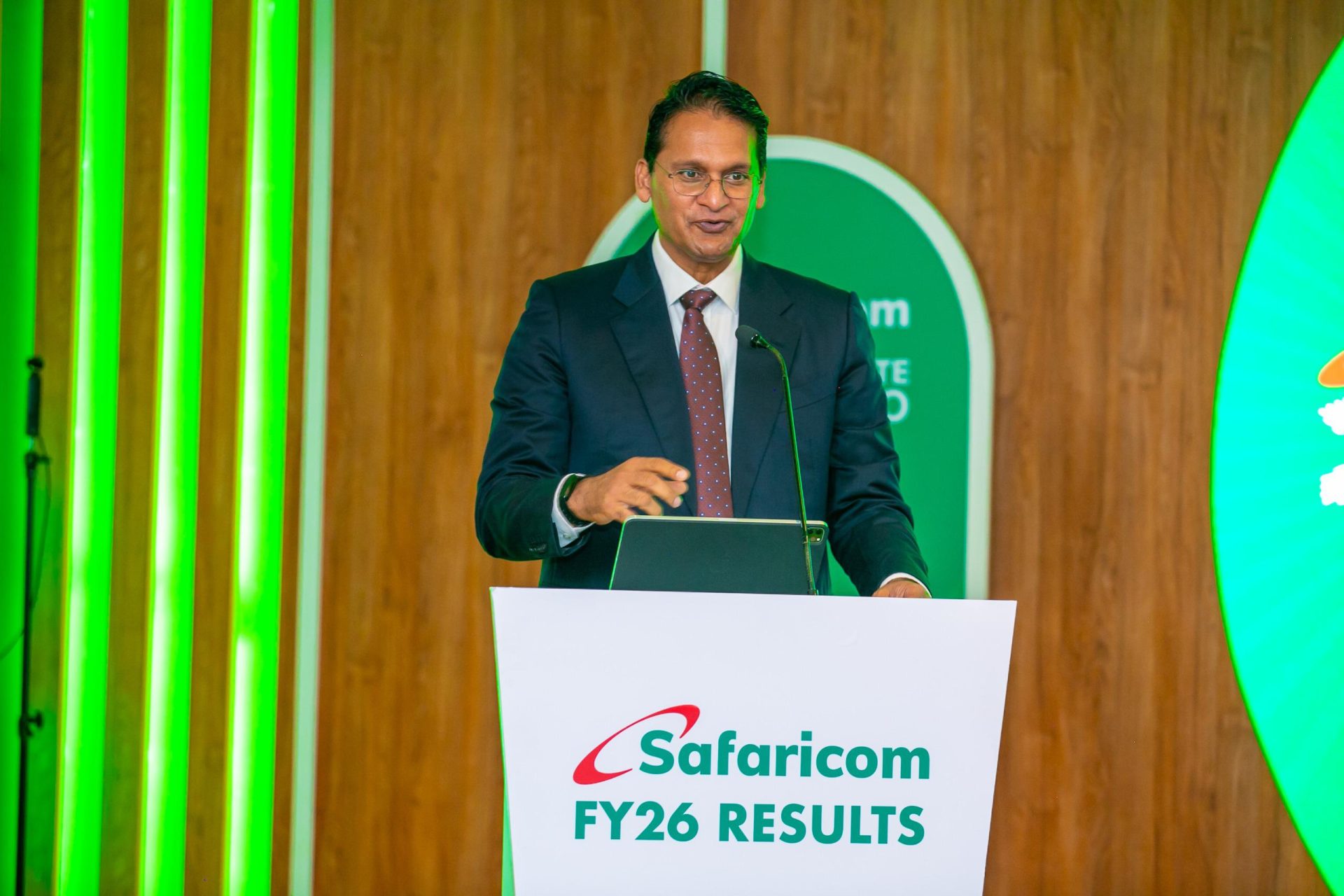
“We continue to invest in our network and IT systems to support capacity upgrades and user experience. Ethiopia’s performance shows reduced losses relative to the previous period, greatly boosting Group performance,” said Safaricom’s Group Chief Finance Officer Dilip Pal.

The growth in profitability has also come in tandem with growth in dividend yield. For the financial year under review, the company will pay out a total dividend of Sh80.13 billion, becoming the first company in the region to pay shareholders over Sh80 billion in dividend.

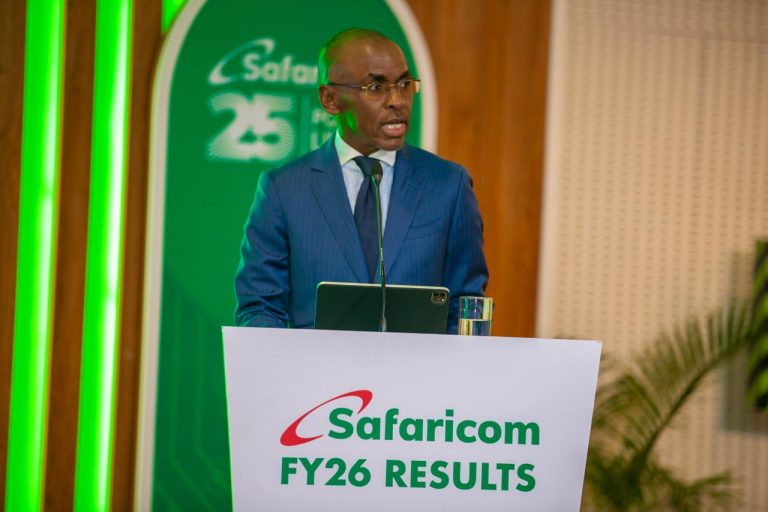
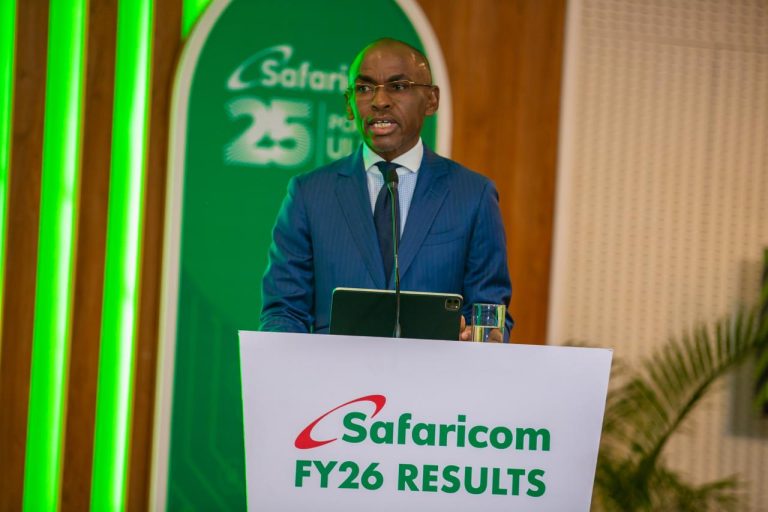
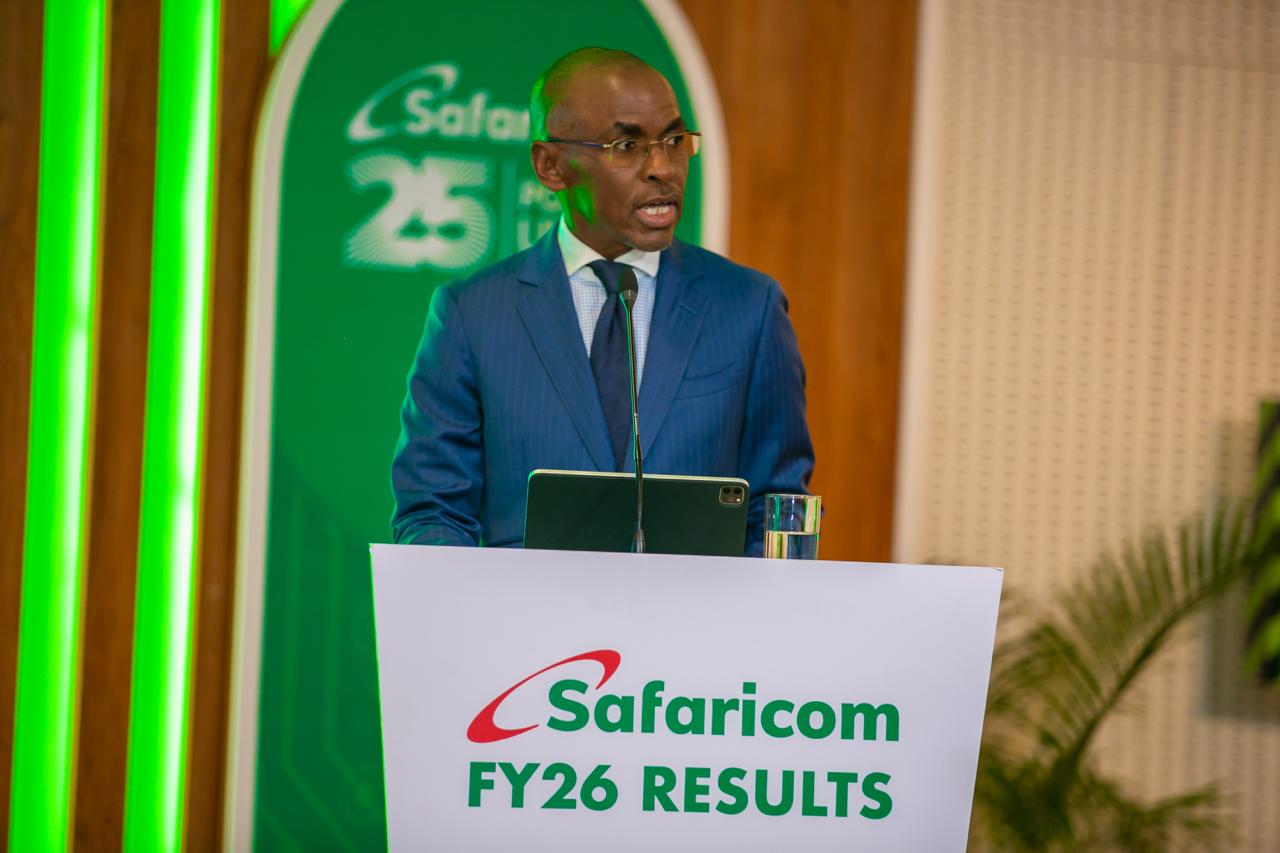
“We are proud to announce a record dividend of Sh2 per share for the financial year. Our dividend payout has risen above pre-COVID levels and prior to our Ethiopia investments,” Safaricom Chief Executive Officer Peter Ndegwa said.

In the previous year, Safaricom had paid Sh48.08 billion in dividend. Since listing on the NSE on June 9, 2008, has declared a total of Sh694.29 billion in dividends. In 2008, Safaricom had paid out Sh2 billion in dividend.

Prior to the current dividend payout, the highest payout was in 2019 when the company paid out Sh74.92 billion in dividend to shareholders.

Safaricom Group revenue hits KES414billion with net income of KES100 Billion in FY26

Safaricom NSE (SCOM) has today announced strong financial results for the year ended March 31, 2026, marked by robust revenue growth, and dividend payout to shareholders.

Group Net Income rose to KES 100 billion, driven by continued customer growth, increased adoption of digital services, and solid performance across core product lines.

Dividend payout

As part of its FY26 results, Safaricom announced dividend payout of 2 shillings per share, totalling KES 80.1 billion, representing a 66.7% increase from the previous year. This comprises an interim dividend of 85 cents per share, and a recommended final dividend of 1 shilling 15 cents per share, subject to shareholder approval, underscoring the company’s resilient balance sheet and confidence in its longterm growth outlook.

We have shown strong execution in the first year of our five-year strategy, signalling a great setup for delivering our vision. We delivered strong performance, with acceleration in the second half, surpassing Group guidance with outstanding Kenya performance offsetting the impact of currency reforms and the timing of market repair actions in Ethiopia,” said Peter Ndegwa, Group CEO, Safaricom PLC.

Safaricom records 52.1% jump in Group Net Income in Half-Year ended September 2025

Revenue growth

During the year, Safaricom Kenya service revenue increased by 10% to KES 400.8 billion, while Earnings Before Interest and Tax (EBIT) grew by 15.3% to KES 182.3 billion.

Safaricom reached a total of 71.6 million customers across the Group, reflecting continued trust in the brand and strong demand for digital connectivity and financial services.

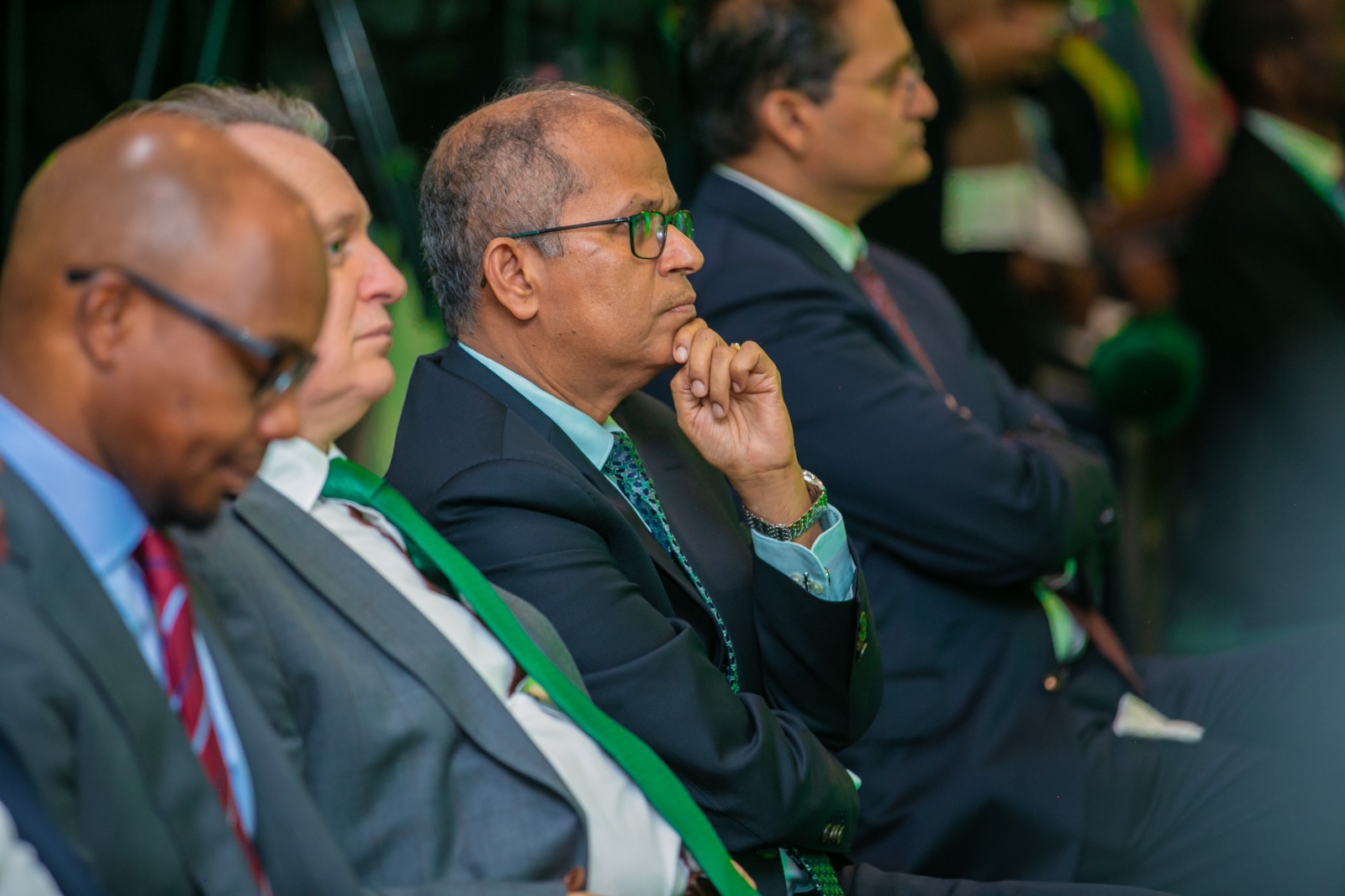
These results reflect a business that continues to demonstrate resilience and momentum. We have sustained strong growth in service revenue, driven by double digit growth in Kenya and accelerated growth in Ethiopia, while maintaining profitability despite continued investment in Ethiopia. At the same time, we are beginning to see the benefits of scale in Ethiopia, with improving commercial momentum and narrowing start up costs. This balance, growth, investment, and discipline, is exactly what the Board expects at this stage of our journey,” said Adil Khawaja, Chairman, Safaricom PLC.

Safaricom Ethiopia

Safaricom Ethiopia continued its growth momentum, contributing 12.5% to the Group’s service revenue growth during the year. Subscriber numbers in Ethiopia increased to 13.6 million customers, supported by a stronger network now covering 60% of the population with 3,504 sites. MPESA adoption in Kenya also accelerated, with 41 million active customers generating a total of KES 182.7 billion in revenue during the year under review.

Guided by its purpose of transforming lives, Safaricom continued to invest in social impact initiatives across Kenya and Ethiopia. Through the Safaricom and MPESA Foundations, over 4.4 million lives were transformed during FY26 through programmes focused on education, health, and economic empowerment.

We continue to invest in our network and IT systems to support capacity upgrades and user experience. Ethiopia’s performance shows reduced losses relative to the previous period, greatly boosting Group performance. We now move into the second year of our Vision 2030 strategy with a commitment to carry on our execution momentum,” said Dilip Pal, Group Chief Finance Officer, Safaricom PLC.

Key highlights:

Group Service revenue grew by 11.5% to KES 414.1 billion
Mobile data revenue increased by 18.3% to KES 92.9 billion
MPESA revenue grew by 13.4% to KES 182.7 billion
Safaricom Ethiopia service revenue grew by 86.6% to KES 14.1 billion.

Uhuru’s brother Muhoho owns Sh20 billion stake in NCBA Group

0

Former President Uhuru Kenyatta’s brother Muhoho Kenyatta holds a stake in the NCBA Group that is worth an estimated Sh20 billion. This has been made public through a circular to shareholders that was released by the bank on May 4, 2026. According to the circular, Uhuru’s brother Muhoho has 227.3 million shares at NCBA Group.

Muhoho holds these shares directly and indirectly through investment vehicles. This disclosure comes barely five months after he was named as the new non-executive director at the board of the NCBA Group. He assumed his new position starting from December 1, 2025.

When he announced Muhoho’s appointment, NCBA Group Managing Director and Chief Executive Officer John Gachora described him as an accomplished business executive with over 35 years of experience in leading and developing businesses across East Africa, spanning diverse sectors including manufacturing, healthcare, insurance, and banking.

“Mr Kenyatta has previously served as Deputy Chairman of one of the predecessor institutions of NCBA between 2000 and 2019, and as a director of NCBA Bank Uganda. He continues to support the Group’s growth in its digital strategy as a member of the Board of LOOP DFS Limited, a wholly owned subsidiary of NCBA Group PLC,” said Mr. Gachora.

Uhuru’s brother Muhoho role at NCBA Group

Muhoho’s immense interests in the banking group are anchored by the Kenyatta family’s significant shareholding in NCBA. The Kenyatta family currently has a shareholding stake of 13.2 percent in NCBA through the family’s investment vehicle which is known as Enke Investments. It is ranked second after the Ndegwa family. The Ndegwas have a 14.94 percent shareholding stake in the banking group through the family’s investment vehicle which is known as First Chartered Securities.

Muhoho’s appointment as a director at the NCBA meant that his beneficial interests in the bank had to be disclosed together with those of other board members. The revelation of his interests in the bank come amidst an on-going takeover by South Africa’s Nedbank. The South African group is looking to acquire a controlling stake of up to 66 percent in NCBA.

“We chose Nedbank for good reasons. Nedbank has been listed on the Johannesburg Stock Exchange (JSE) since 1969. One of our key pillars is expanding into new markets , and as such, it made sense to have a strong parent,” said Gachora.

This will be through a shares purchase that is estimated to be of a value of 13.9 billion rands (about Sh109.9 billion). This purchase will be done through a mix of cash and Nedbank shares. This acquisition has already been backed by the top NCBA shareholders who hold up to 71.2 percent stake.

“Nedbank does not have a presence in the markets where we operate except for a representative office in Nairobi, and therefore we will not be going through a painful integration of either systems, policies, or people,” said Gachora.

“This, makes it a much easier transaction for our staff and customers. This was a big consideration for our board in considering what kind of transaction they would be willing to recommend to shareholders.”

In the same vein, the total dividend per share jumped by 29.1 percent during the financial year under review to Sh7.10. This followed a final dividend payment of Sh4.60 per share. On October 2, 2025, NCBA had paid shareholders an interim dividend of Sh2.5 per share. In the previous year, shareholders had received a total dividend payment of Sh5.50 per share.

The positive financial results for the full year 2025 and the upcoming takeover of the bank by Nedbank have sparked a share rally for the lender at the Nairobi Securities Exchange. An analysis by Bizna Kenya shows that  over the past one year, the NCBA counter has touched a low of Sh48.50 per share and moved to a one-year high of Sh100 per share. The counter closed the market at Sh86.75 per share on Wednesday 06, 2026 with a low traded volume of just 116,133.

For every Sh100 housing tax you pay, Sh30 goes to contractors

0

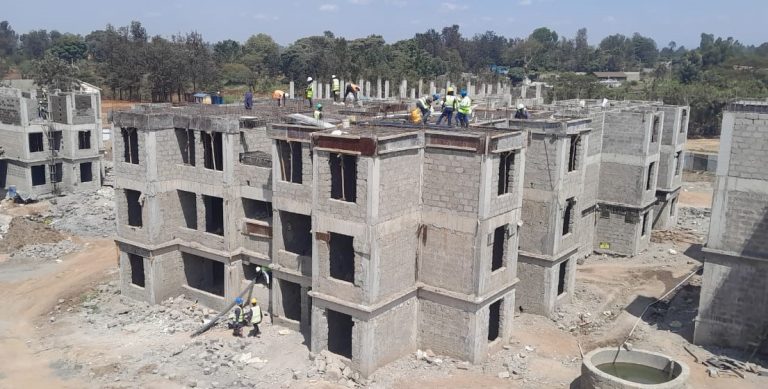
The controversy that has dogged the housing tax since its unpopular inception is not ending anytime soon. It has now emerged that for every Sh100 that a Kenyan pays in housing tax, Sh30 goes to the pockets of contractors who have been recruited by the government of President William Ruto to build the so-called affordable houses.

This has been revealed by a report from Grant Thornton on the Affordable Housing Project. The report dated March 19, 2025 was conducted by the audit firm under a contract issued by the Affordable Housing Board.

It shows that contractors will pocket up to 30 percent in profits from the project, translating to some Sh85.6 billion profits. These profits will come from 215 AHP projects that have been valued at a cost of Sh285.5 billion. These projects are expected to see the construction of some 198,947 houses across Kenya.

“The impact assessment exercise was carried out over two months across 215 AHP projects with 198,947 housing units in nine classified regions including Eastern, Coast, Central, North Eastern, South Rift, North Rift, Western, Nyanza, Western Rift, and Metropolitan,” the audit firm stated.

The report further stated that construction cost and the cost of materials took the bulk of financing at Sh157 billion.

The report further stated that under the construction projects going on under the AHP, at least 18.7 million bags of cement each with 50 kilograms, 1.19 million tonnes of sand, 2.99 million tonnes of ballast, 350.9 million kilos of steel, 171.37 million pieces of stones, and 27.1 million litres of paint have been used in the construction of some 160,000 houses. The construction is reportedly to be ongoing.

Close allies of President Ruto are raking in billions of money from the controversial affordable housing tax that Kenyans are forcefully deducted every month. According to a report that appeared in the Sunday Nation on February 21, 2026, Ruto allies have been awarded contracts worth billions of money to build houses under the affordable housing scheme.

Among these Ruto allies is Mary Wambui who is the chairperson of the Athi Water Works Development Agency. The report in the Sunday Nation stated that a firm that is associated with Wambui known as Nightingale (E.A) Limited had been awarded a tender worth Sh4.78 billion to construct 2,956 houses in the Mathare area in Nairobi.

This company’s details at the Registrar of Companies showed that Edward Njenga Muniu holds a 90 percent stake while Wambui’s business associate Ruth Waithira Kinyanjui hold a 10 percent stake.

The Sunday Nation had further reported that Wambui was previously a director of Nightingale. She resigned from her position on December 5, 2022 after she was appointed by President Ruto to the position of Chairperson of the Communications Authority of Kenya.

The report went on to single out Sam Mburu who is the husband of Nakuru Governor Susan Kihika and a Ruto ally. Mburu had been granted a deal worth about Sh2.58 billion to build 1,215 housing units in Naivasha. He had been granted this deal through his company which is known as Landmark Freight Services.

Another Ruto ally who bagged these deals is Trukish national Harun Aydin through a company known as MHOA Africa Limited. Apparently, this Turkish man is part of a joint venture that is expected to build at least 100,000 homes under the controversial affordable houses project.

READ MORE: Cost of Presidency under Ruto to hit Sh100 billion in June

His company was registered in March 2023, just a few months after Ruto was declared the winner of the 2022 presidential contest by the Supreme Court of Kenya. Aydin had been deported from Kenya in 2021. MHOA Africa is in a joint venture with Demir Group. Aydin holds a 50 per cent stake. Aydin had been deported from Kenya over money-laundering links and illegal movement into and out of Kenya.

Savannah Honey CEO Kyalo Mutua Named CEO of the Year at Jamhuri Kenya Leadership Awards

Kyalo Mutua Named CEO of the Year at Jamhuri Kenya Leadership Awards

Distinguished Kenyan agribusiness entrepreneur and Savannah Honey CEO Kyalo Mutua has been named CEO of the Year in the Agricultural Innovation and Governance category during the prestigious Jamhuri Kenya Leadership Awards held at Carnivore Grounds on May 1, 2026.

The recognition places Mutua among a growing class of Kenyan business leaders driving innovation, governance excellence, and sustainable enterprise development within the agriculture sector.

According to event organizers, the award recognized Mutua’s leadership at Savannah Honey and his contribution towards agricultural transformation, value addition, and enterprise growth in Kenya’s honey and agribusiness industry.

Recognition of leadership in agriculture

The award ceremony brought together political leaders, county government officials, business executives, and public sector professionals from across the country.

Kyalo Mutua’s recognition highlights the increasing importance of agricultural innovation in Kenya’s economic transformation agenda, particularly in sectors such as apiculture, food processing, climate-smart agriculture, and rural enterprise development.

Africa’s first Bee Venom marketplace launched in Kenya: A new frontier for high-value agriculture

Kenya’s agriculture sector remains one of the country’s largest economic pillars, contributing significantly to employment, exports, and food security. Industry observers note that entrepreneurs investing in value chains such as honey processing are helping create sustainable income opportunities for farmers while expanding local manufacturing capacity.

High-profile leaders attend the awards

The Jamhuri Kenya Leadership Awards featured several high-profile guests and nominees, including:

  • Hassan Ali Joho
  • Stephen Kalonzo Musyoka
  • Francis Mwangangi
  • Musili Mawathe
  • Mbarak Mohamed Baniai

Besides Kyalo Miutua, several county government officials and public administrators were also recognized for excellence in governance, public service delivery, infrastructure, urban development, education, and youth empowerment.

County officials and public servants honored

Among those recognized during the awards were:

  • Kevin Kinengo Katista – Outstanding Member of County Assembly (Legal Leadership and Governance)
  • Ambrose Ogeto Nzangi – Outstanding Chief Officer of the Year (Lands, Housing, and Urban Development)
  • Philip Kinyutu Nzangi – Outstanding CEC Member of the Year
  • Ahmed Mohamed Wardere – Outstanding CEC Member of the Year (Lands, Housing, and Urban Development)
  • Nicholas Mutisya Mutua – Outstanding Chief Officer of the Year (Public Service and Administration)
  • Peter Njagi Hudson – Outstanding Chief Officer of the Year (Public Service and Administration)
  • Muthengi Ndagara – Outstanding MCA of the Year (Cultural Leadership and Social Impact)

Other leaders recognized included Boniface Irungu Ngahu, Isaiah Kiara Epuri, Jonathan Birya Fondo, Allen Rodgers Katana, Peter Safari Shehe, Godfrey S. Murunga, Musyoki Mutungi, Innocent Mugare, Stephen Mburu Munania, Anderson Mutembei Kigige, and Dennis Mwiti Kirimi.

Growing focus on governance and innovation

The awards reflected Kenya’s growing focus on governance, accountability, innovation, and leadership performance in both the public and private sectors.

For entrepreneurs, the recognition of leaders such as Kyalo Mutua demonstrates how agribusiness is increasingly becoming a strategic sector for investment, industrialization, and regional economic growth.

Industry analysts say that as Kenya seeks to strengthen food systems and expand exports, companies that combine innovation, governance, and scalable business models are likely to play a central role in the country’s long-term economic development.

9 Forex Trading App Mistakes That Cost Mobile Traders Real Money

0

Mobile trading has changed how many Kenyans approach the currency market. From Nairobi to Kisumu, traders now monitor charts, place orders, and react to global news directly from their phones. That convenience is powerful, but it also creates room for mistakes that quietly drain accounts over time.

Using a Forex Trading App can make trading faster and more flexible, but speed without discipline often leads to expensive decisions. Here are nine common mistakes that cost mobile traders real money in Kenya.

1. Trading Without Checking the Full Market Context

Many traders open a position after seeing one strong move on a small chart. On mobile, it is easy to focus only on the latest candle and ignore the bigger picture.

That is risky. A pair may look bullish on a five minute chart while running straight into resistance on a higher time frame. In markets like forex, that is like stepping into moving traffic after glancing only one way.

2. Entering Trades Too Quickly

Mobile apps are built for speed, and that can become a problem. A fast tap can place a trade before the setup is fully confirmed.

Why Forex Trading is Becoming Increasingly Popular in Kenya

Kenyan traders often follow major US data releases or Central Bank news in real time, and those moments can create emotional decisions. You might feel pressure to jump in fast, but rushed entries often turn good ideas into bad trades.

3. Using the Wrong Lot Size

This is one of the most expensive mobile trading mistakes. On a small screen, it is easy to enter the wrong trade size or fail to notice how much exposure is being taken.

A small typing error can turn a controlled position into a dangerous one. Many traders only realize it after the market moves against them, and by then the damage is already done.

4. Ignoring Stop Loss and Take Profit Levels

Some mobile traders enter trades first and plan risk later. Others avoid stop losses entirely because they want to manage the trade manually.

That sounds fine in theory, but markets do not wait for convenience. Internet delays, distractions, or sudden volatility can hit before you have time to react. A trade without protection is like riding a motorbike in heavy traffic without brakes.

5. Relying Too Much on Notifications

Alerts can be useful, but they are not a strategy. A price notification only tells you that something happened. It does not explain why it happened or whether the move still makes sense.

In Kenya, traders who follow global headlines often see sudden moves during international sessions. By the time you open the alert and check the chart, the opportunity may already be gone or the market may have reversed.

6. Trading on Weak Internet Connections

Execution matters more than many traders realize. A poor connection can lead to delayed entries, slippage, or failed order changes at the worst possible moment.

Your First Steps to Start Forex Trading in Kenya

This is especially relevant for traders using mobile data while commuting or working outside the home. One unstable signal can turn a planned trade into a messy one, and the market will not slow down to compensate.

7. Failing to Update the App

Some traders keep using old versions of their app because they do not want layout changes or new settings. But updates often fix stability issues, improve speed, and strengthen security.

An outdated app can freeze, lag, or behave unpredictably when volatility rises. That is the last thing you want during a sharp move in USDKES or any major pair tied to global sentiment.

8. Overtrading Because the Market Is Always in Your Pocket

This is a very common mobile trading habit. Because the app is always available, traders keep checking charts and forcing positions even when there is no clear setup.

More access does not always mean more opportunity. Sometimes it just means more temptation. Smart traders know that not every moment deserves a trade, no matter how easy the app makes it look.

9. Treating Mobile Trading Casually

The biggest mistake is forgetting that mobile trading still involves real money and real risk. A phone may feel informal, but the market is not.

Profitable traders usually have a routine. They review setups carefully, manage risk properly, and avoid emotional decisions. In Kenya’s growing trading community, that discipline is often what separates steady traders from those who keep repeating the same losses.

Conclusion

Mobile trading offers Kenyan traders speed, access, and flexibility, but those benefits only matter when paired with control. Most losses do not come from the app itself. They come from how the app is used.

Avoiding these nine mistakes can make a big difference. A mobile device can be a strong trading tool, but only when it is backed by patience, planning, and proper risk management.

Visa launches AI-powered dispute resolution tools to help banks and merchants cut fraud losses

Global payments giant Visa has unveiled a new suite of artificial intelligence-powered dispute resolution services aimed at reducing fraud-related losses, cutting operational costs, and improving customer experience for banks, merchants, and payment service providers.

The company announced six new and enhanced dispute management solutions that seek to modernize the traditional chargeback and transaction dispute process, which has become increasingly costly and complex across the global payments ecosystem.

According to Visa, the company processed 106 million disputes globally in 2025, representing a 35 percent increase since 2019.

The new solutions leverage AI, predictive analytics, and Visa’s proprietary transaction data to help financial institutions and merchants resolve disputes faster, prevent fraud, and reduce administrative burdens.

How to keep your bank account safe from fraudsters

Speaking during the announcement, Andrew Torre said disputes continue to create significant friction in digital commerce.

“Disputes put strain on every part of the payments ecosystem, frustrating consumers, while driving cost and complexity for merchants and financial institutions,” he said.

He added that outdated systems are increasingly struggling to keep pace with sophisticated fraud trends.

“When outdated technology cannot keep pace, fraud goes undetected. Our expanded suite of dispute services gives clients the visibility they need to focus on what matters most: serving customers, launching new products and growing their businesses,” he said.

Visa introduces new tools for merchants

Among the new products launched is the Visa Dispute Resolution Network, a platform designed to streamline pre-dispute handling by allowing merchants to resolve transaction concerns before they escalate into formal disputes.

Visa said the platform is expected to reduce operational burdens while accelerating dispute resolution timelines. The pilot phase is currently ongoing, with wider rollout expected in late 2026.

The company also introduced Visa Dispute Recovery Manager, an AI-powered system that automates representment processes for merchants. The tool uses generative AI to draft responses and predict dispute outcomes, helping merchants maximize revenue recovery from disputed transactions.

Stay Safe from digital banking fraud: Essential security tips to protect yourself

Another upgraded product is Order Insight, a dispute prevention tool that enables merchants to provide additional transaction details to consumers and banks to minimize confusion around legitimate charges.

Visa said an April 2026 enhancement now allows merchants to integrate Compelling Evidence 3.0 within Order Insight, enabling the sharing of evidence on suspicious transactions to reduce cases of “friendly fraud,” where legitimate customers falsely dispute valid purchases.

New AI tools for banks and payment providers

For issuing banks and acquiring institutions, Visa launched Dispute Intelligence, a predictive AI-powered tool that uses network-wide transaction and dispute data to support agents in making more informed case decisions.

The service is now generally available.

Visa also announced Dispute Doc Analyzer, an AI-enabled document review system designed to simplify dispute investigations.

For issuers, the tool summarizes merchant documentation and extracts key information into structured formats to speed up manual reviews. For acquirers, it can automatically populate response questionnaires on behalf of merchants.

DCI search for dad, son who defrauded Nairobi bank Sh. 60 million

The company further unveiled Visa Dispute Case Manager, an AI-powered centralized dispute management platform that consolidates workflows across multiple card networks from case intake to final resolution.

The platform will initially launch in North America before expanding into Central Europe, the Middle East, and Africa.

Chad Pollock said the new services will allow financial institutions and merchants to focus more resources on growth and innovation instead of fraud management costs.

The announcement comes at a time when digital payments adoption continues to accelerate globally, increasing the need for more sophisticated fraud detection and dispute resolution technologies.

For African markets such as Kenya, where mobile payments and digital commerce are rapidly expanding, the use of AI-driven fraud prevention systems is expected to become increasingly important for banks, fintech firms, merchants, and payment processors.

Emirates global network restoration and enhanced travel services (2026)

0

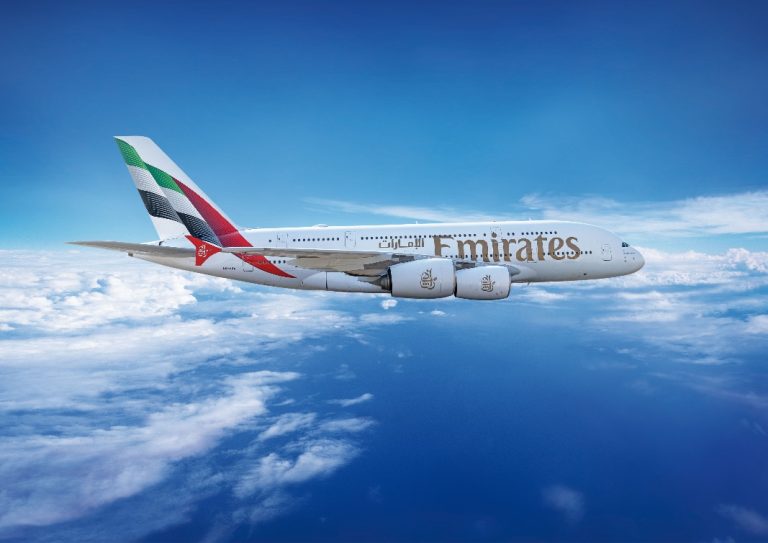
Emirates is marking a near-full return to operations, with 96% of its global network now restored, following a period of disruption. In the past weeks, the airline has progressively resumed services across the Americas, Europe, Africa, West Asia, the Middle East/GCC, the Far East and Australasia.

Today, the airline operates to 137 destinations across 72 countries, with over 1,300 weekly frequencies, representing 75% of pre-disruption capacity. The airline is offering more flights, more seats and more options each day while reaffirming Dubai’s position as a vital hub through which global travel moves.

Even as it operated with a reduced schedule, Emirates carried 4.7 million passengers* during the disruption, a testament to the enduring demand for travel and the trust that travellers continued to place in the airline to get them where they needed to go.

The Emirates experience, wherever you’re going

Wherever Emirates customers choose to fly, they can expect a best-in-class onboard and onground experience, defined by exceptional comfort, genuine hospitality, and a level of service that has set the standard for long-haul travel.

Onboard, customers enjoy a unique culinary experience, with regionally inspired, multi-course menus developed by a team of award-winning chefs and complemented by a wide selection of premium beverages. Emirates’ award-winning ice inflight entertainment system offers more than 6,500 channels of the best global content in almost 40 languages, including movies, TV shows, music, podcasts, games, audiobooks and more, ensuring there is no such thing as a long flight.

And for those who need to stay connected, high-speed Wi-Fi keeps customers reachable at 40,000 feet. Emirates now has Starlink connectivity live on 28 aircraft, delivering ultra-fast, reliable internet in the air.

Emirates marks 30 years of connecting Kenya to the world

Enjoy flexible travel and rewards

Emirates is giving customers more reasons to travel with confidence with flexible rebooking, Dubai Connect stopover experiences and enhanced Skywards benefits:

Flexible bookings: Customers booked from 2 April will enjoy added flexibility, with one free date change included across all cabin classes. Customers who have booked with Emirates can also hold a fare for 24 hours free of charge.

Dubai Connect: For customers with extended transit times in Dubai from 6 to 26 hours, Emirates’ Dubai Connect programme turns a long layover into a comfortable stopover, courtesy of the airline. Eligible customers will enjoy complimentary hotel accommodation at a 4 or 5-star property, airport transfers, meals, and, where required, a UAE entry visa. Available to passengers across all cabin classes with qualifying connection times, Dubai Connect can be booked up to 12 hours ahead via Manage Your Booking on emirates.com. Terms and conditions apply.

Skywards: From 8 May to 31 August 2026, Emirates Skywards members can enjoy accelerated access to the programme’s premium tiers through reduced tier requirements and Bonus Tier Miles on Emirates and flydubai flights.

*Between 1 March and 30 April

Emirates operates one daily flight to Nairobi, ensuring consistent connectivity for customers travelling to and from Kenya.

Passengers can explore flight schedules and book their journey from Nairobi by visiting Emirates’ official website: https://www.emirates.com/english/destinations/flights-from-nairobi/.


Absa Bank Kenya unveils revamped asset financing, commits KES100 Billion to drive economic growth

0

Absa Bank Kenya has unveiled a revamped asset financing proposition aimed at deploying KES 100 billion over the next three years to businesses and individuals. The enhanced offering is designed to improve access to productive assets and support growth across key sectors of the Kenyan economy, including manufacturing, trade and logistics, infrastructure, as well as health and education.

A key feature of the revamped proposition is the introduction of revised, market-aligned parameters that significantly enhance speed, simplicity, and predictability. Financing structures have been refined to better reflect actual asset use and sector-specific cash flow dynamics, enabling customers to move from decision to deployment with fewer handoffs and greater clarity.

Faster processing

Customers will benefit from markedly improved processing timelines. Onboarding-to-approval time has been reduced from 10 days to 48 hours, while approval-to-disbursement is now completed within 72 hours. Additionally, the number of pre-approval steps has been cut from 13 to six, delivering a more efficient and streamlined customer journey.

Under the new offering, loan tenors have been extended to up to 84 months for select asset classes, among the longest in the market, with financing of up to 100%. Targeted asset categories include school buses, new and imported personal vehicles (including grey market vehicles), medical equipment for hospitals, clinics and laboratories, agricultural machinery, and solar equipment, among others.

Banks with the cheapest loans in 2026 and their lending rates

The revamped offering reflects a deliberate shift in how Absa enables growth for both businesses and individuals, in response to rising demand for faster, more transparent, and customer-centric financing solutions as Kenya’s economy becomes increasingly asset-driven. It also brings to life Absa’s purpose of empowering Africa’s tomorrow, together, one story at a time, through practical solutions that convert capital into tangible economic outcomes.

Support to porductive enterprise

Speaking at the launch event in Nairobi, Abdi Mohamed, Managing Director and CEO of Absa Bank Kenya, said: “This refreshed offering reflects our commitment to supporting productive enterprise across Kenya’s key value chains. By ensuring capital moves more efficiently to where it is most productive, and by strengthening the capabilities that support our customers end to end, we are enabling individuals and businesses to invest, expand capacity, and compete with greater certainty. This is how we translate financing into real and measurable economic impact, and how we live our purpose of empowering Africa’s tomorrow.”

To support a consistently high-quality and customer-centric experience, Absa has also invested in a dedicated Asset Financing Centre. This centre brings together specialist asset financing expertise, sector-aligned credit assessment, and coordinated execution teams. It enhances relationship management, provides clearer guidance to customers and partners, and strengthens Absa’s ability to deliver asset financing reliably and at scale.

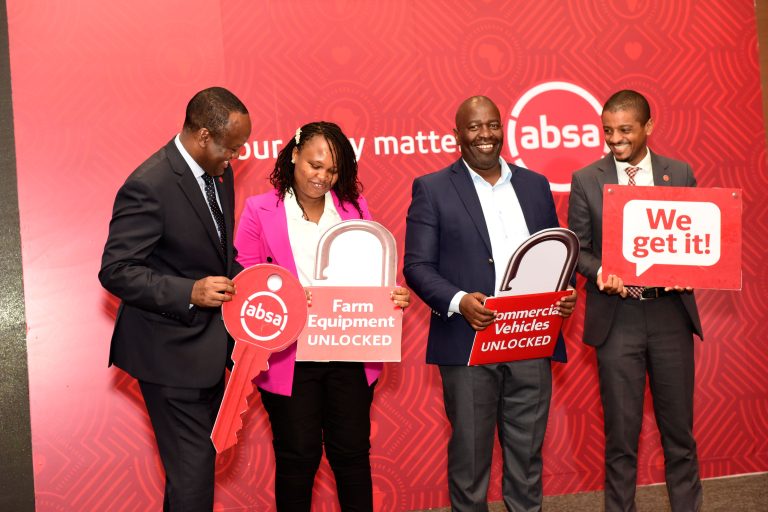
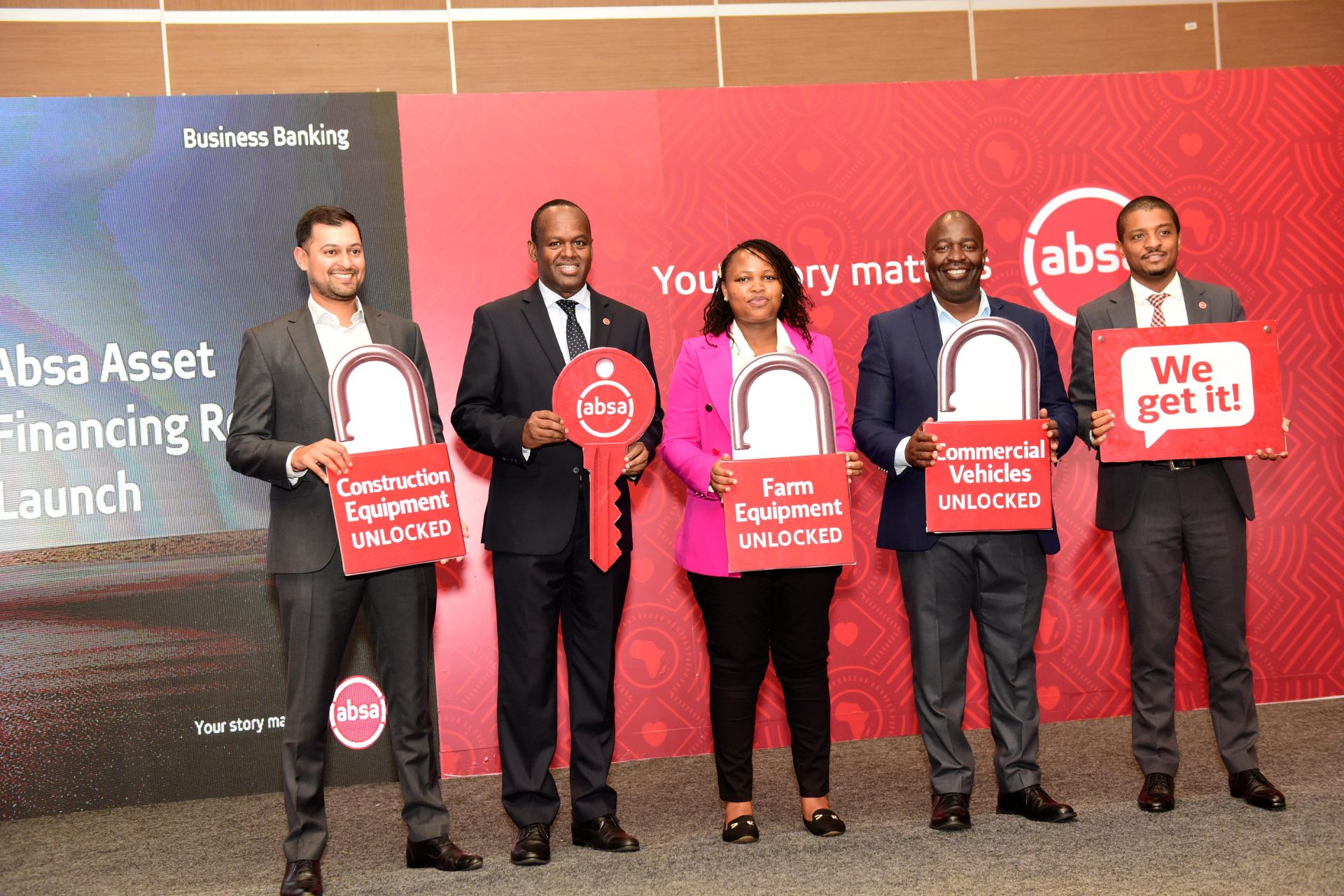
Absa Bank Kenya CEO Abdi Mohamed (2nd from Left), Business Banking Director Renato D’souza (1st right), Avenue Leasing CEO Raj Shah, Hello Tractor Customer Esther Musyoki and Isuzu EA Director Regional Sales Kevin Ochieng during the unveiling of the revamped asset financing proposition aimed at deploying KES 100 billion access to productive assets and support growth across key sectors of the Kenyan economy.

Easier asset acquisition

Speaking at the same event, Business Banking Director Renato D’souza noted that the revamped proposition, dubbed ABF 2.0, is firmly grounded in execution:

“ABF 2.0 is a direct response to what our customers and partners have told us they need. By simplifying processes, strengthening our parameters, and investing in specialist capability, we are making asset acquisition easier to navigate and faster to execute across key value chains. It is a practical demonstration of our ‘We Get It’ mindset.”

ABF 2.0 is further supported by a growing network of local and international asset partners, enabling financing to be closely aligned with acquisition journeys across multiple asset classes. These include vehicles, agribusiness equipment, manufacturing machinery, medical and construction equipment, solar solutions, and other essential business assets.

The revamped proposition is underpinned by Absa’s customer promise, reflecting a deeper understanding of how businesses operate, the pressures they face, and the need for financing solutions that move at the pace of decision-making.

I am 34, single, making Sh130,000 per month. How do I retire at 40?

0

Gertrude Njeri who is an accountant, personal finance and investment consultant and the founder of Financial Buddy Africa Ltd, responds to a Kenyan who is looking to retire at 40. Is this the right age to retire? How much money should he invest to guarantee himself a comfortable post-retirement life? Take a look…

The Question: My name is Peter. I am unmarried but in a relationship. I make Sh130,000 monthly. My budget is as follows;

1). Rent: Sh30,000

2). Food: Sh15,000

3). Vehicle fuel: Sh10,000 to Sh5,000

4). Home entertainment: Sh15,000 (Pay tv, Wifi, and online subscriptions)

5). Electricity & Water: Sh3,000

6). Black tax: Sh18,000

7). Partner: Sh15,000

8). Weekend night outs: About Sh6,000 (not sure)

9). Miscellaneous and savings take the balance.

I have Sh340,000 savings in the bank. I also have three acres that I bought from our family’s neighbour upcountry. This land is worth a total of Sh3.6 million. My mom has been using it for farming. I am 34, and  going to be 35 in August this year. I would like to retire from working in five years at age 40 and have my money work for me, pay me and sustain my lifestyle through passive investments and income. How can I achieve this with the income and budgetary allocations?

The Answer: Alright, Peter, let’s walk through this. You’re earning Sh130,000 a month, and from your budget, most of it is already committed. Rent, food, black tax, your partner, entertainment, all of that adds up quickly. What stands out is that your savings and investing are not structured. It’s more like whatever remains at the end of the month, and that makes it very hard to build serious wealth.

Now your goal is clear. You want to retire in 5 years at 40 and have your investments fully replace your income. That’s a strong goal, but we need to ground it in real numbers.

To replace Sh130,000 per month, you need about Sh1.56 million per year. If your investments are earning around 8 percent annually, you’d need roughly Sh20 million invested to generate that kind of income consistently. That’s the real target.

Now, when you ask what it would take to get there in 5 years, the answer is where things become very clear. You would need to invest about Sh270,000 every month for the next 5 years to reach Sh20 million.

You are currently earning Sh130,000. So this version of the plan doesn’t work, not because you’re doing anything wrong, but because the numbers simply don’t allow it. The gap is too large for that timeline. So instead of forcing that, the smarter move is to adjust the path while keeping the goal alive.

Rather than aiming for full retirement at 40, think about building financial strength by 40. That means getting to a point where your investments and assets are covering a meaningful part of your life, even if not everything.

A more realistic, and still powerful, target is building a portfolio of around Sh7 million to Sh10 million over the next 5 to 7 years. Now let’s make that feel real.

If you start investing about Sh50,000 every month consistently, at around 8 percent, you’re looking at roughly Sh4 million in 5 years. If you keep going, that grows to around Sh9 million to Sh10 million in about 10 years. That’s how the path actually builds over time.

But to get there, your current budget needs a bit of structure. Right now, you’re not clearly prioritizing investing. You’re spending first, then saving what’s left. That needs to shift.

You don’t have to change your life completely, but there’s room to tighten. Spending Sh15,000 on home entertainment can be adjusted without affecting your lifestyle too much. Even freeing up an extra Sh10,000 to Sh20,000 and directing it into investments consistently makes a big difference over time.

You have mentioned some allocations that you may not be certain about, Sh6,000 for weekend night outs for example. You need to be clear on where every coin goes. Every coin matters in the journey to financial freedom. Being single, I would recommend that you slash your rent to around Sh20,000. It is not clear why you have your partner on a monthly stipend of Sh15,000. This would make more sense if the situation was that of a spouse, under which the money would still be considered ‘in-house’. Does your spouse work? Does she have an income? Is she financially independent? You need to cut this expenditure off and, or at least bring it down to Sh5,000. You also need to cut down your home entertainment down to Sh5,000. With digitization and proper wifi, you can access much of the premium pay tv content that you are currently paying for.

These adjustments alone will give you an extra Sh30,000 that can be directed towards your savings and investments. In order to get your saving plan on track, be clear about the amount allocated for savings. Currently, your allocation for miscellaneous and savings is the balance from your expenses of about Sh15,500. Don’t be vague about what you allocate for your miscellaneous expenses. Allocate Sh3,500 and use the balance of Sh12,000 to top on your savings. Depending on your home situation, if you can readjust your black tax from Sh18,000 to Sh10,000, you would get an extra Sh8,000 which will bring the total amount saved from your readjustments to Sh50,000 per month.

You can start saving this amount at the net rate recommended above, and you may also opt to diversify it amongst various savings vehicles, for example, in order to start building an emergency fund (via a money market fund for instance). You may set aside Sh10,000 every month for this. You may further diversify another Sh10,000 to a professionally run Sacco, and use the balance of Sh30,000 to build on your existing kitty of Sh340,000.

READ MORE: I earn Sh13,000; how do I raise Sh250,000 for poultry, dairy farming business?

Now let’s talk about what you already have. That Sh340,000 in the bank should not just be sitting there. Move it into a high-yield savings account or a money market fund so that it starts earning something while still being accessible. It’s a simple move, but it gets your money working immediately instead of being idle.

Then there’s your land.

This is actually one of your biggest opportunities. It’s worth Sh3.6 million, which is significant, but right now it’s not producing income for you. Your mum is using it, which is fine, but from your financial perspective, it’s an asset that hasn’t been activated yet.

If you can turn even part of that land into something that brings in Sh20,000 to Sh50,000 per month over time, your entire situation will start to change. This requires you to evaluate what portion of the land your mom is currently using and how the remainder can be commercialized. If the land is worth Sh3.6 million currently, what has been its rate of appreciation since you acquired it? Is it in a prime location or is it in a location where land appreciation is exceedingly slow? What agribusiness activities can be activated there to turn it into a profit generating machine? To get proper clarity on this, you may also need to consult an agricultural professional from this area. The answers to these questions will let you know whether you can offload part of the land and redirect the money to investment vehicles that will earn you better returns over and above the sentimental attachment to land.

If we bring this back to your original goal, you are no longer in a bad financial position. You have a good income, no dependents yet, savings, and a valuable asset in land. What needs to change is not your ambition, but your approach.

Over the next 5 years, focus on building momentum. To maintain consistency, automate your money by placing a standing order that sends your Sh50,000 savings and investments kitty to its respective accounts the moment your salary hits your checking account.

I will also urge you to start enrolling for masterclasses on personal finances and investments to start advancing your knowledge on how investments work, for example shares and treasury bonds. This will come in handy as you will need to invest in better instruments such as infrastructure bonds and strong, dividend earning stocks as you build up your investments for that passive income you are targeting from age 40.

By the time you’re 40, you may not be fully retired, but you could be in a position where your money is working for you, your income doesn’t rely on one source, and you have real financial breathing room. And honestly, that’s what financial independence actually looks like in real life.

A version of this personal finance question and answer was previously published in the Saturday Magazine. The Saturday Magazine is a publication of the Nation Media Group.