

Home Blog Page 88

Start early, build wealth: why time is the greatest asset in land investment

0

In the real estate industry, one of the world’s greatest assets is time. Wonder why? Well, imagine this, it is on a Saturday morning and as you scroll on your phone, you come across a post from your friend celebrating his just-completed home in Kimuka Ngong. You are astonished because you both just turned 30, yet he has land and has just finished building his dream home. You smile, like the video and keep scrolling, but deep down, you cannot help but wonder how he got to do it.

While this is a conversation every young person should start having, the answer is pretty simple. They used the power of compounding and started investing early because they understood from the onset that land is not something to wait for the right time, because there is never a right time. Below are some reasons why young people should invest in land early, rather than waiting until the finances are right.

  1. Time as the Greatest Asset

Time allows your land investment to grow in value. If you start today, it means that in a few years, the value of your investment will be worth more than the buying price. Think of it like a passive income where your investment earns value as you go about your daily life. For example, say you bought a plot of land in a developing area like Kikuyu, Thigio area at Kshs. 500,000 five years ago. The value of your plot of land in 2026 is now worth approximately Kshs. 1,200,000. This is Kshs. 700,000 increase in value. Now imagine if you bought two or three plots of land five years ago and want to build your dream home on one plot of land and sell the rest to finance the construction. You will have at least 1.4M to help kickstart your construction journey.

That is the power of starting your investment earlier than waiting. They say the best time to buy land was five years ago and the second-best time is now. Start your journey of investing with Username Properties today and become a homeowner.

  1. Land Appreciates Never Depreciates

Land is the only asset that increases in value over the years, in contrast to vehicles, technology, or even stocks and general assets, which may depreciate with time. This is mainly attributed to the fact that there is no one producing more land, as it is a limited natural resource. As populations increase and cities grow, the value of land increases due to the high demand and limited supply. Ever wondered why the land that our grandparents bought with only a few thousand shillings is now worth millions? Well, the explanation is simple. Land appreciates especially when bought in strategic prime locations. When you buy land early, you position yourself to enjoy the value of appreciation decades later. This is your chance to invest in affordable plots and land for sale in an emerging satellite town like Ngong, Kikuyu, Nakuru and Matuu towns. 

  1. Freedom and Security in the Future

Imagine the peace that comes with knowing that you are not going to be in rental debt for the rest of your life. This means that every coin that you used to pay rent previously can now be used for other purposes. Wouldn’t that give you peace of mind and offer you maximum security?

Land ownership offers emotional stability in addition to financial benefits. Land ownership directly enables you to have reliable assets that provide you with options regardless of what happens, including loss of employment and high inflation rates that affect the economy. When you own land, you can build your first home, use it as collateral to start a business, or even lease it out for extra income. Land gives you freedom and peace of mind that only comes from knowing you own something real and lasting.

  1. Land is “Not Too Expensive”

A lot of young people believe that plots and land for sale are reserved for the wealthy or elderly, yet that is not the case. As a young investor, you can start small and gradually expand your real estate portfolio with flexible payment plans, reasonably priced plots for sale and buying from legitimate developers. These make real estate investment simple and accessible for all, including the young generation.

The secret to making this possible is simple and that you only need to start where you are. One other way is to utilise financial institutions that have a low-interest loan rate, such as saccos. Username Sacco, for example, allows you to invest in land in Kikuyu, Matuu and Nakuru at low monthly rates of between Kshs. 7000 to Kshs. 39,000 only. This allows you to kickstart your investment journey without breaking the bank and you would be surprised just how much you can accomplish in a few months.

Username Properties announces well-paying marketing job; how to apply

  1. Be Patient & Think Long-Term

Instant coffee, instant downloads and instant likes are all part of our world of instant gratification. While many young people are chasing instant wealth, the reality is different because that is not how wealth operates. When it comes to making investments, particularly in real estate, patience is rewarded. This is because, while everyone is seeking instant yet fleeting excitement, land investment steadily increases in value and handsomely pays off years later.

As a young investor, when you invest in land, say a plot of land in Kimuka, Ngong, do not expect to sell the land in a few months at an appreciative rate. It may take a couple of years, but the value will be worth the investment. In five or so years, buyers will be the ones knocking on your door to buy from you.

  1. Land Ownership is a Legacy Beyond You.

Unlike money in the bank, land ownership is a legacy built for you and your future generations. This is because, when you invest in land early, you are not just doing it for yourself but for your children and their children to have a place to call home. Equally, land can be passed down to other generations to kickstart their lives. Land ownership is a foundation that sets the investment pace for all that will follow after you and you can start that journey early enough. To build your legacy and empower your generation with home ownership, visit the Username website today and home ownership could become your legacy.

In Conclusion

In the end, the most important lesson for young people is simple: opportunities don’t wait, and time is never guaranteed. You do not need to be wealthy to invest in land. You just need the courage to begin. The decision you make today can quietly shape your financial future for years to come. So rather than postponing your plans, choose to start now. Land ownership is not a dream reserved for another generation but a practical step that you can take today toward stability, security and long-term success.

Start early, stay consistent and you will discover that in wealth creation, those who begin first always go further.

The writer is the CEO of Username Properties Ltd.
Equity’s Insurance unit powers profit growth as premiums jumps by 75%

Equity Group’s push into insurance is paying off, with its non-banking subsidiary, Equity Insurance Group, emerging as a fast-growing pillar in the lender’s diversification strategy.

The insurance business posted a 75 per cent jump in gross written premiums to Sh9.17 billion for the year ended 2025, underlining rising uptake of its products as the Group deepens its footprint beyond traditional banking.

Profitability remained strong, with profit before tax rising 36 per cent to Sh2.0 billion, supported by a 150 per cent surge in insurance revenue to Sh3.57 billion. The growth reflects increased scale and momentum across the Group’s life, general, and health insurance segments.

Speaking during the results announcement at Equity Centre, Group Managing Director and CEO James Mwangi said the performance signals the success of the Group’s expansion into underwriting following the acquisition of key licenses.

Surgeon ‘had own legs chopped off for Sh60 million insurance claim’

“Profitability remained strong, with profit before tax rising by 36 per cent to Sh2.0 billion, while insurance revenue grew by an impressive 150 per cent to Sh3.57 billion, signalling increased scale and operational momentum,” said Dr Mwangi.

He noted that in just three years of audited results, the insurance arm has climbed the ranks in a competitive market, placing third in return on assets among 56 players, while also breaking into the top five in profitability and top six in premiums.

The Group’s insurance subsidiaries are also gaining traction, driven by a customer-centric model anchored on its vast distribution network.

Equity Life Assurance continues to anchor the business, serving 6.9 million customers and issuing 19.2 million policies since its inception. The unit posted a profit before tax of Sh1.77 billion, reinforcing its position in inclusive insurance.

Equity Life Assurance (Kenya) Limited Managing Director Angela Okinda said the subsidiary’s growth reflects strong demand for affordable and accessible insurance solutions.

“The subsidiary has achieved significant scale, now serving 6.9 million unique customers and issuing 19.2 million policies since inception, reinforcing its leadership in inclusive insurance,” said Okinda.

Meanwhile, Equity General Insurance delivered Sh1.79 billion in gross written premiums and Sh199 million in profit before tax in its first full year of operations, highlighting the Group’s ability to scale new business lines quickly.

Equity Health Insurance, a newer entrant, is also showing early promise. Within four months of operations, it recorded Sh20 million in premiums and Sh40 million in profit before tax, pointing to strong potential in the health insurance segment.

The rapid expansion follows the Group’s acquisition of life, general, and health underwriting licenses, allowing it to capture more value across the insurance chain while expanding its product offering.

Analysts say the insurance unit is increasingly positioning itself as a strategic hedge against volatility in banking income, while strengthening Equity’s transition into a broad-based financial services ecosystem.

By leveraging its extensive branch network and digital platforms, the Group is scaling insurance access to millions, advancing its financial inclusion agenda.

As the lender deepens its diversification strategy, insurance is now shaping up as a critical growth engine, expected to play a bigger role in driving long-term value for the Group.

Safer programme expands affordable financing to msmes, driving inclusive growth across Kenya

0

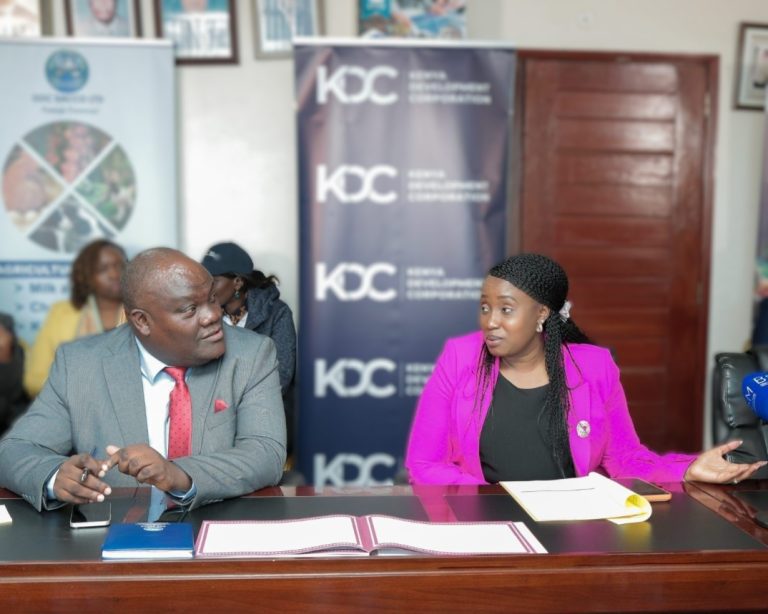
The Supporting Access to Finance and Enterprise Recovery (SAFER) Programme, implemented by the Kenya Development Corporation (KDC) in partnership with the World Bank and the National Treasury Project Implementation Unit (PIU), continues to expand access to affordable finance for Micro, Small and Medium Enterprises (MSMEs) across the country. To date, the programme has supported over 55,000 MSMEs across 38 counties to access financing, sustaining more than 30,000 jobs. Notably, 36% of the beneficiaries are women-owned enterprises, while 35% are youth-led businesses; underscoring the programme’s critical role in advancing financial inclusion and inclusive economic growth.

The SAFER Programme was established to support the recovery and resilience of MSMEs following the economic disruptions caused by the COVID-19 pandemic. The programme works through regulated financial intermediaries, including commercial banks, microfinance institutions and SACCOs, to extend affordable credit to MSMEs, particularly those operating in underserved segments of the economy..

The programme aligns with the Government’s Bottom-Up Economic Transformation Agenda (BETA), which places MSMEs at the centre of Kenya’s economic transformation. MSMEs contribute approximately 40% of Kenya’s Gross Domestic Product (GDP) and account for over 80% of employment, making them a vital pillar in driving inclusive growth and job creation. The growing adoption of digital lending solutions is further enhancing efficiency by reducing turnaround times and expanding access to credit, enabling entrepreneurs to scale their businesses and improve resilience.

The stakeholders undertook a high-level field visit to Githunguri Dairy Cooperative (GDC) Sacco Society Limited in Githunguri, Kiambu County, to witness first-hand the programme’s impact in supporting small businesses, farmers and entrepreneurs through strengthened access to credit. The visit brought together the World Bank Vice President Ms. Anke D’Angelo, Kenya Operations Manager Ms Anne Bakilana, SAFER Task Team Lead Ms Leah Kiwara, FCI Lead Isfandyar Zaman Khan, Kenya Development Corporation (KDC) Chairman Hon. Dr. Sakwa Bunyasi, KDC Director General Ms. Norah Ratemo and the National Treasury Project Implementation Unit (PIU), alongside the leadership and management of GDC Sacco led by Chief Executive Officer Dr. Charles Kioko.

The engagement provided an opportunity for partners to assess the programme’s impact on enterprise recovery, financial inclusion and livelihood improvement while highlighting the critical role of cooperative financial institutions in delivering development finance to grassroots entrepreneurs. GDC Sacco Society Limited has emerged as one of the programme’s key financial intermediaries. The Tier I deposit-taking SACCO, fully licensed and regulated by the Sacco Societies Regulatory Authority (SASRA), plays a critical role in extending financial services to entrepreneurs, farmers and small businesses within Kiambu County and surrounding regions.

Headquartered in Githunguri town, the SACCO operates eleven branches across Kiambu Nairobi and Nakuru counties providing convenient access to savings and credit services to

thousands of members drawn largely from the dairy, tea and coffee value chains as well as small businesses, institutions and corporate clients.

Financing Kenya’s future: How KDC is driving inclusive industrialization

Through the SAFER Programme, KDC extended a KES 500 million facility to GDC Sacco to expand lending to MSMEs through the SACCO’s digital and conventional lending platforms. The SACCO rapidly deployed the facility, enabling over 15,000 MSME members to access financing, many of them for the first time. Notably, 24% of the beneficiaries are women entrepreneurs while 28% are youth, demonstrating the programme’s deliberate focus on strengthening women and youth participation in enterprise development and economic empowerment.

The strong uptake of this facility by GDC Sacco among other saccos, demonstrates both the demand for affordable financing among MSMEs and the effectiveness of delivering development finance through well-governed local financial institutions. At KDC, our focus is to ensure that development finance translates into real impact by supporting entrepreneurs, strengthening key sectors of the economy, reinforcing agricultural value chains and expanding economic opportunities across counties,” said KDC Director General Ms. Norah Ratemo.

thousands of members drawn largely from the dairy, tea and coffee value chains as well as small businesses, institutions and corporate clients.

Through the SAFER Programme, KDC extended a KES 500 million facility to GDC Sacco to expand lending to MSMEs through the SACCO’s digital and conventional lending platforms. The SACCO rapidly deployed the facility, enabling over 15,000 MSME members to access financing, many of them for the first time. Notably, 24% of the beneficiaries are women entrepreneurs while 28% are youth, demonstrating the programme’s deliberate focus on strengthening women and youth participation in enterprise development and economic empowerment.

The strong uptake of this facility by GDC Sacco among other saccos, demonstrates both the demand for affordable financing among MSMEs and the effectiveness of delivering development finance through well-governed local financial institutions. At KDC, our focus is to ensure that development finance translates into real impact by supporting entrepreneurs, strengthening key sectors of the economy, reinforcing agricultural value chains and expanding economic opportunities across counties,” said KDC Director General Ms. Norah Ratemo.

GDC Sacco Chief Executive Officer Dr. Charles Kioko highlighted the Sacco’s evolution and its strong roots within the agricultural economy. “GDC Sacco started 22 years ago in 2003 as a dairy farmers’ Sacco before expanding its membership to the wider community and extending its reach to other counties. Today, we serve approximately 79,000 customers and continue to support farmers through innovative financing solutions such as allowing insured dairy cows to be used as collateral,” he said.

Dr. Kioko further noted that the SACCO has invested significantly in digital lending solutions, including Kwamua Digital and Bonyeza loan products, enabling members to access quick, convenient and affordable credit through mobile platforms.

During the visit, the delegation toured the Githunguri Dairy Cooperative processing facility, gaining insights into the cooperative’s integrated dairy value chain from milk collection, bulking and chilling to processing and packaging, and engaged with MSME beneficiaries who shared how improved access to financing has enabled them to expand their businesses, enhance productivity and improve household incomes. The progress witnessed underscores how strong partnerships between government institutions, development partners and grassroots financial institutions can unlock opportunity, strengthen enterprise resilience and drive inclusive economic growth.

Through initiatives such as SAFER, the Government of Kenya and its partners continue to prioritize financial inclusion, enterprise development and sustainable economic transformation, ensuring that development finance reaches the businesses and communities that drive Kenya’s economy.


Rhina Namsia: Are insurance policies in Kenya a scam or not?

0

Are insurance policies in Kenya a scam or not? This is a question that often evokes varying answers from the experiences of many Kenyans who have taken insurance policies. Many people feel that insurance policies in Kenya are designed to take and not give back.

But are they? Why are policies so complicated in Kenya? Are there any benefits to them? These are some of the questions that Rhina Namsia, the founder and chief executive officer of The Acemt Consulting, a training and consultation company that provides financial planning and investment advisory, addresses;

Many people out here are frustrated losing money through insurance policies and not fully understanding why.

You will always find a few industry insiders stepping in to defend the importance of terms and conditions. That’s fair enough, but what’s missing is a clear breakdown of the real mechanics; the how, when, and under what circumstances those terms actually apply in practical and everyday scenarios.

Let’s be honest, most of these T&Cs are written in language that the average person cannot easily interpret. And most are never really well explained during the sale. And by the time reality hits, it’s usually when someone can no longer afford to continue with the policy or has realized they could have opted for a different product for the specific goal aimed.

This is the point at which the truth starts to surface. Because in a majority of these situations, one of two things will happen:

  1. The Sum Assured (what you expected to receive at maturity) changes, or
  2. The Surrender Value (what you can get if you exit early) is significantly lower than expected. These are the real issues people are rarely shown, in actual numbers – what these outcomes look like across different scenarios.

If we are serious about protecting consumers, then transparency shouldn’t begin at the point of sale, it should start at the point of marketing.

People need to see the full picture upfront, that is; the benefits, the risks, the trade-offs, and the exact financial implications of exiting early or defaulting. Not just polished Sum Assured figures that look enticing for the client.

This is especially for the 15, 20 year policies… Asking someone to commit to a 15 or 20- year policy without fully understanding it is a big ask. That’s a long-term financial obligation, not a casual decision.

And one thing needs to be made very clear: Insurance contributions are not the same as savings that sit in an account, waiting to be withdrawn at any time.

Rhina Namsia: How greed ruins investors’ chances of making money from stocks

We can romanticize it and make it look like savings and/or look like a savings tool but it’s not a savings tool. It’s a protection tool where the risks are being transferred to the company which pools funds of many other people to cover those risks.

You can’t just decide one day when you wake up that you want your money. Only when you get to the end of the contract term as signed can one receive what they signed for which also needs to be very very clear.

When signing a product for say Sh5,000 flat, you as the client should ask about the fees, part of which usually goes to the Insurance Policy-holder Compensation Fund (PCF) and the rest to administration.

So don’t do the math for the Sh5,000 flat. As a seller, please stipulate these to the prospects as well so that the client either decides to top up or reduce the figure of their anticipated Sum Assured.

Factor in the Tax reliefs as well. You signed a contract of risk transfer not a storage of money.

Top earning Bolt driver taking home Sh400,000 per month

0

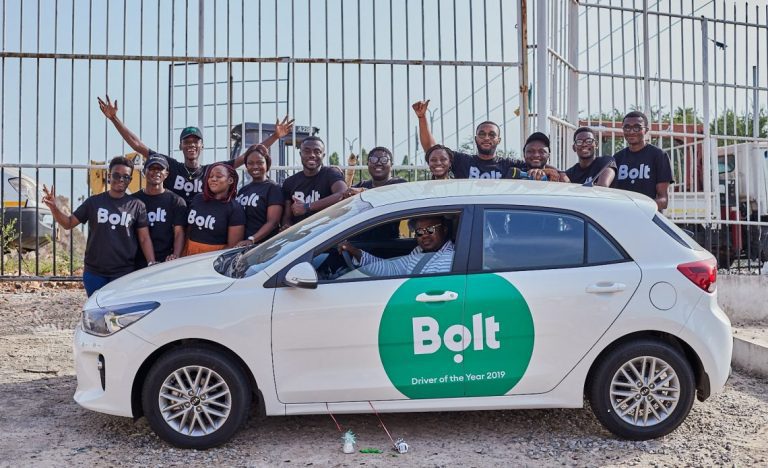
Ride-hailing cab Bolt has revealed that its top-earning driver takes home Sh400,000 per month.

Speaking during the release of the Gig Economy Report in Nairobi, Bolt’s General Manager for East Africa Dimmy Kanyankole said the average earning for Bolt drivers is Sh63,000, with bikes making an average of Sh56,000 per month.

“Top 20 percent of drivers earn Sh184,000, with our single top-earning driver earning Sh400,000 per month. The average earnings for Bolt drivers is Sh63,000. For bikes, they are making an average of Sh56,000 per month,” he said.

The company said the earnings include gross trip income, bonuses and incentives.

Bolt, a multinational travel company is one of the popular digital taxis in Kenya, offering various shared mobility services including ride-hailing, parcel delivery, scooter e-bike, and car rental, as well as food, and grocery delivery via the Bolt Food app.

The cab operates across Kenya’s major cities including Nairobi, Kisumu, and Mombasa charging a commission of about 20 percent on every trip.

With the growing demand for flexible work and digital earning opportunities, more Kenyans are increasingly turning to ride-hailing as a source of income, with over 50 percent of digital-hailing drivers relying on the platform as their main source of income.

The drivers say net earnings are determined by various factors, including fuel costs and maintenance.

Allan Macharia, a Nairobi-based driver, had earlier revealed he earns an average of Sh3,800 per day, which sometimes stretches to up to Sh150,000 per month, when the demand is high.

“My target is around Sh3,800 daily. To get that, I have to make Sh6,500 in total, with one part going to the car and the rest being my take-home,” he says.

“In a month working full days, I make more than Sh100,000. Even when you do Sh3,000 a day, that’s Sh90,000,” the driver adds, noting that he makes up to Sh150,000 during festivities.

Attributing his success to discipline, Macharia also says that observing demand helps him achieve his target.

The driver says that when he notices the day has become slow, he opts to drive to another place, maybe one or two kilometres, to find a new market

Data from Statista projects that Kenya’s ride-hailing market revenue will grow annually at 4.79 percent to hit Sh9.2 billion by 2030.

The number of users is expected to rise to 9.03 million by 2030, with penetration increasing from 13.9 percent in 2025 to 14.3 percent by the end of the decade. The average revenue per user is forecast at Sh912.

Also Read: DTB pre- tax profit jumps by 26%, increases dividend to KShs 9 per share

KTDA announces 16 job vacancies: How to apply

1

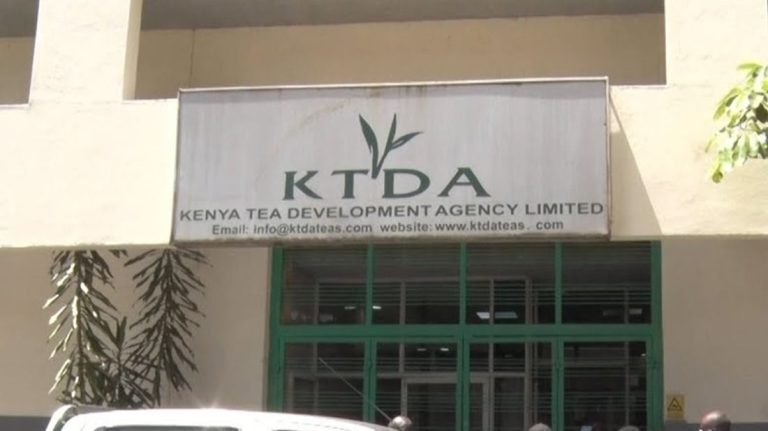
The Kenya Tea Development Agency Holdings Ltd (KTDA) has announced 16 job vacancies across various departments.

In an advertisement on its website, KTDA invited applications for Field Systems Administrators (12), Assistant Secretary (2), Forester (1), and Head of Credit Greenland Fedha PLC (1).

Interested candidates are urged to view full job details on the KTDA website and submit applications using the Online Recruitment Portal before the stipulated deadline.

“The Group in its new strategic direction anchored on the Farmers First Mantra” has embarked on an aggressive and robust transformational journey of its investment value chain. In line with the company’s strategic direction, we are seeking to engage competent, dynamic, highly qualified professionals and team players to join our dynamic team to actualize the new strategy. To this extent, we wish to fill the following vacant positions,” the advertisement reads in part.

Below are the requirements for the advertised jobs and their specific deadlines:

Field Systems Administrators – 12 Positions

Application deadline: 3rd April 2026.

Reporting to the Regional ICT Manager (Technically) and Factory Unit Manager, (Administratively), the successful candidate will be responsible for coordinating ICT services within the Factory by providing technical support for all sections.

Qualifications/Skills/Experience

  • Bachelor’s degree in Computer Science or Information Technology.
  • CCNA/CCNP/MCSE or related professional certification
  • Minimum four (4) years of experience in a similar set up.
  • Technical knowledge of hardware and network installation.
  • Must have the ability to communicate for both written and oral communication

Assistant Secretary – 2 Positions

Application deadline: 27th March 2026.

Reporting to the Assistant Secretary (Supervisory), the successful candidate will be responsible in performing Company Secretarial services within the KTDA Group in the facilitation of meetings.

Qualifications/Skills/Experience

  • Bachelor’s Degree in Social Sciences
  • Certified Public Secretary
  • Membership of ICPSK in good standing
  • Minimum of two (2) years relevant experience
  • Must demonstrate high integrity and ethical practice
  • Ability to communicate in both written and oral communication

Forester – 1 position

Reporting to the Wood Fuel and Development Manager, the successful candidate will be responsible in monitoring and evaluating KTDA/Factories’ wood fuel projects and ensuring adherence to stipulated land acquisition and development procedures.

Application deadline: 27th March 2026

Qualifications/Skills/Experience

  • Bachelors of Science in Forestry
  • Minimum of four (4) years of experience in Forestry Management
  • Must demonstrate high integrity and ethical practice
  • Ability to communicate in both oral and written communication

Head Of Credit, Greenland Fedha Plc – 1 Position

Reporting to the General Manager, Greenland Fedha, the successful candidate is responsible for providing strategic leadership and oversight of Greenland Fedha’s entire credit function.

Qualifications/Skills/Experience

  • Bachelor’s degree in Finance, Accounting or Business related field
  • Must have CPA Finalist, CCP or AKIB
  • Must be a member of a professional body
  • Masters in Finance, Accounting or Business related field
  • Minimum ten (10) years’ experience in experience in a credit function within a bank, financial institution or other service oriented organization. 4 years at a Senior Management level with a focus on credit risk.
  • Good understanding of credit processes, lending and customer care.
  • Knowledge and understanding of the Banking Act and Central Bank of Kenya (CBK) clearing procedures and prudential guidelines.
  • Must have demonstrated ability to handle departmental budgets, resources, processes, projects and relationships
  • Should have thorough knowledge of the relevant industry/sector as well as knowledge of regulatory requirements affecting the relevant sector

Also Read: Mombasa County government announces 40 job vacancies, internship opportunities

NCBA Insurance emerges as a pillar of trust in Kenya’s claims processing sector

NCBA Insurance has positioned itself at the center of a growing push to restore confidence in Kenya’s insurance sector, using claims settlement as the defining test of credibility.

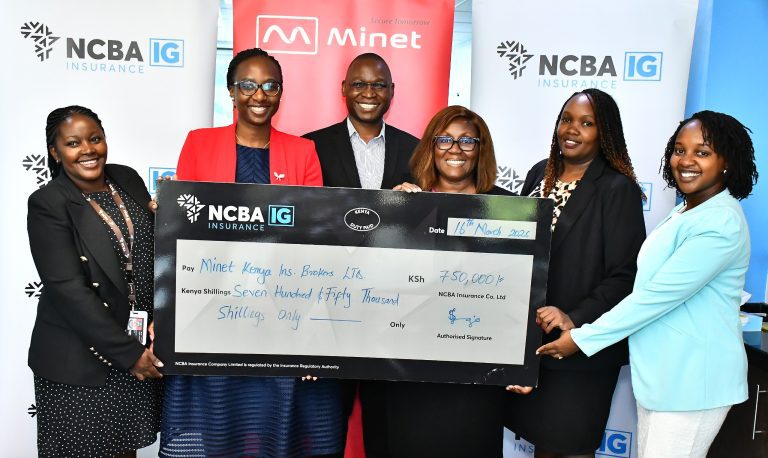
The insurer recently participated in the first-ever Claims Conference hosted by Minet Kenya, a platform focused on strengthening credibility in claims settlement as a foundation for public trust.

At the forum, NCBA Insurance underscored its commitment to transforming how insurers engage customers at their most vulnerable moment: when they file a claim.

The insurer framed its claim offerings as fast, fair, and transparent, adding that claims processing is not merely an operational goal, but a strategic pillar for rebuilding trust in the industry.

“We lead the market in fast, fair, and transparent claims settlement, delivering consistent turnaround times that give customers confidence when it matters most. Our goal is to show, through action, that insurers can honor claims while building lasting trust and fostering the ubuntu spirit,” NCBA stated.

The move follows NCBA Group’s completion of its 100 percent acquisition of Insurance Company Limited (AIG Kenya) from its parent company AIG Group, Inc., in 2024.

Speaking after the full acquisition, NCBA Group Managing Director John Gachora said AIG Kenya’s insurance capabilities will unlock opportunities to catalyse deeper insurance market penetration in Kenya and the East Africa region.

“With insurance increasingly becoming a basic financial need for the type of customers we serve, an ecosystem of NCBA’s physical and digital distribution platforms and AIG Kenya’s insurance capabilities will unlock opportunities to catalyze deeper insurance market penetration in Kenya and the East Africa region,” Gachora said.

Kenya’s insurance sector is undergoing steady expansion, driven by regulatory reforms, digital innovation, and a growing awareness among consumers about risk protection.

According to industry data, premium volumes reached Sh352.29 billion as of September 2025, as total industry volumes surpassed Sh1 trillion for the first time.

Despite the expansion, the insurance penetration rate remains low in Kenya, with a Compound Annual Growth Rate of 10 percent, way below the global average.

Regulators attribute the low penetration to a lack of adequate understanding of insurance products among consumers. Additionally, fraud and delayed claims settlement continue to erode confidence, discouraging potential customers from taking up policies.

NCBA Insurance’s customer-centric approach, grounded in transparency, fairness, and reliability, is expected to reshape perceptions of insurance in Kenya, where skepticism has historically limited uptake.

Also Read: Billions of shillings made by Kenyan Banks in 2025

DTB pre- tax profit jumps by 26%, increases dividend to KShs 9 per share

0

Diamond Trust Bank (DTB) today announced its financial results for the year ended 31 December 2025, delivering strong growth across key financial indicators.

Pre- tax profits rose by a significant 26% whilst profit after tax increased by 21% to KShs 10.7 billion. This reflected a significant 15% increase in total assets, a 14% rise in top-line revenues and strict cost discipline across the franchise, which restrained growth in operating expenses to 7% during the year. Customer deposits surpassed the half a trillion threshold, rising by 14% during the year, to close at KShs 509 billion. Net loans also grew by 14%, closing the year at KShs 324billion.

This was driven by a sustained expansion in the customer base, which, across East Africa, grew to 4.5 million at the end of 2025, from 3.1 million a year earlier, on the back of a 157-strong and growing branch footprint and by leveraging ecosystem banking to grow the mid-markets, SME and retail segments.

The Bank’s non-performing loan (NPL) ratio declined to 10.8% from 12.3% in the prior year, reflecting an improving credit environment. The Group’s specific coverage ratio also improved to 51.1% from 39.6%. DTB remains focused on further improving this with a target to achieve a single-digit NPL ratio by the end of 2026. Shareholders’ equity crossed the 100 billion mark, underscoring the Bank’s strong capital base and long-term financial resilience.

USSD codes for banks and Micro Finance Institutions (MFIs) in Kenya

In recognition of the Bank’s strong performance, the Board of Directors has recommended an increased dividend of KShs 9 per share, reaffirming its commitment to delivering sustainable value to shareholders.

Commenting on the results, Group Chief Executive Officer Nasim Devji said, “These results reflect the strength of our strategy and the resilience of our business model. We have delivered quality growth while maintaining strong discipline and enhancing operational efficiency. Our continued investment in digital capabilities is enabling us to serve our customers better and expand access to financial services across our markets. At the same time, we remain committed to building a bank that creates long-term value for all our stakeholders.”

DTB Kenya’s CEO, Murali Natarajan, added, “Our performance is not only measured by financial returns, but also by the impact we create. Through our initiatives, we are supporting communities, advancing financial inclusion, and contributing to climate action. This balance between performance and purpose is central to how we operate and how we will continue to grow.”

This performance is anchored in DTB’s commitment to profit with purpose, ensuring that
Financial success translates into meaningful social and environmental impact. As at the end of 2025, the Bank grew over one million trees under its Much More Than Trees initiative, contributing to climate action and ecosystem restoration, reached more than 30,000 girls through its Achieve More Girl programme supporting menstrual health and education, and trained over 10,000 individuals and MSMEs in financial literacy and enterprise development, strengthening livelihoods and economic resilience.

Looking ahead, DTB will continue to focus on its business growth, digital innovation, and supporting customers across segments and sectors, while advancing its sustainability agenda.

Why Casino Loyalty Programs Work Better Than Discounts in Gambling Businesses

0

In many businesses, discounts are a quick way to get attention. But casinos are different. They are not just selling something simple. They are selling an experience. That is why loyalty programs often work better than basic discounts.

Discounts Create Short-Term Action

Discounts are simple. They speak fast. People get it right away. If something is cheaper, it is easier to say yes. In retail, that can work very well. But in gambling, the effect works differently. This happens because discounts usually attract the deal itself, not the brand. The customer usually comes for the offer. Once another platform gives a better deal, the same customer may leave. That makes discounts easy to copy but hard to build on, even if you’re simply betting on a volleyball game in Kenya.

Loyalty Programs Build a Habit

Loyalty programs work in a different way. They do not focus only on today’s transaction. They shape future behavior. The player keeps getting rewards for coming back. That makes it feel long-term, not one-time.

That feeling is powerful. People like progress. They like to see that their activity leads somewhere. Even small rewards can matter if they arrive in a system that feels active and personal. A loyalty program turns separate visits into a longer journey. That is one reason it often holds attention better than a one-time discount.

Small Wins Can Build Better Experiences

A ten per cent discount may look generous, but a complimentary meal, a room upgrade, bonus points, or a small cashback amount feels more personal. This shapes how players experience their time. Ongoing rewards create a sense of continuity. Small, frequent benefits support longer, more enjoyable sessions, without the pressure of high stakes. Thoughtful timing also plays a role. A reward that arrives during or after play feels like appreciation for time spent, not just an upfront offer.

Tiers Encourage Retention

The more a player reaches a higher tier, the more they are inclined to choose to continue their journey. This allows for more opportunities to build on their progress. The experience feels continuous and rewarding. A tier system creates an ongoing relationship. It reflects a player’s history, recognizes their current status, and offers a clear path forward.

How to Combine Markets for Better Odds

Sometimes, players return to the game not only because something has changed in the game itself. In fact, they do it because the experience remains active and a welcoming environment. From a business perspective, this creates lasting connections, where players feel valued and appreciated, not just incentivized.

Cashback Feels Safer Than a Discount

Cashback is one of the reasons loyalty systems feel rewarding. It adds value to the overall experience without changing the initial cost. In gaming, timing plays an important role in how that value is perceived.

A discount lowers the cost before play begins. Cashback, on the other hand, returns a portion after the experience. This creates a smoother flow, where players can enjoy their session with more ease at the start and feel appreciated afterwards. In a casino setting, this balance supports longer, more relaxed sessions and encourages steady, low-stake play as a form of sustainable entertainment. Instead of focusing on the outcome of each individual round, the experience becomes about extended enjoyment.

Reward Design Changes How Customers See the Brand

This is an important point. Discounts can encourage players to focus on price alone, but loyalty programs expand that view. They highlight a broader experience built around comfort, recognition, and added value. This can include points, status, convenience, attentive service, and thoughtful perks. Players begin to appreciate the full experience, not just the cost.

Smaller, more frequent bets support this experience. They allow for longer, more relaxed sessions with steady engagement. It turns gameplay into sustainable entertainment. Strong reward design, in this sense, creates value that goes beyond money and builds a sense of connection and care.

Discounts Can Hurt Perception

There is another challenge with relying too heavily on discounts. They can shift how players perceive the overall experience. When offers appear too frequently, guests may begin to focus only on promotions instead of enjoying everything the platform provides. Over time, this can reduce appreciation for the full experience.

This is why loyalty programs have an important role. They are able to recognize and reward continued engagement in a personalized way. This allows players to feel a personal connection and appreciation. Instead of reducing value, they enhance the overall experience.

Why Loyalty Programs Work

Loyalty programs offer clear value and a better overall experience. Players enjoy benefits like points, cashback, and perks. They also feel progress, recognition, and a sense of status. Together, this feels more rewarding than a simple discount.

Casino play is more than numbers. Atmosphere, routine, and small details all matter. A loyalty program adds consistency and flow. Each session feels like part of something bigger, where players are appreciated and welcomed.

Smaller, frequent bets support this experience. They allow longer, more relaxed play and steady entertainment. Players can enjoy the game at their own pace, without the pressure of high stakes.

Billions of shillings made by Kenyan Banks in 2025

As more companies across various sectors release their performance for the 2025 financial year, the banking sector delivered a mixed but largely resilient picture marked by strong profit growth among tier-one lenders.

Lenders, including Equity Group Holdings, KCB Group, and Co-operative Bank of Kenya, reported solid earnings growth driven by higher interest income and improved operational efficiencies.

However, institutions such as the Standard Chartered Bank and Stanbic posted a decline and flat performance, respectively, amid a challenging business environment.

This article shows how various banks performed in 2025 based on their financial results.

Equity Group

Equity Group Holdings reported a record 55 percent increase in Profit After Tax (PAT) for the 2025 financial year, reaching Sh75.5 billion, up from Sh48.8 billion in 2024.

The performance was driven by a 28 percent increase in net interest income and a 37 percent reduction in interest expense.

KCB Group

The Kenya Commercial Bank (KCB) Group reported an 11 percent rise in full-year 2025 pre-tax profit, driven by growth in interest income.

The lender said pre-tax profit climbed to Sh90.9 billion up from Sh82 billion the previous year.

The biggest bank in East and Central Africa by assets, closed FY2025 with profit after tax of Sh68.35 Billion, up 10.6 percent from Sh61.77 Billion and the highest in the bank’s history.

Co-op Bank

The Co-operative Bank of Kenya (Co-op Bank) reported a strong Profit Before Tax of Sh40.3 billion for the year ended 31 December 2025, compared to Sh34.8 billion recorded in the previous year, an impressive 15.8 percent growth.

Profit After Tax grew by 16.9 percent to Sh29.75 billion from Sh25.46 billion in 2024.

Absa Bank

Absa Bank Kenya PLC reported a 10 percent increase in profit after tax to Sh22.9 billion for the year ended 31 December 2025. The growth was driven by strong revenue expansion, disciplined risk management, and operational efficiency.

Standard Chartered Bank         

Standard Chartered Bank Kenya reported an after-tax profit of Sh12.4 billion in FY2025, representing a 38 percent decline from Sh20.1 billion recorded in 2024

The drop was driven by weaker income, higher operating expenses, and a one-off cost of Sh2.6 billion related to the pension arrears case.

Stanbic bank

Stanbic Holdings PLC, the parent company of Stanbic Bank Kenya, has posted a profit after tax of Sh13.72 billion for the year ended 31 December 2025, virtually unchanged from Sh13.72 billion in 2024.

National Bank of Kenya

National Bank of Kenya (NBK), a wholly owned subsidiary of Access Bank PLC, reported a Profit after tax growth of 125 percent to Sh2.39 billion, up from Shs1.06 billion in 2024.

The performance was helped by improved asset quality following its integration into the Access Group.

Bank 2024 Profit (Sh Billion) 2025 Profit (Sh Billion) Growth (%)
Equity Group 48.8 75.5 +55%
KCB Group 61.77 68.35 +10.6%
Co-operative Bank 25.46 29.75 +16.9%
Absa Bank Kenya 20.8 22.9 +10%
Standard Chartered Bank Kenya 20.1 12.4 -38%
Stanbic Bank Kenya 13.72 13.72 0%

Also Read: National Bank of Kenya (NBK), now owned by Access Bank PLC, reported strong financial growth in 2025