Home Blog Page 89

National Bank of Kenya (NBK), now owned by Access Bank PLC, reported strong financial growth in 2025

0

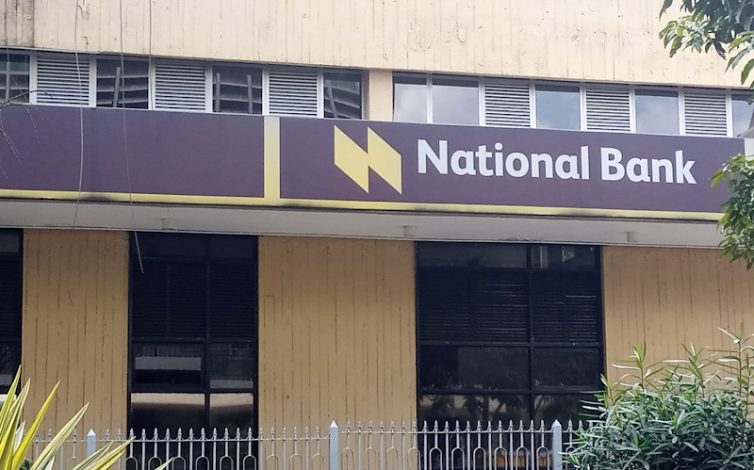
National Bank of Kenya (NBK), a wholly owned subsidiary of Access Bank PLC, has reported a strong financial performance for the year ended 31 December 2025, posting significant growth in profitability, strengthened capital position, and improved asset quality following its integration into the Access Group.

Profit before Tax rose sharply to Shs2.91 billion, up from Shs1.05 billion in 2024, representing a 178% increase, while Profit after tax grew to Shs2.39 billion, up from Shs1.06 billion in 2024, representing a 125% increase.

“The Bank’s performance reflects disciplined execution of our turnaround priorities and a sustained focus on strengthening the balance sheet, improving asset quality and enhancing operational efficiency. We are confident that this momentum will continue as we scale the business. While we have made strong progress in stabilizing the business, we are now focused on accelerating growth and unlocking the full potential of the bank in the years ahead,” said George Odhiambo, Managing Director of the National Bank of Kenya.

The results mark the Bank’s first full reporting period following the completion of the acquisition by Access Bank PLC in May 2025, a development that accelerated the Bank’s transformation agenda and reinforced its long-term growth prospects.

Financial Performance

NBK delivered strong improvements across key financial indicators during the period under review.

Net Interest Income grew to Shs10.3 billion and a 33% reduction in interest expenses, while operating expenses declined to Shs8.49 billion from Shs9.18 billion in 2024.

Asset quality improved significantly, with allowances for expected credit losses declining to Shs1.5 billion, down from Shs2.4 billion the previous year, representing a 37% improvement.

“This year’s performance demonstrates the Bank’s strengthened foundation and its readiness to create long-term value. We remain committed to enhancing customer experiences, delivering innovative solutions and supporting sustainable economic development across Kenya. With these achievements, we are well-positioned to pursue strategic initiatives that will shape the Bank’s future and reinforce its role as a trusted partner to businesses and communities alike,” he added.

Balance Sheet Strengthening

NBK continues to strengthen its balance sheet as part of its strategic repositioning.

Customer Deposits increased to Shs106 billion, up from Shs98 billion in 2024.

In addition, total Assets closed the year at Shs141.3 billion, compared to Shs148.3 billion in 2024, while the Bank’s total equity rose to Shs17.0 billion, compared to Shs13.4 billion in the previous year.

Meanwhile, Net Loans and Advances stood at Shs51billion, down from Shs75billion, largely due to acquisition-related asset transfers and the Bank’s deliberate shift towards a more risk‑adjusted lending strategy.

National Bank: CBK, Treasury give green light for acquisition by Nigerian bank

As a result of improved financial performance and lower risk-weighted assets, the Bank’s capital ratios strengthened significantly, bringing NBK into full compliance with all regulatory capital requirements.

Business Transformation

The year marked a major milestone for NBK following the successful acquisition by Access Bank PLC on 30 May 2025, resulting in the lender becoming a wholly owned subsidiary of the pan-African Banking Group.

Selected assets and liabilities were transferred under the Share Purchase Agreement, enabling the Bank to adopt a leaner balance sheet and a stronger profile.

NBK also transitioned to enhanced risk management, credit underwriting, and operational frameworks, contributing directly to improved asset quality, better funding structure, and greater operational efficiency.

The improved financial performance reflects the success of NBK’s turnaround strategy, driven by disciplined execution, improved asset quality, and renewed customer confidence.

Strategic Launch: W Initiative

In recognition of the pivotal role women play in driving Kenya’s socio‑economic advancement, NBK rolled out the W Initiative in 2025, a transformative program designed to empower women entrepreneurs and professionals. The Initiative provides comprehensive support through tailored financial solutions, business advisory services, capacity‑building programs, and access to strategic networks. By equipping women with the tools, knowledge, and capital they need, the W Initiative aims to accelerate the growth of women‑led enterprises and promote long‑term, sustainable economic development across the country.

Outlook for 2026

Looking ahead, NBK expects a positive momentum to continue in 2026 as it deepens its transformation strategy and strengthens its market positioning. The Bank will focus on building a high-quality and diversified loan portfolio, strengthening credit underwriting and recovery frameworks, sustaining deposit growth and customer acquisition, accelerating digital innovation and service delivery, driving operational efficiency and leveraging integration synergies with Access Bank PLC.

With a stronger balance sheet, improved asset quality and the backing of Access Bank, NBK is well positioned to deliver sustainable growth while supporting businesses, households and economic development in Kenya.

About National Bank of Kenya Ltd.

National Bank of Kenya is a subsidiary of Access Bank Plc and a fully-fledged Commercial Bank established to provide Kenyans access to finance. The Bank has a growing network of 77 branches & 4 agencies across the country, ATMs, Agent Banking and electronic channels of Mobile and Internet Banking. National Bank offers Corporate Banking, Business Banking, Retail Banking, and Islamic Banking, with an extensive portfolio of products and financial solutions tailored to the requirements of a broad spectrum of customer segments. For more information about National Bank, please visit www.nationalbank.co.ke.

 

Dividends paid by top Kenyan banks in 2025

Kenya’s banking sector has once again demonstrated resilience and strong profitability, rewarding shareholders with generous dividend payouts for the 2025 financial year.

While some institutions trimmed payouts in response to declining profits, others posted record dividends, underscoring the uneven but largely positive performance across the industry.

Notably, Standard Chartered Bank Kenya retained its position as the top dividend payer per share despite a 38 percent drop in full-year profit.

Meanwhile, KCB Group Plc stood out for delivering strong shareholder value, with a total payout of Sh22.5 billion.

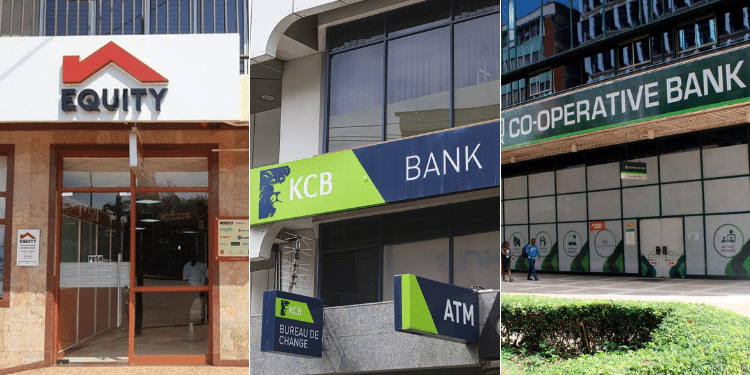
Below is a table showing dividends paid by some of Kenya’s tier one banks.

Rank Bank Dividend Per Share (KSh) Total Payout (KSh)
1 Standard Chartered Bank Kenya 23.00 11.7 billion
2 Stanbic Holdings Plc 22.35
3 KCB Group Plc 7.00 22.5 billion
4 Equity Group Holdings Plc 5.75 21.7 billion
5 Co-operative Bank of Kenya 2.50 14.7 billion
6 Absa Bank Kenya Plc 2.05 11.1 billion

Also Read: Co-op Bank full year 2025 net profit rises to Sh30bn; to pay Sh1.50 final dividend

Flooded by Habit: Nairobi’s waste problem is a people problem too

0

When Nairobi floods, the default reaction is almost scripted: blame the rain, blame City Hall, blame “poor planning.” All fair points. But also conveniently incomplete. The city is not just overwhelmed by water. It is overwhelmed by behaviour.

Start with the numbers. Nairobi generates over 2,400 tonnes of solid waste every day, yet less than half is properly collected. The rest ends up where it should never be, clogging drainage channels, filling rivers, and quietly setting the stage for the next flood. When heavy rains arrive, blocked systems do exactly what physics demands. They fail.

Yes, rainfall intensity has increased. Yes, drainage infrastructure is outdated and often poorly maintained. But walk alongside county workers clearing blocked waterways, and the truth becomes uncomfortably obvious. The problem is not hidden underground. It is sitting right there in plain sight.

Supermarket shopping bags, Coffee cups, water bottles, maize combs, banana peels, etc.

The Kenyan mirror: why corruption isn’t just a leadership problem

Our waste is carefully delivered into systems that were never meant to carry it.

When county tractors open drainage lines, they are not solving complex engineering failures. They are digging out daily habits, compressed into a public crisis.

There is also a strange contradiction at play. The county government has installed litter bins across estates and along major streets. In theory, that is a functioning waste disposal system. In reality, it is common to find those bins half-empty while a fresh pile of garbage forms just a few meters away, as if convenience has been redefined to mean “drop it wherever you feel like.”

Take a walk through the CBD. You will find well-marked bins, neatly lined with black polythene bags, ready for use. Yet, people still drop bottles and cups exactly where they finish using them, even when a bin is within reach. Apparently, the extra five steps are where civic responsibility goes to die.

Former Nairobi Governor Mike Sonko once pointed out that Nairobians are remarkably consistent when it comes to littering. Not the kind of reputation anyone should be proud of, but accurate nonetheless.

And the issue extends beyond littering; full-grown adults urinating on walls is still a common sight, largely because the penalties are weak and enforcement even weaker. When consequences are soft, behaviour hardens.

In 1970, Japan’s Waste Management and Public Cleansing Law criminalised littering, backed by consistent enforcement. In Dubai, littering fines start at around AED 500, roughly KSh 17,000; in Rwanda, penalties can escalate to fines or even imprisonment.

And here’s the part people like to romanticise: when you see Japanese citizens carrying small sling bags to hold their litter, it is not just culture or discipline magically appearing; it is the outcome of strict laws, consistent enforcement, and years of conditioning. Over time, it becomes so ingrained in society that it looks like a natural habit, almost a custom. It isn’t accidental. It is engineered behaviour.

Crisis Profits – How global conflict is quietly turning Africa into a trade powerhouse

Humans respond to incentives and consequences. Remove the consequences, and rules become optional. In Nairobi, the cost of littering is so low that the behaviour thrives. Add weak enforcement and the occasional workaround through bribery, and the system practically rewards indiscipline.

Children grow up watching this. What they see becomes normal, and what becomes normal becomes difficult to undo.

None of this absolves authorities. Nairobi needs better drainage systems, stronger waste management, and serious urban planning. But there is a baseline responsibility that cannot be outsourced.

Before pointing fingers at blocked sewers and slow government response, there is a simpler question to confront: how do we manage our own waste?

Flooding is not just about rain; it is about flow, and when that flow is obstructed by what we casually throw away, the outcome is inevitable.

Nairobi does not just need better infrastructure. It needs better behaviour, reinforced by real consequences. Until then, the city will keep relearning the same lesson every rainy season, just with deeper water and higher frustration.

About the author

Mulumi Mwangi is a seasoned businessman with more than five decades of life experience, bringing a rare depth of perspective to both enterprise and writing. Trained as an electrical engineer, he has founded, built, and managed ventures across diverse sectors, including advertising, marketing, agribusiness, real estate, and fintech.

His writing is firmly grounded in lived experience. It draws from family life as a father, husband, brother, and uncle; from public life through his service as a national political party official; and from the hard lessons of business, both failure and success. These experiences, combined with everyday social interactions, have shaped a reflective and pragmatic worldview.

Mulumi’s work is offered as a personal perspective rather than a prescription. His views are candid, experience-driven, and open to debate—acknowledging that insight is often refined through dialogue, reflection, and the humility to accept that one may be right or wrong.

Crisis Profits – How global conflict is quietly turning Africa into a trade powerhouse

0

When global superpowers clash, Africa is usually cast as a bystander, occasionally a victim. This time, the script has flipped. As conflict in the Middle East disrupts global trade routes, parts of Africa are stepping into an unexpected role, not just surviving the shock, but benefiting from it.

The numbers tell the story.

Shipping through traditional routes has collapsed. Traffic through the Suez Canal, one of the world’s most critical trade arteries, has dropped sharply, with some estimates showing declines of up to 90% as vessels avoid the Red Sea due to security risks. At the same time, the Strait of Hormuz, which carries about 20% of the world’s oil, has seen vessel traffic fall by as much as 80%, disrupting energy and cargo flows globally.

When these arteries clog, the global economy doesn’t pause. It reroutes.

And increasingly, it reroutes through Africa.

Ships that once passed through the Suez Canal are now sailing around the Cape of Good Hope, adding roughly 3,700 miles and up to 10–14 days to journeys between Asia and Europe. That delay comes at a cost. Freight rates have surged, in some cases rising several-fold, as shipping companies factor in longer distances, fuel costs, and war-risk insurance.

This disruption has created an opportunity.

In Lamu Port, vessel traffic is surging as shipping lines divert away from high-risk Middle Eastern routes. What was once seen as an underutilized project is quickly becoming a strategic asset. Nearby, the Port of Mombasa is also experiencing pressure and increased relevance as cargo flows shift.

Across the continent, similar patterns are emerging. Ports in Southern Africa are handling rerouted traffic, while refuelling hubs like Walvis Bay are seeing increased demand as ships take longer routes around the continent.

A rush for natural resources: The modern global contest for real value

In the air, the shift is just as dramatic. With Middle Eastern airspace increasingly volatile, African hubs are stepping in. Cities like Nairobi and Addis Ababa are becoming critical transit points for high-value goods, cutting down reliance on disrupted sea routes.

Meanwhile, oil-producing nations such as Nigeria are benefiting from rising crude prices, which have surged to around $120 per barrel in recent months, significantly above budget expectations. This has translated into stronger revenues and short-term fiscal relief.

But the gains are not evenly distributed.

The same crisis boosting logistics and energy revenues is also driving up costs. Fertilizer, fuel, and food imports have become more expensive, placing pressure on households and governments across Africa. Supply chains remain fragile, and delays in imports are already pushing up the cost of living in several countries.

So while Africa is gaining relevance, it is also absorbing risk.

Still, there is a strategic lesson here. For years, African infrastructure projects were dismissed as overambitious or underutilized. Now, under global pressure, they are proving their value. Ports, corridors, and logistics hubs that once sat idle are becoming critical alternatives in a disrupted world.

It is a reminder that geography matters, but timing matters more.

Africa did not plan for this crisis. But it is adapting to it fast. And in doing so, it is quietly repositioning itself from the sidelines of global trade to somewhere much closer to the center.

Not bad for a continent often underestimated, until the world suddenly needs a backup plan.

Small estate malls are redefining Kenya’s retail landscape

About the Author

Mulumi Mwangi is a seasoned businessman with more than five decades of life experience, bringing a rare depth of perspective to both enterprise and writing. Trained as an electrical engineer, he has founded, built, and managed ventures across diverse sectors, including advertising, marketing, agribusiness, real estate, and fintech.

His writing is firmly grounded in lived experience. It draws from family life as a father, husband, brother, and uncle; from public life through his service as a political party official; and from the hard lessons of business, both failure and success. These experiences, combined with everyday social interactions, have shaped a reflective and pragmatic worldview.

Mulumi’s work is offered as a personal perspective rather than a prescription. His views are candid, experience-driven, and open to debate—acknowledging that insight is often refined through dialogue, reflection, and the humility to accept that one may be right or wrong.

Contact: [email protected]

Safaricom, Sprite empower youth with digital Sskills at University of Eldoret Masterclass

0
Safaricom (NSE: SCOM) through its youth platform Safaricom Hook, in partnership with Coca-Cola Company’s brand Sprite, yesterday toured University of Eldoret for Hook’d on Fresh Masterclass Series. The session witnessed more than 300 youth from the institution and its environs trained on content creation and monetization, and digital savvy, key skills and tools needed by the young people to succeed in the digital economy.
The training featured industry mentors including musician Collo Blue and dance creator Tileh Pacbro who shared practical insights with the young creators.
“I am happy that Safaricom and Sprite have brought this masterclass to our University today. I have learned that in addition to entertainment, platforms, like Safaricom Hook are also useful in studies and research, because of the affordable Internet bundles,” said Norman Kipkurgat, a second-year student at University of Eldoret.
The Eldoret tour follows JKUAT’s visit last week, which also marked the first Hook’d on Fresh Masterclass event organized by the two big brands to empower young Kenyans with digital skills and tools needed in the digital economy.
“The Hook’d on Fresh campaign is a digital influencer hosted creator program designed to equip Kenyan creators with the skills, tools and inspiration they need to thrive in the digital content economy. Today, we’ve also have been speaking to the youth about the importance of adopting a saving culture early, educating them on the diverse opportunities in tech and digital space,” said Fawzia Ali, Chief Consumer Business Officer, Safaricom.
Designed as a digital influencer-led experience, the Hook’d on Fresh Masterclass Series will be touring Universities across the country, empowering students not only with digital skills, but also providing them with tools and products like Ziidi Invest and Save, designed to support their everyday hustle.
Alongside the Masterclasses, Safaricom and Sprite have rolled out the Hook’d on Fresh User Generated Content (UGC) challenge, a nationwide digital competition inviting Kenyan youth to showcase their creativity through short-form video content. Participants are encouraged to share their “fresh” take across moments in music, sports, fashion and comedy on TikTok and Instagram using hashtag #Hook’donfresh and #SafaricomHook, while tagging both Sprite Kenya and Safaricom Hook page and stand a chance to win cash prizes.
The challenge features tiered reward system, with 403 digital creators set to win across nine levels. Cash prizes range from Shs3,000 to Shs 20,000 alongside other prizes like smartphones and data bundles. Winners will be selected monthly. The Hook’d on Fresh Masterclass Series is a program that goes beyond content creation by combining skills development with financial literacy, positioning young people to better navigate opportunities in the digital economy.

Britam Group board chairman Kuria Muchiru dies after short illness

0

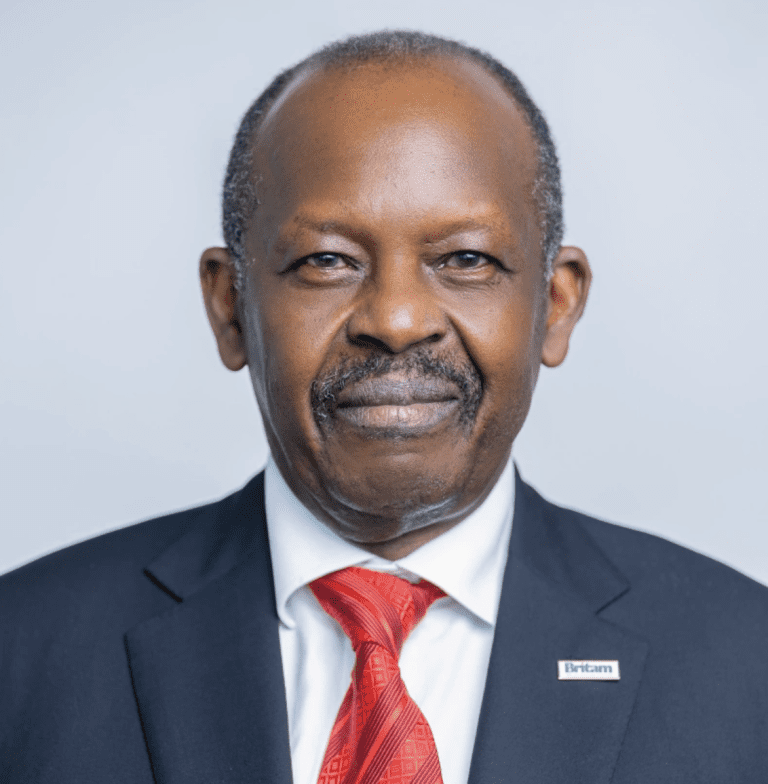
Britam Holdings PLC has announced the death of its Chairman, Kuria Muchiru, who passed away on March 19, 2026, following a short illness.

In a statement, the company described his passing as a significant loss to the organisation and the wider corporate community, noting his critical role in steering the firm through a period of transformation and growth.

His death has triggered an outpouring of tributes from business leaders, policymakers, and colleagues, many of whom described him as a steady and visionary leader.

A steady hand in Kenya’s corporate landscape

Kuria Muchiru served as Chairman of Britam Holdings PLC from December 2021, having joined the board earlier that year as a non-executive director.

During his tenure, he is credited with strengthening corporate governance, restoring stakeholder confidence, and positioning the financial services group for sustainable regional growth.

KRA drops taxpayers from the infamous ‘Special Table’

Britam operates across multiple African markets, offering insurance, asset management, and investment solutions. Under his leadership, the company consolidated its strategy and reinforced its institutional credibility during a critical phase.

Previously, he served as the chairman of the Kenya Wine Agencies Limited (KWAL).

Colleagues consistently described him as a leader who combined analytical depth with calm execution—an increasingly rare combination in high-pressure corporate environments.

Distinguished career spanning over three decades

Muchiru started his career at PricewaterhouseCoopers (PwC) as an  advisor for both private sector institutions and government entities.

He held a Bachelor of Science degree in Mathematics and Statistics from the University of Nairobi and was a Certified Public Accountant (CPA-K).

After his tenure at PwC, he transitioned into boardroom leadership, serving in multiple non-executive roles across sectors, including finance, investment, and manufacturing.

He distinguished himself as one of Kenya’s most respected boardroom figures, particularly in governance, risk oversight, and strategic advisory.

Tributes highlight integrity and leadership

Leaders across sectors have eulogised Muchiru as a man of integrity, discipline, and quiet influence.

Britam described him as a leader who provided “steady, visionary leadership,” while colleagues highlighted his ability to simplify complex issues and guide organisations through uncertainty.

Government officials and industry peers also praised his contribution to shaping Kenya’s corporate governance culture and mentoring the next generation of executives.

End of an era for Britam and corporate Kenya

Muchiru’s death marks the end of a leadership era defined less by visibility and more by substance. His approach—measured, analytical, and principle-driven—helped stabilise institutions in periods of transition.

For Britam, his absence creates a governance gap at a time when financial services firms across Africa are navigating regulatory pressure, digital disruption, and capital constraints.

For Kenya’s broader corporate ecosystem, it is a reminder of the importance of experienced board leadership in sustaining institutional resilience.

Strategic reflection

Kuria Muchiru’s career underscores a critical lesson for founders, executives, and policymakers: institutions are not built on charisma alone, but on governance discipline, clarity of thought, and long-term stewardship.

In African markets—where volatility is structural—leaders who combine technical competence with ethical grounding create enduring value.

His legacy is not just in the companies he served, but in the standards he reinforced: measured decision-making, accountability at the top, and leadership that prioritises continuity over noise.

Pepsodent targets 500,000 pupils in school oral health drive

0

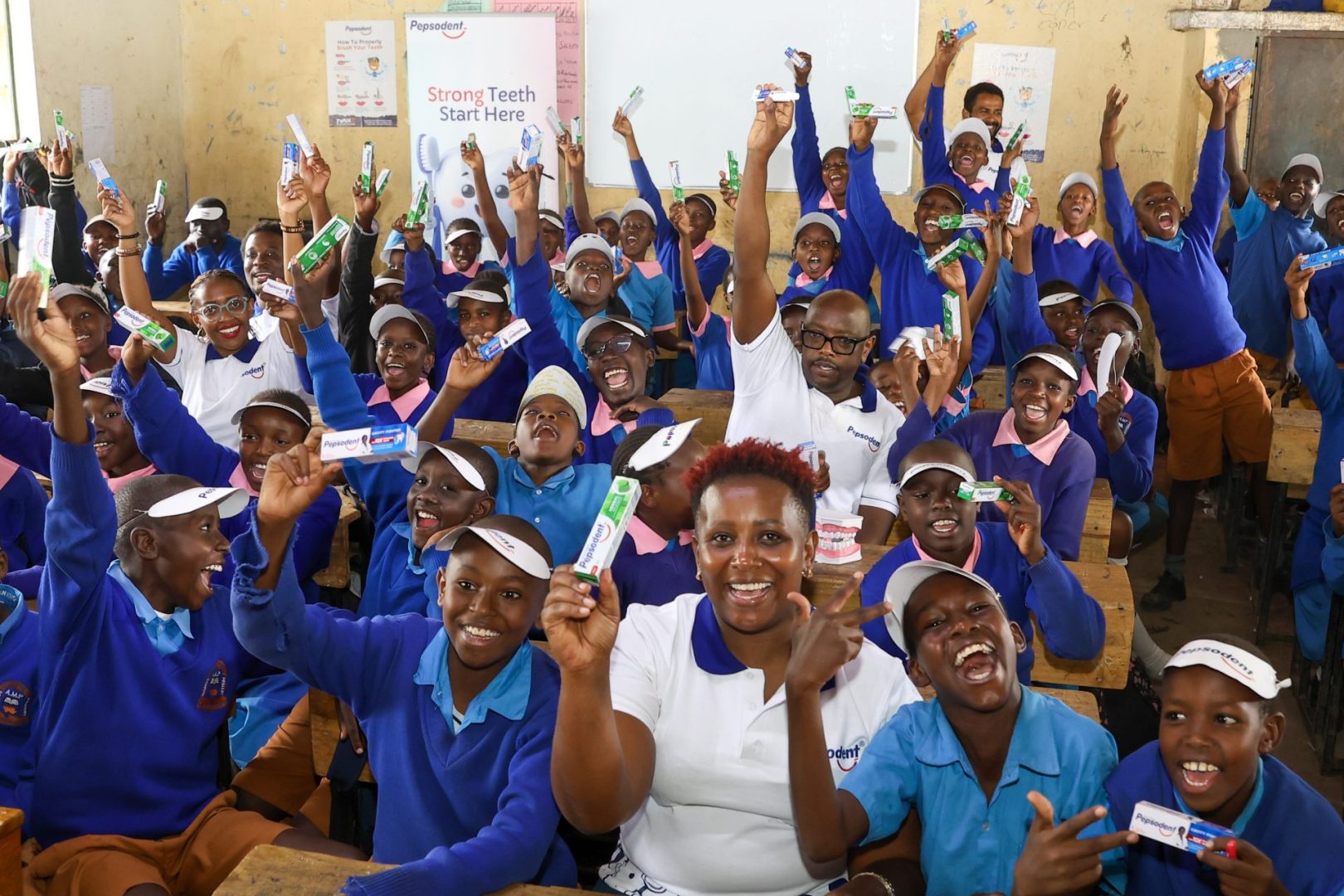
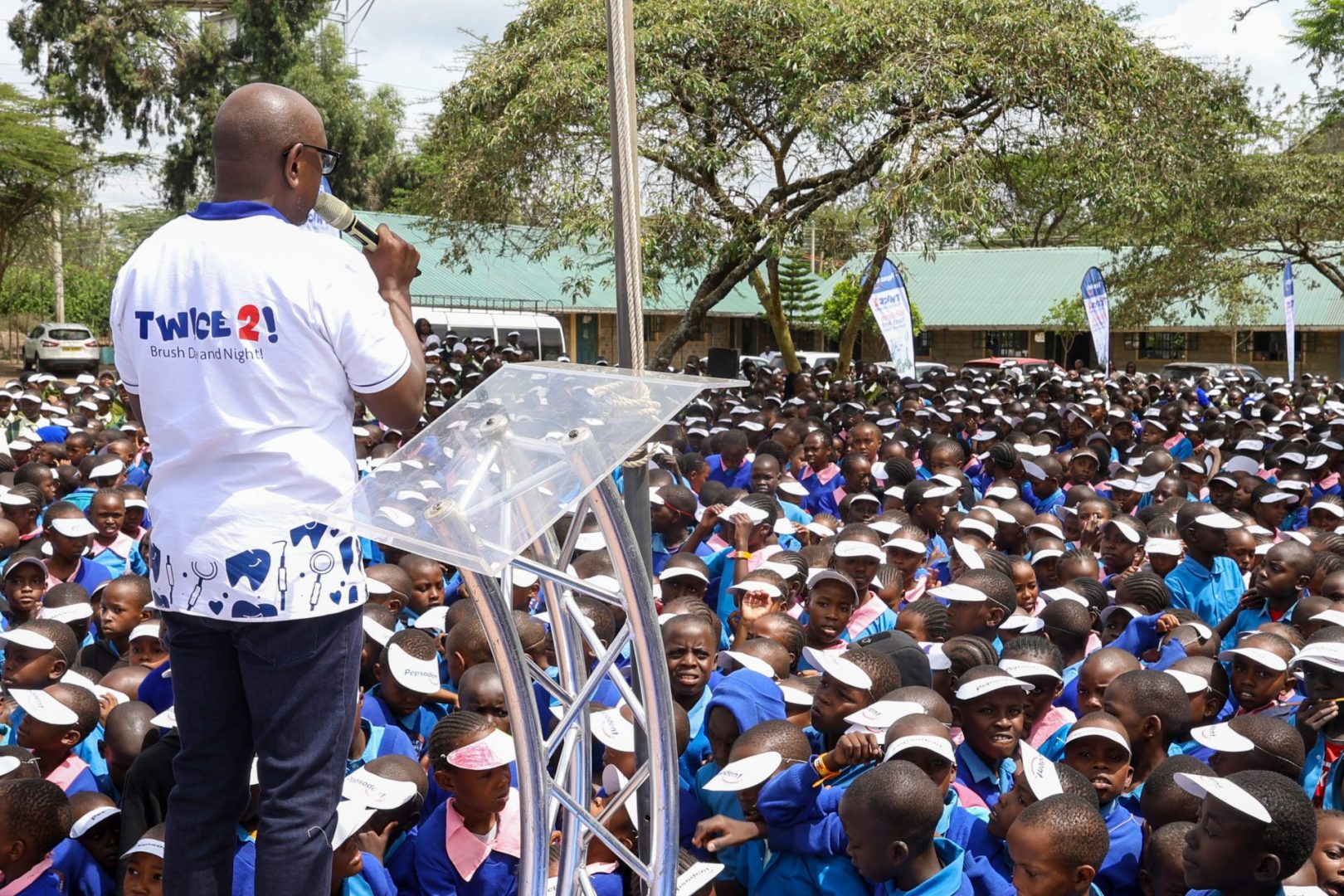
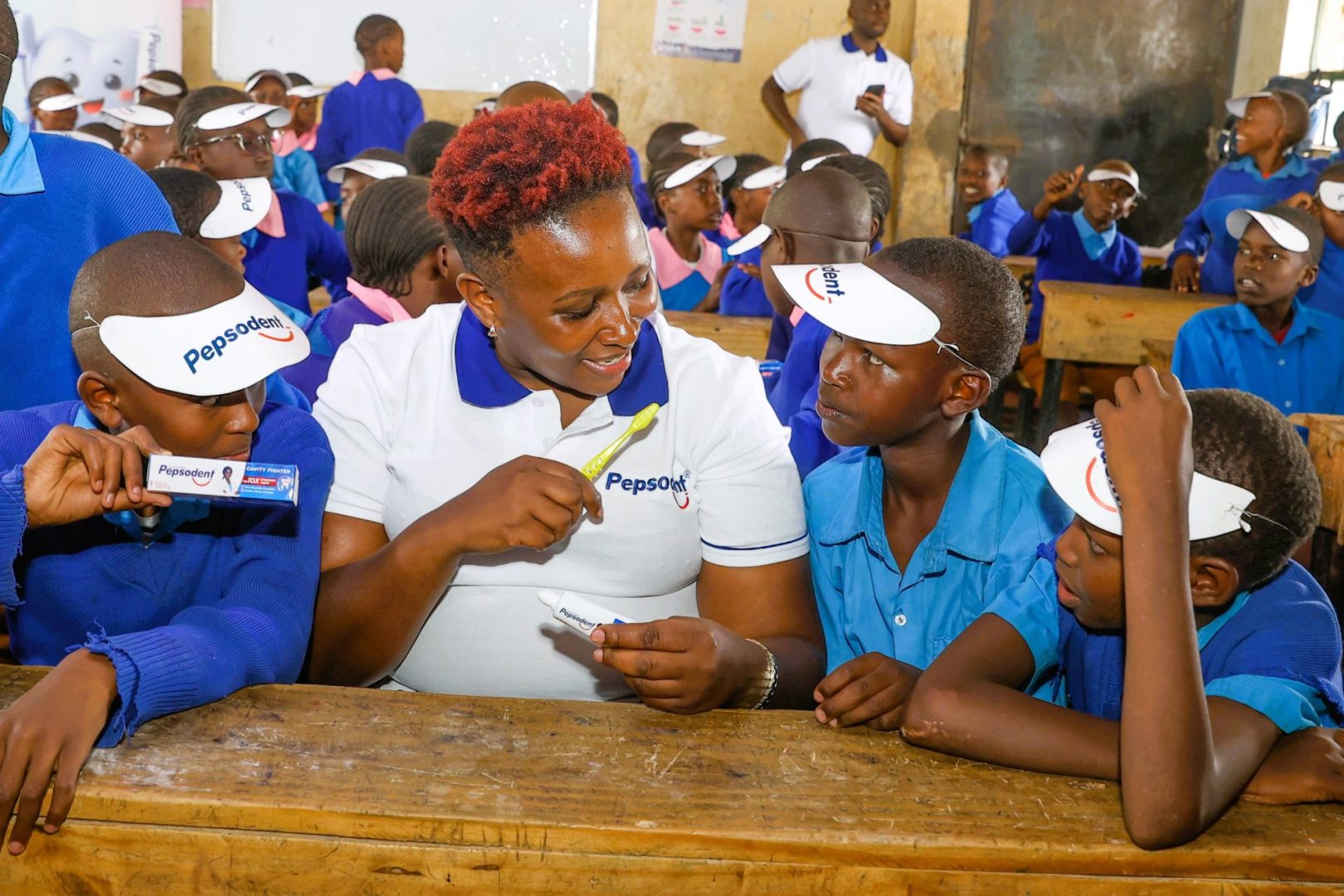
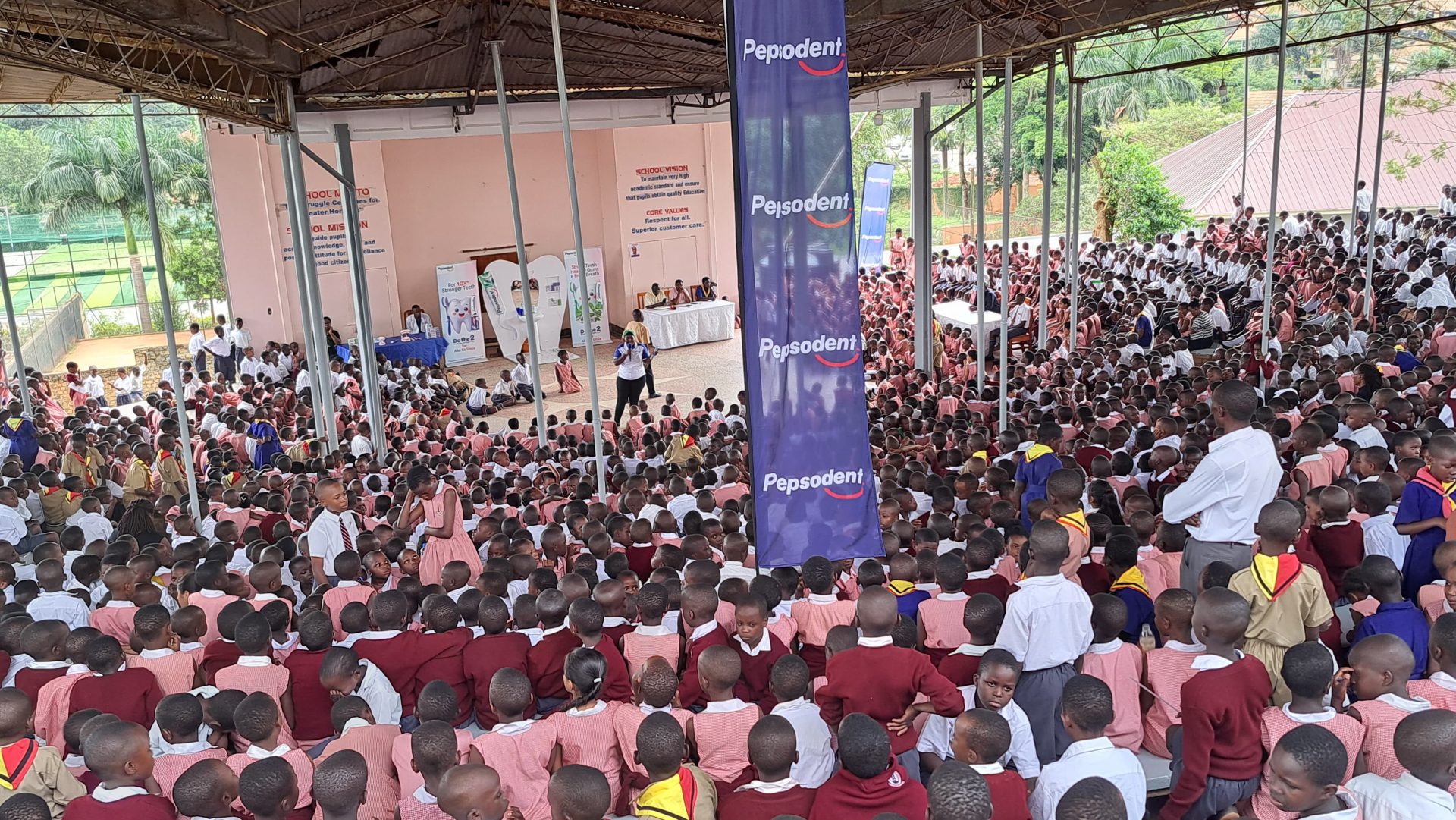
Unilever’s personal care brand, Pepsodent, has today launched a nationwide school oral health campaign targeting 500,000 pupils across 500 primary schools by the end of the year, in a push to address Kenya’s high burden of preventable dental diseases.

The programme, unveiled at Arap Moi Primary School in Kiserian, will be rolled out across urban, peri-urban, and rural regions. It is designed to drive behaviour change among school-going children through structured oral hygiene education and practical learning sessions.

As part of the rollout, Pepsodent teams have already engaged pupils in several institutions, including Olympic Primary School in Kawangware, Mwiki School in Kasarani, Ruiru Comprehensive School, Mukuru Community School, and Arap Moi Primary School in Kiserian.

Focus on behaviour change with the “Twice 2” campaign

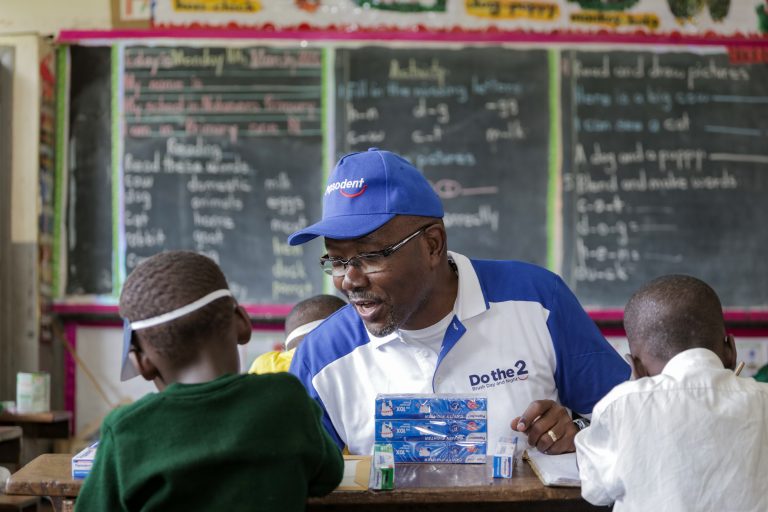
At the core of the initiative is the “Twice 2 – brush day and night” campaign message, which encourages children to brush their teeth twice daily for at least two minutes using fluoride toothpaste.

Investing in adolescent health: A key to Africa’s economic growth

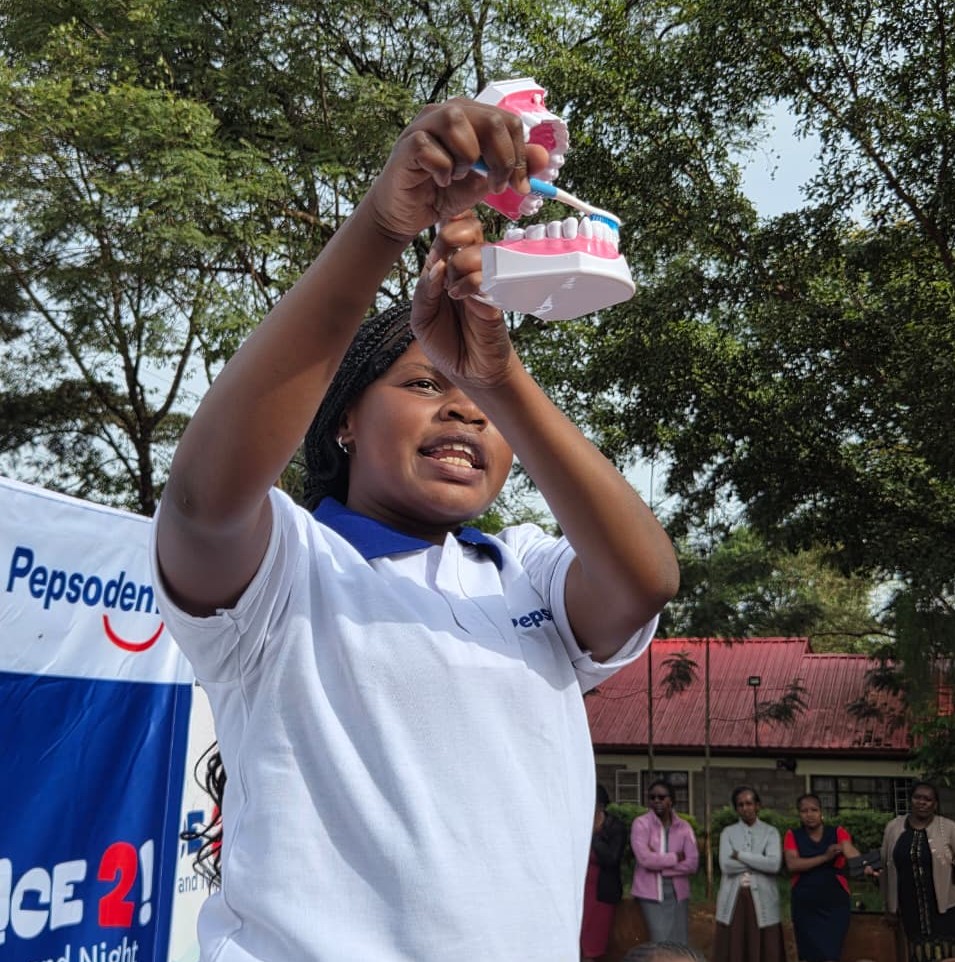
The programme integrates supervised demonstrations on proper brushing techniques alongside basic oral care education, aiming to instill lifelong hygiene habits at an early age.

This structured approach reflects a growing emphasis on preventive healthcare—shifting from treatment to early-stage intervention through education.

Kenya faces a high burden of oral diseases

This intervention comes at a critical time for Kenya’s public health landscape. Data from the Kenya National Oral Health Survey indicates that nearly half of children aged five suffer from tooth decay, while more than 90 per cent of the population is affected by gum disease.

These figures underscore a systemic gap in preventive care, particularly among children, where early intervention can significantly reduce long-term health complications and costs.

Industry leaders link oral health to education outcomes

Unilever East Africa Commercial Director John Kibira noted that schools provide an effective platform for embedding sustainable health behaviours.

“Reaching children in school allows us to simplify oral care and embed daily habits such as brushing twice a day using fluoride toothpaste. These are small actions with significant long-term health outcomes,” he said.

Unilever East Africa Managing Director Luck Ochieng emphasised the broader developmental implications of oral health.

“Good oral health underpins a child’s confidence and ability to learn. Preventive interventions at school level are critical in reducing the long-term burden of dental disease,” he said.

Pepsodent targets 500,000 pupils in school oral health drive

Gaps persist despite increased access to oral care products

Despite increased access to oral care products in Kenya, usage patterns remain inconsistent. National data shows that over 77 percent of adults own a toothbrush and brush at least once daily, while about 70 percent use fluoridated toothpaste.

However, gaps persist in brushing frequency, technique, and product awareness, with approximately 17 percent of users uncertain whether their toothpaste contains fluoride.

Health experts also highlight low adherence to recommended practices such as replacing toothbrushes every three months, which continues to undermine effective oral hygiene outcomes.

Aligning with national health policy priorities

The Pepsodent school programme aligns with the Kenya National Oral Health Policy (2022–2030) and the National Oral Health Strategic Plan (2022–2026), both of which prioritise preventive, school-based interventions as a cost-effective pathway to improving national oral health outcomes.

By scaling outreach through schools, Pepsodent is supporting national efforts to reduce childhood tooth decay and gum disease while lowering the long-term cost burden associated with oral health treatment.

A strategic shift toward impact-driven brand building

From a strategic standpoint, this campaign reflects a broader shift in how consumer brands engage emerging markets—moving beyond product distribution to behaviour change and ecosystem impact.

In markets like Kenya, where health outcomes directly influence productivity and human capital development, such interventions are not peripheral—they are central to long-term economic resilience.

For business leaders, the implication is clear: sustainable growth will increasingly depend on aligning commercial strategy with measurable social outcomes. Companies that invest in community-level impact, particularly in health and education, will build stronger brands, deeper trust, and more durable market positions over time.

Exploring Co-op Bank’s YEA account: What makes it a tick?

In an era where financial independence is increasingly becoming a priority for young people, banks are stepping up with tailored solutions that meet the evolving needs of this demographic.

One such innovation is the Co-operative Bank of Kenya (Co-op Bank) Young Ennovators Account (YEA), a youth-focused savings and lifestyle account.

The account targets young individuals aged between 18 and 35 and is designed to support students and young professionals navigating the early stages of their financial journeys.

At a time when managing money, building savings, and accessing credit can feel overwhelming, the YEA ecosystem offers a streamlined and accessible approach to banking.

Through the YEA App, a mobile banking service, users can access a wide range of financial services directly from their phones.

From checking balances and transferring money to making payments and managing expenses, the app consolidates essential banking functions into a single, user-friendly platform.

Registration is straightforward; all one needs to do is sign up via USSD by dialing *667# or download the app from the Google Play Store and follow simple prompts to get started.

For students in particular, the YEA account presents a practical tool for managing everyday finances. Whether it’s tracking allowances, monitoring student loans, or keeping an eye on spending habits, the app provides clarity and control.

This functionality allows users to focus on their academic or professional pursuits without losing sight of their financial responsibilities.

Beyond basic banking, the YEA account distinguishes itself through a suite of features tailored to modern lifestyles. Users can open accounts digitally in both Kenyan Shillings and US Dollars, access virtual cards for secure online transactions, and receive free monthly e-statements.

The platform also supports seamless payments for global services such as Netflix, Spotify, and eBay, reflecting the digital consumption habits of today’s youth.

Additional conveniences include the ability to view live foreign exchange rates, share transaction receipts digitally, and initiate Co-op till requests directly within the app.

For young entrepreneurs and salaried individuals, the YEA account also opens doors to financial growth through access to MSME loans and E-Credit facilities.

One of the more appealing aspects of the YEA proposition is its lifestyle integration. Account holders benefit from negotiated discounts at selected outlets across the country, offering savings on everyday purchases and services.

Why you should open the Co-op Bank’s YEA Account

YEA provides a wide range of benefits to users. They include:

  • Digital account opening (KSH and USD)
  • Access to Virtual Cards
  • Free monthly e-statements
  • Free internal standing orders
  • Negotiated discounts at selected outlets nationwide
  • Easy account management and online payments (e.g., Netflix, Spotify, eBay) via the YEA App
  • Ability to view live FX rates on the YEA App
  • Share transaction receipts digitally
  • In-App Co-op till request
  • Access to MSME loans for youth in business
  • Access to E-Credit for salaried youth

How to open YEA account

Opening a YEA account is intentionally simple. Prospective users need only an original national ID and a copy, along with a KRA PIN.

  • Download the YEA app from Play Store
  • Launch the app on mobile phone
  • Select open account
  • Follow the prompts to open an account

“Manage your money wisely from a Young Ennovators Account and prepare yourself for a financially wise future. Your Path to Financial Freedom begins with a YEA Account! Unlock exclusive discounts & special offers from top brands,” Co-op Bank states.

Also Read: Co-op Bank full year 2025 net profit rises to Sh30bn; to pay Sh1.50 final dividend

Kayole Starlets boost squad with Chapa Dimba trio ahead of league second leg

0
Kayole Starlets have intensified their squad for the second leg of the Kenya Premier League by recruiting three players from the Safaricom Chapa Dimba All-Stars team.
The trio, Sonia Wambui (goalkeeper), Calta Nasambu (striker), and Naomi Nanjala (position) have already joined the team.
The three previously featured for Barcelona Ladies SC from Laikipia, which currently competes in the National Super League (NSL).
They were also part of the Safaricom Chapa Dimba All-Stars squad that travelled to Huesca, Spain, in September last year for a bootcamp courtesy of Safaricom Chapa Dimba. Additionally, they featured for Barcelona Ladies SC during Season Four of the tournament, representing the Central Region at the national finals held in Kisumu.
“I am excited to join Kayole Starlets. It has always been my ambition to play in the Kenya Premier League after competing in the National Super League. Joining mid-season gives me an opportunity to contribute to the team’s success in the remaining matches. Safaricom Chapa Dimba has played a significant role in my football journey. It is through this platform that I am here today, playing for Kayole Starlets,” said Naomi Wanjala.
The trio joins Eunice ‘Bobi’ Nabwoba and Praxedes Shivikhwa, who featured for Wiyeta Girls in Season Four of Chapa Dimba, representing the Rift Valley Region at the national finals. Before joining Kayole Starlets, Nabwoba played for Amus College in Uganda.
“Honestly, Chapa Dimba goes beyond a normal football tournament, it means a lot to young talents in this country. I want to thank Kayole Starlets for believing in me, and I promise to give my best. It has always been my dream to play in the Premier League and showcase my talent not just locally, but globally. This is a great platform and opportunity for me,” said Sonia Wambui.
Safaricom Chapa Dimba continues to nurture and impact football talent across the country. Currently, more than 30 players from the most recent season have joined various clubs competing in both the National Super League and the Kenya Premier League.
Some notable players include Emily Morang’a (Kenya Police), Duncan Omala (Nairobi United), Derick Okech (Shabana FC), Austine Odongo (Shabana FC), Stanley Waswa (Ulinzi Stars), Hamis Nyale (Ulinzi Stars), Bryton Otieno (Gor Mahia), Brian Aroko (Tusker Youth), Neddy Kithinji (3K FC), Lorrine Illavonga (Ulinzi Starlets), Mercy Akoth (Vihiga Queens), and Swaumu Masungo (Kibera Soccer Women), Marion Serenge ( St. Noa – Uganda) among others.
Other notable players previously produced by the tournament since its inception include Atem Kato (Penn State Nittany Lions), Jentrix Shikangwa (Simba Queens), Brain Enock Wanyama (Tatung FC in Taiwan), Benson Omala (Nairobi United), David Majak (Kariobangi Sharks), Jane Hato (Master’s University), Judith Osimbo (Ulinzi Starlets), Cynthia Livondo, and, among others.
Speaking during a training session at Calvary Sports Grounds in Nairobi, the Kayole Starlets coach, Mr. Joshua Sakwa, expressed satisfaction with the impact of grassroots tournaments such as Safaricom Chapa Dimba in the country.
“I believe tournaments like Safaricom Chapa Dimba offer invaluable lessons when it comes to supporting, nurturing and showcasing grassroots talent. The tournament plays a crucial role in spotting, developing, and showcasing young players. Currently, we have around five players who were part of the Chapa Dimba tournament in our squad. They are quality players, and we are confident they will help us push for a strong finish this season,” he said.
Kayole Starlets are currently in seventh position and are aiming to finish among the top three in the league.
Safaricom Chapa Dimba is a national grassroots football tournament in Kenya targeting youth aged 16 – 20. It is designed to showcase talent, transform lives, and create pathways for professional growth.
‎

Banking on belief, empowering creators

0

Creators: As Kenya’s creative economy continues to emerge as a powerful engine for youth employment and innovation, NCBA has today marks significant milestone in its commitment to the sector with the ELEV8 2025 Series Documentary, showcasing how targeted financial solutions, mentorship and industry collaboration are enabling
creatives to build sustainable careers.

As a strategic partner throughout the ELEV8 journey, NCBA has played a pivotal role in supporting creatives through visibility, mentorship and introducing tailored financial products designed to help creatives generate income, finance their work and scale their enterprises.

Recognising that many creatives operate with informal structures and face challenges accessing traditional financing, NCBA, in partnership with HEVA Fund, tailored credit products that are aligned to the unique nature of creative work, including irregular income cycles and project-based earnings.

The products enable creatives and creative businesses to access capital for production, equipment acquisition, marketing, touring, digital distribution, and overall business growth. The financing solutions include:

Event Financing – A revolving credit facility enabling creatives to fund live and digital events and monetize performances.

  • Invoice Discounting – Providing working capital by allowing creatives to access funds
    against confirmed invoices and contracts.
  • LPO Financing – Supporting execution of contracts and production agreements.
  • Working Capital Financing – Helping creative enterprises sustain operations and
    expand.
  • Start-Up Incubator Financing – Supporting emerging creative entrepreneurs in building
    structured and scalable businesses.

Through these solutions, creatives can transition from project-to-project survival to structured income generation and long-term financial stability.

NCBA partners with Motif Di Don to launch music studio for Kenyan creatives

NCBA’s investment in the creative economy is grounded in its Ubuntu belief; the understanding that individual success is interconnected with community prosperity. Guided by this philosophy, the bank views creatives not only as artists but as entrepreneurs, employers, storytellers, and economic contributors capable of driving inclusive growth across Kenya.

Kenya’s creative economy contributes over 5.3% of the country’s GDP and supports more than 300,000 entrepreneurs, yet limited access to financing remains the sector’s biggest barrier to growth. By developing financial products tailored specifically for creatives, NCBA aims to bridge this gap and integrate creative entrepreneurs into mainstream financial systems, enabling them to earn sustainably, create jobs, and compete globally.

Speaking during the screening, NCBA Group Managing Director, John Gachora said, “Our Ubuntu belief reminds us that progress happens when we grow together. Supporting the creative economy means investing in young people, innovation, and culture as engines of economic transformation. Through ELEV8 and our tailored financial solutions, we are helping creatives move from passion to profitable enterprise.”

For participating aritsts, ELEV8 has provided studio access, mentorship, financial literacy training and exposure within the media and entertainment industry, equipping creatives with both artistic and entrepreneurial skills. The documentary serves as a reflection on the impact of the 2025 program while setting stage for ELEV8 2026, which will expand opportunities for emerging creatives through deeper industry collaboration, enhanced mentorship and continued access to financial empowerment solutions.

Speaking during the screening, ELEV8 Founder & CEO, Motif Di Don commented, “ELEV8 is about building sustainable careers. The next season builds on what we have learned, ensuring creatives have not just talent and exposure, but the financial tools needed to thrive.”

The documentary captures the transformation of artists who participated in the ELEV8 program, a platform designed to nurture talent, strengthen business skills and connect creatives to financial tools that enable them to build sustainable careers beyond artistic expressions.

The launch of ELEV8 2026 reinforces NCBA’s broader sustainability agenda under its Change the Story commitment, delivering inclusive solutions that uplift communities and unlock economic participation for youth and creative entrepreneurs. By combining storytelling, mentorship, and access to finance, NCBA continues to position the creative sector as a viable and scalable pillar of Kenya’s economic future.