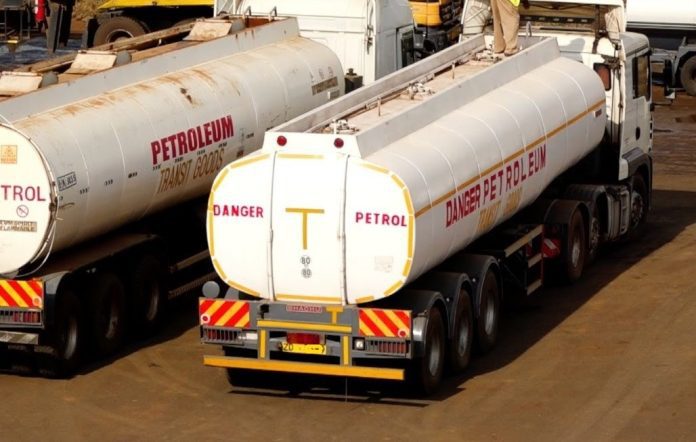
The Kenya Pipeline Company (KPC) has said that up to 60,000 tonnes of bad petrol that was controversially imported into Kenya has already been released into the market. This was said by KPC Managing Director Pius Mwendwa when he appeared before the Senate Energy Committee on Tuesday.
According to Mwendwa, this substandard petroleum was mixed with fuel that was already in stock and then released to oil marketing companies. Apparently, KPC made this move after receiving a waiver letter from the Cabinet Secretary for Trade to allow the fuel into the market.
“We received a waiver letter from the Cabinet Secretary for Trade Lee Kinyanjui to allow the consignment into the country and into our systems. The fuel was allowed into the KPC system and later released to oil marketing companies pursuant to the waiver,” said Mwendwa.

KPC had received the bad petrol on March 27, 2026 from the MT Paloma carrier. When the fuel was tested, it was found to contain sulphur levels that were four times higher than the acceptable limits. This consignment was initially rejected. Later on, it was allowed to enter the market following the intervention of the Ministry of Trade.
“After testing the consignment, we realized that there were high levels of sulphur. It had a sulphur content of 43ppm against the requirement of 10ppm,” said Mwendwa.
According to documents that have been presented before parliament, a letter from the Trade Cabinet Secretary to Energy Cabinet Secretary Opiyo Wandayi had directed that the substandard fuel be blended with existing stocks to dilute excessive manganese and the high sulphur levels.
“The Premium Motor Spirit (PMS) onboard MT Paloma be comingled with the current stock to mitigate excess manganese,” part of the letter stated. This consignment was to also be mixed with another consignment of 96,000 metric tonnes that was expected to land in Kenya in the early weeks of April.
However, according to Oryx Energies Kenya chief executive officer Angeline Maangi, the ship carrying this fuel was diverted from Kenya following the cancellation of the tender under which the fuel was being imported.
The Ministry of Energy had allowed two local oil companies, One Petroleum and Oryx Energies, to import petrol at a cost that was three times higher than the prices agreed under the G-to-G deal between Kenya and three Gulf-based oil suppliers.
READ MORE: EPRA waits for dead of night to shock Kenyans with stiff fuel prices
The G-to-G deal involves Gulf firms Saudi Aramco, Emirates National Oil Co, and Abu Dhabi National Oil Co. It has been running through three main oil companies, Galana Energies, Gulf Energy, and Oryx Energies. These companies have been distributing fuel on behalf of the three Gulf oil companies since March 2023.