
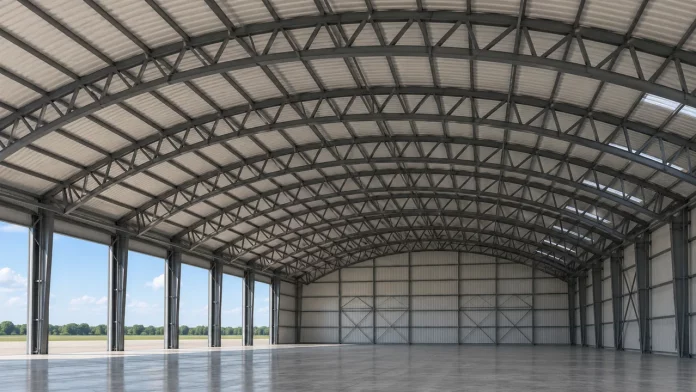
Demand for steel warehouses is rising as manufacturers, agricultural businesses and logistics operators seek durable storage facilities to support growing operations, streamline distribution and protect goods.
Steel warehouses are increasingly favoured for their flexible designs, faster installation and ability to accommodate large, open spaces for storage, production and distribution.
Unlike conventional structures, steel warehouses allow businesses to expand operations, with efficient space utilisation and long-term durability.

The shift towards purpose-built industrial infrastructure is creating opportunities for industry operators to provide structures that can be tailored to businesses’ storage capacity, equipment and future expansion needs.
Among the players transforming Africa’s steel industry is Afritec Steel Fabricators, a Nairobi-based company specializing in engineering and fabrication solutions.
Also Read: Equity Group CEO Dr James Mwangi Appointed to the South-North Commission on Development
The firm, headquartered along Mombasa Road, provides end-to-end steel solutions, covering engineering design, workshop fabrication, transportation, and on-site installation to customers across Kenya and the wider East African region.
Its pool of clientele includes manufacturers, agricultural enterprises, commercial developers, logistics operators, and public institutions seeking structures designed for demanding operational environments.
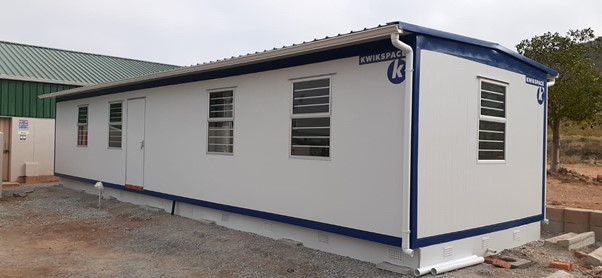
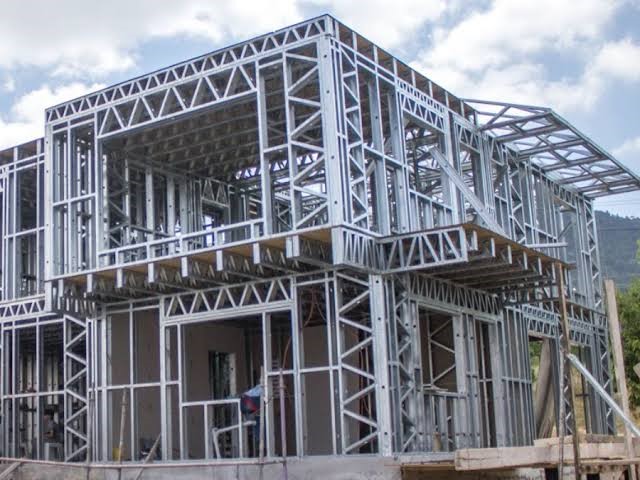
The company’s product offerings include industrial warehouses, pre-engineered godowns, multi-storey steel structures, light-gauge steel frames, prefabricated buildings, pressed sectional steel tanks and elevated water storage towers.
Its approach centres on integrating design, fabrication and installation to give clients a coordinated service, from the initial project concept to completion.
Warehousing drives demand for steel structures
Warehousing and industrial facilities remain a key offering at Afritec, driven by the high demand for more space among businesses for bulk storage, manufacturing, distribution and agro-processing.
The company designs and constructs pre-engineered steel warehouses, fabrication sheds, modular storage facilities and multi-storey commercial and industrial buildings tailored to individual client requirements.
These include considerations such as available land, storage capacity, machinery requirements and future expansion plans.
Anthony Ngatia: How Kiambu farmer is using AI to grow strawberries year round
Steel tanks support water storage needs
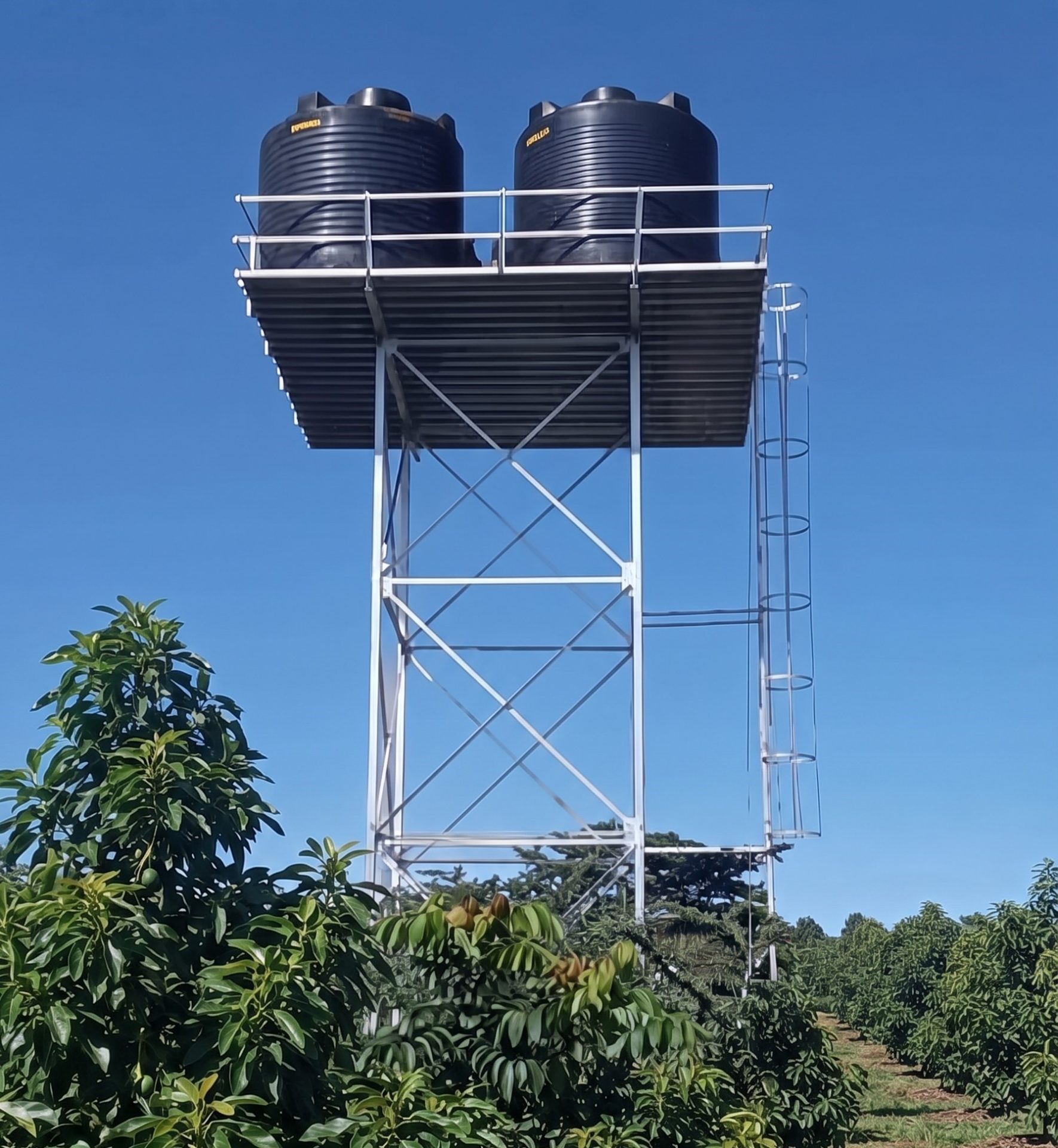
Beyond industrial buildings, Afritec manufactures pressed sectional steel tanks and elevated steel tank towers for agricultural, commercial, industrial and public water supply applications.
The tanks are assembled from modular, hot-pressed steel panels secured using high-tensile fasteners and sealing gaskets. The sectional design allows capacity and configuration to be adapted to the requirements of different projects.
According to the company, its solutions range from smaller commercial storage systems holding about 5,000 to 20,000 litres to large reservoirs with capacities reaching hundreds of thousands of litres for agricultural irrigation, rural water schemes, municipal supply networks, manufacturing operations and emergency firefighting reserves.
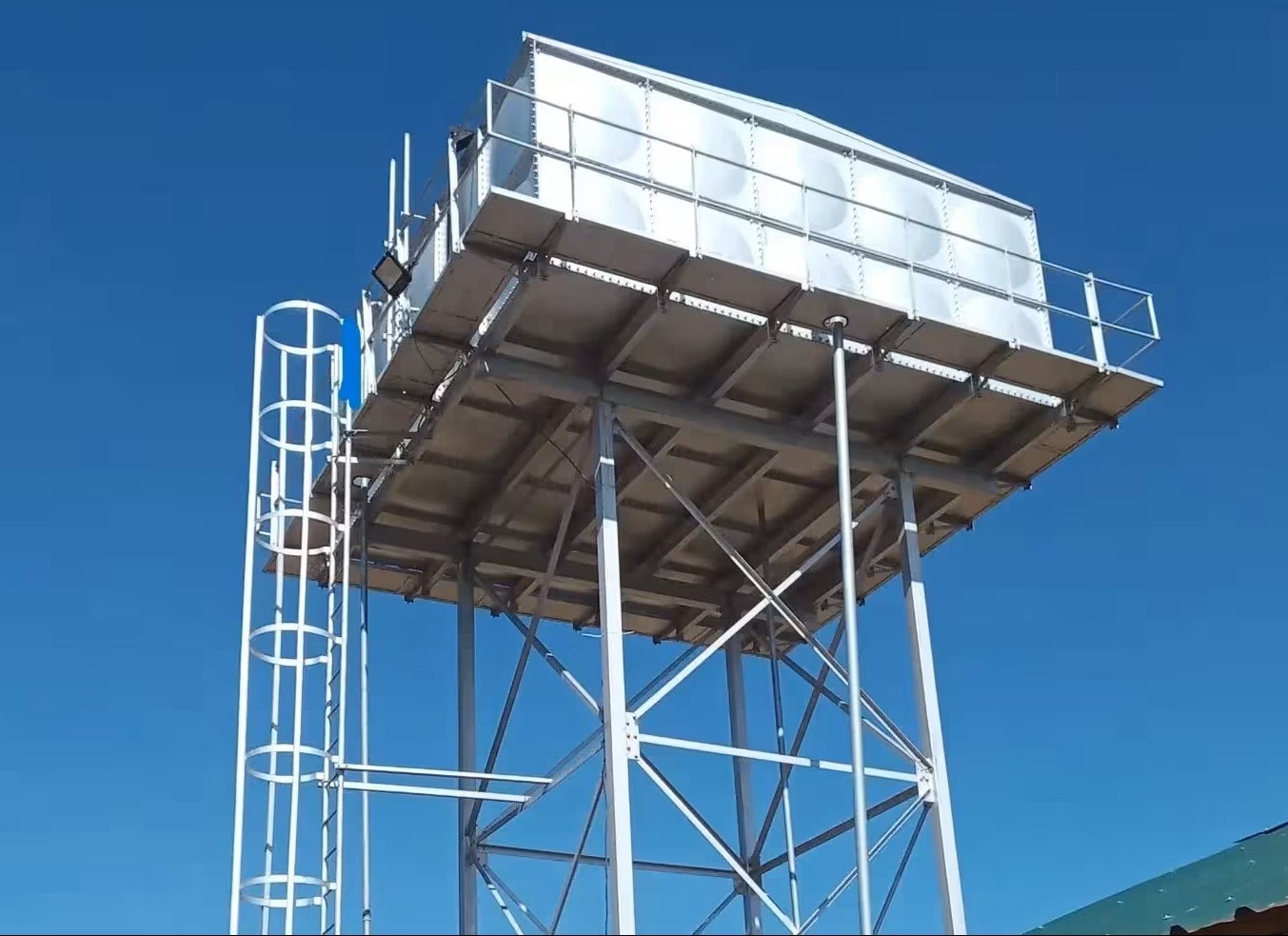
Where gravity-fed distribution is required, Afritec designs and fabricates steel tank towers to elevate tanks to the necessary height in order to account for the tank’s full weight, water pressure requirements, wind loads, site conditions and foundation capacity.
Integrated engineering and quality control
Afritec’s operating model combines computer-aided design, structural engineering, workshop fabrication, logistics and installation to reduce the complexity of coordinating multiple contractors while maintaining consistency across the project lifecycle.
The process begins with an assessment of a client’s requirements and site conditions. Engineers then prepare structural drawings and models, select appropriate steel profiles and calculate relevant loads before production begins.
Once designs are approved, components are cut, drilled and welded in the workshop before protective treatments are applied. The fabricated sections are transported to the site for assembly, alignment, cladding and final inspection.
Also Read: Sun King expands PowerHub Solar Inverter Range to 30kW, Targets businesses and homes
The company says it follows recognised international engineering standards, including BS EN Eurocodes for structural design, alongside ISO-related requirements for material traceability and fabrication processes.
Its quality-control procedures include checking material certificates, inspecting welded joints, verifying dimensions and assessing protective coatings and structural alignment after installation.
The firm also provides light-gauge steel frames, prefabricated housing units, modular offices, classrooms, specialised industrial fabrications and solar mounting frameworks.
Why steel-framed Warehouses?
According to the firm, steel-framed warehouses stand out as they provide large, open interiors with fewer supporting columns, allowing businesses to arrange storage systems, move equipment and manage inventory with ease.
Additionally, the use of factory-fabricated components helps shorten on-site construction periods, depending on project specifications and site conditions.
To protect the material from corrosion, Afritec applies specialised coatings, bituminous paints or galvanising to protect steel components from environmental degradation and extend their service life.
Regional reach and notable projects
Since its launch, Afritec has served clients across several Kenyan markets, including Nairobi, Kiambu, Machakos, Kajiado, Uasin Gishu and the coastal region. Its regional operations extend to Uganda, Rwanda, Tanzania and Zambia.
Its completed projects include a regional logistics distribution centre and bonded warehouse in Utawala, Nairobi, covering approximately 8,000 square metres. The facility features clear-span steel portal frames, loading-bay canopies and a 12-metre eave height designed to accommodate high-tier pallet racking.
Read: Unilever’s Kshs70M Nairobi investment powers growth and cuts energy costs
In Eldoret, Uasin Gishu County, the company completed an agro-processing grain storage facility with a reported capacity of 5,000 metric tonnes. The structure incorporates high-clearance eaves, ventilation louvres and moisture-resistant wall cladding to support the storage of agricultural commodities.
Moreover, Afritec took part in the construction of an elevated industrial water storage system in Kigali, Rwanda. The project comprises a 250,000-litre pressed sectional steel tank supported by a 15-metre tubular steel tower.
The company’s role in the project included executing structural load calculations for seismic and wind performance, precision fabrication of modular pressed steel tank panels and tower bracing, and hot-dip galvanizing for long-term corrosion resistance.
Industrial challenges and growth plans
Despite its growth from a modest workshop into a structural engineering and fabrication business serving multiple sectors, Afritec’s journey has not been without challenges.
The company says the steel fabrication sector faces several cost and operational pressures that can affect production and project delivery.
These include high electricity costs, fluctuations in steel prices, reliance on imported steel profiles, competition from lower-priced products and the logistical challenges of transporting heavy fabricated components.
Additionally, the shortage of specialised technical skills in computer-aided manufacturing, automated machinery operation and certified welding poses a big challenge for players in the sector.
Afritec says it is responding by improving production efficiency, investing in precision machinery, strengthening quality-control procedures and developing its technical workforce.
Also Read: Equity Bank shifts SME lending focus to value addition and global markets
Looking forward, the company plans to increase production capacity, strengthen its presence in existing regional markets and expand its product range over the next five years.
Afritec further seeks to deepen its operations in Uganda, Rwanda, Tanzania and Zambia while pursuing opportunities in the Democratic Republic of Congo, South Sudan and Ethiopia.
At its Nairobi fabrication yards, planned investments include upgrades to computer-aided design systems, automated cutting equipment and beam-welding technology. The investments are intended to improve precision, increase production efficiency and support larger project volumes.
The company also plans to increase production of pressed sectional steel tanks, elevated tank towers and agricultural water reservoirs, while developing solar mounting structures to serve opportunities in renewable energy infrastructure.
Its prefabricated building business is expected to play a larger role in the expansion strategy, with planned products targeting education, healthcare and workforce accommodation.
Afritec says it will complement these investments with more energy-efficient manufacturing practices, improved scrap recycling and expanded technical training.
Interested in any of the services or in need of more information? contact Afritec Steel Fabricators via +254 787 377446 and +254 717 8888 65 or Email: [email protected]. Location: Mombasa Road, Nairobi