Home Blog Page 102

Ruto gives Uganda power to hire, fire Kenya Pipeline CEO in deal

0

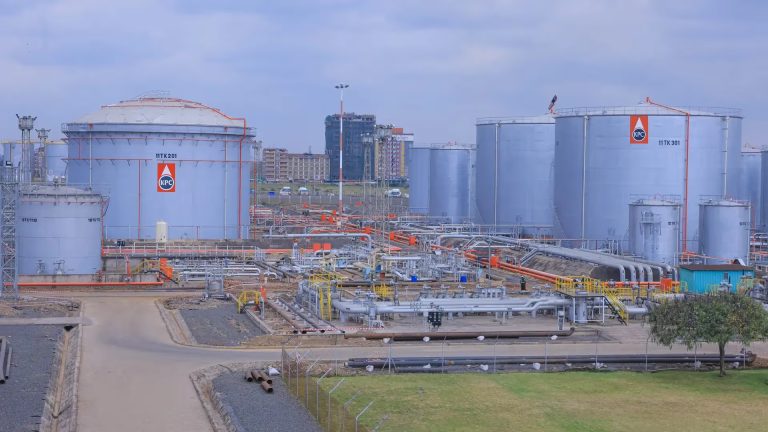
President William Ruto’s government has granted Uganda powers to determine the hiring and firing of the Kenya Pipeline Company (KPC) chief executive officer. This has been done in a bid to get Uganda to invest in KPC Initial Public Offer which has been struggling to attract investors.

According to a report on this deal that published in the local business newspaper, Business Daily, President Ruto’s government has also allowed Uganda power to approve any future issuance of shares in KPC. In addition to this, Uganda will also get two seats in the board of KPC.

It has emerged that President Ruto’s government gave in to Uganda’s demands after the country threatened that it would pull out of the KPC IPO deal in which it was expected to invest Sh20 billion.

“So long as the [Uganda] Cabinet Secretary Treasury holds any shares in the company, the following matters shall require the approval of not less than two Treasury directors… The appointment or removal of the managing director and the issuance of new share capital,” the daily quoted the amended articles of association.

The IPO went live at the Nairobi Securities Exchange (NSE) on January 19. It was last week extended by three working days after signs that it had failed to attract adequate investors.

The IPO has been claimed to be overvalued by some investment analysts, with Sterling Capital placing the value of the KPC shares on sale at Sh4.4 per share based on discounted cash flow model and Sh2.8 per share based on dividend discount model, and an overall fair value estimate of about Sh3.7 per share.

According to the IPO prospectus, the government has allocated the public 60 percent of the 11.81 billion shares that are on offer.

If this allocation is fully subscribed, the government will collect a total of Sh106.3 billion, from which gross transaction advisers and other agencies involved shall redeem Sh3 billion in earnings.

In the IPO, stockbrokers and investment will be some of the biggest gainers with Sh1.59 billion earnings in fees.

In this trade, the National Treasury appointed 22 intermediaries to handle the sale. These were Faida Investment Bank which shall also be paid Sh98.6 million for leading the transaction in addition to the placement fee.

Others were Dyer & Blair Investment Bank which is the lead sponsoring broker, and Francis Drummond which is a co-sponsoring broker. At the same time, the National Treasury enlisted the Co-operative Bank of Kenya, KCB Bank, and Stanbic Bank as the receiving banks.

Read More: Ruto’s State House spends Sh43mn daily; blows Sh10.4bn in just 7 months

Co-op Bank will pocket Sh9.96 million, KCB Bank Kenya Sh3.6 million, and Stanbic Bank Kenya Sh2.78 million. PriceWaterhouse Coopers LLP shall pocket Sh13.45 million as the IPO’s reporting accountants.

At the same time, the transaction’s legal advisers TripleOKLaw Advocates and G&A Advocates LLP will receive a fee of Sh31.9 million.

Apex Communications and Belva Digital who were given the roles of public relations and advertising agencies will be paid Sh42.13 million and Sh12.26 million respectively.

The National Treasury will also pay Sh40 million in advertising fees, Sh6.25 million in printing costs, and Sh12.5 million as other fees. It will also pay the Capital Markets Authority Sh30 million in IPO approval fees, and Sh1.5 million to the Nairobi Securities Exchange as listing fees.

Bible App creator YouVersion opens Kenya Hub as Africa leads global Bible engagement growth 

0

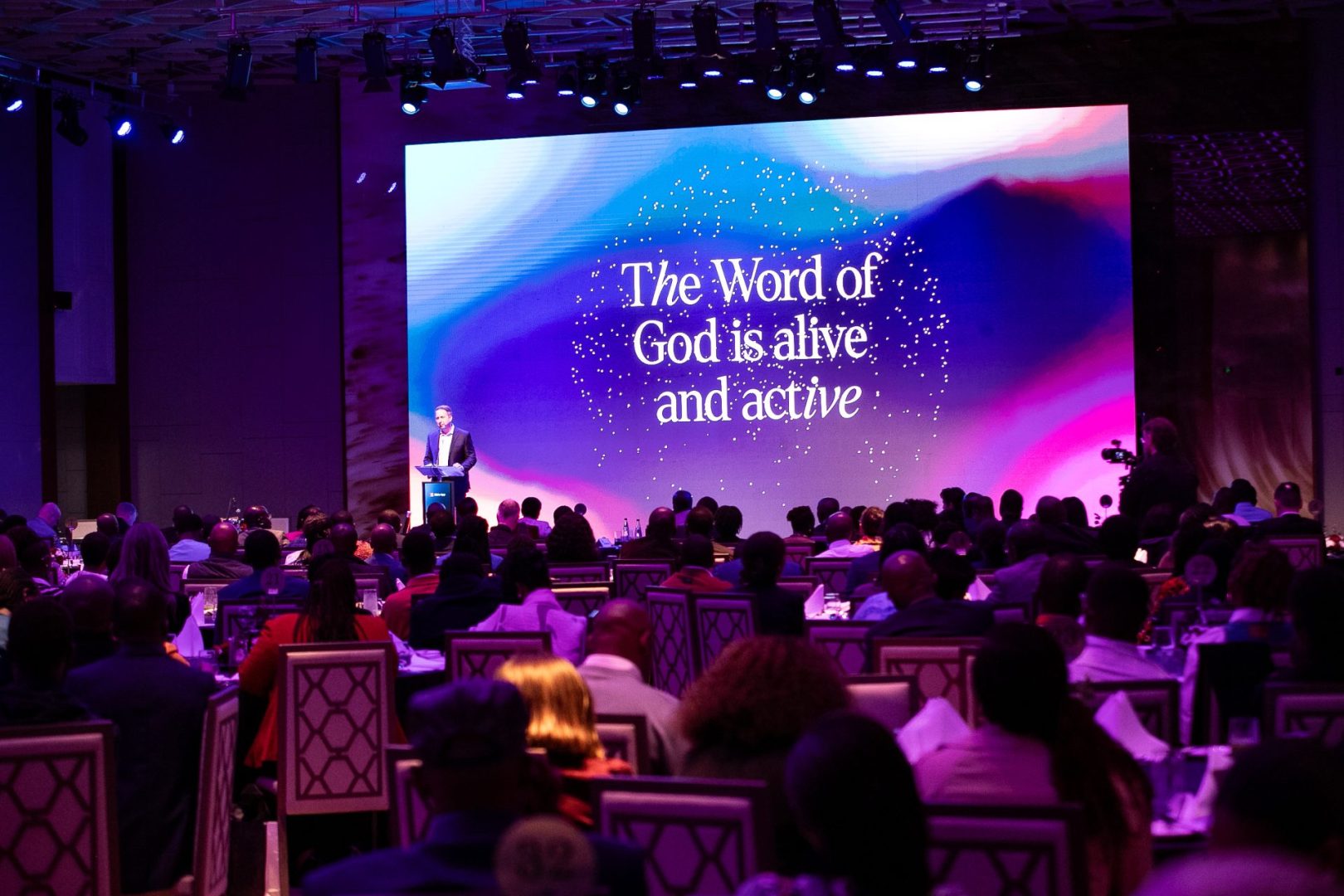
YouVersion, creator of the world’s most popular Bible App, has opened a Regional Hub in Kenya to support the significant Bible engagement momentum already underway across Africa. The opening celebration on 23 February 2026 marks a deepened commitment to partnerships with local churches, content creators, and leaders who are adding even more African voices to the Bible App.

Kenya’s thriving Bible engagement made it a natural home for the Hub. With 19 million installs and 39% year-over-year growth in daily use of YouVersion’s Bible apps, the nation ranks among the top five countries globally for daily engagement. Kenya’s strong church ecosystem, youthful population, and growing digital adoption have fueled this momentum.

The Hub team is made up of people who have lived and worked in the region for many years and are deeply rooted in the faith community. This connection enables authentic partnerships with local churches, content creators, and ministry leaders who are shaping how Scripture reaches their communities.

Joseph Gachira, Kenya Hub Leader and host of the celebration, said: “This Hub allows us to amplify African voices and ensure Scripture is experienced in ways that reflect our languages, cultures, and stories. We’re not importing a movement, we’re strengthening what God is already doing here.”

Tech: I built a Billion-Dollar organization—and chose not to monetize it

Beyond content development, the team’s local expertise informs how YouVersion serves users across the continent. They understand the everyday realities people face, including data costs that make every megabyte matter and connectivity challenges in rural areas. Bible App Lite, designed for limited phone storage and offline use, was developed with African users’ needs at the center. Since 2022, learnings from African communities have shaped Bible App Lite’s development, and those innovations now serve people worldwide who navigate similar constraints.

People across the continent can access Scripture in their heart language, with Swahili, Afrikaans, Xhosa, Zulu, and many other African languages available among nearly 2,400 total languages offered in the Bible App. This commitment to African languages extends to even the youngest users. Bible App for Kids is available in Afrikaans and Swahili, helping children engage with Scripture in their heart language through interactive animations and fun activities. All of YouVersion’s apps are free to install and use, removing financial barriers to accessing God’s Word.

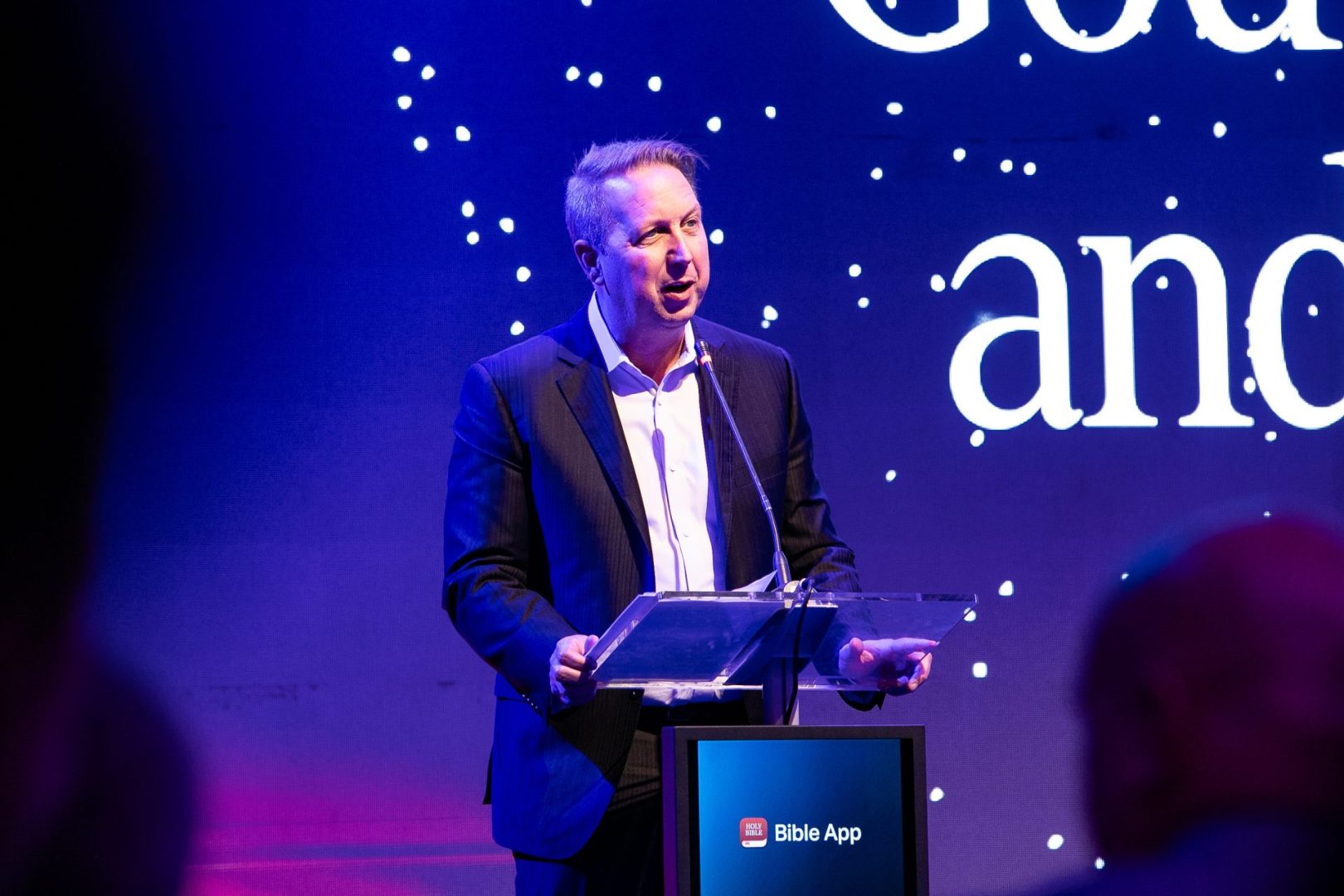
YouVersion Founder and CEO Bobby Gruenewald, who spoke at the celebration, said: “The momentum we’re seeing across Africa is remarkable. God is doing something powerful through the local churches, ministries, and leaders who are passionate about His Word. We’re so grateful to have Joseph and his team leading the YouVersion Kenya Hub. They bring deep relationships, cultural understanding, and authentic connections that will help ensure millions of Africans can engage with Scripture through the Bible App in ways that truly resonate with each of them.”

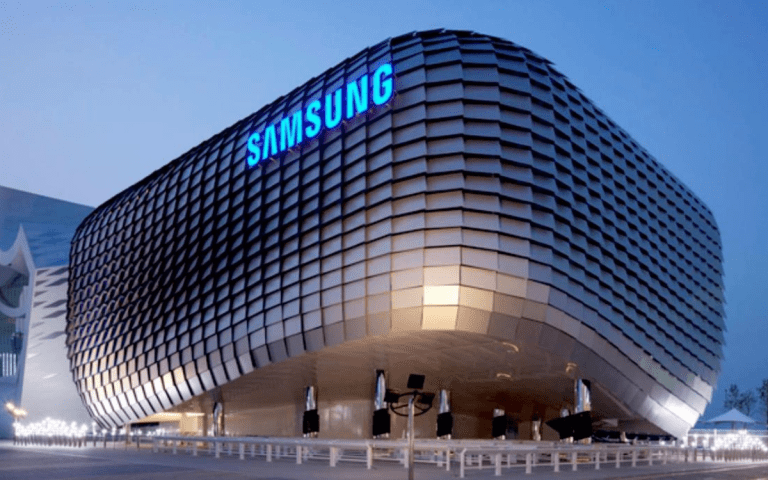
From noodles to a tech giant. The journey of SamSung & How big it is.

0
Most of you know Samsung as an electronics company. But did you know Samsung is more than that? What if I told you that the world’s tallest skyscraper, Burj Khalifa, is built by Samsung? You probably didn’t know that. You’re about to find out more in a meantime.
From selling noodles to a multi-billion dollar global empire. Samsung Electronics Co., Ltd. is a South Korean multinational electronics corporation headquartered in the Yeongtong District of Suwon. It is the pinnacle of the Samsung chaebol, accounting for 70% of the group’s revenue in 2012.

From noodles to a tech giant. The journey of SamSung & How big it is.
Samsung
, a South Korean company that is one of the world’s largest producers of electronic devices. Samsung specializes in the production of a wide variety of consumer and industry electronics, including appliances, digital media devices, semiconductors, memory chips, and integrated systems. It has become one of the most recognizable names in technology and produces about a fifth of South Korea’s total exports.

Early years
From noodles to a tech giant. The journey of SamSung & How big it is.

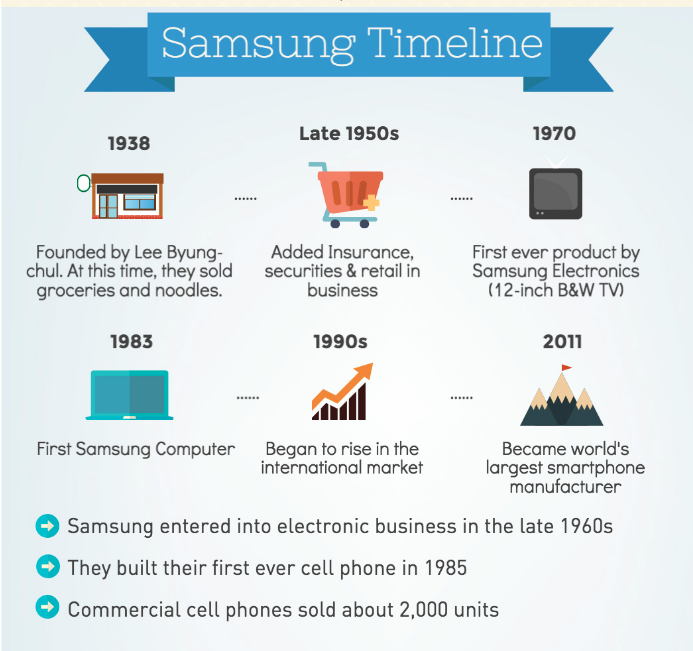
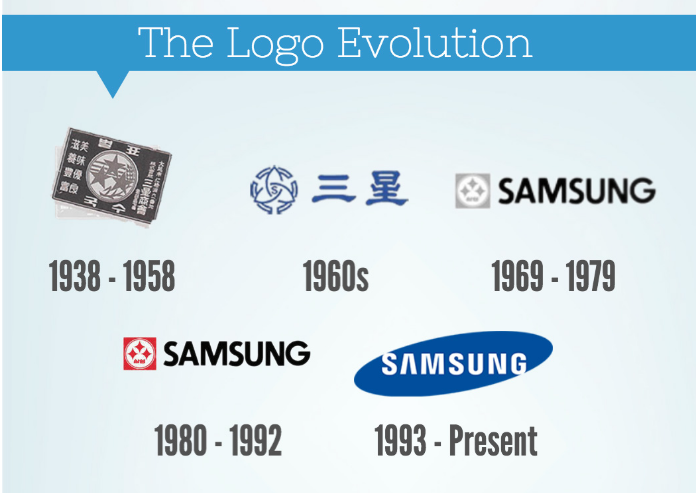
Samsung was founded as a grocery trading store on March 1, 1938, by Lee Byung-Chull. He started his business in Taegu, Korea, trading noodles and other goods produced in and around the city and exporting them to China and its provinces. (The company name, Samsung, came from the Korean for “three stars.”) After the Korean War, Lee expanded his business into textiles and opened the largest woolen mill in Korea. He focused heavily on industrialization with the goal of helping his country redevelop itself after the war. During that period his business benefited from the new protectionist policies adopted by the Korean government, whose aim was to help large domestic conglomerates (chaebol) by shielding them from the competition and providing them easy financing. In the late 1950s, the company acquired three of Korea’s largest commercial banks as well as an insurance company and firms that made cement and fertilizer. Samsung in the 1960s acquired more insurance companies as well as an oil refinery, a nylon company, and a department store.

From noodles to a tech giant. The journey of SamSung & How big it is.

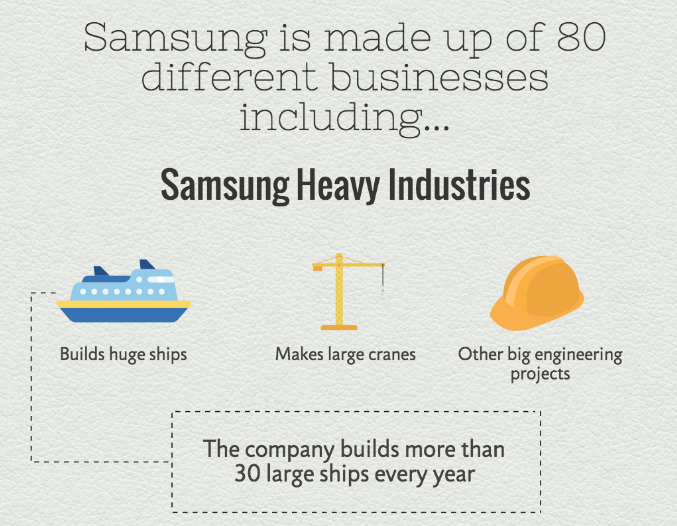
During the 1970s the company expanded its textile-manufacturing processes to cover the full line of production—from raw materials all the way to the end product—to better compete in the textile industry. New subsidiaries such as Samsung Heavy Industries, Samsung Shipbuilding, and Samsung Precision Company (Samsung Techwin) were established. Also, during the same period, the company started to invest in the heavy, chemical, and petrochemical industries, providing the company a promising growth path.

Electronics

Samsung first entered the electronics industry in 1969 with several electronics-focused divisions. Their first products were black-and-white televisions. During the 1970s the company began to export home electronics products overseas. At that time Samsung was already a major manufacturer in Korea, and it had acquired a 50 percent stake in Korea Semiconductor.

From noodles to a tech giant. The journey of SamSung & How big it is.

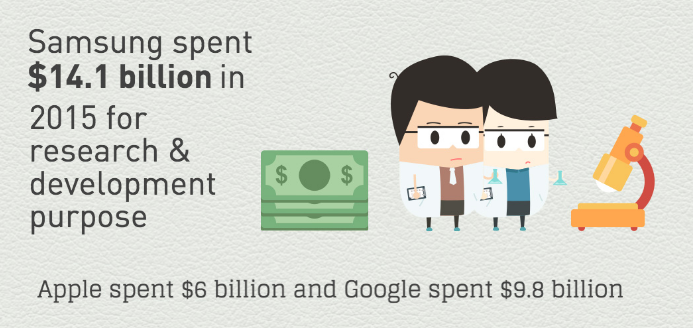
The late 1970s and early ’80s witnessed the rapid expansion of Samsung’s technology businesses. Separate semiconductor and electronics branches were established, and in 1978 an aerospace division was created. Samsung Data Systems (now Samsung SDS) was established in 1985 to serve businesses’ growing need for systems development. That helped Samsung quickly become a leader in information technology services. Samsung also created two research and development institutes that broadened the company’s technology line into electronics, semiconductors, high-polymer chemicals, genetic engineering tools, telecommunications, aerospace, and nanotechnology.

Samsung as a global company

Lee Byung-Chull died in 1987 and was succeeded by his son Lee Kun-Hee. Samsung was split into five companies; electronics remained under Lee Kun-Hee’s leadership, and the other four companies were run by other sons and daughters of Lee Byung-Chull. Lee Kun-Hee felt that Samsung had become complacent because of its dominant position in the South Korean economy and was unprepared for global competition. He famously said to Samsung executives, “Change everything but your wife and kids.” Under what Lee termed a “new management” concept, Samsung insisted that subordinates point out errors to their bosses. It also stressed the quality of products over quantity, promoted women to the ranks of senior executives, and discouraged bureaucratic practices.

Driven by Lee Kun-Hee’s shakeup of Samsung’s culture, in the 1990s the company continued its expansion into the global electronics markets. Despite its success, those years also brought about corporate scandals that afflicted the company, including multiple patent-infringement suits and bribery cases. (In one such case, Lee Kun-Hee was found guilty in 1996 of bribing former president Roh Tae-Woo. He was sentenced to two years in prison, a sentence that the judge commuted, and was pardoned in 1997.) Nevertheless, the company continued to make advancements on the technology and product-quality fronts, with a number of its technology products—ranging from semiconductors to computer-monitor and LCD screens—climbing into top-five positions in global market share.

Also Read: Buying and selling of shares via M-Pesa starts on NSE

The 2000s witnessed the birth of Samsung’s Galaxy smartphone series, which quickly not only became the company’s most-praised products but also were among the best-selling smartphones in the world. Samsung also supplied the microprocessors for Apple’s earliest iPhone models and was one of the largest microprocessor manufacturers in the world in the late 20th and early 21st centuries. Since 2006 the company has been the top-selling global manufacturer of televisions. Beginning in 2010, the Galaxy series expanded to tablet computers with the introduction of the Galaxy Tab and in 2013 to smartwatches with the introduction of the Galaxy Gear. Samsung introduced a foldable smartphone, the Galaxy Fold, in 2019.

In April 2008 Lee was indicted on charges of breach of trust and tax evasion as a part of a scheme, and shortly thereafter he resigned as chairman of Samsung. In July he was convicted of tax evasion, and he was subsequently fined approximately $80 million and sentenced to three years suspended jail time. Lee was pardoned by the South Korean government in December 2009 so that he could remain on the International Olympic Committee and lead South Korea’s successful bid for the 2018 Winter Olympics at P’yŏngch’ang.

In March 2010 Samsung Group executives made Lee Kun-Hee the head of Samsung Electronics, the conglomerate’s largest division. Later that year he returned as chairman of the Samsung Group. However, in 2014 he suffered a heart attack that left him incapacitated until his death in 2020. Although Lee retained his posts, his son, Lee Jae-Yong (Jay Y. Lee), became the de facto leader of the Samsung Group.

Lee Jae-Yong was sentenced to prison in 2017 for bribing former president Park Geun-Hye. He served one year and was released in 2018 when his sentence was suspended. That suspension was overturned, and he was again imprisoned, from January to August 2021, when he was paroled. During Lee’s time in prison, Samsung was led by two, and later three, co-chief executive officers. Lee was also indicted in 2020 for financial crimes stemming from the 2015 merger of two Samsung subsidiaries. The government alleged that the values of the two subsidiaries had been manipulated to cement Lee’s overall control of Samsung after he assumed leadership.

Samsung History Facts by: Peter Bondarenko from Britannica.com

How to apply for diploma in Law at Kenya School of Law as KUCCPS opens May intake

0

The Kenya Universities and Colleges Central Placement Service (KUCCPS) has opened applications for the Diploma in Law (Paralegal Studies) at the Kenya School of Law.

In a notice on Monday, February 23, KUCCPS invited interested applicants to apply for the programme through its portal ahead of the May 2026 intake.

“Seeking to enter the legal profession through paralegal training? Application for Diploma in Law (Paralegal Studies) is now open via the KUCCPS portal,” reads the notice.

According to the placement service, the minimum entry requirements for the diploma programme are a mean grade of C plain in the Kenya Certificate of Secondary Education (KCSE) and at least a C+ (plus) in either English or Kiswahili.

Additionally, they must have at least one principal pass at the Kenya Advanced Certificate of Education (K.A.C.E) examination and a pass in a certificate of law course offered at an accredited legal education provider.

Other requirements are a certificate of experiential learning issued by the Council of Legal Education.

The programme will be offered at both the Karen Campus and the Town Campus in Nairobi, with flexible modes of study including in-person day classes and virtual evening classes. It will run for a minimum of two academic years, comprising of three terms in each year.

“To qualify for the award of the Diploma in Law (Para-legal Studies) candidates must complete the course of study in not less than two (2) academic years,” KSL CEO Dr. Henry K. Mutai stated.

How to apply

Applications are open from February 23 until March 9, 2026. Interested and qualified applicants are required to log in and apply through the KUCCPS online portal at students.kuccps.ac.ke.

Applications must be accompanied by supporting documents including copies of KCSE/KCE certificate, national ID, passport, and copies of relevant professional certificates and transcripts (where applicable).

According to KSL, applicants must deposit a non-refundable application processing fee of Sh2000 to its Co-op Bank account 01129706350500.

“Applications not accompanied by the required documents, or sent after the closing date shall not be accepted.”

Also Read: Full list of approved degree courses and minimum subject requirements

E-2 Business Plan Requirements: What Officers Expect and What Triggers Doubts

0

The E-2 visa allows foreign nationals to enter the United States to invest in and manage a business. Officers evaluate whether the investment satisfies 8 C.F.R. § 214.2(e)(14)–(15), including substantiality, operational readiness, and economic contribution. A business plan must therefore show a credible path to viability supported by financial, operational, and market evidence.

A strong plan demonstrates the investor’s commitment and capacity to develop the enterprise. Because adjudicators assess viability under both present and future income standards, applicants must provide data that supports business feasibility, growth potential, and the ability to avoid classification as a marginal enterprise.

Understanding the Expectations of E-2 Visa Officers

Officers assess whether the investment is substantial under the approach applied under 8 C.F.R. § 214.2(e)(14), including consideration of the investment amount in relation to the total cost of purchasing or establishing the business. They also consider whether the enterprise can generate income beyond supporting the investor, including credible evidence of future capacity rather than immediate profitability.

Qualifications play a central role. Officers evaluate whether the applicant has skills aligned with the venture. When experience gaps appear, adjudicators may doubt operational competency. Strong plans, therefore, connect the applicant’s professional history to the enterprise’s operational demands.

Key Components of a Strong E-2 Business Plan

An effective plan includes an executive summary outlining purpose, objectives, and structure. Market analysis should address industry dynamics, competition, and target customers with verifiable data. This section should also identify risk factors and provide mitigation strategies demonstrating managerial preparedness.

Financial projections must align with regulatory expectations. Forecasts should show how the business overcomes marginality concerns through revenue growth, cost control, and employment expansion. Including multi-year pro forma statements and assumptions tied to market data strengthens reliability. Officers evaluate whether projections reflect realistic operations rather than speculative optimism.

Common Triggers of Doubt for E-2 Visa Officers

Insufficient investment relative to startup or acquisition costs frequently triggers skepticism. When investment covers only partial operational expenses, officers may conclude the business cannot sustain itself. Weak or vague operational plans compound these concerns, especially when they fail to show how the business will develop revenue streams.

Doubts also arise when applicants lack experience in the proposed field. Future capacity may be demonstrated through evidence of sound planning, but experience deficiencies can undermine that showing. Additionally, projections lacking evidentiary support may lead adjudicators to question the applicant’s understanding of industry realities.

Tips for Addressing Potential Doubts in Your E-2 Business Plan

Applicants should provide financial documentation demonstrating that the investment is substantial under the applicable standards, including consideration of the investment amount in relation to the total cost of purchasing or establishing the business.

Applicants should also demonstrate managerial aptitude by integrating résumés, prior business records, and industry certifications. When appropriate, letters from suppliers, clients, or professionals can corroborate operational readiness.

Market research should include citation-backed data. Reliable sources allow adjudicators to verify claims about demand, pricing, and competition. Plans should also include contingency measures addressing regulatory, economic, or operational risks.

The Importance of Professional Assistance in Crafting Your E-2 Business Plan

Attorneys and consultants can help ensure compliance with statutory and regulatory criteria, including substantiality, marginality, and operational control. Experienced professionals assist with market research, multi-year financial modeling, and the development of an evidentiary strategy that aligns the business plan with the legal requirements of the E-2 classification.

In practice, firms such as Ashoori Law work with investors to translate commercial realities into documentation that clearly addresses how adjudicators assess viability, risk, and control. Professional support also helps applicants structure filings that coherently demonstrate future capacity through credible, well-supported projections and operational evidence.

By grounding forecasts in verifiable assumptions and tying growth plans to concrete operational steps, counsel can strengthen the presentation of future viability and reduce ambiguity that may otherwise invite heightened scrutiny or requests for additional evidence.

Illustrative Examples of E-2 Business Plans

One example is a gourmet food truck business plan supported by detailed market analytics showing growth in mobile dining and strong local demand. The plan’s pro forma statements identify revenue milestones and staffing needs and include projections showing a potential path to non-marginality within two years.

Another example is a technology consulting firm’s business plan that presents defined service lines, verifiable client-demand indicators, and a marketing plan grounded in competitive analysis.

The plan ties the applicant’s background (and, where applicable, staffing support) to the enterprise’s operational requirements and supports projections with objective market data. These examples illustrate the importance of aligning financial and operational planning with regulatory standards.

Navigating the E-2 Business Plan Requirements

Applicants can navigate E-2 requirements more effectively by grounding their plans in regulatory authority and credible evidence. Demonstrating operational readiness, financial feasibility, and market-informed strategy helps establish that the business satisfies the viability standards of 8 C.F.R. § 214.2(e)(14)–(15).

Clear documentation, realistic financial projections, and credible growth plans demonstrate that an investment is structured to support long-term objectives and avoid marginal classification. Adjudicators apply these standards by evaluating whether projected revenues reasonably exceed operational costs, consistent with the marginality framework under 8 C.F.R. § 214.2(e)(15).

Careful preparation of this material helps ensure that the evidentiary record is internally consistent and analytically sound. In practice, applicants often work with lawyers to review projections and supporting documents to ensure that the presentation aligns with how marginality is assessed in E-2 adjudications.

E-2 adjudications also require a careful evaluation of whether the enterprise constitutes a real and operating commercial undertaking. Consular and immigration officers examine contracts, leases, licenses, vendor arrangements, and onboarding materials to determine whether the business is presently functional. The emphasis is on current operational activity rather than future plans or speculative intent. Lawyers involved in E-2 filings typically focus on ensuring that these materials demonstrate present commercial activity in a manner consistent with adjudicatory expectations.

Accordingly, applicants who submit executed service agreements, inventory invoices, payroll or contractor records, and early revenue documentation provide concrete evidence that the enterprise is actively conducting business. When these materials are paired with credible financial projections and reviewed as part of a cohesive filing strategy, they form a persuasive record that the enterprise satisfies both the substantiality and marginality requirements under 8 C.F.R. § 214.2(e)(14)–(15).

Frequently Asked Questions (FAQs)

1. Do E-2 officers require a business to be profitable at the time of filing?

No. Under 8 C.F.R. § 214.2(e)(15), officers assess whether the enterprise has the present or future capacity to generate more than a minimal living for the investor and family (or to make a significant economic contribution), so profitability at the time of filing is not always required.

2. What financial documents strengthen an E-2 business plan?

Documents such as bank statements, executed contracts, leases, vendor agreements, payroll records, and multi-year pro forma statements help demonstrate substantiality and operational readiness.

3. How do officers evaluate whether an investment is substantial?

They assess substantiality under 8 C.F.R. § 214.2(e)(14), including consideration of the investment amount in relation to the total cost of purchasing or establishing the business. Larger percentages typically indicate sufficient commitment and reduce concerns about viability.

4. Can lack of experience lead to an E-2 denial?

Yes. Officers assess whether the applicant’s background demonstrates the ability to operate the enterprise. Experience gaps may create doubt unless counterbalanced with strong evidence of planning, staffing, or professional support.

5. What happens if projections appear unrealistic?

Unsubstantiated or overly optimistic projections may lead adjudicators to question market understanding and operational feasibility. Projections must rely on objective data and align with industry norms.

This article is general information, not legal advice. Local rules govern.

Build your financial future with Co-op Bank’s Hekima Savings Account

0

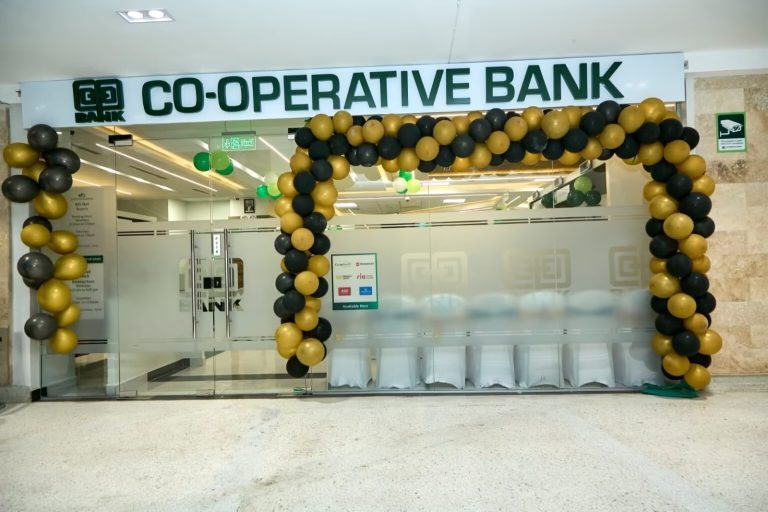
In an era where financial security is increasingly becoming a priority for households and entrepreneurs alike, the Co-operative Bank of Kenya (Co-op Bank) has unveiled a savings solution designed to help customers grow their money effortlessly.

Dubbed Hekima Savings Account, this account allows individuals to earn attractive interest on their savings, enabling them to multiply their money effortlessly.

With no minimum opening balance and no minimum operating balance, the account lowers the barrier to entry for anyone seeking to build a strong financial foundation.

Unlike many conventional savings products, Hekima charges no monthly maintenance fees, ensuring that every shilling deposited remains focused on growth.

Interest is calculated daily on credit balances and paid quarterly, meaning customers earn consistently as their savings accumulate.

The account is structured to encourage disciplined saving, permitting only one withdrawal per calendar quarter. This feature is designed to help customers resist impulsive spending and stay committed to their financial goals, whether they are saving for school fees, business expansion, a home project, or emergency funds.

Account holders also benefit from regular statements issued every six months, allowing them to track their progress and celebrate milestones.

To maintain its focus as a pure savings vehicle, the Hekima account does not come with an ATM or debit card, reinforcing its purpose as a growth-oriented product rather than a transactional account.

Opening a Hekima Savings Account is seamless and accessible. Customers can register digitally through the Co-op Bank App or the YEA App, eliminating the need for lengthy branch visits.

Prospective account holders simply need an original ID card or passport, a copy of the identification document, and a copy of their KRA PIN.

For Kenyans determined to turn small, consistent deposits into meaningful wealth, the Hekima Savings Account presents a compelling opportunity: save smart, earn more, and watch your money grow.

“Put your shillings to work and enjoy high interest rates with our Hekima Savings Account! Earn interest on your hard-earned money by opening a Hekima Savings Account,” Co-op Bank states.

Also Read: As Kenyans cough up housing tax, Ruto allies get multi-billion construction deals

How to apply for the 2026 Safaricom internship program

0

Telecommunication giant Safaricom has opened applications for its 2026 attachment and internship program.

In an advertisement on its website, Safaricom said the 3-month attachment program targets ongoing students and will have intakes in April, July, October and January 2027.

On the other hand, the internship program is for recent graduates who graduated within the last 12 months and students awaiting graduation. It will take six months with intakes in April and October.

The programs target students from various disciplines, including Human Resources, finance, Marketing, PR and Communications, Supply Chain, Cybersecurity, and ICT, among others.

“We’re inviting bold, curious, and driven young talent to join our 2026/27 Annual Internship Program across HR, Legal, Finance, Supply Chain, Marketing, Audit, PR & Communications, Enterprise Risk, Cyber Security, and Technology — an opportunity to learn, contribute, and shape what’s next from day one,” Safaricom said in a notice.

To be eligible, applicants must be enrolled in a bachelor’s degree programme at an undergraduate level in their 3rd, 4th, or 5th year of study.

Additionally, they must either have a bachelor’s degree obtained within the last 12 months or be awaiting graduation.

Safaricom added that candidates should apply for only one intake per calendar year and must be accessible full-time throughout the chosen intake period.

Applicants must commit to the programme for its full duration, which is three or six months and cannot be extended.

How to apply

Applications must be submitted online through Safaricom’s Career Portal. Required documents include an updated curriculum vitae showing all relevant skills, ID number, phone number, and Email address.

Applications must be completed in one session, with Safaricom warning that imcomplete applications will not be considered.

“Safaricom is an equal opportunity employer. We strongly encourage persons with disabilities to apply!” the notice adds.

Also Read: KRA announces attachment opportunities for diploma and degree students; how to apply

KRA announces attachment opportunities for diploma and degree students; how to apply

2

The Kenya Revenue Authority (KRA) has announced mass industrial attachment opportunities for the May to July 2026 intake.

In a statement, KRA said the opportunities target continuing undergraduate and final-year Diploma students aged below 35 years, who will be deployed to serve in it’s various departments to gain practical work experience.

“We are offering Industrial Attachment opportunities across various departments to help you gain practical experience and strengthen your career edge,” the statement read.

Interested applicants must be pursuing courses in the following fields:

  • Finance and Accounting
  • Economics and Statistics
  • Data Analytics and Mathematics
  • Human Resource Management
  • Supply Chain Management
  • Marketing and Communication
  • International Relations and Diplomacy
  • ICT and Telecommunications
  • Security and Safety
  • Engineering
  • Business Administration and Project Management
  • Records and Information Science
  • Law, Education, Chemistry

How to Apply

Interested applicants must submit applications online via the KRA e-recruitment portal https://erecruitment.kra.go.ke/login. Follow the procedure below to complete applications:

  • Go to https://erecruitment.kra.go.ke/login and then click on the ‘Register’
  • After registration, you will receive an email enabling you to confirm your email address and complete your registration.
  • After registration go to https://erecruitment.kra.go.ke/login
  • Key in your username and password then click on ‘Log in’ to access your account.
  • After successful log in, the system will open the ‘Applicant Cockpit’.
  • On the ‘Applicant Cockpit’ page, go to the tab ‘Candidate Profile’.
  • Click on ‘My Profile’ to create and update your profile.
  • Follow the instructions to complete your profile.
  • The process will end by clicking the tab “Overview and Release”.
  • Ensure you click the check box on the page to complete the profile.

The deadline for the application is Friday, 6th March 2026. Incomplete applications will not be considered.

Successful applicants will receive a monthly stipend of Sh7,000, subject to applicable statutory deductions.

Additionally, successful applicants will be required to submit proof of a valid Personal Accident Insurance Cover, copies of KRA PIN certificate, NHIF/SHIF, NSSF, ID card and Bank Account details.

Also Read: Cost of constructing Talanta Stadium was inflated by Sh10.85 billion

Cost of constructing Talanta Stadium was inflated by Sh10.85 billion

0

The cost of building Talanta Stadium was inflated by a whopping Sh10.85 billion. This has been revealed by an audit report by the Auditor General Nancy Gathungu. At the same time, the audit report has established that the method in which the tender for the construction of the Talanta Stadium was issued violated Kenya’s procurement laws.

According to the report, the National Treasury had approved Sh35 billion for the funding of the stadium. This money was to be drawn from the Sports and Arts Social Development Fund (SASDF) and would come with a six-year repayment plan. However, the cost was inflated to Sh45.85 billion.

“This is against a contract of Sh45.85 billion, resulting in an unsupported price variation of Sh10.85 billion,” the report stated.

In addition to the inflation, the audit report has established that the contract that the government signed on was formulated in a way that is punitive towards Kenya.

For instance, the audit found out that there are clauses that state that late payments to the contractor will attract interest rates of three percent above the Centra Bank of Kenya’s average base lending rate on the very first day that the payments become due.

For instance, the audit report showed that the Talanta Stadium project implementation report as at June 1, 2025 indicated that the stadium had a completion rate of 44.54 percent. At that point, it still had 15 months left to the expected completion date.

Cumulative payments due to the contractor stood at Sh2 billion. This was 4.5 percent of the contract amount, which meant that the taxpayer was already exposed to penalties and interest charges.

As Kenyans cough up housing tax, Ruto allies get multi-billion construction deals

According to Ms Gathungu’s report, there is no analysis that was done to determine whether Kenya was getting any value for money from the Talanta Stadium project.

“The contract was awarded through a direct procurement method which did not meet competitive criteria demanded by the Public Procurement and Asset Disposal Act of 2015,” Ms Gathungu’s audit report stated.

As Kenyans cough up housing tax, Ruto allies get multi-billion construction deals

0

Close allies of President William Ruto are raking in billions of money from the controversial affordable housing tax that Kenyans are forcefully deducted every month. According to a report that appeared in the Sunday Nation on February 21, 2026, Ruto allies have been awarded contracts worth billions of money to build houses under the affordable housing scheme.

Among these Ruto allies is Mary Wambui who is the chairperson of the Athi Water Works Development Agency. The report in the Sunday Nation states that a firm that is associated with Wambui known as Nightingale (E.A) Limited has been awarded a tender worth Sh4.78 billion to construct 2,956 houses in the Mathare area in Nairobi.

This company’s details at the Registrar of Companies show that Edward Njenga Muniu holds a 90 percent stake while Wambui’s business associate Ruth Waithira Kinyanjui hold a 10 percent stake.

The Sunday Nation reported that Wambui was previously a director of Nightingale. She resigned from her position on December 5, 2022 after she was appointed by President Ruto to the position of Chairperson of the Communications Authority of Kenya.

The report goes on to single out Sam Mburu who is the husband of Nakuru Governor Susan Kihika and a Ruto ally. Mburu has been granted a deal worth about Sh2.58 billion to build 1,215 housing units in Naivasha. He has been granted this deal through his company which is known as Landmark Freight Services.

Another Ruto ally who has bagged these deals is Trukish national Harun Aydin through a company known as MHOA Africa Limited. Apparently, this Turkish man is part of a joint venture that is expected to build at least 100,000 homes under the controversial affordable houses project.

His company was registered in March 2023, just a few months after Ruto was declared the winner of the 2022 presidential contest by the Supreme Court of Kenya. Aydin had been deported from Kenya in 2021. MHOA Africa is in a joint venture with Demir Group. Aydin holds a 50 per cent stake.

Aydin had been deported from Kenya over money-laundering links and illegal movement into and out of Kenya.

Former Cabinet Secretary for Interior and Coordination of Government Fred Matiang’i had told the National Assembly’s Departmental Committee on Administration and National Security on Friday, August 13 2021, that an analysis of Aydin’s frequent movements into and out of the country indicated that he had close links with foreigners involved in money-laundering.

The Turkish national applied for an investor’s work permit Class G on November 24, 2020, Matiang’i had said. Aydin received the permit on June 25, 2021, allowing him to run Unit 2HA Investment Energy Africa Limited, a firm dealing in energy-related business. However, said Matiang’i, a subsequent examination of Aydin’s work permit documents indicated he was yet to receive formal contract that allows him the freedom to operate uninterrupted.

“He (Harun Aydin) provided the immigration department with a contract stating that he was allowed to work in the energy sector in Kenya. We have, however, discovered that he presented a dummy contract, [and not the genuine approval],” Matiang’I had said.

President Ruto [then as deputy president] had then come out to defend the Turkish man and said that he was an investor. Ruto had alleged that he had helped the Turkish man to secure a multi-billion loan of up to Sh15 billion from Equity Bank. He claimed that Aydin was a business ally who was seeking to invest in Uganda.

New York Times: How Ruto’s family, allies make profits from sending Kenyans to Saudi

However, Equity Bank denied having any links with the Turkish. The bank also refuted Ruto’s claims that he had pitched for a loan at Equity on behalf of Harun Aydin.

“He does not operate and does not have a banking relationship neither does he have a loan with us,” the bank had told the National Assembly Finance Committee.

After the inauguration of President Ruto, Aydin was spotted at State House. He was among guests who attended Ruto’s State House party.