Home Blog Page 111

Marjan Hussein: Career profile of outgoing IEBC CEO

0

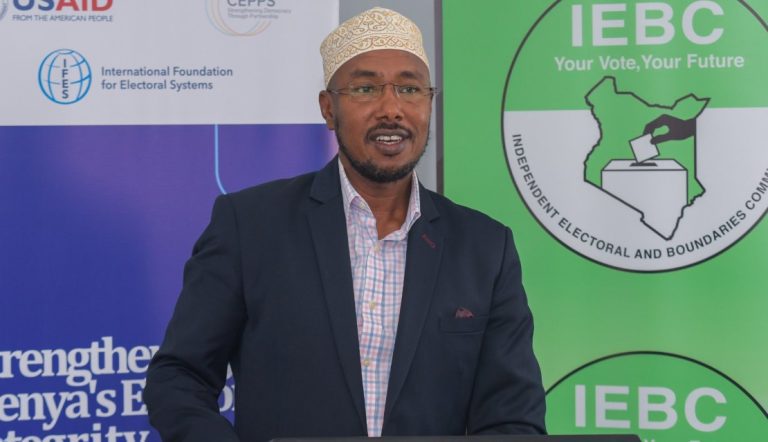
The Independent Electoral and Boundaries Commission (IEBC) Chief Executive Officer, Marjan Hussein Marjan, has stepped down.

Marjan’s exit was announced on Tuesday evening by IEBC Chairperson Erastus Ethekon, who said it followed a mutual agreement to terminate his services.

“This brings to an end his tenure at the IEBC and marks the start of the process to recruit a new CEO and Secretary to the Commission. The IEBC will announce an interim replacement who will serve as Acting CEO/Secretary in due course,” Ethekon said in a statement.

“We thank Mr. Marjan for his dedication and professional service to the IEBC and wish him well in his future endeavors,” Ethekon added.

The exit brings to an end more than a decade of Marjan’s service at the commission. e joined the IEBC in March 2015 after being appointed as Deputy CEO in Charge of Support Services to replace Wilson Sholei.

In October 2018, he was appointed as IEBC acting Chief Executive Officer following the exit of Ezra Chiloba. He was later elevated to CEO on 8 March 2022 in a much-contested exercise.

According to the then IEBC Chairman, the late Wafula Chebukati, Marjan beat 510 applicants to clinch the position of the commission’s CEO.

Prior to his IEBC roles, Marjan worked at Telkom Kenya for over 20 years as the Head of Internal Audit, Investigation, and Quality.

He holds a Bachelor of Commerce (BCom) degree in accounting and a Master of Business Administration (MBA) from the University of Nairobi.

Other certificates he holds include Certified Information Systems Auditor (CISA), Certified Public Accountant (CPA-K), Certified Internal Auditor (CIA), Certification in Control Self-Assessment (CCSA), and Certified Quality Assessor (CQA).

His departure from IEBC follows mounting pressure from opposition parties demanding his exit over lack of trust in his leadership.

Among the concerns raised is the use of Smartmatic for election system. Wiper Party leader Kalonzo Musyoka accused Marjan of hastily renewing the contract of Smartmatic, the company that supplied electoral kits for the 2022 elections.

Kalonzo warned that the upcoming election might not be free and fair if Marjan remained in office.

Absa Group CEO affirms Kenya’s position as a regional financial hub during three-day visit

0

Absa Group Chief Executive Officer, Kenny Fihla, is on a three-day working visit to Kenya marked by engagements with senior government officials, regulators, and leaders from the business and financial services sectors.

During the visit, Fihla will meet public and private sector stakeholders to discuss priorities affecting the banking industry and the wider economy, including access to credit, SME growth, trade and infrastructure financing, and the role of financial institutions in supporting economic activity across East Africa. Kenya’s position as a regional financial and trade hub will feature prominently in the discussions, particularly its role in enabling cross-border business and regional integration.

“This visit is about engaging directly with stakeholders and customers to better understand the realities they are navigating,” said Fihla. “That understanding is central to how we live our purpose of empowering Africa’s tomorrow by supporting businesses and households through different economic cycles.”

Fihla is accompanied by Charles Russon, Group Executive: Africa Regions, and Saviour Chibiya, Regional Executive: East Africa. The visit reflects Absa’s commitment to continued investment in banking infrastructure and digitisation to support customers and improve efficiency. In the recent past, Absa has invested significantly in modernising its technology platforms, including approximately KSh4 billion invested in technology infrastructure that is aimed at strengthening digital services, system resilience, and operational efficiency in Kenya.

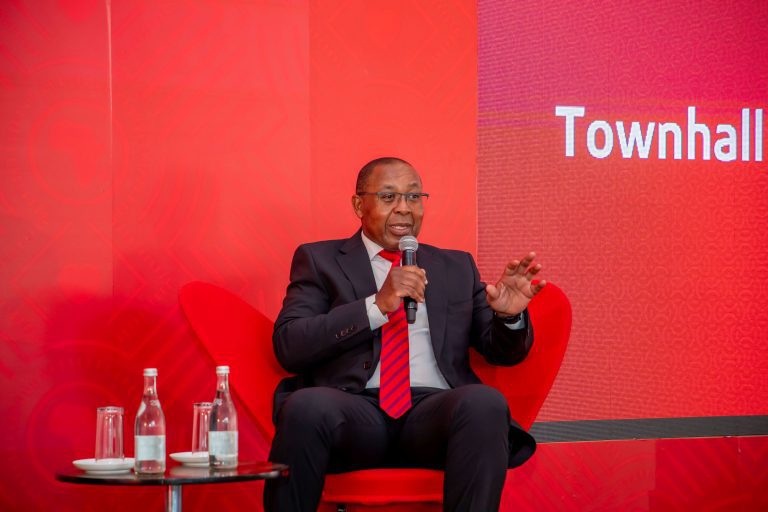
Commenting on the visit, Absa Bank Kenya Managing Director & CEO, Abdi Mohamed, noted that Kenya continues to play a central role in Absa Group’s regional strategy. He added that the visit reaffirmed the importance of Kenya as a base for supporting regional trade, investment, and cross-border activity.

Absa Group CEO affirms Kenya’s position as a regional financial hub during three-day visit
Absa Group Chief Executive Officer Kenny Fihla (Right) accompanied by Absa Bank Kenya CEO Abdi Mohamed is welcomed by Chief Finance Officer Yusuf Omari at the Absa Headquarters during his three-day working visit to Kenya marked by engagements with senior government officials, regulators, and leaders from the business and financial services sectors.

Engagements during the visit will include discussions with representatives from key industries, the financial sector, and the SME ecosystem, reflecting Absa’s focus on sectors that underpin durable economic activity such as agriculture, trade, infrastructure, digital enterprise, and small and medium-sized businesses.

Fihla has also emphasised the importance of collaboration between banks, government, and regulators in building a stable and resilient financial system, noting that constructive engagement and regulatory clarity are important in sustaining investment and long-term planning.

Kenya Pipeline Company e-IPO launched at the Nairobi Securities Exchange

The visit includes internal engagements with Absa leadership and teams to reinforce the Group’s customer-led approach and its focus on consistent execution, responsible capital allocation, and strong local delivery across Kenya and the wider East Africa region.

As Absa operates across East Africa, the Group remains focused on combining regional and global banking capability with deep local understanding, supported by strong leadership and talent depth, reflected in its Top Employer certification across key markets.

Absa Group CEO affirms Kenya’s position as a regional financial hub during three-day visit
Absa Group Chief Executive Officer Kenny Fihla and Absa Bank Kenya CEO Abdi Mohamed interact with a customer during his three-day working visit to Kenya marked by engagements with senior government officials, regulators, and leaders from the business and financial services sectors.

Knight Frank Kenya Report: Real estate market shows resilience as investors shift to quality and completion

Kenya’s real estate sector closed 2025 in a position of cautious strength, marked by stabilising macroeconomic conditions, selective investor confidence, and a clear shift from speculative expansion to disciplined execution. This is according to the Kenya Market Update H2 2025 released by Knight Frank Kenya, which paints a picture of a market adapting to both economic realities and political timelines ahead of the 2027 general elections.

Economic Stabilisation Is Reshaping Development Strategy

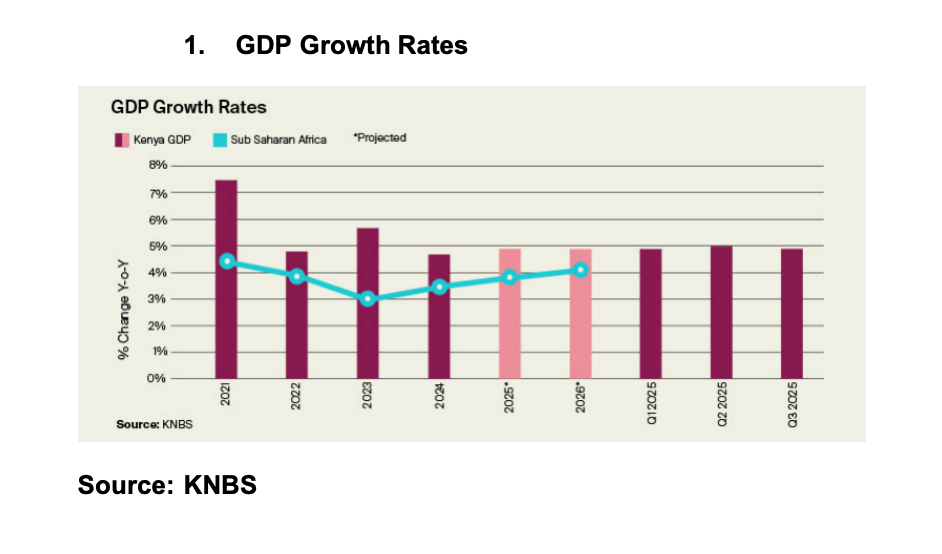
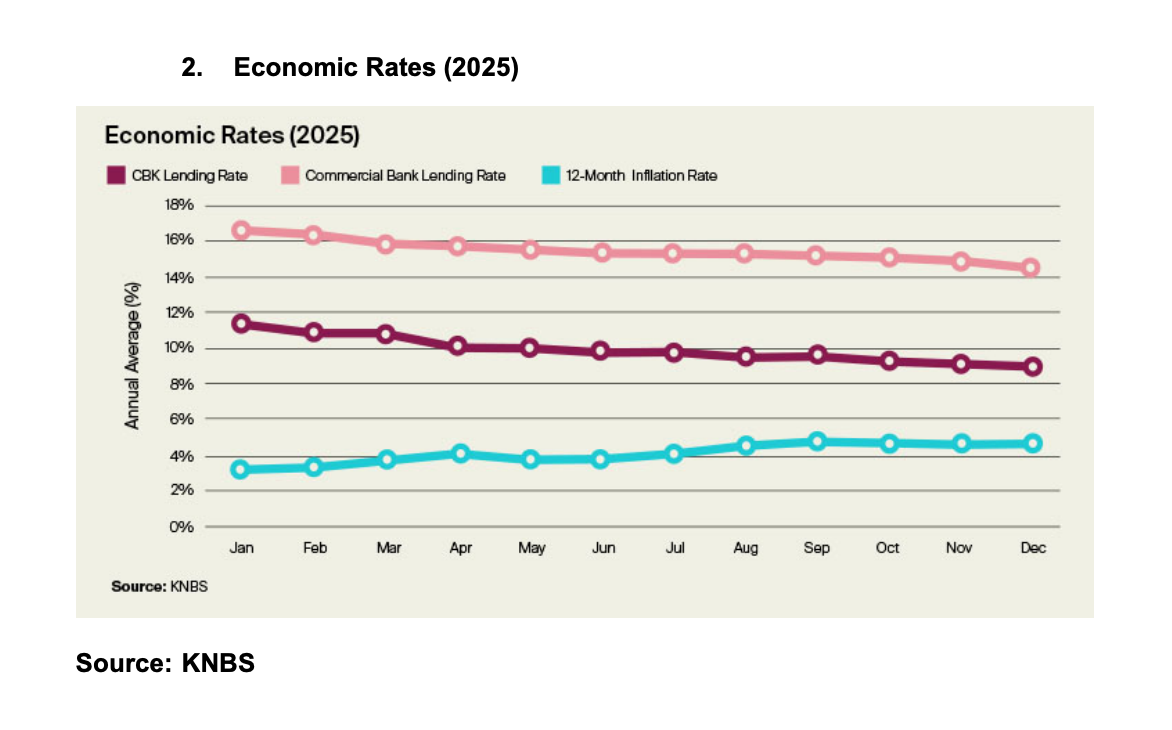
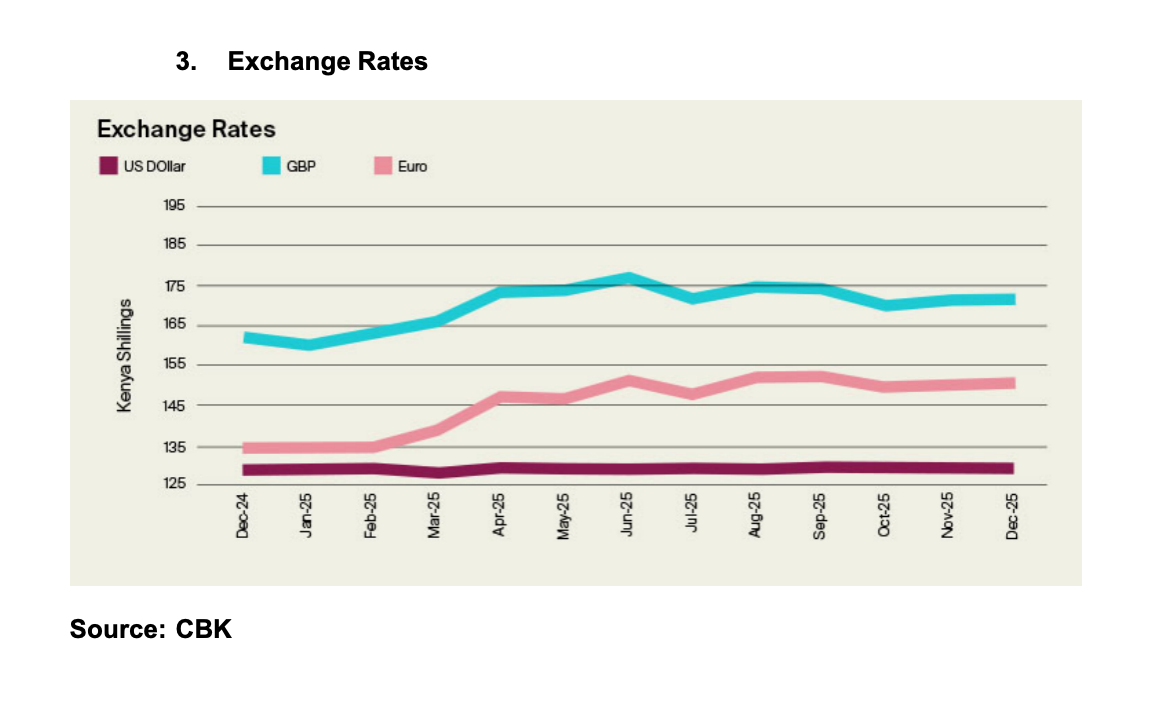
Kenya’s economy is estimated to have grown by 4.9% in 2025, with a similar growth forecast for 2026. Inflation remained within the Central Bank of Kenya’s target range, the shilling stabilised, and lending rates declined. These factors provided a firmer foundation for long-term planning.

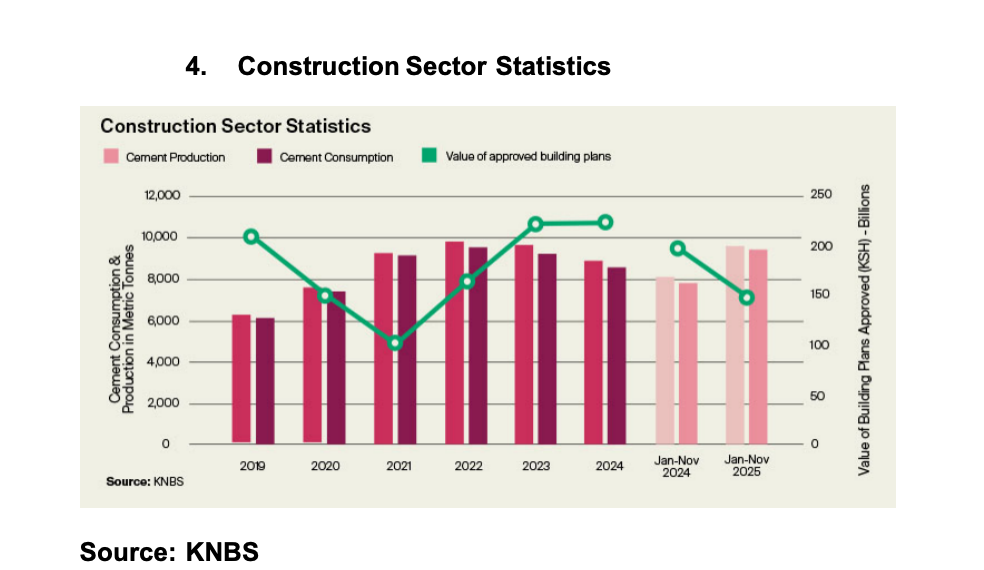
However, developers responded conservatively. The value of approved building plans in Nairobi fell by approximately 24% year-on-year, signalling a strategic pause. Rather than launching new projects, developers focused on completing existing stock, a move that reflects maturity rather than distress.

This consolidation phase suggests a market prioritising absorption and cash flow discipline over aggressive expansion.

Infrastructure Progress Relies Increasingly on Private Capital

Infrastructure delivery in the second half of 2025 was largely driven by Public-Private Partnerships and foreign capital. A key example is the USD 863 million Nairobi–Nakuru–Mau Summit highway, now progressing under a PPP model.

Policy clarity also improved, with court rulings strengthening investor protections and planning frameworks increasingly supporting urban densification. Nonetheless, a widening public financing gap highlights the growing importance of private capital in delivering Kenya’s infrastructure ambitions.

Knight Frank: Kenya’s real estate sector grows 5.6% in H1 2025 as infrastructure investments Top Ksh. 217 billion

Office Market Recovery Driven by Grade A Demand

Nairobi’s prime office market showed clear signs of recovery. Occupancy rates rose to 81.58% by December 2025, driven by strong uptake of Grade A developments such as Purple Tower and The Mandrake.

Rents remained stable at approximately USD 1.20 per square foot per month, while prime yields held firm at between 8% and 9%. Flexible workspaces continued to expand, though the closure of non-core outlets underscored the importance of location, operational efficiency, and sustainable business models.

Retail Sector Shifts Toward Community-Centric Formats

Kenya’s retail market remained resilient despite ongoing digital disruption. Major retailers, including Naivas and Carrefour, led physical expansion strategies focused on neighbourhood and community malls.

Footfall remained strong, and the development pipeline is increasingly oriented toward mixed-use and convenience-driven projects. Proposed developments such as the Talanta Sports City mall reflect a broader pivot toward value-based retail that integrates leisure, accessibility, and daily consumer needs.

Residential Demand Moves Toward Integrated Living

Prime residential price growth moderated to 6.17% in 2025, signalling a more balanced market. Buyer preferences are increasingly shifting toward secure, amenity-rich, master-planned environments.

Large-scale developments such as Tatu City and Tilisi continued to attract demand, while high-end apartment projects in Westlands reflected sustained appetite for quality urban living. The emphasis is clearly on lifestyle, infrastructure, and long-term value rather than speculative capital gains.

Businessman Shahbal: How I lost Sh450 million in Affordable Housing Project

Hospitality and Tourism Record Strong Momentum

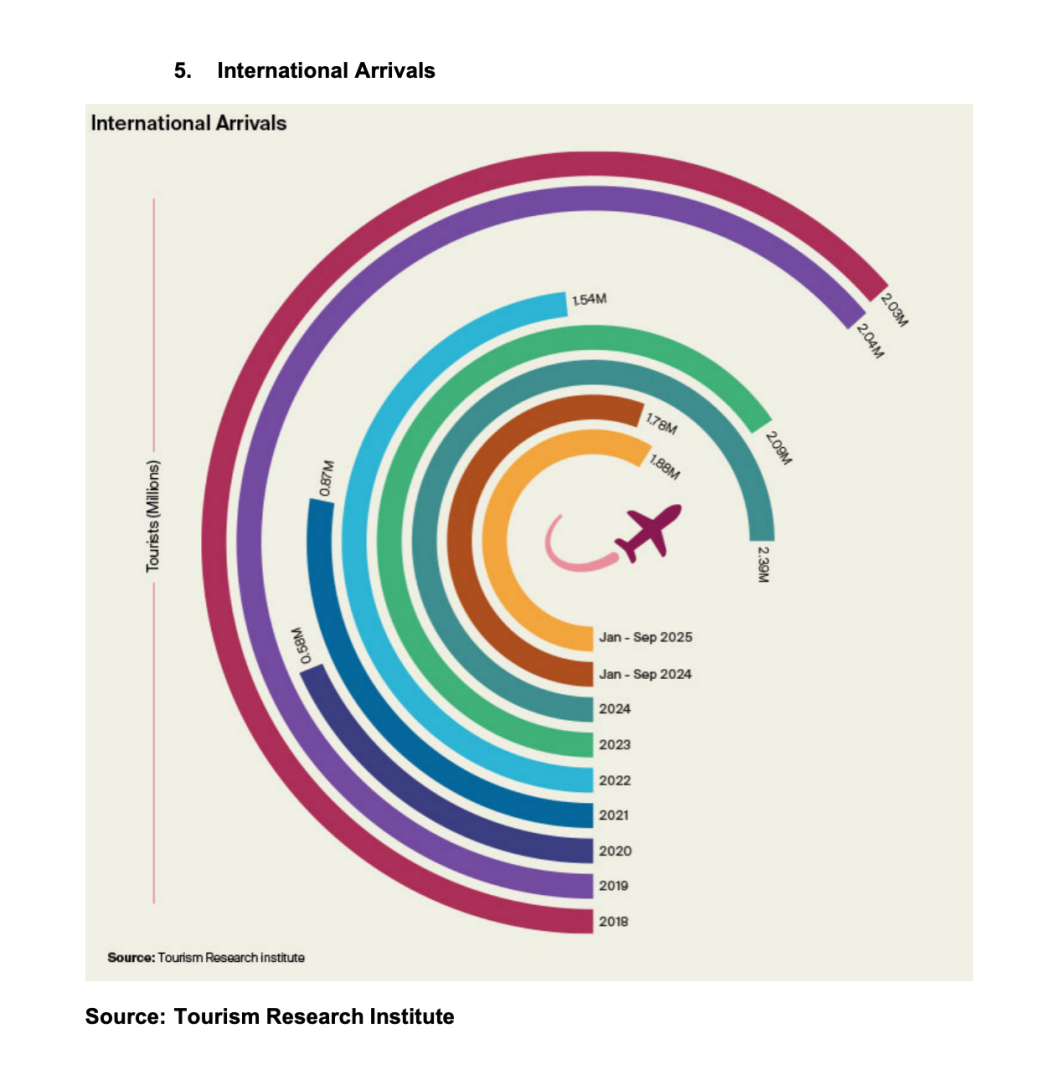
Kenya’s hospitality sector benefited from a 9.5% increase in international arrivals, supported by expanded international airlift. Landmark developments, including the opening of the Ritz-Carlton Masai Mara, reinforced the country’s luxury tourism appeal.

At the coast, the operationalisation of the Mombasa Commuter Rail boosted accessibility, pushing hotel occupancies above 85% in December 2025. The data points to renewed confidence in tourism-linked real estate assets.

Industrial and Data Infrastructure Attract Major Investment

The industrial segment emerged as one of the strongest performers. Special Economic Zones, particularly Tatu City, attracted over KES 65 billion in new foreign direct investment commitments.

Alternative assets also gained prominence. Data centre developments, including Airtel’s Nxtra facility, reinforced Kenya’s positioning as East Africa’s digital infrastructure hub, supported by connectivity, regional demand, and improving policy alignment.

2026 Outlook: Discipline Over Speculation

Looking ahead, the outlook for 2026 is defined by caution, quality, and execution. Stable macroeconomic indicators provide confidence, but election-related uncertainty is expected to keep many investors in a wait-and-see posture.

Growth is likely to concentrate in asset classes supported by targeted financing and policy alignment, including affordable housing, prime office space, Special Economic Zones, and completed income-generating stock. Speculative developments without clear demand fundamentals are expected to slow further.

The message from the market is clear: Kenya’s real estate sector is no longer rewarding speed or scale alone. It is rewarding discipline, quality, and strategic patience.

For investors, developers, and policymakers alike, the next phase will be less about expansion and more about stewardship—deploying capital responsibly, aligning with real demand, and building assets that can withstand both economic cycles and political transitions.

Download the Kenya Market Update H2 2025 full report HERE

Agriculture Ministry announces mass hiring of casual workers; how to apply

0

The Ministry of Agriculture and Livestock Development, through the State Department for Livestock Development, has announced 354 job opportunities across various functional areas.

In a notice on Tuesday, February 3, the ministry invited qualified Kenyans to apply for the vacancies.

According to the notice, the open positions include:

  • Clerical officer II (44)
  • Office Administrative Assistant III (20)
  • Office Assistant IV (65)
  • Driver III/ Plant Operator III (32)
  • Artisans (35)
  • Receptionist Assistant III (8)
  • Security Warden III (55)
  • Cook III (20)
  • Housekeeping Assistant III (20)
  • Animal Husbandry Assistant III (55)

Successful applicants will be hired on a one-year contract basis subject to the terms and conditions of service as outlined by the Ministry.

How to apply

Interested candidates are required to complete one application PSC2 form (Revised 2016). The form can be downloaded from the Public Service Commission website: www.publicservice.go.ke.

Completed form alongside certified copies of academic and professional certificates, should be submitted to the Principal Secretary, State Department for Livestock Development, Ministry of Agriculture and Livestock Development, P.O. Box 34188–00100, Nairobi,

Alternatively, the applications can be hand-delivered to Kilimo House, 2nd Floor, Wing “A”, Room 2-17.

The Ministry of Agriculture emphasised that applicants should submit an application for one post only.

The deadline for submission of applications is 28th February, 2026 at 5. PM. Only shortlisted candidates will be contacted.

Shortlisted candidates shall be required to produce original copies of National Identity Card, academic and professional certificates and transcripts.

Also Read: Amount of pay raise clinical officers in Kenya will earn in new deal

Businessman Shahbal: How I lost Sh450 million in Affordable Housing Project

0

Billionaire businessman Suleiman Shahbal has revealed how he lost Sh450 million in nine months during the construction of affordable housing units in Buxton, Mombasa County.

Speaking on the ‘Tubonge With Chris the Bass’ podcast, Shahbal attributed the massive loss to some unforeseen circumstances that pushed construction cost higher, leaving some key parts of the construction incomplete.

According to him, the construction site had soft sand which was not ideal for construction. His firm needed to fortify the area’s foundation which further increased construction costs by 20 percent.

The businessman revealed he was forced to dig into his pockets to clear the arrears since the County government was unable to.

“We built the houses only to realise that there was no water nor a sewerage system, which the county was supposed to cater for, but they did not have the capacity. We ended up building the sewerage system, since people cannot move into 520 houses without it. Sh120 million went down the drain,” the businessman disclosed

“Within nine months, we lost Sh450 million in Phase 1 of the Buxton Point Affordable Housing. That was our learning point,” he added.

Shahbal further added that the Russia-Ukraine war hugely affected the project’s construction. According to him, the price of steel went up by 140 percent. Despite the challenges, he pushed on to prevent the project from failing.

Shahbal Profile

Shahbal is a Kenyan politician and businessman. He is the founder and chairman of GulfCap Group of Companies, a diversified conglomerate with interests in finance, real estate, energy, and hospitality.

Before diverting into entrepreneurship, Shahbal worked in various fields, including the banking sector.

The University of Nairobi Finance graduate worked across several countries, including Yemen and the Gulf countries – Bahrain, Kuwait, Oman, Qatar, Saudi Arabia, the United Arab Emirates (UAE),  India, Bahrain, and Saudi Arabia.

He later quit employment to start his own businesses, which include the Gulfcap Group, an investment company in the UAE, and Gulf Energy which was later sold to Rubis in 2019.

Through GulfCap Real Estate, Shahbal won a Sh13 billion contract to construct affordable houses in Starehe Constituency.

The proposed development will comprise 2,000 social housing units retailing at Sh1.155m, and a total of 4704 one-bedroom, two-bedroom, and three-bedroom units ranging from Sh2.5m to Sh3.5m.

The holistic project will be complemented by the construction of social amenities such as swimming pools, food courts, green spaces, LPG and ICT connectivity among other supporting internal infrastructure such as cabro paved driveways.

GulfCap Real Estate also developed Buxton Point in Mombasa.

Also Read: Step-by-step guide to buying affordable housing units, features and charges

Vivo Energy hosts Chinese business leaders ahead of Chinese New Year

0

Vivo Energy has hosted an exclusive dinner to celebrate the Chinese New Year.

The celebrations hosted on Friday brought together members of the Chinese business community in a bid to enhance and strengthen business ties and build long-lasting partnerships.

Kenya has been commended as a strategic investment partner for Chinese investors, with significant partnerships across construction, manufacturing, logistics, infrastructure and industrial development.

These investments have not only contributed to strengthening the country’s economy but have also played a significant role in trade linkages, technology transfer and job creation.

Vivo Energy Kenya, the distributor and marketer of Shell products and services in the country, has played a key role by supporting this growth through provision of reliable energy solutions that drive the nation’s economy.

Speaking during the event, Vivo Energy Kenya Managing Director Mr. Peter Murungi, commented on the impact of the Chinese business community on the country’s economic landscape.

“The Chinese business community has become a powerful force in Kenya’s economic landscape growth, with meaningful contributions across sectors like construction, manufacturing, logistics and infrastructure. This contribution is felt by everyone, and Vivo Energy Kenya is especially proud to be part of this growth journey as a long-term business partner,” said Mr. Murungi.

Mr. Murungi further said that Vivo Energy Kenya is committed to delivering world-class products and services backed by strong technical support.

“Shell is a global brand built on decades of research, innovation, and technical leadership and this is the expertise that we bring to our partners every day. Beyond product delivery, we focus on operational reliability by helping your equipment run efficiently, reduce downtime, and ensure reliability, flexibility, and peace of mind that you need to grow,” added Mr. Murungi.

He noted that the year ahead presents both challenges and opportunities for businesses operating in Kenya.

“Every new year brings fresh challenges, but also creates opportunities for innovation, collaboration and to step outside our comfort zones. At Vivo Energy, we remain committed to working closely with our partners to unlock new possibilities and support sustainable growth.”

This year, the Chinese New Year will be celebrated on 17th February 2026, marking the Year of the Horse, which symbolises strength, momentum, speed, and success, values that align closely with Vivo Energy’s approach to collaboration and partnerships.

Also Read: Isuzu East Africa launches locally assembled Mu-X luxury SUV

Starehe Boys Centre on the spot for charging parents Sh300,000 school fees

Starehe Boys Centre and Starehe Girls are on the spot for charging exorbitant school fees in defiance to instructions from the Ministry of Education.

According to a report that was issued by the Office of the Auditor General Nancy Gathungu, in the academic year 2024, the Starehe schools charged parents up to Sh300,000 in fees even though the ministry had capped school fees at Sh67,244.

Starehe Boys led in charging exorbitant fees, with quotations that ranged between Sh140,000 and Sh300,000.

On its part, Starehe Girls charged fees of Sh150,000. This was thrice the amount of Sh53,554 that had been recommended by the Ministry of Education.

The report by Ms Gathungu noted that at the girls’ school, each student was overcharged by up to Sh96,446 within one year.

“There was a departure from the school fees charged for a Category A – Boarding Schools Fees Structure of Sh53,554 issued by the Ministry of Education… as the school charged Sh150,000, leading to an unapproved charge of Sh96,446 per student,” the report stated.

At the boys’ school, the school management claimed that it had agreed with parents that students would be charged fees according to their abilities. However, the Auditor General found this to be inaccurate.

“The school management entered into agreement with parents to pay school fees at different rates ranging from Sh140,000 to Sh300,000 based on the parents’ ability in contravention to section 3.2 of the Ministry of Education Circular Number MOE-HQS/311313 on fees charged for Category A. Boarding school for SH67,244 which required the school management to obtain a written authority from the (Cabinet Secretary for Education),” the report stated.

In that academic year, the report noted that the school collected over Sh92 million from parents.

READ MORE: Education Ministry allows Starehe to reject 632 Grade 10 learners

In addition to the illegal fees charged by the two schools, the Auditor General’s report found out that the schools had blocked parents from participating in decision-making organs. It also found that the schools lacked proper management systems that had resulted in understaffing.

At the time of the audit, the boys’ school had not had a substantive principal for close to five years. The school also had a shortage of 28 teachers, yet “there was no indication of any effort by the Board of Management to ensure that the vacant positions are filled.”

The girls school was also operating without representation for parents and a board of management that had no one to hold it accountable.

Isuzu East Africa launches locally assembled Mu-X luxury SUV

0

Isuzu East Africa (Isuzu EA) has today launched the locally assembled Isuzu mu-X luxury SUV, marking a major milestone in Kenya’s automotive manufacturing journey and reinforcing the company’s long-term commitment to local assembly, affordability, and regional industrial growth.

Assembly of the Isuzu mu-X commenced in November 2025, enabling the Isuzu EA Plant achieve 100% locally assembled product portfolio. The launch now introduces the vehicle to the Kenyan and the East African market, offering customers a premium SUV that combines luxury, performance, and durability – proudly assembled in Kenya.

The local assembly of the mu-X supports key national and regional priorities, including the Buy Kenya, Build Kenya initiative and the objectives of the African Continental Free Trade Area (AfCFTA).

Speaking at the Isuzu mu-X launch event, Rita Kavashe, Chair of the Board and Managing Director, Isuzu East Africa. “Because of the trust and loyalty of our customers, we are now able to bring the mu-X closer to them – locally assembled to ensure better availability, competitive pricing, and a vehicle built specifically for their driving needs and lifestyle.”

The locally assembled Isuzu mu-X will be available in two variants, offering customers greater choice and improved affordability: The 1.9-litre variant will retail at KSh 8.9 million, while the 3.0-litre variant will retail at KSh 9.9 million, down from KSh 13.5 million.

“Due to the tax incentives that are accrued from local assembly, this means the price of these vehicles with all their latest safety and convenience features have dropped by 27%,” Rita explained.

This significant price reduction reflects the benefits of local assembly, enabling more customers to access a premium SUV while enjoying shorter delivery timelines and strong aftersales support through Isuzu EA’s nationwide dealer network.

NCBA giving 95% financing to buyers of Isuzu, Toyota vehicles. How to apply

While delivering his keynote address at the event, Hon. Lee Kinyanjui, Cabinet Secretary, Ministry of Investments, Trade and Industry, described the Isuzu mu-X launch as a major milestone for Kenya’s industrialization and investment story. “Buy Kenya, Build Kenya is about increasing preference for Kenyan goods and services and driving expenditure that supports local production,” CS Kinyanjui stated. He further explained that local assembly “keeps more value in the country” by creating jobs and strengthening the SME supplier ecosystem.

The chief guest at the event, Junichi Kubo, President of Isuzu Motors International Operations, revealed that while the mu-X was originally intended to have only one global assembly hub in Thailand, an exception was made for Kenya.

“This is a big day not just for Kenya but for our business globally as we witness the first assembly of the mu-X in an overseas market,” Kubo said. He expressed immense confidence in the local workforce, noting that “the plant operations managed here fully meet the high-quality standards expected by our mother plant in Thailand.”

The introduction of the mu-X into local production builds on Isuzu EA’s broader manufacturing strategy, following the expansion of CV and LCV Level III assembly programs. By expanding its production footprint, Isuzu EA continues to position Kenya as a growing regional automotive hub through increased local value addition, job creation, skills development, and strengthened supplier participation across the automotive value chain.

The Kenyan mirror: why corruption isn’t just a leadership problem

0

For decades, the Kenyan conversation has been dominated by a single villain: “The Government.” We gather in markets, offices, and on social media to lament the state of the nation, pointing trembling fingers at the presidency and Parliament. We cry for change, we vote for “saviours,” and yet, as each administration passes, the song of corrupt government remains the same since Jomo Kenyatta’s time to President Ruto.

But if the faces at the top change and the corruption remains, we must ask ourselves a painful question: Is the problem the throne, or is it the people who supply the kings?

The math of morality

There are roughly 55 million Kenyans and only a few thousand high-ranking officials. Mathematically, the leadership is a tiny fraction of the population. These leaders do not drop from an “alien land” or descend from the clouds; they are born in our hospitals, raised in our neighbourhoods, and taught in our schools. They are our brothers, our cousins, and our former classmates.

When we blame the President for the “culture of corruption,” we ignore the fact that he is not there when a domestic worker steals from their employer, or when an office clerk demands a “facilitation fee” to move a file. He isn’t there when we use nepotism to hire a less-qualified relative over a deserving stranger.

The religious paradox

Kenya is a deeply religious nation. Our religious institutions, from churches, mosques, temples, etc., are full every week, yet our workplaces are often dens of dishonesty. We have developed a “split personality” where we can pray loudly on Friday in the mosque and Sunday in church and practice petty theft or bribery on Monday. We demand integrity from the State House while we lack it in our own households.

EACC launches bible study to fight corruption

“Hands-Off” culture

We have mastered the art of avoiding responsibility. In Kenya, the “bad guy” is always someone else.

We have a culture of passing the buck. We expect a single leader to clean up a mess that 55 million of us are contributing to daily. We steal from our own relatives and sabotage our own employers, then act shocked when a Cabinet Secretary is accused of the same thing on a larger scale.

The seed and the soil

If you plant a seed in toxic soil, it doesn’t matter how “good” the seed is; the plant will eventually wither or turn toxic itself. Our leaders are the fruit of our society. If the society values shortcuts, “kitu kidogo,” and tribal favouritism, the leaders will reflect those exact vices.

The only way out

We cannot demand a “New Kenya” if we are still the “Old Kenyans.” True revolution is not found in the ballot box alone; it starts at the dining table, the office desk, and the local shop.

Before we point a finger at the leadership, we must look at our own hands. Are they clean? Change will only happen when we realize that the government is simply a mirror of the people. If we want a different reflection, we have to change the face looking into the mirror.

Africa: The Incredible Wealth, Exploitation, Corruption and Poverty for its people 

About the author

Mulumi Mwangi is a seasoned businessman with more than five decades of life experience, bringing a rare depth of perspective to both enterprise and writing. Trained as an electrical engineer, he has founded, built, and managed ventures across diverse sectors, including advertising, marketing, agribusiness, real estate, and fintech.

His writing is firmly grounded in lived experience. It draws from family life as a father, husband, brother, and uncle; from public life through his service as a national political party official; and from the hard lessons of business, both failure and success. These experiences, combined with everyday social interactions, have shaped a reflective and pragmatic worldview.

Mulumi’s work is offered as a personal perspective rather than a prescription. His views are candid, experience-driven, and open to debate—acknowledging that insight is often refined through dialogue, reflection, and the humility to accept that one may be right or wrong.

Shock tales of Kenyan men dying while fighting for Russia in Ukraine

0

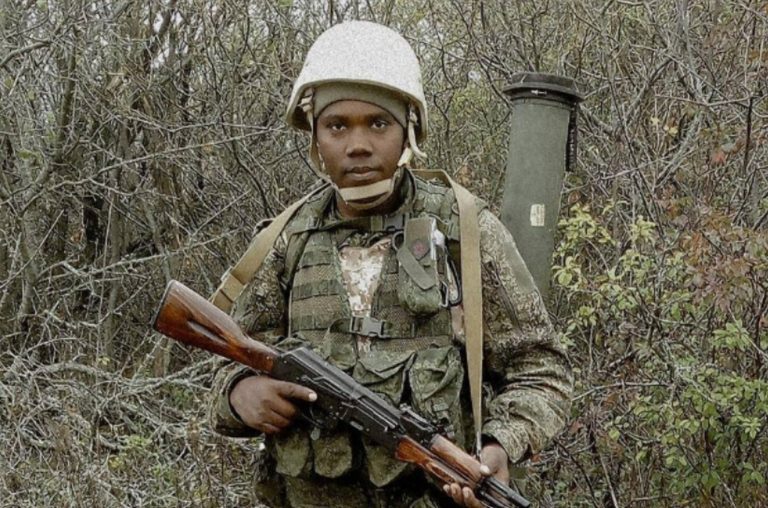
Almost everyday, a Kenyan man is dying while fighting for Russia in Ukraine. The latest to die on the frontline for Russia is Clinton Nyapara Mogesa. He was 28 years old. His body was discovered at one of the positions previously held by Russia forces in the Donetsk region in Ukraine.

Clinton had left Kenya to work in Qatar from where he was lured into Russia. Like most Kenyan young men who are dying in this war, Clinton had never worked as a security officer before, leave alone a military personnel. He had zero military training.

When he landed in Russsia, he was given brief military training, the basics if holding a gun and shooting, and was then sent to the frontline where he met his death.

After his death, Russian forces refused to evacuate his body. When Ukrainian forces found his body, he had two other Kenyan passports belonging to two other Kenyan men who had also been recruited to fight in the war.

For Russia, the young Kenyan men they are recruiting, and many others from different African countries, are disposable. Their vulnerability amd desperation to make money openly evident, the Russians send them to war as their frontline.

These Kenyans are the first to receive fire when things get thick. They act as a protective vest for the Russian forces.

In one video that was recently circulated online, Russian forces were seen recording Kenyan men in the warzones and mocking them in Russian languages, labeling them as fools who would die in the war.

In one video that was shared by Ukraine intelligence, a Russia soldier was captured on video bragging how Russia had so many disposable recruits from Africa.

“Behind their backs, he comments in Russian that they are essentially disposable cannon fodder,” Ukraine’s intelligence interpreted the message.

The Russian soldier went on to say:

“Look how many disposables are here. They’re even singing. So cheerful. No problem – once they’re sent to the assault, they’ll sing a different tune.”

In mid-January 2026, it was estimated that over 200 Kenyans are currently fighting for Russia in Ukraine.

One of these young men who spoke with the media narrated that he was lured to Russia with the promise of a job as a plumber. He was 24.

He recalled that after arriving in St Petersburg, Russia, from Nairobi, he was taken to a black house with other Kenyan men where their luggage was confiscated.

They were then given black clothes and shoes to wear before being transported to a military facility where they were given military identity cards.

They were then moved to another military camp in the city of Belgorod in the south-western Russia near the border with Ukraine. At this camp, they were given military uniforms and guns and sent to the frontline without any training. Their primary job in the early days was to shoot down Ukraine-weaponized drones.

As more young men return home in caskets, questions are being asked on how they are leaving the country in the first place.

Investigations point to elaborate networks that include local placement agencies which are luring unsuspecting Kenyans to the war under guise of employment.

New York Times: How President Ruto’s family, allies make profits from sending Kenyans to Saudi

As at February 1 2026, human rights group Vocal Africa was following up on at least 18 cases of Kenyan men who were either dead or missing. They had all been recruited to fight for Russia.

The official number of Kenyan men in the war has however remained a mystery as the national government has largely stayed vague on the matter, apart from giving promises that Kenyans in the war would all be brought back home.

In October 2025, Ukrainian military public affairs officer Volodymyr Dehtyarov revealed that over a dozen men from Africa had been killed in one month alone in the Kupyansk area in eastern Ukraine.

Overall, the Ukraine intelligence agencies estimates that more than 1,400 young men from Africa have been recruited by Russia.