The Australian government, through the Australian Awards Scholarships, has opened applications for fully-funded learning opportunities for eligible learners in select African Countries including Kenya.
In a notice, the Australia Awards Scholarships said the scholarships commencing in 2027 are aimed at promoting prosperity in Africa through education and research.
Successful applicants will receive full tuition fees, return air travel, a one-off establishment allowance on arrival, a contribution towards living expenses, overseas student health cover for the duration of the scholarship, and supplementary academic support.
Research students and coursework master’s students with compulsory fieldwork components will also receive a fieldwork allowance.
Requirements
Eligible applicants must be citizens of approved African countries, including Kenya, and must be at least 25 years old by February 1, 2027.
They must also have a minimum of five years of relevant postgraduate work experience, be employed at the time of application, and must not be ongoing students or Master’s degree holders
Applicants are also required to meet English language proficiency standards, including an IELTS score of at least 6.5 overall, with no band below 6.0, or equivalent TOEFL or Pearson Test scores.
Priority fields of study include: Agriculture and food security, Climate change, Foreign policy and international security, Gender, disability, and social inclusion and Mining and energy.
How to apply
Interested and qualified candidates are urged to submit applications online through the OASIS system via the Australia Awards Africa website.
Applications must be accompanied by supporting documents, including proof of citizenship, academic certificates and transcripts, a curriculum vitae, academic and employer referee reports, and evidence of English language proficiency, unless exempted under the policy guidelines.
The application window opened on February 1, 2026, and closes on April 30, 2026, at 4:59 pm East African Time. Successful candidates will be notified later in 2026.
Fidel Mwendwa, a 25-year-old mechanic from Kitui, has been announced as the 25th millionaire of the Safaricom Safaricom Shangwe @25promotion.
He also received an additional KES 250,000 for a community project of his choice.
Speaking as he received his award, Fidel was visibly overwhelmed, tears welling in his eyes, as he contained his joy and disbelief.
“Life has never been easy for me. I grew up an orphan, facing challenges I never thought I could overcome. But through it all, hope and a passion for what I do kept me going. Today, with this win from Safaricom Shangwe @25, I feel like a new chapter has begun. I can finally dream bigger. I will use this money to open my own workshop, work for myself, and build a future I once only imagined. This is a chance I never thought possible,” he said.
For his community project, Fidel has chosen to support Timboni Tiva Children’s Home in Kitui County the very place orphanage where he once received love and care growing up as an orphan.
“Today, as we celebrate our final millionaire in the Shangwe @25 promotion, we are proud of the millions of live that we have impacted throughout the promotion period.
The promotion has not only transformed the lives of 25 individuals, but has also touched the hearts of millions of Kenyans through the community projects selected. To all our customers, we thank you for being part of this incredible journey and for sharing in our vision of hope, opportunity, and a brighter future,” said Peter Ndegwa, CEO of Safaricom.
Beyond the millionaire, Safaricom also awarded nine enterprise customers across Western, Nyanza, and Coast regions with three tuk-tuk pick-ups and six business restocks valued at KES 250,000 each.
Over the course of the promotion, more than five million customers nationwide won prizes totaling KES 250 million, reflecting Safaricom’s commitment to sharing its success with the people and communities who have been part of its journey over the past 25 years.
Former ICT Cabinet Secretary Eliud Owalo has declared that his personal net worth stands at approximately Sh1 billion.
Owalo made the revelation during an interview with Citizen TV on Sunday, February 1. Although he did not disclose his source of wealth, the current net worth reflects a growth of Sh355 million since 2022.
During his vetting as a Cabinet Secretary nominee for Information, Communication, and Digital Economy in October 2022, Owalo revealed his net worth stood at Sh645 million.
The 2027 presidential aspirant said he accumulated the wealth through real estate investment, hospitality and agriculture.
Owalo said he owned two residential houses in Nairobi and upcountry worth Sh120 million and Sh70 million, respectively.
Other properties include land worth Sh200 million, four cars worth about Sh15 million, and a hotel facility worth Sh293 million.
“I have ventured heavily into commercial tree planting and as at now I estimate the value proposition is Sh160 million. This comes to a sum total of Sh645 million,” Owalo told the National Assembly Committee on appointments.
Career Background
Owalo recently resigned from President William Ruto’s administration to vie for presidency in the 2027 general elections.
At the time of the exit, he was serving as the Deputy Chief of Staff in charge of Delivery and Government efficiency.
His role in the Office of the President included managing the Government Delivery Unit (GDU) and the Public Service Performance Management Unit (PSPMU), where he was responsible for ensuring the efficient execution of government programs and tracking the performance of the Executive.
“Following my declaration earlier today that I intend to run for the Presidency of the Republic of Kenya in the year 2027, my position as the Deputy Chief of Staff, Delivery and Government Efficiency is no longer Tenable. I have therefore resigned from the position with immediate effect,” he said in a social media statement released on Sunday, January 11, 2026.
Prior to the appointment, he served as the Cabinet Secretary for Information, Communication, and Digital Economy from 2022 to 2024, when President William Ruto dissolved his Cabinet.
He also served as the head of the Presidential Secretariat for the late former Prime Minister Raila Odinga in 2013.
In addition, he has also served as Deputy Secretary General in the United Democratic Alliance (UDA). He was also an Economic advisor to the Kenya Kwanza 2022 Presidential Campaign.
He holds a Bachelor’s degree in Economics and Business Studies, a master’s in business administration, and a PhD in Strategic Management from the University of Nairobi.
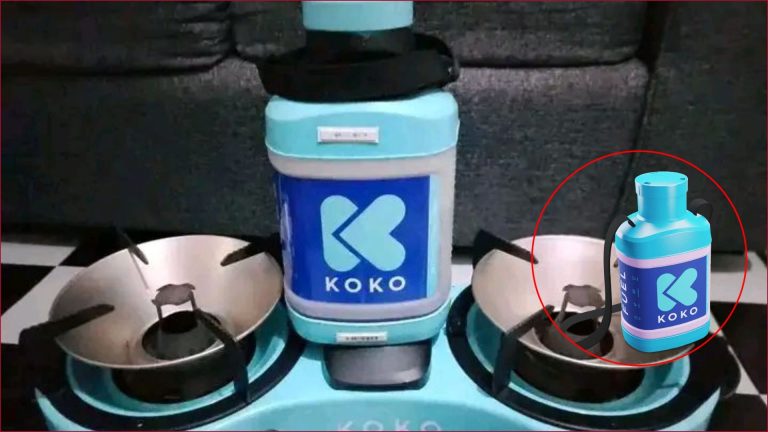
Thousands of Kenyan households have been left stranded following the abrupt exit of KOKO Networks from the local market, bringing an end to a model that had reshaped access to clean cooking fuel for urban and peri-urban consumers.
KOKO, which operated a network of smart fuel dispensers supplying ethanol-based cooking fuel, announced it would cease operations in Kenya through text messages send to customers and employees.
“Samahani, KOKO customer, we regret to inform you KOKO is closing operations today. We will share next steps soon. Asante for being a part of this journey,” reads the message send to customers on Friday, January 30, 2026.
Sources attribute the company’s closure to the Kenya’s government failure to authorize the sale of carbon credits, which are essential for subsidizing fuel costs.
The refusal denied KOKO access to carbon credit revenues, meaning it could no longer sell fuel and stoves at subsidised prices. Executives concluded that the company would be unable to meet its financial obligations, forcing a shutdown.
The decision dealt a blow to customers who relied on the company’s pay-as-you-go system for affordable and cleaner energy, particularly in low- and middle-income neighbourhoods.
For many users, KOKO was more than just another fuel supplier. Its ethanol stoves and digital refill stations offered a safer alternative to charcoal and kerosene, reducing indoor air pollution while easing the burden of cooking gas costs.
Ethanol refills were priced from as little as Sh30, while cookstoves were sold for about Sh1,500 making them significantly affordable for thousands of low-income households.
It is estimated that 1.5 million households relied on KOKO’s cheaper fuel. Additionally, the company had employed over 700 direct employees, including engineers, logistics staff, customer service workers, and corporate teams.
Small retailers and agents who hosted KOKO fuel ATMs have also been affected. Many had integrated the dispensers into their businesses, benefiting from increased foot traffic and commissions.
With the shutdown, these entrepreneurs face lost income and uncertainty, underscoring the ripple effects of the company’s departure across informal and small-scale commercial networks.
KOKO, an international technology company that provides clean ethanol cooking fuel and cooking products, was founded in 2014.
The company publicly launched its ethanol cooking fuel product in Nairobi in 2019 and a retail platform in 2021. As of August 2023, the company claimed it had amassed over 1 million households as customers.
A team led by researchers at Chalmers University of Technology, Sweden, has succeeded in identifying biomarkers for Parkinson’s disease in its earliest stages, before extensive brain damage has occurred.
The biological processes leave measurable traces in the blood, but only for a limited period. The discovery thus reveals a window of opportunity that could be crucial for future treatment, but also for early diagnosis via blood tests, which could begin to be tested in healthcare within five years.
Parkinson’s disease is a neurological disorder that makes it difficult for the brain to control the nerve signals that control movement. The disease develops slowly and usually starts after the age of 55 – 60.
Parkinson’s disease is the second most common neurodegenerative disease worldwide, after Alzheimer’s. Worldwide, there are more than 10 million people who have been diagnosed with the disorder, and the number is expected to more than double by 2050.
In a new study published in npj Parkinson’s Disease, a research team from Chalmers University of Technology and Oslo University Hospital, Norway, reports on decisive steps towards an early diagnosis of Parkinson’s.
“By the time the motor symptoms of Parkinson’s disease appear, 50 – 80 per cent of the relevant brain cells are often already damaged or gone. The study is an important step towards facilitating early identification of the disease and counteracting its progression before it has gone this far,” says Danish Anwer, a doctoral student at the Department of Life Sciences at Chalmers and the study’s first author.
Important window of opportunity discovered
In the study, the researchers focused on two processes thought to be involved in the very early phase of the disease, which can last up to 20 years in Parkinson’s patients before motor symptoms are fully developed.
One of the processes is the body’s DNA damage repair, which is the cells’ built-in system for detecting and correcting damage. The second is the cells’ stress response, a survival reaction activated by threats, in which cells prioritise repair and protection by pausing normal functions.
The researchers used machine learning and other techniques to discover a pattern of distinct gene activities linked to DNA damage repair and stress response in patients in the early phase of Parkinson’s disease. This pattern was not found in either healthy individuals or diagnosed patients who already had symptoms.
“This means that we have found an important window of opportunity in which the disease can be detected before motor symptoms caused by nerve damage in the brain appear. The fact that these patterns only show at an early stage and are no longer activated when the disease has progressed further also makes it interesting to focus on the mechanisms to find future treatments,” says Annikka Polster, Assistant Professor at the Department of Life Sciences at Chalmers, who led the study.
In the intense global research into Parkinson’s disease, several other biological indicators of the early stage of the disease have been examined, including those linked to brain imaging or brain fluid analyses. However, validated tests suitable for widespread screening to detect the disease before symptoms appear are not yet available.
“In our study, we highlighted biomarkers that likely reflect some of the early biology of the disease and showed they can be measured in blood. This paves the way for broad screening tests via blood samples: a cost-effective, easily accessible method,” says Polster.
Hoping for blood tests in healthcare in five years
In the next stage, the researchers will try to understand exactly how the mechanisms activated in the early stage of the disease work, and develop tools to make it even easier to detect them.
Within five years, the research team believes that blood tests for early diagnosis of Parkinson’s disease could begin to be tested in healthcare. In the longer term, it is hoped that the research will also contribute to the development of drugs to prevent or treat the disease.
“If we can study the mechanisms as they happen, it could provide important keys to understanding how they can be stopped and which drugs might be effective. This may involve new drugs, but also drug repurposing, where we can use drugs developed for diseases other than Parkinson’s because the same gene activities or mechanisms are active,” says Polster.
Parkinson’s disease – symptoms and disease progression
Early symptoms
REM sleep behaviour disorder: The person acts out dreams during REM sleep, often with movements or sounds.
Reduced sense of smell
Constipation
Depression
Anxiety
Motor symptoms, later in the progression of the disease
The third edition of the Gambero Rosso Top Italian Wines Roadshow concluded at Shamba Café in Nairobi, reaffirming Kenya’s growing importance as a strategic market for Italian wine, food culture, and broader trade relations.
Featuring 160 award-winning wines from 44 producers across 11 famed wine-growing regions, the roadshow brought together leading importers, distributors, hospitality decision-makers, and wine professionals. The trade-focused experience went beyond tasting to addressing portfolio development, provenance, and long-term market positioning and related business opportunities for the Hotels, Restaurants and Catering sector in East Africa.
This year’s event comes at a pivotal time for bilateral trade between Kenya and Italy. In 2023, Italian wine imports to Kenya reached USD 2.67 million, and exports rose by a further 12% in 2024. Italy currently accounts for 11% of the total value of wine imports to Kenya, making it the third-largest supplier, trailing only South Africa and France.
Speaking at the event, H.E. Vincenzo Del Monaco, Italian Ambassador to Kenya, emphasized that Italian wine represents far more than a commercial export.
“Wine is a gateway to deeper engagement and a medium for intercultural exchanges and strengthening bonds. It embodies culture, territory, and national identity. This showcase highlights the quality and diversity of Italian wines while reinforcing the strong economic and diplomatic ties between Italy and Kenya, a priority partner for Italy across business, science, culture, and investment,” he said.
Italy exports approximately 400 million Euros worth of goods to Kenya annually, underscoring the depth of the broader economic relationship between the two countries.
According to Victoria Mulu-Munywoki, Wine Consultant, Radio Co-Host, and Wine & Spirits Judge, the roadshow’s third consecutive return reflects the strong confidence in the Kenyan market by Italian producers.
“This event has grown alongside Kenya’s wine scene, with recorded growth of 33% in 2024 and 44% in 2025 of Italian Wine imports, driven primarily by a more informed and curious consumer base shaped by travel and cultural exposure. Part of that is due to the success of the three editions of Gambero Rosso Top Italian Wine Roadshow”, she noted.
She added that the Nairobi edition now stands alongside similar showcases in major cities around the world, further elevating and affirming Kenya’s readiness to engage at the highest levels of international wine business and trade.
At the event, Italian wine diversity took centrestage through tastings and masterclasses led by Marco Sabellico, Editor and Food & Wine Expert at Gambero Rosso’s Guida Vini d’Italia. Sabellico highlighted Italy’s rich heritage of hundreds of classic grape varieties and its deep-rooted gastronomic culture.
According to the event organizers VinPodium, in partnership with Victoria Mulu-Munywoki, Nairobi is fast evolving from an introductory wine market into a regional influencer, emerging as a key hub for East and Central Africa.
“We are seeing a steady expansion of Italian wine varieties beyond restaurants and lounges and into the retail and grocery spaces, blending the huge Italian wine heritage with local cuisine and Kenyan consumption patterns”, said VinPodium Co-Founder, Mark Artivor.
For the third time, the roadshow also recognized outstanding culinary establishments serving Italian cuisine and wine across Nairobi and the Coastal region, including Solo Grano, La Terrazza, Lucca at Kempinski, Roberto’s Mombasa, Sunset Watamu, and Visiwa, among others.
Notably, The Wine Box was named Best Wine Shop in Kenya, with additional recognition given to Enoteca, Liv Vin, and Wine & More Kenya, Diani. A newly introduced retail category also honoured Roberto’s Urban Market for excellence in Italian food retail.
Now a must-attend event for the local Hotels, Restaurants and Catering (HoReCa) sector, the Gambero Rosso Top Italian Wines Roadshow, continues to build on its inaugural success, bridging Italian producers with East Africa’s professional wine trade while reinforcing Kenya’s position as a strategic gateway for Italian exports in the region.
Username Sacco has today unveiled its Boda Boda & Tuk-Tuk Express Loan, a revolutionary financing solution designed to offer affordable credit to Kenyan youth by providing access to electric income-generating motorcycles and Tuk-Tuks.
The shift toward electric mobility within these sectors presents an even greater opportunity by lowering the cost of fuel, reducing daily operating expenses and promoting environmentally sustainable transport solutions.
Speaking at the launch held at Githurai Market, the CEO of Username Sacco, Sarah Wahogo, noted that the product is a direct response to Kenya’s unemployment challenge, which stands at 7.23% as of 2025 and disproportionately affects young people. She emphasized that by supporting the adoption of electric boda bodas and tuk-tuks, the Sacco is not only enabling affordable access to income generating assets but also empowering riders to earn more sustainably while contributing to a cleaner and more cost-efficient transport ecosystem.
Username Saccos Boda Boda TukTuk Express loan aligns with key global development priorities, including SDG 7 (Affordable and Clean Energy), SDG 8 (Decent Work and Economic Growth), and SDG 11 (Sustainable Cities and Communities).
The Boda Boda Loan finances electric motorbikes tailored for urban boda boda operations, while the Electric Tuk-Tuk Loan supports both passenger and cargo units suitable for public transport and SME logistics. The electric units offer lower daily operating costs, extended range per battery swap and reduced environmental impact compared to conventional fuel-powered options.
According to Ms. Mercy Gakonyo, the Head of Sacco at Username Properties, this new loan product is designed to support dignity, productivity and financial inclusion within the transport sector all while cutting the costs of fuel as they have chargeable batteries.
“This Boda Boda TukTuk Express loan is a game changer in the industry because it offers flexible repayment periods of up to 24 months for electric motorbikes with daily payments of Kshs. 325 only and 30 months for electric Tuk-Tuks with daily payments of Kshs. 575 only. Once a member of the Sacco has built up enough investment, payments from the Sacco will be made directly to approved dealers, enabling Kenyans to access their electric investment,” she stated.
Ms. Gakonyo concluded by inviting riders, operators, partners, and stakeholders to engage with the new product, urging them to visit the Username Sacco website for more information.
“This launch marks an important milestone in redefining asset financing for Kenya’s informal transport sector. All financed units will be secured through joint logbook registration and mandatory GPS tracking. As Username Sacco, we remain committed to bringing innovative solutions that will bring sustainability and economic empowerment for Kenyans,” she reaffirmed.
Kenya is a country richly blessed with arable land, diverse climates, and a hardworking population. We have what it takes to feed ourselves and even export food to the region. So why do we constantly face food shortages, high prices, and heavy dependence on imports?
The answer lies not in lack of capacity, but in how we manage what we grow, how we move it, and how the market is controlled.
1. We Can Feed Ourselves
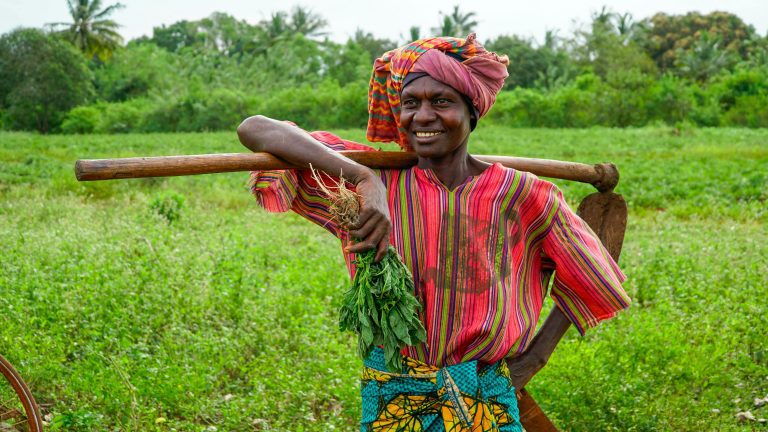
From the Rift Valley to Western and parts of Eastern Kenya, our land produces a wide range of crops, grains, vegetables, fruits, and livestock. There are many success stories of farmers who’ve thrived, but there are also countless stories of loss, discouragement, and frustration.
Farming in Kenya is not for the faint-hearted. It’s expensive, risky, and often unrewarding. Many who have invested in the sector end up giving up due to lack of markets, price crashes, or exploitation by brokers.
2. A Broken System of Distribution
To me, the biggest challenge is not production, but distribution. It’s frustrating to see fresh tomatoes rotting in Kagemi market, while in Kitui or Garissa, the same tomatoes are scarce or selling at triple the price. The disconnect is not distance, it’s the system.
Markets are controlled by cartels and gatekeepers who determine who accesses the market, what gets sold, and at what price. This cartel network benefits a few, while both farmers and consumers suffer.
We lack a coordinated, transparent, and efficient food movement system across the country. If you’re not in the “loop,” your produce rots.
3. Policy That Hurts Instead of Helps
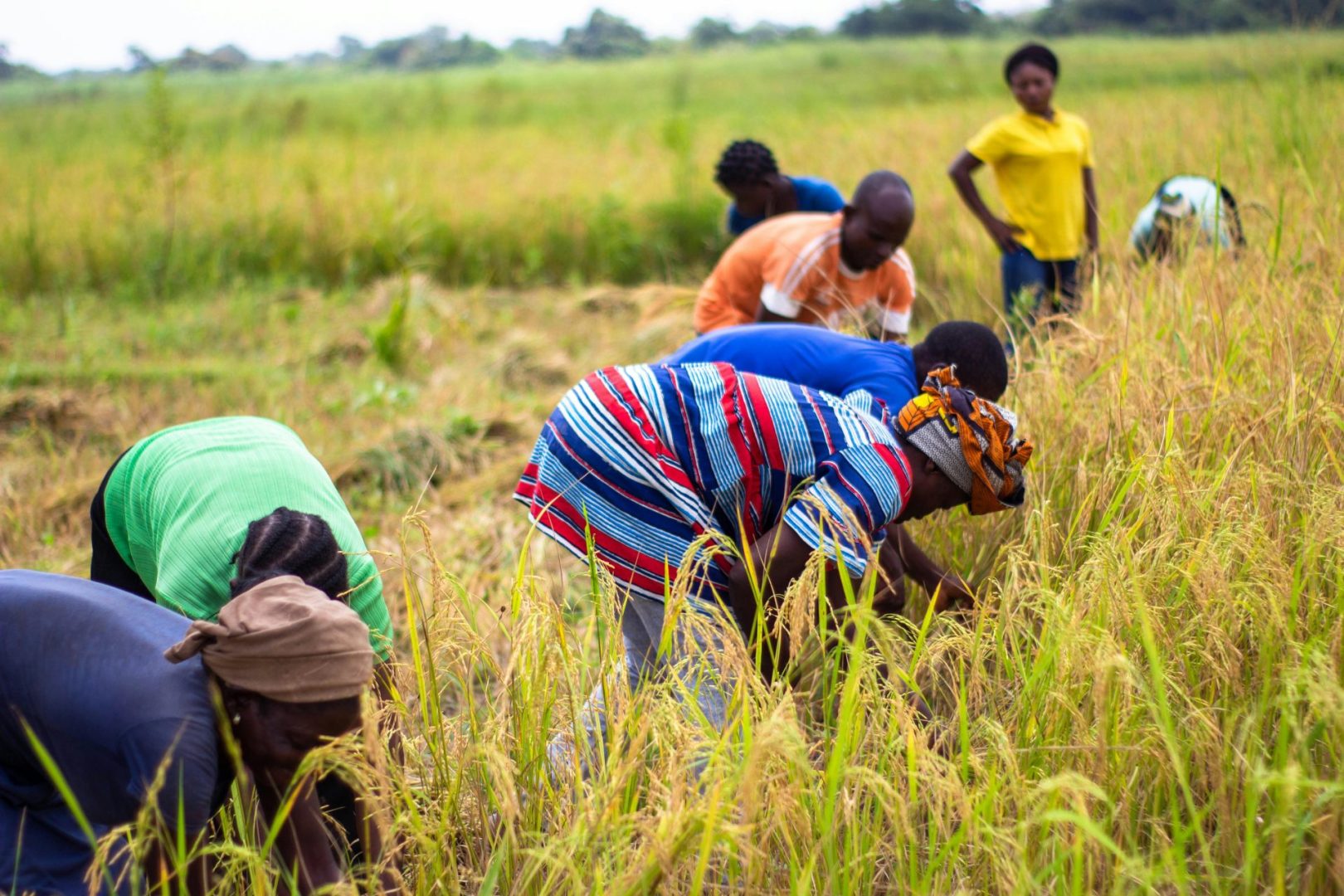
Poor policy decisions also play a huge role in sabotaging local food production. Take this, for example: rice farmers in Mwea expect a good harvest. Just then, the government gives clearance for imported rice and sugar to enter the market, ironically on the same day a ship docks at the port.
This immediately floods the market, crashes prices, and discourages local investment in farming. Someone is making money off imported food, while our farmers bear the brunt.
Who are these distributors of food from Uganda and Tanzania? Rice from Pakistan and sugar from Brazil?
These decisions destroy morale and turn agriculture into a gamble rather than a business.
4. Rain-Fed Farming and Poor Timing
Another structural issue is our rain-fed farming system. Most Kenyan farmers plant at the same time because we rely heavily on rainfall.
While this works for grains, it’s a major problem for fresh produce, which spoils quickly if not stored or sold. Without cold storage or staggered production cycles, a glut leads to price crashes and food waste.
That’s why many farmers abandon the business after a few seasons. They produce, but the market collapses before they can recover costs.
5. The Case for Modern Distribution
If Kenya is to fix its food crisis, we must invest in modern agricultural distribution networks.
We need to support the likes of Farm Net, led by Allan Oyier, and Twiga Foods, which are solving real problems for farmers. These companies link producers directly with markets, offer fair trade terms, and provide storage and transport solutions to reduce losses.
Twiga, for instance, has built a modern vegetable storage facility and cold chains that extend produce shelf life and stabilize supply across seasons. With such systems, more people will enter farming, and food security will become achievable,not just a buzzword.
Fixing Kenya’s food crisis: Why policy and distribution matter more than production
6. Unite the Farmer and the Market
In every county, we have databases of farmers and what they produce—but most of these farmers struggle to find consistent markets. What is grown in Kitui or Taita Taveta never reaches Trans Nzoia or Bungoma, where it’s needed, and the farmers in Kitui and Taita Taveta make losses. The problem cuts across all counties.
We need a national food movement strategy that connects farm to fork, fairly, efficiently, and transparently.
Break the hold of cartels and gatekeepers in food markets
Regulate import timing to protect local farmers
Invest in cold storage, warehouses, and transport networks
Support agritech companies and modern logistics firms
Train farmers on market-led farming rather than seasonal planting
Create regional hubs for collection, storage, and distribution
Kenya has everything it takes to be food secure. The land is fertile, the farmers are ready, and the demand is high. What we need now is bold leadership, fair markets, and smart systems that ensure what is grown can move and earn.
Until we fix distribution, policy timing, and market access, we will keep importing food we could grow ourselves, and our farmers will keep losing faith in the very sector that could drive our economy.
Our current president, Dr Ruto, and immediate former President Uhuru Kenyatta have shown us faith in agribusiness investments. Remember, they have access to data on our economy to get into such ventures.
The soil is ready. Now it’s time to fix the system.
About the author
Mulumi Mwangi is a seasoned businessman with more than five decades of life experience, bringing a rare depth of perspective to both enterprise and writing. Trained as an electrical engineer, he has founded, built, and managed ventures across diverse sectors, including advertising, marketing, agribusiness, real estate, and fintech.
His writing is firmly grounded in lived experience. It draws from family life as a father, husband, brother, and uncle; from public life through his service as a political party official; and from the hard lessons of business, both failure and success. These experiences, combined with everyday social interactions, have shaped a reflective and pragmatic worldview.
Mulumi’s work is offered as a personal perspective rather than a prescription. His views are candid, experience-driven, and open to debate—acknowledging that insight is often refined through dialogue, reflection, and the humility to accept that one may be right or wrong.
In a notice on Thursday, January 29, NYOTA said the programme will offer unskilled Kenyans aged between 18 and 29 years an opportunity to learn through real work experience. The program also targets youth living with disabilities aged up to 35 years old.
“NYOTA Project is offering young Kenyans an opportunity to learn through real work experience (On-the-job Experience – OJE intervention), get a certificate and benefit from a safe and easy saving plan,’’ reads the notice in part
“The intervention features technical skill-building in various economies. Get placed in real jobs, gain and sharpen your skills, boost your confidence, and increase your chances of getting employed,” it adds.
The program is open to youths across the 47 counties, including form four leavers, unemployed, and low-income youths in vulnerable jobs.
Successful applicants will benefit from life skills, business and digital skills training, hands-on training, mentorship from industry experts, a nationally recognised certificate, and improved ability to get a job upon completion.
How to apply
Interested applicants are required to dial *254#, select the NYOTA Project, and follow the instructions provided.
“NYOTA PROJECT On-the-Job Experience (OJE) component is reopened for applications through the USSD code *254#,” reads the notice.
Application window runs from Thursday, January 29, to February 13, 2026. Applicants who had earlier applied for the program have been directed to re-apply.
NYOTA noted that no fees are required at any stage of the application process.
The notice comes days after President William Ruto announced that the government will provide a monthly stipend of Sh6,000 to 90,000 unskilled or unemployed young Kenyans participating in the on-the-job training component of the National Youth Opportunities Towards Advancement (NYOTA) initiative.
Under the on-the-job training pillar, selected beneficiaries, primarily those who have completed secondary education but lack formal vocational skills or further qualifications, will be attached to master craftsmen and women for hands-on apprenticeship lasting six months.
The government will cover the full cost of training, certification, and payments to the mentors, while providing the Sh6,000 monthly stipend to help participants cover living expenses, transport, and other needs to prevent dropouts.
The NYOTA program, a World Bank-backed initiative, aims to empower over 800,000 youth nationwide through entrepreneurship, skills acquisition, and access to economic opportunities.
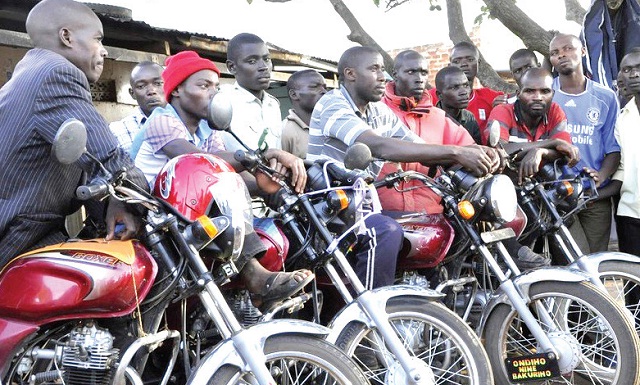
Kenya’s informal economy is often celebrated for its resilience. The bodaboda stage on every corner and the near-ubiquitous M-Pesa kiosk are presented as proof of an industrious nation that will always find a way to survive. That narrative is comforting. It is also incomplete.
The more difficult question is not whether these businesses create activity, but whether they create progress for the individual operator.
A perspective I find intellectually honest comes from Noah Mwale of Designtech Africa Ltd. From a value-chain standpoint, he argues that the bodaboda rider is enormously productive. One rider supports fuel suppliers, insurers, spare-parts dealers, roadside food vendors, M-Pesa agents, and even the government through fuel levies and licenses. For customers, the efficiency is undeniable: a trip that might cost KSh 700 by taxi can be done for KSh 150 on a motorcycle. That is real consumer surplus and real economic utility.
From a macroeconomic lens, he is correct. The bodaboda rider is a moving node in a dense economic network.
But macro value creation should not blind us to micro outcomes.
The rider absorbs the highest risk in the chain: physical danger, long hours, regulatory uncertainty, volatile fuel prices, and asset depreciation. After loan repayments, maintenance, and daily operating costs, very few riders build durable capital. Many remain trapped in a high-effort, low-accumulation loop. The economy benefits, but the engine itself rarely upgrades.
This is where sustainability must be interrogated. A model that relies on perpetual entry of new riders, with limited upward mobility for incumbents, is not a growth pathway. It is a pressure valve for unemployment.
Consider capital allocation. The same KSh 200,000 used to acquire a motorcycle could seed a small manufacturing or value-addition enterprise: basic furniture production, packaging, metal works, or agro-processing. These are not glamorous businesses, but they compound. They can scale, formalize, employ others, and—critically—reduce Kenya’s dependence on imported consumer goods and even food from neighbouring countries. Production builds capability. Hustle alone does not.
The M-Pesa kiosk raises a parallel concern. In an era where banks offer end-to-end digital services—mobile banking, instant transfers, merchant payments—the kiosk often functions as a redundant bridge between two digital systems. Its persistence says less about innovation and more about structural gaps: financial literacy, trust deficits, and a reluctance to redesign systems around the end user rather than habit.
This leads to an uncomfortable but necessary question. Are we truly short on ideas, or have we become too comfortable recycling low-barrier models that absorb labour without building long-term capacity? Do we celebrate visibility over viability?
Answering this requires more than opinion. It demands behavioural insight. I intend to explore this further with Paul Daudi Kitonga of Front Man Consulting, whose work examines why individuals gravitate toward certain economic choices and what conditions actually unlock strategic risk-taking.
Kenya does not lack energy. It lacks sufficient pathways that convert effort into enduring wealth and national capability. Until we confront that honestly, we will keep praising the hustle—while quietly accepting stagnation for those doing the hardest work.
Real progress begins when we ask not just how people survive today, but how they are positioned to build tomorrow.
Mulumi Mwangi is a seasoned businessman with more than five decades of life experience, bringing a rare depth of perspective to both enterprise and writing. Trained as an electrical engineer, he has founded, built, and managed ventures across diverse sectors, including advertising, marketing, agribusiness, real estate, and fintech.
His writing is firmly grounded in lived experience. It draws from family life as a father, husband, brother, and uncle; from public life through his service as a national political party official; and from the hard lessons of business, both failure and success. These experiences, combined with everyday social interactions, have shaped a reflective and pragmatic worldview.
Mulumi’s work is offered as a personal perspective rather than a prescription. His views are candid, experience-driven, and open to debate—acknowledging that insight is often refined through dialogue, reflection, and the humility to accept that one may be right or wrong.