
Home Blog Page 115

Livestock expert calls on farmers to invest in Dorper farming as demand for mutton soars

0

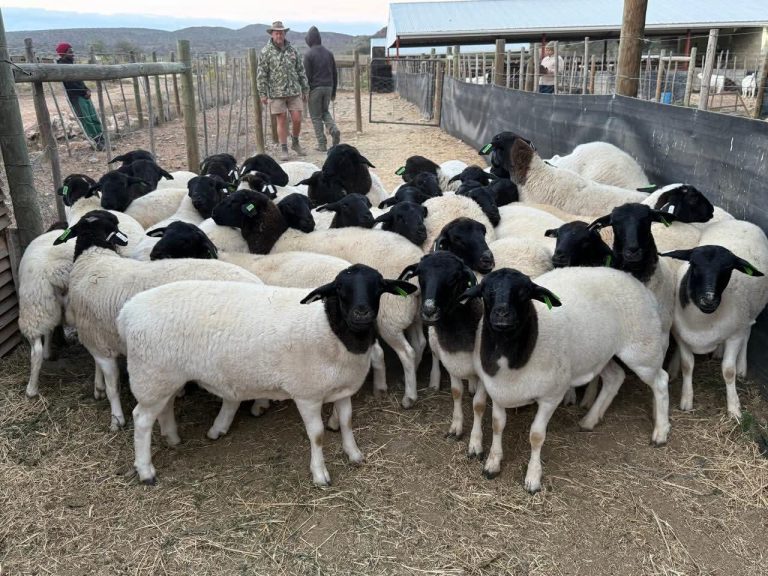
Dorper sheep farming is gaining momentum and experts are calling on more farmers to invest in the highly profitable yet less-exploited venture.

Henry Kioko, a Livestock Enterprise Growth Expert and livestock importer and exporter, says the current Dorper sheep market is promising, driven by the high demand for Dorper mutton from both local and international buyers particularly in the Gulf nations.

“There is currently a high demand for Dorper mutton and live Dorper sheep from exporters to Arab nations, including the UAE, Saudi Arabia, Oman, Qatar, and Kuwait. This demand is driven by cultural practices, population growth, and the region’s reliance on imports to meet consumption needs,” says Mr. Kioko, a top importer based in East Africa and representative of Karoo Livestock.

According to Kioko, the Middle East market prioritizes sheep that are in excellent condition, healthy, well-fed, and that adhere to Halal requirements.

Dorper meat is regarded as prime lamb due to its excellent conformation (body structure) and favorable fat distribution, making it the most sought-after.

In terms of target weight, Kioko says buyers mostly prefer young “prime lambs” which are typically 4 to 6 months old and weigh around 11 kg (dressed weight). The younger age ensures tender and softer meat, which commands a premium price.

Saudi Arabia and the UAE are major importers of sheep and goat meat, as well as live animals. The market offers significant opportunities for producers to expand their local production.

“There is a big shortage of full-blood genetics Dorper mutton. Most animals available are crosses, which attract lower prices compared to full blood dorper mutton. That’s an opportunity for East African producers. We encourage farmers to venture in mass production full blood Dorper for mutton.”

“A certain exporter is hoping to do 1500  heads weekly starting 1st March 2026,” Kioko adds.

Dorper, a sheep breed developed in South Africa, is known for its superior characteristics, including resistance to diseases and high tolerance to harsh environmental conditions.

Even though the breed is said to gain market weight faster due to its good grazing ability than the indigenous breeds, feedlotting is emerging as the best method of fastening the market weight-gaining process.

Feedlot is a system where animals are confined and fed high-quality feeds to reach market weight faster.

“The success of such venture will be driven by genetics. Top genetics that will hit the target of 4-6 months,” Kioko notes.

George Keya, the national coordinator of the AgriFi Kenya Climate Smart Agricultural Productivity Project, says that for the feed lotting system to be profitable, one needs a minimum of 40 sheep.

“We can estimate that within three months if you have between 40 and even 100 Dorper sheep, you can make Sh1 million.” He says.

Dr Margaret Syomiti, principal investigator of the AgriFi Kenya Climate Smart Agricultural Productivity Project says Dorper sheep are usually fed 1.5kg of the feeds every day for three months.

This ensures they acquire the 45kg weight recommended. She says the high nutrition given to the early maturing Dorper sheep has a fast growth rate.

ALSO READ: Henry Kioko: Livestock expert boosting local breeding with South Africa’s best genetics

All my Kenyan colleagues died. Man illegally deployed to Russian Army warns against overseas jobs

0

A Kenyan man has narrated how he was illegally deployed to fight for Russia in its war against Russia despite lacking military skills.

Duncan Chege from Kiambu County revealed he left Kenya after he successfully secured a Driver job in Moscow through a local recruitment agent.

In a TikTok video, Chege revealed he was selected alongside 10 other Kenyans for the driving jobs.

Things, however, changed unexpectedly when they arrived in Moscow in November 2025. Chege claimed that instead of being placed in a driving job, the group was taken to a military camp and pressured to sign contracts to fight for Russia in its war against Ukraine.

“I knew I was going to be a driver, but when we reached Moscow, things changed. We were taken into the camp and made to sign contracts to fight for Russia,” he claimed.

The group, which consisted of 11 Kenyans were subjected into a one-month intense military training before being released to the battlefield. The training covered the use of military equipment, including weapons, tanks, drones, and other equipment.

“The training itself was torture. It was like they wanted to kill us,” he alleged.

In December 2025, just one month after leaving Kenya, Chege claimed he was deployed to the frontlines. He was promised to be paid Sh3 million for the work but he claimed he never received anything.

Within a week of entering Ukrainian territory, he claimed that all 10 of his fellow Kenyans were killed in action.

“We were 11 when we left for Russia. When we were taken to Ukraine, all my comrades from Kenya were killed. I’m the only one who survived,” he told reporters.

After witnessing what had happened, Chege began planning his escape by pretending to be mentally challenged. He claimed that he deliberately opened fire aimlessly while screaming until his commanding officer sent him to a military hospital for evaluation.

After three days in the facility, Chege claimed he fabricated a story that his family had been killed in an accident and sought the doctor’s help to leave the hospital.

After the release, he said he switched to Kiswahili and sought help through Kenya’s embassy contacts, who then arranged his travel back home.

Chege said he arrived in Kenya on January 16, 2026, and has since been in disbelief after surviving the traumatic ordeal.

“Mambo ilikuwa ngumu sana. I saw over 30,000 dead bodies, including those of Kenyans and other Africans. I thank God I’m back. But what I saw has left an imprint in my mind. I can’t even sleep at night, kichwa ni mzito,” he said.

“Nashukuru Mungu. Nilipitia njia refu sana ndio niweze kurudi home. Russians ni military commanders hawawezi kukubalisha urudi home. But sio mimi nashukuru Mola tu.”

He cautioned other Kenyans against falling for overseas recruitment schemes he believes are deceptive.

“I have firsthand experience, and I can tell you it’s a death trap. Don’t think about joining the Russian military. That is my advice. Connections za kuenda Russia, siwezi peana. Siwezi kuadvice ujaribu kuenda,” Chege said.

According to the Ministry of Foreign affairs, some 200 Kenyans have been recruited to fight for Russia through illegitimate networks.

The government now says several recruitment agencies are under investigation, and some licences have already been suspended.

“Some agencies lure young people with promises of large payments. The government is tracking those agencies linked to this fraud,” Sylvanus Osoro, Kenya’s parliamentary majority chief whip, told the BBC.

ALSO READ: Ukraine soldiers capture Kenyan men fighting for Russia

Former ALP executive sues for $2.8M over disputed equity in Tatu City, Tilisi projects

0

A former executive director of a Kenya-based industrial real estate developer has filed a lawsuit seeking more than US$2.8 million (approximately Ksh364 million) in disputed equity interests and damages linked to developments in Tatu City and Tilisi, part of an industrial portfolio valued at more than US$100 million (Ksh13 billion), according to court filings.

In pleadings filed in the Employment and Labour Relations Court (ELRC), Mr. Asbury Maruza Chikwanha has sued companies associated with British aristocrat, Charles George Barrington The Lord Tryon,who is the Chairman and Co-founder of ALP Management Kenya Limited (ALP) and its parent company, Africa Logistics Properties Holdings Limited (ALPH), alleging  unlawful termination, discrimination and breach of contractual obligations intended to avoid fulfilling equity obligations under his employment contract.

According to court papers, Mr. Chikwanha alleges that he was headhunted by ALP’s former CEO to lead development operations in Kenya and the wider region but initially declined the role due to a significantly lower base salary compared with his previous position at AMSCO. He contends that he accepted the offer only after representations that he would participate in a long-term equity incentive plan linked to the industrial portfolio under his responsibility.

“This time I accepted the employment offer despite the significantly lower base remuneration on the basis of the inducement promised by Mr. Selman that I would participate significantly in the Respondent’s long-term equity incentive plan and/or in a profit share from major liquidity events of completed projects or assets with an anticipated benefit in the region of US$1,000,000 to US$2,000,000 over five years,” Mr. Chikwanha stated in his witness testimony.

Tatu City launches Porini Point, a modern hillside residential enclave

The claimant, a Zimbabwean and Australian dual national, further alleges that he was removed as a director from nine subsidiaries within the ALP Group in circumstances he says did not comply with due process. Court documents indicate that ALPH’s shareholder base includes institutional investors such as Maris Capital, British International Investment (BII), formerly CDC Group Plc, and the International Finance Corporation (IFC).

The lawsuit does not allege wrongdoing by any institutional investor. However, the pleadings place aspects of ALP’s corporate governance under the Companies Act, fair labour practices under the Constitution, compliance with the Employment Act, allegations of discrimination, contractual arrangements, and adherence to statutory obligations under judicial scrutiny.

According to the pleadings, Mr. Chikwanha disputes representations made to the Registrar of Companies regarding the convening of meetings that led to his removal, asserting that he did not receive the relevant notices which he claims were sent to addresses and email accounts inaccessible to him after his termination. He has also lodged a complaint with Kenyan authorities regarding the director removal process, which remains subject to ongoing legal procedures and active police investigation.

The dispute extends to Mr. Chikwanha’s termination. He alleges that ALP issued a redundancy notice in April 2023, later withdrew it, citing an impending meeting with a potential investor and subsequently issued a second redundancy notice in August 2023, followed by a termination letter the following month. He contends that statutory requirements governing redundancy were not complied with and that he was not provided with details of the long-term incentive plan despite repeated requests.

Mr. Chikwanha also alleges that his termination was discriminatory and in breach of Article 41 of Kenya’s Constitution on fair labour practices. In his pleadings, he claims that preferential terms were offered to other senior executives whom he describes as being of Caucasian ethnicity. He further alleges that his terminal dues were withheld and only partially paid six months later and that the cancellation of his work permit was expedited within four days, with directives from Immigration withheld from him, affecting his legal status in Kenya.

ALP denies the allegations. In its defence, the company states that Mr. Chikwanha’s employment contract superseded any prior representations and that his redundancy resulted from a restructuring aimed at maximising shareholder value. This despite Mr Chikwanha being a Shareholder at the time according to Share Certificates filed in court. ALP further argues that there was no offer, acceptance, or consideration in relation to the alleged profit-sharing arrangement and that the termination was carried out in accordance with applicable contractual and statutory frameworks.

Africa Logistics Properties Holdings Limited, in which Mr. Chikwanha is described as a minority shareholder, has received regulatory approval from the Capital Markets Authority to establish the ALP Industrial Real Estate Investment Trust (ALP REIT) which is expected to be seeded with existing assets contributed by the promoter in exchange for units and/or cash. Court filings indicate that some of the assets within the portfolio, including developments at Tatu City and Tilisi, were developed during Mr. Chikwanha’s tenure between 2017 and 2023.

The case is pending before Kenya’s Employment and Labour Relations Court. All claims are contested and subject to judicial determination.


KCB Bank to auction Kericho tea farm over Sh1 billion debt

0

KCB Bank Kenya is set to auction assets belonging to a Kericho tea farm over a Sh1 billion debt that remains defaulted. The bank will auction the assets of Korara Highlands Tea Factory following an approval that was given by the High Court of Kenya.

Korara Highlands currently produces the tea brand that is known as Cyrus Premium Tea. The tea farm had petitioned the court to block the auction arguing that it had found a buyer who would acquire it at Sh1.29 billion.

Korara argued that this acquisition would allow it to settle the debt with KCB without disposing assets. This petition had been filed by the farm’s directors Titus Kigen and Victor Kipkosgei Kigen.

However, the High Court in its ruling determined that the accrued rights of KCB as the lender of the money could not be overridden. The court then determined that Korara had not demonstrated adequate reasons for the injunction that it was seeking.

“The court is not persuaded that [Korara has] demonstrated any patent or fundamental non-compliance sufficient to invalidate the statutory power of sale. Once land is offered as security for commercial borrowing, it becomes a commodity for sale,” the High Court ruled. “Courts cannot rewrite contracts for parties or suspend contractual rights based on hoped-for future arrangements.”

The proceedings in court revealed that the debt owed to KCB had been taken in June 2023. This debt included an overdraft, a term loan, and asset-based finance arrangement, and an insurance premium finance.

These credit facilities had been secured using seven properties that are located in Kajiado and Kericho Counties. As of March 2025, though, the debt owed by the tea farm had ballooned to Sh1.05 billion. Korara was placed under administration in 2025 after running into financial headwinds.

Ol Kalou-based Tower Sacco pays 20pc dividend on share capital, 13pc interest on deposits 

Co-op Bank, MetroTrans roll out 21 buses in Sh590 million financing deal

0

Co-operative Bank of Kenya and MetroTrans Sacco Ltd today announced the release of 21 new 33-seater buses, marking the first phase of an 85-bus asset financing programme valued at Sh590 million. The rollout extends a decade-long partnership between the two institutions and forms part of ongoing investment in Kenya’s public transport sector.

Kenya’s public transport system, anchored largely by matatus and buses, is a critical pillar of the country’s urban and peri-urban economy. The matatu industry generates over Sh250 billion annually and serves as the primary mode of transport for approximately 70 percent of Kenyans according to Kenya National Bureau of Statistics (KNBS) data.

The sector operates within the broader Transport and Storage category, which, according to the KNBS 2025 Economic Survey, recorded growth of approximately 4.4 percent, underlining transport’s continued importance to economic activity, productivity, and daily mobility.

Under the new programme, Co-op Bank is providing up to 90 percent financing with a 60-month tenor, alongside integrated insurance financing and support for digital, cashless fare collection systems. The full fleet of 85 buses will be rolled out progressively over the course of the year.

Co-operative Bank honoured for leadership in cooperative banking at 2024 ushirika day

“Public transport is not a side economy in Kenya, it is a core economic artery that moves millions of people to work, school, and commerce every day,” said Alex Mwanthi, Head of Transport, Housing and Investment Cooperatives at Co-operative Bank of Kenya. “Our role is to ensure operators can access financing that reflects the real operating models of this sector and supports long-term, disciplined growth.”

He added: “This partnership with MetroTrans demonstrates what sustainable asset financing looks like in practice, repeat investment, fully serviced facilities, and continuous fleet modernisation. That is the model we believe will define the next phase of Kenya’s public transport evolution.”

Co-operative Bank commands approximately 70 percent of the market share in financing Kenya’s public transport sector, positioning it as the leading institutional financier of PSV and Sacco-based fleet investments. The Bank’s transport-focused financing model has supported hundreds of operators in renewing fleets, professionalizing operations, and improving service reliability.

The current MetroTrans facility builds on a relationship that dates back over a decade and includes earlier financing for 45 buses in 2020, which has since been fully repaid, reinforcing the sustainability of the partnership model.

MetroTrans has also been among early adopters of electric buses in Kenya, reflecting broader industry movement toward cleaner and more efficient transport systems. While the current fleet expansion focuses on conventional buses, the financing framework creates a platform for future integration of low-emission and electric vehicles as sector economics and infrastructure continue to mature.

Simple practical skills that can move you from joblessness to millionaire

0

As Kenya continues to grapple with youth unemployment and a rapidly changing economy, technical and hands-on skills are emerging as a powerful pathway to income generation and self-employment.

Beyond traditional white-collar professions, a growing number of Kenyans are turning to practical, market-driven skills that respond directly to everyday consumer needs.

From the beauty industry to creative services and digital trades, these skills are proving both accessible and profitable.

Nail Art and Nail Technology

Nail art has evolved from a niche beauty service into a mainstream business. Skilled nail technicians offer services such as manicures, pedicures, acrylic and gel nails, and custom nail designs.

With relatively low startup costs and high demand, especially in urban centres, nail art can generate a steady daily income.

In Nairobi, most nail technicians without a solid capital to run their own studios operate from shared establishments, earning a commission.

Makeup Artistry

Professional makeup artistry is another fast-growing field. Makeup artists are in demand for weddings, graduations, photo shoots, fashion events, and corporate functions.

With proper training and quality products, makeup artists can build strong personal brands through social media and referrals. The rise of influencer culture and content creation has further expanded opportunities in this sector.

Event Planning and Decoration

Event planning and decoration has become a lucrative venture as Kenyans increasingly invest in memorable celebrations. This skill involves organizing weddings, birthdays, corporate events, and social gatherings, as well as providing décor such as tents, flowers, lighting, and themed setups.

To succeed in this field, Planners must have strong networking skills, creativity and social media presence. Income potential grows significantly as one builds a reputation and client base.

Hairdressing and Hair services

Hair services remain a reliable source of income across the country. Skilled hairdressers and barbers offer services such as styling, braiding, dreadlocks, hair treatment, and grooming.

With continuous innovation in styles and techniques, professionals who keep up with trends often enjoy loyal clientele and consistent earnings.

Fashion Design and Tailoring

Demand for unique quality outfits remains high in Kenya. Tailors who specialize in custom outfits, school uniforms, official wear, or African-inspired designs can build profitable businesses.

The trick in this business is one: creativity. Designers can use fashion apps to make authentic outfits to attract customers.

Photography and Videography

With the growth of social media, advertising, and digital marketing, photography and videography skills are increasingly valuable. Professionals in this field cover events, produce commercial content, and create visual stories for brands and individuals.

Though equipment costs can be high, returns are attractive for those who master both technical and creative aspects.

Catering and Baking

Food-related skills continue to thrive due to constant demand. Catering for events, offices, and private clients can be highly profitable, especially when paired with good hygiene standards and customer service.

Baking, particularly cakes and pastries for celebrations, has also become a popular income stream. The beauty of these services is that one can operate from their homes and deliver the product to customers.

Graphic Design and Digital Content Creation

As businesses move online, graphic design, video editing, and social media management have become essential services. Skilled individuals design logos, marketing materials, and online content for companies and entrepreneurs.

These skills can be monetized locally and internationally, offering flexibility and scalability.

Electrical Installation and Plumbing

Technical trades such as electrical installation and plumbing remain in high demand due to ongoing construction and maintenance needs.

Certified professionals in these fields often earn stable incomes and can expand into contracting businesses over time.

ALSO READ: Short courses, big opportunities: Skills you need to thrive in new job market

Diploma in Early Childhood abolished as government raises teacher training grade

0

The Ministry of Education has discontinued the Diploma in Early Childhood Teacher Education (DECTE) and ordered immediate suspension of admissions.

In a notice dated January 19, Education Principal Secretary Julius K. Bitok said this programme has been merged with the Diploma in Primary Teacher Education (DPTE) to form a new course, the Diploma in Teacher Education – Pre-Primary and Primary (DTE PP & P).

“The Diploma in Early Childhood Teacher Education (DECTE) course has been merged with the Diploma in Primary Teacher Education (DPTE) and re-designated as the Diploma in Teacher Education Pre-Primary and Primary (DTE PP & P). Consequently, the Upgrade Diploma in Early Childhood Teacher Education (UDECTE) has been discontinued,” Education Principal Secretary Julius Bitok said.

The Diploma in Early Childhood Teacher Education (DECTE) is a specialized teacher training program designed to equip teachers with the skills to teach learners in pre-primary and lower primary grades.

Previously, candidates with KCSE mean grade of D+ and below qualified for the ECDE programme. The latest move now raises the minimum qualification for any teaching programme to C (plain).

The Education Ministry directed all Teacher Training Colleges to offer the DTE PP & P programme on a full-time basis.

“Further, all Teacher Training Colleges shall offer the DTE PP & P programme strictly on a full-time basis. The school-based mode of training remains suspended until further notice,” Bitok added.

The PS further directed the Kenya National Examinations Council (KNEC) not to register any candidates for assessment under the DECTE or UDECTE programmes.

“No registration or approval of colleges shall be processed to offer DECTE or UDECTE programmes. These directives take effect immediately, and all concerned offices are required to ensure strict compliance,” he said.

Also Read: Short courses, big opportunities: Skills you need to thrive in new job market

Tower Sacco pays 20pc dividend on share capital, 13pc interest on deposits

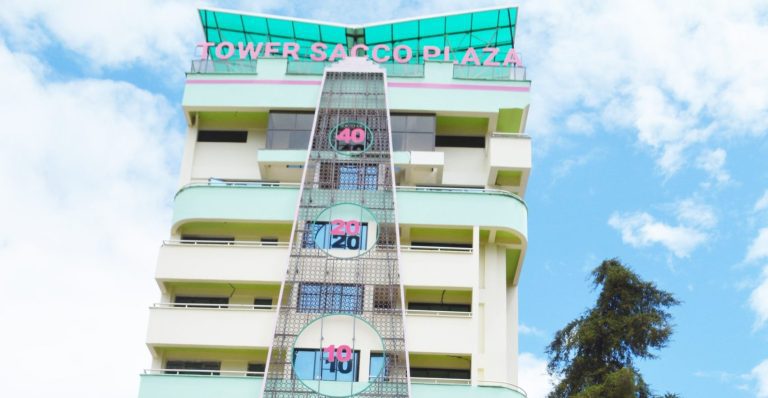
The Tower Sacco which is headquartered in Ol Kalou, Nyandarua County has paid out a total of Sh2.88 billion to its members. This payout has included a return payout to Sacco members for the year 2025 at the rate of 20 percent dividends on share capital and 13 percent rebates on deposits.

This payout was announced during the Tower Sacco’s Annual General Meeting which was held on January 24, 2026 in Ol Kalou Town.

These were the same percentage amounts that the Sacco’s members were paid in the financial year 2024.

In the 2025 financial year, the Sacco’s total assets increased by 23 percent to Sh34.6 billion while loans and advances grew by 17 percent to Sh25.2 billion. Revenues recorded a growth of 22 percent in the year under review to Sh5.28 billion.

“Overall financial performance remained strong. Total revenues for the year amounted to Sh5.3 billion, compared to Sh4.3 billion in 2024, representing a growth of Sh951 million equivalent to 22 percent gain,” the Sacco announced. “Surplus before tax stood at Sh1.3 billion, compared to Sh1.05 billion in the previous year, reflecting a growth of Sh241 million equivalent to 23 percent.”

Peter Muthoka: Why I sold my JKIA business to Germans at Sh5.2 billion

The Sacco further announced that during the 2025 financial year, its membership had increased by 55,588 new members from 192,270 members to 247,858 members. This translated to a growth of 29 percent in membership.

Total share capital and members’ deposits grew from Sh22.5 billion as at the end of December 2024 to Sh28 billion as at the end of December 2025. This represented an increase of Sh5.3 billion which was equivalent to a growth of 23 percent.

At the same time, the Sacco said that it is currently conducting feasibility studies in four towns with the aim of opening new branches. The four towns include Mombasa, Kenol, Eldoret, and Kajiado. This, stated Tower, is in line with its goal of attain an asset base of Sh80 billion by the year 2030.

In 2024, the Sacco opened three branches which are in Mwisho wa Lami, Nyeri and Makongeni. According to the newly released financials, the three branches have managed a combined membership of 6,752. They had disbursed loans worth Sh585.3 million and have cumulative deposits of Sh341.5 million.

Genius move that made TikToker Khaby Lame billions of shillings

0

TikToker Khaby Lame’s rise from an unemployed factory worker to one of the world’s highest-paid digital creators is not just a social media success story — it’s a masterclass in modern personal branding and monetization.

The Italian-based TikTok star with over 160 million followers, famous for his silent reactions and signature hand gesture, has made billions of shillings from a single genius move that many creators still overlook.

The TikToker inked an agreement with Hong Kong-based Rich Sparkle Holdings to acquire a stake in his primary operating company, Step Distinctive Ltd in a deal valued at Sh116 billion (900 million USD).

So what exactly did Khaby Lame do right?

The Genius Move: He Built a Global Brand Without Language Barriers

Khaby Lame’s smartest decision was choosing silence as his content strategy.

At a time when most influencers relied on fast-talking commentary, slang, or regional humor, Khaby did the opposite. He used no words at all.

Alma Mutheu: I have made over Sh. 2 million since joining Tiktok

This move instantly made his content:

  • Universally understandable
  • Culturally neutral
  • Easy to share across continents

Whether you’re in Kenya, Brazil, India, or the US, Khaby’s message lands instantly.

That decision alone turned him into a global brand, not just a TikTok creator.

Why Silence Turned Into Serious Money

Because his content needed no translation, Khaby Lame attracted multinational brands looking for worldwide reach.

Major companies such as:

  • Hugo Boss
  • Pepsi
  • Samsung
  • Binance

were able to use him in campaigns that ran across multiple countries — saving on localization costs while maximizing impact.

According to global creator economy estimates, Khaby earns $750,000 to over $1 million per brand deal, translating to over KSh 100 million per campaign.

That’s how the billions started stacking up.

Tom Daktari: From hawking Mayai Pasua in Mlolongo to top TikToker, influencer

From TikTok Views to Billion-Shilling Wealth

Khaby didn’t rely on platform payouts alone. Instead, he diversified his income streams:

1. Brand Endorsements

This is his biggest money-maker. With over 160 million followers, brands pay a premium to access his audience.

2. Fashion & Licensing Deals

Khaby signed long-term partnerships that go beyond one-off posts, ensuring recurring income.

3. Appearances & Global Events

He earns millions of shillings attending fashion weeks, product launches, and global conferences.

By 2024, industry analysts estimate Khaby Lame’s net worth at over KSh 3 billion, making him one of the richest digital creators in the world.

The Business Lesson for Kenyan Entrepreneurs

Khaby Lame’s story carries powerful lessons for Kenyan content creators, startups, and entrepreneurs:

i. Simplicity Scales

You don’t need complex ideas to win — you need clear, relatable execution.

ii. Think Global From Day One

Khaby didn’t aim to be “Italian famous” or “TikTok famous.” He built content for everyone.

iii. Brand First, Platform Second

Platforms change, but a strong personal brand attracts money across industries.

iv. Monetization Is a Strategy

Followers don’t equal money unless you intentionally convert attention into business.

Why Khaby Lame’s Move Was Pure Genius

By removing language, ego, and unnecessary complexity, Khaby created a timeless digital product — himself.

In a noisy internet filled with talking, explaining, and arguing, his silence became the loudest voice in the room.

That one decision turned comedy into currency — and memes into billions of shillings.

SportPesa Unveils Kshs 120 Million Multi-Sport Sponsorship Investment in Kenya

0

Investment spans boxing, rallying and rugby as SportPesa deepens Kenya-first sports development, targeting talent pathways, global exposure and long-term sustainability.  

SportPesa has launched a major multi-sport Kenyan sponsorship investment, spanning Boxing, Motorsports and Rugby, reaffirming its long-term commitment to the growth, professionalism and sustainability of Kenyan sport.

The investment, totaling Kshs. 120 million, marks a strategic expansion of SportPesa’s sports development agenda, supporting multiple sporting disciplines while strengthening local sports ecosystems and creating structured opportunities for Kenyan athletes.

Speaking at the event, SportPesa Chief Commercial Officer, Jason Gibson says the investment reflects the company’s belief in sport as a national asset and a pathway for talent development and its commercialization.

“Kenya has exceptional sporting talent across disciplines, but talent alone is not enough,” said Jason.  

“Sustainable success requires investment, structure and belief. SportPesa sponsorship is about backing Kenyan athletes, supporting local systems and ensuring sport can thrive as a career, not just a passion.”

Migori woman wins life-changing 80 Million on SportPesa Aviator from 200 bob stake

The multi-sport approach is designed to deepen impact at grassroots and elite levels, while working closely with federations, athletes and partners to unlock long-term value.

SportPesa Boxing-Rising Stars

SportPesa has had a long history with boxing, working with Ultra Fight Series (UFS) to bring in title fights to Kenya. Launched today, the SportPesa Boxing-Rising Stars, will see an investment of Kshs. 40,000,000 to strengthen Kenyan talent pathways and revive it’s presence on the continental boxing stage.

UFS promoter Maurice Odera said, “This partnership is about rebuilding belief in Kenyan boxing. With SportPesa’s support, we can develop fighters properly, promote them professionally and give them a real chance to compete beyond our borders.”

HBSC SVNS2 – Backing Kenya 7s Ambition

Other than being the primary sponsors of the Kenya rugby 7s national team – Shujaa, SportPesa is further injecting Kshs. 40 million in cash and kind to aid Kenya Rugby Union stage a world-class HSBC SVNS2 tournament on 14th & 15th February.  

“This investment speaks to the everyday work behind Kenyan rugby — the training fields, the players, the pathways. That’s how you build a sport that lasts. Working together with corporates as SportPesa confirms we are ready to host the SVNS2 tournament,” said Kenya Rugby Union (KRU) Chairperson Harriet Okatch.

SportPesa Racing Stars – Two Generations, One Legacy  

In Motorsports, SportPesa has extended its existing partnership with 6-time Kenya National Rally Champion Leonardo Varese ahead of the iconic 2026 WRC Safari Rally Kenya, reaffirming its commitment to a sport where Kenya commands global respect.

The Kshs. 40 million sponsorship spans two generations – supporting the seasoned rally driver and his son, an emerging talent being developed through SportPesa’s Tujiamini program, a pathway designed to identify, nurture and inspire young Kenyans to pursue sporting excellence.

SportPesa Unveils Kshs 120 Million Multi-Sport Sponsorship Investment in Kenya

“Rallying has given my family everything. To now see my son supported to chase the same dream is something I don’t take lightly,” noted Varese, a 2WD Kenyan rally legend.

The multi-sports sponsorship builds on SportPesa’s strong legacy of supporting sport in Kenya. Locally, the brand has played a key role in the growth of the top-tier Sportpesa League where it invested Kes. 1.12 billion over a 10-year period. The firm also locally sponsors historic clubs, Gor Mahia FC, Shabana FC and Murang’a SEAL, contributing to improved competitiveness, fan engagement and club sustainability.

Beyond Kenya’s borders, SportPesa has also demonstrated that local brands can operate on the global stage. In 2019, the company made history as the first homegrown African firm to sponsor a Formula 1 team, the SportPesa Racing Point F1 Team.

“Our journey in sport has always been intentional and remains focused on building meaningful partnerships, credible platforms and lasting impact,” concluded Gibson.