

Home Blog Page 13

What pause on all immigrant visa applications by U.S means

0
The United States administration under President Donald Trump has halted all immigrant visa applications. This has now seen the administration through the Department of States pause all processing for immigrant visas that allow applicants to permanently move to the United States.

According to a report that appeared on the Wall Street Journal, the pause has been issued to allow space to train visa officers on new guidance ensuring that applicants have enough financial means to support themselves after they arrive in the United States.

According to the report, immigrant visa applicants who had scheduled interview appointments at US embassies and consulates have already been notified by email that their interviews have been postponed. These applicants have however not been informed as to when their interviews shall take place.

Many applicants have been left wondering what implications this pause on visa processing will have. According to Brad Bernstein, a US immigration lawyer and the managing partner at Law Offices of Spar & Bernstein, the risk in the pause is that it might translate into policy.

“The immigrant visa applications processing pause is for every country in the world from A to Z. The most risky word in this is the term ‘pause’ which we have seen become policy when it comes to immigration and the current administration,” says Bernstein.

“The State Department claims that it needs to retrain consular officers on public charge meeting and many applicants are already being told that their scheduled interviews are being canceled or postponed. There’s no date for when regular interviews will resume.”

READ MORE: Malawians to apply for US visas only at the US Embassy in Nairobi

Mr Bernstein however explains that the new pause does not mean that all types of visas are no longer being processed. “This is not a shutdown of every visa. Tourist visas, student visas, temporary work visas are all still being processed. Adjustment of status are also still being processed. This new pause concerns getting a green card at a US embassy or consulate abroad to enter the US as a permanent resident,” says Bernstein.

These green card immigrant visas include family-based categories, employment-based categories, and investment-based categories; spouses, parents, children, workers, and investors. Explaining how immigration pauses are becoming policy, Mr Bernstein gave the example of the Diversity Visa Program which is popularly known as the ‘Green Card’ lottery.

“The Diversity visa program was called a pause. More than eight months later, the government notice still says visa’s on pause. Diversity visa winners now face a 2026 deadline and that’s going to pass and their opportunity will be lost. And that’s how temporary pauses become government policy, without the administration ever admitting that t canceled everything” he explained.

The lawyer went on to explain that immigration has become a cat and mouse game between the current US administration and federal judges, where the administration is constantly seeking new ways to go around rulings that lift its immigration blockades. “We are witnessing the same with H-1B work visas. A federal judge struck down Trump’s $100,000 H-1B payment as an unauthorized tax. The administration has now returned several weeks later with a proposed $103,265 filing fee for the same visa category,” says Bernstein.

According to Bernstein, those with immigrant visa applications should however not lose all hope. “At some point, a judge is going to rule that this pause is a de facto ban on legal immigration. If you have an interview scheduled, don’t skip it unless you receive written instructions from the embassy or consulate offices. Check your email, spam, EAC account, and the embassy’s website,” he says.

“Keep your sponsorship, tax, employment and financial evidence up to date. If you have a child aging out or have expiring documents, speak with a qualified and experienced US immigration lawyer immediately.”

NBK records 61% growth in Profit After Tax in H1 2026 as transformation gains momentum

0

National Bank of Kenya (NBK), a wholly owned subsidiary of Access Bank PLC, has recorded a strong financial performance for the six months ended 30 June 2026, with significant growth in profitability, balance sheet expansion and improved asset quality.

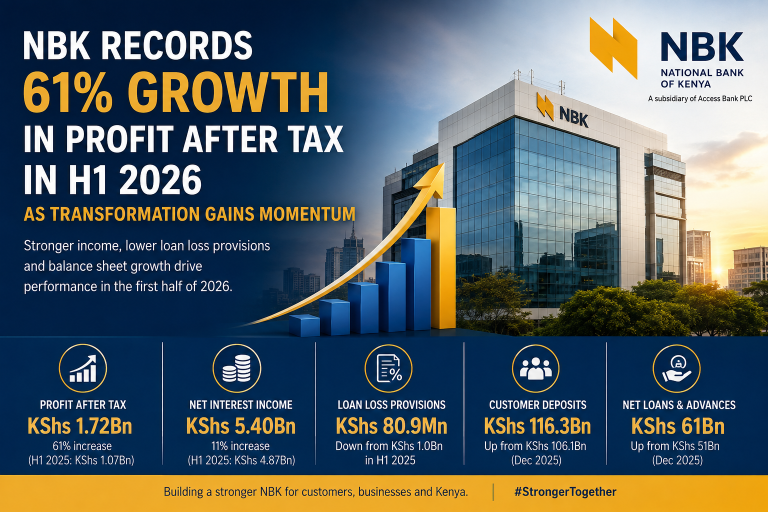
The bank’s Profit After Tax (PAT) rose by 61% to KShs 1.72 billion in H1 2026, compared with KShs 1.07 billion recorded during the same period in 2025.

The performance reflects stronger net interest income, a sharp reduction in credit impairment charges and continued cost discipline as NBK advances its transformation strategy.

Profit After Tax Rises 61%

NBK’s KShs 1.72 billion profit after tax represents an increase of KShs 650 million from the KShs 1.07 billion reported in H1 2025.

The improved profitability was supported by growth in core banking income and a substantial decline in loan loss provisions, highlighting improvements in asset quality and credit risk management.

NBK Reports Strong Q1 2026 Financial Results as Profit Surges 275% to KSh 1.03 Billion

“The bank has started 2026 on a strong footing, with our first-half performance reflecting the resilience of the business, growing customer confidence and the positive impact of the strategic initiatives we have implemented across the bank,” said John Ojalla, Acting Managing Director of National Bank of Kenya.

“We remain focused on building on this momentum, strengthening our business and delivering sustainable value to our customers and stakeholders,” he added.

Net Interest Income Grows 11%

NBK’s Net Interest Income increased by 11% to KShs 5.40 billion in H1 2026, up from KShs 4.87 billion in the first half of 2025.

The growth was supported by disciplined asset pricing and improved funding efficiency, strengthening the bank’s core income generation.

Non-Interest Income remained resilient at KShs 1.47 billion, reflecting sustained performance in fees and commissions despite a competitive banking environment.

Operating expenses stood at KShs 4.61 billion, with the bank continuing to implement cost management and operational efficiency initiatives.

Co-op Bank profit after tax rises 28 percent to Sh18 billion in six months

Loan Loss Provisions Fall Sharply

One of the most significant improvements was recorded in loan loss provisions.

NBK’s loan loss provisions declined to KShs 80.9 million in H1 2026 from approximately KShs 1 billion in the same period of 2025.

The reduction was attributed to improved recoveries and enhanced credit quality, contributing significantly to the bank’s stronger bottom-line performance.

The improvement in asset quality also supports NBK’s broader transformation agenda, which is focused on strengthening risk management and building a more resilient balance sheet.

NBK Balance Sheet Expands

NBK continued to expand its balance sheet during the first half of 2026, supported by growth in deposits and lending.

Total assets increased to KShs 157 billion, compared with KShs 141 billion in December 2025.

Customer deposits rose to KShs 116.3 billion from KShs 106.1 billion at the end of December 2025. The growth points to continued customer confidence while providing the bank with a stronger funding base to support future lending.

Net loans and advances increased to KShs 61 billion from KShs 51 billion over the same period.

The growth in lending reflects NBK’s continued support for customers and businesses across key sectors of the economy.

5 CEOs pocket Sh1.53 billion as strong corporate earnings lift pay

Transformation Strategy Gains Momentum

The H1 2026 results point to continued progress in NBK’s transformation journey.

The bank is focusing on improving operational efficiency, enhancing asset quality, strengthening customer relationships and leveraging opportunities arising from its integration with Access Bank PLC.

These initiatives are intended to create a more resilient and efficient institution capable of supporting households, businesses and the wider Kenyan economy.

“Our H1 performance demonstrates the progress we are making in strengthening the Bank and positioning it for sustainable growth,” said Ojalla.

“We remain committed to enhancing customer experience, strengthening our digital capabilities, maintaining disciplined risk management and improved operational efficiency as we continue to build a stronger NBK,” he added.

Digital Banking and Customer Experience Remain Key Priorities

Looking ahead, NBK plans to continue investing in digital capabilities and improving customer experience as part of its growth strategy.

The bank also intends to maintain disciplined risk management while driving operational efficiencies across the business.

The continued integration with Access Bank PLC is expected to provide opportunities for NBK to strengthen its capabilities, expand its offering and improve the value delivered to customers.

A smart budget breakdown for anyone earning Sh100,000 a month

NBK Outlook for 2026

NBK remains optimistic about its growth trajectory for the remainder of 2026.

The bank’s priorities include strengthening its digital platforms, improving customer experience, maintaining credit and risk discipline and increasing operational efficiency.

With Profit After Tax up 61%, deposits growing by more than KShs 10 billion and net loans and advances increasing by KShs 10 billion since December 2025, NBK enters the second half of the year with stronger financial momentum.

The H1 results suggest that the bank’s transformation programme is beginning to translate into measurable improvements in profitability, asset quality and balance sheet strength.

For customers and businesses, the key question will be whether NBK can sustain this momentum while translating stronger financial performance into better products, improved service and greater access to finance.

For the bank, the task now is execution: converting transformation gains into a durable, competitive advantage and sustainable long-term value.

NCBA and HEVA Fund unveil KES 20 Million Zero-Security financing facility for Kenya’s creative economy

0

NCBA and HEVA Fund have rolled out the first financing product under their strategic partnership, marking a significant step toward bringing fit-for-purpose financing for creative businesses into mainstream financial services.

KES 20 Million Facility Targets Creative Entrepreneurs

The KES 20 million Start-Up Incubator financing facility will provide individuals and registered SMEs operating across the creative industry value chain with access to financing tailored to their business needs and plans, at a 9% interest rate and with repayment periods of up to six months.

Zero-Security Financing for Immediate Business Needs

With no security required, short-tenure financing and hassle-free insurance, the facility is designed to help entrepreneurs meet immediate business needs, invest in new opportunities and strengthen their operations as they build sustainable businesses.

NCBA Backs Growth of Kenya’s Creative Economy

NCBA Group Managing Director John Gachora said the product rollout reflects the bank’s commitment to expanding access to financial solutions that enable creative entrepreneurs to participate more fully in Kenya’s economic growth.

“We are excited to see this product come to life after months of collaboration with HEVA Fund. It reflects our commitment to supporting creative entrepreneurs with accessible financing that helps turn ideas into sustainable businesses, create employment and contribute to the growth of Kenya’s creative economy. Through this product, we are empowering the ambitions of many creatives and demonstrating the power of our Ubuntu strategy in unlocking opportunity, building resilience and creating lasting impact for creative entrepreneurs, their families and the wider economy.”

Govt sends crackdown notice to matatus with graffiti, tinted windows

Partnership to Expand Creative-Economy Financing

Deployed through a shared-risk financing approach, the Start-Up Incubator facility is the first in a broader suite of solutions being rolled out through the NCBA and HEVA partnership.

Future products will include Event Financing, Invoice Discounting, LPO Financing and Working Capital Financing, giving creative businesses options aligned to their cash-flow needs and stages of growth.

HEVA Brings Creative-Economy Expertise to Commercial Banking

Wakiuru Njuguna, Managing Partner at HEVA, said the partnership shows what is possible when creative economy expertise and commercial banking capabilities come together.

“We have spent the last 12 years at HEVA proving that creative businesses are commercially viable and investable. That work has never been just about financing individual businesses; it has been about building a financial ecosystem that recognises the unique nature of the creative economy and develops financial products that meet its needs. This partnership with NCBA marks an important step in bringing that vision into mainstream commercial banking, combining HEVA’s sector expertise with NCBA’s scale to expand access to capital and accelerate the growth of Kenya’s creative economy.”

Combining Banking Scale with Sector Expertise

By combining NCBA’s commercial banking capabilities, digital infrastructure and regional reach with HEVA Fund’s more than a decade of experience developing and deploying financing for creative entrepreneurs and businesses, the partnership will strengthen access to intentional, responsive and affordable capital for Kenya’s creative economy.

Co-operative Bank of Kenya takes Captain’s Club gala to three new cities

0

Co-operative Bank of Kenya has launched the next phase of its Captain’s Club Network Gala Dinner series, bringing its flagship Executive Banking Plus forums to Eldoret, Kisumu and Nakuru. The series kicked off in Eldoret on 7th August and will be followed by Kisumu on 14th August and Nakuru on 21st  August, with each event expected to draw 100 guests comprising existing Executive Banking Plus clients and high-potential prospects from across the bank’s retail and business division.

Expanding Premium Banking Beyond Nairobi

The rollout builds on the success of the inaugural Captain’s Club Gala Dinner, Coast Edition, held at Tamarind Hotel, Nyali, in April 2026, and marks a deliberate push by Co-operative Bank to extend its premium banking proposition beyond Nairobi to the country’s key regional economic centres.

Eldoret, Kisumu and Nakuru collectively represent some of Kenya’s most dynamic business environments, anchoring trade, agriculture, manufacturing and logistics activity across the Rift Valley and Nyanza regions.

Executive Plus Centres Strengthen Regional Presence

The Galas will also serve to formally activate the bank’s recently established Executive Plus Centres in each city, with dedicated facilities now operational at Eldoret Rupa’s Mall, Kisumu Milimani and Nakuru Riria Hub.

The centres offer clients concierge-level banking, wealth planning and access to a fully equipped executive boardroom, bringing the full depth of Co-operative Bank’s premium proposition directly into their home markets.

Co-op Bank deepens SME lending with up to Sh1 million mobile loans

Building a Community of Accomplished Clients

Speaking at the Eldoret event, Co-operative Bank Head of Executive Banking, Fredrick Okello said: “What we are building with the Captain’s Club is not just a product, but more of a community of Kenya’s most ambitious and accomplished clients. Taking this forum to Eldoret, Kisumu, and Nakuru is our way of saying that world-class banking is not a Nairobi privilege. It belongs everywhere that business thrives in this country.”

Kenya’s Growing Affluent Market

The growth of Kenya’s affluent market provides a compelling context for Co-operative Bank’s expansion of its affluent and wealth management franchise.

According to the Africa Wealth Report 2025, Kenya is home to 6,800 millionaires, while Nairobi accounts for 47% of Kenya’s total private wealth and is home to 4,200 millionaires. Across Africa, the millionaire population is projected to grow by 65% over the next decade, supported by sustained economic expansion.

Sub-Saharan Africa’s economy is forecast to grow by 3.7% in 2025, significantly ahead of Europe at 0.7% and the US at 1.4%.

Co-op Bank profit after tax rises 28 per cent to Sh18 billion in six months

Deepening Demand for Wealth Management

Under the stewardship of Nicholas Ithondeka, Managing Director of Co-optrust Investment Services Ltd, the bank’s fund management arm reported Assets Under Management of over KES 500 billion as at June 2025, reflecting the deepening appetite for structured wealth management solutions among Kenya’s affluent class.

Captain’s Club Anchors the Executive Plus Proposition

“The Captain’s Club is not a loyalty programme. It is a deliberate investment in the success of Kenya’s most dynamic business communities. Taking it to three new cities in a single month sends a clear signal about where Co-operative Bank is headed and who we are committed to serving,” Fredrick Okello added.

The Captain’s Club Network sits at the heart of Co-operative Bank’s Executive Plus offering, providing members with access to curated networking forums with influential business leaders, priority engagement with the bank’s investment and advisory teams, and a suite of exclusive financial benefits.

These include unsecured personal loans of up to KES 10 million, integrated wealth and investment advisory services, Visa Platinum debit and credit cards with travel and lifestyle perks, priority access to international business delegations and trade trips, and dedicated relationship management with concierge-level service.

Protect what matters most: Preparing for life’s unexpected moments

0

Protect what matters most: You are on your way home after a long day. Tomorrow’s delivery is still on your mind. At home, school fees are due, rent, loan repayments or mortgage obligations need to be managed, and your family is counting on your income.

Everything is moving as usual.

Then your car is involved in an accident.

Suddenly, you are not thinking about your plans for the week. You are thinking about the cost of repairs, how long the car will be off the road, how you will manage the cost, and what the disruption could mean for your family or business.

This is where insurance matters.

Insurance is not about expecting something bad to happen. It is about making sure that when life does not go according to plan, one unexpected event does not undo years of financial progress.

As life changes, your insurance needs can change too.

Top insurance mistakes that Kenyans make and how to avoid them

How does insurance work?

At its simplest, insurance provides financial protection against specified risks in exchange for a premium. You pay for cover based on your needs and the terms of the policy. If a covered event happens, the insurer provides compensation or a benefit according to the policy terms.

The important part is understanding what your insurance covers, what is excluded, how much you pay, how often you pay, and how to make a claim.

This matters because having a policy is not always the same as being properly covered.

What do you need to protect?

Before asking which insurance product to buy, start with a simpler question: What do I need to protect?

If people depend on your income, you may need life insurance to help provide financial protection for your family if something happens to you.

If you are concerned about the cost of medical treatment, medical insurance can help you plan for healthcare expenses for yourself, your family, your employees or your business.

If you own a car, motor insurance can protect you against specified losses and damage, as well as third-party liabilities, depending on your policy.

Rhina Namsia: Are insurance policies in Kenya a scam or not?

If you run a business, your risks may include damage to property, loss of stock, theft, liability, business interruption and other disruptions. The right business insurance can help protect the assets and operations you have worked hard to build.

If you own property, equipment or other important assets, you may need cover that protects them against specified physical loss or damage.

And if you are thinking about your future, pension and retirement solutions can help you prepare for life beyond your working years.

The question is not only, “Which insurance product should I buy?” Start with, “What do I need to protect?”

When should you review your insurance?

Insurance should not be a one-time decision.

Your cover should be reviewed whenever your life, income, family, assets, business or financial responsibilities change. This may include getting married, having children, buying a car, purchasing property, starting or expanding a business, taking on a loan, hiring employees or preparing for retirement.

A policy that worked for you three years ago may not fully match your life today. Reviewing your cover helps ensure that your insurance continues to protect what matters most.

Boostika targets everyday cash flow gaps for Equity customers

How do you choose the right insurance cover?

Imagine you are taking out medical insurance because you want to protect your family. You find a policy that looks affordable and sign up immediately.

Months later, you need treatment and discover that the benefit you expected has a waiting period, an exclusion or a specific limit.

This is why price should not be the only factor when choosing insurance.

A good insurance decision is not only about the premium. It is also about how clearly you understand the cover and the claims process before you need it.

Before buying a policy, ask:

  • What exactly does the policy cover?
  • What is excluded?
  • How much is the premium and how often do I pay?
  • Are there waiting periods, limits or conditions?
  • What documents will I need when making a claim?
  • How does the claims process work?
  • Who can guide me if I do not understand the policy terms?

Understanding these details can help you choose cover that matches your needs, not just your budget.

Are Kenyan insurance companies missing out on the SME opportunity?

How Equity can help

This is where getting insurance can become easier.

Through Equity, customers can access a range of insurance solutions in one place, with professional guidance to help them understand their options and choose a cover that matches their needs.

These solutions include medical, motor, life, general, pension, agriculture, credit life, personal accident and last expense cover.

For example, Equity Health Insurance cover provides inpatient and outpatient medical insurance for individuals, families, groups and small businesses.

For businesses and asset owners, customers can also access solutions such as all-risk insurance, which can protect specified property against physical loss or damage from covered causes.

The value of speaking to a bancassurance officer is that you do not have to work through insurance decisions alone. You can get guidance on the type of cover to consider, what the policy provides, what is excluded, what the premium means, and what to expect if you need to make a claim.

You cannot predict every change that life will bring. You can, however, prepare for the financial impact of some of the risks that come with it.


HELB opens loan applications for KMTC certificate and diploma students

0

The Higher Education Loans Board (HELB) has opened applications for loans targeting students at the Kenya Medical Training College (KMTC) pursuing certificate and diploma programmes.

The application window opened on August 21 and will close on September 30, 2026, providing eligible students with an opportunity to seek financial assistance towards their education.

KMTC announced the opening of the application period on Tuesday, August 25, following requests from students for access to HELB financial support.

The college urged eligible students to take advantage of the opportunity and submit their applications within the stipulated period.

“ When you ask us, we listen. You asked us for a HELB loan. Now, we have some good news for you,” KMTC said in a statement announcing the opening of the application window.

The loans are available to students enrolled in eligible certificate and diploma courses at KMTC. Applicants are required to confirm that they meet the set eligibility criteria and provide all the necessary information before submitting their applications.

Students wishing to apply have been directed to visit the HELB website, select the relevant products and follow the application guidelines provided.

KMTC has also advised applicants to submit their applications early to avoid potential delays and the last-minute rush as the September 30 deadline approaches.

“Visit www.helb.co.ke, select Products, and follow the application instructions and eligibility requirements. Apply early and avoid the last-minute rush,” KMTC added.

Also Read: HELB announces Sh500,000 training loans for civil servants

U.S. pauses immigrant visa applications worldwide as Trump tightens rules

0

The administration of U.S. President Donald Trump has temporarily suspended immigrant visa appointments at American embassies and consulates worldwide as part of a broader immigration crackdown.

The U.S. State Department said on Tuesday that it had launched a global training programme for consular officers, requiring adjustments to visa appointment schedules to accommodate the sessions.

According to Reuters, a State Department spokesperson said the training was intended to strengthen the screening of visa applicants, particularly those considered likely to become dependent on U.S. public benefits. The initiative, the department said, is also aimed at ensuring that applicants are assessed “comprehensively and consistently.”

The department has not provided details on the nature or duration of the training, leaving uncertainty over when normal immigrant visa interview schedules will resume.

The pause was first reported by the Financial Times, which said applicants with previously scheduled immigrant visa interviews had received emails notifying them that their appointments had been cancelled.

Affected applicants are expected to be assigned new interview dates. However, the State Department has not indicated when those appointments will be rescheduled or when the suspension will end.

The development comes as the Trump administration intensifies its efforts to restrict immigration and tighten the conditions under which foreign nationals can enter or remain in the United States.

Since returning to the White House, Trump has pursued an aggressive immigration agenda that includes expanded deportation efforts, visa and green-card revocations and stricter scrutiny of immigration applications.

The administration has also taken action against some applicants over their political views and participation in protests, including demonstrations related to Israel’s military campaign in Gaza.

Trump has defended the broader immigration crackdown as necessary to strengthen national security and protect U.S. interests.

The global suspension of immigrant visa appointments could affect applicants seeking to join family members in the United States, as well as those pursuing permanent residence through employment and other immigration categories.

Also Read: US introduces sweeping changes to student visas, caps stay at four years

Makini Schools owner makes Sh5.8 billion profit in 6 months as enrolment drives growth

0

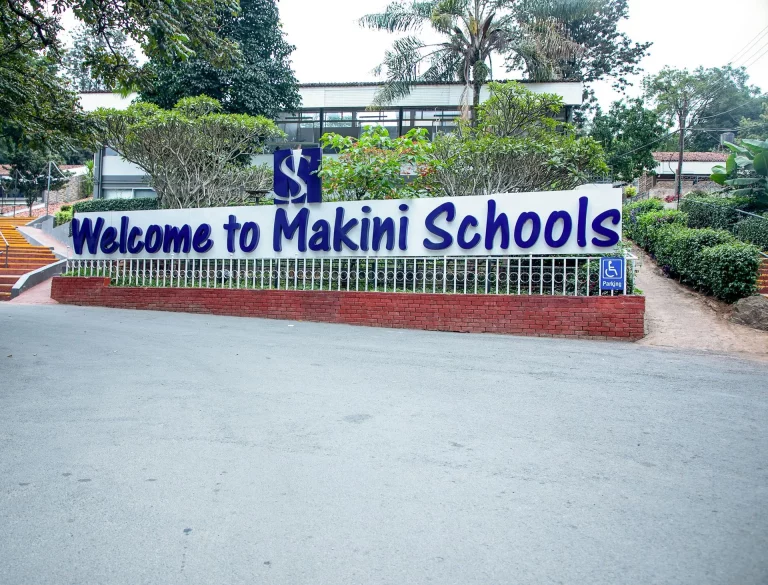
ADvTECH Group, the South African education company that owns Makini Schools, Crawford International and Rosebank College, posted a profit after tax of R726.2 million (about Sh5.81 billion) for the six months ended June 2026, supported by higher student enrolment, fee increases and improved collections.

The group’s revenue rose 8.0 percent to R5.06 billion (Sh40.48 billion), while operating profit increased 13.5 percent to R1.11 billion (Sh8.92 billion). This lifted the operating margin to 22 percent, up from 21 percent in the comparable period.

Headline earnings climbed 15.9 percent to R716.5 million (Sh5.73 billion), with headline earnings per share rising 16.1 percent to 130.8 South African cents.

Student numbers remained a key driver of growth. Total enrolment, measured in February, increased 12.8 percent to 119,197, with tertiary students rising 19 percent to 71,467. Enrolment across the group’s schools in the rest of Africa rose 13.9 percent to 13,161.

ADvTECH’s Rest of Africa schools division, which includes operations in Kenya, Botswana and Ethiopia, recorded an 8.0 percent increase in revenue to R303.1 million (Sh2.42 billion).

Operating profit rose 10.7 percent to R91.3 million (Sh730.4 million), pushing the division’s operating margin to 30.1 percent from 29.4 percent.

The company said that the figures represent the combined Rest of Africa division and do not constitute standalone financial results for Makini Schools.

ADvTECH said all schools in the division recorded strong growth in local currencies, although the appreciation of the South African rand moderated the growth reported in the group’s financial statements.

The division also benefited from increased enrolment and the integration of Regis Runda, which ADvTECH acquired in September 2025 before incorporating the school into the Makini brand.

“The group’s strong financial performance, solid cash generation and robust balance sheet are evidence of our sound business model, clear market focus and continued emphasis on efficiencies,” said Aunyana Moloisane, the group’s new business development executive, in the financial presentation.

The group is undertaking several investments in its Kenyan schools as it seeks to expand capacity and strengthen its academic offering.

At Makini Runda, ADvTECH is upgrading facilities, information and communication technology infrastructure and academic-support systems. The campus will also gain access to the group’s AI-powered Advlearn platform.

The school is scheduled to introduce the Cambridge International curriculum in September 2026 after receiving the necessary approval.

ADvTECH is also redeveloping Makini State House following the securing of a new lease for the Nairobi campus.

The project, which includes facility upgrades and an expansion of student capacity, is expected to be completed by December 2026.

Elsewhere in the group, the tertiary education business continued to post strong growth, with revenue increasing 17.3 percent to R2.24 billion (Sh17.94 billion). Operating profit in the division rose 19.4 percent to R591.7 million (Sh4.73 billion).

The group’s resourcing business, however, recorded a 14.7 percent decline in revenue to R655.8 million (Sh5.25 billion), partly due to the continuing effects of the closure of the United States Agency for International Development (USAID) on its African recruitment operations.

ADvTECH said its improved collection processes helped strengthen its debtor position during the period.

Gross trade receivables increased 5.0 percent, below the rate of revenue growth, while credit losses declined 3.3 percent to R115.4 million (Sh923.2 million).

Cash generation also strengthened, with free operating cash flow before capital expenditure rising 17.8 percent to R2.26 billion (Sh18.05 billion).

The education group increased capital expenditure to R404 million (Sh3.23 billion), while capital commitments more than doubled to R3.27 billion (Sh26.17 billion), reflecting planned investments in additional capacity and campus development.

ADvTECH also returned capital to shareholders during the period, repurchasing shares worth R326.3 million (Sh2.61 billion).

The board declared an interim dividend of 53 South African cents, equivalent to about Sh4.24 per share, representing an increase of 17.8 percent.

After the reporting period, ADvTECH acquired a 25 percent stake in education technology company MathU Teaching Emporium for R15.8 million (Sh126.4 million).

The transaction was completed after the half-year reporting date and is therefore not reflected in the unaudited first-half financial statements.

Also Read: Kenya Airways flies into Sh16.1 billion half year net loss turbulence

Kenya Airways flies into Sh16.1 billion half year net loss turbulence

0
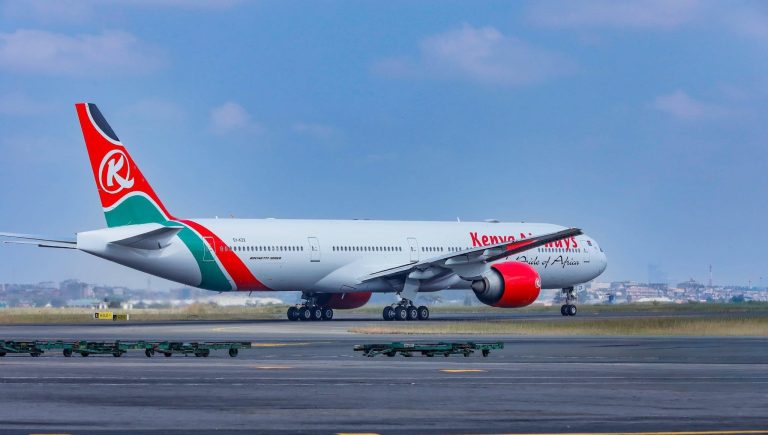
The national carrier Kenya Airways has announced wider half year net loss of Sh16.08 billion for the first six months of the current financial year. This meant that the carrier had seen its net loss increase by Sh3.9 billion from the net loss of Sh12.2 billion that was recorded in the previous half year 2025.

During the current half year period that was reviewed, operating loss increased to Sh10.64 billion from Sh6.24 billion while earnings before interest, taxes, depreciation, amortization, and restructuring margin (EBITDAR) which measures a company’s core operational performance and profitability fell to 8.4 percent from 10.5 percent.

The airline said that its operating costs were a major contributor to the poor performance with an increase of 13.8 percent to Sh91.9 billion. This outpaced the increase of 9.1 percent in revenue to Sh81.3 billion. Whereas revenue growth remained positive in the face of reduced capacity, costs grew at a higher rate than turnover. Cargo revenue went up by 17.5 percent to Sh8.77 billion.

“Our cargo target remains a 40 percent market share, with a capacity ambition of 250 tonnes per day. This will strengthen our cargo business and position us to capture more opportunities across the market,” said Kenya Airways Acting chief executive officer George Kamal.

Fuel was also highlighted as another contributor. The national carrier said that its fuel costs had gone up by 66 percent in the period under review due to the war and economic instability in the Middle East region that have impacted the flow of oil in the market.

“One of the challenges we faced in first half was increase in fuel prices, we also had global supply challenges that affected availability of our aircrafts,” said Kenya Airways Acting chief finance officer Mary Mwenga.

READ MORE: Allan Kilavuka walks away from KQ with Sh131 million in pocket

In the same period, Kenya Airways experienced lower capacity with its available seat kilometres falling down by 9 percent. At the same time, the balance sheet weakened due to liabilities that increased by Sh12.86 billion, with negative equity positioning widening by Sh15.79 billion.

Total assets depreciated by 1.6 percent to Sh180.3 billion. Non-current assets went down by 3.9 percent to Sh136.32 billion while current assets went up by 6.2 percent to Sh43.97 billion.

The half year loss was just Sh1.1 billion shy of the full year net loss of Sh17.2 billion that the airline recorded in the full year 2025. In that financial year, KQ blamed its heavy loss on the grounding of its wide body Dreamliner planes that were due for engine overhauls. “Overall performance and operations in the year 2025 were severely impacted primarily by the temporary grounding of three of the wide body fleet, Boeing 787-8 Dreamliner aircraft. This was driven by the global supply chain constraints and limited engine availability,” Kenya Airways had said in a statement.

SUN Mobility launches first Open-Architecture Battery Swapping Network in Kenya with 10+ partner vehicle manufacturers, Africa-wide expansion to follow

0

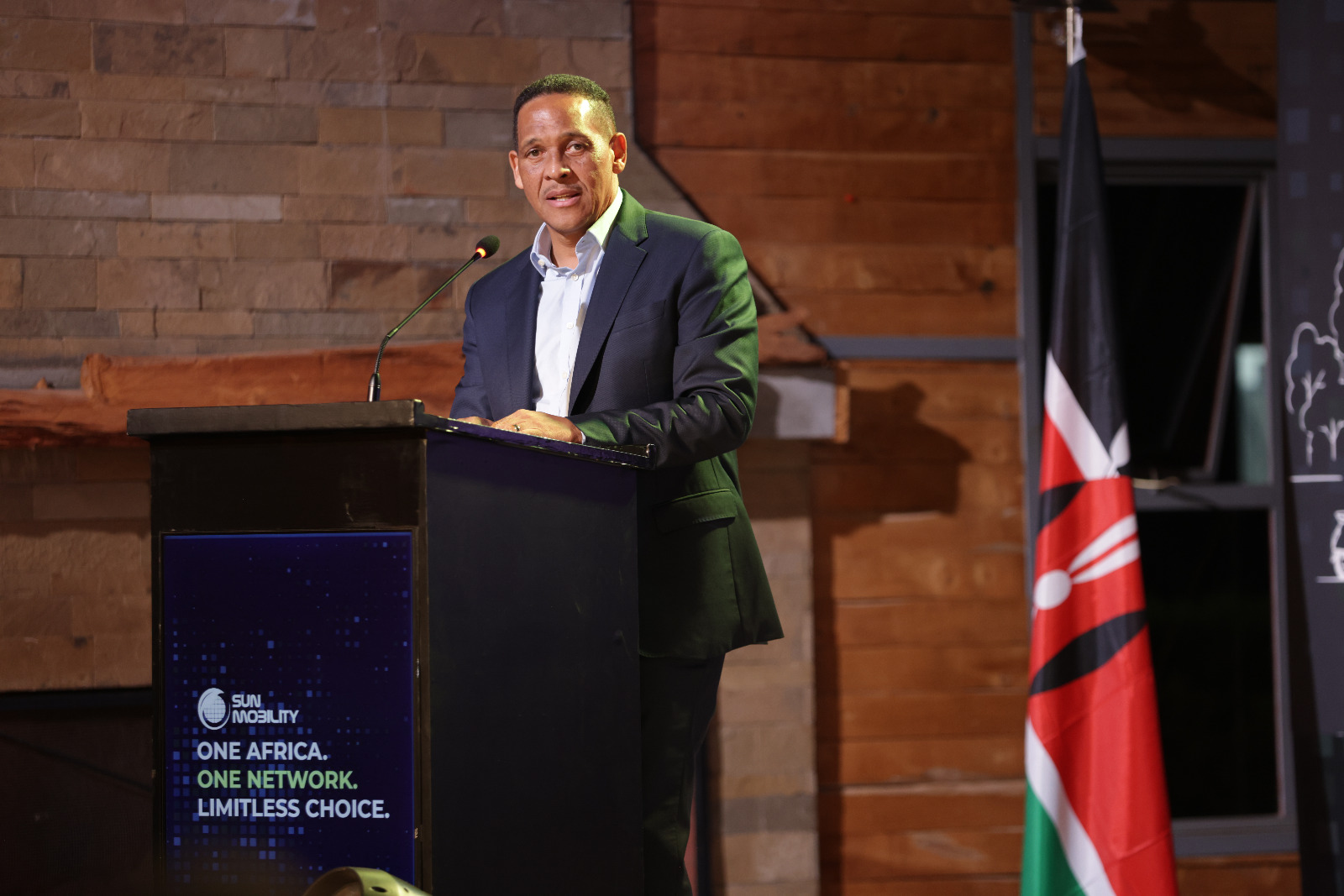
SUN Mobility, a global leader in battery swapping technology, in partnership with Vivo Energy, today launched its open-architecture battery swapping ecosystem in Kenya, establishing the country as the launchpad for its Africa-wide rollout.

Kenya Becomes Launchpad for Africa Expansion

With 35 stations already live across Nairobi and Mombasa, the ecosystem supports electric motorcycles, scooters, passenger tuk-tuks and cargo three-wheelers from multiple vehicle manufacturers integrated onto SUN Mobility’s open architecture battery swapping ecosystem.

This eliminates the need for vehicle manufacturers to invest in the development and roll-out of proprietary swapping infrastructure, accelerating EV adoption while riders benefit from greater choice and a smooth swapping experience.

Battery Swapping Delivers Significant Cost Savings

With Africa’s rising fuel costs, SUN Mobility’s solution offers 20% savings versus petrol vehicles at 100 km per day and up to 35% at 150 km per day.

Africa’s electric mobility transition requires more than new vehicles. It needs a reliable, scalable battery swapping ecosystem that supports multiple vehicle manufacturers on a shared swap network. This enables vehicle manufacturers to focus on building vehicles and gives riders, fleets and financiers confidence in reliable access to energy.

TVS Motor Company brings smart electric mobility to Kenya with the launch of a Premium Electric Scooter

Proven Technology Already Operating at Scale in India

The launch builds on SUN Mobility’s proven India platform, which already powers 125,000+ vehicles through 2,000+ stations across 25 cities and supports over 30+ vehicle manufacturer partners in India — proof that the platform works at scale.

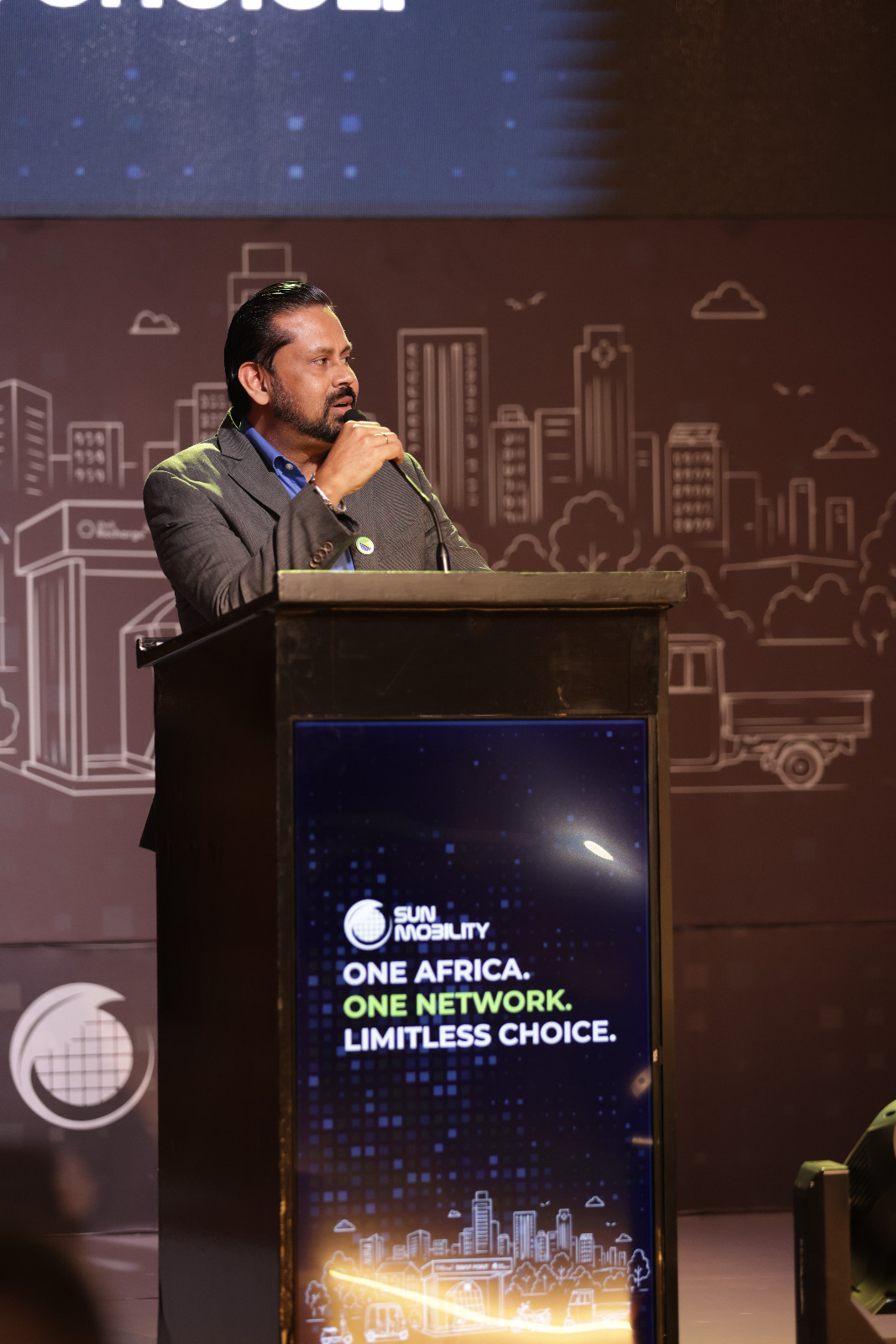
Ajay Goel, SUN Mobility’s Co-Founder and CEO International Business, said, “By building an open architecture battery swapping ecosystem for multiple vehicle manufacturers and vehicle formats, we are giving riders greater choice, fleet operators more flexibility and financiers greater confidence that the vehicles they finance will remain supported by a reliable, independently operated battery-swapping network.

“For vehicle manufacturers and ecosystem partners, our platform offers a capital-efficient pathway to scale. Kenya is just the beginning of our long-term vision to build Africa’s largest universal battery swapping network for electric mobility.”

Powering Africa’s Electric Future: How LinQ Powr is Solving the Missing Link in E-Mobility

Nine Years of Technology Development

SUN Mobility’s platform has been developed fully in-house over the last nine years and is backed by more than 450 patents, design registrations and trademarks.

It comprises rugged, high-quality Smart Batteries that are built to the highest standards of safety and can be upgraded without any change to vehicles. The Quick Interchange Stations are both high-throughput and thermally controlled to ensure that batteries are charged quickly and safely before dispensing.

The Smart Network, its proprietary cloud-based system, manages all assets and customer touchpoints, providing smooth connectivity, tracking and maintenance across the network.

SUN Mobility launches first Open-Architecture Battery Swapping Network in Kenya with 10+ partner vehicle manufacturers, Africa-wide expansion to follow
Gaurav Anand – Country Head – Kenya

More Than 10 Vehicle Manufacturers Join the Ecosystem

At the Kenya launch, SUN Mobility showcased compatible vehicles from more than 10 partner vehicle manufacturers from across the world, such as Afrina Neopower, BGauss, Fika Mobility, Motovolt, Odysse, Piaggio, QJ-YY, Sprocomm, VMoto and Wylex, who are in the process of rolling out these vehicles across Kenya in the coming weeks.

Why I’d choose Nissan Note e-Power again and again

Vivo Energy Brings Pan-African Service Station Network

The rollout is supported by an Africa-wide partnership with Vivo Energy, bringing SUN Mobility’s battery swapping network to over 4,200 Shell and Engen-branded service stations across 29 countries in Africa and creating a convenient and accessible network of locations for riders.

According to Hans Paulsen, EVP East & South Africa, Vivo Energy, the partnership reflects the company’s commitment to supporting Kenya’s evolving energy needs and expanding access to cleaner mobility solutions.

“SUN Mobility’s model aligns closely with our Shell service station network. Much like we serve vehicles across different brands and categories through our shared refuelling network, SUN Mobility’s open-architecture battery swapping network can support multiple electric vehicle manufacturers and vehicle types through one common network.

“By deploying this technology at locations where riders already stop every day, we can make the transition to electric mobility more accessible, convenient and scalable across Africa.”

Auto shift: Kenyan companies move toward electric vehicle production

160,000 Vehicles and 2,500 Stations Planned

Over the next five years, SUN Mobility plans to deploy more than 160,000 vehicles powered by 2,500 battery swapping stations across Africa.

Kenya is the first step in a broader rollout with Vivo Energy, leveraging its pan-African retail network to transform fuel stations into multi-energy hubs and accelerate scalable EV adoption across the continent.