

Home Blog Page 14

Valentine Cake House celebrates 25 years of baking dreams, creating opportunities and celebrating life

0

Valentine Cake House has marked 25 years of baking, innovation and creating memories, celebrating a remarkable journey that has seen the Kenyan homegrown brand become part of millions of birthdays, graduations, baby showers, weddings and corporate milestones.

The anniversary celebration, held at KICC Garden Square, Ashaki, brought together customers, employees, partners, suppliers, friends of the brand and other stakeholders to celebrate a quarter-century of growth and the people behind the journey.

Held under the theme “25 Years of Baking Dreams, Creating Opportunities and Celebrating Life,” the celebration was a tribute to the generations of Kenyans who have trusted Valentine Cake House to add sweetness to their most important moments.

Four Million Moments—and Counting

The scale of Valentine Cake House’s journey is reflected in a remarkable set of milestones. Over 25 years, the company says it has been part of more than four million birthdays, graduations and baby showers, produced 600,000 corporate cakes, and trained more than 36,000 bakers.

The company has also grown its offering to 25 flavours, while building a workforce of about 300 employees.

Chef Mathew Gathua: How I started Valentine Cake House with Sh. 27,000

For Valentine Cake House, these numbers represent more than business growth. Each cake represents a person, a family, a workplace or a community coming together to mark a moment worth remembering.

“Every cake has a story behind it,” Valentine Cake House Founder and CEO Chef Mathew Gathua said, underscoring the central role that celebration and human connection have played in its 25-year journey.

From a Kenyan Idea to a Growing Enterprise

Valentine Cake House’s story is also one of entrepreneurship, skills development and opportunity creation.

Over the past 25 years, the company has grown by responding to changing consumer tastes while investing in people and expanding its range of products and services.

The training of more than 36,000 bakers stands out as one of the company’s significant contributions, helping equip thousands of people with practical skills that can translate into employment, entrepreneurship and livelihoods.

Its anniversary theme therefore goes beyond cakes. “Baking Dreams, Creating Opportunities and Celebrating Life” captures a business journey built around three interconnected ideas: turning an entrepreneurial dream into a lasting enterprise, creating opportunities for others, and helping customers celebrate life’s milestones.

I quit my job to start high-flying Black Forest cake business

A Bright Future for Kenya’s Baking Industry

Looking ahead, Chef Gathua said the future of the baking industry remains promising, driven by population growth, changing lifestyles and the expanding culture of celebration.

“There are a lot of opportunities. The market is expanding and as the population grows, the demand grows and festivity grows,” Chef Gathua said.

He noted that while the company has observed a decline in weddings, demand from other segments of the market remains strong.

“Other events are still going on and corporates are also investing in cakes to appreciate their staff and celebrate milestones. So, the future for baking is huge and bright,” he said.

Valentine Cake House celebrates 25 years of baking dreams, creating opportunities and celebrating life
Chef Mathew Gathua is joined by customers to celebrate Valentine Cake House’s 25th Anniversary

Beyond Celebration: Health and Innovation

As it enters its next chapter, Valentine Cake House is also looking beyond traditional celebration cakes, exploring opportunities in health-focused cakes and lactation cookies.

The company plans to expand its footprint from the current seven counties to 25 counties, bringing its products, skills and opportunities to more Kenyans.

The expansion reflects a broader strategy to remain relevant to changing consumer needs while opening new markets and creating new opportunities across the baking value chain.

Mango Chilli, Red Grape and Garlic Butter Lead the ‘Swicy Shift’ in Kenya, Kerry 2026 Taste Charts Show

For Chef Gathua, the 25th anniversary is therefore both a moment to celebrate and a platform from which to build.

“Twenty-five years is a significant milestone, but it is also the beginning of another chapter,” he said.

He expressed appreciation to the customers, employees, suppliers, partners and other stakeholders whose support has sustained the company over the past quarter-century.

Celebrating the Journey. Baking the Future.

As Valentine Cake House looks to the next 25 years, its story is ultimately about people.

It is about the child whose birthday was made special with a cake, the graduate whose achievement was celebrated, the family welcoming a new baby, the company recognising its employees, and the thousands of bakers who have gained skills along the way.

From four million celebrations to 600,000 corporate cakes and 36,000 bakers trained, Valentine Cake House has built more than a bakery business—it has built a place in Kenya’s culture of celebration.

And after 25 years, the message remains simple: The celebrations continue. The opportunities are growing. And Valentine Cake House is ready to keep baking.


Education Policy: Why it should be part of every parent’s financial plan

Education Policy: Back-to-School Costs and the Bigger Financial Picture

As a new school term begins, parents across the country are once again turning their attention to school fees, uniforms, books, transport, and the many other costs that come with giving their children a quality education. However, while back-to-school preparations often focus on meeting immediate expenses, they also provide an opportunity to think about a much bigger question: How prepared are you for your child’s future education needs?

Education as a Long-Term Financial Commitment

For many parents, the biggest financial milestone is not buying a home, growing a business, or upgrading a car; it is ensuring their children have access to the best opportunities. As education costs continue to rise, financing quality education requires more than good intentions. It demands a deliberate strategy that protects future opportunities regardless of what life may bring.

Beyond Savings: The Importance of Financial Protection

While traditional savings play an important role, education policies introduce a critical element that ordinary savings accounts cannot provide: protection. An education policy is designed to ensure that a child’s education remains funded even if the parent is no longer able to contribute due to death or permanent disability. This protection helps preserve long-term plans against life’s uncertainties.

Predictability and Premium Waiver

One of the most valuable features of structured education planning is predictability. Unlike market-linked investment products, education policy benefits are clearly defined at the outset, allowing families to plan with greater certainty around future education expenses.

The policy also includes a premium waiver benefit. Should the policyholder pass away or become permanently disabled, future premiums are waived while the education plan continues towards maturity, helping ensure the intended education benefits are still available when needed.

How my ex-hubby stole Sh. 700,000 of our son’s education money

Start Early to Build Greater Flexibility

The earlier parents begin planning, the more flexibility they have in achieving their goals. A longer investment horizon allows families to spread contributions over time while building a dedicated fund to support future educational needs.

How the Absa Education Policy Works

With the Absa Education Policy, parents can choose a sum assured ranging from KES 100,000 to KES 5 million and select a payment period between five and eighteen years, depending on their education goals and financial circumstances. Benefits are guaranteed, provided premiums are maintained as agreed.

Protecting Against Rising Education Costs

Furthermore, for many families, the challenge is not simply funding education today but ensuring those funds retain their value over time. Education inflation continues to outpace many household budgets, particularly for private secondary and tertiary education.

To help address this risk, Absa’s Education Policy offers optional inflation protection, allowing customers to increase their cover annually to help preserve purchasing power over the life of the policy.

Why saving for your child’s education early is crucial by Jack Kionga

The Tax Advantage

Parents may also benefit from tax relief on qualifying policies with terms of ten years or longer, providing additional efficiency as part of a long-term financial plan.

Education as an Investment in Opportunity

Perhaps the most compelling reason to plan for education is that it goes beyond financial returns. A well-funded education creates opportunities, expands choices, and empowers future generations to pursue their ambitions with confidence.

Plan Before the School Fee Invoice Arrives

Ultimately, education planning is about more than paying school fees. It is about protecting a child’s opportunities and giving them the freedom to pursue their ambitions without their education being derailed by unforeseen financial circumstances.

The best time to start planning for that future is long before the first school fee invoice arrives.

About the author

Julia Shisia - Principal Officer, Bancassurance, Absa Bank Kenya
Julia Shisia – Principal Officer, Bancassurance, Absa Bank Kenya

Julia Nechesa Shisia is a seasoned financial services executive with more than 20 years of experience in banking, insurance, and bancassurance across East Africa. She currently serves as Executive Director, Bancassurance at Absa Bank, where she leads strategic initiatives to drive growth, innovation, and customer value.

Throughout her career, Julia has held senior leadership positions at leading financial institutions, including Stanbic Bank and Absa, successfully transforming bancassurance businesses and delivering sustained commercial growth. Under her leadership, Absa Bancassurance recorded more than 40% profit growth and over 30% revenue growth in 2023, strengthening its position in the market.

A passionate advocate for collaborative leadership, talent development, and innovation, Julia is actively involved in professional industry associations where she champions women’s empowerment and leadership development. She is also an alumnus of Harvard University’s Senior Executive Program Africa (SEPA), reflecting her commitment to continuous learning and executive leadership excellence.

Sarah Nyambura: Why I ditched tomato, cabbage for herb farming

0

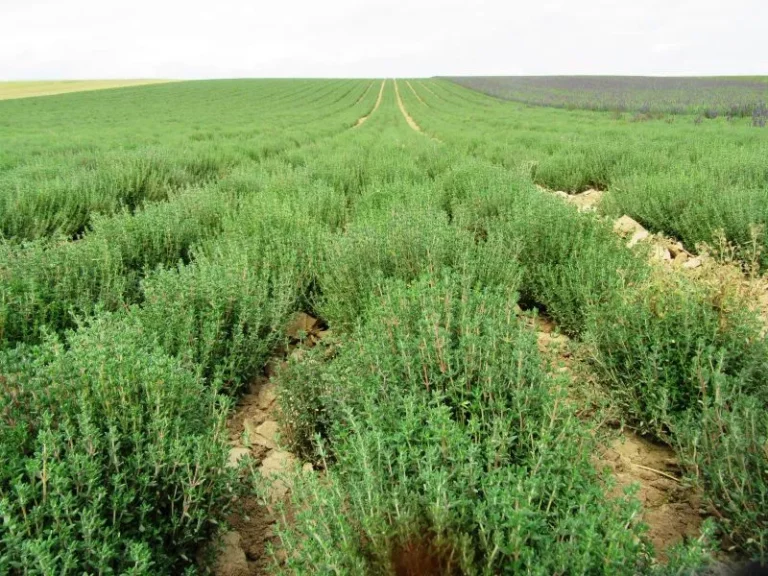
At the heart of Njoro, Nakuru County, sits a quarter-acre herb farm owned by Sarah Nyambura, a farmer who is experiencing great success in the less exploited venture.

The farmer discovered the highly profitable venture after years of losses in cabbage and Tomato farming.

Nyambura notes that her initial agribusiness was not only less profitable but also labour-intensive compared to herb farming.

From a quarter-acre of cabbages, she would make around Sh20,000 in three months, while she makes more than double the amount from mint on a similar-sized plot in two weeks.

She grows various medicinal and culinary herbs, including thyme, Chia, Rosemary, Basil, mints, Sage, Marjoram, Gooseberry, and Oregano.

“Initially, I grew the herbs for home consumption. I used to sell them to my neighbours who would use them to spice and dress foodstuffs such as rice, fish, stews, chicken and tea,” she says.

According to her, herbs are easy to manage with most of them reaching maturity between three to five months.

She notes that after maturity, one can continuously harvest after one or two weeks, with a kilo of the produce going for between Sh220 to Sh800.

Irene Muchimba a nutritionist says that herb farming is a venture that is yet to be exploited, yet it can create employment and income, especially for young people.

She says that the farming is simple, less capital and labour-intensive, and lucrative as long as the farmer is well prepared.

For instance, she notes that thyme fetches about Sh800 per kilogram in the international market, with the main market being within the European Union (EU), while a kilogram of the other herbs fetches about Sh394 in the export market.

She encourages farmers to try the venture to address the high market demand in Russia, Italy, the United Kingdom, and the Netherlands.

“Demand for our herbal crops peaks up in the European market from October to March during winter. We advise our farmers to increase their volumes during this period,” explains Ms Muchimba.

Muchimba further advises people intending to venture into herbs farming to seek partnerships with the European Union and United National Industrial Development Organization (Unido) funded Market Access Upgrade Programme (MARKUP), which aims to promote markets for produce, including herbs, internationally.

Also Read: Amaranth Farming: Wonder crop earning farmers over Sh350,000 in 45 days

KNEC releases 2025 KJSEA and KCSE feedback reports

0

The Kenya National Examinations Council (KNEC) has released detailed feedback reports on the 2025 Kenya Junior School Education Assessment (KJSEA) and Kenya Certificate of Secondary Education (KCSE).

The reports contain subject-by-subject performance analyses, official statistics, examination papers and marking schemes.

The information is intended to help institutions identify areas of strong performance and address learning gaps in preparation for future assessments.

The KJSEA report also provides an account of how formative and summative assessment scores were combined to determine learners’ overall performance.

KNEC said institutions, teachers and other stakeholders seeking the reports can obtain them from its bookshop at New Mitihani House in South C, Nairobi.

Orders can also be made through [email protected] or by contacting the council’s headquarters.

KJSEA performance

A total of 1,130,459 candidates took the 2025 KJSEA, comprising 578,630 boys and 551,829 girls.

The assessment evaluated learners on an eight-point scale and classified them into four performance bands: Exceeding Expectations, Meeting Expectations, Approaching Expectations and Below Expectations.

The assessment incorporated both national summative examinations and school-based assessments. Overall, 75 per cent of learners reached or surpassed the Approaching Expectations level across the assessed learning areas.

Girls recorded stronger performance than boys in 10 of the 12 learning areas assessed, with particularly notable differences in Kiswahili and Christian Religious Education.

Hindu Religious Education recorded the highest proportion of learners who met or exceeded expectations at 84.62 per cent, followed by Integrated Science at 61.77 per cent and Social Studies at 58.56 per cent.

Mathematics and Kenyan Sign Language registered the lowest proportions, with 32.44 per cent and 22.14 per cent of learners respectively meeting expectations.

The Grade 9 national assessment also provided an indication of learners’ potential eligibility for senior school pathways.

The Science, Technology, Engineering and Mathematics (STEM) pathway had the highest potential eligibility at 59.09 per cent, followed by Arts and Sports at 48.73 per cent and Social Sciences at 46.52 per cent.

The KJSEA feedback report has been published in three volumes. Volume One covers Languages; Volume Two focuses on Mathematics, Science, Agriculture and Pre-Technical Studies; while Volume Three covers Humanities, Creative Arts and Sports.

Question papers and marking schemes for individual learning areas are available separately at a fee.

KCSE records improved performance

Meanwhile, the 2025 KCSE was taken by a record 993,226 candidates, including 501,214 girls, representing 50.46 per cent of the candidature, and 492,012 boys, who accounted for 49.54 per cent.

A total of 1,932 candidates attained straight As, while 270,715 candidates, equivalent to 27.18 per cent of the cohort, achieved the minimum university entry grade of C+.

The number of candidates attaining at least C- also increased significantly. A total of 507,131 candidates, or 50.92 per cent, attained C- and above, marking the first time in a decade that more than half of a KCSE cohort reached the grade.

In addition, 634,082 candidates, representing 63.67 per cent, scored D+ and above.

Performance improved in 17 subjects compared with 2024, while 11 subjects recorded declines.

Gender performance varied across subjects. Boys outperformed girls in 11 subjects, including Mathematics, Biology and Chemistry, while girls recorded higher performance in six subjects, among them English and Kiswahili.

The council cancelled the results of 1,180 candidates over examination irregularities.

The KCSE feedback report is organised into four volumes. Volume One covers Languages, Volume Two Mathematics and Sciences, Volume Three Humanities, and Volume Four Technical subjects.

KNEC has also made question papers and marking schemes available separately for each KCSE subject at a cost.

The council said the feedback reports are intended to support evidence-based evaluation, instructional planning and interventions aimed at improving learning outcomes across the education system.

Also Read: Third term school calendar: Education Ministry confirms opening, closing & exam dates

Why this dairy farmer believes Jersey cows are the better choice

0

In dairy farming, the type of breed a farmer chooses to keep matters a lot as it determines the amount of milk produced as well as the revenue generated.

In Kenya, there are different dairy breeds to choose from, including Ayrshire, Jersey, Guernsey, and Friesian.

While Friesian is the most popular breed in Kenya due to its high milk production and adaptability, some farmers prefer Jersey cows owing to their superior characteristics.

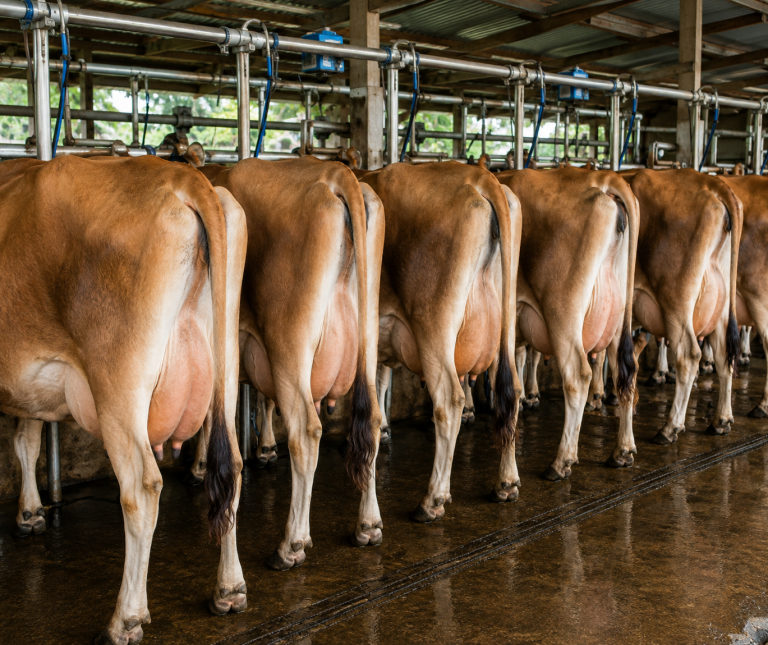
Jersey, a breed of small short-horned dairy cows is said to be the easiest cow to manage compared to other popular breeds.

Peter Ndung’u, the farm manager at Acacia Veld Breeders says the animals are ideal for dry areas due to their tolerance to harsh climatic conditions.

The animals also consume much less food, making them ideal for small-scale livestock farmers. At Acacia Veld Breeders, the maximum feed consumed by the highest feeding cow which weighs 460kgs, is 14kgs per day.

The cows feed on silage which accounts for 75 percent of the total feed consumed, 20 percent protein sourced from lucern and sweet potato vines, and 5 percent fibre from good quality hay. They also get some minerals including salt supplements and dairy meal.

Ndung’u adds that Jerseys are the most efficient breed at converting solid feeds to milk. His farm which hosts 13 Jersey cows produces 140 litres of milk daily with the highest producing cow giving 22 litres of milk per day.

”Currently we are milking 10 animals which are in different production stages; some cows are in-calf, some are almost drying, while others are in early gestation,’’ he explained.

According to the Jersey Cattle Society of Kenya, Jersey milk has more fat than most other cattle breeds. The average protein in Jersey milk is 30 percent more than in Fresian milk.

It also has 40 percent more butterfat and 35 percent more calories, making it the best for such byproducts as cheese, yoghurt, and butter.

Unlike many dairy farmers who use sawdust in cows’ sleeping areas, Ndung’u uses cow mattresses which he says are easy to clean and disinfect.

He notes that while sawdust can be warmer, it attracts diseases such as mastitis especially when wet. Ndung’u has one word for anyone intending to venture into dairy farming.

”Going by what is happening with the weather and the cost of feeds, most people have given up. So in case you are planning to do dairy farming you better focus on it. Don’t give up! Agriculture is the way to go!,” He said.

Also Read: Sh1.4m per acre: Expert reveals avocado farming potential earnings per season

How much do you need to start a kitchen utensil business?

0

The Kitchen Utensil and Equipment Business can be very profitable if well done. The demand for kitchen equipment in homes and hotels will always be there.

One beautiful thing about the business is that it’s not saturated compared to other businesses like cosmetics and fashion.

Kitchen equipment includes plates, spoons, cups, mugs, jugs, fridges, ovens, microwaves, thermos, gas, forks, etc. They are all important in the house.

To make a kill in this business, you need first to identify a location with a good flow of people capable of buying your products.

For anyone with a limited budget, you can start small and expand with time. If you intend to start this business in Nairobi and other major cities, you will need around Sh400,000, given the rental cost in Nairobi.

Those intending to start the Kitchen utensil business in rural areas can start with Sh100,000 because the rental cost there is not high.

However, the starting cost varies depending on the items you intend to sell. plastic utensils, like plates and cups, are cheap to start, and one can start with as low as Sh20, 000.

Requirements to start a Kitchen Utensil business

You cannot run any business in Kenya without the government’s approval unless you want constant disruptions by the county council.

If you want to operate peacefully, it is critical to obtain a license from the local county council. The cost of the license ranges from Sh5 000-Sh15, 000, depending on the size of the business.

The best place to purchase your items for sale is Kamukunji because they are sold at a cheaper price there compared to other markets.

To increase your customers, you can advertise your items on social media through Whatsapp status, Facebook, or TikTok, and you won’t miss about 10 people interested in your products. Be keen on the item your customers want more and provide it.

According to Doris Kathure, the founder of Kitchenware Centre, a kitchen utensils shop in Meru, this business is always at its peak in end months and during festivities.

Also Read: Pochi la Biashara vs Lipa na M-PESA Buy Goods: Which is best for your business?

Government lowers maize seed, fertilizer prices under new subsidy

0

The Government has announced a 50 per cent reduction in the price of certified maize seed and a further cut in the cost of subsidised fertiliser as it moves to cushion farmers from drought-related losses and sustain food production.

Agriculture Cabinet Secretary Mutahi Kagwe said the Government will absorb half the cost of certified maize seed, reducing the price paid by farmers from Sh300 to Sh150 per kilogramme.

The intervention will see the price of a 2kg packet fall from Sh600 to Sh300, while a 10kg pack will retail at Sh1,500, down from Sh3,000. A 25kg pack will similarly cost Sh3,750 instead of Sh7,500.

The Government will also lower the price of a 50kg bag of subsidised fertiliser from Sh2,500 to Sh2,000.

The subsidy is expected to cost the Government an estimated Sh6 billion and will cover about 40 million kilogrammes of maize seed. Kagwe said farmers will obtain the subsidised inputs through Government-designated distribution channels.

The move follows President William Ruto’s announcement that the price of maize seed would be cut by half from September 2026, as the administration intensifies its shift from subsidising consumption to supporting agricultural production.

The strategy seeks to reduce the cost of farm inputs, improve productivity and strengthen the country’s food security by enabling farmers to produce more at lower cost.

The Government has already significantly reduced fertiliser prices under the National Fertilizer Subsidy Programme. In 2022, a 50kg bag retailed at about Sh7,500 before being reduced to Sh2,500 through the subsidy programme.

Since the programme began, about 33.55 million 50kg bags of subsidised fertiliser have been distributed to approximately 1.98 million farmers, with Government support estimated at Sh78.79 billion.

The interventions have coincided with a significant increase in maize production. National output rose from 34.3 million 90kg bags in 2022 to 73 million bags in 2025, while maize imports fell by more than 66.5 per cent over the same period.

Despite the gains, the Government is preparing for possible supply pressures arising from drought and other climate-related challenges that have affected production in key maize-growing areas.

The Government has announced plans to import 25 million 90kg bags of maize to bridge an anticipated deficit and guard against shortages.

Kagwe said on August 19 that arrangements for the imports had already been put in place, assuring Kenyans that the Government was taking measures to safeguard national food security despite the prevailing production challenges.

Also Read: Farmers eye better returns as government raises wheat prices to Sh5,100 per bag

From Blank World to Your Best Build Yet

0

A fresh world is exciting and a little paralysing. Where do you even start? Everyone hits that blank-canvas freeze sometimes, staring at grass with no idea where to begin. What you need is a spark. That is what this list is for. Quick afternoon project or months-long epic, these minecraft build ideas get your hands moving and your imagination going again. Take a few, bend them to your own taste, and that empty map turns into something worth showing off. The hardest part is starting, not building.

Start Small and Cosy

You do not owe anyone a castle on day one. The best projects often start humble.

Great things to build in Minecraft when you are warming up:

  • A cosy starter cottage with a garden.
  • A treehouse village linked by swaying rope bridges.
  • A tall lighthouse standing on a rocky point above the waves.
  • A rustic windmill turning above a little wheat farm.

These are quick, satisfying, and they teach shapes and palettes you reuse forever. They are also the easiest things to build in minecraft when motivation is low. Finish a few small builds and the big ones lose their teeth. Confidence is what you are really stacking, and it piles up quicker than you would think. Building with friends? Players compare setups in this best hosting minecraft server thread on Reddit, honest about what handles a busy world.

From Blank World to Your Best Build Yet

pixabay.com

Level Up Your Projects

Feeling braver? These take a weekend, but the payoff is worth it:

  1. A medieval castle, complete with walls, towers, and a moat.
  2. A working farm complex with automation.
  3. A Japanese garden, all cherry trees and quiet koi ponds.
  4. A sprawling underground base, carved deep into a mountainside.
Ambition Try building
Afternoon Cottage, windmill
Weekend Castle, garden
Long haul City, mega-base

The trick with medium builds is a strong theme. Settle on one style and hold to it. Even a plain structure ends up looking deliberate and polished that way.

Go Big With a City

Feeling bold? A full city is the ultimate goal. Still stuck at that scale? Break it down into districts, tackling just one build at a time.

Start with a town square, add a market street, then houses, then a few standout landmarks to tie it all together. A city is really just dozens of smaller builds sharing one style, which is why it feels manageable once you start. Deciding what to build in minecraft next becomes easy when every block belongs to a bigger plan. It is also far more fun as a team effort, which means the world has to stay online for everyone.

For a big shared city, the host has to keep up, and this best minecraft server hosting guide covers options that handle a busy world. When you run low on ideas for what to build in minecraft next, a shared city always sparks new ones from the group. Everyone brings a different style, and the map grows in directions you would never plan alone.

Just Place the First Block

The best minecraft build ideas are simply projects someone started and stuck with. Pick something that genuinely excites you, begin small, and scale as your confidence grows. The only rule is to build what you would enjoy walking through later. Plan the big ones in sections, and rope in friends for the massive stuff. The only thing standing between a blank map and something incredible is that very first block.

HELB announces Sh500,000 training loans for civil servants

0

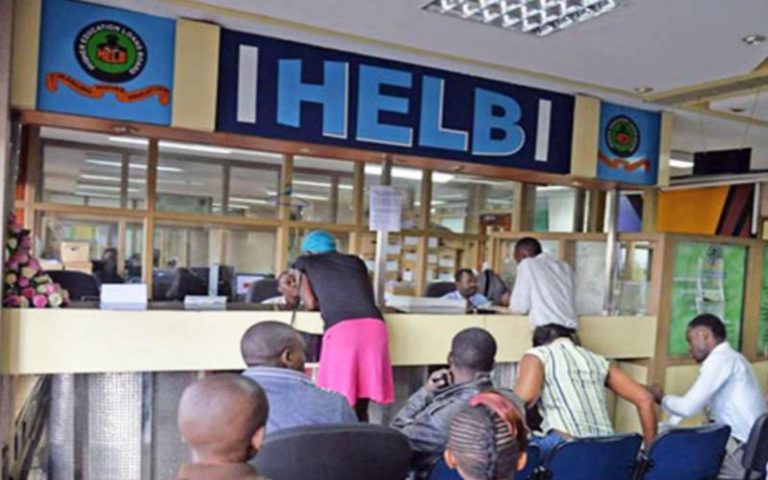
The Higher Education Loans Board (HELB) has introduced a training loan of up to Sh500,000 to help civil servants pursue further academic and professional qualifications.

In a statement on Monday, August 24, 2026, HELB said the facility would support employees undertaking approved academic and professional programmes at recognised institutions.

The Civil Servants Training Revolving Fund targets employees in the National Government, county governments, the National Police Service and the Teachers Service Commission (TSC).

Loans under the programme range from Sh30,000 to Sh500,000 and attract an annual interest rate of four per cent. Beneficiaries can repay the loans over periods ranging from 12 to 72 months through monthly check-off deductions.

“Advance your career with HELB’s Civil Servants Training Revolving Fund! Take the next step towards professional growth with quick loan processing, flexible repayment period of 12–72 months, competitive interest rates, and financing of up to Sh500,000,” the statement reads.

The repayment arrangement gives borrowers up to six years to meet the cost of their training while remaining in employment.

The facility covers a broad range of academic qualifications, including certificate, diploma, higher national diploma, postgraduate diploma, master’s and PhD programmes.

Approved professional and examinable short courses are also eligible, provided they meet HELB’s requirements.

To qualify, the programme must be offered by an institution recognised by the relevant education authorities. Applicants must also satisfy HELB’s eligibility and documentation requirements.

The loan can be used to meet approved education-related costs, including tuition, library charges, computer fees, research expenses and examination fees.

How to apply

Eligible civil servants can submit their applications online through the HELB platform.

Applicants have been advised to check the latest eligibility criteria, approved programmes and loan terms before submitting their applications.

Also Read: HELB announces 80 pc waiver on penalties for borrowers clearing loans

Fewer charges, more flexibility: Why you should open an EazzySave account

Saving is one of the simplest ways to turn financial aspirations into achievable goals.

Whether you’re building an emergency fund, preparing for school fees, planning a major purchase, or simply creating a financial cushion, setting money aside regularly can provide greater financial security and peace of mind.

Yet, for many people, the challenge is not the desire to save but finding a convenient and affordable way to do it.

This is where Equity Bank’s EazzySave Account comes in, offering individuals and groups a straightforward way to set aside money while retaining convenient access to their funds.

The account helps customers separate savings from day-to-day spending, keeping the money secure as they work toward their financial objectives. It can be opened by individuals either singly or jointly, as well as by registered groups.

Features of EazzySave Account

One of the key advantages of EazzySave is that customers can operate the account without maintaining a minimum balance.

There are also no monthly account maintenance charges, making it suitable for savers who want to build their funds gradually without the burden of recurring fees.

For customers with savings of Sh20,000 or more, the account offers competitive interest, which is paid annually. This provides an opportunity for savers to earn a return while keeping their money set aside for future needs.

Convenience is also central to the EazzySave proposition. Customers can access their accounts through Equity’s mobile banking services, including Equitel and the EazzyApp, as well as visit any Equity branch countrywide or transact through an Equity Agent.

The account also accommodates both cash and cheque deposits.

For those who need occasional access to their savings, EazzySave provides one free withdrawal each month.

Customers can also benefit from free internal standing orders, allowing them to automate transfers and make regular savings part of their financial routine.

The account is therefore particularly useful for people who want to develop a disciplined savings habit without sacrificing accessibility.

Requirements and how to open an EazzySave Account

Opening an EazzySave Account is straightforward. Individual applicants, whether opening an account alone or jointly, need to provide an original identification document and KRA PIN.

On the other hand, registered groups are required to present their registration certificate, constitution, and minutes of the resolution to open an account, certified by the District Social Development Officer (DSDO), together with an introduction letter from the DSDO.

To get started, customers can visit their nearest Equity Bank branch, present the required documents and complete an application form. Once the application is processed, the customer can begin saving and accessing the available banking services.

With 24-hour customer support available through 0763 063 000 and [email protected], customers can also seek assistance whenever they need it.

Also Read: Equity Group net profit profit rises 32pc to Sh45.5 billion in six months