

Home Blog Page 30

Kenya cements Position as East Africa’s Financial Hub as Three Banks Rank Among Africa’s Top 25

0

Kenya has cemented its status as East Africa’s financial hub after the latest The Banker Top 1,000 World Banks rankings placed three Kenyan banks among Africa’s top 25 by capital strength. Although South Africa remains the continent’s banking giant and Morocco and Nigeria boast larger banking ecosystems, no other East African country matches Kenya’s depth at the top end of the sector. Here are the key insights:

  • KCB Group remains East Africa’s strongest bank by capital after climbing 23 places globally to rank 549th, consolidating its lead as the region’s highest-capitalized lender.
  • Equity Bank closely follows KCB, ranking 573rd globally and 16th in Africa with Tier 1 capital of US$2.312 billion, underscoring Kenya’s dominance at the top of East African banking.
  • KCB and Equity remain locked in a close contest for regional supremacy, with only a US$143 million difference in Tier 1 capital separating the two banking giants.
  • Co-operative Bank also strengthened Kenya’s presence by ranking 24th in Africa and 842nd globally, giving the country three banks in Africa’s top 25.
  • Tanzania’s CRDB was the only other East African bank to make the continental top 25, highlighting Kenya’s overwhelming regional advantage with three of the four East African banks represented.

Absa Bank Kenya announces Diana Mwaniki as acting finance chief

  • The rankings evaluate banks primarily on Tier 1 capital; the internationally recognized measure of a bank’s core financial strength and resilience under the Basel regulatory framework.
  • Tier 1 capital represents a bank’s core equity capital and disclosed reserves, making it a key indicator of its ability to absorb losses, support lending, finance economic growth and withstand financial shocks
  • Despite KCB’s current lead, Equity’s stronger profit growth in 2025 suggests the race for East Africa’s banking crown remains highly competitive and future rankings could shift based on capital accumulation, dividend policies and expansion strategies.
  • South Africa continues to dominate African banking, with Standard Bank Group retaining the continent’s top position and ranking 145th globally with Tier 1 capital of US$16.1 billion, followed by FirstRand (US$12.5 billion) and Absa Group (US$10.1 billion), underscoring the scale of Southern Africa’s financial sector.
  • Morocco remains one of Africa’s deepest banking markets, placing six lenders in the continent’s top 25, led by Attijariwafa Bank (4th in Africa), Groupe Banque Populaire (6th), and Bank of Africa (7th).
  • Nigeria contributed five banks to Africa’s top 25, with Zenith Bank (12th), Access Bank (14th), Guaranty Trust Bank (18th), and United Bank for Africa (19th) reflecting the country’s broad banking scale despite trailing South Africa in capital strength
  • While South Africa continues to dominate Africa overall with five of the continent’s top ten banks, Kenya has firmly established itself as East Africa’s financial hub through the depth and strength of its leading banking institutions.
  • The report reinforces Kenya’s growing influence in African banking, demonstrating that its leading lenders possess the capital strength needed to finance large-scale investments, support economic growth and drive regional expansion.

KUCCPS opens inter-university transfer window, sets August 14 deadline

0

The Kenya Universities and Colleges Central Placement Service (KUCCPS) has opened the 2026 inter-institutional transfer application window, giving students 30 days to seek placement in different universities, Technical and Vocational Education and Training (TVET) institutions and other recognised higher learning institutions.

In a notice issued on Friday, July 17, KUCCPS announced that the application period will close on August 14, urging eligible students to submit their transfer requests through the online student portal.

The exercise targets students who were successfully placed by KUCCPS but wish to change either their institution or programme of study.

“Were you recently placed in a university or TVET programme and wish to move to a different institution? Take advantage of the current 30-day inter-institutional transfer application period,” the notice stated.

Students seeking transfers have been advised to complete the process through the KUCCPS Student Portal by logging in with their KCSE index number and examination year.

Applicants are required to select the transfer application option, choose their preferred institution and programme, and provide reasons for requesting the transfer.

Requirements to apply for transfers

The interuniversity transfer approval is only granted to applicants who satisfy the admission requirements of their preferred programme.

This includes meeting the minimum grade, subject cluster requirements and programme cut-off points.

According to KUCCPS, transfers are approved only when the receiving institution has available capacity to admit additional students.

Applicants are limited to one preferred institution and one programme per application. They must also provide valid reasons for seeking the transfer, with KUCCPS or the receiving institution reserving the right to request supporting documents where necessary.

The transfer application attracts a non-refundable processing fee of Sh1,000, payable through the KUCCPS portal via eCitizen. Applications will only proceed for processing after payment has been successfully confirmed.

Once submitted, each application undergoes a multi-stage review process. The receiving institution first assesses whether it has space available and whether the applicant meets its admission criteria.

The institution where the student was originally placed then considers the request to release the learner.

KUCCPS conducts the final review before issuing its decision, informing applicants whether their transfer request has been approved or declined.

Also Read: HELB opens first-time loan & scholarship applications for university, TVET students

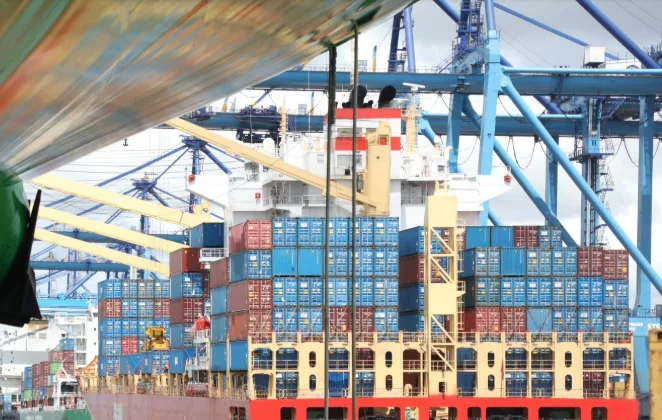
List of businesses affected by new KRA advance cargo declaration system

0

Businesses involved in Kenya’s international trade are set to adjust their shipping and logistics operations following the introduction of a new Kenya Revenue Authority (KRA) cargo declaration system that will become mandatory from next month.

The tax authority has announced that all containerised cargo destined for Kenya will be subject to the Advance Cargo Declaration (ACD) system from August 3, 2026, marking a significant shift in customs procedures for importers, exporters and logistics service providers.

The new digital platform requires exporters shipping goods to Kenya to submit shipment information and supporting documents before cargo is loaded at the port of origin.

Under the new framework, shipments will only be cleared for transportation after an ACD reference code has been generated and incorporated into the Bill of Lading.

The changes will affect a wide range of players across the supply chain, including importers, exporters, shipping lines, shipowners, carriers, shipping agents, customs clearing agents, freight forwarders and other logistics firms handling containerised cargo.

To obtain the mandatory reference code, exporters will be required to upload key shipping documents through the ACD platform. These include a draft Bill of Lading, commercial invoice, freight invoice and export declaration. After the documents are verified, the system will issue a unique ACD reference number that must appear on the final Bill of Lading before the shipment is dispatched to Kenya.

KRA said the new requirement is part of its broader strategy to modernise customs administration, improve cargo visibility and strengthen oversight of goods entering the country.

According to the authority, receiving shipment information before cargo departs for Kenya will allow customs officials to conduct advance risk assessments, identify potentially high-risk consignments and expedite the clearance of compliant shipments once they arrive at Kenyan ports.

“The platform will enhance customs efficiency, strengthen cargo security and improve trade facilitation by enabling advance submission of shipment information,” KRA said in a notice issued on Tuesday.

The authority expects the digital platform to reduce inefficiencies associated with manual customs processes while improving transparency and cargo traceability throughout the international supply chain.

For businesses, however, the rollout introduces an additional compliance requirement that will demand closer coordination between exporters, importers, shipping agents, customs brokers and freight forwarders to ensure all documentation is submitted before cargo is loaded.

Industry players have been urged to familiarise themselves with the new procedures ahead of the August 3 implementation date to minimise the risk of shipment delays and supply chain disruptions.

Also Read: KRA to introduce web-based tax return filing as Excel forms are phased out

Chicken Road Kenya: Why Crash-Style Casino Games Are Popular Among Mobile Players in Africa

0

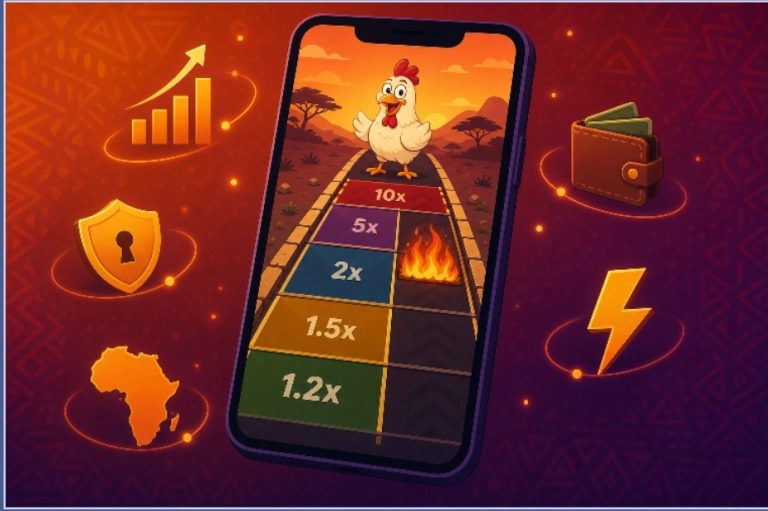
Most players in East Africa now open a game on their phone before they open a laptop. And a lot of them pick fast, short casino games instead of the long, heavy ones. Popular and fun games like Chicken Road Kenya, where a cartoon chicken walks across a road with traps, and the multiplier goes up with every step, are a good example. People play them in a café, on a matatu, or on a lunch break. Cheap data, M-Pesa, and small phone-friendly screens are a big reason why online gaming in Kenya keeps growing.

The Rise of Crash Games in Kenya’s Mobile Casino Scene

Crash games are now a big part of the mobile casino market in Africa. A recent look at casino sites by iGamingCompass found that about 60% of casinos in Africa have a full crash section, more than any other region. That fits how Kenyans use the internet. A 2026 market brief by Henk Wolff put total gross gaming revenue in Kenya at about $677 million in 2025, with a jump to $800 million expected in 2026. Phones make up around 88% of all activity.

A few reasons casino games in the crash format work so well here:

  • Short rounds that end in a couple of minutes, which is easy on a bus or a lunch break.
  • Light on data, since the graphics are simple and load fast on 3G or 4G.
  • Easy to read, with no paylines to figure out — you just pick when to cash out.

For new players, that makes a crash game easier to start with than slots or live table games.

How APIs are powering the next generation of online casino businesses

How Chicken Road Crash Works and why it Fits Africa Gaming

Chicken Road Kenya: Why Crash-Style Casino Games Are Popular Among Mobile Players in Africa

The Chicken Road crash game came out in April 2024 from a studio called InOut Games. Instead of the usual crash meter, you get a chicken that walks across a road with moving traps. Every safe step raises the multiplier, one wrong lane ends the round. The base RTP is 98%, which was restored in January 2026. There are four modes, and they change how risky each round feels:

Mode Lanes What to expect
Easy ~24 Low risk, small multipliers
Medium ~22 Fair pace and payout
Hard ~20 Higher risk
Hardcore ~15 Rare big multipliers, quick losses

Most Chicken Road strategy and Chicken Road tips come down to three things: pick an auto cash-out target and stick to it, start on Easy to learn the pace, and treat the Chicken Road jackpot as a nice surprise, not a plan. As Crash-Games.net says, “each step carries the same percentage chance of failure regardless of how many you’ve already survived.” On any mid-range Android, the Chicken Road mobile view — through a browser or a Chicken Road app — feels the same as the desktop version.

Conclusion

Crash games are now a big part of Africa gaming for one simple reason: they fit real phones, real data plans, and real free time. Whether you stay on Easy for a bit of fun or try Hardcore for the thrill, a casino bonus at a site like Pin Up can give you more play time. Just keep it simple: set a monthly budget, only use money you don’t mind losing, and stop when the fun is over.


How Single Bets, Live In-Play and 1XUP can qualify fans for Katambe na SportPesa’s KSh 5,000,000 prize pool

0

SportPesa Kenya’s World Cup campaign, Katambe na SportPesa, is giving football fans more ways to take part as the tournament excitement continues. With KSh 5,000,000 up for grabs and 250 winners set to be rewarded, the campaign has become one of SportPesa’s biggest World Cup reward moments. Customers can qualify through eligible activity across Single Bets, Live In-Play and 1XUP markets.

SportPesa Kenya continues to set the standard for fan engagement by creating an all-inclusive campaign that rewards consistency. Katambe na SportPesa has been made easy because of the entry level, which perfectly accommodates both conservative and bold gaming styles. This gives fans different ways to stay involved by making simple match predictions, reacting to live football action and using SportPesa’s 1XUP early payout market.

The 1XUP advantage

With 1XUP, eligible bets can be settled early when the selected team goes two goals ahead, depending on the market rules. This gives customers another SportPesa market they can use while taking part in the Katambe na SportPesa promotion. The strength of 1XUP is that it connects directly with real match momentum. A team that starts strongly and moves two goals ahead can trigger an early payout on eligible bets while still participating in the campaign.

“Single Bets, Live In-Play and 1XUP give customers different ways to follow the action and take part in the campaign. With KSh 5,000,000 up for grabs and 250 winners set to be rewarded, the goal is to make the World Cup experience more engaging for fans while giving eligible customers a chance to qualify for the Katambe na SportPesa draw,” said SportPesa Kenya Head of PR, Willis Ojwang.

Turn a 2 shilling bet into a massive multiplier on SportPesa world champion X

The Single-Bets solution

Single Bets give fans a simple way to participate in the campaign by focusing on one match, one market or one prediction. This is useful for customers who prefer to analyse a specific fixture instead of building a larger multi-match bet slip. Sportpesa World Cup campaign allows fans to focus their full analytical energy on one single match outcome, making it stress-free and highly entertaining.

Through Katambe na SportPesa, eligible Single Bets give customers a direct way to enter the promotion. This keeps the campaign simple and accessible because fans can take part through the matches and markets they understand best. For World Cup fans, Single Bets fit naturally into matchday behaviour. A customer can follow team news, check form, look at odds and place a qualifying bet on one fixture they believe in.

Live in-Play betting

Live In-Play betting gives fans a real-time way to participate in the campaign as matches unfold. Instead of making all decisions before kick-off, customers can follow the flow of the game and place eligible bets based on what is happening on the pitch. The Live in-Play platform eliminates that guesswork by letting you watch the opening minutes of play and making informed predictions.

This makes Live In-Play especially relevant during the World Cup, where momentum can change quickly through goals, substitutions, red cards or tactical changes. Fans who enjoy reacting to live football action can use Live In-Play markets while also taking part in Katambe na SportPesa. Each qualifying Live In-Play bet gives customers another opportunity to be part of the promotion, subject to the campaign terms.

Why these markets matter

Single Bets, Live In-Play and 1XUP give SportPesa customers different ways to engage with the World Cup. Many fans prefer simple predictions before kick-off. Others prefer reacting to the action as it happens. Some enjoy 1XUP because of the early payout feature on eligible bets.

By focusing on these three markets, SportPesa Kenya is making the campaign flexible for different types of fans. The promotion does not rely on one style of play. It gives customers several ways to participate while following the biggest football tournament in the world.

The KSh 5,000,000 campaign prize pool gives Katambe na SportPesa a stronger reward centre. It also gives fans a clear reason to stay close to the action as teams fight for the trophy. The tournament moves toward its biggest moments.

Conclusion

Katambe na SportPesa is giving football fans more ways to stay involved throughout the World Cup. With KSh 5,000,000 up for grabs and 250 winners set to be rewarded, the campaign creates a strong reward moment for customers who participate through eligible Single Bets, Live In-Play and 1XUP markets. As the tournament continues, SportPesa Kenya is using the campaign to connect matchday excitement with real customer rewards. For fans following every fixture, every goal and every major World Cup moment, Katambe na SportPesa gives them another reason to stay close to the action.

Kisumu farmer making Sh20,000 daily from 150 dairy goats on half an acre

A growing appetite for goat milk is encouraging more farmers to shift from conventional livestock keeping to dairy goat farming, attracted by the promise of steady incomes, lower production costs and resilient animals that can withstand changing weather conditions.

With consumers increasingly seeking goat milk for its nutritional value and digestibility, dairy goats are emerging as a profitable enterprise for both rural and urban farmers.

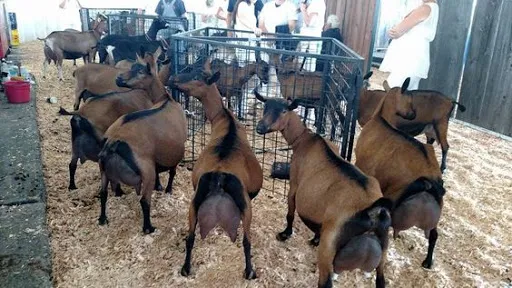
Among those benefiting from the trend is Kisumu-based electrical engineer Kevin Omondi, who has transformed a little over half an acre in Nyamasaria into a flourishing dairy goat farm that now supports his family and creates employment.

What began in 2019 with just four goats has grown into a herd of about 150 animals, demonstrating the commercial potential of dairy goat farming even on limited land.

“Goat farming is very profitable when you look at the financial returns. When I started in 2019, I had around four goats producing about nine litres of milk daily. Today, I have more than 150 goats, and the business has enabled me to employ two additional youths to help manage the farm,” says Omondi.

Despite pursuing a full-time career as an electrical engineer, Omondi has successfully balanced his profession with livestock farming by investing in proper management systems and reliable workers.

Running a dairy enterprise in Kisumu, however, has not been without challenges. He identifies the availability of quality feeds and adequate water as the biggest hurdles, particularly during prolonged dry spells brought about by the region’s unpredictable rainfall patterns.

Even so, he says goats have proven to be one of the most climate-resilient livestock species.

Their ability to adapt to varying environmental conditions and survive on diverse forage resources, including agricultural by-products that many other livestock species cannot efficiently utilise, has made them increasingly attractive to farmers seeking climate-smart agricultural enterprises.

To further improve productivity, Omondi has invested in crossbreeding. His herd consists of crosses between the high milk-producing Saanen breed and the hardy indigenous Galla breed, combining superior milk yields with resilience to local conditions.

The improved breeds mature faster, produce more milk and command better market prices, enabling farmers to transform goat rearing from a subsistence activity into a commercially viable agribusiness.

The results have been impressive.

Omondi’s herd now produces more than 200 litres of milk every day, supplying a growing network of regular customers, including hotels and households that specifically seek goat milk for its health benefits.

The sales generate more than Sh20,000 daily, providing a reliable source of income from a relatively small parcel of land.

Agricultural experts attribute the growing demand to goat milk’s nutritional qualities. It is widely regarded as an excellent alternative to cow’s milk because it is easier to digest and less likely to trigger allergic reactions.

It is also rich in essential nutrients such as calcium, magnesium, potassium and vitamin A, which contribute to strong bones, healthy immune function and overall wellbeing.

Beyond milk production, goats also present multiple income opportunities through the sale of breeding stock and chevon, further strengthening their appeal as an investment.

Their biological advantages also enhance profitability. Female goats have a gestation period of approximately five months, allowing them to produce kids twice within a year under good management, resulting in rapid herd expansion and quicker returns on investment.

Also Read: Why an investment in sustainable agriculture must include the African smallholder

SportPesa six-legged 2026 national 7s circuit kicks off in style

0

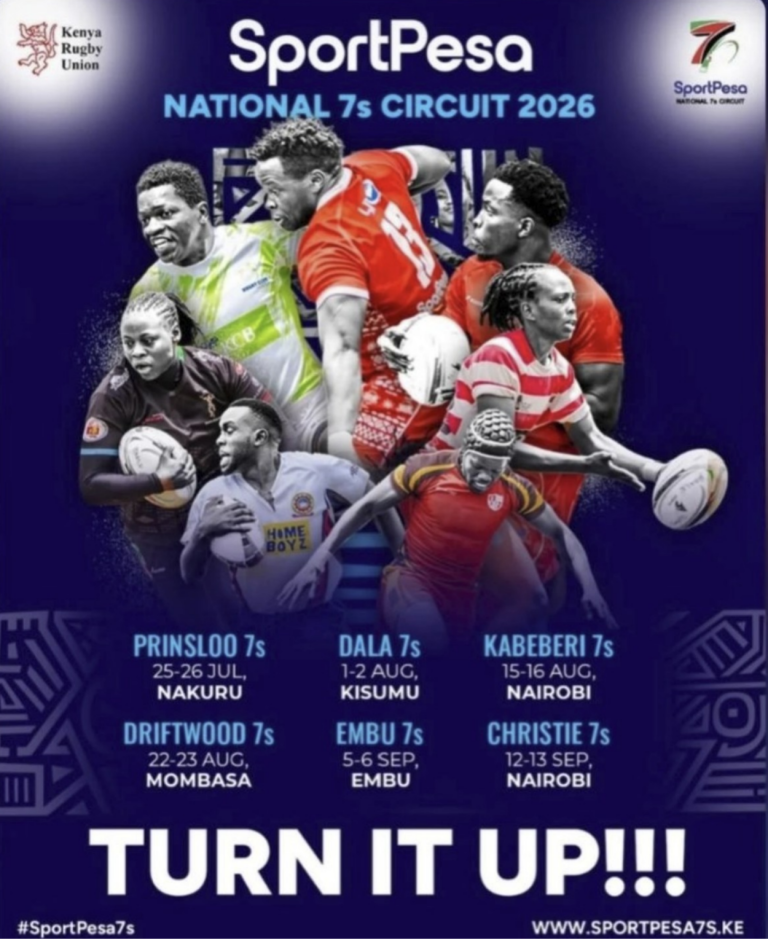
Kenya’s rugby season is about to come alive as the SportPesa National Rugby 7s Circuit 2026 kicks off on 25th July in Nakuru, marking the beginning of an exciting six-legged journey across the country. From thrilling tackles to spectacular tries, the circuit will showcase the very best of Kenyan rugby while bringing together players, supporters, and communities in a celebration of the sport. Every tournament promises a unique atmosphere, making this year’s competition one of the most anticipated on the local sporting calendar.

Running from July through September, the circuit will visit Nakuru, Kisumu, Nairobi, Mombasa, Embu, and return to Nairobi for the grand finale. Whether you’re a lifelong rugby enthusiast or discovering the game for the first time, the SportPesa National Rugby 7s Circuit offers an unforgettable experience filled with entertainment, fierce competition, and memorable moments. With thousands of fans expected to attend, now is the perfect time to follow the tournament and be part of the excitement.

The journey begins in Nakuru

The opening tournament will take place in Nakuru on 25th and 26th July, setting the stage for an action-packed season. Teams from across Kenya will battle for valuable circuit points as they begin their quest for the SportPesa 7s rugby title. Supporters can expect high-intensity matches, impressive game play, and a vibrant atmosphere from the very first whistle.

The opening weekend is more than just rugby, it’s the start of a nationwide celebration of the sport. Fans are encouraged to attend the Nakuru Rugby 7s and witness the country’s top clubs compete for early momentum. Every match will showcase the speed, skill, and determination that have made Kenyan rugby a favorite among sports lovers.

“The SportPesa National Rugby 7s Circuit is more than a tournament. It is a national rugby journey that gives players a competitive stage, gives fans unforgettable matchday moments and takes the excitement of sevens rugby to different parts of the country,” said SportPesa Kenya Head of PR, Willis Ojwang.

How Single Bets, Live In-Play and 1XUP can qualify fans for Katambe na SportPesa’s KSh 5,000,000 prize pool

Six tournament, one champion

After the opening tournament in Nakuru, the SportPesa National Rugby 7s Circuit moves to Kisumu, followed by Nairobi, Mombasa, Embu, and finally returns to Nairobi for the last tournament of the season. At every stop, teams will compete for important points that will determine the overall circuit champion. Each tournament gives clubs another opportunity to improve their standings and move closer to lifting the title.

Each stop offers a unique atmosphere while maintaining the same competitive spirit that defines SportPesa Rugby 7s. As teams fight for points at every tournament, fans have the opportunity to follow every fixture and experience the excitement in different parts of the country. The six-legged format ensures that every weekend brings fresh storylines, intense rivalries, and unforgettable rugby action.

A festival for every rugby fan

The SportPesa Rugby 7s is more than a sporting competition as it brings together families, friends, and rugby supporters from all walks of life. Beyond the matches, spectators can enjoy an energetic environment filled with music, entertainment, and activities that create an unforgettable matchday experience. The circuit gives fans in different parts of the country a chance to experience elite sevens rugby close to home.

Whether you’re watching from the stands or keeping up with results throughout the circuit, there are countless reasons to join the rugby excitement this season. The tournament continues to provide a platform for emerging talent while allowing established stars to shine on Kenya Rugby 7s. Every tournament adds another exciting chapter to the journey toward the championship.

Conclusion

The SportPesa National Rugby 7s Circuit 2026 is set to bring Kenya together through world-class rugby, passionate fans, and unforgettable sporting moments. Beginning in Nakuru on 25th July and continuing through six exciting tournaments until September, the circuit offers something for every rugby enthusiast. Don’t miss your chance to be part of the SportPesa 7s experience as Kenya’s best rugby clubs battle for national glory.

NCBA, ePure motion partner to boost electric vehicle financing in Kenya

0

NCBA, and ePure Motion have signed a strategic partnership to expand access to electric mobility solutions for customers purchasing electric vehicles through structured asset finance solutions.

Through this partnership, qualifying salaried customers purchasing ePure Motion’s passenger vehicles for private use can access up to 100% financing, with flexible repayment periods of up to 72 months, subject to eligibility and credit assessment.

For customers interested in acquiring 16-seater matatus for Public Service Vehicle (PSV) operations, individual PSV SACCO members can access up to 80% financing with repayment terms of up to 48 months. Existing PSV SACCOs and established PSV companies may qualify for up to 90% financing, with repayment periods of up to 60 months, subject to eligibility and credit approval.

Under the MoU, the parties will collaborate to provide preferential asset financing terms, extended repayment structures for qualifying customers, promotional dealer support on processing costs during the campaign period, flexible insurance pathways for selected customer segments, and integrated fleet financing models that may include charging infrastructure where required.

Speaking at the signing ceremony, NCBA’s Group Director of Asset Finance and Business Solutions, Lennox Mugambi, said;

“This partnership demonstrates NCBA’s commitment to fostering sustainable economic growth through innovative and customer-focused financing options. Our Asset Finance business has maintained market leadership with over 30 per cent market share, a position built through strong partnerships, customer-focused innovation, and a deep understanding of evolving mobility needs.

NCBA launches 2026 China market linkage programme for egional SMEs

By making electric vehicles more accessible for individuals, SACCOs, and fleet operators, we are supporting the transformation of Kenya’s transport sector while helping customers achieve long-term savings and operational efficiency.”

Dr. Gilbert Saggia, ePure Motion’s CEO and Director, also commented on the partnership, noting:

“Electric mobility will scale in Kenya when customers can access the vehicle, the financing, the charging, the service, and the aftersales support as one complete ecosystem. This partnership with NCBA helps remove one of the biggest barriers to EV adoption by making the transition more structured and more accessible for the people and businesses that move Kenya every day.”

The partnership comes at a time when electric mobility adoption in Kenya is gaining significant momentum. According to Kenya’s National Electric Mobility Policy, the number of registered electric vehicles in the country has grown from just over 1,300 in 2022 to more than 39,000 in 2025, reflecting rising consumer and business interest in cleaner and more cost-efficient transportation solutions.

Kenya is uniquely positioned to support this transition, with approximately 90 per cent of its electricity generated from renewable energy sources, giving the country one of the cleanest power grids in the world. At the same time, transport remains one of the largest contributors to greenhouse gas emissions and accounts for approximately 72 per cent of petroleum fuel consumption, underscoring the need for cleaner mobility alternatives.

As electric mobility adoption continues to accelerate, financial institutions are increasingly being called upon to design financing solutions that support adoption at scale. Through NCBA’s KES 2 billion EV Financing Programme and ePureMotion’s integrated electric mobility ecosystem, the partnership seeks to address one of the key barriers to adoption: access.

As part of its value offer, ePure Motion will provide eligible customers with electric vehicle products, charging and aftersales support, fleet deployment guidance, and customer education through an all-inclusive mobility package featuring select charging, service, warranty and support benefits. These include a portable charger, battery and motor warranties, a free service plan, road rescue support, and discounts at ePure charging stations.

By combining affordable financing, vehicle solutions, charging infrastructure and aftersales support, the collaboration aims to make electric mobility more accessible, practical and commercially viable for individuals, businesses and fleet operators across Kenya.

NCBA launches 2026 China market linkage programme for egional SMEs

0

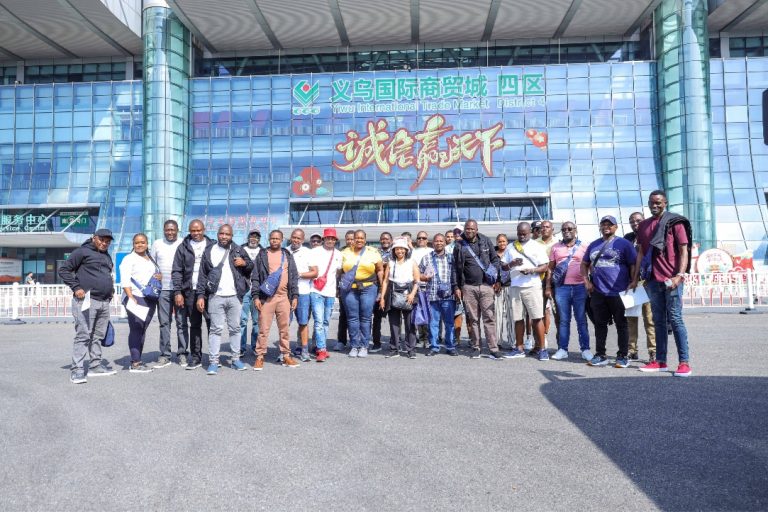
NCBA has opened recruitment for its 2026 China Market Linkage & Business Exposure Programme, expanding participation for the first time to Commercial and SME Banking customers across Kenya, Uganda, Tanzania and Rwanda. The unique international business immersion is designed to connect entrepreneurs with one of the world’s largest manufacturing and trading ecosystems while unlocking new opportunities for sourcing, growth and global partnerships.

Building on the success of last year’s programme, which attracted 100 customers, this year’s edition is expected to bring together more than 100 participants who will travel to Beijing and Guangzhou from 13th to 24th October 2026 for a curated business experience that goes beyond traditional trade missions. As part of NCBA’s Commercial & SME Banking Customer Value Proposition, the programme reflects the Bank’s commitment to going beyond financial solutions by creating meaningful opportunities that help businesses innovate, expand into new markets and build resilient supply chains.

This comes at a time when commercial ties between East Africa and China continue to strengthen. According to the East African Community (EAC), China remained the region’s largest trading partner in 2025, with exports to China reaching USD 24.0 billion and imports from China totalling USD 20.3 billion. In Kenya, imports from China rose by 16.5 per cent to KES 671.25 billion in 2025, accounting for nearly a quarter of the country’s total import bill and underscoring China’s importance as a sourcing and manufacturing partner. As one of the world’s leading manufacturing and trading hubs, China offers businesses across East Africa access to a vast network of suppliers, innovative products and efficient supply chains, creating significant opportunities to diversify sourcing, improve competitiveness and unlock new markets.

Building wealth, protecting future: Inside NCBA’s GO Educator plan

Over the course of the 12-day programme, participants will experience every stage of the international supply chain; from manufacturing and sourcing to logistics and trade. The itinerary includes visits to advanced manufacturing facilities and industrial parks in Beijing, participation in the internationally renowned Canton Fair in Guangzhou and curated engagements with manufacturers, suppliers and wholesale markets aligned to participants’ industries and business interests where practical, factory visits and market engagements will be tailored to individual sourcing requirements. This will ensure every participant derives maximum commercial value from the experience. Through business networking sessions, supplier meetings and logistics consultations, participants will gain practical insights and valuable connections to help them identify new sourcing opportunities, strengthen supply chains and unlock sustainable business growth.

Speaking on the programme, Dennis Njau, Group Director, Retail Banking, NCBA, said: “Today’s businesses must think beyond borders to remain competitive. Access to the right markets, suppliers and strategic partnerships can be the difference between sustaining growth and unlocking the next phase of expansion. Through the China Market Linkage Programme, we are giving our customers practical exposure to one of the world’s leading manufacturing ecosystems while connecting them with opportunities that can create lasting value for their businesses. This reflects our purpose of Banking on Belief, Empowering Ambitions by supporting entrepreneurs with not only financing solutions, but also the networks, knowledge and market access they need to succeed.”

In addition to international market exposure, participants will have access to NCBA’s comprehensive suite of business banking solutions, including Trade Finance, Foreign Exchange, Treasury solutions and Business Trip Financing, enabling them to act on opportunities identified during the programme with confidence.

The programme is open to Commercial and SME businesses across sectors including manufacturing, agriculture, wholesale and retail, construction, hospitality, electronics, furniture, textiles and consumer goods. Whether seeking new suppliers, exploring innovative products or strengthening international supply chains, the programme has been designed to deliver practical business outcomes that extend well beyond the trip itself.

Interested participants can register through their NCBA Relationship Manager or Branch Manager. Registration is now open, with a non-refundable 50 per cent deposit required to secure participation. Applications are set to close on 7 August 2026, subject to availability of slots.

As East African businesses continue to seek new avenues for growth and greater participation in global trade, NCBA remains committed to creating opportunities that empower entrepreneurs to scale with confidence, build meaningful international partnerships and transform ambition into lasting business success.

Building wealth in uncertain markets

Building wealth in uncertain markets: The financial world is experiencing significant volatility driven by global supply chain disruptions that continue to affect major industries and ongoing local debates over economic policies. In the stock market, performance has become increasingly uneven, with some sectors facing headwinds while others continue to demonstrate resilience.

According to the International Monetary Fund Global Financial Stability 2025 Report, global financial stability risks have increased significantly due to heightened economic policy uncertainty and rising market volatility. In such an unpredictable climate, it is easy to panic or blindly chase the next big trend, yet enduring wealth is built on deliberate strategy rather than emotional reactions.

Avoid emotion-driven investment decisions

One of the biggest investment risks today is making financial decisions based on social media content rather than sound research. Online platforms are filled with individuals promoting high-return investment opportunities, often without providing a balanced view of the risks involved. Investors should remember that past performance, screenshots of profits and luxury lifestyles are not evidence of investment expertise.

Before committing your money, verify that the investment product and provider are regulated and seek advice from licensed financial professionals. Building wealth is rarely about chasing the latest trend, but making informed decisions that align with your long-term financial goals.

My 9 steps to building wealth and becoming successful

Prioritise liquidity and diversification

When markets become unpredictable, investment mistakes are often driven more by emotion than logic. Fear can push investors to sell quality investments too early, while greed can lead them to chase unrealistic returns or invest in products they do not fully understand. Another common mistake is concentrating too much wealth in illiquid assets such as land without maintaining an adequate emergency fund.

If an unexpected financial need arises, converting these assets into cash can be time-consuming. A sound investment strategy balances liquidity with long-term growth by maintaining readily accessible savings such as Money Market Funds, protecting yourself with adequate insurance, investing in regulated financial markets and gradually acquiring long-term assets as part of a well-diversified portfolio.

Invest through regulated financial markets

For safe and steady growth, it is wise to invest through regulated markets where investment products are licensed by the Capital Markets Authority. Money Market Funds provide a strong foundation by investing in high-quality, short-term instruments such as Treasury Bills and other fixed-income securities.

While returns vary with market conditions, reinvesting your earnings allows your investment to benefit from the power of compounding over time. Rather than committing all your savings to illiquid assets or high-risk ventures, a balanced portfolio that prioritizes liquidity, diversification and long-term growth is better positioned to withstand market uncertainty.

Top tips for wealth-building in Kenya, breaking free from paycheck trap

Review your portfolio regularly

Just as important, successful investing is not about setting and forgetting. As markets fluctuate and your financial goals evolve, your portfolio should evolve too. Regular reviews help ensure your investments remain aligned with your risk tolerance, time horizon and financial objectives.

They also provide an opportunity to rebalance your portfolio by reducing overexposure to some assets and increasing exposure to others, helping you stay on track despite changing market conditions.

In conclusion, waiting for the perfect time to invest is an exercise in futility. The best time to invest is rarely when markets feel certain. Uncertainty is an inevitable part of investing, but it also creates opportunities for disciplined investors.

Rather than waiting for the “perfect” moment, focus on building a diversified portfolio, investing consistently and staying committed to your long-term financial goals. Over time, patience and discipline are often the greatest drivers of lasting wealth.

About the author

Building wealth in uncertain markets
David Macharia, Investment Manager at Orient Asset Managers

David Macharia is the Investment Manager at Orient Asset Managers Investment. He is a professional with eleven years of experience in portfolio management, collective investment schemes, pension schemes, fundamental analysis, technical analysis, and alternative and traditional asset classes.