Home Blog Page 47

US embassy cancels hundreds of visas over birth tourism

The United States government has cancelled hundreds of tourist visas over birth tourism.

This is after investigations by the US State Department unearthed elaborate networks promoting thia type of visa fraud in Africa.

“Under President Trump, the State Department is defending the integrity of US citizenship by ending illegal visa schemes. No foreigner is permitted to obtain a visitor visa for the primary purpose of acquiring citizenship for a child by giving birth in the US,” a statement by the department said.

The statement further said that a US embassy in West Africa had uncovered a sophisticated birth tourism network of more than 100 foreign nationals using fraudulent documents and visa “fixers” to get themselves visas in order to get citizenship for their children.

“We shut it down, revoked these foreign nationals’ visas, and are coordinating with local authorities to systematically identify and cut off any similar operations,” the department said.

“In Europe, a US embassy identified more than 400 suspected cases since 2024. Investigators traced them to at least six companies that coached applicants on what to say in their visa interview, arranged U.S. housing, and set up delivery plans. We shut it down, revoked their visas, and permanently banned several fraudsters from traveling to the United States ever again.”

The rise of birth tourism appeared to be more prevalent in West and North of Africa. According to the State Department, one embassy in North Africa revoked over 100 visas for “birth tourist” parents who came to the United States primarily to give birth so their children would get citizenship.

“Consular officers – working with law enforcement and using data analytics – identified several networks abusing the system and put a stop to it,” the statement said.

Kenyan truck driver captured by ICE on US highway with expired B2 visa

“A US visa is a privilege, not a right. The State Department is taking action around the world to stop this abuse, dismantle birth tourism networks, and hold accountable those who try to scam our system.”

Secure Escrow and Trade Facilitation Platform

Look at how finance has changed in Kenya over the last ten years, it’s like a whole new world. Not long ago, investing in global markets felt reserved for professionals in Nairobi’s financial district or big institutions with deep pockets. Now anyone with a smartphone and an internet connection can open a trading account and access markets in New York, London or Dubai within minutes.

And the numbers don’t lie. Kenya’s mobile money ecosystem is one of the most advanced globally. Over 90% of adults use mobile-based financial services like M-Pesa for daily transactions. That digital comfort has spilled over into online trading. More people are trying their hand at forex, commodities and global indices.

But here’s the thing: Not every platform is created equal. Kenyan traders, especially the growing middle class and young professionals, are picking up on what separates a solid platform from a risky one.

What online trading platforms actually do

Basically, an online trading platform is a digital gateway to financial markets. It lets traders buy and sell currencies, stocks, commodities and indices in real time.

There’s no more calling a broker. Everything happens through apps or web platforms. Prices update on the spot, trades go through in seconds and users can keep track of their portfolios from anywhere.

Globally, retail trading has taken off. Industry reports say retail forex trading alone handles trillions globally in daily volume, and most new traders are jumping in through mobile-first platforms. Kenya’s right there, actually among the fastest-growing regions in Africa for retail trading.

8 tips for creating a cosy and beautiful outdoor space

Why Kenyan traders are comparing platforms more carefully

There’s a shift happening. Traders are not signing up based on flashy ads or random referrals anymore. They’re checking features, trying demo accounts and reading reviews.

One major factor is global market access. Kenyan traders don’t want just forex anymore. They’re after commodities, such as gold and oil, and international stocks and indices too. That thinking is growing because people are looking long term. Instead of chasing quick wins, more traders want to balance risk across different markets.

That’s also why platforms marketing themselves as the best trading platform in Kenya tend to get attention, especially if they offer global market access, fast execution and secure systems.

Security is not optional anymore

If Kenyan traders talk about one thing constantly, it’s trust. And it’s not surprising. With online scams still floating around, traders want platforms that feel legit from day one. That means regulated operations, encrypted transactions and clear fees.

A platform that offers a secure trading environment gets noticed. People want to know their deposits are safe and they can withdraw without waiting forever or worrying about their money disappearing.

Instant withdrawals are a game changer here. Nobody wants to wait three to five business days just to access their funds anymore. Speed is now part of trust.

Execution speed can make or break trades

Ask any active trader, and they’ll tell you the same thing: Timing is everything. In the forex or commodities world, prices can change in seconds. Gold spikes after a US inflation report, oil drops after some geopolitical news. If your platform slows you down, you miss out.

Ultra-fast execution is one of the hottest topics right now. Even milliseconds make a difference, especially for short-term traders.

Platforms with instant execution and stable servers stand out. It’s not just about convenience, it’s survival in volatile markets.

Stakeholders push for enhanced digital safety in Africa

The mobile-first reality in Kenya

How do people usually trade here? It’s all about mobile. From banking to shopping, almost everything happens on phones. Trading has followed the same path.

The majority of retail trading activity in emerging markets happens on mobile devices now. So if a platform doesn’t have a slick mobile app, it’s losing ground. Traders want something simple. They want to check prices on the go, make trades fast and see profits without needing a laptop.

Tools that actually help, not confuse

Kenyan traders are getting wise about trading tools too. A few years ago, most ignored charts and indicators. Now, that’s changing fast.

People are learning about technical analysis, support and resistance and economic calendars. Platforms that offer these tools in a straightforward way are getting loyal users.

The rise of faster payments and expectations

There’s also a big shift in how traders handle their money. Kenya’s digital payment culture sets a high bar. If people can send money instantly via mobile money, they expect the same speed when withdrawing trading profits.

Instant withdrawals are a must now, not just a perk. Slow payouts are often the reason traders ditch a platform.

List of businesses that seemed profitable until we started them

0

Many aspiring entrepreneurs are often attracted to business ventures based on reports and success stories highlighting their profitability.

The prospect of substantial returns, rapid success, and financial independence frequently inspires individuals to commit their time, effort, and resources to these opportunities.

However, while some ventures may indeed generate significant profits, relying solely on hearsay rather than thorough research can result in unrealistic expectations and significant financial losses.

In the Facebook group Tujengane, several members have shared frustrations over businesses they launched with hopes of strong returns, only to encounter disappointing outcomes.

The discussion emerged after one member posed a question about ventures that appear lucrative in theory but turn out differently once they are established.

“What business or project did you hear was profitable, but after you started it and got it off the ground, the reality was completely different? Please share your experience,” the user wrote.

Among the businesses that were named are Mitumba business, general shop, fast food business, wines and spirits and poultry farming, among others.

According to Jedie Karuhiu, who had a fast food joint, the profit margin of the venture is low and this makes it unsustainable.

“Fast food’s business,,,, I did good pricing but Mimi niliona nikama tu pesa inarotate kwa business faida ni kidogo it’s not worth the hard work…Kwanza chipo, ukitoa every expense and I mean everything unabaki na kidogo sana, Iko busy Kila saa, kuuza unauza but faidi ni less na vile kazi yenyewe ni tiresome,” She wrote.

Other users who shared their experiences wrote:

Denis Fundi: Hotel is not for the faint-hearted, has many tricky areas kitchen, procurement ,counter, waiter management, customer management. All these must tendem to make sales.

Juma Shaban: Dopper farmers they exaggerates issues hapa..once umenunua kwao ..wewe kupata wakuuzia ninoma sana .

Mwari Wa Kamau: Wines and spirits shop, makarao hukula kama walikupea capital

Marya Kendi: General Shop. Your valued customers start buying when they finish there shopping they shopped @the supermarket ,after 3days shopping daily wanaanza kukukopa hadi end month then on the 1st weekend of end month they come clear their debt as they head to do the massive supermarket shopping till the shopping is done.

Undoubtedly, hundreds of entrepreneurs have succeeded in some of the aforementioned businesses, which highlights the need for proper research before venturing into any business.

“Most people fail because of location choice, not following their passion and over expectation,” Bonye Ndoch, one of the members noted.

 Also Read: Crypto Staking Explained: How Investors Earn Passive Income from Cryptocurrency

Family Bank receives regulatory nod to list on the Nairobi Securities Exchange

Family Bank has received formal approval from the Capital Markets Authority (CMA) to list on the Nairobi Securities Exchange (NSE) by way of introduction.

Listing by introduction will allow current shareholders to trade their shares on the NSE, broaden investor participation by allowing other investors to trade the Bank’s shares in a more efficient way and enable the market to establish a fair and transparent price for the Bank’s shares.

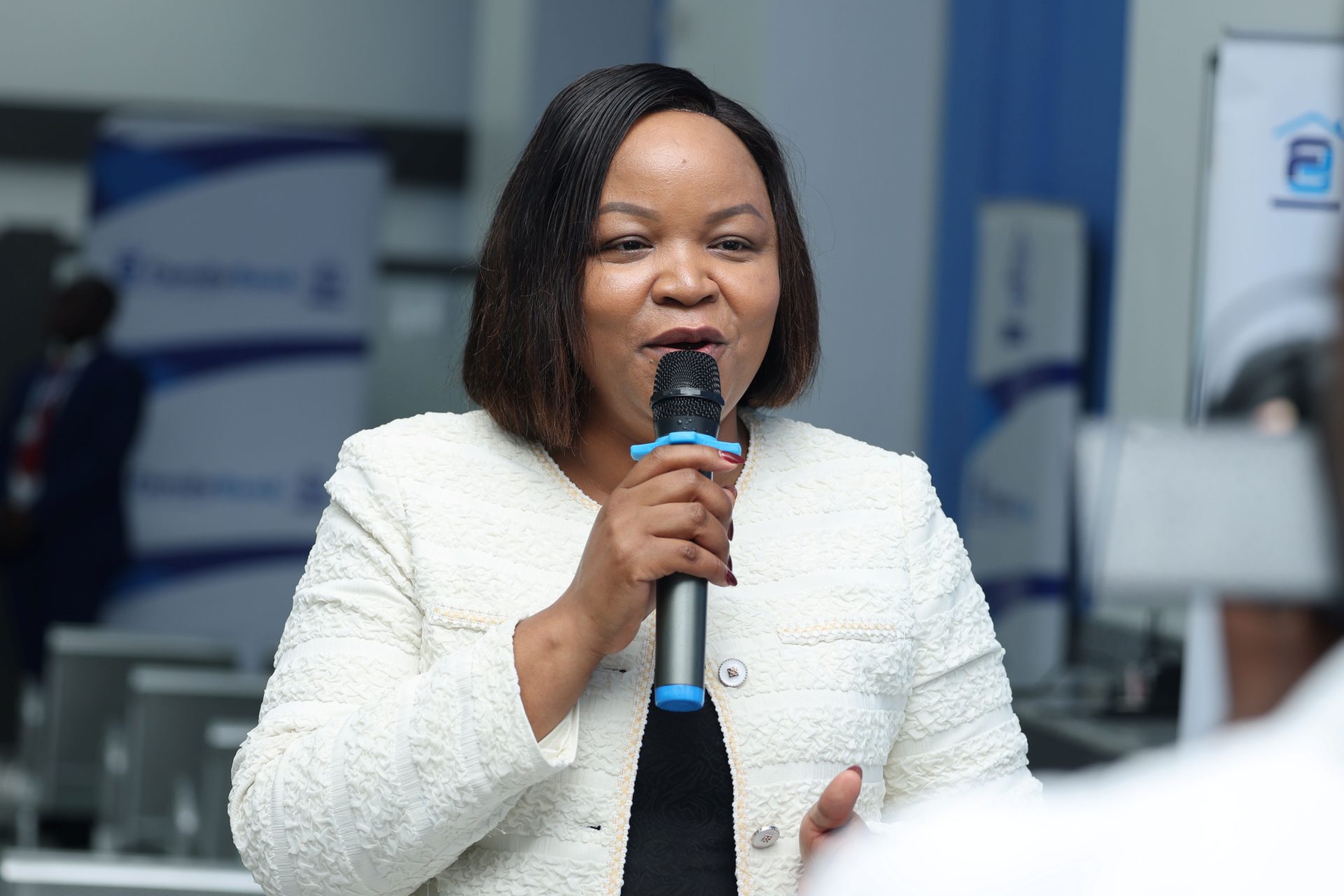
“Our vision to positively transform people’s lives in Africa has remained unchanged and this listing will accelerate the realization of that vision. In line with this ambition, and in our commitment to enhancing shareholder value and improving liquidity, the decision for the Bank to list follows years of strategic preparation to ensure we list from a position of strength,” said Family Bank Managing Director Nancy Njau.

The Bank’s decision to list by introduction is underpinned by its strong capital position as it remains well capitalized and does not seek to raise additional capital. In 2025, the Bank conducted a Private Placement Offer which successfully raised Ksh 8 billion against an initial target of Ksh 6.09 billion, representing a 131% achievement.

Family Bank ready for NSE listing after shareholders’ approval

“Through the capital raising initiatives, we have strengthened our balance sheet and remain confident in our strategy, our capital position, and our ability to deliver sustainable growth and long-term value. The Bank is well positioned for growth as per our 2025 – 2029 strategic plan anchored on being The Preferred Bank for Biashara,” added Ms Nancy.

Following the exceptional 55.4% growth profitability in 2025, Family Bank sustained its growth trajectory in Q1 2026 delivering a 52.6% increase in Profit After Tax to KES 1.6 billion up from KES 1.0 billion, driven by sustained growth in interest-earning assets and diversified income streams, supported by a strong balance sheet.

With the approval, the Bank will list on the Nairobi Securities Exchange on 23 June 2026 further reaffirming its commitment to deliver sustainable growth and marks the next step in the Bank’s growth trajectory and long-term value creation journey.

The lead transaction advisors are Standard Investment Bank (SIB), PricewaterhouseCoopers (PwC) as the reporting accountants and Mboya Wangong’u & Waiyaki Advocates as the legal advisors.

Family Bank receives regulatory nod to list on the Nairobi Securities Exchange 
Nancy Njau, Managing Director – Family Bank

JICA and LIXIL partner to launch “Sanitation Economy” in Africa, targeting 500,000 people

0

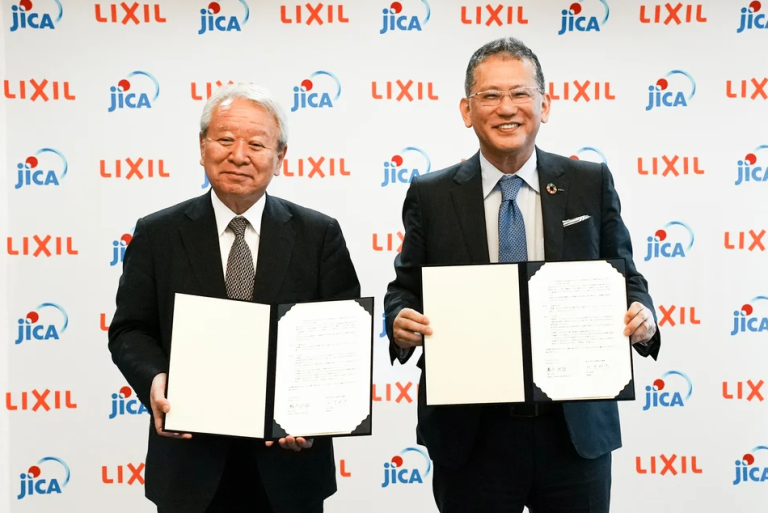
Sanitation Economy: The Japan International Cooperation Agency (JICA) and LIXIL Corporation (LIXIL) have signed a Memorandum of Understanding (MOU) to accelerate global access to safe sanitation and hygiene. This public-private partnership aims to reach 500,000 people across Africa, the Middle East, and Asia by fostering a self-sustaining “Sanitation Economy.”

The global sanitation crisis remains a critical development challenge, impacting health, education, and economic stability. Diarrheal diseases linked to poor hygiene claim the lives of approximately 440,000 children annually. As climate change increases the frequency of natural disasters, the need for resilient, localized infrastructure is urgent.

A New Model for Sustainable Change

This partnership bridges JICA’s institutional expertise with LIXIL’s SATO business model, which provides affordable, accessible sanitation solutions. Moving beyond traditional aid, the initiative focuses on creating local ecosystems, encompassing manufacturing, sales, and maintenance, that empower communities to sustain their own facilities.

“Global challenges surrounding water and sanitation remain severe, and many people still lack access to safe sanitation and hygiene services. It has also become clear that simply building facilities does not ensure that hygiene practices take root, “ commented Akihiko Tanaka, President of JICA, highlighting the urgent need to create mechanisms that function sustainably on the ground.

Children to Benefit from Toilet Upgrades in 24 Schools in Kenya

“This partnership with LIXIL brings together JICA’s strengths in institutional development and government cooperation with LIXIL’s expertise in product development, market creation, and field-level business expansion. By doing so, we aim to move beyond conventional aid and realize a ‘Sanitation Economy’ where sanitation services circulate autonomously.

By accumulating concrete achievements on the ground, starting with Kenya and Malawi, we will deliver sustainable changes to the lives of people in developing countries as a model for Japanese public-private partnership.”

“Globally, approximately 3.4 billion people still lack access to safely managed sanitation,” added Kinya Seto, President and CEO of LIXIL. “LIXIL has set a goal to improve sanitation and hygiene for the ‘next 100 million people’ by the fiscal year ending March 2031.

To address complex and profound global challenges, including sanitation access, refugee self-reliance, and climate change, we must further accelerate the creation of a market-driven ‘Sanitation Economy’ that grows autonomously on the ground, leveraging this new public-private partnership with JICA and national governments.”

How US City was almost renamed to Nairobi, Uhuru or Kenyatta

Initial Focus: Kenya and Malawi

The partnership will launch in Kenya and Malawi, targeting homes, schools, and healthcare facilities:

  • Kenya: In collaboration with the Kenyan government’s “Shirika Plan,” the initiative will support refugee self-reliance in the Kakuma region by integrating JICA’s water infrastructure with LIXIL’s SATO products.
  • Malawi: The partnership will focus on climate-resilient water and sanitation systems capable of withstanding natural disasters.

This initiative does more than solve local challenges; it contributes to global health and stability while demonstrating the impact of Japanese corporate technology and expertise in sustainable development.

UNDP opens 500 paid placement opportunities for young Kenyan graduates

0

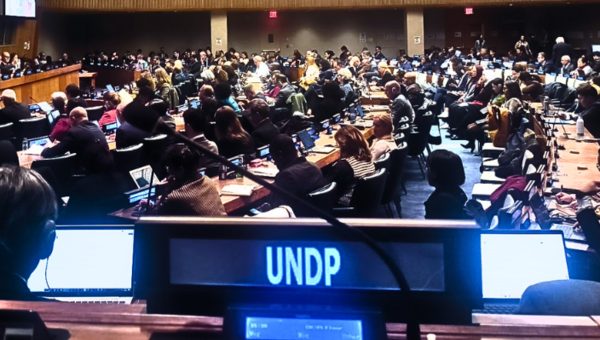
Thousands of young graduates across Kenya are set to benefit from a new employment initiative unveiled by the United Nations Development Programme (UNDP) aimed at tackling youth unemployment in the country.

The programme, dubbed NextGen, is expected to provide 500 paid placements for recent graduates, with the pilot phase expected to commence within the next two months.

UNDP says the initiative is designed to equip young professionals with practical workplace experience while enhancing their prospects for long-term employment.

Speaking during a television interview, UNDP Kenya Resident Representative Dr. Jean-Luc Stalon announced that the organisation is in the final stages of developing a digital platform that will manage applications, recruitment and placement of successful candidates in private sector companies across the country.

“We are in the final stages of developing the platform and expect to launch the pilot programme soon, starting with approximately 500 placements,” said Stalon.

Under the programme, graduates will apply through a dedicated online portal. Successful applicants will then be matched with participating companies through a recruitment system being developed jointly by UNDP and the Kenya Private Sector Alliance (KEPSA).

The placements will run for a period of one year, providing participants with valuable hands-on experience while earning a monthly stipend of between Sh20,000 and Sh25,000.

According to UNDP, the financial support is intended to encourage companies to take on young professionals while enabling graduates to develop workplace skills, gain industry exposure and improve their employability.

The initiative will be open to employers across a wide range of economic sectors, with organisers seeking broad participation from businesses committed to supporting youth development and workforce growth.

Stalon said measures are also being put in place to ensure equitable regional representation among beneficiaries and to promote gender balance throughout the selection process.

UNDP further revealed that several corporate leaders have already expressed interest in joining the programme by offering placement opportunities within their organisations, signalling strong private sector support for the initiative.

It further expressed confidence that the program would play a significant role in bridging the gap between education and employment, providing young graduates with a pathway to meaningful work experience while helping employers access emerging talent.

Also Read: KMTC announces 76 job vacancies; full list & how to apply

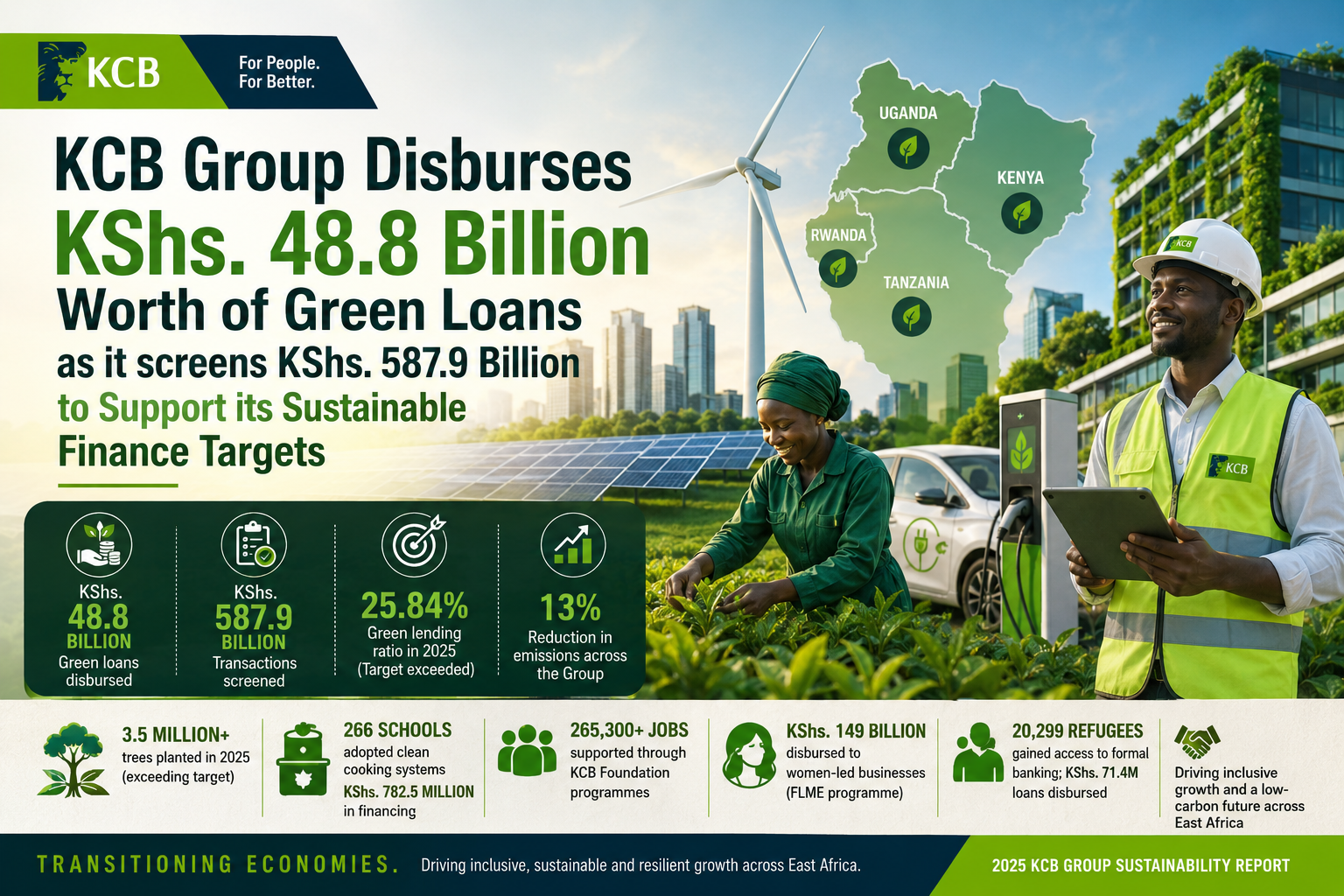
KCB Group disburses KShs. 48.8 Billion worth of Green Loans as it screens KShs. 587.9 Billion to support its sustainable finance targets

KCB Group Plc disbursed KShs. 48.8 billion in green financing loans to support environmentally sustainable projects in renewable energy, sustainable agriculture, green buildings, clean transportation, water management, and climate-smart investments. Out of this, KShs. 9.9 billion was independently verified as climate-eligible using the Climate Assessment for Financial Institutions (CAFI) tool.

At the same time, the lender screened KShs. 587.9 billion worth of transactions under its Environmental and Social Due Diligence framework covering operations across Kenya, Uganda, Tanzania and Rwanda as part of its commitment to accelerating the transition toward a low-carbon economy. The milestone enabled the Group to surpass its strategic target of allocating 25% of total lending to green projects, reaching 25.84% in 2025, up from 21.6% in 2024.

The disclosures are contained in the 2025 KCB Group Sustainability Report themed “Transitioning Economies” marking a defining moment in the Group’s strategic journey to position sustainable finance as a driver of inclusive economic transformation across East Africa.

KCB Exceeds Green Lending Targets Across East Africa

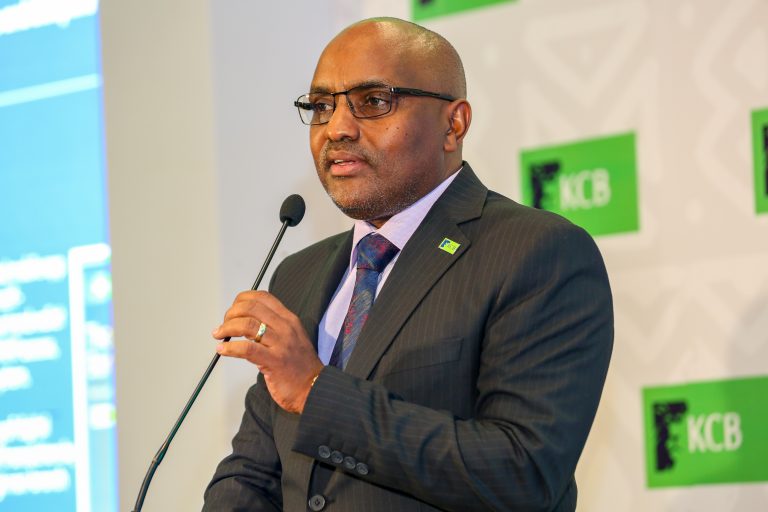
Commenting on the progress, KCB Group CEO, Paul Russo noted that the Bank is intentionally aligning its financing decisions and business strategy to support climate resilience and sustainable enterprise growth as a catalyst for long-term economic prosperity, environmental stewardship, and inclusive development across the markets in which it operates.

Investing in TRIFIC: A guide to Kenya’s new green, Dollar-yielding asset class

“KCB seeks to be a bigger player in shaping a robust and sustainable financial ecosystem throughout East Africa by continuously developing tailored green financing solutions for MSMEs, households, and corporates in order to support the adoption of sustainable practices across key sectors. This will be enabled through strengthened partnerships with global climate financiers to mobilise capital at scale, product innovation and accelerate the transition to a low-carbon and climate resilient economy throughout the region,” said Russo.

Tree Planting and Clean Energy Initiatives Deliver Environmental Impact

Beyond financing, the Group continued to invest in practical environmental conservation initiatives through the ongoing tree growing campaign which has become a significant milestone in supporting Kenya’s national climate action agenda and ecosystem restoration efforts. In 2025, the Bank surpassed its 2025 target of 1.5 million trees to plant more than 3.5 million trees. This achievement was driven by over 200 regionwide tree planting events, in collaboration with 1,778 schools and other partners.

The Group also made significant strides in advancing clean energy, particularly within the education sector through the Learning Institutions Customer Value Proposition (CVP) where the Bank supported 266 schools in adopting cleaner cooking systems, backed by KShs 782.5 million in financing, accelerating the transition away from traditional biomass fuels.

KCB Group Disburses KShs. 48.8 Billion Worth of Green Loans as it screens KShs. 587.9 Billion to Support its Sustainable Finance Targets

During the year, KCB also scaled its solarization agenda with installations now operational in 16 branches across the Group. Some of the branches benefiting from the initiative include Maasai Mara, Wajir, Mandera, Watamu, Lamu, Loitoktok, Kakuma, and Namanga, as well as the Karen Leadership Centre. The Group plans to expand solar power to 30 additional branches this year, further accelerating its shift toward cleaner energy sources.

As a result, KCB registered a 2% reduction in resource use for fuel and electricity, contributing to an overall 13% reduction in emissions across the Group. This highlights the Group’s continued focus on environmental sustainability through renewable energy adoption and operational efficiency initiatives aimed at reducing its carbon footprint and supporting the transition toward cleaner energy sources.

KCB H1 2025 overview: From historic dividend, green loans, to tech upgrades

KCB Foundation Supports Youth Employment and Enterprise Growth

Through the KCB Foundation programmes, over 265,300 jobs were supported, while 16,549 youth benefited from workforce readiness and skills development initiatives designed to enhance employability and enterprise growth. In addition, 38,635 youth-led businesses received structured business development support under the 2Jiajiri Young Africa Works programme, helping young entrepreneurs build sustainable enterprises and livelihoods. The Group has supported a total of 67,090 businesses, as part of its broader vision of driving inclusive economic transformation, empowering communities, and expanding opportunity for individuals and enterprises across all segments of society.

Women and Refugee Entrepreneurs Benefit from Inclusive Financing

The Group further advanced its inclusive financing agenda by disbursing KShs. 149 billion to women-led businesses through the Female-Led and Made Enterprise (FLME) programme, a key pillar of its broader five-year commitment to unlock KShs. 250 billion in financing for women entrepreneurs and enterprises.

In addition, KCB continued to deepen financial inclusion efforts among displaced and underserved communities, with 20,299 refugees gaining access to formal banking services. Leveraging UNHCR identification documentation, KCB has disbursed KShs. 71.4 million in loans to refugee entrepreneurs, enabling them to establish and grow businesses while supporting their economic participation and integration within local communities.

The report marks the lender’s third sustainability report to undergo a limited assurance review. Prepared in reference to the IFRS S1 and S2 Standards and published alongside the 2025 Integrated Report, it demonstrates the Group’s voluntary early adoption ahead of the mandatory deadline set for the 2027 reporting period.

KCB Group Disburses KShs. 48.8 Billion Worth of Green Loans as it screens KShs. 587.9 Billion to Support its Sustainable Finance Targets

Brookside Dairy announces Sh255 million payout to farmers

0

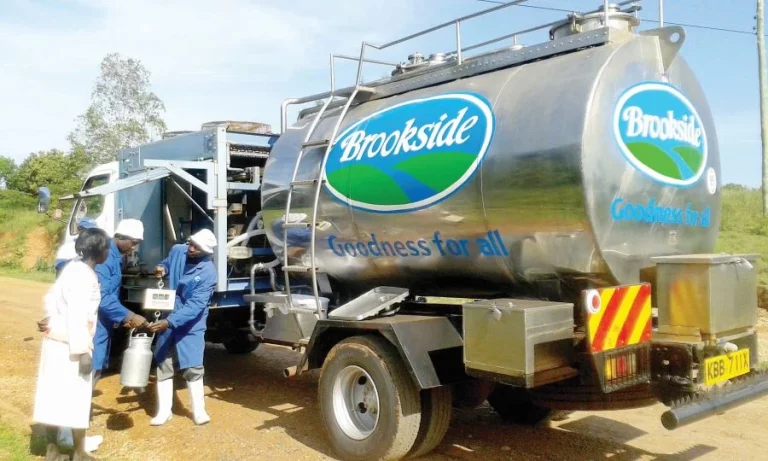
Brookside Dairy has announced a Sh255 million incentive payout to thousands of farmers across the country.

The bonus, distributed by the dairy processor for the period between December 1, 2025, and May 30, 2026, rewards farmers for consistent milk deliveries as the industry intensifies efforts to enhance product quality and strengthen supply chains.

The beneficiaries include individual dairy farmers, cooperative societies, and milk collection groups that achieved the agreed benchmarks for milk quality and delivery volumes during the review period.

Brookside said the incentive programme seeks to promote best practices in dairy farming by encouraging producers to improve animal nutrition, enhance herd health and uphold high hygiene standards throughout milk production and handling.

The company’s General Manager for Milk Procurement, Emmanuel Kabaki, said the reward initiative, now in its seventh year, has played a key role in motivating farmers to invest in quality feed and improved on-farm sanitation, resulting in increased productivity and reduced milk rejection rates.

“Our reward scheme contributes to a safer and more competitive dairy sector in the region while ensuring consumers continue to access high-quality and nutritious dairy products. We are also supporting supply groups, including dairy cooperatives, to improve operational efficiency and maximise returns from raw milk sales,” Kabaki said in a statement.

Brookside noted that the programme remains an important tool in driving sustainable dairy production by reinforcing quality standards and boosting farmers’ earnings through improved milk handling and management practices.

This comes as Kenya’s dairy sector continues to expand, placing the country among the leading milk producers in the continent.

According to Principal Secretary, State Department for Livestock Development, Jonathan Mueke, Kenya is now Africa’s leading milk producer after milk output rose from 4.6 billion litres to 5.4 billion litres.

“Kenya is the highest producer of milk in Africa. We oscillate between Egypt and Kenya, and right now we are ahead, growing from 4.6 billion litres to 5.4 billion litres,” Mueke revealed during an interview with a local TV station.

The PS attributed the increase in production to various factors, including increased livestock population, improved animal husbandry practices and targeted government interventions.

“The country’s livestock population now stands at 22 million cattle, 35 million goats, 28 million sheep and 6 million camels,” he said.

According to Mueke, the average milk production per cow has increased by about three litres per day, helped by improved breeding systems and enhanced farming practices within the dairy sector.

Additionally, artificial insemination has played a key role in improving herd quality and boosting milk yields across farms.

“With sexed semen, a farmer is able to get with 95 per cent accuracy, a female calf, a heifer, instead of a bull calf,” he said.

Also Read: The analogue gap putting Kenya’s agricultural supply chain at risk

Your ultimate FIFA World Cup prep guide: 5 things you need to be match‑ready

0

The FIFA World Cup is finally here and whether you’re planning to watch every match or just catch the biggest moments, preparation is key to making the most of the experience. From staying connected on the go to knowing exactly when your team takes to the pitch, a few smart moves can elevate every game. Here are five essential things to get right, so you’re fully match‑ready for kick-off on 11 June 2026.

1. Download DStv/GOtv Stream So You Never Miss a Moment

In a tournament packed with action, flexibility is everything. Matches don’t always happen when you’re at home, so having access wherever you are is essential. With DStv/GOtv Stream, you can watch matches live on your phone, tablet, laptop or smart TV and even download content to watch later if needed. Get started here: Stream with DStv / Stream with GOtv.

2. Know the Fixtures and Key Matches

With 104 matches taking place between 11 June and 19 July 2026, keeping track of the schedule is essential. Missing a big game isn’t an option, especially when knockout rounds begin. Stay up to date with all fixtures here: SuperSport World Cup Fixtures.

2. Join the SuperSport Predictor Game

Make every World Cup match even more exciting by joining the SuperSport Predictor. This interactive platform lets you predict match outcomes and scores, play trivia and quizzes, and take part in instant games to earn points. Climb the leaderboard by getting your predictions right and boost your score through daily challenges and tournament activities.

MultiChoice launches customer centric “Everything Can Wait Campaign” ahead of FIFA World Cup 2026

Getting started is easy, simply sign up on https://supersportpredictor.com/ or sign in using your Google account. Submit your predictions before each match, engage daily for extra points, and stand a chance to win awesome prizes while enjoying the competition.

3. Stay Updated with Live Scores and Highlights

Even when you can’t watch a match live, staying updated ensures you’re never out of the loop. SuperSport offers real‑time scores, instant goal alerts, match stats and highlights, so you can keep up with every key moment as it happens. Having quick access to updates means you’re always part of the conversation, no matter where you are. Visit the SuperSport website for result updates.

Your ultimate FIFA World Cup prep guide 5 things you need to be match‑ready

4. Rep Your Team Proudly

Choose your favourite African team to rep and show your pride throughout the World Cup. Whether you’re backing Algeria, Cape Verde (making its tournament debut), the Democratic Republic of the Congo (returning for the first time since 1974), Egypt, Ghana, Ivory Coast, Morocco (the first African team to reach the semi-finals), Senegal, South Africa or Tunisia, this is your moment to stand behind your team. Rock your jersey, wear your team colours and celebrate every goal, save, and victory with passion because your support adds to the energy and spirit of the tournament.

Getting ready for the FIFA World Cup is part of the thrill and with DStv/GOtv, you’re guaranteed an unbeatable viewing experience. From live matches and expert analysis to highlights and real-time updates, everything you need is right at your fingertips. So, stay prepared, stay connected, and dive fully into the action to enjoy every unforgettable moment as it unfolds.

NCBA unlocks Kes 500M financing for water and sanitation contractors

NCBA Partners with Water.org and LVNWWDA to Strengthen WASH Infrastructure

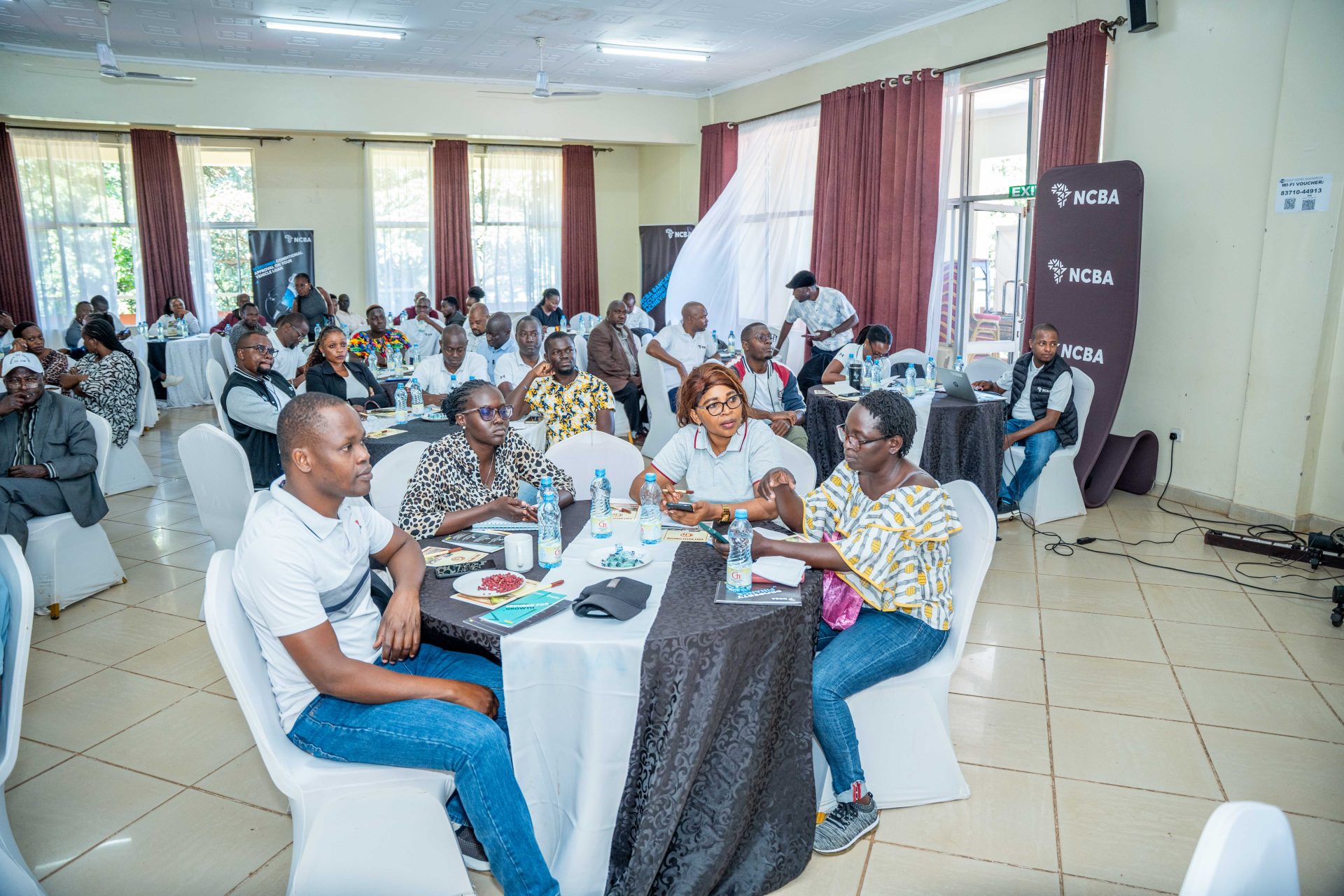
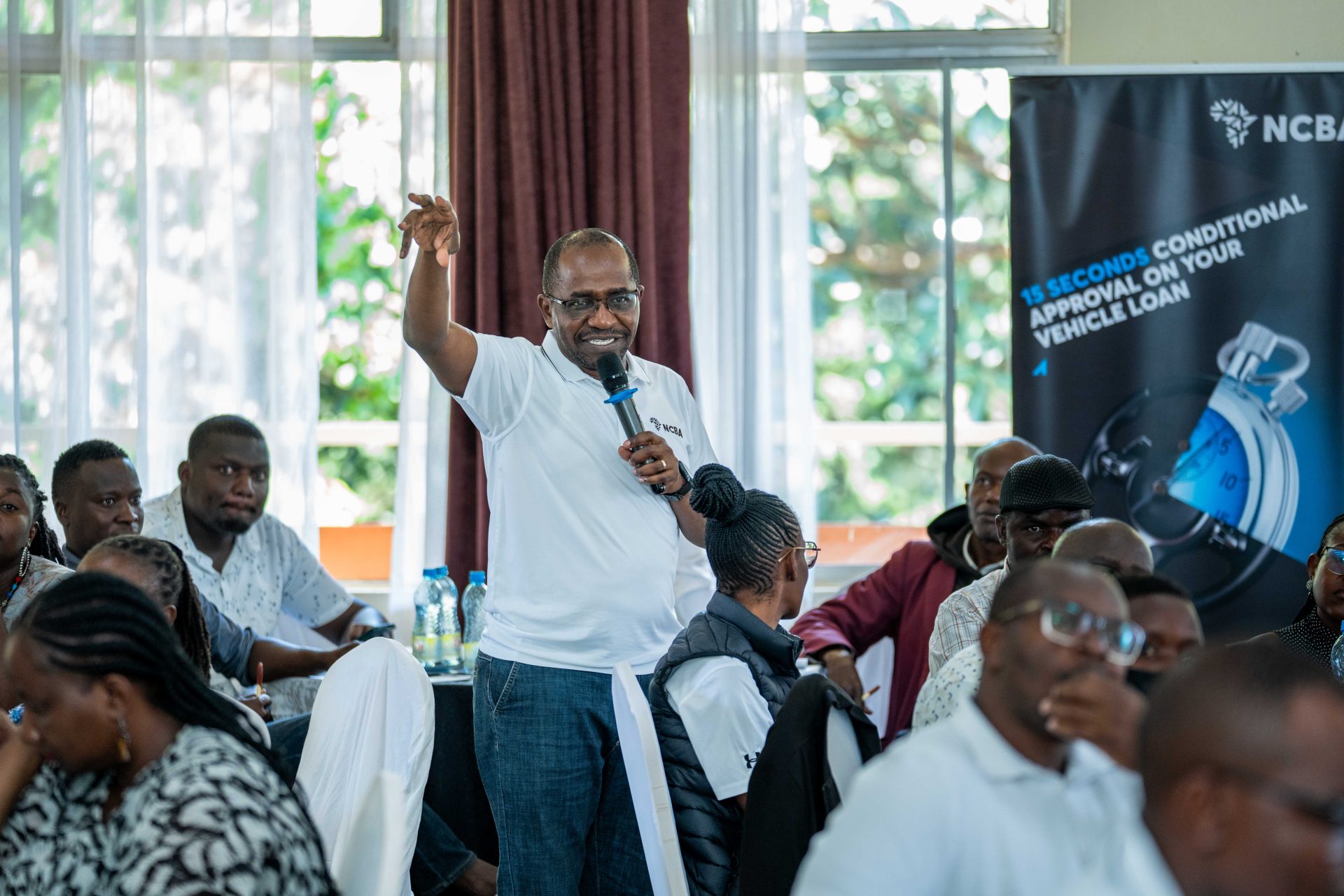
NCBA Bank, in partnership with Lake Victoria North Water Works Development Agency (LVNWWDA) and Water.org, convened more than 100 contractors in Kakamega to explore financing opportunities aimed at strengthening contractor sustainability and improving project delivery within the Water, Sanitation and Hygiene (WASH) sector.

KES 500 Million Financing Package Targets Water Sector Growth

Through NCBA’s WASH financing solutions powered by Water.org, contractors can access funding ranging from KES 300,000 to KES 500 million, including equipment financing of up to 60 months and capital expenditure and project financing of up to 120 months. Additionally, contractors can access financing of up to KES 6 million without the need for traditional collateral, leveraging receivables or awarded project contracts as security.

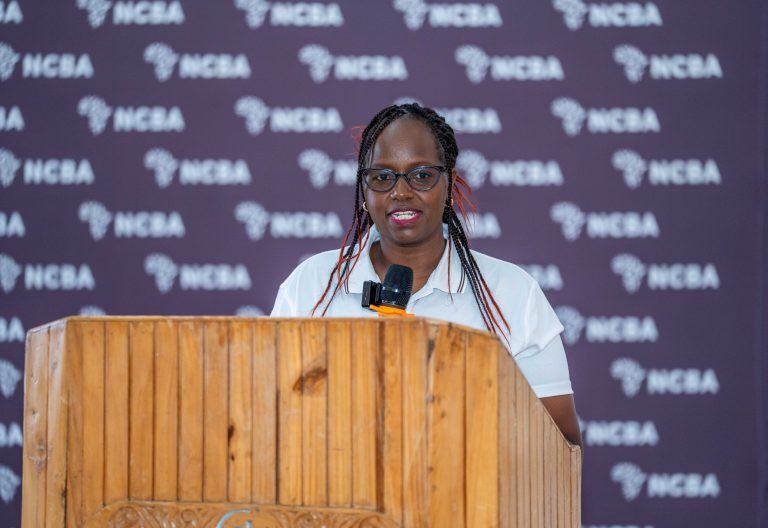
“Water infrastructure remains one of the most critical enablers of economic growth, public health, food security and climate resilience,” said Robert Kiboti, Director, Corporate and SME Banking at NCBA Bank.

“Through this partnership with Water.org and LVNWWDA, we are providing more than financing. We are building an ecosystem that gives contractors access to the capital, liquidity and financial solutions they need to deliver projects efficiently and sustainably. Ultimately, this translates into improved access to water and sanitation for communities across Kenya.”

NCBA marks World Environment Day with tree planting at Kamwaki Estate

Strategic Partnership Aims to Accelerate Water and Sanitation Projects

Mark Kanda, LVNWWDA Representative, welcomed the partnership, noting that access to financing remains critical to accelerating water and sanitation infrastructure projects.

“As we work to expand access to water and sanitation services across our region, strong partnerships between implementing agencies, financiers and contractors are essential. This collaboration will strengthen the contractor ecosystem and support the timely delivery of infrastructure that improves lives and drives economic development.”

Affordable Financing Addresses Contractor Liquidity Challenges

Contractors attending the forum noted that access to affordable and flexible financing remains one of the biggest challenges facing project implementation, particularly for SMEs that often require working capital to mobilize resources before project payments are received.

“One of the biggest challenges contractors in the water sector continue to face is access to financing. Without adequate liquidity, it becomes difficult to mobilize resources, keep projects on schedule, and deliver the quality infrastructure that communities need. That is why we are encouraged by NCBA’s financing solutions, which we believe will give contractors the financial support they need to grow their businesses and execute projects more efficiently,” said Samuel Mukanzi, Managing Director of Barbrican Dimensions.

Public-Private Partnerships Driving Sustainable Infrastructure Development

The collaboration reflects the growing role of public-private-development partnerships in mobilizing capital for infrastructure investment and unlocking sustainable economic growth. Beyond financing projects, investments in water and sanitation infrastructure contribute to improved public health, food security, agricultural productivity and community resilience.

How EIB-backed finance is bridging the financing gap for Africa’s young innovators

Empowering Contractors to Deliver Kenya’s Development Agenda

“The contractors gathered here today are not simply seeking financing; they are implementing national development,” added Kiboti. “Every pipeline laid, every treatment facility built, and every sanitation project completed creates lasting impact for communities. By strengthening contractor resilience, we strengthen Kenya’s development journey.”

NCBA Deepens Commitment to Infrastructure Financing

The forum forms part of NCBA’s broader strategy to deepen its infrastructure financing portfolio and create shared value through targeted sector initiatives that deliver measurable economic, environmental and social impact.