

Home Blog Page 65

Why Bonus Symbols Always Arrive With Attitude

0

Have you noticed how bonus symbols seem to show up with more style than the rest of the screen?

They often look louder, brighter, and more confident than regular symbols. That is not random. Bonus symbols are usually made to catch the eye fast and make a moment feel important.

In many digital games, these symbols carry extra meaning. They are not just part of the background. They tell the player that something different may happen. That is why they often arrive with attitude. They need to stand apart without making the whole experience feel confusing or too intense.

Why Bonus Symbols Feel Different

Bonus symbols often feel different because they have a special job. They must be easy to notice, simple to understand, and strong enough to change the mood for a moment.

They Signal A Shift In Mood

Regular symbols usually keep the pace steady. Bonus symbols break that pattern. They can make the screen feel more active because they suggest a possible feature, round, or extra event.

This shift in mood is part of their appeal. A well-made bonus symbol can create a small lift in attention without needing long text or complex rules. The player sees it and understands that the moment may matter.

They Create A Tiny Pause

A bonus symbol can make people slow down for a second. That pause is useful. It gives the player time to notice what is happening and connect the symbol with a possible result.

That small pause also adds personality. The symbol may look bold, playful, dramatic, or even cheeky. It is often treated like the character that walks into a room and changes the tone.

The Visual Language Behind Bonus Symbols

The attitude of bonus symbols comes from visual choices. Color, shape, movement, size, and sound all help explain why these symbols feel more expressive than normal ones.

Bright Colors Help Them Stand Out

Bonus symbols often use strong colors because they need quick recognition. If every symbol looked the same, players would miss key moments. A brighter look makes the symbol easier to spot.

Laikipia farm bets on value addition to unlock premium beef markets

Still, balance matters. Too much brightness can make the screen feel crowded. Good visual styling makes the symbol clear without making everything else feel less important.

Shape And Size Add Personality

A bonus symbol is often larger, sharper, rounder, or more detailed than other symbols. These small choices affect how it feels. A bold shape can feel confident. A softer shape can feel fun or friendly.

In a slot setting, the bonus symbol often acts like a visual shortcut. It tells the player that a special action may be near, without needing a long explanation each time.

The best designs do not rely only on size. They use contrast in a smart way. A symbol can feel strong because it has clean edges, a clear icon, or a motion that draws the eye at the right second.

Why Sound And Motion Matter

Bonus symbols do not gain attitude from visuals alone. Sound and motion also play a big role. They help turn a simple icon into a moment that feels alive.

Movement Makes The Symbol Feel Active

A small glow, bounce, shake, or spin can make a bonus symbol feel more important. Motion helps guide attention. It also makes the symbol feel less static and more expressive.

But motion should support clarity. If a symbol moves too much, it may become distracting. The goal is to make the moment clear, not tiring.

Sound Adds Emotional Weight

Sound can make a bonus symbol feel more dramatic. A soft chime, rising tone, or short hit can tell the player that something changed. It gives the visual moment more weight.

In games that use themes, such as mahjong ways 2, sound and motion often help match the symbol to the style of the setting. The symbol feels more natural when it fits the mood around it.

The Psychology Of Bonus Symbol Attitude

Bonus symbols work because people notice patterns. When something breaks the pattern, the brain pays attention. That is simple human behavior.

People React To Signals

A bonus symbol is a signal. It tells the player that the current moment is not the same as the last one. This does not mean a certain result is promised. It simply means the symbol has a role that may affect the flow.

That clear signal helps reduce confusion. Players do not need to read a long rule every time. The symbol speaks through its look, sound, and timing.

Anticipation Builds Interest

Bonus symbols often create anticipation. People naturally become curious when a symbol hints at a possible change. That feeling is part of why these symbols are often styled with extra attitude.

A balanced design keeps that anticipation fair. It should feel interesting, not misleading. Clear rules and honest visual cues help keep the experience comfortable.

The Helpful Side And The Limits

Bonus symbols can improve clarity when they are used with care. They can also feel distracting if they are too loud or appear too often.

They Can Make Rules Easier To Follow

A clear bonus symbol can help players understand what matters on the screen. It reduces the need for repeated instructions. The symbol becomes a quick reminder of a feature or event.

This is useful for general design. People process pictures quickly. A strong icon can explain an idea faster than a paragraph.

Too Much Attitude Can Feel Busy

There is also a limit. If every symbol tries to look special, none of them feel special. Too many effects can make the screen harder to read.

Good design uses attitude with control. The bonus symbol should stand out, but it should not take over the whole experience. Calm spacing, clear contrast, and simple effects often work better than constant noise.

Why The Attitude Stays Memorable

Bonus symbols are memorable because they combine meaning with style. They are not only visual objects. They are signals, mood setters, and pacing tools.

They Give The Moment A Clear Identity

A strong bonus symbol helps a moment feel distinct. It can make a feature easier to remember because the player connects the symbol with a certain type of action.

That identity matters. People remember moments that feel different. A bonus symbol with attitude helps mark that difference in a simple way.

They Keep The Screen From Feeling Flat

Without standout symbols, many games would feel repetitive. Bonus symbols add contrast. They break up the flow and give the screen a sense of rhythm.

The key is balance. Attitude works best when it supports understanding. A symbol should feel bold for a reason, not just for decoration.

Conclusion

Bonus symbols arrive with attitude because their role is bigger than a normal icon. They guide attention, signal change, and add personality to the screen. Their colors, shapes, sounds, and movements all work together to make important moments easier to notice.

When used well, bonus symbols feel clear, lively, and useful. They do not need to be extreme to stand out. A smart design gives them just enough attitude to make the moment feel different while keeping the whole experience easy to follow.

 

Earthbanc delivers over 3 Million seedlings to Kenya Forest Service in support of the Jaza Miti Initiative

0

The Kenya Forest Service (KFS) received over three million tree seedlings from Earthbanc, a global climate and agricultural technology company, in a significant boost to the Government’s national tree growing and restoration campaign under the Jaza Miti Initiative.

The contribution supports Kenya’s ambitious target of planting 15 billion trees by 2032, restoring approximately 5.1 million hectares of degraded landscapes, and increasing national tree cover to 30 per cent.

The seedlings, comprising a mix of indigenous and climate-resilient species, have so far been distributed across multiple counties, including Uasin Gishu, Elgeyo Marakwet, Nandi, Trans Nzoia, Kericho, Baringo, Kiambu and Makueni. The Kenya Forest Service will coordinate planting efforts in collaboration with county governments, community groups and other stakeholders, with a focus on long-term ecosystem restoration.

Alex Lemarkoko, Chief Conservator of Forests at Kenya Forest Service, notes that the partnership reflects the importance of private sector collaboration in achieving national climate goals.

Real Proof That Money Indeed Grows On Trees

“The National Tree Growing and Restoration Campaign is a Presidential directive, and the Kenya Forest Service is committed to its full implementation. Our mandate is to reduce greenhouse emissions, stop and reverse deforestation, and restore Kenya’s degraded landscapes to achieve 30 per cent tree cover by 2032. The contribution of partners such as Earthbanc, who have donated over 3 million seedlings to us,  is a demonstration of what is possible when the private sector aligns with national priorities,” he says.

Since commencing operations in Kenya in 2024 through its local subsidiary, Earthtree Company Limited, Earthbanc has supported the production of up to six million seedlings, trained hundreds of farmers in agroforestry and sustainable land management, and donated beehives to enhance pollination and diversify rural incomes. Of the approximately six million seedlings raised, over three million have been donated to KFS.

Earthbanc Co-Chief Executive Officer, Rishabh Khanna, says the initiative reflects the company’s long-term commitment to ecosystem restoration and community-based climate action.

“Kenya’s climate restoration ambition is one of Africa’s boldest, and we are honoured to play our part. We have raised six million seedlings, and each one represents a step towards restored land, a cleaner environment, and a more secure livelihood for the farming communities who tend them. What we care about most is sharing and preserving the knowledge and tools with communities to keep those trees alive for generations. That is the restoration economy, where communities earn from the land they restore, and that is what we are building together with the people of Kenya,” he notes.

Earthree Company Limited works closely with the Kenya Forest Service, the Kenya Advanced Institute of Science and Technology (Kenya-AIST), local communities, and the Ministry of Environment, Climate Change and Forestry to scale restoration efforts and strengthen community participation.

Beyond environmental benefits, the initiative integrates livelihood support through agroforestry, enabling communities to benefit from fruit trees and other non-timber forest products while contributing to national restoration targets.

Kenya’s Jaza Miti Initiative has continued to record strong progress since its launch, with hundreds of millions of trees planted, thousands of organisations engaged, and widespread participation through national tree planting campaigns.

The partnership between KFS and Earthbanc highlights the growing role of public-private collaboration in advancing Kenya’s transition to a low-carbon, climate-resilient economy while delivering environmental, social and economic benefits at scale.

Absa Bank Kenya urges women to embrace estate planning early

0

Absa Bank Kenya has called on women across the country to begin estate planning early, positioning succession planning and wealth preservation as critical pillars of financial security and family stability.

The call was made during the bank’s Flowers and Brunch event held to celebrate Mother’s Day, where more than 100 women participated in an interactive session focused on wills, trusts, succession planning, and long-term wealth protection.

The forum sought to demystify estate planning and encourage women to openly engage in conversations around financial preparedness, legacy building, and protecting family wealth for future generations.

Speaking during the forum, Absa Bank Kenya Affluent Business Director Seema de Souza noted that many women have historically been excluded from wealth creation and succession conversations, despite their central role in family and community development.

Involuntary bootstrapping: Empowering women entrepreneurs through resourceful means

“There is a 120-year gender gap between men and women. Women have, therefore, not been adequately prepared on estate planning in the past. As women increasingly build wealth and participate in economic activities outside the home, they must also take deliberate steps to protect that wealth for their families,” she said.

The discussions come at a time when estate planning remains largely overlooked in Kenya. Research shows that only 10 per cent of Kenyans have a written will, leaving many families vulnerable to succession disputes, emotional distress, and financial losses after the death of a loved one, with many relying on next of kin nominations or verbal declarations to formalise succession contentions. Additionally, statistics show that only 30% of family businesses survive into the second generation with only 5% making it to the third generation. Most of these failures are a result of succession issues.

Reinforcing the importance of estate planning, Mboya Wangong’u and Waiyaki Advocates Managing Partner Gladys Mboya said that estate planning is a key factor in the nurturing and caring spirit of women.

“The sure way for women to continue showing their love and protection for their families is by ensuring they live a will. That way, the family is cared for long after they are gone,” said Mboya.

As more Kenyans invest in land, real estate, businesses, and financial assets, the experts emphasised that estate planning is no longer optional but a necessary financial management tool. Estate planning is not limited to writing a will but also includes trusts, joint ownership, nominations, power of attorney and health directives. It plays a key role in ensuring the smooth transfer of assets, protecting beneficiaries, preserving family wealth, and guaranteeing business continuity in the event of death or incapacitation.

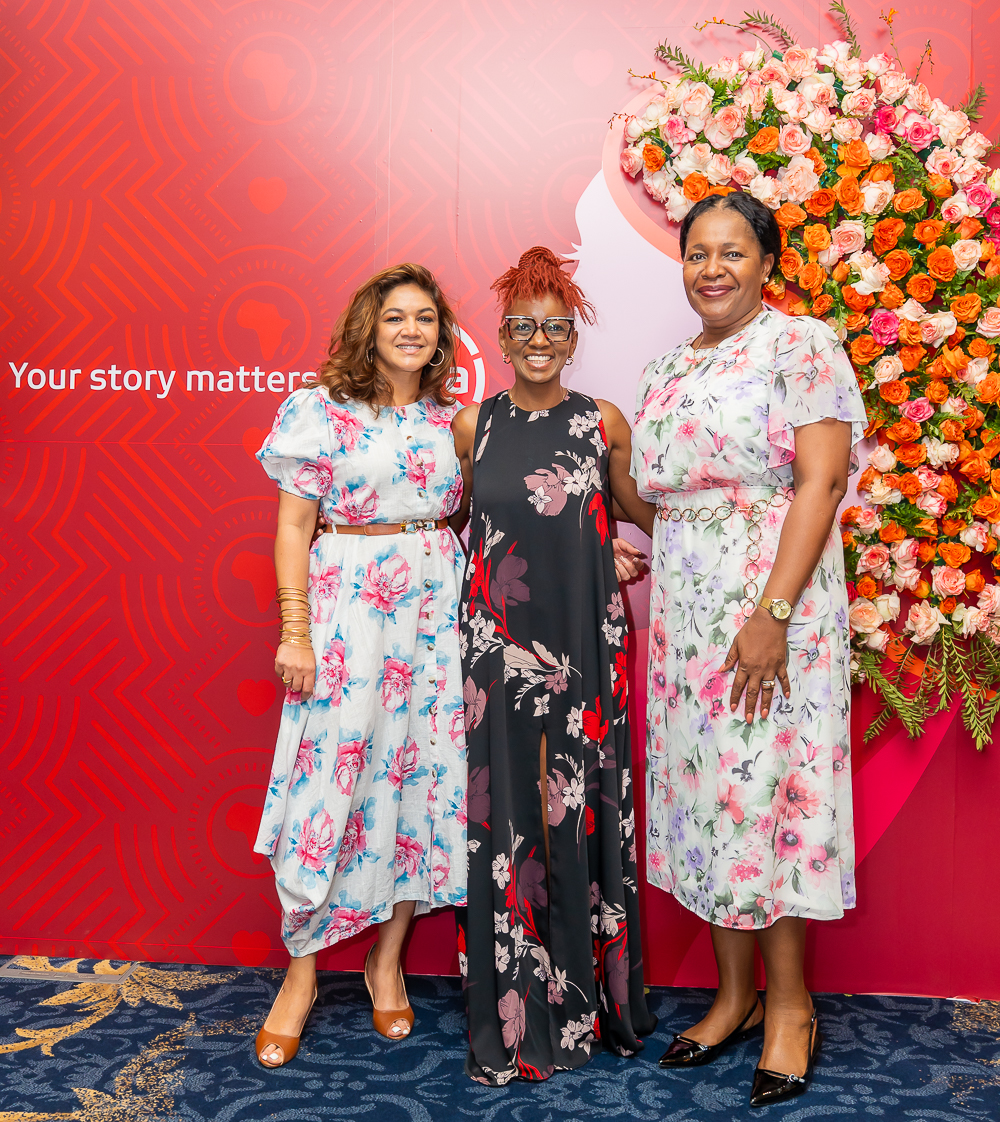
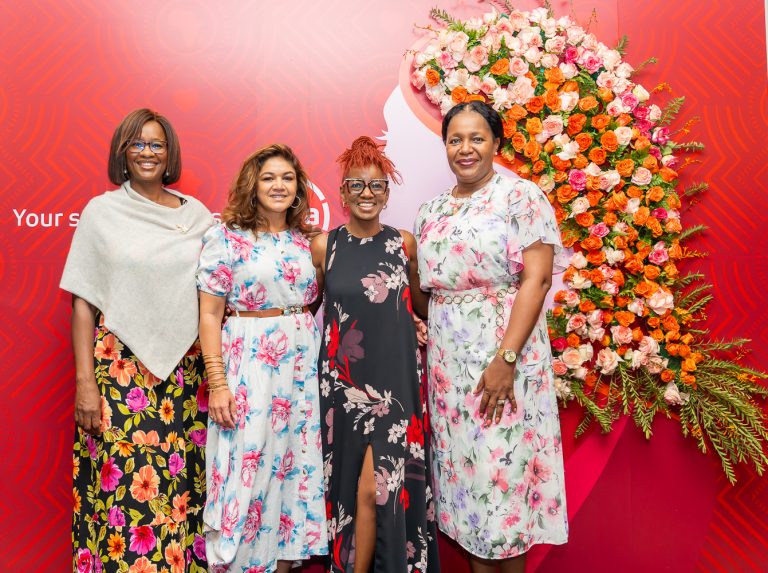
Absa Bank Kenya Affluent Business Director Seema de Souza, Marketing and Corporate Affairs Director Mwihaki Wachira and Strategic Partnerships Director Elizabeth Wasunna during the Absa Flowers and Brunch event celebrating Mother's Day for customers.
Absa Bank Kenya Affluent Business Director Seema de Souza, Marketing and Corporate Affairs Director Mwihaki Wachira and Strategic Partnerships Director Elizabeth Wasunna during the Absa Flowers and Brunch event celebrating Mother’s Day for customers.

Kenyans are taking bold steps towards wealth creation, investment and nation building. Planning for the future is no longer a by-the-way conversation. It is a strategic decision meant to provide peace of mind, build stability and bring order. Absa is committed to empowering clients to make informed decisions that protect their families while preserving and securing their legacies.

“I have learnt that success is defined even in succession. This means it is not about how big your estate is but will depend on how early you plan for its proper transfer. This timely session has reshaped my understanding of financial success and legacy,” said Absa customer Founder of Nancy Eleanor Store Diane Kariuki.

The Mother’s Day event also featured networking opportunities, business exhibitions, a flower arrangement session, and wellness conversations aimed at celebrating and empowering women.

In addition, Absa hosted a colleague webinar for mothers under the theme “Love in Action,” providing a platform for employees to share experiences and engage in conversations around parenting and family wellbeing.

NCBA backs 42 women entrepreneurs with USD 3.5M to scale agri-food business

NCBA has today launched the second cohort of 42 women agri-preneurs under the Affirmative Finance Action for Women in Africa (AFAWA) Acceleration programme in partnership with African Guarantee Fund (AGF) and Unga Group Plc.

The initiative is designed to unlock growth for women-owned SMEs by improving access to finance, skills, and markets. So far, 38 women from the first cohort have already benefited from the programme, receiving USD 1.5 million cumulatively in funding and training to sustainably scale their businesses.

The second cohort onboarded in February 2026 builds on this impact, with NCBA Bank expected to provide up to USD 5 million in lending across the two cohorts by July 2026. The women under the programme operate in critical sectors, including human food and animal feed across the country, positioning them at the heart of Kenya’s food security and value chain development.

Speaking during the official launch, NCBA Group Director, retail banking, Dennis Njau noted, “This programme aims to support women business owners across the agricultural value chain who often face additional structural constraints through an integrated approach comprising access to skills, markets and finance. This partnership is a clear demonstration of our Ubuntu philosophy in motion, anchored on enabling productivity by building solutions around what truly matters to our customers.”

Empowering women entrepreneurs: A guide to credit guarantee schemes in Kenya

Across Africa women entrepreneurs face additional structural constraints, including limited access to collateral and smaller loan sizes, resulting in an estimated USD 42 billion financing gap for women-led enterprises. The programme seeks to bridge this gap through a tailored financing model anchored in a partial guarantee scheme between the bank and AGF. This risk-sharing facility is designed to reflect the realities of SMES which often lack the collateral traditionally required to access credit.

Africa Guarantee Fund Group Director, Capacity Development, Patrick Lumumba, noted that, “Through our partnership with NCBA under the AFAWA framework, we are reducing the barriers that have historically limited women-owned SMEs from accessing credit. By de-risking lending, we are enabling financial institutions to extend more capital to women entrepreneurs, ultimately driving inclusive growth and job creation across key sectors of the economy.”

The programme takes an integrated support model that combines affordable financing, technical skills development, mentorship, and access to new markets, with the intervention expected to create approximately 300 new jobs and strengthen the resilience and scalability of the selected 80 WSMEs.

Sharing her experience as a beneficiary of the first cohort, [Participant Name], Founder of [Business Name], said:

“Through the AFAWA programme, I have been able to access financing and practical business support that has helped me stabilise operations and plan for growth. Beyond funding, the mentorship and exposure have given me confidence to scale my business sustainably.”

Unga Group Plc Group Managing Director, James Nyutu stated that, “As a learning partner, Unga Group is committed to equipping these entrepreneurs with practical industry insights, technical expertise, and exposure to scalable business practices within the agri-food value chain. We believe that empowering women at this level strengthens not just individual businesses, but the entire ecosystem that supports food production and security in Kenya.”

Within the partnership framework, NCBA Bank provides capital and lending solutions tailored to SME needs, AGF serves as the risk-sharing partner and programme sponsor, enabling increased credit access through guarantees, while Unga Group plays a critical role as the learning partner by offering industry insights, technical expertise, and exposure to scalable business practices within the agri-food value chain.

“Following the success of the first cohort, we are excited to launch the second phase of this acceleration programme, which supports women-owned enterprises through integrated access to skills, markets, and finance. By combining practical training, industry exposure through Unga Group, onsite business support, and financial linkages with NCBA, we are enabling real, sustainable business growth,” said Linda Onyango, CEO, SME Support Centre (SSC).

Within this framework, each partner plays a critical role in providing a holistic ecosystem that goes beyond financing to equip women entrepreneurs with the tools, knowledge, and networks required to scale and compete sustainably.

Unlock instant loans, free transactions with Co-op credit card

In today’s fast-paced economy, access to quick and reliable credit is increasingly becoming a financial tool that helps households and businesses manage unexpected expenses, smooth out cash flow challenges, and maintain stability.

One of the easier ways to access credit is through credit cards offered by various financial institutions across the country.

The Co-operative Bank of Kenya’s credit cards are among the top credit solutions that have been hailed for bridging the financing gap in Kenya by providing access to instant credit without the long paperwork and approval delays traditionally associated with loans.

With growing consumer demand for convenient financial products, Co-op Credit Cards are emerging as a preferred option for Kenyans who want flexibility, security, and global payment convenience.

Unlike debit cards, which are directly linked to a bank account, a credit card operates differently: the bank assigns the customer a credit limit, which acts like a revolving loan facility that can be accessed anytime.

Cardholders can withdraw cash from any Visa-branded ATM, pay for goods and services in physical outlets such as supermarkets, restaurants, fuel stations and pharmacies, or make payments online for various items. For many users, this flexibility is the defining appeal.

“When my car broke down along Mombasa Road, I didn’t have enough cash for towing and repairs. My credit card saved me. I paid immediately and continued with my day. That kind of convenience is unmatched,’’ recalled Cyrus Omwoyo, a Nairobi motorist.

According to Co-op Bank, one major advantage for customers is that card payments attract no transaction fees. When paying for goods and services, only the cost of the item is deducted from the available credit limit.

However, the bank notes that cash withdrawals are treated differently. If a customer chooses to withdraw cash using the card at an ATM, a commission is charged upfront and deducted immediately from the card’s available limit.

Additionally, customers enjoy up to 49-days interest-free repayment window provided they clear the outstanding balance on or before the statement date.

For those unable to clear the full amount immediately, the card allows repayment in installments. In such cases, the bank charges a monthly interest rate on the remaining balance until the debt is fully settled.

Security and convenience 

With concerns about theft and fraud remaining a reality for many Kenyans, the security advantages of card-based payments continue to gain attention.

Co-op Credit Cards come with PIN protection, meaning the card cannot be used without the secret personal identification number.

Additionally, the cards include embedded microchip technology designed to make them extremely difficult to copy.

“It’s safer than walking around with large amounts of cash,” said Faith Njeri. “Even if you lose the card, it can’t be used easily.”

Co-op Bank urges customers to report lost or stolen cards immediately through its contact line: 0703027000.

Beyond credit, the Co-op Bank Credit card users receive SMS alerts and real time updates on transactions, allowing them to track their spending habits. Monthly account statements are also available for those who choose the service.

The Co-op credit cards comes in four types and are designed to accommodate customers in various income brackets. They include Classic Credit Card, Gold Credit Card, Platinum Credit Card, Secured Credit Card.

For customers who qualify for the Co-op Platinum Credit Card, an added benefit comes in the form of access to airport VIP lounges worldwide at a highly discounted rate.

Platinum cardholders can search for lounges at their airport before travelling, present the card at the lounge, and have it processed for verification. Once approved, they can enjoy lounge services while waiting for flights.

How to apply for Co-op credit cards

One notable aspect of Co-op Bank’s credit card offering is that customers do not need to hold a Co-op Bank account to apply.

Interested applicants can visit any Co-op Bank branch countrywide with the required documents, including a national ID, a six-month bank statement and card processing fee.

The bank then assesses eligibility and assigns a credit limit based on the applicant’s financial profile.

Also Read: Co-op Bank’s Hekima Savings Account: A smart savings tool for SMEs seeking growth

Investing simplified: How Loop is making wealth-building more accessible

For many people, the idea of investing is appealing but the process of getting started has often felt like an obstacle course.

Traditionally, opening an investment account could take days or even weeks, involving lengthy paperwork, multiple signatures, and an exhausting back-and-forth with financial institutions.

But that landscape is changing rapidly. With the rise of mobile-first financial solutions, investing is becoming faster, more convenient, and more accessible to everyday earners.

NCBA Bank is one of the financial institutions helping simplify how investors multiply their money. Through its mobile money wallet Loop, the lender is offering customers an opportunity to begin investing in just a few taps on their phone, removing much of the friction that has historically discouraged potential investors.

The message is one that financial advisors have repeated for years: your money should work for you.

LOOP Invest provides investment returns of up to 7.3 per annum, while also eliminating unexpected costs concerns, a common concern among investors.

The platform operates with no management fees and no hidden charges. Users can start with as little as Sh1,000, challenging the long-held perception that investing is reserved for those with large sums of disposable income.

It is a model designed to support gradual wealth-building, where individuals can start small and continue contributing over time.

Flexibility also plays a central role. Investors can set up to 10 different investments simultaneously, making it easier to diversify personal financial goals, whether saving for education, business expansion, or long-term security.

And for those concerned about liquidity, the platform provides access to funds within 48 hours if cash is needed. Getting started is simple; all one needs to do is download the Loop app on Google Play Store and App Store, register, click Loop Invest, and follow the instructions.

Beyond investing, the app Loop App allows investors to set savings goals tailored to their needs. This include savings for shopping, education, vacation, and other big purchases.

“LOOP Goals will help you pay for that next step in your education, that overdue vacation, your dream house or car deposit, or start-up that business venture you’ve been talking about. You don’t even have to do much. You can set up an auto debit from your account to ensure you’re always on track with your goals,” Loop states.

Additionally, the Loop app allows users to budget their savings. Through Loop Budgeting, users are able to track their income and expenses. This makes it easier to trim costs, save more, and manage debt repayment.

Also Read: Business strategy 101: a practical guide for entrepreneurs

Affordable hospital cash cover now available on your Equitel line

Insurance penetration in Kenya remains significantly low, with affordability cited as one of the biggest barriers preventing millions of citizens from accessing meaningful protection.

For many households, the cost of monthly premiums competes with essential expenses such as food, rent, school fees, and transport.

As healthcare costs continue to rise, innovative and affordable solutions are increasingly critical for bridging the gap. One such option is the Equity Bank’s Riziki Cover, a mobile-based insurance product accessible via the Equitel line.

The product is designed to cushion subscribers against the financial burden that comes with hospital admission, particularly for individuals who rely on daily income from employment, small businesses or informal work.

Unlike traditional insurance models that require long processes and fixed premium payments, Riziki Cover is structured around everyday mobile usage, allowing subscribers to qualify for benefits through regular airtime purchases, banking transactions or low-cost monthly premiums.

The Cover offers cash payouts per night when a subscriber is admitted to hospital, easing the pressure caused by lost income during recovery. Subscribers can access different packages depending on their usage and preferred level of cover.

Packages available under Riziki Cover

For light mobile users, Riziki Cover (Lite User) is available at no extra cost, as long as the subscriber uses Equitel airtime worth Sh100 or conducts mBanking transactions worth Sh100 or more per month. Under this option, subscribers receive a payout of Sh400 per night during hospital admission.

For more active users, Riziki Cover (Heavy User) is also free, provided a subscriber purchases airtime worth Sh100 and makes mBanking transactions worth Sh1,000 or more monthly. This package provides a higher benefit of Sh800 per night when admitted.

For those seeking stronger financial protection, Equitel also provides packages with a higher daily payout. Under the Bundle + Riziki Personal Cover, subscribers can purchase a monthly Equitel bundle of Sh1,249 which includes 500 minutes plus Riziki cover, or a monthly data bundle of Sh1,099 which includes 2GB plus Riziki cover.

This package pays Sh2,500 per night in case of hospital admission. Subscribers can also choose to pay directly for the enhanced cover. The Riziki+ Personal Cover requires a premium of Sh140 per month and provides Sh2,500 per night when admitted.

For families, the Riziki+ Family Cover costs Sh620 per month and pays Sh2,500 per night if the subscriber or a covered family member is hospitalised. The family cover includes the subscriber, one spouse, and children under the age of 19.

Who is eligible?

Eligibility for the product is broad, with any Equitel subscriber aged 18 years and above able to sign up for Riziki and Riziki+ covers.

However, to purchase a Riziki+ policy, one must have an Equity Bank account, since payouts are processed through the bank.

For Riziki+ cover, the subscriber and spouse (where applicable) must be between 18 and 65 years, while children must be 18 years or younger. Once enrolled, coverage can continue indefinitely as long as premiums are paid and the subscriber remains alive.

Limits on payouts

Like most insurance products, Riziki Cover has a cap to ensure sustainability. A subscriber can receive payouts for a maximum of 30 nights in hospital within a 12-month period, for each policy.

Under the family cover, this limit applies separately to each covered person, meaning each family member can claim up to 30 nights per year.

Claims process and documentation

Making a claim is designed to be straightforward. Subscribers are required to call the insurance call centre via 0763 063 745 to submit a claim and receive guidance on the next steps.

For hospital claims, claimants must provide copies of National ID, Hospital payment invoice or receipt, and Admission and discharge documents signed by a doctor or hospital.

Where the claim is being made for a child under the family plan, a birth certificate is required to confirm the relationship. Claims for a spouse may also require proof of relationship.

Importantly, claims must be submitted within 90 days after discharge from hospital. Equity Bank notes that claims are targeted to be paid within 48 hours or less, once approved.

Payments are deposited directly into the subscriber’s Equity Bank account, offering convenience and reducing delays associated with traditional reimbursement systems.

Also Read: Visa launches AI-powered dispute resolution tools to help banks and merchants cut fraud losses

Even with AI, you still need a strategy

Artificial Intelligence (AI) is one of the greatest innovations of our time. Its uptake remains high, with ChatGPT gaining over 100 million signups within its first year.

Like any disruptive idea, AI is a double-edged sword, making some products and services obsolete while introducing new ones once thought beyond human reach.

Originating from the Dartmouth Conference, AI has been widely embraced by entrepreneurs seeking to improve operations and boost revenue. Yet, despite heavy investments, many are not realising the expected returns.

In this article, we explore how entrepreneurs can maximise AI by developing a clear internal AI working strategy. We examine the key considerations and components in building such a strategy and how to ensure it ultimately works in your favour.

Considerations when crafting an AI strategy

Before developing an AI strategy document, an entrepreneur should first reflect on a few critical questions:

  1. What are the key pain points in my enterprise, and is AI truly the solution?
  2. Is my staff AI-ready?
  3. What are the expected returns on investment (ROI), and what is the payback period?

When these questions are fully addressed, the foundation for adopting an AI strategy is set. The next step is to design a strategy that is both elaborate and effective, guiding implementation and ensuring AI delivers measurable value to the enterprise.

We will now examine the key components of an AI strategy, focusing on problem, market, value proposition, client acquisition and competition:

Understanding the problem

A rough product built on real answers will always beat a polished one built on hope. Therefore, as an entrepreneur, begin by conducting a thorough internal audit of your current operations and processes to identify gaps AI can address.

Fully involve your staff, since they are the primary users of AI. Excluding them can lead to low acceptance, as studies show that many employees fear AI might replace their jobs.

This stage is critical in AI adoption because it determines the urgency of implementation and ensures you are solving the right problem. For instance, attempting to solve a behavioural challenge with AI is a misplaced effort. AI will not solve every enterprise problem, as some issues require a human-centric solution.

Analysing the Market

Market needs, constraints and expectations differ across industries and geographies. AI that has been successfully adopted in the US market doesn’t necessarily mean it will be embraced and accepted in Kenya’s fintech sector.

Infrastructure gaps, regulatory frameworks, and AI literacy levels shape what AI can realistically achieve. Entrepreneurs who understand these local realities design AI solutions that are both relevant and scalable.

Therefore, thorough market research to assess demand is essential. As an entrepreneur, do not fall into the trap of fear of missing out (FOMO) when it comes to AI adoption.

Defining the Value Proposition

AI’s value must be clear and practical. Consider a small retail business in Gikomba that sources goods from your wholesale shop.

Chances are, it doesn’t want “AI technology”; rather, it needs faster sales, better inventory control, and fewer losses. Similarly, the customers care less about how the product or service was offered.

They are very concerned about whether their problem was effectively solved. As an entrepreneur, it is critical to develop a clear value proposition that turns AI into benefits customers can feel, such as improved yields for farmers or faster service for walk-in customers.

Your clients and customers will adopt this AI if it helps them meet their needs effectively and reduces the constraints associated with it.

Designing Client Acquisition Plan

Even the smartest AI system will fail if people don’t use it. Many clients may mistrust or misunderstand AI, viewing it as too complex to use, whereas others are conservative enough to believe that AI is foreign.

The solution is to build continuous, enhanced awareness among the target audience and to design the AI with the customer in mind, making it simple to use.

Businesses must therefore design intuitive systems and use familiar platforms such as USSD or WhatsApp to onboard customers, as these are the most preferred channels of communication locally. An electronics shop owner, for example, could use WhatsApp-based AI to remind clients about new products and available offers.

Understanding the Competition

AI growth is extremely rapid, with new AI models released daily. Understanding how others are doing grants you a competitive advantage.

As an entrepreneur, explore how you can demonstrate uniqueness in your AI product, e.g., through unique datasets such as local-language voice recognition or region-specific insights. The advantage lies not in copying Silicon Valley but in tailoring AI to our local realities.

Conclusion

AI offers immense potential for enterprises, but success lies in clarity, not hype. By applying a well-executed strategy with a keen focus on the problem, market, value proposition, client acquisition and competition, entrepreneurs can turn AI into a growth engine.

Furthermore, entrepreneurs need to understand that AI adoption must tie back to the bottom line: how will it accelerate wealth creation while ensuring long-term business sustainability? Entrepreneurs should therefore avoid “tech for tech’s sake” and instead focus on sustainable growth by first crafting a practical, working AI strategy.

Mr. Noah Wesonga is a Business Consultant at WYLDE International. You may connect with Noah via email: [email protected]

Also Read: Business strategy 101: a practical guide for entrepreneurs

Business strategy 101: a practical guide for entrepreneurs

Many entrepreneurs start with passion and a promising idea. However, many founders move directly into production or selling without a clear understanding of why customers would choose their product or how the business will consistently deliver value.

This results in avoidable mistakes, wasted resources, and missed growth opportunities.

A solid business strategy fills this gap. It is an essential tool entrepreneurs utilise at every stage, knowingly or not. Whether you are starting or scaling, strategy begins with one foundational question: “What job is my customer trying to get done?” This simple idea shapes everything from your value proposition and product design to operations and customer acquisition. Below are a few steps to solidify the strategy in your business:

Understand the Job You’re Helping Customers Accomplish

People don’t buy products; they hire them to get a job done. These products or services help a customer to achieve something. Understanding the job means understanding the customer’s desired outcome, enabling you to deliver meaningful products.

To find it, ask yourself questions like: What outcomes do my customers want to see? What will “success” look like for them? The answers should show you the ‘so that’ behind your customer decisions, away from any product.

A farmer hires fertiliser to increase yields, while a parent hires tuition so their child can pass exams. This clarity ensures your business is built around real customer needs, not assumptions.

Identify Who Has This Job and the Barriers They Face

Once you identify the jobs your business is addressing, focus on the barriers standing in their way. Most customers face one or more of these challenges:

  • Financial limitations – They have a limited budget to address the job.
  • Time constraints – They’re too busy to do the job.
  • Location issues – Their location gets in the way of achieving their desired outcome.
  • Skills gaps – They lack the required expertise to get the job done.

These barriers are not exhaustive, but they are common across most market segments and greatly influence the solutions customers choose. Your role as an entrepreneur is to focus on the barriers that matter most.

A farmer seeking higher yields may have limited funds and limited know-how. A business helping farmers achieve higher yields also needs to ensure farmers are educated on how to implement solutions, such as fertilisers or other inputs, within their limited budgets.

To address these common barriers, consider the following strategies:

  • If money is the main barrier → offer a lean, affordable version of the solution.
  • If time is the issue → adjust operating hours to match customer schedules.
  • If location is the issue → bring your solution closer or offer delivery.
  • If skills are the issue → design solutions that require minimal specialised knowledge.

When thinking through your business, founders must understand that customers are loyal to the job, not the solution. Brand loyalty, competitive pricing or product quality are secondary considerations after the job and barriers. A customer who loses a high-end smartphone may downgrade to a feature phone if money is tight, because the essential job (staying connected) is the biggest consideration.

Assess How Customers Currently Get the Job Done

Customer needs (Jobs in this context) exist whether or not your business or the solutions you offer are involved. Customers are therefore already solving or trying to solve their problems in some way.

Understanding their current options helps you identify:

  • Direct Competitors to your business and substitutes available to your target markets
  • Gaps in any of the existing solutions
  • Underserved customer groups
  • Opportunities to deliver better value

This understanding of the customer’s current landscape helps you identify frustrations and unmet needs, enabling you to position your business more effectively.

Determine Your Customer Value

With an understanding of the key jobs and barriers your customers face, you can define with clarity the value your solution delivers. It ensures that it is not an idealistic statement but an actual promise you make to customers.

Your value could be: “We help you get the job done affordably, conveniently, or reliably.” When thinking through your values, you do not have to solve everything.

Choose the job and challenges you can solve consistently and profitably. This ensures you focus your (often limited) resources on delivering the most value to your customers and your business.

Identify What’s Critical to Get Right

Once you are clear on the customer value you would like to deliver, you can focus on structuring your operations to deliver it. It is at this point that you identify the elements your business must get right and get right consistently to deliver on your promise and do so profitably. These might include:

  • Reliable access to raw materials
  • Skilled and dependable staff
  • Efficient production processes and equipment
  • Strong distribution channels
  • Compliance with standards and regulations

These factors are influenced by the promise of value to your customers and are not good to have. For example, a honey processor promising a healthy sweetener must secure pure, unadulterated honey and follow compliant production processes.

Without these basics, marketing and branding will not sustain the business. Focus on what is essential for your business. Get the “must-haves” right before investing in “nice-to-haves.”

Turn Critical Factors into Concrete Initiatives

Your critical success factors will likely remain constant as your business grows; however, the actions you take to implement them will change over time.

It is therefore key to critique the factors and identify any gaps that get in the way of you actualising your key success factors. Based on these gaps, you can develop specific initiatives to close them.

Initiatives tied to key success factors may include securing dependable suppliers to ensure you always have reliable access to raw materials or to ensure efficient production processes. These initiatives advise the day-to-day actions that drive long-term success.

Know How You’ll Attract and Retain Customers

A key component of any business strategy is customers. Even the best-designed strategy cannot succeed without them. As a founder, you must clearly understand:

  • Who your customers are
  • Where they are likely to be found
  • How you will reach them once you find them
  • What you will tell them

Effective messaging can be centred on identifying the symptoms or triggers that signal to customers that their job is not being achieved, and push them to seek a solution.

An accounting firm might build its message around “never missing another tax deadline,” a pain point that immediately resonates with SMEs.

Messages that speak to real frustrations and triggers help customers see how your product or service is a good-fit solution for them.

Building a strong business strategy requires a good understanding of your customer, the value that matters most to them, and the activities to focus on that actualise that value.

Conclusion

Start with the job your customer is trying to get done and the barriers to it. Design a solution that meaningfully addresses both. Identify the critical factors your business must get right, and build initiatives to strengthen them. Finally, engage customers where they are, with messages that connect to their real needs.

Strategy is not a one-off exercise. It is a continuous process of learning, refining, and aligning your actions with what your customers truly need.

Mr Mwatu Musili is a Business Consultant at WYLDE International. You may connect with Mwatu via email: [email protected]

Also Read: Your business is designed to deliver the results you see

Your business is designed to deliver the results you see

In one of our previous company-wide meetings, we discussed opportunity cost and why entrepreneurs should never be surprised by the results of their business pursuits.

This observation sparked an important realisation: your organisational design directly determines your business outcomes.

Let’s explore examples of how specific elements of business design shape your results. These elements are neither exhaustive nor specific to any particular business model; they are generalised for this discussion.

The Foundation of Modern Business Design

Modern business success increasingly depends on digital transformation strategies. Organisations leveraging artificial intelligence for customer service automation typically see 15-25 percent cost reduction while improving response times.

For instance, implementing AI-powered chatbots will help handle 70 percent of routine customer inquiries, allowing human teams to focus on complex issues. Similarly, automating repetitive tasks with robotic process automation (RPA) can reduce processing time by up to 80 percent, significantly improving operational efficiency.

Architecting Success

Your choice of business tools, frameworks and methodologies significantly influences your outcomes:

  • Customer Acquisition – Implementing business-model-specific CRM systems will increase lead conversion rates by 30 percent. From experience, equipping teams with customer acquisition processes and tools empowers them to sell confidently.
  • Lead Generation– Well-designed audit methodologies serving as lead magnets typically convert at 25-35 percent when properly positioned in sales funnels.
  • Process Documentation– Standardised processes reduce operational errors by up to 50 percent. You can’t scale what is not standard.

Organisational Structure

Your organisational structure critically impacts business performance. Here are examples of organisational structures and their implications:

  • Functional Structures– Ideal for specialised expertise development; creates efficiency through clear departmental responsibilities; leads to silos if not properly managed.
  • Hierarchical Structures– Provides clear reporting lines; enables structured career progression; slows decision-making processes if not properly managed.
  • Flat Structures– Promotes rapid decision-making; enhances communication flow; works best in smaller, agile organisations.
  • Team-Based Structures– Facilitates cross-functional collaboration; increases innovation potential; improves project delivery efficiency.

Market Segmentation and Pricing

Your target market selection and pricing strategies directly affect your bottom line. Precise market segmentation will increase marketing ROI.

Value-based pricing strategies typically yield 20-30 percent higher profits than cost-plus pricing. Customer lifetime value increases significantly with proper segment-specific service.

Opportunity Costs

Every business design choice carries opportunity costs. Consider:

  • Resource allocation– What potential gains are missed when resources are misdirected?
  • Market focus– How does your chosen segment limit or expand your growth potential?
  • Pricing structure– How does your pricing strategy affect market penetration and profitability?

The Road to Optimisation based on the generic elements

To optimise your business design for better results:

  1. Audit your current digital transformation initiatives
  2. Evaluate your tools and frameworks against industry benchmarks
  3. Assess your organisational structure’s alignment with business goals
  4. Review your market segmentation and pricing strategies

Conclusion

Your business results aren’t random; they’re the direct outcome of your business design choices. Whether you’re seeing Sh5 million or Sh50 million in revenue, your current results reflect your organisational design decisions.

By strategically adjusting your digital transformation approach, processes, organisational structure, and market strategies, you will architect the business outcomes you desire.

The path to improved results starts with intentional strategy. Remember, strategy is about making winning choices where viable alternatives exist, all while navigating competition, constraints, and uncertainty.

It doesn’t just project past trends; it actively shapes the future. Take action now to align your business design with your desired outcomes.

Mr Mashary Keya is a Strategy Advisor at WYLDE International. You may connect with Mashary via email: [email protected]

Also Read: Why referral marketing is kenya’s next big growth lever