
Home Blog Page 64

Africa forward: Equity group & France strategic partnership summary

0

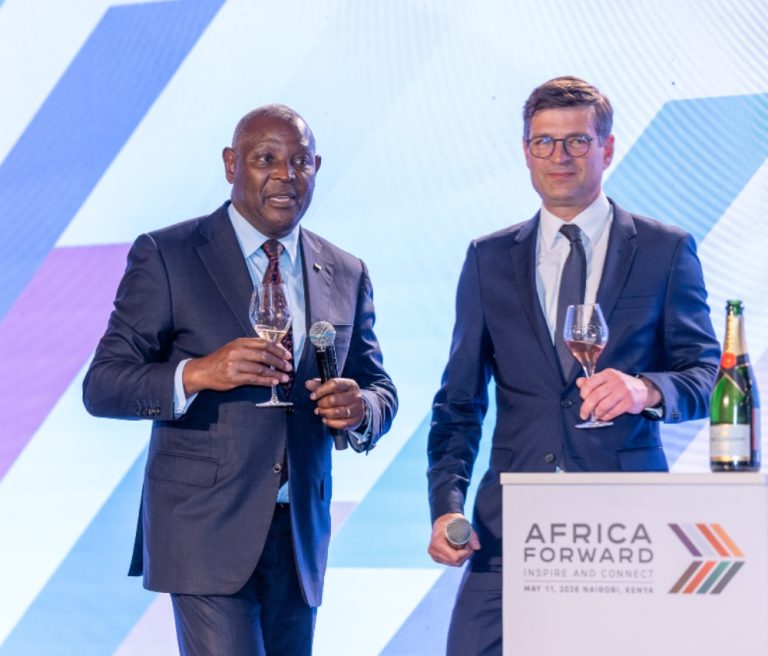
Equity Group has signed several partnerships leveraging the growing Africa-France economic cooperation, focusing on agriculture, trade, climate resilience, enterprise financing, and sustainable development during the Africa Forward: Africa-France Partnerships for Innovation and Growth Summit held in Nairobi.

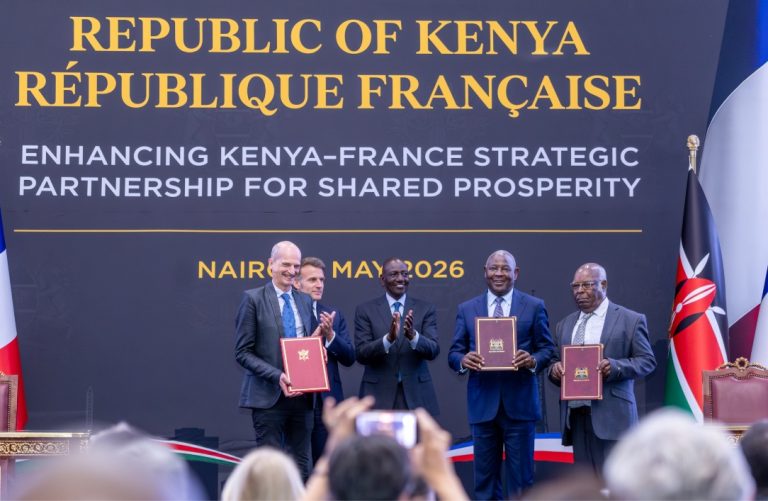
The summit brought together heads of state including host H.E President William Ruto and his French counterpart H.E Emmanuel Macron, alongside global investors, policymakers, development finance institutions, and business leaders to advance collaboration in trade, innovation, industrialization, and economic transformation across Africa.

  • Equity Group – PROPARCO MoU

Equity Group Holdings Plc and PROPARCO, a member of the Agence Française de Développement (AFD) Group signed a Memorandum of Understanding (MoU). Proparco and Equity Group have a long-standing relationship and share a common commitment to fostering a responsible and sustainable private sector across the African continent.

The signing of the Memorandum of Understanding (MoU) marks a new milestone, reflecting a renewed shared ambition to support high-impact projects. The MoU identifies five strategic priority areas in which Proparco and Equity Group commit to actively collaborate:

  • Financing of small and medium-sized enterprises (SMEs) and micro-SMEs
  • Climate finance
  • Agriculture and value chain development
  • Trade finance and regional trade facilitation
  • Financial sector development and social impact initiatives

The Letter of Interest (LoI) marks a first concrete step in the partnership, with a transaction involving EquityBCDC, a subsidiary of Equity Group Holdings Plc and a leading bank in the Democratic Republic of Congo (DRC) active in SME financing. It sets the framework for a USD 70 million syndicated facility arranged by Proparco alongside several development finance institutions, including a USD 25 million participation from Proparco.

The facility will be fully dedicated to SMEs, with 30% allocated to women-led businesses, thereby qualifying for the 2X Challenge. The project will support access to finance for underserved businesses and contribute to Sustainable Development Goal 8: “Decent Work and Economic Growth.”

“Proparco is pleased to strengthen its partnership with Equity Group, a leading financial player in Africa, and its subsidiary EquityBCDC. This new step in our collaboration, as well as the loan arranged by Proparco alongside our peers, demonstrates our continued commitment to fostering a dynamic private sector that generates positive impact,” said Françoise Lombard, CEO of Proparco.

Why Equity Bank’s Teen Member Account is a smart start for your child

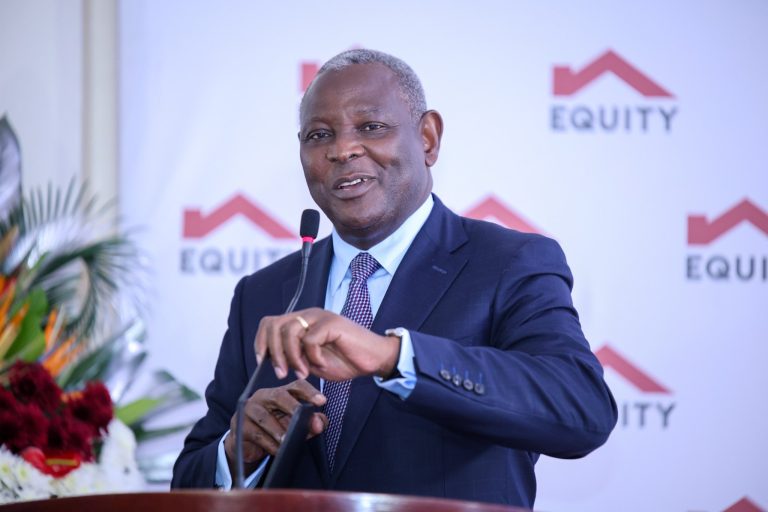
“This partnership with Proparco is about unlocking African enterprise at scale. Through this, we are accelerating financing to SMEs and strengthening support for climate and green finance, agriculture, trade finance, and broader financial sector development across Africa. By combining Proparco’s development finance expertise with Equity Group’s regional footprint and market access capabilities, we are enabling more entrepreneurs and businesses to invest, trade, create jobs and build resilient communities. Together, we are advancing inclusive economic growth and sustainable development across the continent,” said Dr James Mwangi, Managing Director and CEO Equity Group Holdings.

  • Equity Group – SEMMARIS and ARISE IIP Kenya Partnership

Equity Group also facilitated a strategic partnership between ARISE Integrated Industrial Platforms (ARISE IIP) Kenya and SEMMARIS, the operator of the world-renowned Rungis International Market in France. The collaboration seeks to support the development of regional agrologistics and food distribution infrastructure in Kenya, focused on strengthening food security, horticultural value chains, cold-chain logistics, wholesale market systems, and export connectivity to regional and international markets.

The partnership aligns with Equity Group’s Africa Recovery and Resilience Plan (ARRP), which aims to connect African value chains to global markets through trade facilitation, infrastructure development, and ecosystem partnerships.

  • Equity Group – CIRAD MoU

One of the key agreements signed during the summit was a strategic Memorandum of Understanding between Equity Bank Kenya, Equity Group Foundation (EGF), and the French Agricultural Research Centre for International Development (CIRAD).

The partnership is aimed at advancing sustainable agriculture, climate resilience, food systems transformation, and rural economic growth across Africa by combining Equity Group’s regional financial ecosystem with CIRAD’s globally recognized agricultural research expertise.

The agreement will support collaboration in agricultural value-chain development, climate-smart agriculture, farmer productivity, institutional capacity building, technical training, research dissemination, and policy engagement. It also opens opportunities for future cooperation in sustainability, enterprise development, health, technology, and artificial intelligence.

Speaking on the partnerships, Equity Group Managing Director and CEO Dr. James Mwangi further said Africa’s future competitiveness will depend on the continent’s ability to build strong ecosystems that connect finance, innovation, production, markets and partnerships into sustainable engines of economic transformation.

“Africa stands at a defining moment where the continent must move from exporting raw potential to creating value through enterprise, industrialization and innovation-led growth. The future will belong to economies that can effectively connect capital to businesses, research to production, farmers to markets, and entrepreneurs to opportunities,” Dr Mwangi said.

He added: “These partnerships reflect a shared commitment to building resilient ecosystems capable of accelerating trade, strengthening food systems, expanding access to finance, supporting climate resilience and positioning Africa as a globally competitive economic force. Through collaboration between African institutions and international partners, we can unlock sustainable growth, create jobs, empower communities, and drive inclusive prosperity across the continent.
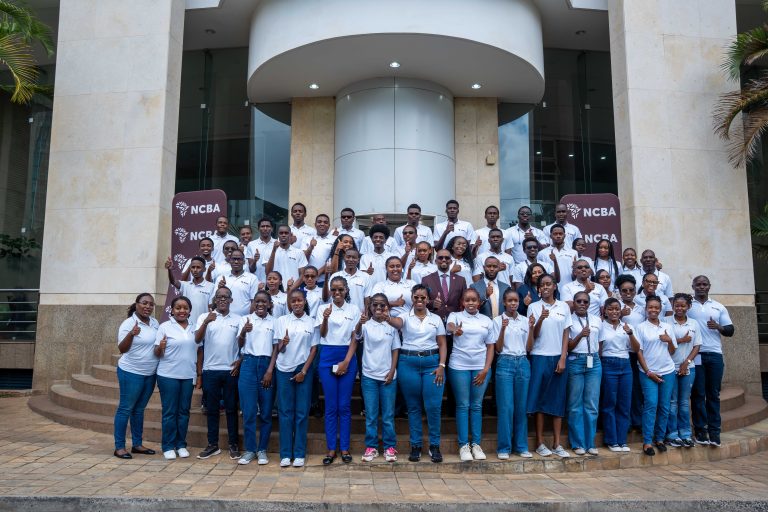
NCBA champions young ambition with the onboarding of the 2026 Go Getter Internship cohort

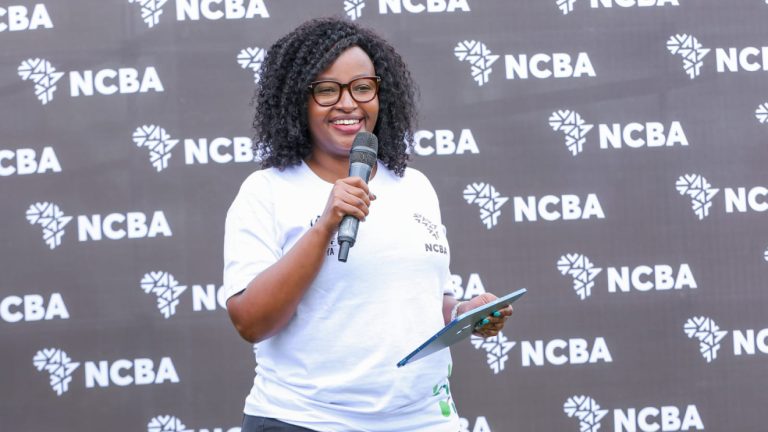
NCBA Group has launched the 2026 cohort of its Go Getter Internship Program, selecting 50 graduates drawn across 16 Kenyan universities.

Structured as an eleven-month immersive experience, the Program allows participants to rotate across key business units, including Retail Banking, Corporate & Investment Banking (CIB), Investment Banking, Human Resources & Culture, Finance, and Regional Business. Each of them is paired with a dedicated coach and mentor with opportunities to solve real business problems.

The launch comes at a critical time for Kenya’s labour market, where youth unemployment and underemployment remain a pressing challenge. According to the Kenya National Bureau of Statistics, young graduates continue to face significant barriers to formal employment, with many requiring months, if not years, to transition into stable careers. In this context, structured internship programmes such as the Go Getter Internship are increasingly becoming essential bridges between education and employment, equipping graduates with practical skills, workplace exposure, and professional networks that significantly improve their employability.

Workforce of the future

Since its inception in 2023, the Program has onboarded 200 graduates, with 50% transitioning into permanent and contract roles within the Group. This strong conversion rate reflects NCBA’s deliberate approach to talent development as a long-term investment in the workforce of the future. By providing hands-on experience in a dynamic corporate environment, the Program enables young professionals to better prepare for the realities of the employment world while sharpening their competitive edge.

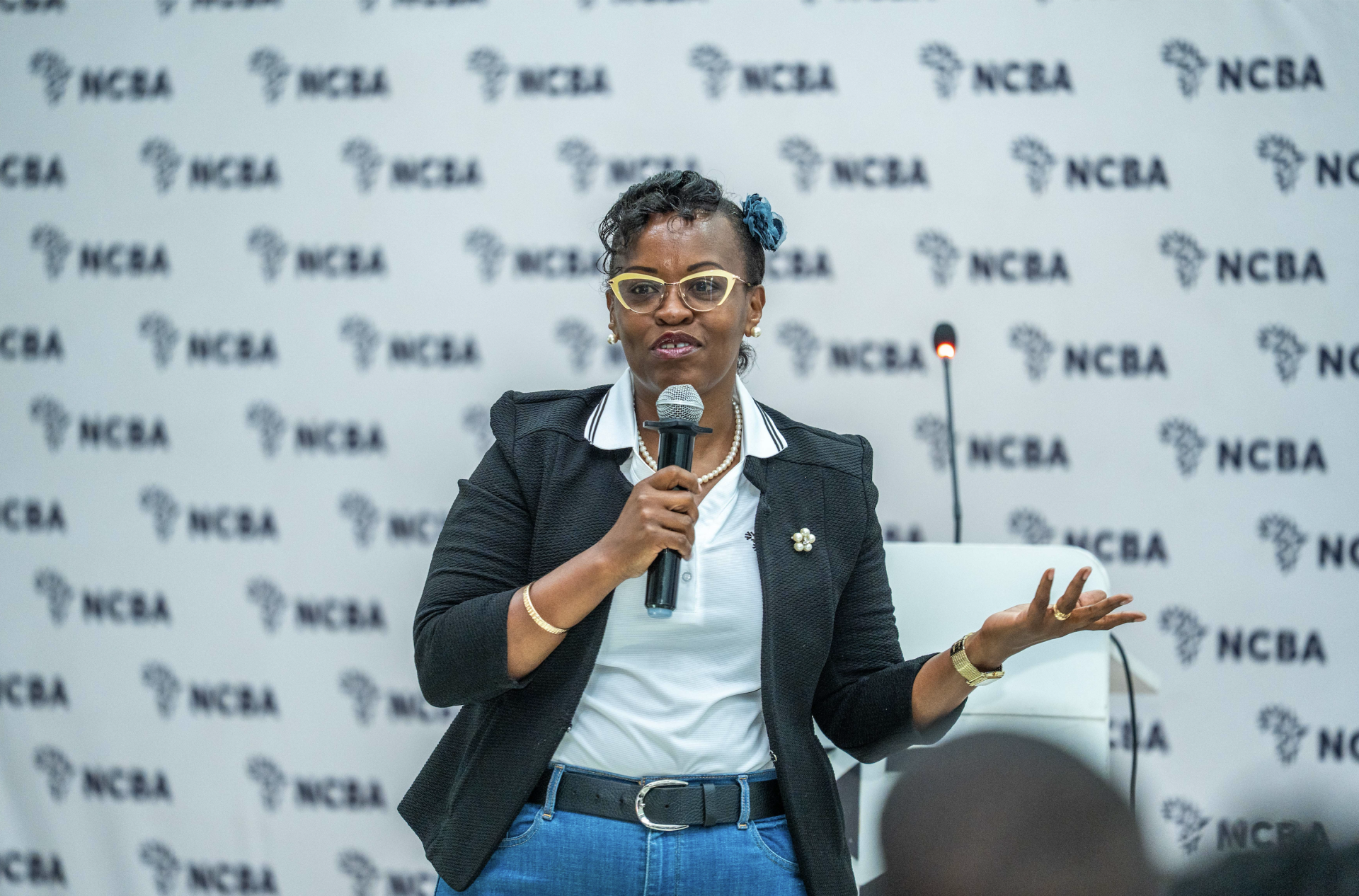
“In a market where young professionals are often asked to gain experience before they are given a chance, NCBA is taking a different approach, one rooted in belief. Through the Go Getter Program, we are empowering ambition by trusting young talent early, providing real-world exposure beyond the classroom, and opening clear pathways into meaningful careers. We believe in our Go Getters first, and we are proud to help them turn potential into impact,” said Monicah Kihia, Group Director of Human Resources and Culture at NCBA Group.

NCBA launches 3rd Go Getter Internship cohort

NCBA recognized as a Top Employer 2026

NCBA’s recent certification as a Top Employer 2026 by the Top Employers Institute, an independent global authority on workplace excellence, reinforces the Group’s commitment to building a high-performance culture and people-centric practices.

The 2026 cohort is anchored within NCBA’s Ubuntu 2026 – 2030 Strategy, a five-year transformation framework that places people, purpose, and shared growth at the center of the Group’s operations. Rooted in the philosophy of “I am because we are,” Ubuntu guides NCBA’s commitment to nurturing talent, fostering inclusive growth, and building sustainable impact across the communities it serves.

The Program also forms part of the broader NCBA Change The Story sustainability agenda, which focuses on rewriting the narrative around youth employment by investing in mentorship, skills development, and access to opportunity. Through this initiative, NCBA continues to play a proactive role in shaping a more inclusive and resilient workforce of the future.

Monicah Kihia - NCBA Group  Director Human Resource & Culture
Monicah Kihia – NCBA Group Director Human Resource & Culture

Water Resources Authority announces 120 job vacancies; How to apply

1

The Water Resources Authority (WRA) has announced a recruitment drive targeting professionals across various fields.

In an advertisement on Tuesday, May 12, WRA invited interested candidates to submit applications to fill 120 vacancies across various departments.

According to the notice, the authority is seeking to recruit Senior Water Resources Officer (Standards and Regulation), Water Resources Officer I (Standards and Regulation), Water Resources Officer II (Standards and Regulation), Water Resources Officer II (Permitting), Water Resources Assistant III (Permitting), Senior Hydrologist, Hydrologist I, Hydrologist II, Hydrological Assistant III, Geologist II, Chemist II, and Laboratory Technologist III.

Other open vacancies are Laboratory Technician III, Pollution Control Officer I, Water Resources Officer II (Research and Data Management), Water Resources Officer II (Enforcement and Compliance), Water Resources Assistant III (Enforcement and Compliance), Principal Water Resources Officer (Capacity Building), Water Resources Officer II (Capacity Building), Engineer II, Assistant Engineering Officer III, Community Engagement Officer II, Customer Care Assistant III and Legal Officer II.

The authority also advertised vacancies for ICT Officer II, ICT Assistant III, Accounts/Revenue Officer II, Assistant Accountant/Revenue Officer III, Planning Officer II, Records and Information Management Officer II, Resource Mobilization Officer I, Assistant Office Administrator III, Driver II, Office Assistant I, and Office Assistant II.

How to apply

Interested candidates are urged to access full details of the vacancies and application procedures through the WRA official website.

Applications can be submitted online via WRA career portal or hand delivered to the authority’s offices in the NHIF Building, 9th floor. The deadline for submitting the applications is June 1, 2026.

“Successful candidates will serve for a probationary period of six (6) months, thereafter convert to Permanent and Pensionable Terms of Service, subject to performance. Remuneration will be subject to the existing terms approved by the Salaries and Remuneration Commission,” the notice reads.

The authority said it is an equal opportunity employer committed to diversity and gender equality, and encourages persons living with disability to apply.

“Any form of canvassing shall lead to automatic disqualification. Only shortlisted candidates shall be contacted,” the notice adds.

Also Read: JKUAT announces fully funded scholarships for Master’s and PhD students; how to apply

Nelly Wainaina: Alliance alumnus leading NCBA’s marketing and citizenship agenda

0

Nelly Wainaina, the Group Director of Marketing, Communications, and Citizenship at NCBA Bank Kenya, is one of the country’s most accomplished brand strategists.

Nelly is known for her sharp storytelling ability. She sits at the heart of NCBA’s reputation management and brand positioning, overseeing marketing direction, communications strategy, and corporate citizenship programming.

With over 22 years of experience in Marketing, Nelly’s journey began at Alliance High School, where she pursued her secondary school education, completing in 1995.

She proceeded to the University of Nairobi, where she studied Economics, laying the foundation for what would become a distinguished career across global multinationals and major African markets.

Her professional journey began in 2001 at Mondelēz International, where she joined as a Brand Assistant in Kenya. In that role, she gained early exposure to consumer marketing fundamentals and brand development, experience that would later shape her growth into senior leadership.

In 2003, she transitioned to Reckitt, taking on the role of Brand Manager for East Africa. Over the next several years, she steadily rose through the ranks, becoming Marketing Manager for East Africa in 2006.

Nelly led brand portfolio planning and strategy development while maintaining market leadership across key categories. She also drove multiple innovations, managed agency partnerships across media and creative workstreams, and played a central role in category performance management.

Her regional influence expanded further in 2010 when she moved to Nigeria to serve as Category Marketing Manager for East and West Africa. During this period, she oversaw category strategy and execution, including notable segment launches such as Airwick Automatic, and worked closely with stakeholders to drive performance across multiple African markets.

In 2011, Wainaina joined Colgate-Palmolive, marking the start of a highly transformative chapter in her career. Appointed Category Marketing Manager for East and West Africa and based in South Africa, she managed marketing strategy across 41 markets in East, West and Southern Africa.

Her portfolio included innovation rollouts, category P&L oversight, and the development of diverse teams to deliver on business objectives in complex multicultural environments.

Until her exit in 2018, Nelly had served in various roles, including as Category Marketing Manager (South Africa), Team Leader (Nigeria), Group Brand Manager (Switzerland), and Marketing Manager Home Care Category (South Africa).

Her global corporate footprint expanded again in 2018 when she joined The Coca-Cola Company, starting as Stills Portfolio Lead for the Southern and East Africa Business Unit based in South Africa.

By 2019, she had risen to Nutrition Portfolio Lead for the Southern and East Africa Business Unit while also serving as Marketing Head for Kenya and Tanzania. In this role, she developed a three-year nutrition portfolio strategy, aligning business performance with evolving consumer trends.

In 2020, Coca-Cola appointed her Head of Marketing for the East Central Africa Franchise, where she led the execution of portfolio campaigns and innovations while strengthening collaboration with bottling partners and building a high-performance culture.

Her ascent continued in 2021 when she became Front-Line Marketing Senior Director for Coca-Cola’s Africa Organisation Unit.

Covering 54 markets, she drove system-wide alignment on the marketing agenda, oversaw significant P&L budgets across five major brand categories, and led a multicultural team of 33 through influence-based leadership.

In October 2022, she joined NCBA Group as Group Director of Marketing, Communications and Citizenship. At NCBA, she continues to shape corporate identity and stakeholder engagement, combining commercial insight with strong narrative building and public value creation.

Beyond her professional portfolio, Wainaina has consistently invested in leadership and academic development.

She holds a Master of Business Administration (MBA) in Leadership from the ALU School of Business, completed between 2018 and 2020. She also earned a Post Graduate Diploma in Marketing from the Chartered Institute of Marketing (CIM) between 2003 and 2005.

Nelly also pursued Accounting studies at Strathmore University, completing CPA Section I and II between 1996 and 1998.

Her work and leadership have earned national recognition. In March 2025, she clinched the C-Level Leadership Excellence Award as the Overall Winner at the DIAR Awards, a milestone that underscored her influence and standing as one of Kenya’s most respected corporate marketing and communications leaders.

Also Read: CFAO Mobility Kenya and Stanbic Bank renew vehicle financing agreement

CFAO Mobility Kenya and Stanbic Bank renew vehicle financing agreement

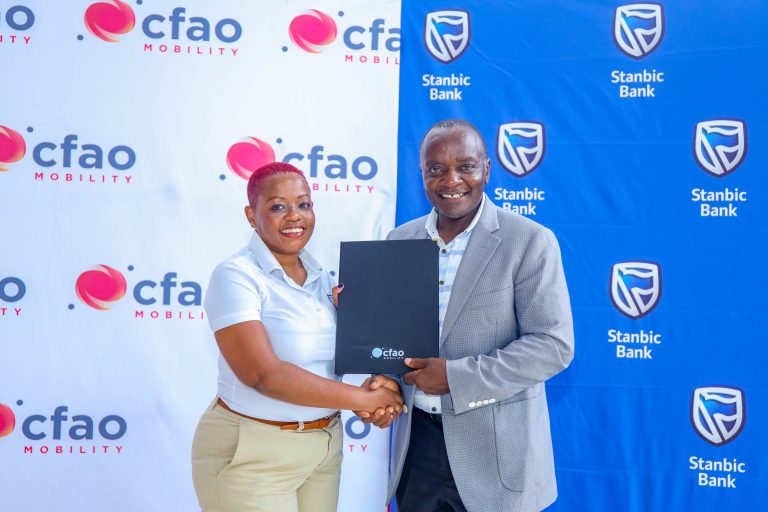
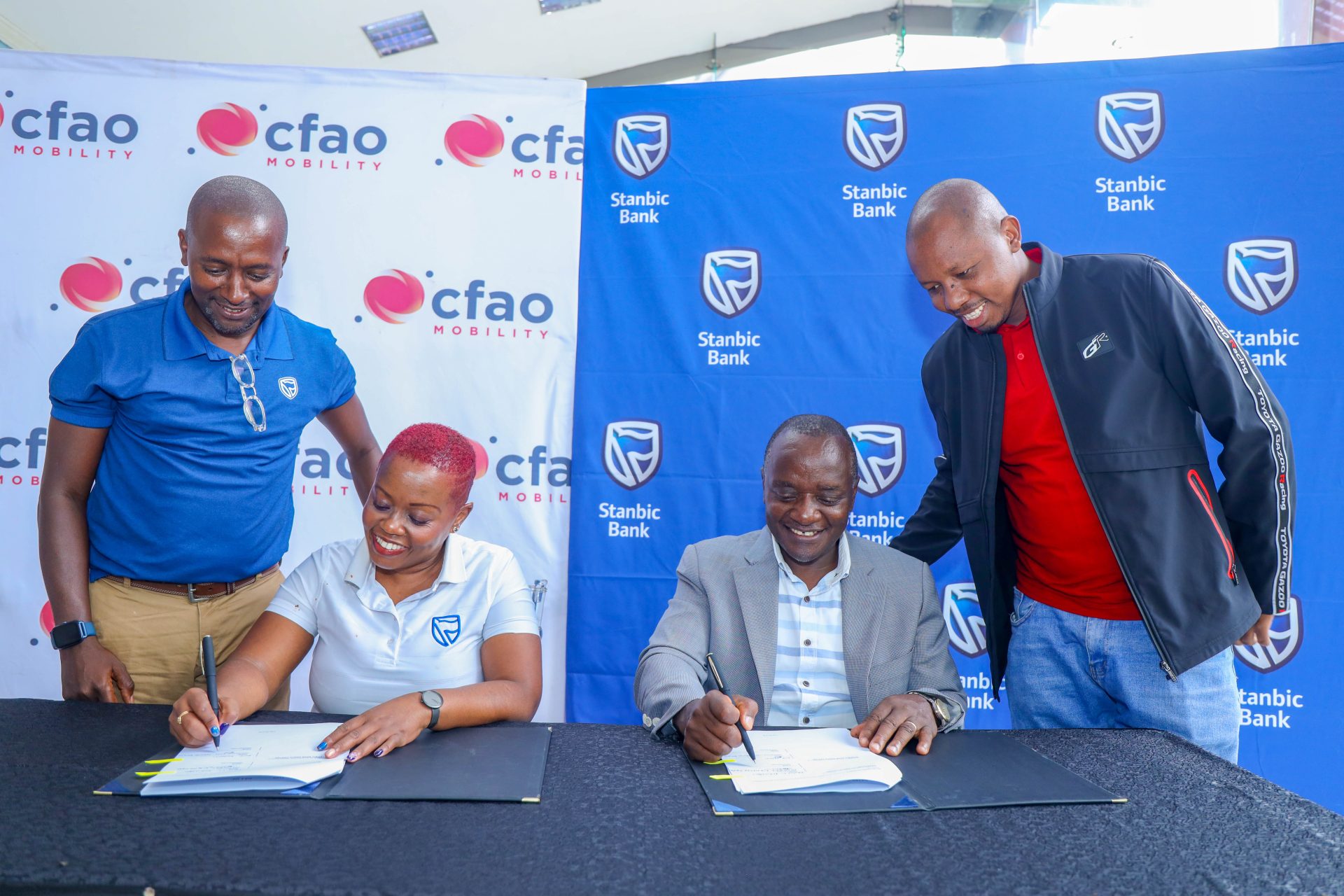
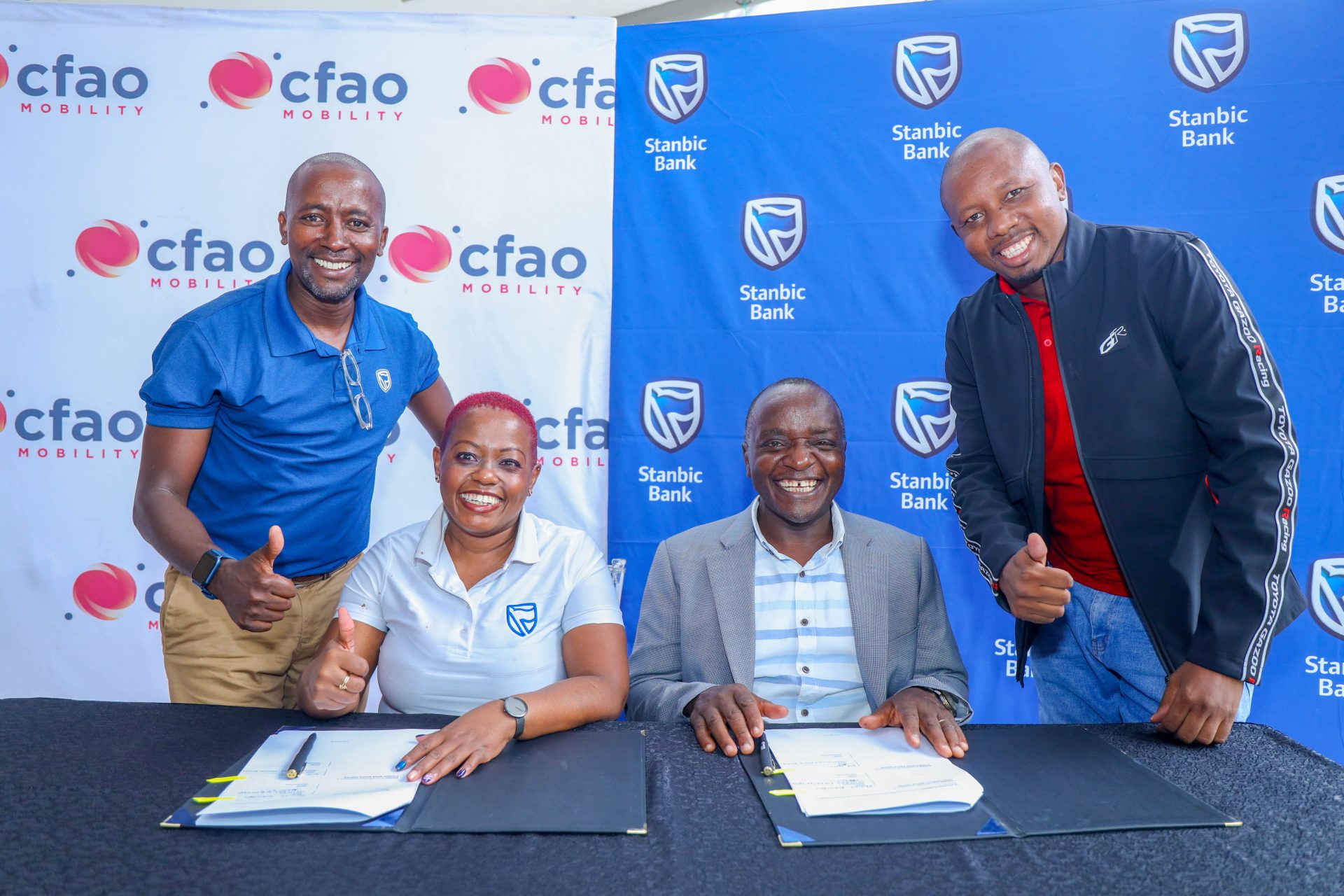
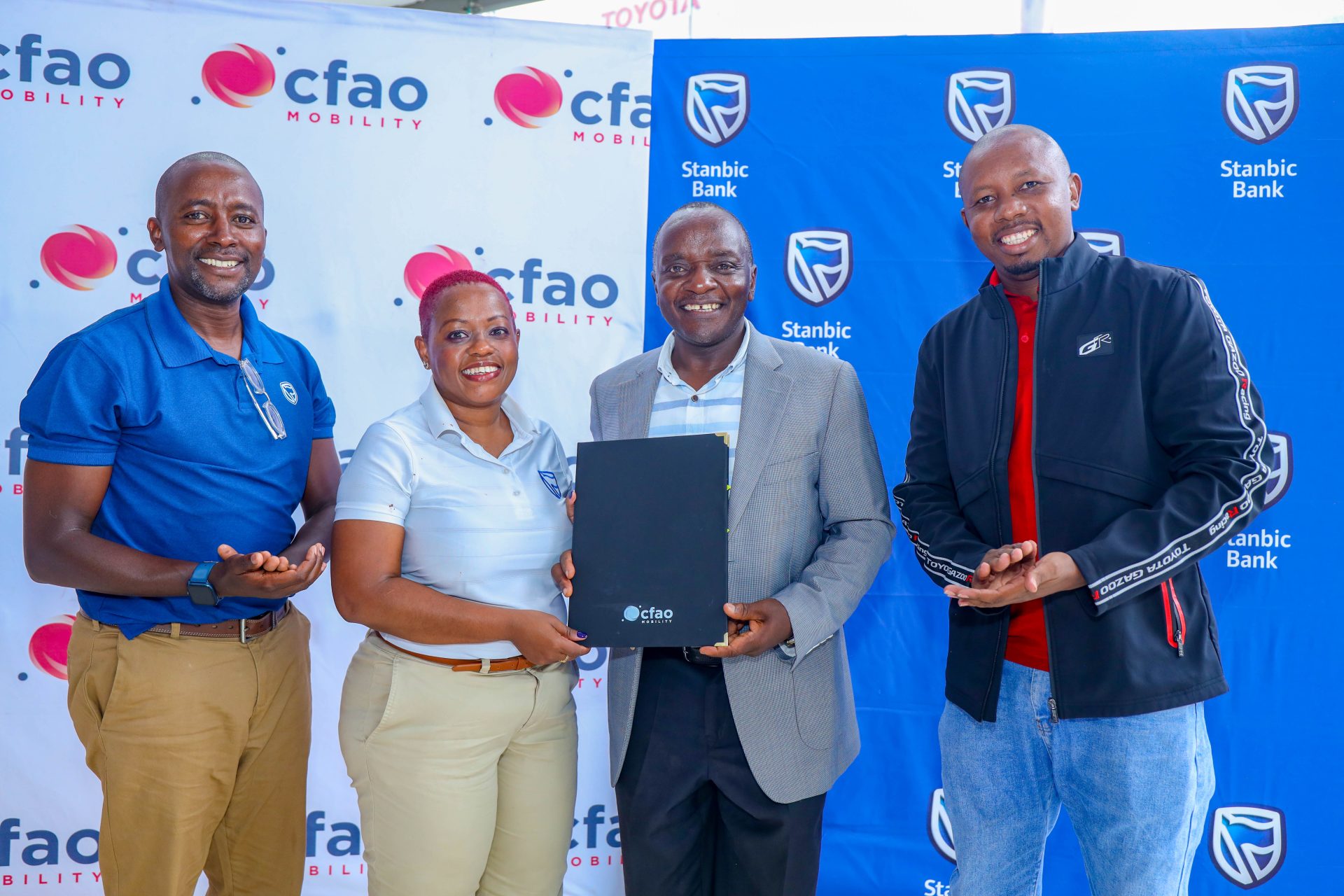
CFAO Mobility Kenya and Stanbic Bank have renewed their Memorandum of Understanding (MOU), reaffirming their shared commitment to making vehicle ownership more accessible to all Kenyans.

Under the renewed MOU, customers can access vehicle financing of up to 100% for personal vehicles and 90% for commercial vehicles, with zero processing fees and flexible tenures of up to 96 months for salaried customers – an industry-leading provision and 72 months for business clients for all models within the CFAO Mobility’s portfolio.

Car ownership starts with access

“At CFAO Mobility, we believe car ownership starts with access. Every day, we meet customers who are ready to own a vehicle but face financial constraints. That is why today’s partnership is so significant because it is the bridge that helps customers turn their aspirations into ownership,” said Daniel Maundu, General Manager, Toyota National Sales.

The renewed partnership deepens collaboration between the two organisations, combining CFAO Mobility’s automotive expertise with Stanbic Bank’s financial solutions, breaking the financial barriers and supporting customers throughout their vehicle-ownership journey from purchase to maintenance, servicing, and future upgrades.

Why car finance is a good investment

“This MOU reflects a shared vision to deliver practical, customer-centric mobility and financing solutions that empower individuals and businesses to grow and thrive. Through this partnership, we are combining CFAO’s leadership in mobility solutions with Stanbic’s expertise in asset finance to provide seamless vehicle financing,” said Kimani Njagi, Head of Vehicle and Asset Financing at Stanbic Bank Kenya.

Beauty Meets the Bonnet

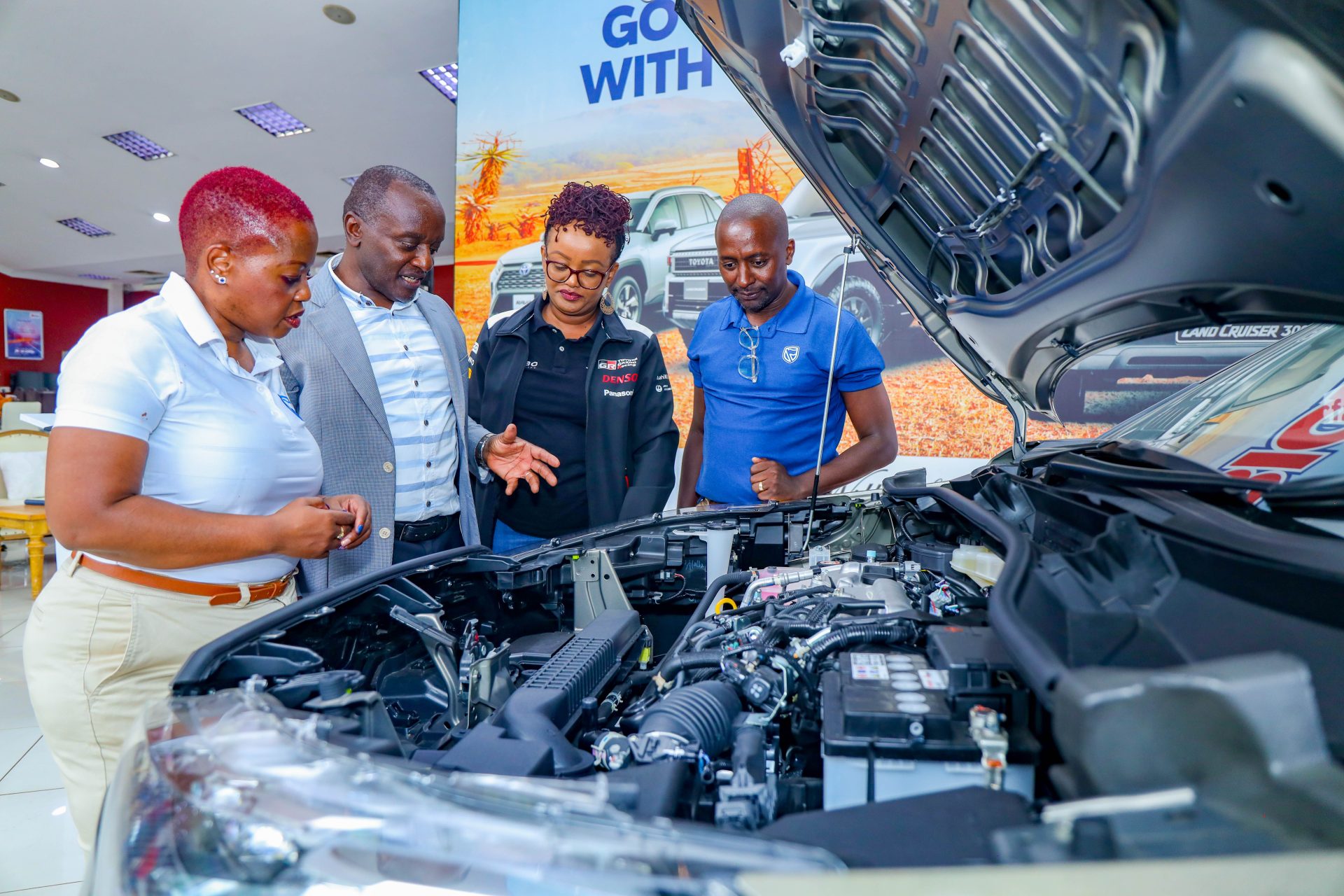
The announcement was made during the 2026 Beauty Meets the Bonnet event, an exclusive women-only automotive platform designed to empower women to approach car ownership with clarity, confidence, and control.

The event opened multiple opportunities for customers to explore, learn, and access practical support for car ownership. Guests took test drives across a wide range of CFAO Mobility models and visited interactive learning stations for hands-on guidance in basic maintenance, including how to spot genuine versus counterfeit parts and how to change a tyre.

With more than 800 registered members, Beauty Meets the Bonnet places a strong focus on financial empowerment, practical car knowledge, after-sales support and clear vehicle-upgrade pathways, positioning Toyota by CFAO Mobility not only as a vehicle provider, but as a trusted partner throughout the mobility journey.

Inside Equity’s 2025 rise to most profitable bank in East and Central Africa

0

The signs were there that the 2025 financial year was going to be record breaking for Equity Group. It was the year that Equity would grab the esteemed position of most profitable bank in East and Central Africa.

Well, it all started in the first three months of the year when the banking group returned a net profit of Sh15.4 billion. In this quarter, there was growth in customer deposits which hit Sh1.32 trillion and total assets which closed at Sh1.75 trillion.

Barely two months earlier, the banking group had announced Sh48.8 billion net profit for the full financial year of 2024. This profit had represented a growth of 11.6 percent. It also meant that on average, the bank could have been assumed to have made at least Sh12.2 billion per quarter throughout 2024.

“Equity remains resilient and focused on delivering value to all our stakeholders. We are strongly positioned across all our subsidiaries. As we continue our transformation journey, we see significant opportunities for sustained growth. We are a global brand, one of the strongest, not just in valuation but also in global rankings,” said Dr James Mwangi, the Group managing Director and Chief Executive Officer.

“Our financial strength gives us the flexibility to seize opportunities as the regional economy presents diversified levers for growth. Our liquidity and capital position remains strong, positioning us to better support our customers in the years to ahead.”

By the time local banking institutions entered the second half of 2025, Equity Group had moved to the position of the most profit banking group in the region.

An analysis of financial results for the first six months of the 2025 financial year by Bizna Kenya shows that Equity Group recorded a net profit of Sh34.6 billion in the half-year period. This net profit represented a gain of 17 percent and was derived from a pre-tax profit of Sh41.5 billion. In contrast, its closest rival returned a net profit of Sh31.5 billion which was a growth of 7.9 percent.

In the six-month period under review, Equity’s regional subsidiaries contributed 49 percent of all deposits, 50 percent of the loan book, 48 percent of the total assets, 50 percent of revenue, and 46 percent of the profit before tax.

According to financial analyst Jefferson Ndunge, pointers were showing that Equity was headed for a record performance year. “The fact that Equity Group had managed to establish a lead of Sh3 billion in net profit with recorded growth in all primarily areas was the start of the profitability trajectory that would dominate the rest of the financial year,” says Ndunge.

This reflected in the third quarter of the year when once again, Equity Group emerged as the most profitable banking entity in the region. During this period, the bank returned a net profit of Sh54.1 billion net profit for the first nine months of the year while its closest rival returned a Sh47.6 billion net profit in the same period.

The profit returned by Equity within nine months was 10.86 percent more than the net profit the bank had returned the whole of year 2024. This means that in nine months, Equity Group had made Sh5.3 billion more than the Sh48.8 billion it had made the whole of 2024.

Equity’s net profit from banking alone came in at Sh53.3 billion. This represented a year-on-year growth of 37 percent. Among Equity’s subsidiaries, Equity Bank Kenya led in profitability after contributing 58.3 percent of the total group’s profit.

Customer deposits at Equity Group closed the nine-month period at Sh1.34 trillion while disbursed loans increased by 7.5 percent to Sh859 .8 billion. Total assets in the period increased by 6.7 percent to Sh1.8 trillion year-on-year.

James Mwangi joins Nelson Mandela, Bill Gates club with the most respected global award

The Kenyan unit returned a year-on-year growth of 51 percent and a net profit of Sh31.1 billion. In the same period the previous year, Equity Bank Kenya had returned a net profit of Sh20.6 billion. At the same time, Equity Bank Kenya’s cost-to-income ration decreased from 61 percent to 47 percent in the third quarter of 2025.

DR Congo came in second with a 21 percent year on year growth to Sh13.8 billion net profit. This unit contributed 25.9 percent of the total profit. Rwanda came in third with a year-on-year growth of 5 percent at Sh4 billion net profit which was equivalent to 7.5 percent of the total net profit for the group in the nine-month period.

Uganda and Tanzania returned Sh2.9 billion and Sh1.5 billion respectively in the period under review. The Ugandan unit had a 61 percent year on year growth while the Tanzanian unit had an 88 percent year on year growth.

According to Dr Mwangi, Rwanda was the most efficient subsidiary in the period despite coming third in profit contribution. The subsidiaries in the region were larger than the Kenyan unit in deposits and loans.

Most profitable bank in East and Central Africa

But the real statement was made when the banking sector in Kenya released financial results for the full year 2025.

Equity’s full year 2025 net profit had risen to a record Sh75.5 billion. The highest by a banking institution in the East and Central Africa, and the highest by any listed business at the time. This net profit represented a 54.7 percent growth in profit. It was derived from a full year profit before tax of Sh90.8 billion which was a growth of 51.6 percent.

In that full year, Equity Group saw its total assets increase by 9.2 percent to Sh1.97 trillion from the previous year’s total of Sh1.8 trillion. Meanwhile, customer deposits grew by 4.2 percent to Sh1.46 trillion from the previous Sh1.4 trillion while loans to customers increased by 7.7 percent to Sh882.5 billion.

In full year 2024, total disbursed loans had stood at Sh819.2 billion. Net interest income increased by 17 percent to Sh126.9 billion while non-funded income increased by 7 percent to Sh90.8 billion.

The group’s regional operations accounted for about half of the total profitability that was recorded in the year under review. Equity BCDC grew its profitability by 58 percent while the group’s subsidiary in Uganda increased its profitability by 500 percent. In Tanzania, profitability growth was recorded at 125 percent.

Overall, the group’s subsidiaries accounted for 51 percent of the total banking profit before tax and 48 percent of the banking profit after tax.

“The 2025 performance reflected the success of our deliberate transformation into a diversified regional financial services group. We delivered strong profit growth by expanding and deepening our income streams, improving efficiency across the franchise, and strengthening the quality of our balance sheet,” said Dr Mwangi.

KCB introduces KShs. 20 flat fee on Pesalink, with free transfers below KShs. 1,000

0

KCB Bank customers across the country can now enjoy a reduced flat fee of KShs. 20/= when sending money through Pesalink for any amount above KShs. 1,000 up to KShs. 999,999. In addition, transactions below KShs. 1,000 will be completely free, enabling customers to make everyday transfers at no cost. In line with the industry’s “Tuma Direct na 20/-,” campaign, the move is aimed at making real- time payments more affordable and convenient for individuals and MSMEs using KCB Bank’s mobile & internet banking channels.

Commenting on the milestone, KCB Bank – Kenya Managing Director, Mrs Annastacia Kimtai noted that this initiative expands access to financial services for Kenyans by lowering transaction costs and offering alternative options, thus bringing mainstream financial services closer to underserved communities, with a particular impact on SMEs that rely on efficient, affordable financing to grow.

Standardizing Pesalink transaction fees

“By standardizing Pesalink transaction fees at KShs. 20/=, we are eliminating price ambiguity and offering a clear, predictable cost for bank-to-bank transfers. This positions Pesalink as a practical and affordable option for individuals and businesses, driving wider adoption of formal financial services. The initiative also aligns with KCB’s broader digital transformation strategy, which seeks to leverage technology and partnerships to offer efficient, customer-centric banking solutions,” Mrs Kimtai said.

Pesalink, which enables real-time interbank transfers, has become a critical component of Kenya’s digital payments ecosystem. For KCB Bank, the removal of uncertainty around transaction charges will encourage greater adoption of formal banking channels for everyday payments.

Beyond M-Pesa: How Kenyan Businesses Accept Online Payments

Simpler Pesalink pricing

On his part, IPSL CEO, Gituku Kirika said, “Tuma Direct na 20/- is a rallying call for banks and customers to move to the simpler Pesalink pricing. In collaboration with our industry partners, we are lowering costs and accelerating the adoption of instant bank-to-bank payments across the economy. KCB is taking the important step toward deepening financial inclusion and strengthening Kenya’s position as a leader in digital financial services.”

The move comes as KCB continues to drive investments that will secure its leadership in digital payments. Over the past few years, the bank’s digital channels have consistently grown by over 20% both in value and volume of transactions. The digital channels processes 99% of all transactions conducted through the KCB touchpoints during the year. This milestone is anchored on the KCB Group Strategy 2024 – 2026, Transforming Today Together, which seeks to leverage cutting-edge technology to empower customers by removing barriers to financial access.

KCB introduces KShs. 20 flat fee on Pesalink, with free transfers below KShs. 1,000

Muthoni Njakwe: Mwalimu Sacco vs Stima Sacco vs Tower Sacco

1

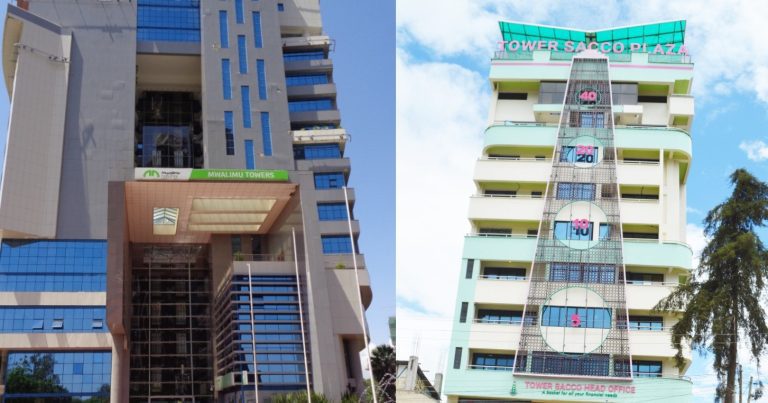
Lots of people keep asking me about SACCOs, so here’s a clear comparison of the three most talked-about ones: Mwalimu SACCO, Stima SACCO, and Tower SACCO.

I will not focus on interest on savings (even though all three offer returns above 10 percent. Instead, I’ll focus on dividend income.

1). Mwalimu SACCO

Asset base: Sh76 billion (largest among the three)

Average profit (5 years): Sh0.9 billion – Sh1.2 billion range

Dividend payout: 13 percent consistently

Mwalimu is the most stable and the largest by scale. It is predictable and has maintained a steady 13% dividend return over time.

2). Stima SACCO

Asset base: Sh75 billion

Average profit (5 years): Sh2 billion+

Dividend payout: 12 percent to 15 percent range (varies by year)

Stima SACCO is efficient in profitability. Its dividend payout is moderate and stable.

3). Tower SACCO

Asset base: Sh35 to Sh38 billion

Average profit (5 years): Sh0.8 billion to Sh1.1 billion

Dividend payout: 20 percent (last 2 years)

This one has an aggressive dividend policy.

Despite having a smaller asset base and lower profits compared to Mwalimu and Stima, it has recently paid 20 percent dividend payout which is quite seriously high.

It is worth noting that 70 percent of SACCOs’ assets are their loan book, and as such there is a bit of fluctuation.

READ MORE: Kuscco bosses took Sh192 million insider loans. See amount each took

Why SACCO dividends are attractive

First, they are calculated on share capital, unlike stocks which are calculated on market price.

If you invest Sh2 million in a SACCO with a 13 percent dividend payout, you will earn Sh260,000 annually.

Dividend payouts are taxed at only 5 percent, which is low compared to your favorite MMFs and your special funds which are taxed at 15 percent.

Now here’s the interesting part:

Assuming Tower maintains the 20 percent payout, if you compare it to equities like Equity Group over the last 5 years (capital gains + dividends combined), it cannot consistently average 20 percent annually.

However, Tower has only delivered this for about two years, so we cannot tell if it will sustain it.

This means that if you invested Sh5 million in Tower at a consistent 20 percent payout and fully reinvested the dividend income, in 5 years you would be in the range of Sh12.4 million to Sh13 million.

Important risk factor: liquidity

Unlike listed equities on the NSE, SACCO shares are not freely tradable. To offload, you will need to find a buyer or exit membership, and of course there are terms and conditions.

Final take from a risk-reward perspective

Mwalimu — safest, stable, predictable (13 percent)

Stima — strongest fundamentals and profitability

Tower — highest yield (20 percent), but also highest uncertainty

Muthoni Njakwe is an accountant and the author of personal finance book Her Shilling, Her Power: A Woman’s Guide to Financial Freedom.

Brewing a new era: Kenya-france partnership elevates specialty purple tea

Kenyan specialty tea farmers and  producers are set to gain direct access to premium international markets following the signing of a landmark offtake and promotional agreement in Nairobi ahead of the Africa Forward: Africa–France Partnerships for Innovation and Growth Summit – witnessed by both French President H.E Emmanuel Macron and Kenyan President H.E. Dr William Ruto. The agreement brings together Palais des Thés, a leading French specialty tea house, Gatanga Industries Limited, a Kenyan producer of premium specialty teas including indigenous purple tea cultivars, and Equity Group Holdings Plc.

The deal is expected to unlock new income opportunities for smallholder farmers by positioning Kenyan purple and specialty tea within high-value global consumer segments, particularly in Europe. Under the arrangement, Palais des Thés will procure Kenyan specialty teas comprising Purple White, Purple Golden, Purple Simba, and Purple Black varieties, strengthening Kenya–France specialty tea trade linkages and expanding global visibility for Kenyan-origin teas.

In addition to the offtake arrangement, Palais des Thés has committed to promoting Kenyan specialty tea through its international retail and educational platforms, showcasing its origin, cultivation methods, and unique quality attributes to global consumers.

The agreement spotlights Kenya’s position as a source of premium specialty teas, with purple tea, an indigenous cultivar developed by Kenya Tea Research Institute, rich in antioxidants and known for its distinctive flavour profile, emerging as a key value-added export product.

Invest Kenya advances Strategic Investment Partnerships at Italy–Kenya Economic Forum in Rome

The deal was facilitated by Equity Group Holdings Plc through its Africa Recovery and Resilience Plan (ARRP), which focuses on strengthening trade linkages, supporting value addition, and integrating African producers into global supply chains. The Group introduced the parties and supported the engagement process that led to the conclusion of the agreement.

Speaking during the signing of the agreement, Equity Group Managing Director and CEO Dr. James Mwangi said the partnership directly advances the Group’s mission of connecting farmers to global value chains.

“This agreement is about transforming the livelihoods of our small-scale tea farmers. By linking them to premium global buyers, we are not only expanding market access but also ensuring that value addition begins at the source, where farmers are fully integrated into global trade opportunities,” said Dr. Mwangi.

He added:

“Our focus is to ensure farmers and agribusinesses are not just producers, but active participants in global value chains. This partnership demonstrates how the right ecosystem support can unlock sustainable income and growth for agricultural communities.”

Kenya’s Rising Economy: Where Investors Are Looking Today

François-Xavier Delmas, Founder and CEO of Palais des Thés, highlighted the company’s commitment to showcasing Kenyan tea globally.

“Kenyan purple tea is not only an exceptional product in terms of quality, but also a compelling expression of origin, climate, and craftsmanship. Our role goes beyond procurement; it is about elevating its story on the global stage and positioning it within a category of teas that consumers for value authenticity and distinction. We are proud to bring this product to international consumers and to share the richness of Kenya’s tea heritage through our global platforms,” the representative said.

The Chairman of Gatanga Industries Ltd 0Karanja Kinyanjui welcomed the partnership as a milestone for producers and farmers.

“For a long time, our farmers have been growing a unique crop without clear access to buyers who fully understand its value. This agreement changes that. It tells the farmer that what they grow belongs in the highest-value markets. For us as their immediate partners, it also strengthens our ability to support better pricing, consistency, and long-term stability for the communities behind this tea,” the representative said.

Tea remains a major source of income for millions of households in Kenya, particularly in rural highland regions where smallholder farmers depend on it for daily livelihoods. By opening access to premium international buyers and specialty markets, the agreement is expected to improve farmgate earnings, strengthen income stability, and encourage a gradual shift towards higher-value tea production.


JKUAT announces fully funded scholarships for Master’s and PhD students; how to apply

0

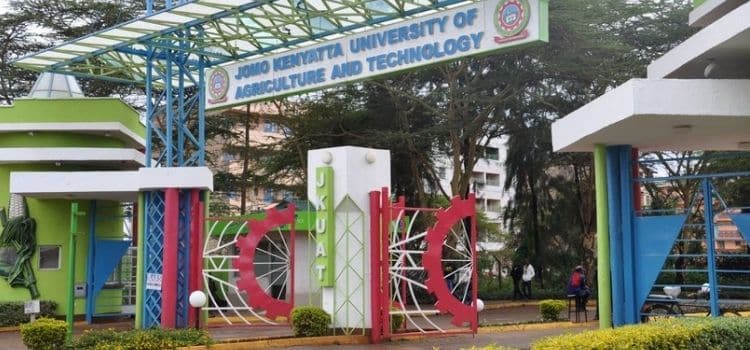
The Jomo Kenyatta University of Agriculture and Technology (JKUAT) has announced fully funded Master’s and PhD scholarships under the Laser Enabled Manufacturing of Solar Systems (LaSoMa) project.

In a notice on Monday, May 11, JKUAT said the scholarships target African students interested in advanced engineering, artificial intelligence, and solar manufacturing innovation.

The move is aimed at building research capacity in solar manufacturing across Africa through advanced laser technologies and AI-powered systems. The initiative is supported by the African Union and is co-funded by the European Union.

According the notice, the programme will be offered across several partner universities in Africa, including JKUAT, Pentecost University (Ghana), Federal University Lokoja (Nigeria), and Federal University of Technology, Minna (Nigeria)

At JKUAT, the scholarships will support students pursuing master’s and doctoral courses in Mechatronic Engineering.

Eligibility Criteria

The scholarships are open to African nationals who hold a Bachelor’s degree or a Master’s degree in relevant engineering disciplines and demonstrate strong academic performance and research potential.

Applicants must also meet specific academic and language requirements set by the host university. Female candidates, persons with disabilities and individuals from disadvantaged groups are encouraged to apply.

Successful applicants will receive full funding, including full tuition fees, a monthly stipend, insurance cover, and technical research workshops.

The programme offers monthly stipends of €1,230 (Sh186,960) for PhD students and €890 (Sh135,280) for MSc students.

How to apply

Applicants are required to apply online via the La Soma scholarships portal. Applicants must submit academic transcripts and certificates, a curriculum Vitae (CV), a motivation letter, research proposal, two recommendation letters, and a completed application form.

In addition, PhD applicants must submit a two-minute elevator pitch video. The scholarships officially opened on May 8, 2026, and will close on June 22, 2026.

Notification of selected applicants will be issued on July 13, 2026, with the programme scheduled to begin in September 2026.

Also Read: 73pc of all Grade 3 learners can’t do basic Math; 59pc can’t read basic English