
Home Blog Page 74

MECS invests KES 97 Million to support Kenyan clean cooking innovators 

0

The Modern Energy Cooking Services (MECS) has announced a $750,000 (KES 97 million) investment that will benefit three innovative Kenyan clean cooking ventures – Ecobora, PowerUp, and Sun-Power Box. The investment is part of MECS’ ongoing efforts to advance sustainable clean cooking solutions and accelerate clean energy transitions in Africa. 

The innovators will utilize the funds to scale affordable electric cooking technologies and expand access to clean energy for institutions, schools, and households and will play a crucial role in driving the transition to clean cooking through local expertise, innovation, entrepreneurship, and a demonstration of African solutions to African challenges.

Nyamolo Abagi, Director of Clean Energy Access at CLASP and member of the MECS Investment Committee, said: “Investing in the innovators at the forefront of electric cooking is one of the most impactful ways to drive the adoption of clean cooking. MECS’ R&D investment provides an innovative finance model for others in the sector. Clean cooking is at a tipping point; let’s seize this moment to build a future where Africans can have cleaner, healthier, economically empowered lives.”

Over the years, Ecobora, PowerUp, and Sun-Power Box have been at the forefront of developing affordable, locally manufactured electric cooking solutions that have driven effective clean energy transitions for institutions and schools in Kenya. Through institutional support under the MECS programme and CLASP’s capacity-building efforts, their innovative approaches have delivered cost-effective clean cooking solutions.

30,000 cylinders and other new requirements to start cooking gas business

About 37 million Kenyans and more than 600 million people in sub-Saharan Africa still rely on wood, charcoal, or other biomass fuels for cooking, driving deforestation, harming health, and placing a heavy economic burden on households and institutions.

While electric cooking (e-cooking) offers a clear pathway to cleaner, more efficient energy use, early-stage ventures face a critical financing gap. Many struggle to access the capital needed to move from market entry to scale.

This investment directly addresses that gap. By funding research, testing, and validation, MECS is helping these companies strengthen their technologies, generate evidence, attract new investments, and reach scale. 

The investment signals a shift in how clean cooking is financed, de-risking innovation at an early stage to unlock larger-scale capitalIt builds on growing momentum in the sector, including a recent partnership between the Government of Makueni County in Kenya and CLASP, which committed to accelerating Kenyan institutions’ transition to clean cooking. 

The clean cooking sector is entering a decisive period. Governments are under growing pressure to deliver on climate, energy access, and health goals, and investors are looking for scalable solutions with real-world impact. 

MECS’ investment is a clear signal that clean cooking is a viable and investable opportunity. However, increased capital, innovative finance models, and partnerships are needed to fully unlock it and support the innovators at the forefront of the transition. 

MECS invites impact investors, development finance institutions, and technology partners to engage with these ventures and explore how their capital can help accelerate the clean cooking transition across Africa.
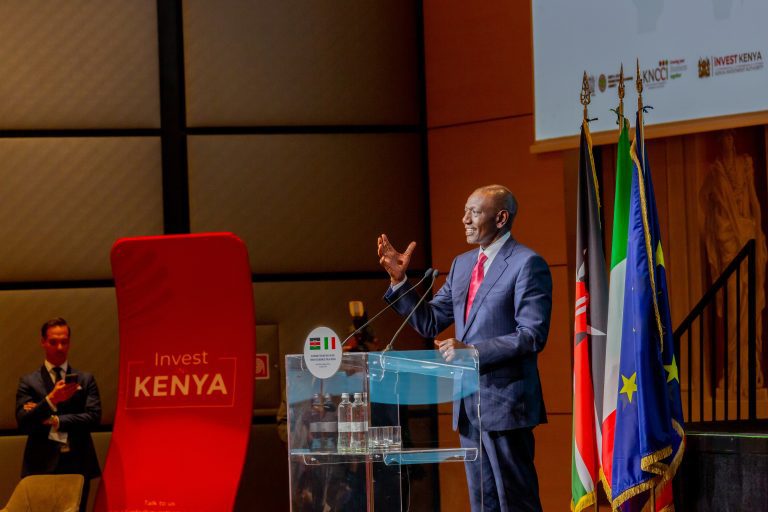
Invest Kenya advances Strategic Investment Partnerships at Italy–Kenya Economic Forum in Rome

Invest Kenya participated in the Italy–Kenya Economic Forum in Rome on Monday, where Kenya engaged Italian investors and institutions to advance strategic partnerships across priority sectors of the economy.

The forum brought together more than 220 Italian companies, advancing dialogue in key sectors including energy, agri-food, innovation, tourism, and manufacturing. This was building on engagements with Italian investors during the Kenya International Investment Conference (KIICO) 2026 held last month, which hosted over 70 Italian investors.

Through structured Business to Business, Business to Government and Government to Government engagements, Kenya presenting a pipeline of bankable opportunities aimed at accelerating investment flows and fostering long-term collaboration.

Supported by the Mattei Plan for Africa and the Kenya–EU Economic Partnership Agreement, the forum reinforced a strong foundation for joint ventures, technology transfer, and sustainable investment partnerships between Kenya and Italy.

How your Chama can access Sh50 million investment loan repayable in 72 months

The Italy–Kenya Economic Forum is expected to catalyze new investments, deepen bilateral trade relations, and accelerate Kenya’s position as a regional hub for manufacturing, value addition, and sustainable investment.

Italy remains a key strategic partner in Kenya’s investment agenda. In 2024, it ranked as the 16th largest source of foreign direct investment into Kenya, with nearly 50 Italian companies already operating across sectors such as food and beverage, energy, automotive, and agriculture.

Invest Kenya advances Strategic Investment Partnerships at Italy–Kenya Economic Forum in Rome
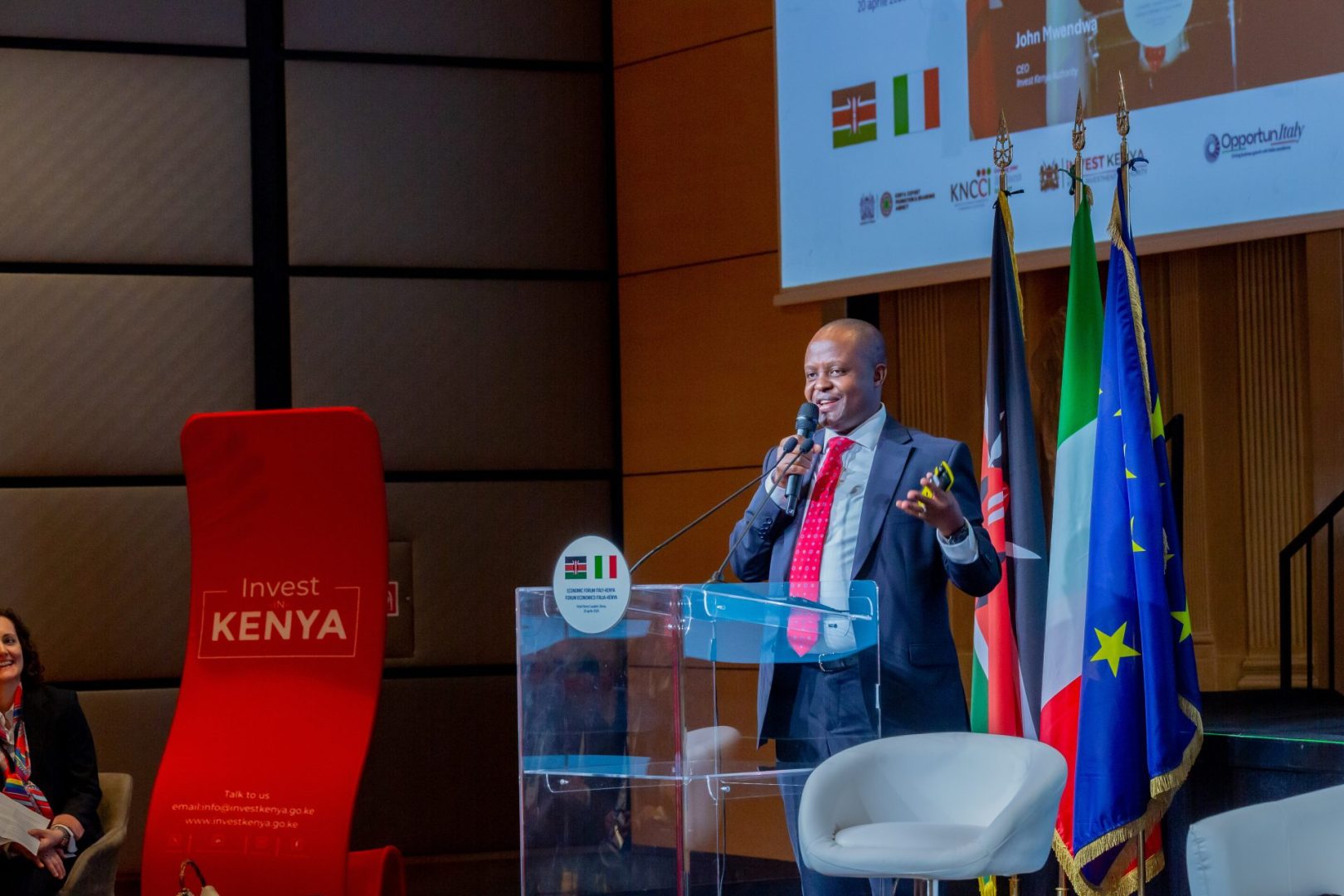
Invest Kenya CEO John Mwendwa makes his address during the Italy–Kenya Economic Forum in Rome on 20th April 2026.

At the forum, Invest Kenya CEO John Mwendwa outlined Kenya’s value proposition, positioning the country as the preferred gateway for investment into East and Central Africa and highlighting the country’s strategic location, improving business environment, and growing pipeline of investment-ready opportunities aligned to industrialization and export-led growth.

On the sidelines of the forum, Invest Kenya also held a strategic engagement with Cassa Depositi e Prestiti (CDP), Italy’s development finance institution and a key financial partner under the Mattei Plan. Discussions focused on mobilizing capital, strengthening collaboration frameworks, and exploring mechanisms to connect Italian investors with opportunities in Kenya.

As part of its targeted investor outreach, Kenya showcased high-growth sectors, with the leather industry emerging as a compelling example of the country’s industrialization potential.

Unlocking Opportunity: How Kenyan entrepreneurs can access European Investment Bank support

Currently valued at approximately $80 million (KSh 10 billion), Kenya’s leather sector is projected to grow to about $850 million (KSh 115 billion) by 2040. With over 80 million livestock and one of the largest herd sizes globally, Kenya has a strong raw material base.

The government is prioritizing a transition from exporting raw and semi-processed hides to producing finished leather goods, including a target of more than 40 million pairs of shoes annually by 2040.

Italy, as a global leader in leather production and home to world-renowned luxury and manufacturing brands, presents a natural partner for opportunities across the leather value chain, including tanneries, footwear manufacturing, chemical processing, and skills development.

Invest Kenya advances Strategic Investment Partnerships at Italy–Kenya Economic Forum in Rome
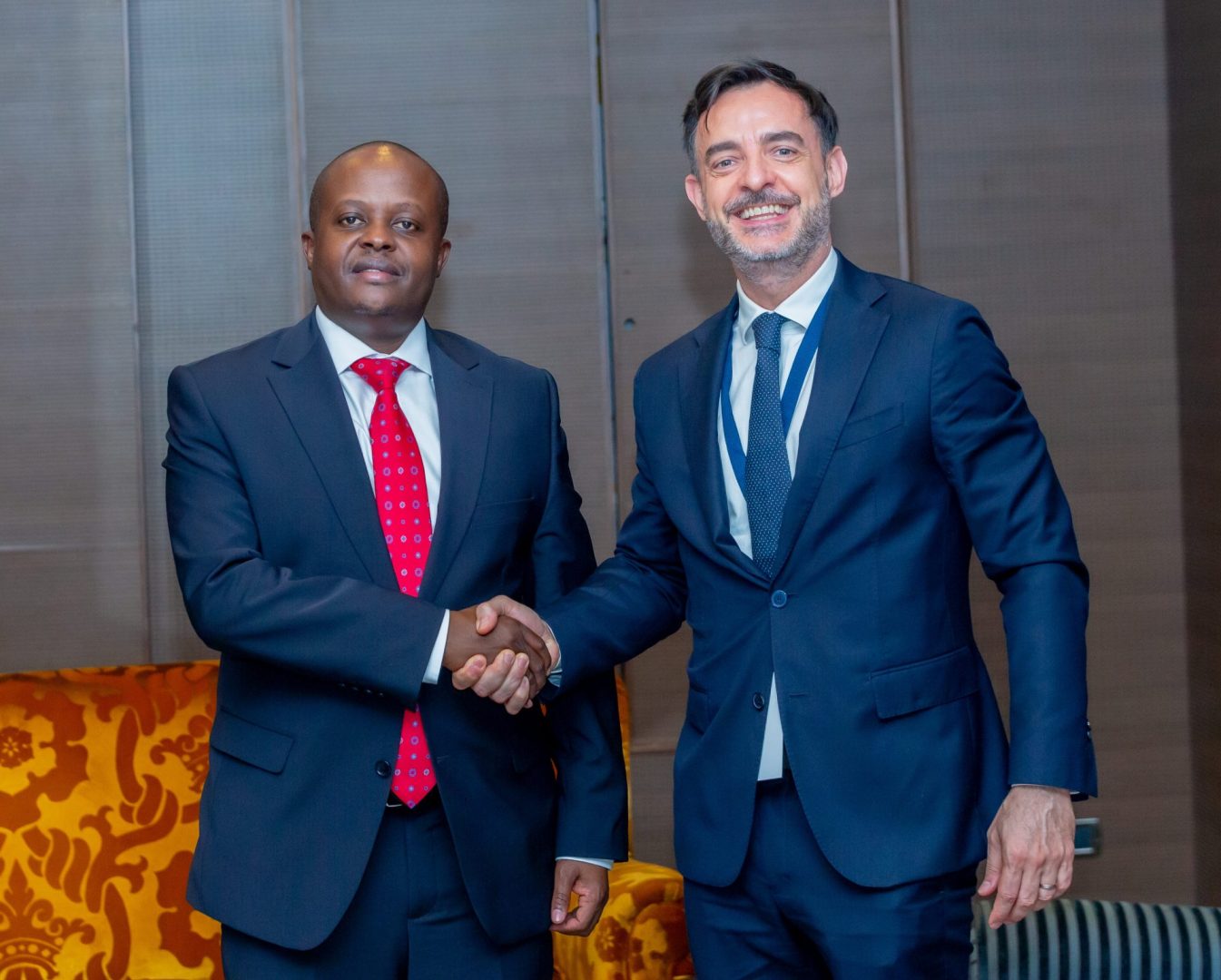
Invest Kenya CEO John Mwendwa with Laurent Franciosi – Head of International Market Development of Italy’s development finance institution, Cassa Depositi e Prestiti (CDP) during the Italy – Kenya Forum in Rome

Speaking at the forum, John Mwendwa, CEO of Invest Kenya, said: “Kenya is focused on building strong, long-term partnerships that unlock value across priority sectors of our economy. The Italy–Kenya Economic Forum provides a platform to connect investors with real opportunities on the ground. Sectors such as leather demonstrate the scale of opportunity available from raw material to finished product and the potential to deliver both commercial returns and meaningful economic impact.”

Invest Kenya continues to work closely with government agencies and private sector partners to facilitate investment, support project development, and position Kenya as a leading destination for global capital in Africa.

Your pension, Your pace: building lasting income after retirement

0

After decades of hard work, building careers, supporting families, and contributing to society, retirement marks a well-earned new chapter of life. It brings more time, more freedom, and a chance to focus on what truly matters. Yet for many, one question lingers quietly in the background: “Will my pension last as long as I do?”

When it comes to accessing your pension, there are generally three options. You can take a lump sum, receiving all or most of your savings at once. You can opt for an annuity, which converts your savings into a guaranteed monthly income for life. Or you can choose income drawdown, which allows you to keep your savings invested while drawing a flexible income over time.

Many retirees step into this phase with a mix of relief and uncertainty. After years of earning and saving, the challenge shifts from accumulation to sustainability. The temptation to take a lump sum, whether to meet immediate needs, invest in long-delayed plans, or support family, can be strong. But without a clear strategy, that once-in-a-lifetime payout can diminish faster than expected, eroded by daily expenses, unforeseen costs, or poor financial decisions.

The real question is no longer just how to access your pension, but how to make it work for you consistently, month after month. Retirement should be a season of dignity, independence, and peace of mind; not one overshadowed by financial strain.

That is why Equity Income Drawdown Fund offers a different approach to retirement. Instead of withdrawing your pension all at once, it allows you to keep your savings invested while receiving a steady and reliable income. Your money continues to grow even as it supports your lifestyle, helping your pension last longer and work harder for you.

Designed to reflect real-life needs across different professions and income levels, the Fund offers flexibility and convenience. You can choose how often to receive your income, monthly, quarterly, or annually, and adjust your withdrawals once a year, up to a maximum of 12% of your fund balance. This means your income can evolve with your circumstances, whether you are managing healthcare needs, supporting dependents, or pursuing personal goals and opportunities in retirement.

With the Equity Income Drawdown Fund, retirement becomes a structured and well-supported journey rather than a leap into the unknown. You gain access to personalized advisory services that help you design a drawdown plan aligned to your lifestyle, priorities, and long-term financial goals.

How you can get mortgage financing with your pension savings

Beyond the minimum 10-year investment period, you continue to receive guidance on your next steps. Whether you choose to withdraw your remaining funds, reinvest in another drawdown plan, or convert your balance into an annuity, you are equipped to make informed decisions. Meanwhile, your savings remain invested, continuing to generate returns even as you draw from them. If your situation allows, you can also defer withdrawals and give your investment more time to grow.

The Fund also gives you the flexibility to transfer your balance to another registered income drawdown fund once every five years, ensuring you retain control and choice over your retirement strategy.

Most importantly, it helps you safeguard your legacy. In the event of your passing, the remaining balance can be paid to your nominated beneficiaries, ensuring your loved ones are supported. You may also bundle your drawdown plan with life assurance solutions at cost-effective premiums, providing an added layer of financial security for your family.

Retirement should be a time to enjoy the rewards of your years of work; whether you built your career in education, business, public service, or any other field. It is a phase meant for freedom, purpose, and new opportunities, not financial uncertainty.

Through the Income Drawdown Fund, your pension becomes a sustainable income stream; one that supports your present while preserving options for the future. It allows you to maintain independence, meet your evolving needs, and protect what matters most.

After years of dedication and contribution, you deserve a retirement that is secure, flexible, and fulfilling. With the Equity Income Drawdown Fund, your pension continues to work for you,lasting longer, supporting your goals, and giving you peace of mind for the years ahead.

4 Kenyan Startups selected to join milestone 10th Google for Startups Accelerator Africa Cohort

0

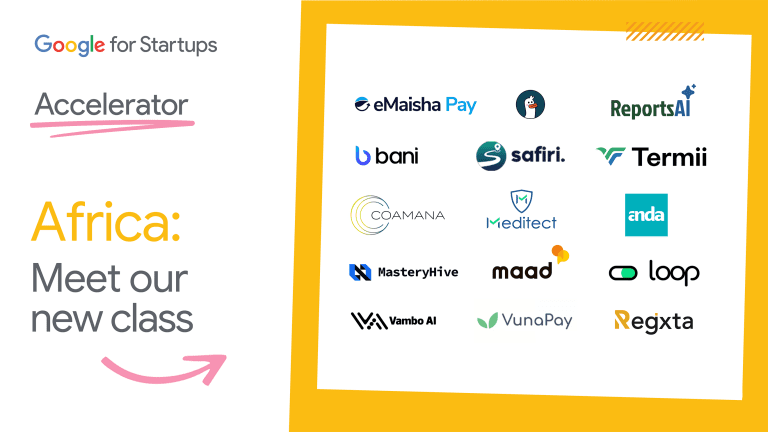
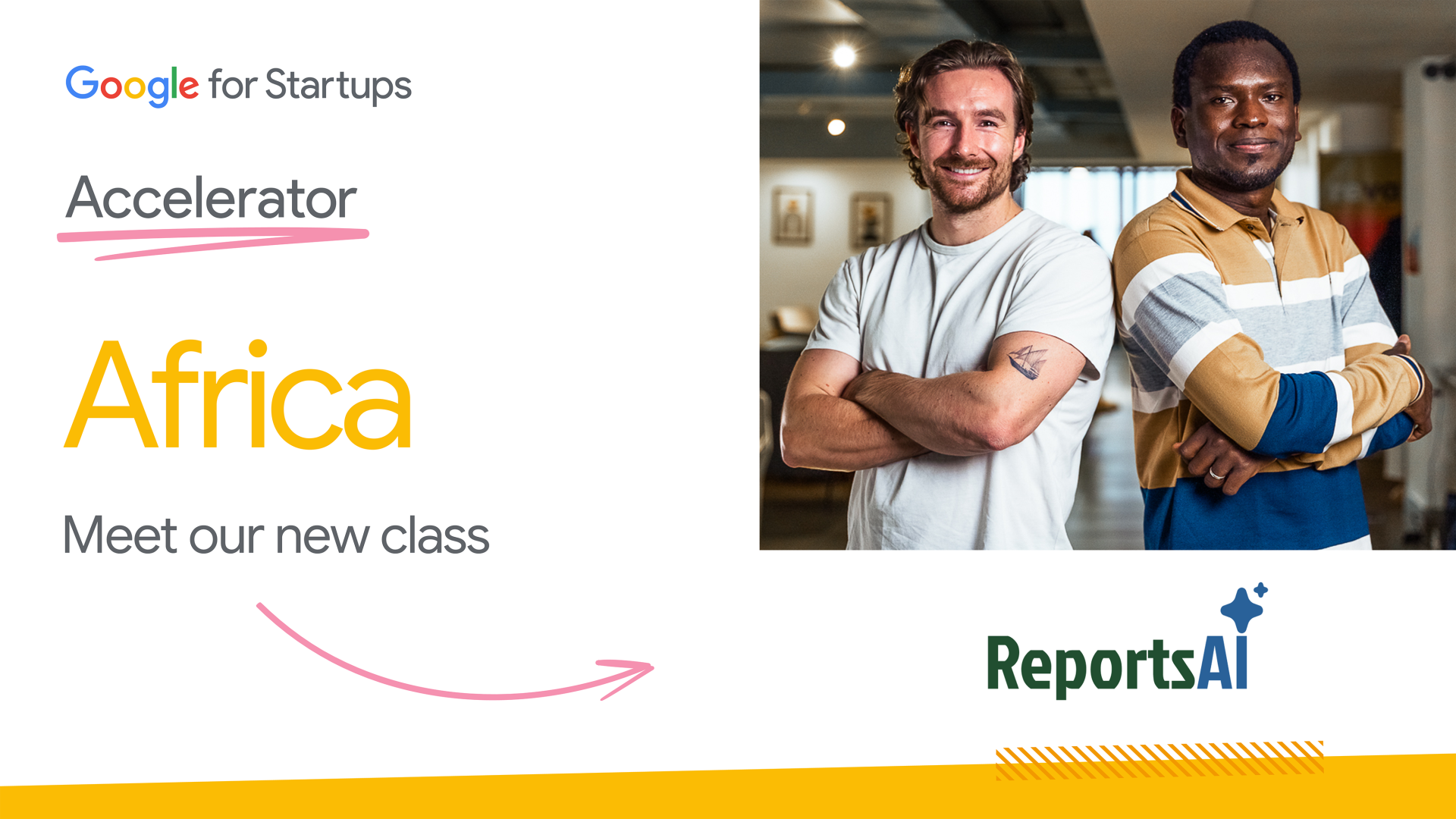
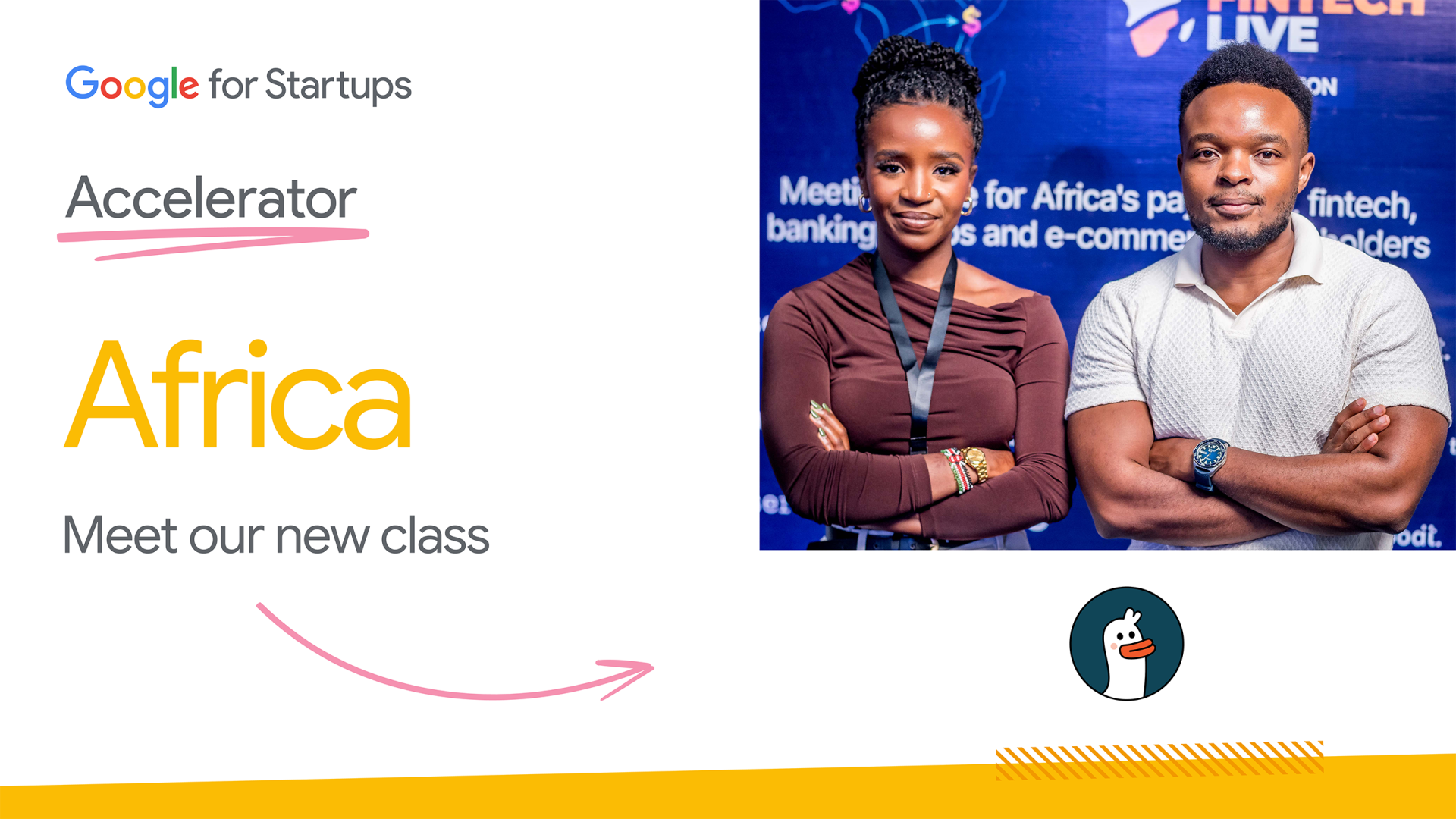
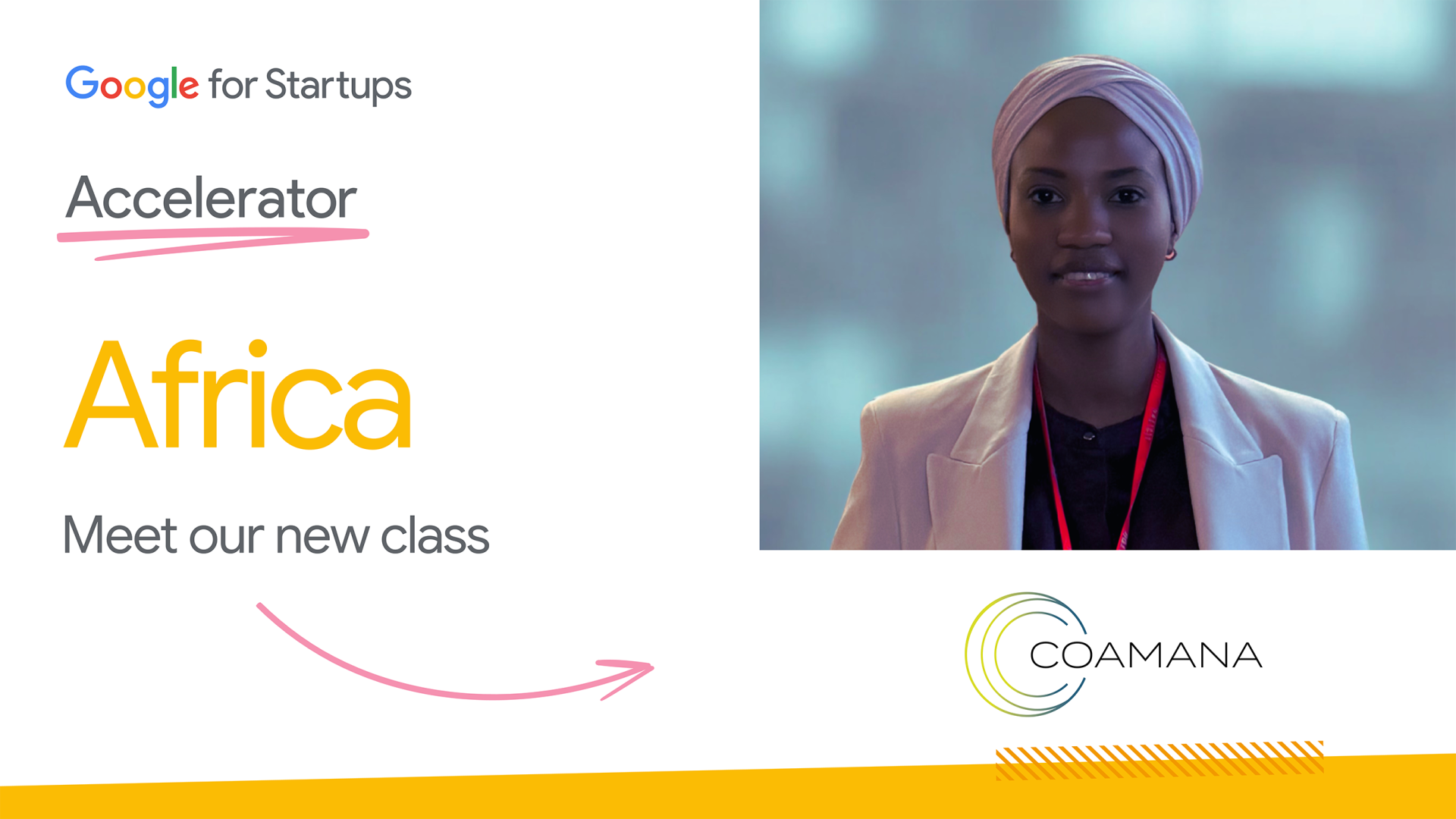
4 Kenyan technology startups, Comana, Duck, ReportsAI and VunaPay, have been selected to join the 10th cohort of the Google for Startups Accelerator Africa.

Chosen from an exceptionally competitive pool of nearly 2,600 applications, these innovators are part of a final pan-African group of 15 companies. With an acceptance rate of less than 1%, their selection highlights the immense technical talent and resilience emerging from Kenya’s digital ecosystem.

The selected Kenyan startups are utilizing Artificial Intelligence to address critical local and regional challenges:

  • Coamana: Builds technology that helps governments and market associations digitize informal food markets.
  • Duck: A real-time data intelligence platform giving consumer brands instant shop floor visibility to prevent stockouts.
  • ReportsAI: Helps impact organizations turn raw data into institutional knowledge and compliance-ready reporting through an AI-first platform.
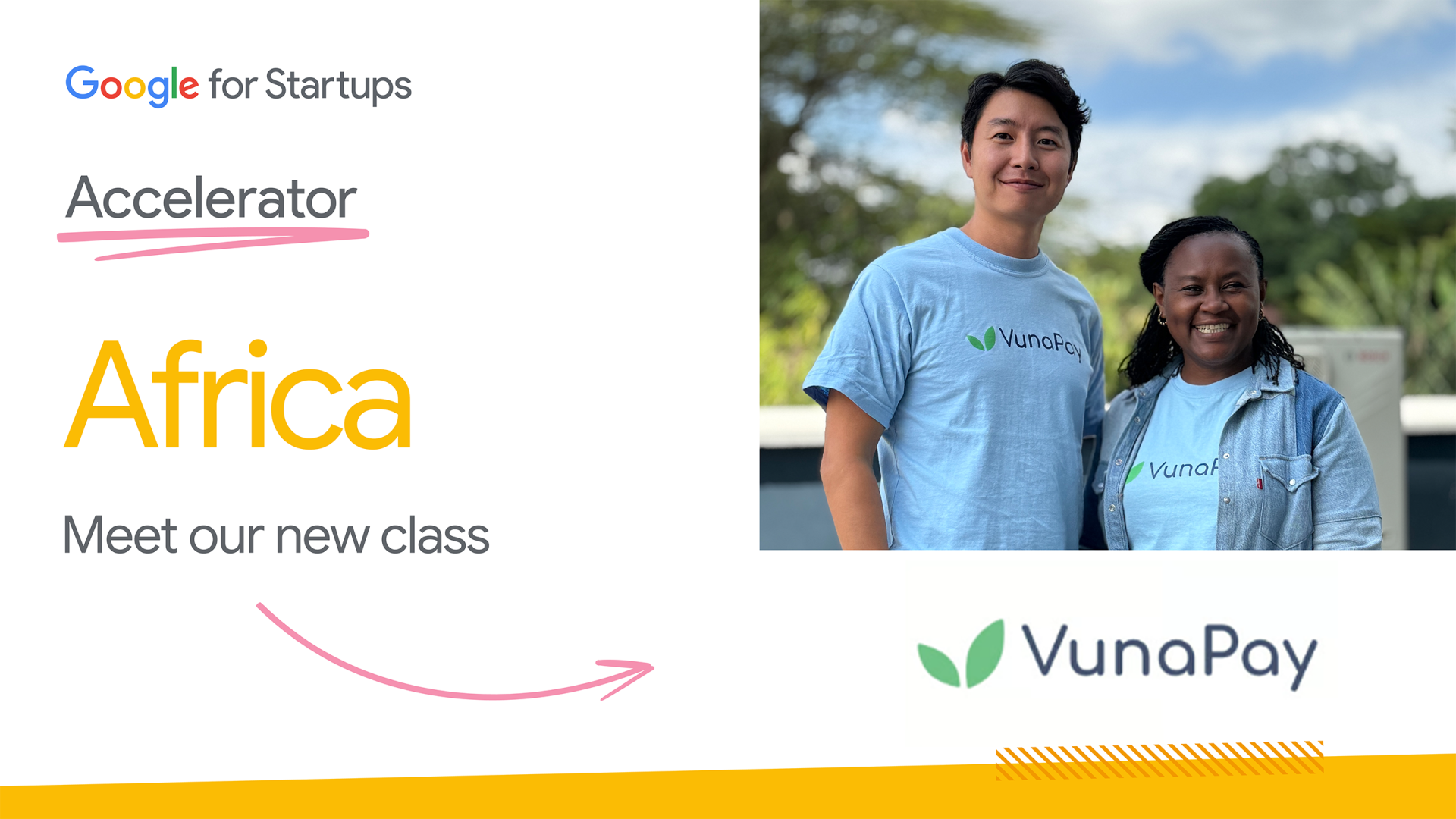
  • VunaPay: Builds fintech and data infrastructure for cooperatives, enabling instant payments and financial services for smallholder farmers.

Visa showcases African Fintech Startups as accelerator program exceeds 100 Startups

African tech founders are actively solving fundamental infrastructural challenges, bridging gaps in financial inclusion, healthcare, and supply chains with complex AI. The continent’s venture ecosystem showed remarkable resilience by raising $3.9 billion in 2025.

However, scaling deep-tech solutions requires specialized technical infrastructure, advanced cloud capabilities, and strategic mentorship to complement this capital. Accelerator programs provide these exact tools, ensuring local innovations can sustainably grow into businesses that power the continent’s digital economy.

Hafsah Jumare, CEO of Kenyan based-Coamana, noted: “Most food trade across Africa happens in traditional markets, but these markets remain largely invisible and unsupported. With MarketView, we’re building infrastructure to make them visible, using AI to interpret real-time data so businesses and governments can actually see what’s happening and act on it.

Through the accelerator, we’re focused on scaling this across more markets and strengthening the underlying data systems and integrations that make this intelligence usable at scale. Even in the first week, the technical mentorship and network provided have already been valuable in sharpening how we approach this.”

Kenyan Startups shine as USD15,000 in cash prizes awarded to High-Impact Ventures

“We are absolutely thrilled to welcome these exceptional founders into Class 10,” said Folarin Aiyegbusi, Head of Startup Ecosystem, Africa. “African startups are driving essential economic growth and social development. Our role is to serve as a supportive partner, providing these developers and founders with the technical infrastructure, mentorship, and global network they need to scale their solutions and amplify their real-world impact.”

Running from April 13th to June 19th, 2026, the hybrid program will provide the 15 startups with dedicated guidance from experienced mentors and industry experts, alongside hands-on technical workshops focused on AI and machine learning.

Since launching in 2018, the Google for Startups Accelerator Africa program has supported 106 startups from 17 African countries, empowering them to collectively raise over $263 million and create more than 2,800 jobs.

For more information on the full list of 15 startups participating in Class 10, please visit the Google Africa Blog.

Africa’s Energy Wealth: Why good governance must power a just transition

0

Africa’s energy challenge is not a shortage of resources. It is a shortage of governance that works.

The continent holds some of the world’s richest solar potential, vast wind corridors, major gas reserves, hydropower capacity, and critical minerals. Yet Africa still consumes less electricity per capita than in almost any other region. Millions of homes remain unconnected. Industries depend on diesel. Hospitals ration power.

Geology cannot explain this contradiction; only institutions can.

A fair energy transition for Africa will not be decided by how quickly we install solar panels or sign climate commitments. It will be decided by whether our governance systems can convert resources into reliable power, affordable access, and inclusive growth.

Governance is what determines whether projects reach completion or remain abandoned; whether contracts are honoured or disputed; whether investors stay or leave; and whether communities benefit or feel excluded.

Africa is not transitioning from abundance. We are transitioning from scarcity. In that reality, a fair transition must first deliver access, affordability, and reliability. Climate responsibility matters, but development responsibility matters just as much.

Africa’s green business opportunities are abundant, UNEP study shows

This is why good governance sits at the centre of Africa’s energy future.

Good governance doesn’t replace capital. It attracts it. It doesn’t generate power. It enables power generation to survive politics, currency shocks, and institutional uncertainty.

Across the continent, the evidence is clear. Where regulation is predictable, projects move.

Where procurement is transparent, financing costs fall. Where institutions are independent, investor confidence grows. Kenya’s clean energy progress, Senegal’s improving power sector credibility, and Uganda’s hydropower expansion came from institutional discipline, not ideology.

Namibia’s energy story is similar: where governance is steady, projects advance. With clear regulation and credible institutions, Namibia has built investor confidence in solar and wind, positioning itself as a disciplined player in Southern Africa’s clean energy transition.

Public budgets alone will never fund Africa’s energy transition. Private capital is essential and urgent.

But capital responds only to credibility. If policies change midstream, money flees immediately.

When politics overrides contracts, confidence collapses. Governance is a matter of economic survival.

Olkaria designated as Special Economic Zone, to provide low-cost geothermal energy

A just transition also demands honest balance. Africa’s energy transition cannot precede prosperity; hydrocarbons remain essential until it is secured. Natural gas remains a vital transition fuel. When properly governed, oil and gas revenues can fund renewable energy deployment, grid expansion, education, and healthcare.

The fairness of the transition is determined less by resource choice than by how revenues are managed and reinvested.

A just transition is one where:

  • Renewables expand access.
  • Gas stabilises grids.
  • Oil revenues fund diversification.
  • Local capacity is built.
  • Communities see lasting benefit.

Fairness is not speed. Fairness is inclusion.

Africa must not be asked to leapfrog over development stages that others climbed slowly, using the same resources we are now told to abandon. The transition must respect history while preparing for the future.

Governance goes beyond systems. It is about leadership. Leadership that protects institutions, resists short-term politics, and understands that energy is the backbone of national survival.

Africa’s energy wealth is real. But wealth becomes prosperity only when governance converts it into an opportunity for ordinary people.

Our sun will not develop us. Our gas will not industrialise us by accident.

Our wind will not educate our children.

Only governance, focused on fairness and development, can achieve this transformation.

Africa does not reject transition, but insists on one with justice, made possible by good governance.

We reject transition without justice.

And good governance is what makes a just transition possible.

KUCCPS invites applications for 31 KMTC courses [LIST]

0

The Kenyan Universities and Colleges Central Placement Service (KUCCPS) has opened applications for 31 courses at the Kenya Medical Training College (KMTC).

In a notice on Tuesday April, 21, KUCCPS invited learners seeking admission to KMTC campuses countrywide to submit applications.

The advertised courses include certificate and diploma programmes, with applicants set to be enrolled immediately.

“Interested in medical courses? Good news! KUCCPS and Kenya Medical Training College are giving you a chance to apply for diploma and certificate KMTC programmes for immediate intake,” the notice reads in part.

The advertised courses are:

Certificate Courses:

  1. Certificate in Community Health Assistant
  2. Certificate in Emergency Medical Technician
  3. Certificate in Health Insurance Management
  4. Certificate in Health Records and Information Technology
  5. Certificate in Medical Engineering
  6. Certificate in Nutrition & Dietetics
  7. Certificate in Orthopedic Trauma Medicine
  8. Certificate in Public Health

Diploma Courses

  1. Diploma in Clinical Medicine and Surgery
  2. Diploma in Community Health
  3. Diploma in Community Oral Health
  4. Diploma in Dental Technology
  5. Diploma in Emergency Medical Technology
  6. Diploma in Health Counselling
  7. Diploma in Health Insurance Management
  8. Diploma in Health Promotion
  9. Diploma in Health Records and Information Technology
  10. Diploma in Medical Engineering
  11. Diploma in Medical Laboratory Sciences
  12. Diploma in Medical Social Work
  13. Diploma in Mortuary Science
  14. Diploma in Nutrition & Dietetics
  15. Diploma in Occupational Therapy
  16. Diploma in Optometry
  17. Diploma in Orthopaedic Technology
  18. Diploma in Orthopedic & Trauma Medicine
  19. Diploma in Pharmacy
  20. Diploma in Physiotherapy
  21. Diploma in Public Health
  22. Diploma in Radiography & Imaging
  23. Diploma in Speech and Language Therapy

How to Apply

Interested candidates are urged to submit applications online via the KUCCPS online portal: students.kuccps.ac.ke by May 6, 2026.

Also Read: Full list of private universities eligible for HELB funding

Kenyan man builds AI platform, makes over Sh129 million in under 5 months

0

An Eldoret-born Kenyan entrepreneur based in the United States is making headlines after building a fast-growing healthcare technology platform that has generated more than Sh129 million in annual recurring revenue in under five months.

Allan Njoroge, a Kenyan innovator living and working in the US, is at the centre of a digital transformation that is reshaping how nurses and doctors access employment opportunities across America.

Njoroge is the founder of ShiftNex, an AI-powered healthcare staffing platform that connects medical professionals with job openings and urgent shift opportunities in different parts of the country.

The platform has quickly become a major player in the healthcare labour market, serving more than 5,000 healthcare workers and helping hospitals and medical facilities fill critical staffing gaps.

His success has attracted attention not only for the speed at which the business has grown, but also for its wider impact in creating employment pathways for healthcare workers in a sector that continues to face staffing shortages.

Before launching ShiftNex, Njoroge had already built a strong foundation in the industry through Actriv, one of the largest healthcare staffing agencies in Washington State.

“Njoroge founded Actriv Healthcare in 2017 with the goal of leveraging technology to connect nurses with available hours to local healthcare facilities. While enabling hospitals to help patients, Njoroge also wanted to give nurses more freedom, flexibility, stability and the chance to earn extra income,” Staffing Industry Analysts notes.

The experience exposed him to the persistent challenges hospitals face in recruiting skilled workers and the difficulties healthcare professionals encounter when seeking reliable placements.

That exposure, he says, shaped his understanding of the medical sector and inspired him to develop a technology-driven solution that responds directly to real-world needs.

In a remarkable twist, Njoroge has revealed that he built ShiftNex without having a coding background. Instead, he relied on Lovable, an artificial intelligence platform that allows users to create applications and websites by describing their ideas in natural language.

By outlining his vision and requirements, the system generated the platform’s structure and features, enabling him to develop a fully functional product without writing complex code.

“He used Lovable, a platform that allows users to build apps and websites by interacting with AI, to create the entire system. He simply described his vision, and the platform developed it, no heavy coding required. Today, ShiftNex serves as a lifeline for over 5,000 healthcare workers, connecting them to critical shifts across the country,” a post by the Kenyan Diaspora Media reads.

The rapid rise of ShiftNex highlights a growing trend in global entrepreneurship, where AI tools are lowering the barriers to entry for innovators and allowing individuals to launch scalable businesses faster than ever before.

“What keeps me up at night is the need to accelerate innovations and start making things better,” Njoroge says.

Also Read: Tim Cook to Step Down as Apple CEO: Strategic Lessons for Global and African Business Leaders 

Kenya Maritime Authority announces mass hiring: How to apply

0

The Kenya Maritime Authority (KMA) has announced a mass recruitment drive targeting professionals across various fields.

In a notice issued on Tuesday, April 21, the authority invited applications from qualified candidates to fill 77 vacancies.

The advertised positions include Assistant Director for Safety of Navigation and Investigation, Principal Legal Officer in Maritime Governance, and Principal Surveyor for Maritime Investigation and Receiver of Wreck.

Others are Principal Ship Surveyors (11), Principal Surveyor in Maritime Security, Navigation and Hydrography, Principal Auditor in Systems and Forensic Audit, Principal Resource Centre Officer and Principal Maritime Trade and Development Officer.

The authority has also advertised positions for Senior Maritime Transport Logistics Training Officer and Senior Ports and Shipping Services Officer, Ship Surveyors, Trainee Ship Surveyors, Marine Environment Officers, Surveyors in Maritime Security and Navigation, and Search and Rescue Officers.

KMA is also recruiting Merchant Shipping Fees Officers, Licensing and Seaborne Trade Officers, Maritime Labour Officers, Legal Officers specializing in maritime governance, Office Administrators, Auditors, Surveyors responsible for Seafarers Training Standards in Engineering, Supply Chain Management Officers, Accounts Assistants, an Assistant Office Administrator, and Office Assistants.

Interested and qualified candidates are directed to submit applications online through KMA’s recruitment portal by May 11 at 5:00 PM. Hard copies and email submissions will not be accepted.

Applicants are required to upload an application letter alongside a detailed curriculum vitae outlining academic qualifications, professional credentials, work experience, and membership in relevant professional bodies where applicable.

Other requirements include copies of certificates, a national identification document, valid contact details, and other testimonials.

KMA reiterated that it is an equal opportunity employer and encouraged applications from qualified individuals across all backgrounds, including youth, persons living with disabilities, and individuals from marginalized communities.

Only shortlisted candidates will be contacted. Successful applicants will be required to present valid compliance certificates from key government agencies, including the Kenya Revenue Authority, the Higher Education Loans Board, a registered Credit Reference Bureau, and a certificate of good conduct from the Directorate of Criminal Investigations.

Also Read: Nandi County announces 319 job vacancies: How to apply

Anzens and Credit Bank partner to explore crypto-based stablecoin settlement for banking in East Africa

0

Anzens, issuer of USDA, a dollar-backed stablecoin enabled by cross-border payments infrastructure, has partnered with Credit Bank PLC, a commercial bank licensed by the Central Bank of Kenya, to explore the integration of its solution into the bank’s services.

The initiative, which is currently in an exploratory phase and remains subject to ongoing engagement with the Central Bank of Kenya, seeks to assess how regulated stablecoin infrastructure could complement existing cross-border payment systems within a licensed banking environment. It reflects a growing interest in modernising international payments by bridging traditional finance with emerging blockchain- based technologies, in line with regulatory expectations.

If approved, a dollar-backed stablecoin could, for the first time in an emerging market, be distributed, minted and redeemed through a licensed commercial bank, and embedded within existing banking relationships. Rather than operating as a standalone crypto product, USDA would function as a payments infrastructure within the banking system.

The partnership with Anzens would enable Credit Bank’s account holders, subject to approval, to convert fiat currency to USDA and back, and to settle cross-border payments at a flat 1.5% fee regardless of corridor.

The Digital Economy in Kenya: The Crypto Betting Link

Transactions would be initiated through existing Credit Bank accounts, with automatic conversion to local currency at the destination and the option to convert back to fiat at any time. Credit Bank would act as custodian of funds in both Kenyan shillings and US dollars, providing a compliant bridge between conventional banking and stablecoin settlement, while the underlying blockchain remains invisible to end users.

Shantnoo Saxsena, CEO of Anzens, said: “Kenya is home to one of the most innovative financial ecosystems in the world, yet businesses here still pay some of the highest cross-border payment fees globally while waiting days for settlement. We are not asking banks to become crypto companies. We are giving them infrastructure that solves a real problem: a business in Nairobi trading with suppliers in Mumbai or Dubai should not pay 8% in fees and wait a week for payment to clear. With Credit Bank, that same transaction settles in minutes at 1.5%. That is what infrastructure is supposed to do.”

Anzens and Credit Bank partner to explore crypto-based stablecoin settlement for banking in East Africa

Kenya’s cross-border payment volumes are surging. Diaspora remittances hit a record $5 billion in 2024, according to the Central Bank of Kenya, surpassing tea and horticulture as a leading source of foreign exchange. However, the infrastructure supporting these flows has lagged behind demand. SWIFT-based correspondent banking routes transactions through three to five intermediary banks, each adding fees and delays, with settlement typically taking four to five working days. The World Bank estimates the global average remittance cost at 6.45%, rising to nearly 8% across Sub-Saharan African corridors, significantly impacting margins for importers and exporters trading across Asia, the Middle East and within Africa.

That gap between demand and infrastructure is already pushing users toward alternatives. Kenyans processed $3.3 billion in stablecoin transactions in the year to June 2024, while across the continent, stablecoins now account for 43% of all crypto transactions, driven by currency volatility, inflation and high cross-border payment costs. The demand is there, but the regulated banking infrastructure to support it has been scarce.

Crypto knows no borders — why should your money?

Betty Korir, CEO of Credit Bank PLC, said: “Credit Bank has always focused on providing our clients with the tools they need to compete internationally. Stablecoins are not speculative assets in this context; they are a settlement infrastructure that can move value across borders in minutes instead of days, at a fraction of the cost. By partnering with Anzens and acting as custodian for USDA, we are bringing that capability inside a regulated banking relationship, where it belongs.”

The biggest obstacle to stablecoin adoption in conventional commerce has not been the technology but converting between fiat and digital dollars through regulated channels. This partnership closes that gap by placing the full fiat-to-stablecoin-to-fiat cycle inside a licensed bank, removing the need for businesses to use crypto exchanges or unregulated intermediaries.

The integration also extends into tokenised real-world assets. Yeshara, which holds regulatory sandbox approval from Kenya’s Capital Markets Authority, is working alongside Anzens and Credit Bank to enable USDA as a payment option for tokenised real estate and commodity assets, with Credit Bank serving as custodian.

Anzens is the only provider that owns both a regulated stablecoin and a global payments network. USDA is fully backed by dollars and dollar equivalents, including US government treasuries, with institutional custody through BitGo Trust. The payment network spans more than 80 countries and 41 currencies, sourcing liquidity through regulated financial institutions. The company is dual-licensed in Lithuania and Dubai, with compliance infrastructure spanning KYC, KYT and institutional custody.

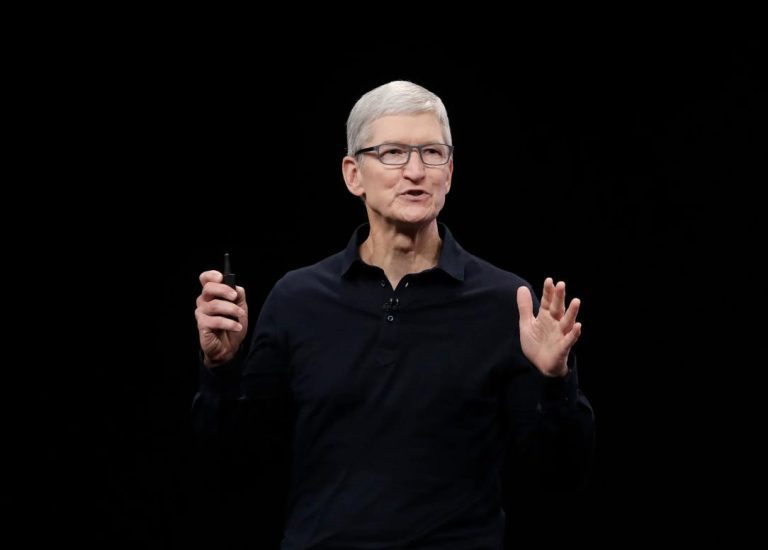
Tim Cook to Step Down as Apple CEO: Strategic Lessons for Global and African Business Leaders 

0

Tim Cook to Step Down as Apple CEO

In a significant leadership transition, Tim Cook has announced he will step down as Chief Executive Officer of Apple Inc. effective September 1, 2026, ending a 15-year tenure at the helm of one of the world’s most valuable companies.

Cook will transition into the role of Executive Chairman, maintaining strategic oversight and continuity at board level.

He will be succeeded by John Ternus, Apple’s Senior Vice President of Hardware Engineering, marking a carefully planned internal succession.

The End of a Transformational Era

Cook took over leadership in 2011 from Steve Jobs, inheriting a company already known for innovation but still heavily dependent on the iPhone.

Under his leadership, Apple evolved into a diversified global ecosystem business:

  • Became the first company to reach $1 trillion, then $2 trillion and beyond in market valuation
  • Expanded into new product categories such as wearables (Apple Watch, AirPods)
  • Built a services division generating over $100 billion annually
  • Strengthened global supply chain resilience and operational efficiency

More critically, Cook institutionalized Apple—shifting it from founder-led brilliance to process-driven scalability.

Namsia: 3 phases of a retirement plan you need for a good lifestyle after retiring

Why This Transition Matters

1. Planned Succession, Not Crisis Management

This is not a reactive leadership change. Apple’s board approved the transition following a long-term succession plan.

For serious businesses, this is the benchmark: leadership transitions should be engineered, not improvised.

2. Internal Talent Pipeline Wins

Ternus represents continuity. He has spent over two decades inside Apple’s product ecosystem.

This reinforces a key lesson:
High-performing organizations build leaders internally before they need them.

3. Governance Evolution

Cook’s move to Executive Chairman mirrors a governance model seen in global corporates—where outgoing CEOs retain strategic influence while enabling operational renewal.

Who is John Ternus?

John Ternus is an engineer by training and has led Apple’s hardware engineering teams, overseeing core products including iPhone, Mac, and emerging technologies.

His appointment signals Apple’s continued prioritization of product excellence and engineering-led leadership.

‘I regret nothing’ – Apple cofounder Ronald Wayne on selling $800 stake in 1976, worth $94 billion now

Strategic Implications for Apple

The transition comes at a critical moment for Apple:

  • Intensifying competition in AI and next-generation computing
  • Regulatory pressures globally (privacy, antitrust, digital markets)
  • Slowing smartphone growth and need for new revenue drivers

Ternus will inherit a structurally strong company—but one that must define its next innovation curve.

Lessons for African Entrepreneurs and Business Leaders

This transition offers practical insights relevant across markets:

1. Build institutions, not personalities

Founder dependency limits scale. Cook proved that systems outperform charisma over time.

2. Invest in succession early

Leadership gaps destroy value faster than market competition.

3. Operational excellence compounds value

Cook was not a “product visionary” in the Jobs mold—but he built the most efficient technology company in history.

4. Separate ownership, governance, and management

Mature companies distinguish these roles clearly. That is how longevity is achieved.

I have Sh900k retirement savings. How can I get to Sh10 million in 15 years

Lessons for African Entrepreneurs and Founders

The transition offers grounded insights for growth-stage and founder-led businesses:

1. Institutionalize early

Move from personality-driven leadership to process-driven systems before scale exposes weaknesses.

2. Build leadership depth

Strong companies develop at least two layers of leadership beyond the founder.

3. Separate roles over time

Founder, CEO, and board chair should not remain permanently fused in scaling businesses.

4. Operational excellence is a competitive moat

Markets reward consistency and reliability, not just innovation.

Tech giants Apple’s $3.02 trillion networth higher than GDP of 48 African countries combined

Lessons for African Corporate Leaders

For executives running banks, telcos, FMCGs, and state-linked enterprises across Africa, the implications are more structural.

1. Treat succession as a strategic priority, not a governance formality

Across many African corporates, CEO transitions are still event-driven—often triggered by retirement, crisis, or political shifts. Apple demonstrates that succession must be a continuous board-level agenda with measurable readiness metrics.

2. Strengthen board independence and competence

Effective transitions require boards that are technically informed, independent, and assertive. Weak boards produce weak transitions. Strong boards shape leadership pipelines years in advance.

3. Build internal executive pipelines deliberately

Over-reliance on external hires signals failure in talent development. Institutions like Safaricom PLC and Equity Group Holdings have shown that internal leadership grooming improves continuity and market confidence.

4. Align leadership with long-term strategy, not short-term optics

Leadership changes should reflect strategic direction—digital transformation, regional expansion, or operational efficiency—not optics or political compromise.

5. Embed governance beyond compliance

Many firms treat governance as regulatory obligation. High-performing companies treat governance as a value creation system—covering capital allocation, risk management, and leadership continuity.

6. Plan for dual roles during transition phases

The Executive Chairman model used by Apple provides stability while allowing a new CEO to operate. African corporates can adapt this selectively, particularly in founder-influenced or family-linked businesses.

7. De-risk key-man dependency

A recurring weakness across African enterprises is over-centralization around a single leader. This constrains scale and weakens investor confidence. Structured delegation and leadership redundancy are essential.

Conclusion

Tim Cook’s exit as CEO is not just a leadership change—it is a case study in disciplined corporate stewardship.

He leaves Apple stronger, larger, and more resilient than he found it. The real test now shifts to John Ternus: not to replicate the past, but to define Apple’s next decade.

For business leaders, the takeaway is straightforward:
Enduring enterprises are not built on moments of brilliance, but on systems of continuity, accountability, and prepared leadership.