

Home Blog Page 79

Single Bets vs Parlays: Which Is Better?

0

Within the absolute smorgasbord of events and phenomena within them to bet on, the world of sports betting has evolved to become very rich indeed. Traditionally, all you could do was pick the winner of a particular matchup. Now, you can even bet on whether a squirrel will run out onto the field. Not only that, but those who choose to chase the adrenaline have an additional option in the sports world that they get playing roulette – betting to win the whole enchilada.

Everybody is different, and so is their appetite for risk and entertainment needs. However, as people just start getting their feet wet with sports betting, they hear about these fancy parlay bets. So what gives? Are they better, and do they pay off? That’s up to each person to decide upon informing themselves on the deal.

The Single Bet

This form of betting is as simple as it sounds – the oldest of its kind. All you do is wager some amount of money on the Odds 96 app, regarding one particular outcome. If you wish, you could place bets on lots of different events at once, and if you win more money than you lost, you win overall. That means they have a low level of risk. Since you’re throwing in bets separately, as single bets at a time, it’s easy to play incrementally and extend your playing time for months on end. Managing your money is usually not much of a problem.

One of the under-appreciated advantages of single bets is that since you’re only focusing on one outcome, you can filter for phenomena in which you personally feel you have in-depth information. You might have followed a batsman your whole life and feel like you know every one of his little tendencies, such as how he fares with yorkers and whether he normally comes through under pressure. You know how his capability of hitting the ball if bowled farther away from him, given the scenario of a bowler known for throwing in that area.

The main downside with these though is the mild upside. Sure, you won’t lose too much money at once, but you’ll never smash a serious piñata either.

Types of Sports Bets Popular in Kenya

Single Bets vs Parlays: Which Is Better?

What distinguishes parlays from the ordinary one-off bet is they involve putting two or more distinct bets into one bet, each of these termed as separate “legs”, thereby turning everything into one huge bet. The main catch is you have to win them all. If you parlay 5 bets into one and then win 4 of them – too bad – you walk away with nothing. But you can dare to dream that you might run the table on every single one and get showered with cash.

Needless to say, the risk is big. You could easily flush a lot of money down the toilet. In fact, that’s by far what’s probably going to happen. Frankly, the truth is professional gamblers almost never opt for the parlay.

Popularity

These kinds of bets are all the rage. There are lots of promotions for them, especially on social media. People post photos of massive winning tickets and go viral, feeding into people dreaming big, even if far more people lose than win. Sportsbooks are able to afford lavish lounges and flashing betting floors.

Often, the true odds don’t actually get paid out enough. A parlay of four, five, or six legs often has a house edge of 15-30% of more. The common recommendation is to stick to two-leg parlays at most. In that case, you get the opportunity for a big payout while keeping the odds decent.

Casino Games in Kenya: Every Category Available to Kenyan Players in 2026

How the Math Works

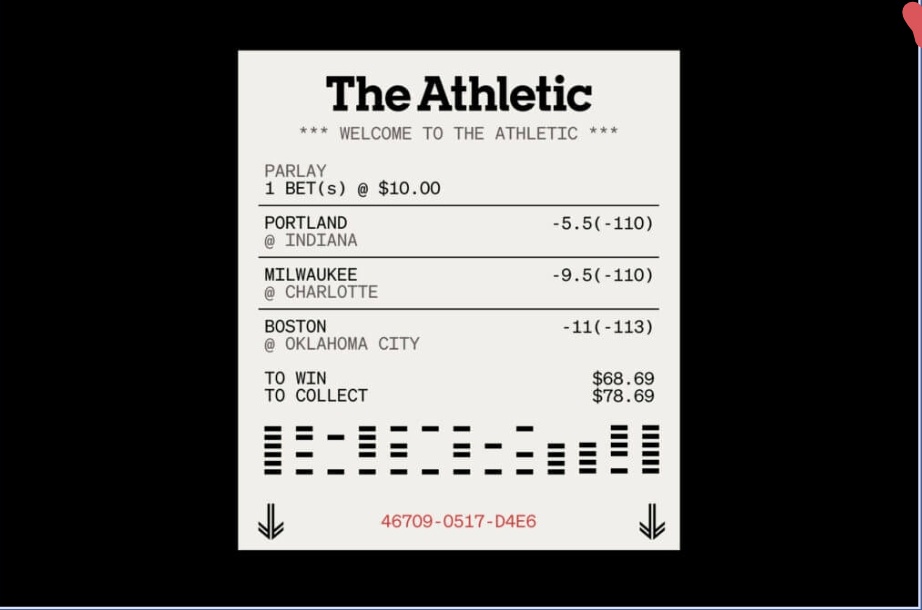
Suppose you’ve got a bettor who wants to wager on $150 on different soccer and tennis outcomes this week. They combine 3:

Barcelona to win 1-.5 goals (-110)

Novak Djokovic to win his tennis match (-110)

The Los Angeles Lakers to cover +5.5  points in an NBA game (-110)

The bettor could place three separate simple bets of $50 each, and if all three won, they’d take in a humble $50 profit off of each one. Instead though, if they wished, they could parlay all those together. That would yield a +600 odds. A $50 wager on a winning parlay would fetch a payout of nearly $300 – a big payday; however, the odds of that actually happening? A puny 14%. Compare that to the 50% odds you get in individual bets.

Entertainment Factor

As you can see, you don’t have to limit your parlay within a single sport. You can get super creative with it, and that’s one of the reasons why parlays are best viewed in the context of just blowing off steam and letting go of a bunch of money just for the heck of it. So you can bet on Manchester United to kick 4 goals, Christian McCaffrey to score a touchdown, Aaron Judge to hit a home run, and Anna Kurnikova to win her match..

One of the problems with this is with so many different events, it’s hard to really acquire in-depth knowledge on each of them in order to ascertain that you, in fact, have an edge. One solution is to use correlated bets – parlaying bets together that all play out within a tight domain, the likelihood of one increasing the chances of the other happening. But sportsbooks are astute to these attempts, and they pay out less for them. That said, last year a parlay bettor won almost $850,000 off of a $15 bet, so the sky’s the limit.

The History of Gambling: From Ancient Dice Games to the Digital Betting Boom

How to Place a Parlay

This is done in the exact same way as you’d place a normal bet, except that you add multiple legs to the same bet slip. The odds are calculated by the sportsbook for you automatically, and if the odds are to your liking, you either confirm the wager or cancel.

Same-Game Parlay

This would combine multiple bets from the same game, including things like the point spread, totals, and prop bets based on particular players. This could be a basketball player racking up 30+ points plus the same one notching 10 or more assists in the same game.

Teaser

People go this route if they want to bet on their favorite team, but they don’t like the odds given in normal bets, since winning the bet would require covering the spread on top of winning due to the expectation that they’ll win anyway. The catch is that the payout will be reduced in the case they win.
Single Bets vs Parlays: Which Is Better?

Round-Robin Parlaya

Here, you combine multiple parlays from the same set of selections. Suppose you like three tennis players – you could create every possible two and three-player parlay combination on one ticket. That gives you some coverage even if not all bets hit.

Pin Up Africa App Review: Betting and Casino Experience on Smartphone

Identify Your Goal

Amidst all of this, the main thing is to ask yourself what you’re in sports betting for in the first place. Is your intent to make money, to strike untold wealth, or are you striving for elite-level entertainment? Single bets are built around control, angling for you to use your knowledge to slant outcomes slightly in your favor.

You can grind out a life like that and potentially make a profit. It’s not flashy, but you can indeed assert yourself an edge doing that. As for parlays, they’re about amplification and chasing everything at once to get that big cash avalanche so that everything feels worth it. Even if parlays may feel smarter and flashier though, the math is definitely against you. The more legs you add, the more ways you add to lose.

 

Equity Bank’s Shaba loan targets women startups with instant financing of up to Sh3 million

Women entrepreneurs across Kenya continue to shape the country’s economic landscape, running enterprises that create jobs, improve household incomes and drive innovation at the grassroots.

Yet, for many start-ups, access to timely and affordable financing remains one of the biggest barriers to turning promising ideas into sustainable businesses.

It is within this reality that Equity Bank’s Shaba loan product has steadily positioned itself as a practical financial solution tailored for women-owned start-ups, particularly those still in their early stages of establishment.

Unlike traditional lending models that may require lengthy processes and extensive collateral, Shaba has been designed to respond to the urgent financing needs of businesses that have been operational for less than 12 months.

The product provides women entrepreneurs with access to instant mobile loans ranging from as low as Sh100  to Sh3 million, accessible conveniently through the Equitel line, the Equity Mobile App, or via USSD 247#.

Beyond quick loans, Shaba also offers structured financial support for women seeking to scale. Entrepreneurs can access tailored business loans of up to Sh10 million, backed through a 100 per cent cash guarantee provided by individuals, such as family members or friends.

For businesses dealing with procurement and supply contracts, Shaba also offers up to 80 percent LPO financing, giving entrepreneurs the capacity to fulfil large orders without straining cash flow.

The beauty about Shaba is that it’s not solely built around credit access. The product has evolved into a broader support package that combines financing with lifestyle and business-enabling services aimed at strengthening entrepreneurs over the long term.

Subscribers can access an affordable health cover for themselves and their families from as low as Sh5,800 per year, offering an added safety net that many small business owners often overlook.

In addition, users access debit card services, including the Equity card, Mastercard or Visa Classic, accepted both locally and internationally, enabling seamless payments.

The product also opens doors to credit card services, including the Equity American Express Green credit card or Visa Classic credit card, with limits of up to Sh300,000.

With the rise of digital commerce and cross-border business, Shaba-linked accounts can also be connected to PayPal, allowing entrepreneurs to withdraw PayPal funds directly into their Equity accounts.

This is particularly beneficial for women in online business, freelancing, and service-based enterprises serving global markets.

Equity Bank has further strengthened the offering by providing women entrepreneurs with free payment collection options through the One Equity Till Number, enabling businesses to receive payments from mobile money platforms such as M-Pesa, Airtel, and other banks at no cost.

This not only reduces transaction expenses but also enhances transparency and record-keeping, which are essential for business growth and loan qualification.

Equally significant is the non-financial support attached to the product. Women enrolled under Shaba can access business and entrepreneurship training, mentorship and networking opportunities, and exposure to top performers across key sectors such as agriculture, education, health, and other high-impact industries.

For many women entrepreneurs, Shaba represents more than a loan facility. It offers a structured path to grow from a micro start-up into a more stable and scalable enterprise, with the possibility of “graduating” to higher levels of financing and business support as operations expand.

Women startups interested in joining Equity Bank’s community of empowered women and unlock tailored financial solutions can do so online via the lender’s Fanikisha portal, or visit the nearest Equity Bank branch countrywide.

Also Read: Equity Bank launches digital FX solution as Kenya’s forex market hits $12.5B

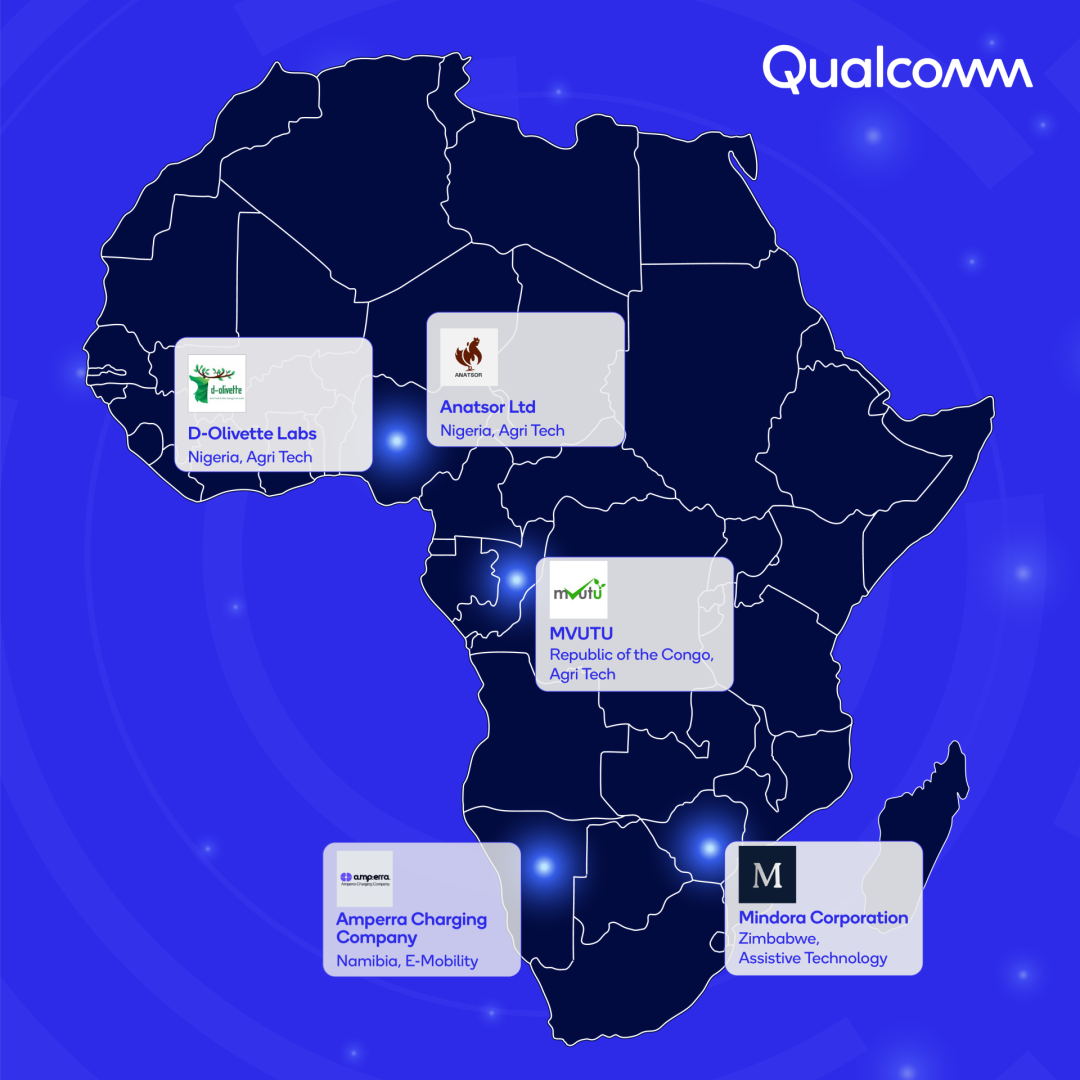
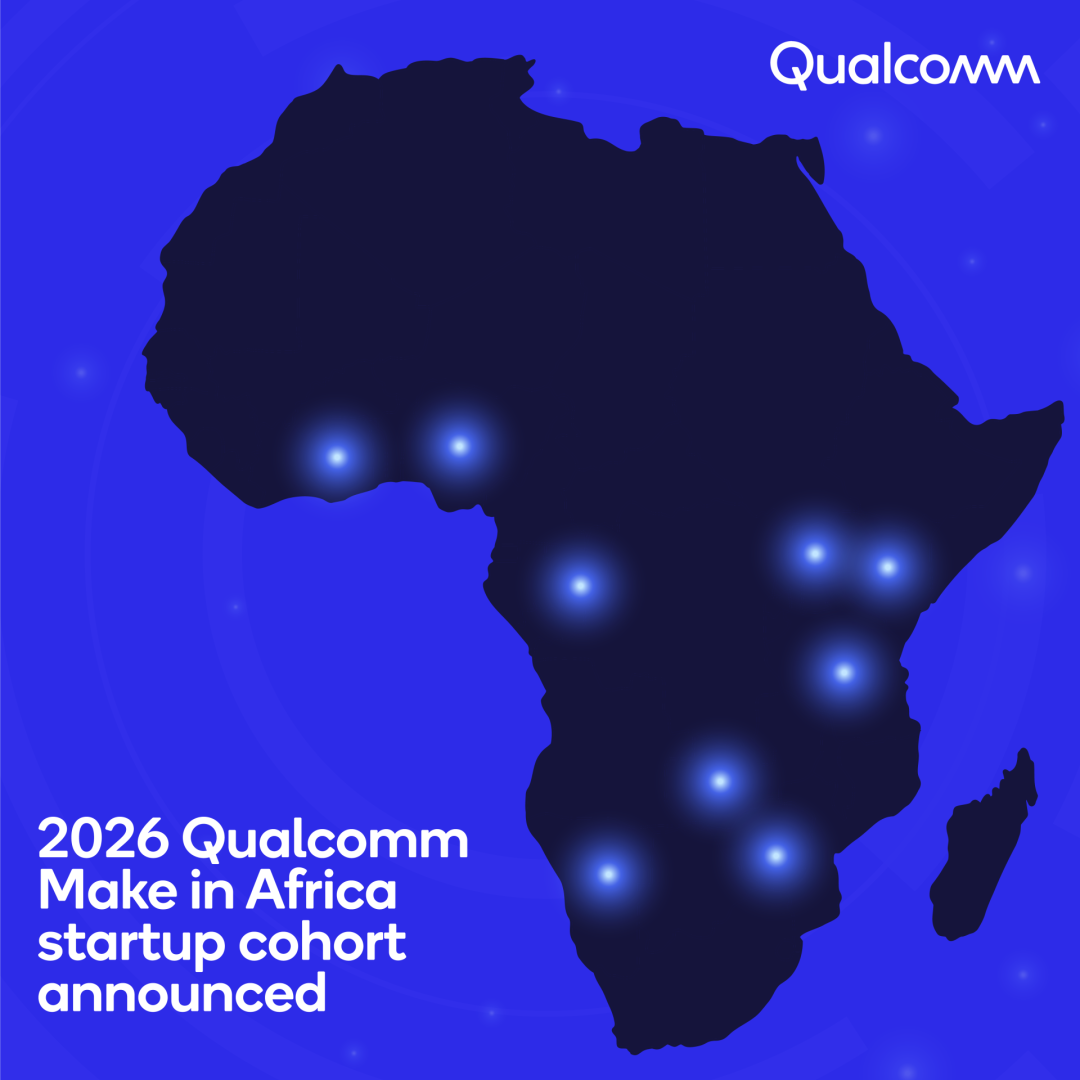
Kenyan Startup Zerobionic selected for Qualcomm’s 2026 Make in Africa Programme

0

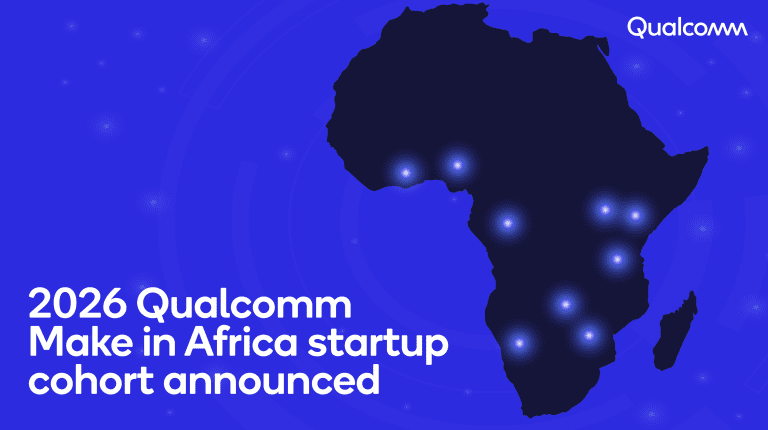
A Kenyan startup has been selected for Qualcomm’s prestigious 2026 Make in Africa Mentorship Programme, after a highly competitive process that drew more than 1,200 applications from over 45 African countries.

The startup, Zerobionic, is among just 10 ventures chosen for this year’s cohort and is the only company from Kenya in the programme.

Zerobionic is developing assistive robotics solutions aimed at improving independence, mobility, and inclusion for persons living with disabilities, an area that is increasingly attracting global attention as accessible technology becomes a major growth frontier.

The selection is another strong signal of Kenya’s growing influence in Africa’s deep-tech and innovation ecosystem.

Qualcomm programme targets Africa’s next technology leaders

Now in its fourth year, Qualcomm’s Make in Africa programme is part of the broader Qualcomm Africa Innovation Platform, which supports early-stage startups building transformative technologies across the continent.

The programme offers selected startups access to:

  • Engineering and technical mentorship
  • Business growth coaching
  • Product development support
  • Intellectual property education
  • Patent filing guidance
  • Funding opportunities

At the end of the programme, one startup will receive a Social Impact Fund grant through Qualcomm for Good, while all participating startups who complete programme requirements will be eligible for a $5,000 stipend.

This support is particularly critical for startups operating in advanced technology sectors where research, prototyping, and market validation require significant capital and expertise.

Visa showcases African Fintech Startups as accelerator program exceeds 100 Startups

What this means for Kenya’s startup ecosystem

Zerobionic’s selection goes beyond a single company success story.

It reinforces Kenya’s position as one of Africa’s most important startup and innovation hubs.

For years, Kenya has dominated conversations around fintech and mobile payments. However, this latest development reflects a deeper evolution of the ecosystem into high-value frontier technologies such as robotics, artificial intelligence, smart systems, and assistive innovation.

This matters for three reasons.

First, it demonstrates that Kenyan founders are increasingly building intellectual property-led businesses.

Second, it shows that the local ecosystem is producing ventures capable of competing continentally in highly technical sectors.

Third, it strengthens investor confidence in Kenya’s capacity to incubate scalable innovation beyond traditional software and digital services.

In strategic terms, this is the direction that creates durable enterprise value and long-term economic impact.

Kenyan Startup Zerobionic selected for Qualcomm’s 2026 Make in Africa Programme

Qualcomm highlights rapid growth of African innovation

Commenting on the announcement, Qualcomm’s Senior Vice President and President for Middle East and Africa, Wassim Chourbaji, said the 2026 cohort reflects the rapid growth of Africa’s innovation landscape.

“The quality and ambition of this year’s cohort reflect the rapid growth of Africa’s innovation ecosystem.”

He added that startups across the continent are increasingly leveraging advanced technologies to solve real-world challenges at scale.

Other startups selected in the 2026 cohort

Other startups selected for the 2026 programme come from:

  • East Africa – Kenya, Uganda, Tanzania and Republic of the Congo
  • Southern Africa – Zambia, Namibia, Zimbabwe
  • West Africa – Nigeria and Ghana

They operate across sectors including agriculture, water access, electric mobility, aquaculture, and smart infrastructure.

The bigger picture

For Kenya’s entrepreneurship landscape, Zerobionic’s selection is an important reminder that the future of enterprise leadership will increasingly be defined by innovation depth, social relevance, and intellectual property creation.

The markets that endure are rarely built on hype alone. They are built by founders solving hard problems with scalable systems and disciplined execution.

That is where lasting impact and legacy are formed.

Kenyan Startup Zerobionic selected for Qualcomm’s 2026 Make in Africa Programme

Banks with the cheapest loans in 2026 and their lending rates

The Central Bank of Kenya (CBK) has published loan interest rates charged by Kenyan commercial banks as of February 2026.

According to the latest CBK data, the average commercial bank lending rate ranged from 10.21 percent to 19.05 percent in February 2026, while deposit rates ranged from 3.88 percent to 11.45 percent.

Citibank N. Kenya had the lowest lending rates at 10.21 percent, followed by Standard Chartered Bank Kenya Limited at 12.07 percent.

On the other hand, Access Bank (Kenya) PLC had the highest lending rate at 19.05 percent, followed by Credit Bank PLC at 18.41percent and Bank of Africa Kenya Limited at 18.20 percent.

Below is the list of Kenyan Banks and their lending rates (cheapest-expensive).

Bank Name Lending Rate
Citibank N.A Kenya 10.21
Standard Chartered Bank Kenya Limited 12.07
Stanbic Bank Kenya Limited 12.12
Habib Bank A.G Zurich 13.51
Guardian Bank Limited 13.79
ABSA Bank Kenya PLC 13.87
Bank of Baroda (Kenya) Limited 13.87
Prime Bank Limited 13.97
Consolidated Bank of Kenya Limited 13.99
Paramount Bank Limited 14.00
Gulf African Bank Limited 14.15
Bank of India 14.28
Victoria Commercial Bank PLC 14.34
Diamond Trust Bank Kenya Limited 14.45
Premier Bank Kenya Limited 14.69
I&M Bank Limited 14.82
M-Oriental Bank Limited 14.97
Equity Bank Kenya Limited 14.98
KCB Bank Kenya Limited 15.19
Kingdom Bank Limited 15.19
Ecobank Kenya Limited 15.22
Guaranty Trust Bank (K) Ltd 15.26
African Banking Corporation Limited 15.36
NCBA Bank Kenya PLC 15.42
Commercial International Bank (CIB) Kenya Limited 15.43
Co-operative Bank of Kenya Limited 15.45
UBA Kenya Bank Limited 15.50
National Bank of Kenya Limited 15.64
Sidian Bank Limited 15.88
Family Bank Limited 15.98
DIB Bank Kenya Limited 16.40
Middle East Bank (K) Limited 16.44
Development Bank of Kenya Limited 16.49
HFC Limited 17.39
SBM Bank Kenya Limited 17.71
Bank of Africa Kenya Limited 18.20
Credit Bank PLC 18.41
Access Bank (Kenya) PLC 19.05

Also Read: DTB launches contactless wearables, pioneers tap-and-pay innovation in Kenya

Gone too soon: Financial sector mourns the death of Momentum Credit founder

0

Kenya’s financial sector is mourning the death of Job Kariru Muriuki, the Founder and Chief Executive Officer of Momentum Credit, a lending firm that has steadily built a reputation for offering flexible financing solutions to individuals and small and medium enterprises (SMEs).

Muriuki passed away on April 2, 2026, at the age of 41, while undergoing treatment in Chennai, India.

His death marks the loss of a young but highly influential entrepreneur whose sharp intellect and strategic leadership helped reshape access to credit for many Kenyans.

Born on November 7, 1984, Job Muriuki’s academic journey reflected an early promise of excellence. He attended Nairobi Academy, where he pursued his International General Certificate of Secondary Education (IGCSE) between 1997 and 2001.

He later moved to the United Kingdom and joined Brighton College, completing his A Levels from 2001 to 2003.

In 2003, Muriuki enrolled at the University of Cambridge, Downing College, one of the world’s most prestigious academic institutions.

There, he pursued a Bachelor of Arts (Hons) and a Master of Engineering, specializing in Mechanical Engineering, Environmental Engineering, and Business Management, completing in 2007.

His pursuit of professional growth did not stop at engineering. In 2012, Muriuki earned the Chartered Financial Analyst (CFA) designation after completing the rigorous CFA program at the CFA Institute, further strengthening his credentials in finance, investment, and corporate strategy.

Muriuki began his career in London as a management consultant at Marakon, a boutique strategy consulting firm known for advising high-level corporate executives.

During his time there, he worked across multiple industries, offering advisory services to senior leaders of multinational companies including BP and British Telecom.

The experience exposed him to global best practices in corporate governance, business strategy, and long-term planning, skills that would later become central to his success in Kenya’s financial and investment sector.

In 2008, Muriuki returned to Kenya and joined Centum Investment Company as a Principal. At Centum, he played a critical role in implementing strategic initiatives across the firm’s investment portfolio.

His contributions were widely felt. He led the consolidation of Centum’s Coca-Cola bottling interests into Almasi Beverages, a move that strengthened operational efficiency and corporate alignment within the portfolio.

He was also instrumental in high-profile acquisitions, including Platinum Credit and K-Rep Bank, the latter of which was later rebranded to Sidian Bank.

Founding Momentum Credit

In 2017, Muriuki founded Momentum Credit, a lending firm that provides affordable and tailored credit for individuals and SMEs.

At a time when many traditional banks remained cautious and bureaucratic in lending to smaller businesses, Momentum Credit positioned itself as a solution-driven institution.

Under Muriuki’s leadership, the company expanded rapidly, developing innovative financing products and supporting sectors often underserved by mainstream financial institutions.

Kenyans mourn Muriuki

Following his death, Kenyans have taken to social media to share condolences messages describing him as a visionary leader and a mentor.

“I had the privilege of knowing Job for many years, from his university days and of working with him from 2008, when he returned to Kenya after graduating with a first-class honors degree in engineering from Cambridge University and working with a management consultancy firm in the UK, and joined Centum,” James Mworia, the CEO of Centum Investment wrote.

“As his first boss and mentor, I had the opportunity to guide him in his early career and witness his growth into an exceptional leader, highly intelligent, deeply committed, and a man of great integrity,” he added.

Also Read: DTB launches contactless wearables, pioneers tap-and-pay innovation in Kenya

Affordable housing meets digital access in Huawei’s Mukuru initiative

0

Huawei today reinforced its commitment to advancing digital inclusion in Kenya through a donation of broadband equipment to an ICT Hub classroom at the New Mukuru primary school, within the Mukuru affordable housing project.

The firm has developed low cost, quick to install, easy to maintain internet infrastructure solution known as DQ-ODN that is Safaricom enabled, to offer entry level unlimited home fiber access from 800 KES a month, which translates to between 50 -70% cheaper than regular packages.

The equipment, comprising of a fiber-to-the-office solution, with five Wi-Fi 7 access points , suitable for large number of devices and high speed , two CCTV security cameras, and a smart screen (Idea Hub), will enhance connectivity, safety, and digital learning for one of Nairobi’s fastest-growing urban communities, positioning Mukuru as a digitally enabled affordable housing model where access to connectivity is treated not as a luxury but as a basic utility essential for participation in modern life.

“At Huawei, we believe connectivity is the foundation of opportunity,” said Freshina Morogo, the Information and Communication Technology (ICT) Manager at Huawei

“By supporting the Mukuru community with digital infrastructure and tools, we are not only connecting homes but enabling access to education, livelihoods, and a better quality of life. This initiative reflects our long-term commitment to building inclusive digital ecosystems across Kenya.” Said Freshina.

As Kenya accelerates the delivery of affordable housing, the focus is increasingly shifting beyond physical structures to access to opportunity.

Reliable internet connectivity is now fundamental for education, employment, digital finance, and access to government services. Huawei’s intervention aligns with its global digital inclusion vision under the Huawei Tech4All initiative and builds on its commitment announced at Mobile World Congress 2026 to connect 170 million people worldwide by 2030, bringing global ambition into local action within communities such as Mukuru.

Huawei Kenya hosts uniTech talk to empower women and girls in STEM

The Mukuru Affordable Housing Project reflects a broader shift toward integrating digital infrastructure into urban development from the outset. Kenya’s recent building code reforms requiring fiber-ready infrastructure in new developments underscore the importance of embedding connectivity during construction rather than retrofitting it later.

Hon. Beatrice Elachi launches Huawei DigiTruck programme in Dagoretti North

This approach aligns with global best practices championed by the International Telecommunication Union and supports the development of inclusive, future-ready cities where digital access is foundational to economic and social participation.

“The donated equipment will deliver immediate and tangible benefits to over 500 learners and neighbouring Mukuru affordable housing project residents Reliable Wi-Fi connectivity will enable access to online learning, digital work opportunities, and e-government services, particularly for young people seeking to build market-relevant skills. CCTV surveillance will enhance safety and contribute to a more secure environment for families and small businesses, fostering confidence and supporting local economic activity” Said Freshina.

The IdeaHub smart screen will enable interactive, digital-first learning experiences, expanding access to knowledge and improving learning outcomes within the ICT hub. Together, these interventions transform the facility into a community gateway for opportunity, skills development, and innovation.

The Affordable Housing Programme is designed to deliver dignity, inclusion, and opportunity, and that integrating digital infrastructure into these developments ensures residents are not left behind in the country’s digital transformation. Partnerships of this nature demonstrate how public and private sector collaboration can accelerate the development of smarter and more inclusive communities.

This initiative contributes directly to the United Nations Sustainable Development Goals, particularly those focused on quality education, industry and infrastructure, reduced inequalities, and sustainable cities. By addressing digital exclusion in underserved urban communities, Huawei and its partners are helping to bridge the digital divide and unlock pathways to inclusive growth.

As African cities continue to expand, integrating digital infrastructure into housing developments will be critical to ensuring equitable access to opportunity. Mukuru offers a compelling example of how housing policy, connectivity, and community empowerment can converge to drive sustainable urban transformation, with Huawei reaffirming its commitment to working alongside government, developers, and communities to scale similar initiatives across Kenya and the continent.


Visa showcases African Fintech Startups as accelerator program exceeds 100 Startups

0

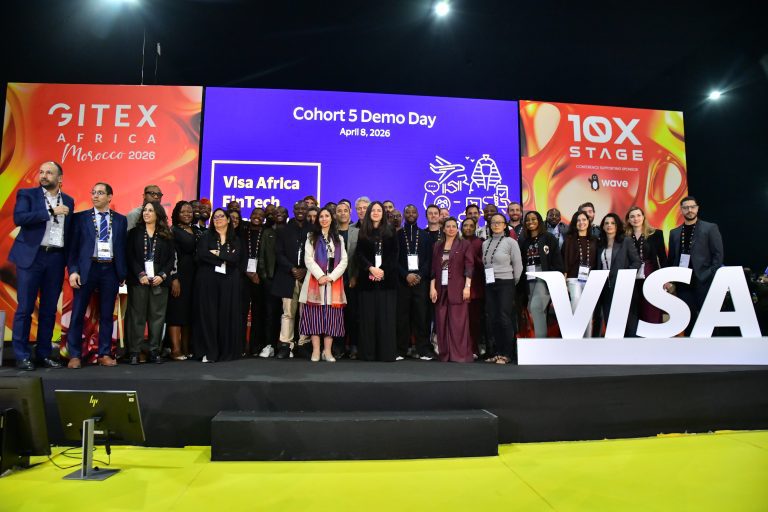
Visa, a global leader in digital payments, today spotlighted 18 high-growth fintech startups from 10 African countries at the Visa Africa Fintech Accelerator Cohort 5 Demo Day, held during GITEX Africa in Marrakech.

Marking a major milestone for the program, Visa also announced that the accelerator has now supported more than 100 startups across the continent since launch, underscoring its growing role in advancing innovation, expanding access to digital payments, and strengthening Africa’s fintech ecosystem.

The Cohort 5 Demo Day brought together founders, investors, corporate partners, and industry leaders to celebrate the latest class of startups completing the accelerator’s intensive three-month program. The cohort reflects the dynamism and diversity of Africa’s fintech sector, with participating startups operating across 28 markets and building solutions that address a wide range of commerce and financial services needs across the continent.

Since its launch, the Visa Africa Fintech Accelerator has supported 104 startups across five cohorts, with participating companies representing a combined valuation of $1.4 billion. Through tailored mentorship, strategic guidance, commercial engagement opportunities, and access to Visa’s global network, the program helps fintech founders scale their businesses, strengthen their product offerings, and unlock new growth pathways.

Deepening collaboration across the ecosystem

Beyond startup acceleration, the program continues to foster meaningful collaboration between alumni, strategic partners, and Visa. This approach is essential for accelerating the growth of participating companies, providing them with access to new business opportunities and scalable support.

In Morocco, Zazu (Cohort 4) is working with Chari (Cohort 1) to support the launch of its neobank offering for SMEs, leveraging Chari’s issuance capabilities in the market – capabilities previously enabled through Visa’s support.

Click Awards 2026 unveils official nominees list, opens public voting across digital platforms

Credable (Cohort 3), a fintech infrastructure and services business that enables digital credit and savings solutions with live products in Kenya, Tanzania, Uganda, Mozambique, and Zambia, is partnering with Onafriq, an accelerator sponsor and Visa partner that provides payments and financial services infrastructure across Africa, to develop innovative digital credit propositions powered by Visa Flexible Credential. The partnership is designed to unlock a scalable solution that expands access to digital credit solutions via cards across emerging markets.

Kredete (Cohort 3), a fintech enabling stablecoin-linked card payments, is also advancing innovation through stablecoin card issuance. After launching its stablecoin card across select African markets, the company is now pursuing broader expansion across Africa and into the GCC following positive early traction. Kredete is currently live in Gambia, Ghana, Guinea, India, Kenya, Malawi, Mauritius, Morocco, Mozambique, Niger, and Nigeria, with expansion planned into the UAE, Saudi Arabia, Oman, and additional African markets.

Meanwhile, MoneyHash (Cohort 3) has signed a multi-year partnership to enable Visa’s Cybersource across its platform, supporting payment acceptance and broader commerce enablement for merchants and users across the MENA region.

“What makes Africa’s fintech story so powerful is the growing spirit of partnership across founders, enablers, and industry leaders,” said Godfrey Sullivan, Senior Vice President and Head of Product and Solutions for Central and Eastern Europe, Middle East and Africa at Visa. “As the Visa Africa Fintech Accelerator surpasses 100 startups supported, we are seeing firsthand how collaboration can help drive scale, expand financial access, and shape the future of digital commerce across the continent.”

Fintech innovators based in Africa are invited to apply for Cohort 6 of the Visa Africa Fintech Accelerator by May 17, 2026 on Visa Accelerator | Visa.

DTB launches contactless wearables, pioneers tap-and-pay innovation in Kenya

0

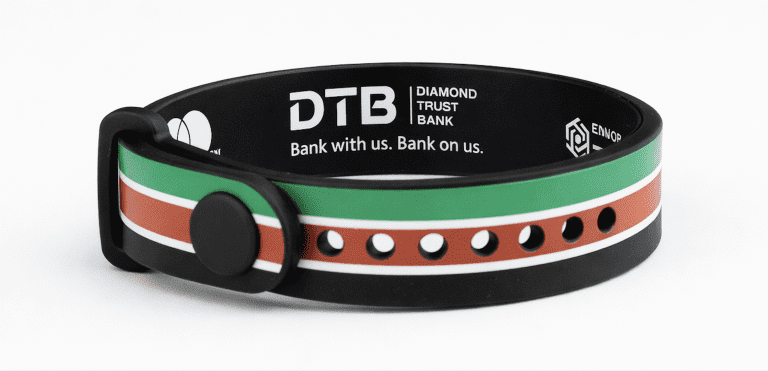
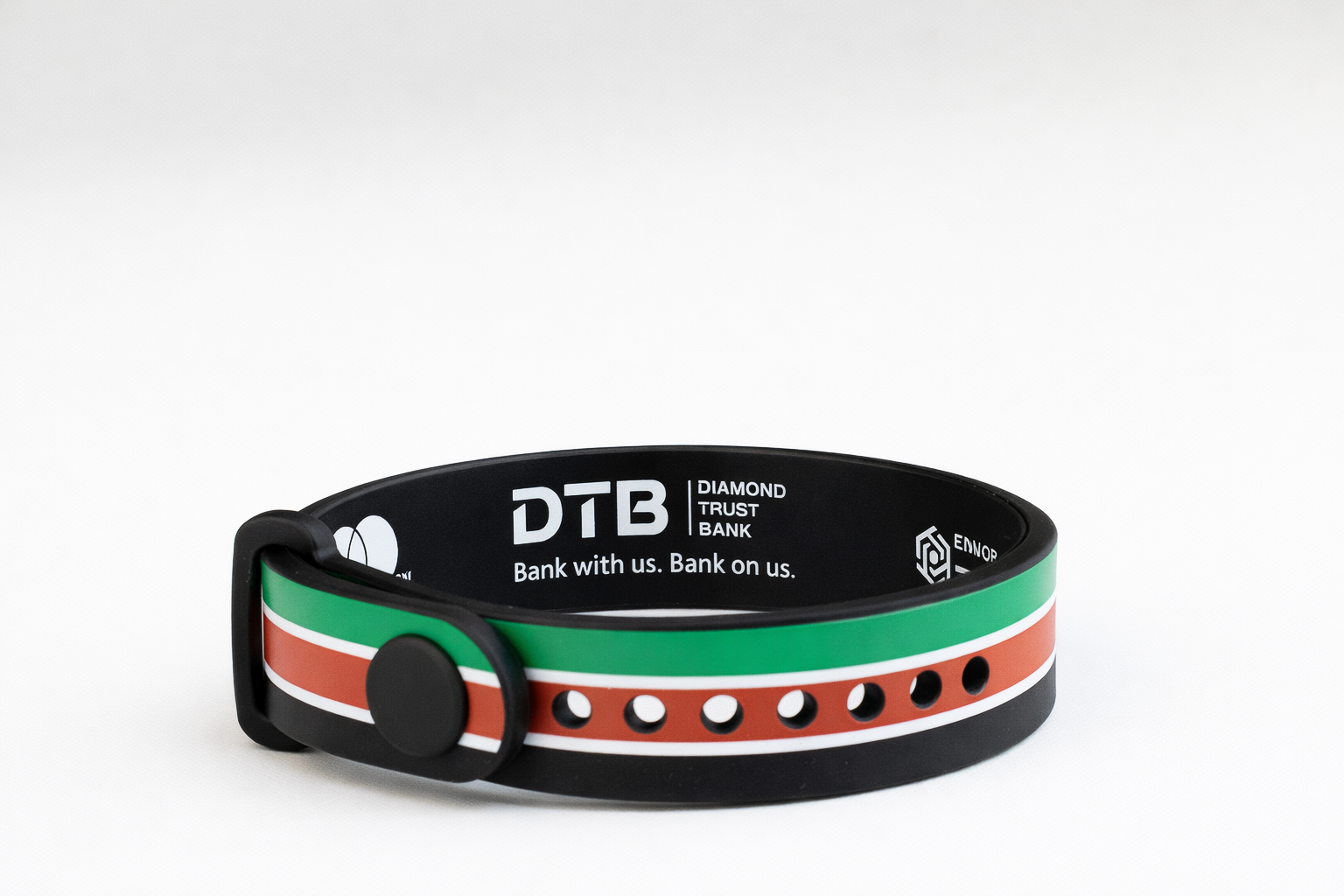
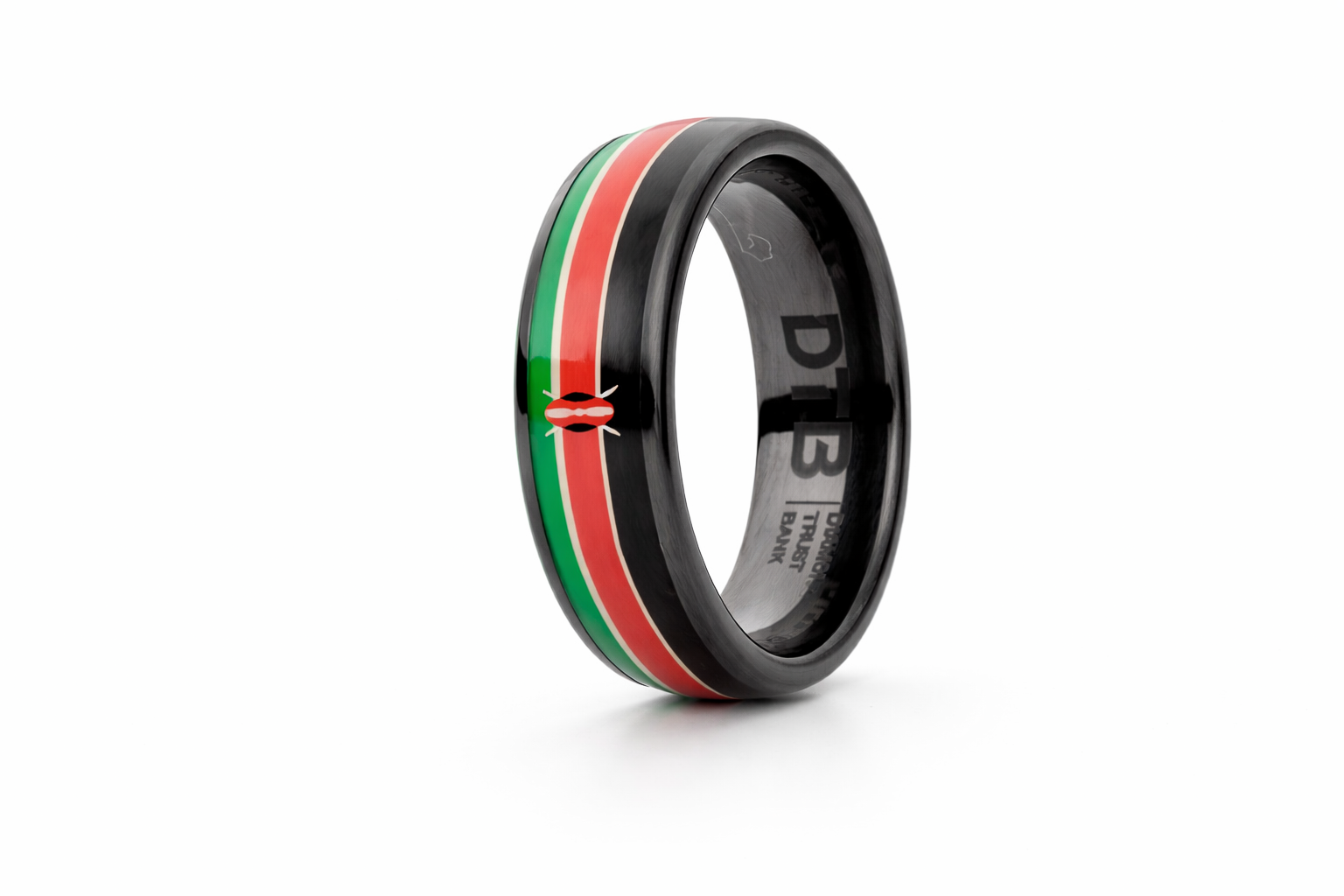
Diamond Trust Bank (DTB) has launched DTB Wearables, a new range of contactless payment solutions designed to offer greater convenience, speed, security, style, and lifestyle integration for customers making everyday payments.

The NFC-enabled wearables allow customers to make payments by just tapping their wristband or ring on any contactless-enabled point-of-sale terminal. NFC, or Near Field Communication, is a secure short-range wireless technology that enables devices to communicate instantly when brought close together.

Simply linked to customers’ existing DTB debit cards, this solution eliminates the need to carry cash, physical cards, or mobile phones, providing a seamless and convenient payment experience.

In collaboration with Mastercard, and powered by Tappy Pay, DTB Wearables makes DTB the first Tier One bank in Kenya to offer contactless payments via wearables, reinforcing its leadership in innovation and customer-focused banking.

Africa’s First Mobile-Money Tap-to-Pay launches with Vodacom Tanzania and M-Pesa Africa, powered by Paymentology and Visa

This launch builds on DTB’s continued investment in digital payments and advanced banking solutions.

“At DTB, innovation is about using technology to make banking simpler, safer, and more convenient for our customers. DTB Wearables represent a significant step forward in the evolution of digital payments in Kenya, moving beyond traditional cards and devices to deliver secure, always-on payment experiences that fit seamlessly into everyday life.” said Murali Natarajan, Managing Director & CEO, Diamond Trust Bank, Kenya.

“By working with partners like Mastercard, we continue to bring world-class payment innovations to the Kenyan market while reinforcing our commitment to customer-centric banking,” Murali added.

The wearables are compatible with all contactless-enabled merchant terminals globally, offering faster checkouts, enhanced security, and greater convenience for customers with active lifestyles.

DTB Wearables will be available as silicone wristbands featuring an elegant Kenya flag design and as ceroxy or ceramic rings, combining functionality with modern, lifestyle-driven design.

“We are proud to collaborate with DTB to advance digital payments and bring innovative, secure, seamless payment experiences to Kenyan consumers. By driving the adoption of wearable technology, we are enabling faster, safer transactions and supporting the growth of a truly cashless economy,” said Shehryar Ali, Senior Vice President and Country Manager for East Africa, Mastercard.

The launch of wearables supports DTB’s digital-first strategy and its commitment to delivering secure, innovative financial solutions that meet evolving customer needs and lifestyles.

Holy Week marks the highest Bible engagement days in YouVersion history for Kenya and globally

0

YouVersion, creator of the world’s most popular Bible App, hit new records throughout Holy Week, with an average of 18.7 million people engaging with the Bible each day through its Family of Apps.

On Easter Sunday, Bible engagement surged to more than 21.6 million people, a new record for the holiday and the most engaged day in YouVersion history. Building on the momentum of one billion installs across the YouVersion Family of Apps last year, all 10 of the highest days for Bible engagement in YouVersion’s history have happened so far in 2026.

Across the globe, Bible engagement during Holy Week grew by 15% compared to last year. Every region of the world saw significant increases, including Sub-Saharan Africa with 37% year-over-year growth and Latin America up 22%, representing millions of people engaging with God’s Word in each region.

In several African countries, Easter Sunday was the number one day for Bible engagement, including in Uganda, Tanzania, and Ethiopia. In Kenya, Palm Sunday, which marks the beginning of Holy Week, ranks as the top day for Bible engagement, while Easter Sunday ranks second.

Bible App Lite, the YouVersion app designed for offline use, has also been ranked multiple times this year as the number one most downloaded app in several African countries. Most notably, it was number one in nine African countries on Easter Sunday, including Kenya, Uganda, and the Democratic Republic of Congo, highlighting a surge in engagement across the region.

Tech: I built a Billion-Dollar organization—and chose not to monetize it

Easter is one of the most significant events on the Christian calendar, and many people, whether lifelong Christians or simply curious about the Easter story, engage with Scripture more deeply during Lent and Holy Week. Certain verses stand out each year as the most popular during the Easter holiday season.

Last year, John 15:13: “Greater love has no one than this: to lay down one’s life for one’s friends”, was the most popular verse in Kenya during Holy Week. In 2026, the top verse was Matthew 28:6, “He is not here; he has risen, just as he said. Come and see the place where he lay.”

Joseph Gachira, YouVersion‘s Kenya Hub Leader said: “We’ve seen steady growth in interest across Kenya, and the engagement we saw over Easter is a reflection of the trend that we’re witnessing globally. This is particularly significant at Easter, when both committed Christians and those simply wanting to understand the Easter story may be engaging with the Bible to find encouragement, guidance and answers. Seeing so many Kenyans turn to Scripture is a great reminder of why we do what we do”.

The Bible App provides access to the Bible in more than 2,400 different languages and more than 3,750 translations, plus video content and Bible Plans offered in partnership with ministries all over the globe. YouVersion is powered by tens of thousands of partners around the world, and this Holy Week, featured video content from The Chosen, BibleProject, and Museum of the Bible brought the Easter story to life for millions of people in the Bible App.

YouVersion Founder and CEO Bobby Gruenewald says: “Historically, Easter is one of the highest days for engagement each year. It’s encouraging to see interest and engagement in God’s Word increase every year, especially around Easter when we remember Jesus’ sacrifice and love for the world. For anyone who isn’t already engaging with the Bible daily, there’s no better time to start than today.”

About YouVersion

Created by Life.Church, YouVersion designs free, biblically centered experiences that encourage and challenge people to seek God throughout each day. The YouVersion Family of Apps—including the Bible App, Bible App Lite, and Bible App for Kids—has been installed on more than one billion devices worldwide. The Bible App offers a Bible experience in more than 2,400 languages and helps people deepen their relationship with God.

Bible App Lite is optimized for offline use and helps people access God’s Word in markets with device and data limitations. Bible engagement is measured by Daily Active Users (DAU) across these three apps, an industry-standard data point reflecting the number of unique users opening one of the apps on a given day. Developed in partnership with OneHope, the Bible App for Kids helps children engage with the Bible through interactive animations and fun activities.

For more information about YouVersion, visit youversion.com.

Leaders convene in Nairobi for Africa Urban Forum to tackle housing, infrastructure and smart cities

0

Nairobi, Kenya. African leaders, policymakers, and global development partners have gathered in Nairobi for the Second Africa Urban Forum (AUF2). This high-level platform focuses on addressing the continent’s pressing urban challenges, including housing shortages, infrastructure gaps, and the future of smart cities.

The three-day forum began with remarks from key leaders, including Nairobi Governor Johnson Sakaja and Kenya’s Cabinet Secretary for Lands, Public Works, Housing and Urban Development, Alice Wahome. Uganda’s Minister for Lands, Housing and Urban Development, Judith Nabakooba, also spoke to delegates in her role as Chairperson of the African Union Specialized Technical Committee on Urban Development.

A major highlight of the opening day was a fireside chat featuring President William Ruto along with senior officials from the African Union and UN-Habitat. The discussion emphasized the need for coordinated urban planning and sustainable development as Africa undergoes rapid urbanization.

Focus on Infrastructure, Housing, and Climate Resilience

The first day’s discussions focused on urban planning, infrastructure corridors, and funding strategies. Case studies such as the Lobito and Northern Corridor projects were used as examples of regional integration and economic transformation.

Participants also witnessed the launch of the AU Urban Resilience Report, which highlighted the need for urban systems that respond to climate challenges. Leaders stressed the importance of sustainable development, environmental protection, and building resilience as key elements for Africa’s cities.

Technology and Innovation Take Center Stage

Day two of the forum shifts to technology, innovation, and smart cities. Sessions will explore how artificial intelligence, data, and digital infrastructure can improve urban living. Kenya’s Konza Technopolis and private developments like Tatu City are being highlighted as models of smart urban ecosystems.

Centum real estate: Transforming East Africa’s urban landscape

The role of the private sector, particularly telecommunications and infrastructure firms, is also up for discussion. Their involvement is crucial in driving innovation and broadening access to urban services.

Financing Africa’s Urban Future

A major theme of the forum is the challenge of funding urban development. High-level sessions will examine public-private partnerships (PPPs), climate finance, and mixed financing models as effective ways to enhance housing delivery.

Government officials, development banks, and private investors are engaged in talks to unlock investment opportunities in Africa’s housing sector, which faces a significant supply issue.

Inclusive Urban Development and Policy Dialogue

Parallel sessions are addressing policy, legislation, and the role of development finance institutions in speeding up housing delivery. Special focus is being placed on informal settlements, with stakeholders exploring ways to upgrade slums and improve living conditions.

Youth engagement and the involvement of local governments are also key topics, showing a broader push for inclusive urban development.

Towards a Unified African Urban Agenda

On the final day, mayors, governors, and regional leaders will meet to discuss city-level financing and partnerships to narrow the housing gap. Conversations will also address urban migration, displacement, and the integration of vulnerable groups into city planning.

The forum will wrap up with the adoption of a declaration that outlines Africa’s shared commitments to sustainable urbanization, housing development, and resilient cities.

As Africa continues to urbanize at an unprecedented rate, AUF2 is expected to influence policy direction and strengthen collaboration among governments, institutions, and the private sector to create cities that are inclusive, sustainable, and ready for the future.