

EcoBana: Across Africa, millions of tonnes of agricultural waste are discarded every year, often burned or left to decompose despite their untapped economic potential. At the same time, businesses are under increasing pressure to reduce their reliance on plastic packaging and adopt more sustainable alternatives.
For EcoBana, these two challenges presented a single opportunity.
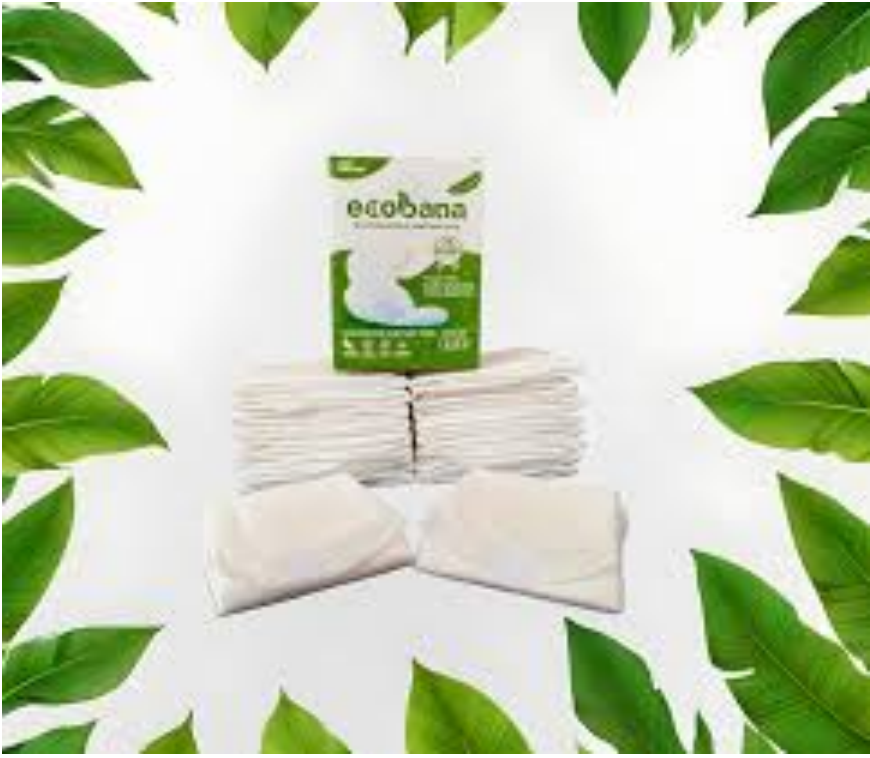
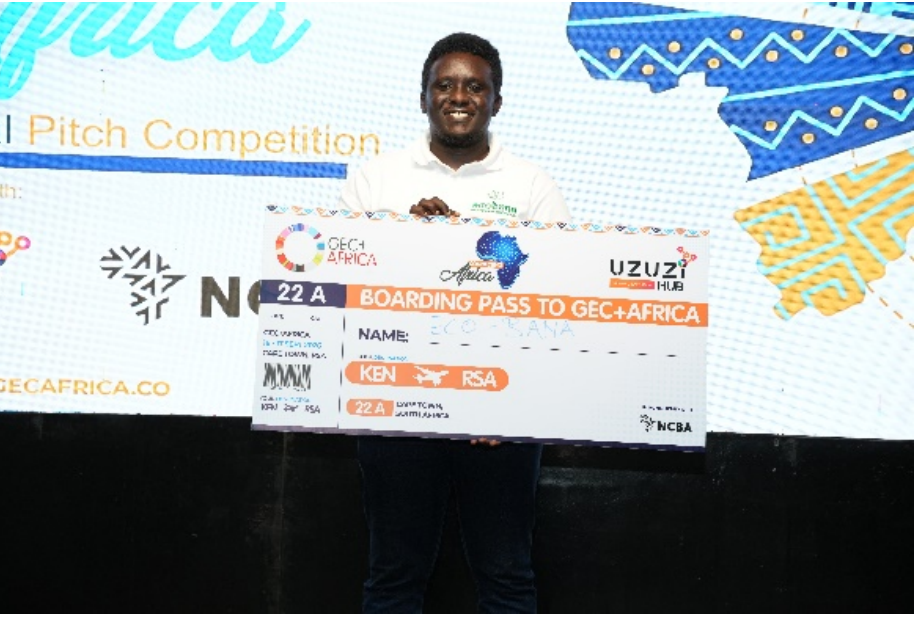
The Kenyan startup, which emerged as the overall winner of the GEC+ Africa Kenya Regional Pitch Competition 2026, has developed an innovative process that converts banana pseudostems, the fibrous trunks left behind after harvesting bananas, into biodegradable, tree-free paper and sustainable packaging products. By turning agricultural waste into commercially viable materials, EcoBana is helping businesses reduce their environmental footprint while creating new income opportunities for farmers and underserved communities.

Solving More Than One Problem
EcoBana’s innovation addresses several interconnected challenges. Plastic pollution continues to threaten ecosystems, while conventional paper production contributes to deforestation and high carbon emissions. At the same time, many smallholder farmers struggle to generate value from agricultural by-products that are often treated as waste.
Mazingira Recyclers: Company making chairs, fencing poles from plastic
By sourcing banana pseudostems from farming communities, EcoBana transforms what was once discarded into a valuable raw material. The result is a biodegradable packaging solution that supports businesses looking for environmentally responsible alternatives while creating additional revenue streams for farmers.
The model also strengthens local communities by integrating women and young people into the production process through training and employment, demonstrating how circular economy businesses can generate both environmental and social impact.
Innovation with Commercial Potential
While sustainability is central to EcoBana’s mission, the company has also built a business model designed for growth.
Rather than simply manufacturing packaging products, EcoBana has positioned itself to serve the growing demand for sustainable packaging among SMEs, agribusinesses, retailers, and FMCG companies responding to changing consumer preferences and environmental regulations.
The startup’s decentralized production model enables manufacturing closer to banana-growing regions, reducing transport costs while creating employment opportunities in local communities. This approach also provides a scalable framework that can be replicated across Kenya and eventually throughout East Africa.

From Recognition to Market Validation
EcoBana’s progress reflects both its commercial viability and its growing impact.
The startup has already secured supply agreements with more than 300 businesses, generated over USD 160,000 in revenue, and built partnerships with five farmers’ cooperatives, giving it access to more than 1,600 banana farmers for a consistent supply of raw materials.
Beyond its commercial achievements, EcoBana has trained and engaged approximately 300 women and youth, equipping them with practical manufacturing skills and integrating many into its production process. These efforts have contributed to creating sustainable livelihoods while strengthening local value chains.
Its innovation has also earned national and international recognition, including the Circular Economy Catalyst Award and the 2024 QS ImpACT Green Innovator of the Year Award, reinforcing the startup’s position as one of Kenya’s most promising climate-focused enterprises.
Building a Greener Kenya: Role of Corporate organizations in driving Carbon Neutrality in Kenya
Building Through Resilience
Like many startups, EcoBana’s journey has not been without challenges.
From securing reliable raw materials to refining production processes and operating with limited resources, the team has consistently adapted its approach. Instead of relying on capital-intensive manufacturing facilities, EcoBana developed a decentralized production model that allowed it to continue growing while remaining financially efficient.
The company has also continuously refined its products based on customer feedback, improving quality, durability, and design to compete effectively with conventional packaging solutions.
This willingness to adapt has become one of EcoBana’s greatest strengths and a key reason behind its continued growth.
Looking Beyond Kenya
Following its success at the GEC+ Africa Kenya Regional Pitch Competition, EcoBana is preparing for its next phase of expansion.
The company plans to establish additional processing facilities in major banana-growing regions across Kenya before replicating its community-based production model across East Africa. Alongside expanding its market reach, EcoBana is exploring advanced sustainable packaging products, including moulded food containers and customized packaging solutions for corporate clients.
Its long-term vision is to become one of Africa’s leading providers of sustainable packaging while proving that environmental conservation, inclusive economic growth, and commercial success can go hand in hand.
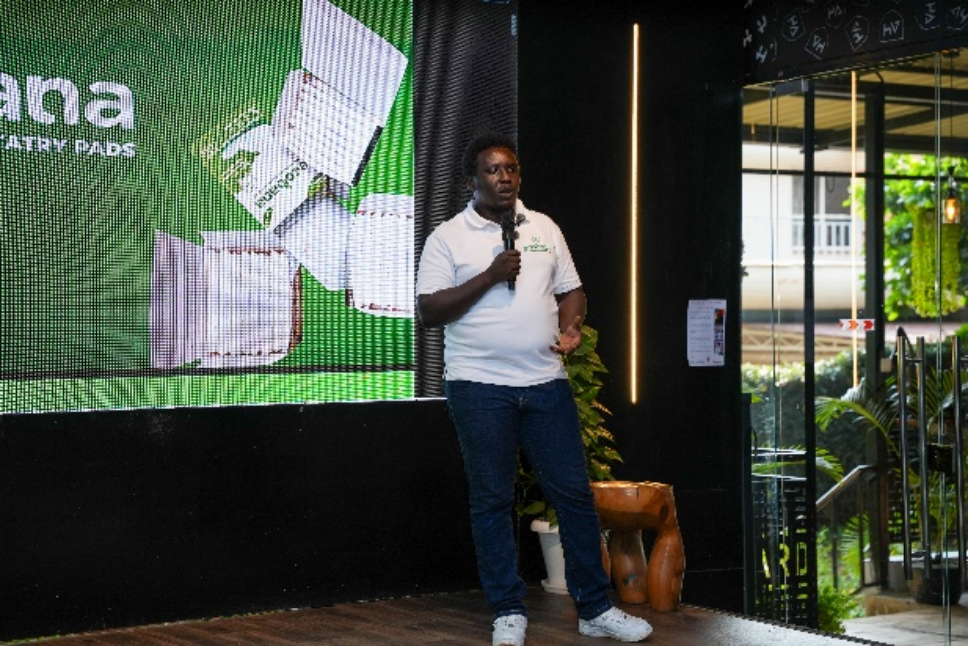
As the winner of the GEC+ Africa Kenya Regional Pitch Competition 2026, organized by Uzuzi Hub in partnership with GEN Kenya, GEC+ Africa, and NCBA, EcoBana represents the type of innovation the competition seeks to champion: businesses that solve real challenges, create measurable impact, and have the potential to scale across the continent.