Home Blog Page 17

Galleria unveils phase two, expanding Its vision for the future of lifestyle destinations in Nairobi

0

Nairobi, Kenya | 18th August 2026: Galleria has officially soft -launched Phase Two of its expansion, marking a significant milestone in its evolution from a traditional shopping mall into a modern lifestyle destination designed around the changing needs of today’s consumer.

The expansion, backed by an investment of Ksh 2.2 billion, includes an expanded retail and lifestyle offering and enhanced customer experiences. Phase Two brings together more than 49 outlets, 887 parking bays and an indoor-outdoor piazza, with the development introducing additional entertainment and lifestyle experiences.

The expansion comes at a time when consumer expectations are reshaping the retail industry. Speaking at the soft opening of Phase Two, Bizzu Kanja, General Manager, Galleria Mall, said,

“Increasingly, shoppers are seeking destinations that go beyond transactions, choosing spaces that offer convenience, connection, entertainment and opportunities to spend quality time with family and friends. As retail continues to evolve, Galleria is responding by creating an environment where every visit delivers something meaningful, whether discovering new brands, enjoying a meal, catching a movie or participating in community experiences.”

Anchored on the promise Experience Different, Phase Two represents more than an expansion of Galleria’s physical footprint. It reflects the mall’s vision for how people experience retail by bringing shopping, dining, entertainment and community together in one destination.

Majid Al Futtaim starts operations at Galleria Mall

The expansion will bring a range of entertainment and lifestyle experiences, including a modern cinema, bowling, play areas and additional lifestyle offerings. It will also add 49 outlets, further strengthening Galleria’s retail and lifestyle proposition while giving customers more reasons to visit, explore and spend time at the destination.

For Galleria’s retail partners, the expansion is designed to create an environment that supports stronger customer engagement, increased dwell time and business growth. The expanded destination is expected to increase Galleria’s capacity to serve customers while creating greater opportunities for tenants to connect with existing and new audiences.

The Phase Two development builds on Galleria’s established three-floor open-plan destination while broadening the range of experiences available to families, young professionals, shoppers and the wider community. The expansion reinforces Galleria’s ambition to become one of Nairobi’s leading lifestyle destinations and a place where people can shop, dine, connect, relax and be entertained.

As Galleria continues to develop its destination offering, the mall will introduce experiences, partnerships and community-focused initiatives that bring its Experience Different promise to life, strengthening its position at the intersection of retail and lifestyle.

Kenya’s private sector positions trust as an economic asset ahead of inaugural trust summit

0

NAIROBI, Kenya, 18 August 2026: Kenya’s private sector engaged directly today at a high-level Private Sector Roundtable to examine how stronger trust between institutions, businesses and citizens can support investment, regional trade, digital commerce and economic resilience, as the country prepares to host the inaugural Trust Summit in Nairobi this October.

The roundtable, convened under the theme “Trust as an Economic Asset: Strengthening Public-Private Dialogue, Regional Economic Cooperation and Digital Trust for Market Resilience and Sustainable Growth,” brought together key private sector voices to examine trust as a driver of investment, market confidence and regional competitiveness, and to preview the concrete outputs the Trust Summit is designed to deliver.

The discussions placed the private sector at the centre of a broader question facing economies globally: how can trust be rebuilt in institutions, markets and systems at a time of economic uncertainty, geopolitical tensions and rapid technological change?

Delivering the keynote address on behalf of Dr. A. Korir Sing’Oei, Principal Secretary, State Department for Foreign Affairs, Mr. Mustafa Ibrahim, Deputy Director-General and Head of the Policy, Research and Strategic Analysis Directorate, said trust must be treated as a critical economic asset influencing investment, access to finance, business confidence, trade and Kenya’s long-term competitiveness.

“We meet at a time of considerable headwinds in the global economy. Confidence in institutions has come under strain, economic uncertainty has risen, geopolitical tensions persist, and rapid technological change is reshaping how governments, businesses and citizens interact,” he said, adding that building trust was a shared responsibility: government must provide a stable, predictable policy environment, while responsible corporate governance and ethical leadership within the private sector remain essential to attracting investment, expanding markets and driving innovation.

Four documents you need to have to win government, private sector tenders

Opening the discussion on the economic dimensions of trust, Prof. XN Iraki, Faculty of Business and Management Science, University of Nairobi, highlighted the direct cost of low trust to businesses and investors.

“When people trust each other, businesses spend less on contracts, audits, and security, and can charge more without losing customers. Investors show up too. But when trust breaks down, everyone pays for it: higher interest rates, more red tape, slower growth,” he said.

Mathias Kamp, Country Director, Konrad-Adenauer-Stiftung (KAS) Kenya Office and co-convener of the Trust Summit, broadened the discussion to the relationship between trust, investment and the wider economic environment, noting that infrastructure and investment can only deliver their intended impact when supported by trusted institutions and businesses.

“Trust is a prerequisite for investment and economic growth. You can invest heavily in infrastructure, but if the institutions and businesses operating within it are not trusted, the infrastructure alone will not deliver the outcomes we expect,” he said.

For Ms. Lucy Muchoki, Partnership Director, Kenya National Chamber of Commerce and Industry (KNCCI), the discussion must now move from recognising the value of trust to identifying the practical steps required to strengthen it.

“Trust is not simply about reputation; it has direct economic value. Let us move beyond simply agreeing that trust matters. Let us identify what needs to change and commit to where partnerships are required,” she said.

The Roundtable, held in partnership with the Kenya Private Sector Alliance (KEPSA), KAS, the Institute of Public Finance (IPF), KNCCI, TradeMark Africa and the COMESA Business Council, is one of the building blocks ahead of Kenya’s hosting of the inaugural Trust Summit, convened under the theme “Weaving Trust: Binding Strands for a Stronger Global Order.”

What the Trust Summit Will Deliver

Beyond dialogue, the Trust Summit is structured to produce a defined set of outputs that participants and the public can track after October. These include:

  • A Nairobi Statement on Global Trust for Sustainable Development and Peace, capturing the key principles and areas of consensus reached at the Summit.
  • A Trust Barometer, an active public dashboard tracking trust levels and benchmarks over time.
  • A joint Trust Summit Secretariat to track, verify and report publicly on progress against the commitments made at the Summit.
  • A dedicated report on Africa’s trust landscape, setting out the continent’s specific drivers of the trust deficit and priority interventions for governments, institutions and development partners.
  • Policy recommendations and action frameworks, with pillar-specific, time-bound commitments and accountability mechanisms across the Summit’s thematic pillars, including international cooperation and multilateralism, democratic governance, trust as an economic asset, and information integrity in the digital age.

Together, these outputs are designed to give governments, investors, media and citizens a concrete way to hold the Summit’s commitments to account, rather than a one-off conversation about trust in the abstract.

Why It Matters Ahead of October

Confidence in governments, institutions and multilateral systems has fallen to a structural low across every region and generation. According to the 2025 Edelman Trust Barometer, global trust in government now sits at just 52 percent, while trust in business holds steadier at 62 percent, making business the only major institution worldwide currently perceived as both ethical and competent.

For low-income countries, the cost of that deficit is measurable: recent research cited in the Summit’s concept note finds these countries receive less than one percent of global foreign direct investment despite having the greatest need for productive capital, while African nations pay an estimated USD 75 billion in additional interest annually as a result of risk premiums tied to perceptions of institutional trust.

It is this widening gap that the Trust Summit is designed to address, delivering on the United Nations’ 2024 Pact for the Future commitment to rebuild trust in global institutions.

For Kenyan business leaders, it also represents an opening as the country positions itself as a convener of global economic and diplomatic dialogue.


Cancer patients to benefit from dedicated therapy in Mombasa

0

Cancer patients in Mombasa County and its environs are set to benefit from wellness and support services with the construction of a therapy support centre at the Coast General Teaching and Referral Hospital (CGTRH).

New centre to expand cancer care at Coast General

The first of its kind dedicated cancer centre, located within a public hospital, the centre seeks to address increasing demand for oncology services with specialised clinical care and therapy, necessary for patient recovery.

“Our investment in infrastructure looks to address the delays of reaching, seeking and receiving health care, enabling Kenyans access health care when they need it, with dignity. Beyond availing clinical efficiency to patients with this additional space, it will also help reduce turnaround time, given the huge numbers that visit this facility seeking treatment,” said Celestine Munda, Trustee, M-Pesa Foundation.

Only 20% of cancer patients receive sufficient care

Statistics in Kenya show that at least 80% of cancer patients lack access to comprehensive care, with only a paltry 20% receiving sufficient care to manage the disease, against a backdrop of 48,000 cases diagnosed annually.

Kizito Namulanda: Standard Group fired me while in bed battling cancer, refused to pay me

Centre to serve thousands of patients each month

The Coast General Teaching and Referral Hospital (CGTRH) is the only public facility at the coast, offering oncology services to over 3,000 patients monthly. The Kes 63 million two-storey Faraja Cancer Therapy Centre will boost the facility’s capacity to offer support beyond clinical care with counselling rooms for children and individual patients, family therapy rooms and other social amenities to support patients and their caregivers.

Faraja expands support beyond clinical treatment

“Beyond its impact on health, Cancer affects the whole person. Their emotional well-being, families, livelihoods and their ability to cope, making it an incredibly difficult journey. Faraja was created to provide complementary support such as counselling, nutritional advice, physical therapy as well as financial assistance for patients who are struggling to access treatment, easing the challenges that cancer brings,” said Shaira Adamali, Founding Trustee, Faraja Cancer Support Trust.

New facility to ease access to supportive care

The Faraja Cancer Support Trust works alongside the healthcare system, complementing clinical work through supportive care needs that often fall outside routine medical treatment. For 16 years now, the centre has supported patients from all over the country for services in Nairobi. The operationalization of this new facility will help ease this logistical burden, reaching thousands more patients and their families with much-needed supportive care.

M-Pesa Foundation invests Sh208 million in Mombasa health projects

The M-Pesa Foundation has invested KES 208 million in health projects in Mombasa County with upgrades in facilities such as Likoni Sub-County, Mbungoni Health Centre, Coast General Teaching and Referral Hospital and Railways Dispensary.

Cancer patients to benefit from dedicated therapy in Mombasa
Mombasa Governor Abdulswamad Nassir and M-PESA Foundation Trustee Celestine Munda during the groundbreaking ceremony of the Faraja Cancer Support Center at the Coast General Teaching and Referral Hospital.

NCBA slashes interbank transfer cost with revised Pesalink pricing

0

NCBA Bank has introduced a simplified Pesalink pricing structure for customers using the NCBA NOW App, making instant interbank money transfers more affordable, transparent and predictable. The revised pricing reinforces the Bank’s commitment to delivering digital banking solutions that reduce the cost of everyday payments while giving customers greater convenience and control.

Free Transfers for Amounts Up to KES 1,000

Under the revised pricing, customers will enjoy free Pesalink transfers for amounts up to KES 1,000, while transfers above KES 1,000 will attract a flat fee of KES 20. The new pricing eliminates complex transaction bands, giving customers the confidence of knowing exactly what they will pay whenever they send money to accounts held at other banks.

Free Transfers Between NCBA Accounts

The revised pricing complements NCBA’s existing free transfers between NCBA accounts, giving customers a more cost-effective way to move money whether they are sending funds within the Bank or to accounts at other financial institutions.

Digital Banking Drives Everyday Transactions

The move comes as more Kenyans embrace digital banking for day-to-day transactions, including paying rent, settling supplier invoices, sending money to family and friends, and paying for goods and services. According to the Central Bank of Kenya, digital channels account for more than 80% of banking transactions, reflecting the growing preference for convenient, self-service banking beyond traditional banking halls.

By making interbank transfers simpler and more affordable, NCBA aims to encourage greater adoption of digital payments while giving customers a secure, real-time alternative to other payment options.

How to link your Co-operative Bank accounts to PesaLink

NCBA Emphasises Simpler and More Affordable Banking

Speaking on the revised pricing, Dennis Njau, Group Director Retail Banking, said, “At NCBA, we are constantly looking for ways to make banking simpler, more affordable and more relevant to our customers’ everyday lives. The revised Pesalink pricing reflects our commitment to empowering customers with transparent and cost-effective digital payment solutions. Whether someone is sending a small amount to a loved one or making a larger business payment, they can now transact with greater confidence, knowing exactly what the transfer will cost.”

Instant Interbank Transfers Through Pesalink

Pesalink is a platform that enables customers to send money instantly between bank accounts across participating financial institutions in Kenya, with transfers completed securely in real time.

Through the NCBA NOW App, customers can send up to KES 999,999 seamlessly, eliminating the delays often associated with traditional bank transfers while offering a convenient alternative for both personal and business transactions.

Parent devastated after son loses Sh. 15,000 school fees in football bet

Flat KES 20 Fee for Larger Transfers

The revised pricing is expected to encourage increased use of digital banking channels, particularly for everyday low-value payments where customers can now transfer funds free of charge.

For larger transactions, the flat KES 20 fee provides a simple and predictable pricing model that makes budgeting easier while delivering greater value compared to traditional tiered charging structures.

Part of NCBA’s Digital Banking Strategy

The initiative forms part of NCBA’s broader strategy to enhance customers’ digital banking experience by delivering innovative solutions that combine convenience, affordability and security.

By removing cost barriers and simplifying pricing, the Bank is reinforcing its commitment to supporting customers’ financial ambitions while driving the continued adoption of secure digital payment solutions.

Customers using the NCBA NOW App can now enjoy free Pesalink transfers for amounts up to KES 1,000 and a flat KES 20 fee for higher-value transactions, making instant interbank payments more affordable than ever.

NCBA slashes interbank transfer cost with revised Pesalink pricing
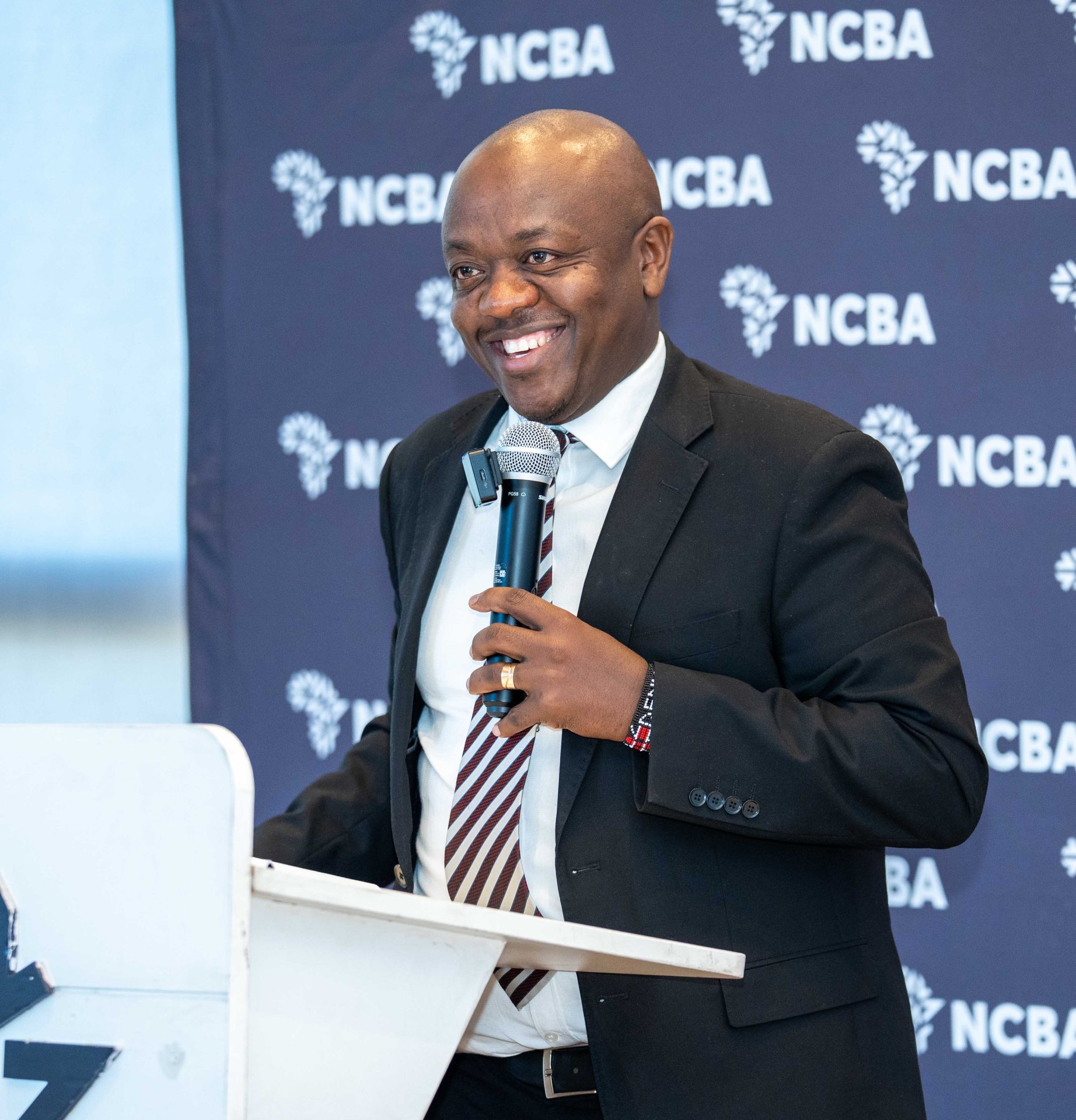
NCBA’s Group Director for Retail Banking Dennis Njau speaking during a past event.

CBK introduces mobile payments for government securities bids up to Sh250,000

The Central Bank of Kenya (CBK) has introduced a mobile payment option that allows investors to settle successful government securities bids of up to Sh250,000 directly from their mobile phones.

The new facility is available through the DhowCSD mobile application and is intended to simplify the process of paying for Treasury bills and bonds, particularly for retail investors.

In a notice issued on Monday, August 17, 2026, CBK said investors can make the payments through the Transaction tab on the DhowCSD app.

The facility currently supports M-Pesa, with the central bank indicating that additional mobile payment platforms could be added in future.

“Pay for successful Government Securities bids conveniently from your mobile phone for amounts up to Sh 250,000,” CBK stated.

The move provides investors with an alternative to conventional banking channels when settling successful bids, allowing them to complete transactions remotely using their mobile devices. The DhowCSD application is available through major mobile application stores and provides access to various government securities services.

The introduction of the mobile payment option comes amid sustained demand for government securities, as investors continue to view Treasury bills and bonds as an investment avenue.

On August 12, CBK reported receiving bids worth approximately Sh460.9 billion for three reopened Treasury bonds against an offer of Sh150 billion.

The bonds—IFB1/2019/016, IFB1/2021/018 and IFB1/2021/021—had remaining maturities of 9.3 years, 12.7 years and 16.2 years, respectively.

CBK accepted bids worth about Sh312 billion, underscoring the strong appetite for government debt instruments.

The latest payment facility is expected to further ease access to the government securities market by making the settlement process faster and more convenient for smaller investors.

Also Read: ICT Authority announces 350 internships for graduates

ICT Authority announces 350 internships for graduates: How to apply

0

The ICT Authority has announced 350 internship opportunities for recent university graduates under the Presidential Digital Talent Programme (PDTP) Cohort XI for the 2026/2027 intake.

The 12-month programme is designed to equip young ICT professionals with practical workplace experience while providing mentorship and opportunities to develop their technical and professional capabilities.

In an announcement issued on August 18, the ICT Authority invited eligible Kenyan graduates with an interest in information and communication technology (ICT) and public service to apply for the programme.

Successful applicants will be deployed to public and private sector institutions and may be assigned to government institutions or county governments across the country.

Internship positions available

The 350 positions are distributed across five key areas of ICT. They include:

  • Network and Digital Infrastructure – 150 positions
  • Software Development and Artificial Intelligence – 100 positions
  • Information Security – 50 positions
  • Data Analytics – 50 positions
  • Multimedia and Digital Marketing – 50 positions

“The ICT Authority invites qualified recent university graduates to apply for the Presidential Digital Talent Program (PDTP) Cohort XI Intake. Through this transformative initiative, the Government is looking for young, talented Kenyans with a passion for ICT and Public Service to undergo a structured 12-month internship program in both the public and private sectors,” read part of the announcement.

Requirements

Applicants must meet a number of requirements to be considered for the programme.

They must be Kenyan citizens aged between 21 and 29 years and must have graduated from a recognised institution within the past two years, from January 2024.

Candidates are required to have obtained a First Class or Upper Second Class Honours degree, or an equivalent qualification.

Graduates who are expected to complete their studies by December 2026 may also apply. However, they must submit a signed and stamped recommendation letter from their university confirming their expected qualification.

Applicants must hold a bachelor’s degree in ICT, Engineering or a related field. Eligible disciplines include Computer Science, Software Engineering, Information Systems, Computer Engineering, Electrical and Electronics Engineering, Telecommunications and related areas.

Candidates must also demonstrate relevant knowledge or skills in at least one of the programme’s five focus areas.

In addition, applicants must be unemployed and must not have previously participated in a Government of Kenya internship programme.

Successful candidates must be prepared to work on a full-time basis and accept deployment to any government institution or county government across Kenya’s 47 counties.

How to apply

Interested graduates are required to submit their applications online through the Digitalent portal.

Applicants must complete the application form and upload all documents specified in the form. The ICT Authority has cautioned candidates to ensure that their applications are complete, as incomplete submissions will not be considered.

The application deadline is midnight on Monday, September 7, 2026. Only candidates who are shortlisted will be contacted for interviews.

Also Read: Co-op Bank mortgage opens path to home ownership through construction

Your flight is delayed; your opinion isn’t

Flight delay: The online spat between Kenyan socialite Vera Sidika and businesswoman and musician Akothee, and the commentary it subsequently provoked, brought several issues into sharp focus. Chief among them was a surprisingly widespread ignorance of how the aviation industry actually works.

It is striking that even seasoned travellers can hold firm opinions about an industry they understand only superficially. In many cases, attitudes appear to be shaped less by experience than by misconceptions, hearsay and information that has been only half-digested; then served with the confidence of expert testimony!

The following five observations illustrate how readily assumptions, myths, and misplaced certainty can shape public perceptions of aviation. What is often presented as an airline-specific failing is, in many cases, part of a much broader reality affecting carriers and passengers across the global travel industry.

1. Disruptions are now a feature of global air travel, not a uniquely Kenya Airways problem

Flight disruptions are an unfortunate and increasingly familiar feature of modern aviation. They are not the exclusive preserve of Kenya Airways. KLM, for instance, has suspended certain regional routes in response to localised weather conditions and shifting geopolitical circumstances. Lufthansa has repeatedly faced widespread cancellations arising from disputes involving European ground and cabin crew, with major hubs bearing the brunt of the disruption. Emirates, meanwhile, has had operations affected by significant geopolitical tensions in the region, including military escalations and intermittent airport closures across the Middle East.

The lesson is hardly comforting, but it is important: weather, industrial action, airspace restrictions, geopolitical upheaval and, as in the case of Kenya Airways, bird strikes and global supply chain constraints, can turn a carefully choreographed network into a logistical Rubik’s Cube remarkably quickly.

Why flights get disrupted: 10 things that could ruin your trip

2. Disruptions are felt more acutely at hubs than at spokes

Many major airlines operate a hub-and-spoke model, with a designated hub carrier taking a disproportionately large share of traffic at its principal airport. As a result, disruptions involving hub carriers are often far more visible – and far more keenly felt – by people living in or travelling through the hub than by passengers at the airline’s outlying destinations.

Take KLM at Schiphol. Because KLM is the dominant hub carrier there, disruptions affecting the airline are likely to be experienced directly and repeatedly by travellers in the Netherlands. The same principle applies in Dubai, where Emirates’ central role means that any operational disruption can have an outsized impact on passengers and residents compared with those travelling through its spoke destinations.

The same phenomenon explains the perception among some Kenyans that Kenya Airways suffers more disruptions than other airlines. For passengers travelling from Nairobi, Kenya Airways is quite naturally the airline they encounter more frequently and therefore the one whose disruptions they are most likely to notice.

But visibility is not the same as frequency. In reality, Kenya Airways experiences fewer disruptions than many of the major international carriers against which it is often compared. In some instances, the difference can be as much as tenfold. In other words, what feels like a uniquely Kenyan aviation problem may simply be a statistical illusion created by geography, traffic patterns and familiarity. The airline that is most visible when things go wrong is not necessarily the airline for which things go wrong the most often.

How airlines heat in-flight meals at 35,000 feet, and it’s not a microwave

3. Keep your contact details up to date

Passengers who fail to provide contact details are often the last to hear about disruptions when they occur. Airlines may have many talents but clairvoyance is not one of them; they cannot notify you if they do not know how to reach you.

If you book through a travel agent, make sure the agent provides and keeps your current email address and phone number on file with the airline you are travelling with. A disruption occurs, and you somehow learn about it after everyone else? There is a good chance that either you or your agent was simply not reachable.

In short, if the airline cannot reach you, it cannot warn you.

4. Checked-in baggage is not considered lost until 21 days have elapsed

Before that point, it is classified as delayed or misplaced. Such delays can arise for a variety of reasons, including flight-route adjustments necessitated by adverse weather conditions. These changes may require the aircraft to carry additional fuel, with the corresponding increase in weight sometimes offset by offloading baggage and placing it on the next available flight.

Baggage can also be delayed through the most human of errors: a passenger may inadvertently pick up a bag that closely resembles one of their own, creating a rather unfortunate game of musical chairs for luggage. Until the matter is resolved, the bag may be recorded as delayed rather than lost.

Passengers shocked as cockroaches roam Air India seats during flight

For context, the global average for mishandled baggage stands at approximately 5.6 bags per 100 passengers. Kenya Airways, by comparison, records approximately 2.6 bags per 100 passengers, comfortably below the global average and therefore a comparatively strong performance.

5. Get travel insurance

Travel insurance is one of those purchases you hope never to use – and would be profoundly grateful for if you did. It is worth it.

Delays, cancellations, missed connections and misplaced or lost baggage are not merely plot twists in travel stories; they are unfortunate realities of modern air travel. Compensation for some of these inconveniences is governed by international rules such as the Montreal Convention, while jurisdictions such as the European Union provide for mandatory compensation in certain circumstances, including qualifying long flights.

Travel insurance, however, goes several steps further. For a fraction of the cost of your ticket, a good policy can cover delays, cancellations, missed flights, emergency accommodation, medical treatment for sudden illnesses and other unforeseen expenses. In the most difficult circumstances, it may even cover the repatriation of a passenger’s remains if they die away from home.

In short, travel insurance may seem like an unnecessary expense when everything goes according to plan. But travel, as it has a mischievous habit of reminding us, does not always consult the plan.

From tubers to seed: The right way to prepare potato planting materials

0

Potato farming is undoubtedly an attractive commercial enterprise for farmers seeking to generate reliable income from relatively small pieces of land.

The crop has a ready market, matures faster than many staple crops, and can deliver substantial returns when production is well managed.

However, profitability is not guaranteed. It depends on a combination of factors, including market prices, production costs, soil fertility, weather conditions, pest and disease management, agronomic practices and, critically, the quality of planting material.

For farmers, the choice of seed can determine much of what happens in the field. Poor-quality planting material can result in uneven emergence, weak plants, disease outbreaks and low yields, increasing production costs while reducing potential earnings.

Starting with healthy, vigorous potato seed is therefore one of the most important steps towards a profitable crop.

Experts say farmers who have access to large, healthy Irish potato tubers can prepare additional planting pieces through careful cutting, provided the process is done correctly.

The practice can help make better use of suitable tubers, but it requires attention to seed selection, hygiene, cutting, treatment and curing.

Begin with healthy tubers

The process starts with selecting firm, healthy tubers with well-developed eyes and strong sprouts. Tubers showing signs of rotting, severe physical damage or disease should be discarded.

Where possible, farmers are advised to begin with quality certified seed. Planting material can carry diseases from one production cycle to another, making the quality and health of the original seed particularly important.

Give the tubers time to sprout

Selected tubers should be kept in a suitable, well-ventilated environment with indirect light to encourage healthy sprouting before they are cut.

According to experts, short and strong sprouts are preferable because they are less likely to break during handling and are better suited to establishing vigorous plants. Very long or weak sprouts should be handled with caution.

Choose tubers suitable for cutting

Farmers should not automatically cut every potato. Large, healthy tubers with several well-developed eyes are the most suitable because they can potentially produce several useful seed pieces.

Smaller tubers may be planted whole, reducing unnecessary cutting and handling. The objective should not be to obtain the largest possible number of pieces, but to produce planting material of sufficient size and quality to support strong early growth.

Hygiene is essential

A clean, sharp knife should be used when dividing the tubers. The cutting equipment should also be properly disinfected to minimise the risk of spreading disease between tubers or different seed lots.

Each tuber should be divided into reasonably sized pieces, with every piece containing at least one healthy eye or sprout. Farmers should avoid producing very small slivers simply to increase the number of planting pieces.

Seed-piece size matters because adequately sized pieces generally have better reserves to support early plant development.

Protect freshly cut surfaces

Once a potato is cut, the exposed surface becomes a potential entry point for organisms that can cause decay. Experts note that in some African potato-growing systems, farmers use clean, dry wood ash on freshly cut surfaces before allowing the pieces to cure.

Where this practice is used, the ash should be clean and dry and free from chemicals or other contaminants.

The treatment is intended to help protect the exposed surface while the cut piece undergoes the curing process.

Curing should not be rushed

One of the common mistakes farmers can make is planting freshly cut pieces immediately. Instead, the pieces should be placed in a clean, shaded and well-ventilated area and given time for the cut surfaces to dry and develop a protective healed layer.

Proper curing is important because it can help reduce the likelihood of seed-piece decay, particularly where field conditions are less than ideal.

Inspect before planting

After curing, the seed pieces should be inspected individually. Farmers should retain pieces that are healthy, properly cured and have viable sprouts, while removing those showing signs of rot, excessive damage or poor development.

This final selection ensures that only suitable planting material reaches the field.

While good planting material does not eliminate all the risks associated with potato farming, it gives the crop a stronger foundation.

Farmers must still pay attention to soil preparation, fertility management, planting depth, spacing, moisture, pest and disease control, harvesting and access to markets.

Once the seed pieces are ready, planting becomes the next critical stage. Correct spacing and planting depth can influence plant establishment, crop development and ultimately yield.

Also Read: Kenyan student earning Sh2,000 per hour working on British farms

Co-op Bank mortgage opens path to home ownership through construction

0

For many Kenyans, owning a home represents more than having a roof over their heads. It is a symbol of stability, security, and financial progress. It’s a place where families can put down roots, raise children and build a lasting legacy.

For some, the dream begins with a piece of land and a vision of a modest three-bedroom house. For others, it is about transforming an existing property into a comfortable family home.

While the desire to own a home remains strong, the cost of putting up the first brick has made the dream difficult for many households to achieve.

Building a house requires substantial upfront capital, from site preparation and foundation works to roofing, plumbing, electrical installations and finishing.

And as construction costs continue to rise, many aspiring homeowners find that their savings are not enough to take a project from the drawing board to completion.

The 2025 Status of the Built Environment Report by the Architectural Association of Kenya (AAK), citing construction-cost research by Integrum Construction, put the cost of a standard bungalow at about Sh54,730 per square metre in Nairobi in 2025, up from Sh48,750 per square metre in 2024.

At that rate, a 100-square-metre standard bungalow would translate to roughly Sh5.47 million in construction costs alone, before taking into account land, professional fees, approvals, utility connections and other expenses.

Actual costs, however, vary depending on location, design, size, materials and the quality of finishes.

For a household relying on monthly income, raising several million shillings before construction begins can be difficult.

Saving for years can also expose the project to rising material and labour costs, potentially pushing the original budget even higher.

This is where access to mortgage financing can change the equation.

Financing the journey to home ownership

Co-operative Bank of Kenya (Co-op Bank) is addressing the financing challenge through mortgage solutions that allow customers to fund the construction or renovation of residential and commercial properties.

Under its mortgage offering, the bank finances construction or renovation projects, giving borrowers the option of spreading repayment over an extended period rather than having to raise the entire construction budget upfront.

For single dwelling units, financing can run for up to 20 years, while residential commercial units can be financed for up to 10 years. The longer repayment period is designed to make instalments more manageable for eligible borrowers.

The mortgage package also comes with competitive interest rates and a six-month moratorium, or grace period, giving borrowers time to get their projects underway before regular repayments begin.

Additionally, a house purchased through the mortgage can be used as collateral, while its rental income can be channelled towards servicing the loan.

This can provide an avenue for borrowers developing income-generating residential property to align financing with the property’s earning potential.

What borrowers need

For registered businesses and companies seeking financing, Co-op Bank requires documents including the relevant incorporation and registration documents, identification documents for directors, six months’ bank statements and, for loans above Sh5 million, audited accounts.

Other requirements include a resolution to borrow for registered companies, details of the business location, necessary approvals from the relevant county or local authorities and NEMA, as well as the securities to be provided.

Individual borrowers without registered businesses are required to provide identification documents, while other documentation will depend on the nature of the facility and the property being financed.

Also Read: Your mortgage was approved. So why don’t you have your home yet?

Simplifying insurance management for businesses

0

Why Comprehensive Insurance Matters

Business owners understand that it is important to have insurance cover, but they are likely to focus on protecting only one aspect of the business. The reality, however, is that unexpected events don’t affect just one area of the business. A single incident can disrupt daily operations, damage assets and cause financial setbacks that extend beyond the initial loss.

This is why comprehensive insurance has become an important part of business risk management. Rather than managing separate policies for different risks, businesses can benefit from a more comprehensive approach to insurance. Beyond simplifying insurance management, comprehensive cover offers advantages that can strengthen a business and support long-term growth.

Protecting Every Part of the Business

Business operations are interrelated. Buildings keep stock and equipment, employees support daily operations, while customers and suppliers keep the business running. When one part of the business is affected by an unexpected event, the impact can quickly spread to other areas, disrupting operations and affecting income.

A combined insurance solution would generally cover fire, burglary, Work Injury Benefits, public liability, money cover, and Group Personal Accident under one policy, helping protect various aspects of the business.

Most and least stolen vehicles in Kenya and their insurance value

Simplifying Insurance Management

As businesses expand, managing multiple insurance policies can become increasingly complex. Different renewal dates, policy terms and documentation often increase the administrative burden on business owners who are already balancing many responsibilities.

With a comprehensive insurance solution, this process is simplified by combining relevant covers into a single policy, which makes it easier to review protection regularly and to keep cover up to date as the business evolves. This allows entrepreneurs to focus on running and growing their businesses.

Adapting Cover to Business Growth

As businesses expand, they invest in new equipment, increase stock, employ more people, open additional locations or introduce new products and services. Each milestone creates new opportunities but also changes the business’s exposure to risk.

A comprehensive insurance solution provides the flexibility to review and adjust cover as these needs evolve. Rather than revisiting separate policies whenever operations change, businesses can take a more coordinated approach to managing their risks.

This allows entrepreneurs to make important business decisions knowing they have taken practical steps to protect their investments, employees and their day-to-day operations.

Co-op Bank starts rolling out matatus financed at Sh703 million

Strengthening Financial Stability

For many Small and Medium-sized Enterprises, business growth requires careful financial planning. Funds are often allocated towards meeting everyday expenses. An unexpected event can quickly disrupt these plans, forcing businesses to redirect resources that were intended for growth towards recovering from losses.

Having comprehensive insurance cushions businesses against the financial impact of unforeseen events by protecting multiple areas. Instead of absorbing the full cost of losses, business owners have financial support that enables them to recover more effectively while protecting their working capital. This reduces the likelihood of financial setbacks.

About the author

Top insurance mistakes that Kenyans make and how to avoid them
Ephraim Mutua: Ag. Senior Branch Manager at Kenya Orient Insurance Limited.

Mutua has a background in insurance and banking, with a focus on bancassurance and client relationship management. They previously served as a Branch Manager at Clarkson Insurance Brokers, where they contributed to the company’s long-standing presence in the Kenyan insurance market. Before that, Mutua held a Regional Manager position in Bancassurance for KCB Group, a prominent financial services provider in East Africa. Their experience also includes a role as a Bancassurance Officer at Equity Bank.

At Kenya Orient Insurance, Mutua has been involved in managing branch operations and client interactions. The company emphasizes speed, convenience, and transparency in its insurance services, catering to clients who value integrity and excellence. Mutua’s work aligns with the company’s focus on customer relationships and innovation within the insurance sector, ensuring the delivery of reliable and timely insurance solutions.