

Home Blog Page 41

Online birth certificates: How to apply, download and print birth certificate

0

Accessing birth certificates in Kenya is set to become faster and more convenient following the government’s introduction of a new digital system that allows citizens to download and print the documents online.

The move marks a significant shift in civil registration services, eliminating the need for applicants to travel to Huduma Centres or civil registry offices to collect their certificates after approval.

The development was announced by Interior Cabinet Secretary Kipchumba Murkomen on Monday, June 22, as part of the government’s ongoing efforts to digitize public services and enhance citizen access to essential documents.

According to the Cabinet Secretary, the new system is designed to reduce the delays, costs and bureaucratic hurdles that have traditionally characterized the process of obtaining birth certificates.

“Kenyans can now download and print birth certificates online, a significant step towards improving accessibility and reducing the time required to obtain essential documents,” he said.

Previously, although applications for birth certificates could be submitted through the eCitizen platform, applicants were still required to visit civil registration offices to collect the documents.

The latest changes now allow users to complete the entire process online

The initiative is expected to benefit thousands of Kenyans by saving time and reducing travel expenses, particularly for those living far from government service centres.

Requirements for Online Birth Certificate Application

Applicants seeking a birth certificate through the digital platform must first access the Civil Registration Services section on the eCitizen portal.

To complete the application, applicants must provide required details and documents including  a birth notification number received through SMS, email or an Acknowledgment of Birth Notification (ABN).

Other requirements include a national identification document, details of the parent or guardian, and an active mobile phone number and email address for communication and status updates.

Individuals applying for amendments will also be required to provide parents’ identification documents and any supporting documents relevant to the changes being requested.

Applicants must pay the applicable fees, which stand at Sh200 for standard birth certificate applications and Sh1,000 for amendment cases, in addition to the eCitizen access fee.

Application Process

The online application process begins with logging into an eCitizen account and selecting the “Application for Child’s Current Birth Certificate” option.

Applicants are then required to enter the requested information and upload scanned copies of their identification documents together with the birth notification.

The next step involves paying the prescribed processing fee through the available mobile money payment options.

Once the application is submitted and approved, the birth certificate can be downloaded directly from the platform and printed from any location with internet access.

Also Read: No new runway will be built at JKIA despite Sh154bn ‘upgrade’ project

No new runway will be built at JKIA despite Sh154bn ‘upgrade’ project

0
For a regional airport that has been operating on a single runway, you would think that the construction of a second runway at the Jomo Kenyatta International Airport would be a top priority in any upgrading project. But alas, not for President William Ruto and his government.

It has now emerged that despite the government inking an upgrade deal worth Sh154.2 billion with Chinese company China Road and Bridge Corporation, no new runway shall be constructed at the JKIA.

In late 2025, an inspection by the International Air Transport Association (IATA) which was conducted in conjunction with the Kenya Civil Aviation Authority (KCAA) and the Kenya Airports Authority (KAA) found that the airport’s single runway which is known as 06/24 was in a state of disintegration.

The disintegration has been noticed by pilots who have started raising alarm that the standards at the JKIA are not up to par. According to the report, the JKIA runway also has large amounts of rubber deposits on its touchdown zones which have been reducing friction and obscuring the markings on the centre-line. This report was dated June 2025.

To make matters worse, the inspection found potholes on the taxiway. “A huge pothole was observed on Taxiway ‘G’. Cracks and degeneration of the bitumen surface were also observed in several areas. This is the same with the apron and parking areas,” the report stated.

The report went on to detail how the centre-line on the runway and the touchdown markings were invisible. At the same time, it was found that the JKIA has not been conducting regular friction testing as required.

In the new upgrading project, instead of constructing a new runway, President Ruto and his government are planning to have additional taxiways built in order to get planes out of the runway as fast as possible after landing. This plan, they say, will increase arrival capacity from 25 per hour to 31 aircraft per hour.

READ MORE: JKIA’s single runway closed after KQ plane incident at airport

This will remain viable until 2029 when the system will choke up again with increased traffic and require another upgrade! So what will the Sh154.2 billion project cater to? Apparently, this project will include an improvement on the existing airfield, renovation and upgrade of existing passenger terminals, new passenger terminal and associated facilities.

Operating on a single runway, the JKIA would be forced to shut down and reroute landing aircrafts to other airports if an aircraft experienced a mechanical fault on the runway.

For instance, in the morning hours of April 17, 2023 when a Singapore Airlines B747 cargo plan developed problems while on the runaway. The plane’s engines reportedly caught fire, which caused eleven tyres to burst. This meant that the plane could not be towed from the runaway.

This forced the KAA to re-route planes that were schedule to land at JKIA since there was no other runway that could be used. Planes that were scheduled to depart were delayed.

Regionally, neighbouring countries have launched projects for the construction of brand new, bigger airports that are expected to dwarf the JKIA.

In Ethiopia, the Ethiopian Airlines Group is building a new airport that will be capable of serving 100 million passengers annually. The new airport is located in Bishoftu, some 40 kilometres outside of Addis Ababa. It is expected to be linked to the city by a planned passenger rail system.

In Rwanda, the country’s national carrier RwandAir has partnered with Qatar Airways and together, they are setting up a new international airport in the Bugesera region. In the new airport, Qatar Airways will be the majority shareholder with a 60 per cent stake. In the original plan, the airport, when complete was to be expected to have the capacity to handle 14 million visitors annually.

Murang’a Purple Tea debuts in Paris as Kenya advances global recognition of its unique tea heritage

Kenya’s distinctive Purple Tea has made its debut in Paris, marking a significant milestone in the global positioning of one of Africa’s most unique speciality teas and underscoring Kenya’s growing ambition to move beyond commodity exports into premium, origin-led agricultural markets.


Mombasa County announces 79 job vacancies; how to apply

0

The Mombasa County Government has announced 79 job vacancies for professionals across various fields.

In a notice on June 23, the Mombasa County Public Service Board invited applications from qualified candidates to fill the advertised positions.

“The Mombasa County Public Service Board is looking for suitable, qualified and competent persons to fill in the following positions in the County Government of Mombasa,” the Mombasa County statement read in part.

According to the notice, the vacancies are in three departments including Coast General Teaching and Referral Hospital, Blue Economy, Cooperatives, Agriculture and Livestock, and Education and Vocational Training.

The advertised positions include Pharmacists (4), Medical Specialist I (Radiologists (4)), Medical Specialist I (Neurosurgeons (1)), Medical Specialist I (Obstetrician Gynaecologists) (2), and Senior Medical Specialist (Paediatric Cardiologists) (1).

Other are Senior Medical Specialist (Paediatric Intensivists) (1), Pharmaceutical Technologists III (6), Health Administrative Officers III (2), Veterinary Officers (2), Assistant Animal Health Officers III (3), and Animal Health Assistants II (3).

In the education sector, the county is seeking to recruit ECDE Teachers II (30) and Support Staff/Caregivers (20).

How to apply

Interested and qualified candidates must submit their applications online through the official recruitment portal at recruitment.mcpsb.go.ke by July 13, 2026.

“Submission for the Job Applications should be done on or before 13th July 2026,” Mombasa County stated.

Applicants are required to attach a Curriculum Vitae, certified copies of academic and professional certificates and transcripts, a national identity card or passport, and any other relevant supporting documents.

Only shortlisted candidates will be contacted and will be required to present original identification and academic documents during interviews.

Also Read: Nyandarua County announces 174 job vacancies; how to apply

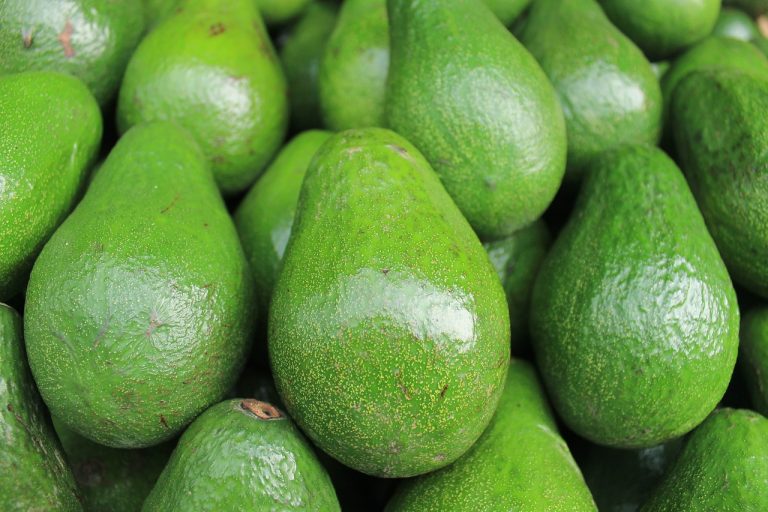
Inside Kenyan company helping smallholder farmers profit from avocado exports

0

As international demand for fresh produce continues to rise, export markets are creating new opportunities for Kenyan farmers to diversify their income and improve profitability.

Among the crops benefiting from this growing global appetite is avocado, which has emerged as one of Kenya’s most valuable horticultural exports.

With access to reliable markets, improved farming practices and stronger supply chains, thousands of smallholder farmers are increasingly turning to avocado cultivation as a pathway to better returns.

In Murang’a County, this transformation is becoming increasingly visible as more farmers replace traditional enterprises with avocado orchards or integrate the crop alongside bananas, maize, beans and sweet potatoes.

The shift has been fuelled by strong demand from international buyers and the growing popularity of Kenyan avocados in major European markets.

One of the farmers who has embraced this opportunity is John Ndotono, whose journey into avocado farming began a decade ago after he moved away from dairy farming.

Today, his 1.5-acre farm in Kiganjo, Gatundu South, stands as a testament to the crop’s potential.

Ndotono started his venture in 2016 after purchasing 130 avocado seedlings from Jomo Kenyatta University of Agriculture and Technology (JKUAT).

“I have been in avocado farming for 10 years now. I started out in 2016 with 130 seedlings. Some dried up while others were stolen from the farm, but today I have about 92 trees that are consistently producing fruits suitable for export and the local market,” he told The Star.

Over the years, he has consistently achieved high-quality harvests, with more than 90 per cent of his fruits meeting export standards.

He attributes part of his success to the support offered by supply chain managers and market access initiatives that help farmers maintain quality requirements.

According to Ndotono, avocado farming has proven to be less demanding than many conventional crops while offering a dependable market.

He says the crop requires relatively low maintenance and benefits from strong demand locally and internationally, reducing the risk of unsold produce and post-harvest losses.

His focus now is on further improving farm management practices to ensure that every fruit harvested meets the stringent standards required by export buyers.

A key player supporting farmers such as Ndotono is SokoFresh, a company that has been working with smallholder avocado growers since 2019.

Through solar-powered cold storage facilities and direct market linkages, the company helps farmers preserve fruit quality, minimise losses and access premium export destinations.

The firm’s model enables farmers to deliver produce through an organised system where fruits are harvested, graded, weighed and packaged before being sold in local and international markets.

Farmers are then paid promptly through a digital platform after delivery.

SokoFresh Senior Export Operator Ejidio Mburu says the company places significant emphasis on farmer recruitment, training and quality assurance to ensure produce consistently meets market requirements.

“To ensure we reach as many farmers as possible, we recruit agents from different areas. These agents are also avocado farmers and help us recruit farmers around them. After recruitment, we train farmers on quality control, good agricultural practices and harvest coordination. This helps them maintain high-quality standards,” Mburu says.

Mburu explains that after onboarding farmers, the company conducts scouting exercises to assess available avocado varieties and expected volumes.

This information is then used to develop harvest schedules that ensure efficient collection and proper coordination throughout the season. Farmers are also involved in price negotiations before harvesting begins.

For farmer Lucy Mumbi, improved market access has been one of the biggest benefits of joining the avocado value chain.

Her 1.5-acre farm hosts 21 avocado trees, and she says organised market channels have helped eliminate challenges that were previously common when dealing with brokers.

“Previously, I struggled with brokers who would sometimes harvest the fruits and disappear. This caused significant and unnecessary losses. SokoFresh has taught us better farming techniques and made it possible to sell our harvest and receive payment on time.”

According to Mburu, one of the challenges faced by small holder farmers is operating on less than one acre, which he says presents difficulties in aggregation, certification, compliance and quality management.

Nevertheless, the outlook for Kenya’s avocado industry remains positive as more farmers continue to embrace the crop and as support systems improve across the value chain.

Data from the United States Department of Agriculture (USDA) shows that Kenya produced 633,000 tonnes of avocados in 2023, making it the sixth-largest producer globally and Africa’s leading exporter by volume.

The country was also ranked second in Africa in export value after South Africa. Export volumes increased from 103,254 tonnes in 2022 to 122,581 metric tonnes in 2023 and are expected to continue rising as avocado farming gains popularity.

Key export destinations in 2024 included the Netherlands, which accounted for 32 per cent of exports, followed by the United Arab Emirates, Spain, France and Germany.

Also Read: You need at least Sh500,000 to start a 300-bird layer farm. Here is the breakdown

Mwalimu National DT SACCO and NCBA launch Salo Xpress to transform payroll management

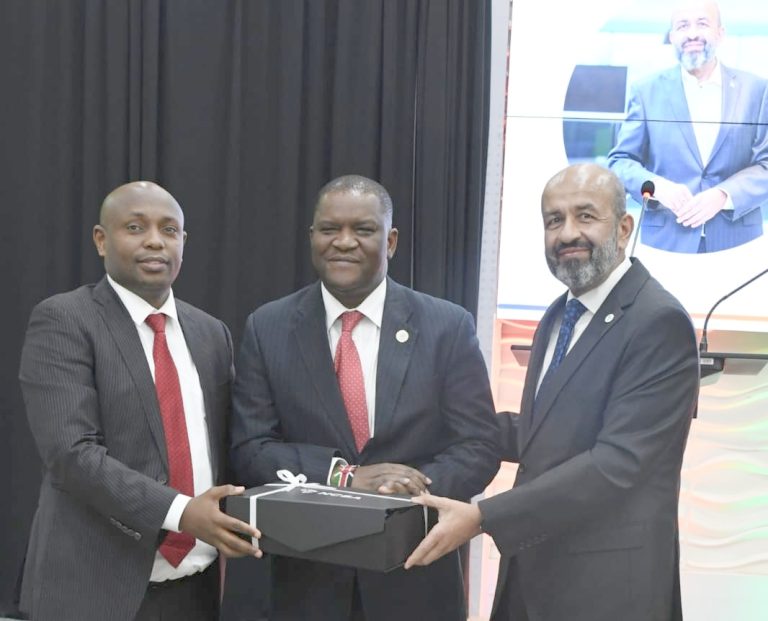
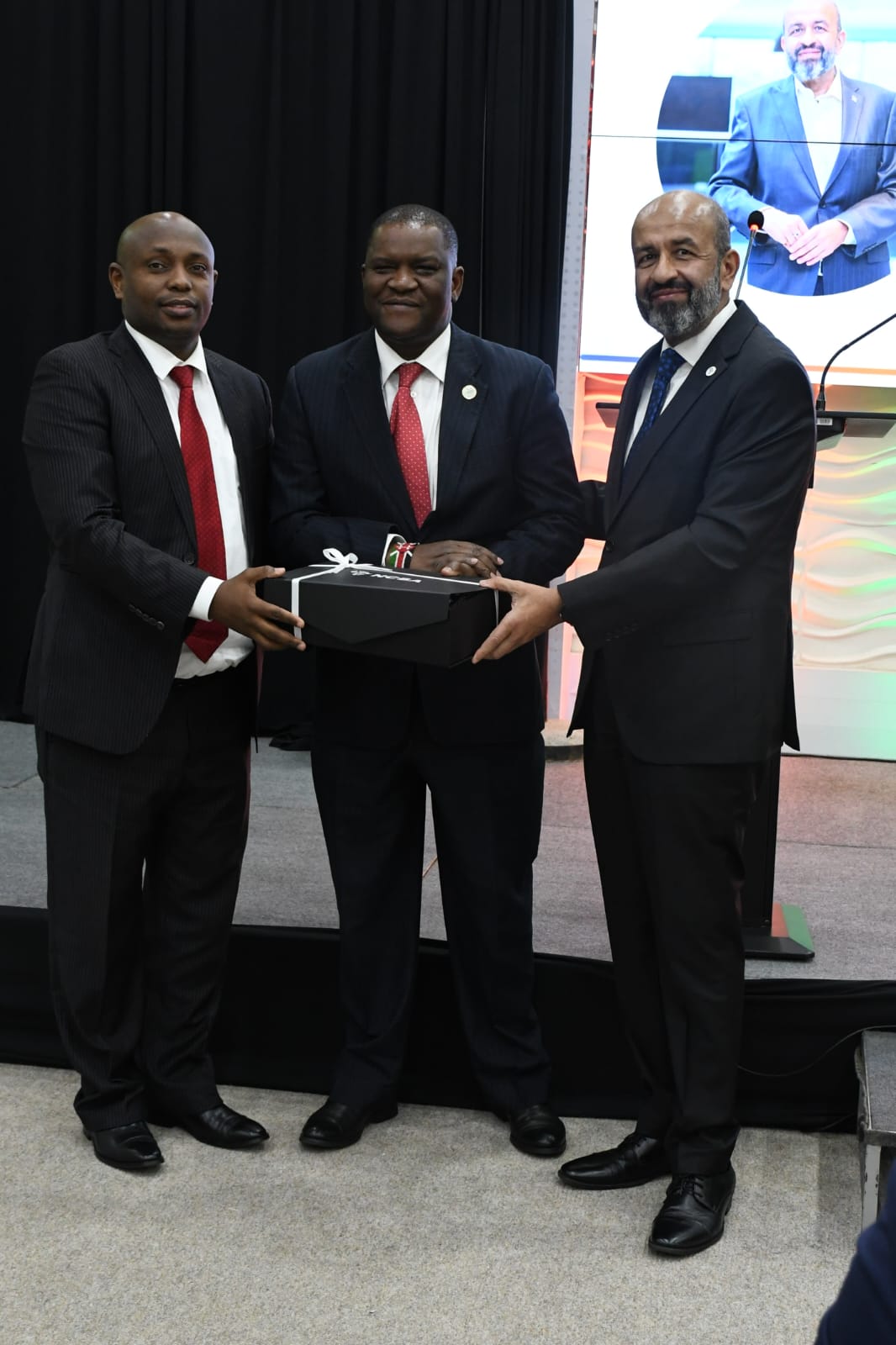
Mwalimu National DT SACCO, in partnership with NCBA, today officially launched Salo Xpress, an innovative payroll management solution designed to simplify salary processing through enhanced efficiency, convenience, transparency, and real-time visibility.

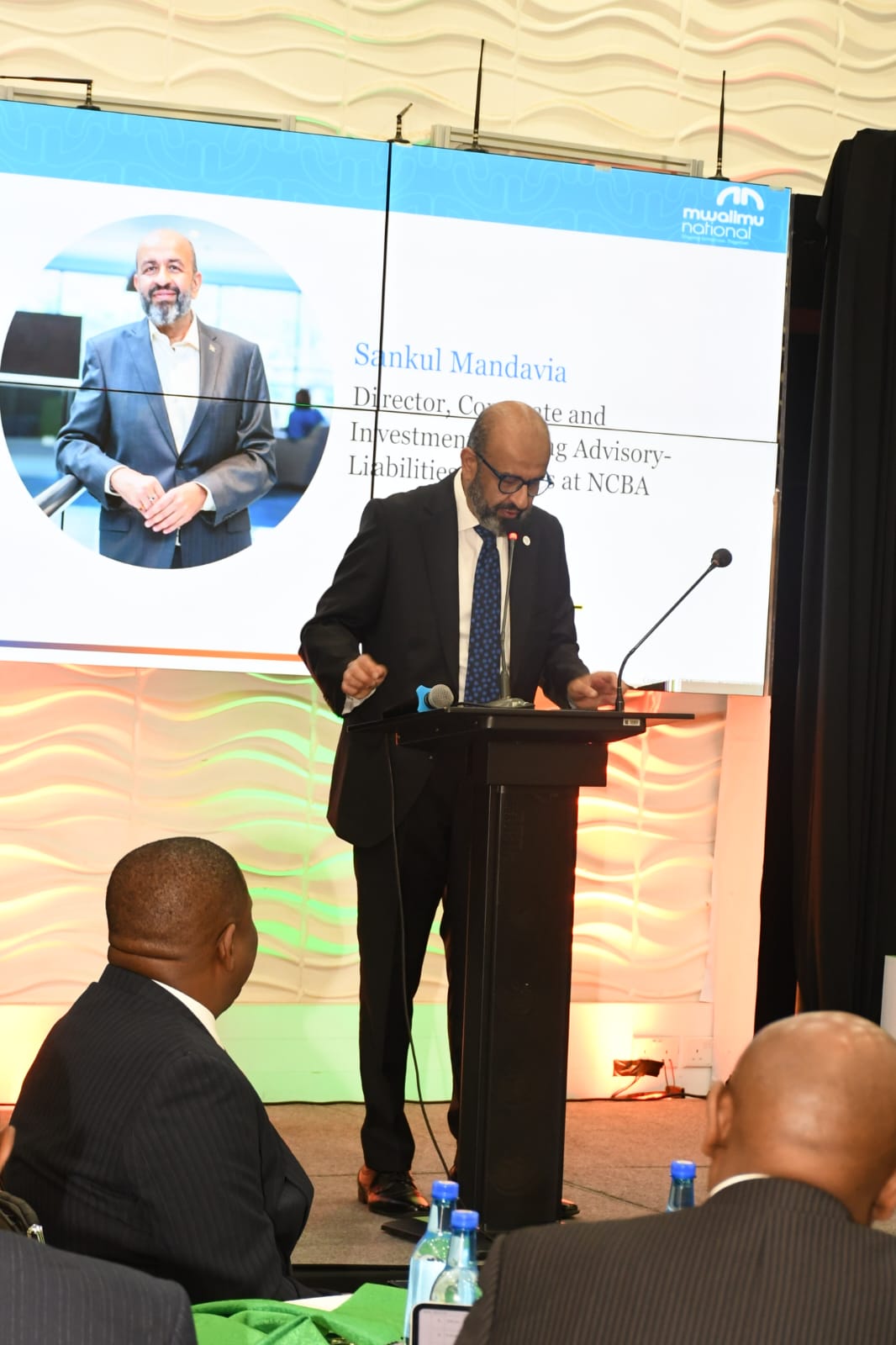
The launch brought together key stakeholders from the cooperative and banking sectors, including the National Chairman and Chief Executive Officer of Mwalimu National DT SACCO and Mr Sankul Mandavia, Director, Corporate Banking – Liability Business, NCBA.

Salo Xpress has been developed to address the growing demand for faster, more efficient payroll management by enabling organizations to process salaries seamlessly while maintaining greater control and visibility throughout the payroll cycle.

The solution offers a range of benefits, including:

  • Full control and convenience in payroll management
  • Fast and seamless payroll processing
  • Access to reports for easy reconciliation
  • Real-time tracking of posting status
  • Improved efficiency and reduced turnaround time

NCBA investment bank and NSE partner to empower youth

Speaking during the launch, the National Chairman of Mwalimu National DT SACCO said the introduction of Salo Xpress demonstrates the SACCO’s commitment to innovation and delivering practical solutions that respond to the evolving needs of organizations.

“At Mwalimu National DT SACCO, innovation remains at the heart of our strategy to deliver value to our members and partners. The launch of Salo Xpress is a significant milestone in our digital transformation journey and reflects our commitment to providing solutions that enhance efficiency, transparency, and convenience. Through strategic partnerships such as the one we have with NCBA Bank Kenya, we continue to develop products that empower institutions to operate more effectively and serve their stakeholders better.”

The Chief Executive Officer of Mwalimu National DT SACCO noted that the solution is designed to help organizations improve operational efficiency while enhancing user experience.

“Salo Xpress is a response to the changing needs of employers and institutions seeking greater speed, accuracy, and visibility in payroll administration. By digitizing and streamlining payroll processes, we are enabling organizations to save time, reduce operational bottlenecks, and access real-time information for better decision-making. This solution underscores our commitment to delivering innovative financial services that create measurable value for our customers.”


Speaking on the partnership, NCBA’s Director Corporate Banking – Liabilities Business, Sankul Mandavia highlighted the financial services group’s role in the development of the solution and reaffirmed NCBA’s commitment to supporting SACCOs through innovative banking solutions.

He said, “At NCBA, our role in the SACCO sector goes beyond providing banking products, we act as a trusted advisor and strategic partner, bringing together digital infrastructure, cash management and advisory capabilities to help SACCOs operate more efficiently and serve their members better. We are proud to support Mwalimu National SACCO in bringing Salo Xpress to life. With NCBA banking 7 out of the top 10 largest SACCOs in Kenya, this partnership demonstrates the tangible value we deliver through innovation, scale, and a deep understanding of the sector.”

The launch of Salo Xpress marks another milestone in the long-standing partnership between Mwalimu National DT SACCO and NCBA, both institutions sharing a vision of delivering customer-centric solutions that enhance operational excellence and drive digital transformation.

As organizations increasingly seek efficient and transparent payroll management systems, Salo Xpress positions itself as a modern solution that combines speed, reliability, and convenience, enabling employers to focus on their core business while ensuring timely and seamless salary processing.

Family Bank rings the bell on historic NSE listing

Family Bank has officially rung the bell to mark the commencement of trading of its shares on the Nairobi Securities Exchange (NSE), becoming the largest private sector listing on the Exchange in over 17 years.

Family Bank has listed approximately 1.66 billion fully paid ordinary shares on the Main Investment Market Segment (MIMS) of the NSE at an introduction price of KES. 18.00 per share, representing an implied market capitalisation of KES. 29.9 billion. The Bank listing by way of introduction, allows current shareholders to trade their shares on the NSE, broadens investor participation and enables the market to establish a fair and transparent price for the Bank’s shares

“Kenya’s largest banks are homegrown and today is a celebration of one. This morning, we have witnessed close to KSh 40 billion in wealth created within minutes of trading, a remarkable testament to what Kenyan enterprises are capable of. We have moved beyond the conversation of small banks and as the Central Bank, our commitment remains to support and safeguard the growth of banks,” said the Chief Guest CBK Chairman Andrew Musangi.

Strong Capital Base Supports Listing Strategy

The Bank’s decision to list by introduction is underpinned by its strong capital position as it remains well capitalized and does not seek to raise additional capital. In 2025, the Bank conducted a Private Placement Offer which successfully raised KES. 8 billion against an initial target of KES. 6.09 billion, representing a 131% achievement.

Kenya Pipeline Company IPO oversubscribed by 105.7% to raise KSh 112.37 Billion

“Today’s listing is more than a capital markets milestone but a testament to the resilience, growth and transformation of Family Bank. For over four decades, we have remained committed to empowering individuals, businesses and communities through accessible financial services. Joining the Nairobi Securities Exchange today marks the beginning of a new chapter defined by enhanced transparency, stronger governance and greater opportunities for value creation for all our stakeholders,” said Family Bank Chief Executive Officer Nancy Njau.

Shareholders Set to Benefit from Enhanced Governance and Liquidity

Family Bank Chairman Lazarus Muema described the listing as a defining moment and a reflection of the confidence that shareholders, customers, employees, regulators and the broader market have placed in the institution over the years.

“As a Board, we have always supported listing as it enhances the Bank’s profile, strengthens corporate governance, and provides greater liquidity for our shareholders. Over the last five years, we have closely monitored the price-to-book multiples of listed banks to determine the optimal timing. We are therefore pleased to have reached this milestone and are confident that this will create long-term value for our shareholders,” said Mr. Muema

From Building Society to National Banking Franchise

The listing underscores the Bank’s evolution from a building society into a leading retail-focused financial institution, serving over 1.3 million customers through 96 branches and digital channels nationwide.

MTN Uganda Goes Public with 20% to the public in their IPO

“The NSE exists to mobilize capital, facilitate investment and connect promising enterprises with investors seeking opportunities for growth. For many years, market participants have called for more listings, greater market depth and increased participation from high-quality private-sector issuers. The admission of Family Bank therefore represents the continued strengthening of Kenya’s market architecture and reinforces the position of the NSE as the premier platform for capital formation in East Africa,” said NSE Chairman Kiprono Kittony.

Advisory Team Delivers Landmark Capital Markets Transaction

The lead transaction advisors are Standard Investment Bank (SIB), PricewaterhouseCoopers (PwC) as the reporting accountants and Mboya Wangong’u & Waiyaki Advocates as the legal advisors.

Representing Standard Investment Bank, Job Kihumba, Executive Director, Corporate Finance stated, “The listing of Family Bank on the Nairobi Securities Exchange marks a significant milestone for both the institution and Kenya’s capital markets. Beyond enhancing the bank’s visibility and access to capital, the listing provides shareholders with greater liquidity and a transparent platform for value realization.

As Lead Transaction Adviser, Standard Investment Bank is proud to have successfully executed this landmark transaction, delivering a seamless pathway to the public markets. We believe the listing positions Family Bank to accelerate its growth ambitions while broadening investor participation in one of Kenya’s leading banking franchises.”

Family Bank rings the bell on historic NSE listing

Mobile money accounts increase by two million in Q3, pushing subscriptions to 53.4 million

0

Mobile Money: The latest sector statistics released by the Communications Authority of Kenya (CA) for the third quarter of the 2025/26 financial year (January–March 2026) demonstrate continued growth in mobile money services and the broader digital financial ecosystem.

Mobile Money Adoption Continues to Accelerate

Mobile money subscriptions increased from 51.4 million in the previous quarter to 53.4 million, representing a quarterly growth rate of 3.9%. This translates to approximately two million additional mobile money accounts within three months which demonstrates the sustained adoption of digital financial services across the country.

Agent Network Expansion Strengthens Financial Access

This growth was accompanied by a significant expansion of agent networks. The number of registered mobile money agents increased from 501,399 to 602,470, a substantial quarterly growth of 20.2% that represents 101,000 new agents added during the quarter.

M-PESA Maintains Market Dominance Through Scale and Innovation

Safaricom remains the market leader in the mobile money market, accounting for 89.1% of mobile money subscriptions. The company’s continued investment in converged digital solutions has been supported by the M-PESA Fintech 2.0 platform upgrade, which has significantly enhanced system capacity.

The upgraded platform is designed to support significantly higher transaction volumes and enables the rollout of new digital financial products and services. This scale is further reflected in Safaricom’s FY26 performance, where the Kenya ecosystem processed approximately 46.41 billion transactions valued at KSh 41.68 trillion. Importantly, the platform continues to be driven by high-frequency, low-value transactions.

During FY26, Safaricom facilitated approximately 17.1 billion Kadogo transactions, accounting for 36.8% of total M-PESA transaction volumes. This demonstrates the extent to which small-value digital transactions support day-to-day liquidity needs for households, informal businesses, and micro-enterprises.

Safaricom’s Ziidi Fund wins global fintech innovation award at MWC 2026

Mobile money accounts Increase by two million in Q3, pushing subscriptions to 53.4 Million
CA Q3 SECTOR STATS (Green: Safaricom, Red: Airtel)

Digital Financial Products Drive the Next Phase of Growth

M-PESA’s continued evolution beyond payments and money transfers is increasingly evident through the expansion of savings, investment, insurance, and wealth management products.

As of 15 June 2026, Ziidi Trader has attracted approximately 688,000 opt-ins and over 103,000 active traders. Ziidi Trader platform has facilitated 533,000 trades involving 171 million shares and a traded value of approximately KSh 1.9 billion.

The most mature product within the ecosystem is Ziidi MMF, which has recorded approximately 7.7 million opt-ins, with 2.42 million active investing subscribers and assets under management (AUM) of approximately KSh 19.8 billion.

This makes it the largest investment product within the M-PESA ecosystem and indicates strong consumer appetite for low-entry digital investment solutions. Insurance products also demonstrate significant market potential. Tuunza has attracted approximately 759,000 opt-ins, with 87,000 customers purchasing cover, covering more than 205,000 livesthrough over 7,100 active policies.

The Shariah-compliant investment offering, Ziidi Shariah, has achieved approximately 836,000 opt-ins, translating into more than 102,000 investing subscribers and assets under management of approximately KSh 154 million.

Products targeting businesses and capital markets participation are also gaining traction. Ziidi Biashara has recorded approximately 25,000 opt-ins, while Ziidi Trader has attracted approximately 688,000 opt-ins and over 103,000 active traders, facilitating approximately 533,000 trades, worth 171 million shares and a traded value of approximately KSh 1.9 billion.

At the lower end of the savings spectrum, Ziidi Pochi has registered approximately 1.46 million opt-ins, with nearly 196,000 active saving users and assets under management of approximately KSh 318 million. This indicates continued demand for informal, accessible digital savings products designed for smaller and more frequent transactions.

These developments suggest that mobile money platforms are increasingly evolving into broader financial ecosystems that support savings, investment, insurance, and participation in capital markets. The continued expansion of these services demonstrates the growing role of mobile money providers in deepening financial inclusion and expanding access to formal financial products across different customer segments.

Prime real estate: DStv stream secures first-ever native app integration on Samsung Smart TVs

0
CANAL+ and Samsung Electronics, the world’s leading Smart TV manufacturer, are extending their strategic collaboration across English and Portuguese-speaking African markets served by MultiChoice Group.
This partnership marks the first ever pre-installation rollout of a MultiChoice Group streaming application, DStv Stream app, on Samsung Smart TVs across these markets. It also supports the continued expansion of MultiChoice Group’s streaming and OTT ecosystem across key African markets.
This new milestone builds on the strategic partnership already deployed between CANAL+ and Samsung across 40 markets in Europe, French-speaking Africa and Asia.
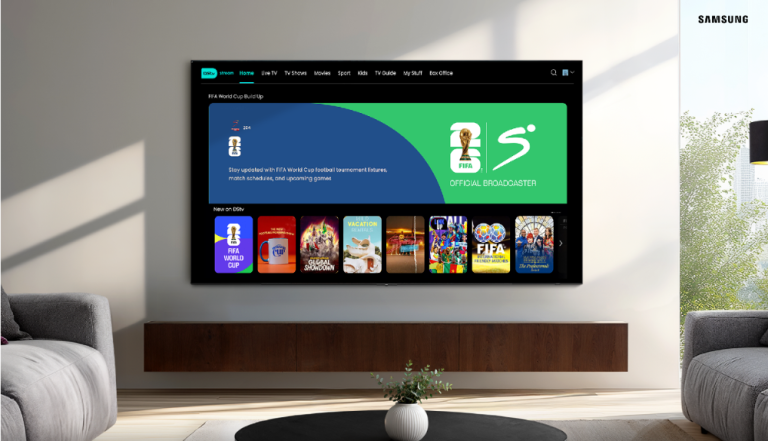
From 1 June 2026, the DStv Stream app will be pre-installed on all new Samsung Smart TVs across 18 African countries, including South Africa, Nigeria, Kenya, Angola, Tanzania, Uganda, Zambia and Zimbabwe.
Through this integration, Samsung users will benefit from simplified access to the full breadth of content available on DStv Stream, including the entire FIFA World Cup 2026™, the English Premier League, and domestic and international rugby competitions, alongside a rich offering of local and international entertainment content. The DStv Stream app will be directly accessible from the home screen of new Samsung Smart TVs, providing users with the simplest and most seamless way to access MultiChoice Group’s content and offerings.
This partnership is a strong example of the opportunities created by the combination of CANAL+ and MultiChoice Group, accelerating the distribution of digital services and enhancing accessibility, discoverability and user experience for English- and Portuguese-speaking audiences across Africa.
David Mignot, CEO of CANAL+ Africa and CEO of MultiChoice Group:
“We are delighted to extend our longstanding partnership with Samsung across new English and Portuguese-speaking African countries. It marks a significant milestone in the synergies created by the combination of CANAL+ and MultiChoice Group. As viewing habits continue to evolve rapidly across the continent, strengthening the accessibility and discoverability of our content offer on connected devices is key.
By expanding the availability of our applications on Samsung Smart TVs across key African markets, we are making it even easier for millions of MultiChoice Group’s subscribers to seamlessly access the content that define the uniqueness of CANAL+ and MultiChoice Group experience”.

Equity bank and buffalo bicycles partner to boost mobility and economic empowerment in Kenya

0

Equity Bank Kenya and Buffalo Bicycles Kenya (BBK) have entered a partnership aimed at making quality bicycles more accessible to Kenyans, a move the two organisations say will improve mobility, support economic empowerment, boost physical fitness, and expand access to essential services.

Speaking during the launch, Equity Bank Kenya Managing Director Moses Nyabanda said the initiative aligns with the lender’s mission of empowering individuals and communities through practical solutions that improve livelihoods.

“One of the solutions we are proud to be part of is empowering the owner of the bicycle. As Equity, we are making it as easy as possible for people to acquire these bicycles. When somebody acquires a bicycle, it transforms them economically. Compared to spending money on transport every day, the return on investment is very high,” he said.

“The health outcomes are also much better when riding a bicycle. It promotes physical fitness while providing a reliable and affordable means of transport.”

Nyabanda added that the partnership reflects the growing importance of collaboration in addressing development challenges and creating sustainable impact.

“In today’s world, meaningful impact cannot be achieved in isolation. The first partnership is between Equity and Buffalo Bicycles, but we see opportunities to bring in governments and other partners to broaden the impact even further,” he said.

Equity Group enters retail pharmacy business with first outlet in Nairobi

As part of the arrangement, Equity Bank will support access to the bicycles through financing solutions and will initially showcase the products in its branches, starting with four in Nairobi. The financing solution is expected to make bicycle ownership more accessible to entrepreneurs, small business owners, institutions, and individuals seeking reliable and affordable transport. By reducing upfront costs, the partnership will enable more Kenyans to invest in mobility that supports livelihoods and everyday activities.

The partnership will see customers access three bicycle models, including the Single Speed bicycle, the Charger model, and the Double Chain model.

BBK East African Regional Director Maureen Kolenyo said the partnership is designed to remove barriers that prevent people from accessing opportunities due to distance and lack of affordable transport.

She said the company shares Equity’s commitment to inclusion and empowerment, particularly for low-income earners and small-scale entrepreneurs.

“We are excited about the opportunities this partnership presents and how it can transform lives across communities. As a business, one of the things we do is ensure that the small entrepreneur is able to participate in the economy. Just as banking has reached the mama mboga and the person on the street, we believe no one should be denied education, healthcare or economic opportunities because of distance,” said Kolenyo.

According to Kolenyo, the bicycles are designed to withstand demanding conditions and can be used across the country for both personal and commercial purposes.

As part of the deal, BBK has committed to donating 100 bicycles to the Equity Group Foundation (EGF) for every 1,000 bicycles purchased and financed through Equity.

The initiative is expected to support sustainable mobility financing that reduces transport costs by up to KES 15,000 monthly through fuel savings, while also promoting healthier lifestyles. Cycling, the partners noted, is a low-cost, accessible form of exercise that supports both physical fitness and mental wellbeing, helping reduce stress and improve overall productivity.