

Home Blog Page 40

UAE introduces visa-on-arrival for select Kenyan passport holders

0

Kenyans travelling to the United Arab Emirates (UAE) under specific residency conditions will now be able to obtain visas on arrival following a new initiative aimed at easing travel and strengthening economic ties.

In a statement on Thursday, June 25, the UAE Embassy in Kenya announced that Kenyan nationals holding ordinary passports will be eligible for either a 14-day or 60-day visa on arrival in the UAE, provided they possess a valid residence permit from select countries.

The listed countries are the United States, the United Kingdom, a European Union member state, Singapore, Japan, South Korea, Australia, New Zealand, and Canada.

The provision also extends to accompanying family members who meet the same residency requirements.

“Effective June 25, 2026, the United Arab Emirates will grant visas on arrival to ordinary passport holders from the Republic of Kenya and their accompanying family members who hold valid residence permits issued by the United States, a European Union member state, the United Kingdom, Australia, Japan, Singapore, the Republic of Korea, Canada, or New Zealand,” UAE Embassy in Kenya announced.

According to the embassy, the new visa policy is part of the UAE’s broader strategy to make international travel more convenient while reinforcing the country’s position as a leading global hub for tourism, trade and investment.

Under the new framework, the 14-day visa can be extended once while in the UAE, while the 60-day visa is issued for a single stay and cannot be extended. Travellers who overstay beyond the permitted period will be subject to a fine per day.

The UAE remains one of the most popular destinations for Kenyans, attracting visitors for leisure, shopping, medical tourism, higher education and employment opportunities.

The country also serves as a major international transit hub, with its airports connecting passengers to destinations across Asia, Europe, North America and the Middle East.

The latest policy is expected to enhance people-to-people exchanges and strengthen commercial links between Kenya and the UAE, which have continued to deepen through trade, investment and diplomatic cooperation in recent years.

Also Read: US embassy cancels hundreds of visas over birth tourism

Magic flower helping vegetable farmers cut costs, boost yields

0

For many farmers, flowers are grown for beauty or the ornamental market. However, one bright yellow flower is quietly proving to be a valuable ally in vegetable production, helping farmers reduce pest attacks, improve soil health and make better use of limited farmland.

Agricultural experts are increasingly encouraging farmers to intercrop vegetables with Mexican Marigold (Tagetes erecta), a companion plant that offers multiple agronomic benefits while reducing dependence on chemical pesticides.

Unlike conventional farming, where vegetables are often planted in monoculture, companion planting brings together crops that naturally support one another.

Mexican Marigold has emerged as one of the most effective companion plants for vegetables such as cabbages and onions.

One of its greatest advantages is natural pest control. The plant emits compounds that repel destructive insects, including aphids, whiteflies and cabbage moths, which are among the most common pests affecting vegetable crops.

By keeping these insects away, farmers can significantly reduce pesticide use, thereby lowering production costs and promoting safer, more environmentally friendly farming practices.

Beyond protecting crops above the ground, Mexican Marigold also works beneath the soil. Its roots help suppress harmful nematodes, microscopic worms that attack vegetable roots and weaken plant growth.

Keeping these pests under control enables crops to develop stronger root systems, resulting in healthier plants and improved yields.

The benefits extend further to the overall farm ecosystem. Introducing flowering companion plants increases biodiversity by attracting beneficial insects and natural predators that feed on crop pests.

A more diverse ecosystem slows the spread of destructive insects and helps maintain a healthier balance within the field.

Soil health also improves over time. As Mexican Marigold plants decompose after the growing season, they add valuable organic matter to the soil, enhancing its fertility.

Their root systems also help improve soil structure, promoting better aeration and water infiltration.

Intercropping additionally enables farmers to maximize the use of available land. Instead of leaving spaces between vegetable rows unutilised, Mexican Marigold can be grown alongside the main crop, increasing productivity per unit area without requiring additional farmland.

The dense plant cover also suppresses weeds by shading the soil, reducing weed growth and minimising labour spent on weeding.

When onions are included in the intercrop, farmers gain another layer of natural crop protection. Onions release sulphur-containing compounds that naturally repel aphids and certain beetles.

Establishing onion beds immediately adjacent to cabbage fields creates a protective barrier that complements the pest-repelling properties of Mexican Marigold, giving cabbage plants enhanced defence against insect attacks.

As production costs continue to rise and consumers increasingly demand safer food produced with fewer chemicals, companion planting is becoming an attractive option for both small-scale and commercial growers.

Also Read: Inside Kenyan company helping smallholder farmers profit from avocado exports

Expert: Practical tips for building a profitable rice business

0

Rice is a staple food in many households, making it one of the fastest-moving commodities in the food business.

Its consistent demand throughout the year has made rice trading an attractive venture for entrepreneurs seeking a reliable source of income.

While the business requires significant capital to expand, industry players say aspiring traders should not let limited finances discourage them from taking the first step.

According to businesswoman Nyambura Maina, popularly known as Esther Pishori Rice, one of the most common questions she receives from aspiring entrepreneurs is how much capital is required to venture into the rice business.

Her response, however, remains unchanged: start with whatever resources are available and build the business gradually.

“The rice business is capital-intensive, and if you keep waiting until you have ‘enough’ capital, you may never start,” she says.

She notes that traders begin at different levels depending on their financial ability. Some start by selling as little as 10 kilograms of rice, others begin with 20 kilograms, while some are able to purchase one or several bags.

What matters most, she says, is taking the first step and growing steadily over time. Beyond capital, Esther emphasizes that understanding the market is one of the key ingredients for success.

Entrepreneurs should take time to study customer preferences and monitor seasonal patterns such as planting and harvesting periods, as these often influence rice prices and availability.

She also advises traders to establish relationships with reliable suppliers capable of providing quality rice at competitive prices.

Having dependable sources of stock, she says, enables businesses to remain competitive while maintaining customer confidence.

Customer service is another factor she believes can determine whether a business thrives or struggles.

According to her, every buyer deserves equal respect regardless of the quantity they purchase.

“Whether a customer buys one kilogram or 10 kilograms, treat them with the same respect. Every customer matters,” she says.

Marketing, she adds, has become increasingly important in today’s competitive business environment.

Rather than relying solely on walk-in customers, entrepreneurs should consistently promote their businesses and build recognizable brands.

The business lady reveals that a significant portion of her own sales comes from online customers, a result she attributes to regular digital marketing efforts.

She encourages traders to take advantage of social media platforms such as Facebook, WhatsApp Status and TikTok to showcase their products, engage potential customers and maintain visibility.

“Make noise online,” she advises, noting that consistent online presence helps businesses reach wider audiences and attract repeat customers.

Also Read: A smart budget breakdown for anyone earning Sh100,000 a month

KNEC opens grade 10 learner registration for school-based assessment

0

The Kenya National Examinations Council (KNEC) has commenced the registration of Grade 10 learners for School-Based Assessment (SBA), marking another key step in the implementation of the Competency-Based Curriculum (CBC).

In a notice issued to school principals, the examinations council directed all registered senior school centres to enrol learners through the Competency-Based Assessment (CBA) portal before the registration deadline.

The exercise follows the recent completion of registration for senior school assessment centres, with KNEC clarifying that only institutions that have successfully completed the centre registration process will be allowed to register learners.

“Registered centres have been enabled to register Grade 10 learners on the portal for School-Based Assessment (SBA),” the council said.

KNEC instructed principals to access the CBA portal using the new universal centre code generated during the registration of senior school centres. The code will serve as both the username and password required to log into the system.

According to the council, school heads must ensure all Grade 10 learners are registered within the stipulated period to guarantee their participation in the School-Based Assessment programme.

“Use the new universal centre code generated from the Senior School portal during registration of the centres as the username and password to log into the CBA portal. Register Grade 10 learners on the portal,” said KNEC.

The council noted that the registration exercise is a crucial component of the ongoing rollout of the CBC framework, which has introduced significant changes to teaching, learning and assessment at the senior school level.

KNEC further urged principals to complete the process within the set timeline to avoid disruptions to the assessment cycle, adding that the registration window will close on July 30, 2026.

The exercise is intended to ensure that all eligible Grade 10 learners are captured in the national assessment system as they progress through senior school under the competency-based education model.

Also Read: Parents face higher secondary school fees as principals seek funding review

Titus Muya’s wealth increases by Sh4.7bn on Family Bank listing

0

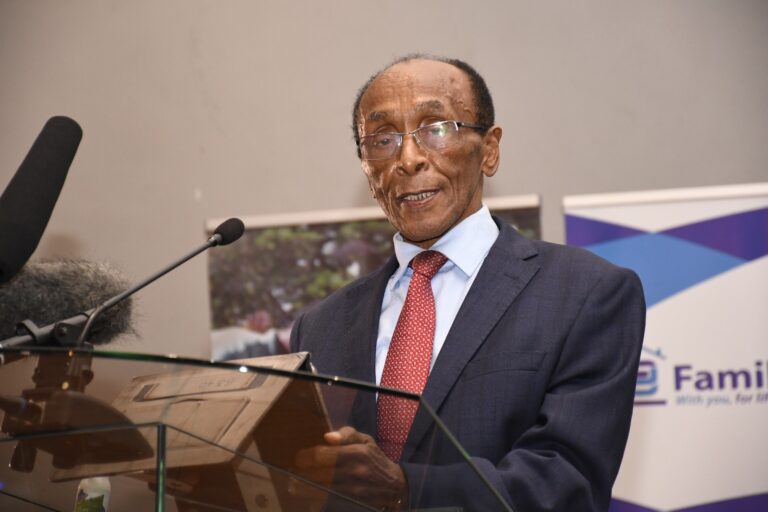
Family Bank founder Titus Muya and a group of related investors recorded a combined paper gain of Sh4.74 billion on Tuesday after the lender’s shares surged 44 percent during their first day of trading on the Nairobi Securities Exchange (NSE).

The bank, which listed 1.662 billion shares at Sh18 each, closed its debut trading session at Sh26 per share, pushing its market capitalisation to Sh43.23 billion from Sh29.9 billion at listing.

The sharp rise significantly boosted the wealth of Muya and entities linked to him, including family members, Daykio Plantation Ltd, Kenya Orient Life Assurance and Kenya Orient Insurance.

Together, the group controls a 35.67 percent stake in the lender, equivalent to 593.03 million shares.

The value of the combined holding rose to Sh15.42 billion at the close of trading from Sh10.67 billion based on the listing price, translating into a paper gain of Sh4.74 billion in a single day.

Investors who sold their shares during the peak of trading realised even larger returns. Family Bank’s stock climbed to an intra-day high of Sh50 before retreating to close at Sh26, offering early sellers a return of nearly 178 percent over the Sh18 reference price within hours of the listing.

Muya directly owns a 4.42 percent stake in the bank, representing 73.4 million shares whose market value stood at approximately Sh1.9 billion at Tuesday’s closing price.

Members of his family and related estates hold an additional 324.29 million shares valued at Sh8.43 billion. Daykio Plantation, Muya’s agribusiness investment vehicle, owns 158.46 million shares worth Sh4.12 billion.

Kenya Orient Life Assurance holds a 2.13 percent stake, equivalent to 35.34 million shares valued at Sh918.9 million, while Kenya Orient Insurance owns 1.5 million shares, representing a 0.09 percent stake.

The gains extended beyond Muya’s investment circle. Kenya Tea Development Agency (KTDA) Holdings, the bank’s largest shareholder with an 18.98 percent stake, saw the value of its 315.63 million shares increase to Sh8.2 billion from Sh5.68 billion at the listing price.

Family Bank’s NSE debut marks a major milestone for the lender, which has traded on the over-the-counter market since 2006. The move to the main exchange is expected to enhance liquidity, improve price discovery and broaden access to both institutional and retail investors through the NSE’s trading platform.

Family Bank Chairman Lazarus Muema described the listing as a defining moment and a reflection of the confidence that shareholders, customers, employees, regulators and the broader market have placed in the institution over the years.

“As a Board, we have always supported listing as it enhances the Bank’s profile, strengthens corporate governance, and provides greater liquidity for our shareholders. Over the last five years, we have closely monitored the price-to-book multiples of listed banks to determine the optimal timing. We are therefore pleased to have reached this milestone and are confident that this will create long-term value for our shareholders,” said Mr. Muema

The listing underscores the Bank’s evolution from a building society into a leading retail-focused financial institution, serving over 1.3 million customers through 96 branches and digital channels nationwide.

Also Read: The business lessons I learned after founding Family Bank

A smart budget breakdown for anyone earning Sh100,000 a month

For many Kenyans navigating a challenging economic environment, a monthly net salary of Sh100,000 represents a significant financial milestone.

However, earning a six-figure income does not automatically guarantee financial security. The real difference lies in how the money is managed.

According to Abojani Investment, a financial and investment advisory firm, a Sh100,000 salary can provide a comfortable lifestyle while still allowing room to build wealth for the future, provided there is a deliberate plan for budgeting, saving, and investing.

The firm notes that while many unemployed Kenyans view a Sh100,000 paycheck as a dream income, those fortunate enough to earn it should approach it as an opportunity to meet present needs while laying a strong financial foundation for tomorrow.

A practical approach is to use the 50:30:20 budgeting rule, where 50 percent of the income should be directed to needs, 30 percent to wants, and 20 percent to savings and investment.

Below is an effective way to budget a Sh100,000 salary:

Pay Yourself First

One of the most important principles in personal finance is paying yourself before paying anyone else.

Abojani Investment recommends allocating 20 percent of a Sh100,000 salary, equivalent to Sh20,000, towards savings and investments.

The first step is building an emergency fund that can cushion you against unexpected financial shocks such as job loss, medical emergencies, or urgent family obligations.

This can be achieved by setting aside at least Sh5,000 every month in a Money Market Fund (MMF) for about 15 months.

Another Sh5,000 can be directed towards building SACCO share capital, creating a base for future projects, business ventures, or access to affordable credit facilities.

The remaining Sh10,000 can be invested in a diversified stock portfolio that targets both dividend income and long-term capital appreciation.

Any dividends or investment returns earned should be reinvested to accelerate wealth creation through compounding.

As your investments grow, you can also begin exploring larger wealth-building opportunities such as purchasing land, particularly if your long-term goal is to build a family home or secure appreciating assets.

According to Abojani, once a solid emergency fund is in place, the pressure of unexpected expenses reduces significantly, freeing up more disposable income that can be channelled into business ventures and additional investments.

Keep Essential Expenses Under Control

The second bucket consists of essential needs, which should ideally account for 50 percent of income, or about Sh50,000 per month.

These are the expenses that keep daily life running and include rent, food, transport, utilities, insurance, and other necessary household costs.

Housing remains one of the biggest threats to financial stability when not properly managed. Financial experts advise keeping rent within 20 to 25 per cent of monthly income wherever possible.

“Keep rent within 20%–25% of your income where possible. Housing is often the biggest budget killer, and controlling it creates room for saving and investing,” Abojani states.

For someone earning Sh100,000, this means targeting housing costs of between Sh20,000 and Sh25,000.

Controlling spending on necessities creates room for savings and investments. The lower your essential expenses, the greater your financial flexibility and ability to achieve future goals.

Make Room for Enjoyment and Personal Growth

While saving and investing are critical, money should also enhance quality of life. The final 30 per cent of the budget, equivalent to Sh30,000, can be allocated to personal growth, recreation, and other discretionary expenses.

This portion can cover gym memberships, professional courses, certifications, books, travel, hobbies, entertainment, and social activities. It can also support charitable giving, tithing, or causes that matter to you.

Investing in yourself often produces returns that go beyond financial gains. Professional training can increase earning potential, while activities that promote physical and mental wellbeing can improve overall quality of life.

Abojani also recommends front-loading certain expenses whenever possible. Paying for items such as insurance cover, professional courses, or gym memberships annually rather than monthly can reduce recurring obligations and improve monthly cash flow.

Also Read: Expert guide: smart money moves to make after landing your first job

Equity Group shareholders approve KES. 21.7 Billion dividend, insurance expansion, and key governance resolutions at 22nd AGM

Equity Group Holdings Plc shareholders have approved all proposed resolutions tabled at the 22nd Annual General Meeting (AGM), including dividend payout, board appointments, and an expansion into insurance markets in Kenya and the Democratic Republic of Congo (DRC).

Shareholders Endorse Strong Financial Performance

The AGM, held electronically, saw shareholders adopt the audited financial statements for the year ended 31st December 2025, together with the Chairman’s, Directors’ and Auditors’ reports, highlighting the continued confidence in the Group’s performance and strategic direction.

Kshs. 21.7 Billion Dividend Approved

Shareholders approved a first and final dividend of KES. 21.70 billion (Kshs. 5.75 per share) for the financial year ended 31st December 2025, representing a 35.5% increase from the Kshs. 16.04 billion (Kshs. 4.25 per share) distributed in respect of the 2024 financial year.

The dividend will be paid on or about 30th June 2026 to shareholders on the Company’s Register at the close of business on 22nd May 2026.

Equity Expands into Insurance in Kenya and DRC

Shareholders also approved, as special business resolutions, the incorporation of three new insurance subsidiaries through the Group’s holding structure, Equity Group Insurance Holdings Limited, subject to regulatory approvals.

Float loans for Equity agents: requirements and application steps

The plan includes the incorporation of a microinsurance company in Kenya with a capital of KES. 192 million, as well as the incorporation of two insurance subsidiaries in the DRC: a life insurance company with USD 12 million capital and a general insurance company with USD 13.37 million capital. The Board was authorised to take all necessary steps to operationalise the new businesses.

Chairman Reaffirms Commitment to Long-Term Growth

Equity Group Chairman Prof. Isaac Macharia said the approvals reflect strong shareholder confidence in the Group’s governance and long-term strategy under the Africa Recovery and Resilience Plan (ARRP).

“The approvals received today reflect our shareholders’ confidence in Equity’s strategy and oversight. We remain committed to strong governance, prudent stewardship, and delivering sustainable value by building an institution that expands opportunities for our customers and strengthens resilience across our markets,” he said.

CEO Says Insurance Expansion Strengthens Integrated Financial Services

Equity Group Managing Director and CEO, Dr James Mwangi, said the insurance expansion strengthens the Group’s ability to deliver integrated financial services across the region.

“Equity continues to pursue growth anchored on innovation, regional presence, and solutions that protect and advance livelihoods. The approvals to expand our insurance footprint strengthen our ability to offer more holistic financial services that help customers and communities manage risk, build resilience, and plan confidently for the future,” he said.

Equity Group shareholders approve KES. 21.7 Billion dividend, insurance expansion, and key governance resolutions at 22nd AGM

Shareholders Approve Board Appointments and Auditor

On governance, shareholders approved all board resolutions presented at the meeting. This included the re-election of Prof. Isaac Macharia, Mr Jonas Mushosho, Dr Evanson Baiya, and Mrs Farida Khambata as Directors of the Company.

Shareholders also approved the appointment of Dr Eliane Ubalijoro as a Director, subject to receipt of the requisite regulatory approvals.

The AGM further approved the appointment of Ernst & Young as the Company’s external auditors until the conclusion of the next AGM.

Focus Remains on Financial Inclusion and Regional Growth

Looking ahead, Equity Group remains focused on advancing financial inclusion, strengthening governance, and delivering meaningful impact by supporting households and enterprises across the region through accessible, customer-centric financial solutions.

Equity Group shareholders approve KES. 21.7 Billion dividend, insurance expansion, and key governance resolutions at 22nd AGM
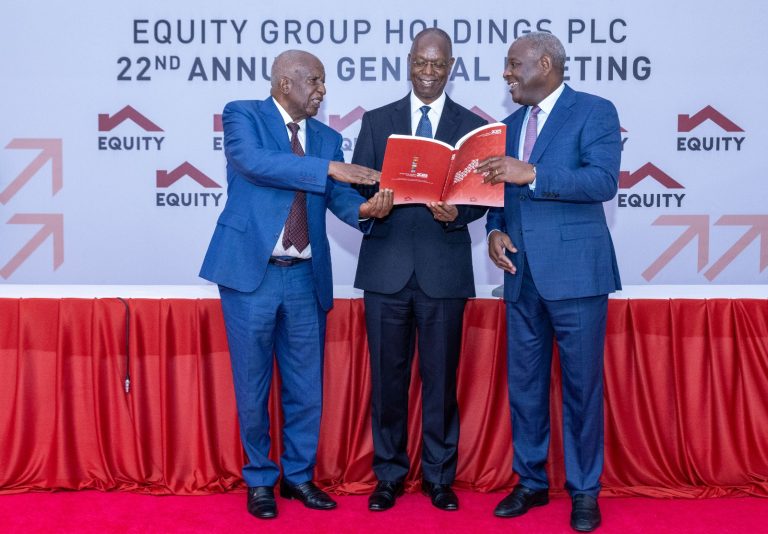
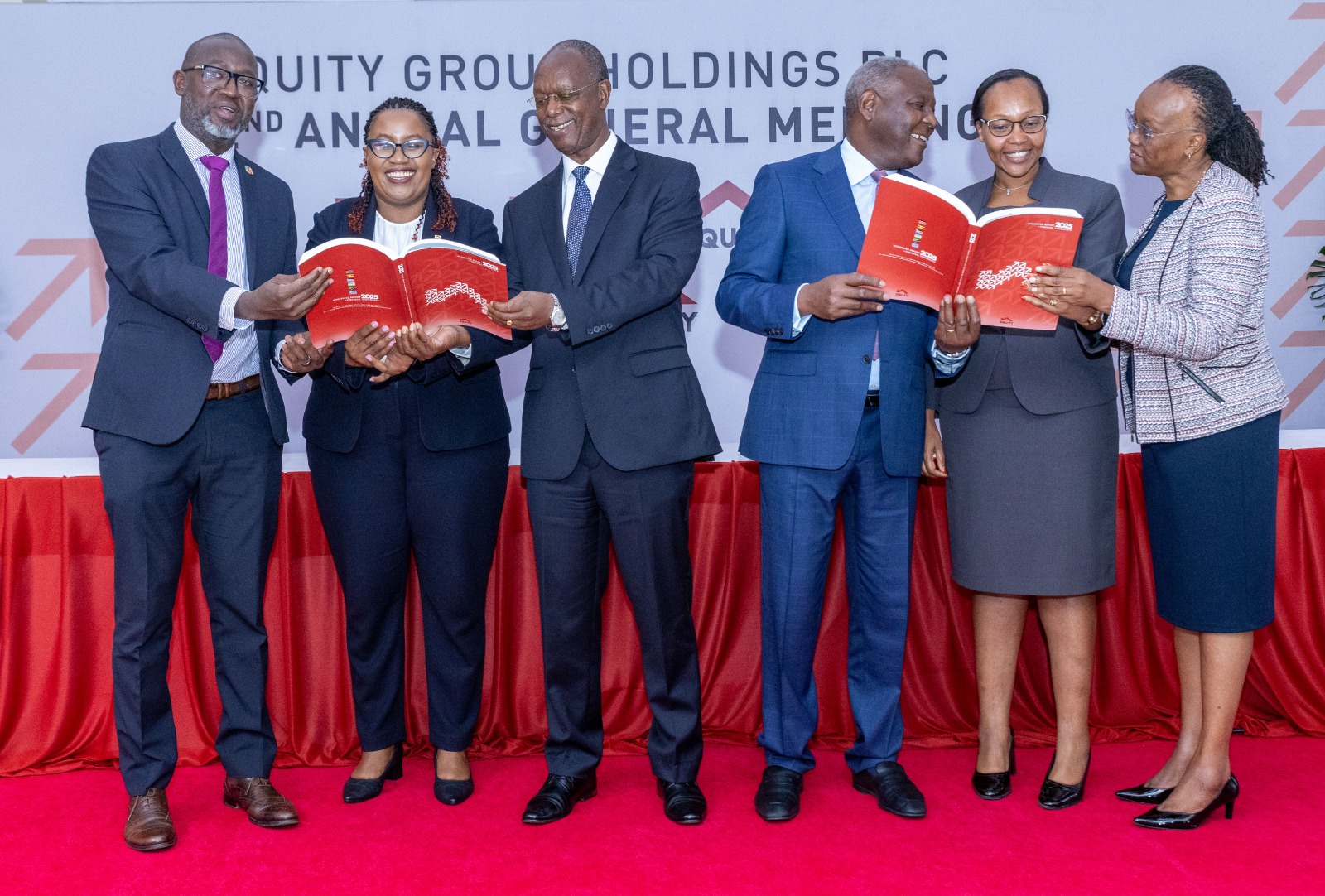
From Left to Right: Benard Kiragu, Corporate Governance Auditor, Scribe Services Registrars, Equity Group Company Secretary and Head of Tax, Lydia Ndirangu, Group Chairman, Prof. Isaac Macharia, Group Managing Director and CEO, Dr. James Mwangi, Rosa Nduati-Mutero, Managing Partner, ALN Kenya, Bernice Kimacia, Auditor, PricewaterhouseCoopers, during the Group’s 22nd Annual General Meeting.

Ecobank Kenya appoints Flora Mutahi to board as non-executive director

0

[Nairobi, Kenya, 23rd June 2026] – Ecobank Kenya has appointed Flora Mutahi as a Non-Executive Director to its Board, reaffirming the Bank’s commitment to strengthening strategic leadership, empowering SMEs and women-led businesses, and strengthening Kenya’s role as a gateway for Pan-African commerce.

A Forbes 50 Over 50 Honoree, Flora is a distinguished business leader with over 30 years of extensive experience and is widely recognized for her transformative leadership manufacturing, enterprise development, and corporate governance across Africa. As ti Founder and CEO of Melvin Marsh International, she built a leading regional tea and beverage business while championing innovation and value addition within Kenya’s manufacturing sector.

Flora has held several influential leadership positions, including serving as the first female Chairperson of the Kenya Association of Manufacturers (KAM) and later as the first female Chairperson of the Kenya Private Sector Alliance (KEPSA).

She is also an accomplished author, speaker and mentor who continues to champion entrepreneurship, leadership development, and sustainable business growth across the continent.

Parents face higher secondary school fees as principals seek funding review

Announcing the appointment, the Interim Chairman of the Bank’s Board of Directors, Yesse Oenga said: “Flora brings a rare combination of entrepreneurial excellence, strategic insight, and governance expertise. Her experience in building resilient businesses and shaping private sector policy will add tremendous value to the Board as we continue to drive our next phase of growth and transformation.”

Accepting her appointment to the Board, Flora said: “I am honoured to join the Board of Ecobank Kenya and excited to contribute to its strategic journey. I look forward to working with the Board and management team to support sustainable growth, innovation, and long-term impact of the Ecobank brand.”

Her appointment comes at a time when Ecobank Kenya is accelerating its growth momentum and deepening its focus on long-term value creation for its customers in Kenya and the East African region.

Her appointment underscores Ecobank’s drive to leverage diverse expertise and visionary leadership in advancing its strategic priorities, which are anchored, on its ambition of being the Bank that enables businesses to grow across Africa.

Parents face higher secondary school fees as principals seek funding review

0

Parents of secondary school students could soon face significantly higher school fees if a proposal by public school principals is approved.

The proposal, presented to Education Principal Secretary John Ololtua during the 49th Kenya Secondary School Heads Association (KESSHA) conference in Mombasa, sought a review of the current fee structure to ease financial pressures faced by schools across the country.

School Heads argued that the existing funding model has become unsustainable and no longer reflects the actual cost of educating learners.

Under the proposed changes, parents with children in national schools would pay up to Sh87,781 annually after government capitation, while those in extra-county schools would pay Sh83,622.

Day schools, which currently do not charge fees under the Free Day Secondary Education programme, would charge Sh7,675 per learner annually after government support.

Currently, the secondary school fees for learners in national schools is capped at Sh53,554. However, KESSHA says the actual annual cost of educating a student in a national boarding school has risen sharply to Sh110,025.

KESSHA Chairman Willy Kuria said the current fee structure, introduced in 2015, has failed to keep pace with the changing economic environment and the increasing cost of running schools.

“The current fees charged in secondary schools were set in 2015, about 11 years ago. It is, therefore, no longer possible to sustainably run our institutions under the existing framework,” Kuria said.

He noted that schools have been heavily affected by escalating prices of food, learning materials and other essentials, as well as additional costs associated with the implementation of Competency-Based Education (CBE).

“The movement in the price index of goods and services between 2015 and 2026 reflects a substantial increase in the general cost of living and, by extension, the cost of running educational institutions,” he said.

According to KESSHA, the prices of goods and services commonly used in schools have risen by an average of 65.3 percent over the past decade.

The association pointed to the cost of photocopy paper, which increased from Sh420 per ream in 2015 to approximately Sh800 in 2026. Similar increases have been recorded in food supplies, fuel, electricity, salaries, and construction materials.

The principals also argue that the current government capitation of Sh22,244 per learner, last revised in 2018, no longer matches prevailing economic realities.

Data presented by KESSHA shows that schools received an average of Sh10,636.92 per learner for operational expenses between 2020 and 2025, a figure barely different from the Sh10,625 allocated in 2008.

Funding shortfalls have further strained school operations. KESSHA reported that by 2025, schools were owed Sh22.5 billion after receiving only Sh15,383 per learner instead of the expected Sh22,244.

The situation persisted in 2026, when schools received just 35 percent of the first-term allocation and 21.8 percent of the second-term allocation, creating substantial budget gaps.

Faced with increasing expenses and inadequate funding, school heads are now calling on the government to either enhance capitation funding or allow schools to charge higher fees to bridge the deficit and maintain education standards.

Also Read: Details of new TSC promotion reforms for all teachers in Kenya

Coca-Cola opens applications for 2026 internship programme

0

Coca-Cola Beverages Africa (CCBA) has opened applications for its 2026 internship programme, offering university and diploma students an opportunity to gain hands-on experience with one of the world’s most recognized brands.

The three-month internship programme is designed to provide participants with real-world exposure across various departments within the company.

Successful applicants will get the chance to work on live projects, receive mentorship from experienced professionals and gain valuable insights into the operations of a leading multinational beverage company.

“The program equips you with practical and cross-functional skills through real projects, mentorship, and full departmental exposure, supporting your career growth into a future leader,” CCBA stated.

The programme targets students currently pursuing studies in Environmental Science, particularly those interested in corporate sustainability and environmental stewardship, Procurement, Information Technology, Logistics and Supply Chain Management, as well as Automotive Engineering and Automotive Technology.

Applicants must be third-year to final-year bachelor’s degree students, graduates awaiting completion of their studies, and third-year diploma students.

Interested and qualified candidates are required to submit applications online via CCBA official recruitment portal by June 28, 2026.

Successful applicants will gain exposure to various business functions while working alongside industry experts.

The experience is expected to help participants strengthen their technical competencies, enhance problem-solving abilities and develop professional networks that could prove valuable throughout their careers.

CCBA is the eighth-largest authorised Coca-Cola bottler globally by revenue and the largest on the African continent. The company accounts for more than 40 percent of all Coca-Cola ready-to-drink beverages sold in Africa by volume.

The group employs more than 14,000 people across the continent and serves over 800,000 customers through a portfolio of international and local beverage brands.

Its operations span 14 countries, including Kenya, South Africa, Ethiopia, Uganda, Tanzania, Zambia, Botswana, Namibia, Mozambique, Malawi, Eswatini, Lesotho, and the islands of Comoros and Mayotte.

The company has advised recruitment agencies not to submit unsolicited resumes for advertised positions, noting that it does not accept agency applications for roles posted directly by CCBA and will not be responsible for any fees associated with unsolicited submissions.

“Coca-Cola Beverages Africa does not accept agency resumes for roles that we post and make available. Please do not forward any resumes to any Coca-Cola Beverages Africa employees and Talent Teams as we are not responsible for any fees related to unsolicited resumes,” the company stated.

Also Read: Mombasa County announces 79 job vacancies; how to apply