Home Blog Page 55

Kenya’s Deposit Administration Funds Deliver Stronger Returns Amid Growing Retirement Savings Confidence

Deposit Administration (DA) funds in Kenya recorded significant growth in assets and improved declared returns in 2025, according to the Survey of Insured Deposit Administration Returns released by Zamara Group.

The survey found that total assets held under deposit administration arrangements grew to approximately K Shs 475.2 billion by the end of 2024, up from K Shs 399.3 billion in 2023, continuing the steady long-term expansion of Kenya’s retirement benefits industry.

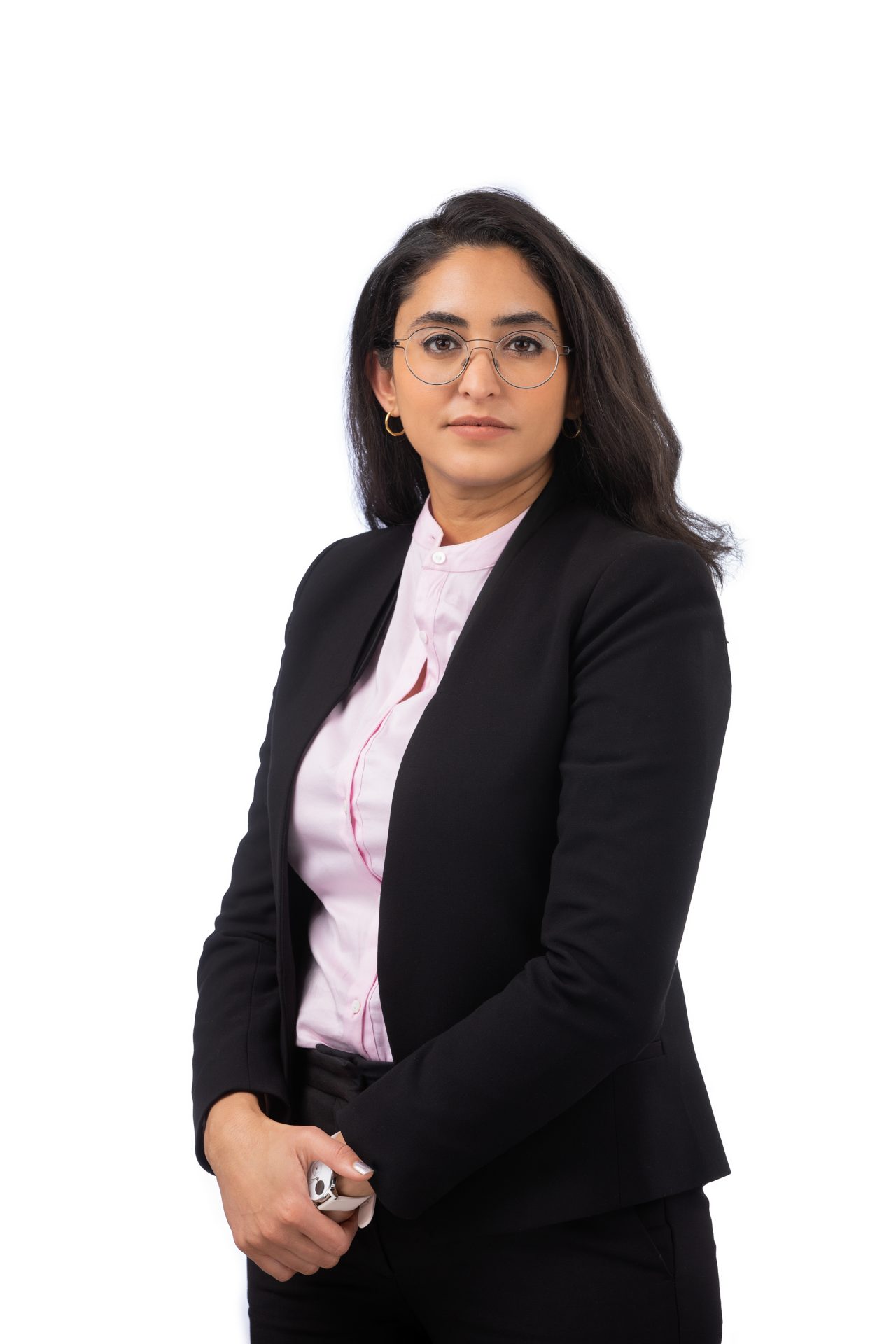
Speaking on the findings, Neha Datta, Head of Investment Consulting at Zamara said, “The sustained growth in DA funds highlights the increasing importance of guaranteed investment solutions within retirement schemes, particularly during periods of economic and market volatility.”

Annual contributions into DA funds also increased significantly, rising to K Shs 88.8 billion in 2024, a 34% growth from the previous period, representing the strongest growth recorded over the past decade. The report attributes this increase to stronger inflows into guaranteed funds following changes in NSSF contribution rates, improved declared interest rates, and anticipated uptake driven by enhanced pension tax incentives introduced in late 2024.

How to claim all mobile money balances, savings for deceased persons

“The strong growth in both contributions and assets under deposit administration arrangements demonstrates growing confidence among retirement scheme sponsors and trustees in guaranteed funds as a stable long-term savings vehicle. Trustees are increasingly seeking investment structures that provide predictability, downside protection and competitive declared returns,” she added.

According to the survey, the average declared return for deposit administration funds rose to 12.3% in 2025, compared to 11.4% in 2024 and 8.9% in 2023. The improved performance reflects a relatively stable interest rate environment alongside recoveries in equity and offshore asset class returns.

Neha Datta, Head of Investment Consulting at Zamara

The survey covered 17 insurance companies offering deposit administration services in Kenya, based on a minimum five-year reporting period.

Over the longer term, the findings point to resilient industry performance:

  • The 5-year industry average declared return stood at 10.1%, with provider averages ranging between 5.9% and 11.8% per annum.
  • The 10-year industry average declared return stood at 9.4%, with annualised returns ranging from 5.6% to 11.3% per annum.

Co-op Bank Call Deposit Account is the solution you need for wealth creation

The report also assessed risk-adjusted performance and return variability across providers, noting that differences in volatility are influenced by varying investment mandates, client profiles, and insurer risk appetites.

Group Pension Schemes accounted for 54% of total DA contributions in 2024, while Personal Pension Plans contributed 24% and Umbrella Schemes accounted for 22%, underscoring the growing role of institutional retirement savings in driving market growth.

The survey analyses returns declared by insurers offering deposit administration services in Kenya and provides pension scheme stakeholders with comparative insights into fund performance across the market.

The report further notes that while deposit administration funds offer guaranteed minimum returns and professional fund management, trustees should continue evaluating providers based on long-term consistency, governance structures, volatility of returns, and alignment with scheme objectives.

Bashiri Expands AI-Powered Predictive Engagement Platform Across African Markets

0

Bashiri Africa has announced the continued expansion of its AI-powered predictive engagement platform focused on sports, entertainment, finance, culture, and real-time digital participation across African markets. 

Built for Africa’s fast-growing mobile-first audience, Bashiri combines predictive intelligence, trend analysis, and community-driven engagement into a unified digital ecosystem designed to enhance participation around major events, sports moments, viral conversations, entertainment, and public sentiment.

The platform is positioning itself at the intersection of artificial intelligence, digital communities, creator economies, and real-time engagement technologies — creating new opportunities for audience participation and scalable digital experiences tailored to African markets.

 According to the company, Bashiri’s long-term roadmap includes:

AI-assisted market and trend creation
Real-time engagement systems around sports and global events
Predictive intelligence tools for digital communities
White-label infrastructure partnerships
Creator-led and culturally localized experiences
Expansion into multiple African markets

Kenya Blockchain Conference 2026

The company noted that Africa’s rapidly growing digital economy, combined with increasing adoption of AI technologies and mobile engagement platforms, presents a significant opportunity for locally built innovation ecosystems capable of scaling globally while maintaining strong regional relevance.

Bashiri is currently engaging strategic partners across media, technology, telecoms, finance, entertainment, and digital infrastructure sectors as it prepares for broader regional rollout initiatives.

The platform’s continued development comes amid increasing global interest in AI-powered engagement systems, interactive digital experiences, and real-time audience participation technologies.

About Bashiri

Bashiri Africa is a Kenya-based technology platform focused on predictive engagement, AI-powered trend intelligence, and interactive digital participation experiences across sports, entertainment, finance, and culture. The company develops scalable digital systems designed for modern, mobile-first audiences across Africa and beyond.

6 Position Sizing Tricks Smart Money Uses to Quietly Beat the 1% Forex Trading Rule

0

The 1% forex trading rule is popular because it keeps traders from risking too much on one trade. It is simple, easy to remember, and useful for beginners. However, experienced traders often go beyond this fixed approach. They know that every market condition, currency pair, and trading setup does not deserve the same level of risk.

For traders involved in forex trading in Kenya, position sizing can make a major difference because account sizes, deposit methods, spreads, and market hours can vary widely. Smart traders in Nairobi, Mombasa, Kisumu, and other parts of Kenya focus less on guessing the market and more on controlling how much they expose per trade.

1) Adjust Risk According to Market Conditions

Smart money does not risk the same amount in a calm market and a volatile market. When pairs like USD KES or major pairs linked to global news move aggressively, fixed risk can become dangerous. A trade that looks normal on the chart can quickly turn expensive if volatility expands.

Instead of always risking 1%, skilled traders reduce position size during uncertain periods. When the market is stable and price action is clean, they may allow slightly more exposure. This flexible method helps protect capital when the market becomes unpredictable.

9 Forex Trading App Mistakes That Cost Mobile Traders Real Money

2) Use Volatility-Based Position Sizing

Volatility-based sizing means the trade size is adjusted according to how much a currency pair is moving. If a pair has wide candles and large daily ranges, the trader uses a smaller lot size. If the pair is moving steadily, the trader may use a larger size while keeping total risk controlled.

Kenyan traders can apply this by checking average daily movement before entering a trade. This is especially useful during London and New York sessions, when many local traders are active after work or during evening hours.

3) Match Lot Size With Stop Loss Distance

Many beginners choose a lot size first and then place a stop loss later. Smart traders do the opposite. They first decide where the trade idea becomes invalid, then calculate the correct lot size based on that stop loss distance.

A wider stop loss requires a smaller position. A tighter stop loss can allow a bigger position, but only when the setup truly supports it. This approach keeps risk consistent even when trade structures are different.

4) Reduce Size After Losing Streaks

Smart money understands that losing streaks are part of trading. The difference is that professional traders reduce exposure when performance drops. They do not try to recover losses quickly by increasing lot size.

For Kenyan traders using smaller accounts, this is especially important. A few emotional trades can damage an account badly. Reducing size after two or three losses gives the trader time to reset and avoid revenge trading.

How M-Pesa is rewriting the forex trading experience in Kenya’s mobile-first market

5) Increase Size Only With Proven Setups

Beating the 1% rule does not mean taking random larger risks. Smart traders only increase size when they have a setup with strong historical performance. This may include a clean support and resistance level, strong trend continuation, or a high quality breakout.

The key is evidence. A trader should know which setups work best from their trading journal. Without records, increasing size is only guessing. With records, it becomes a calculated decision.

6) Split Positions Instead of Entering Once

Another smart sizing trick is splitting one trade into smaller entries. Rather than placing one full position immediately, traders enter in parts. This allows them to manage price movement more carefully.

For example, a trader may open a small position first, then add more only if the market confirms the direction. This reduces pressure and prevents overcommitting too early. It also helps traders manage fast moving sessions more calmly.

Conclusion

The 1% rule is a helpful foundation, but it is not the final level of risk management. Smart traders adjust position size based on volatility, stop loss distance, market conditions, losing streaks, and setup quality. They also split entries to reduce emotional pressure.

For Kenyan traders, these methods can create a more practical and disciplined approach to forex trading. The real edge is not always in predicting the next move. Often, it is in knowing exactly how much to risk when that move appears.

Business lady unveils cheap cookers consuming Sh800 per month

0

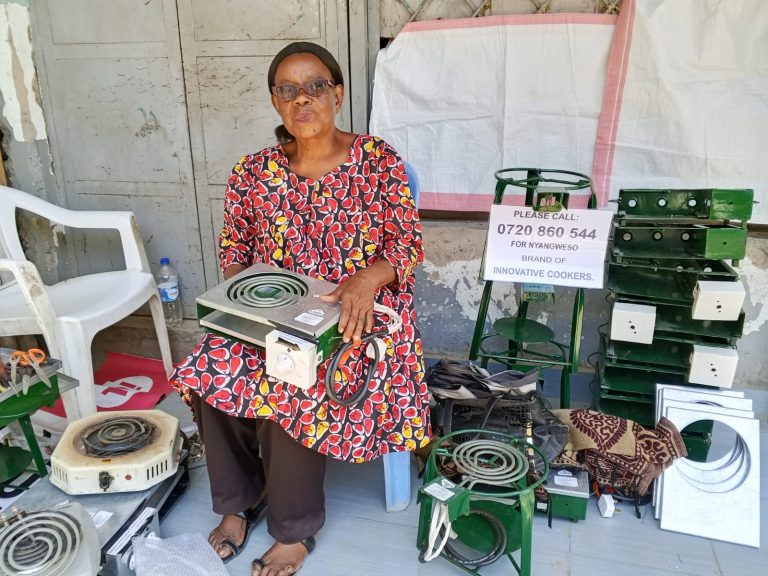
At an age when many people begin planning for retirement, 66-year-old entrepreneur Grace Kasera is still pushing hard in entrepreneurship and in the process built a thriving fabrication business that is now helping households cut cooking costs through energy-efficient electric cookers.

Kasera’s journey into entrepreneurship started at the age of 48 after she left a stable career in the non-governmental sector, a decision that many around her considered risky.

“I started metal fabrication at 48 years. Many young people give up too early. Get the information you need and start,” she says as quoted by KNA.

According to the Kisumu-based innovator, the move was inspired by a desire to pursue purpose, support her family and develop practical solutions for everyday households.

Her professional journey began at Kenyatta University, where she pursued a Bachelor of Education Science degree, completing in 1985. She thereafter began her professional life as a teacher at Kisumu Polytechnic before transitioning into humanitarian work.

Kasera later worked in refugee camps as an education supervisor for a non-governmental organisation before returning to Kisumu, where she became involved in her family’s business, Nyangweso Electric Coils.

It was during this period that her interest in electrical innovation and fabrication began to grow. Seeking to strengthen her technical knowledge, she enrolled at the National Industrial Training Authority (NITA) to study electrical engineering, a move that laid the foundation for her future enterprise.

“I was always interested in creating something of my own,” she said.

It was not long before she discovered a method of modifying a standard 1,800-watt heating coil to consume less electricity while maintaining its effectiveness. The innovation would later become the backbone of her energy-saving cookers.

Operating from her workshop, Kasera now manufactures four types of electric cookers designed to be affordable, safe and energy efficient. Despite their varying designs, all the cookers are engineered to work safely with ordinary household sockets.

“We use the same size of wire, the same plug and a special technical formula so that the cookers don’t burn the socket,” she explained.

Her most affordable model, the stool-type cooker, retails at Sh2,800, while a box-type automatic version goes for Sh3,800.

Other versions fitted with switches cost between Sh4,500 and Sh5,000, while the largest double box-type cooker sells at Sh7,800.

To ensure durability and efficiency, Kasera uses carefully selected materials including aluminium tops, heat-resistant electrical cables and metal plates of different gauges.

Over the last 18 years, she has built a loyal customer base drawn from different professions, among them teachers, nurses, police officers, students and doctors.

“At first, most of my customers were family people, especially men. But later, I realised I also had many clients in the security sector,” she said.

Kasera attributes the growing popularity of her cookers to their energy-saving capability and ease of repair.

“The reason my customers are happy is because our cookers don’t waste energy. We discovered how to make coils that are both efficient and user-friendly,” she said.

She noted that many imported cookers are expensive and difficult to maintain due to the high cost of spare parts, while her locally manufactured alternatives rely on components readily available in local electrical shops.

“Some imported coils can cost up to USD3,500, but ours are available in local electrical shops at a fraction of that cost,” she said.

Drawing from her science background, Kasera has become a strong advocate for technical and vocational training, saying practical skills offer young people an opportunity to create jobs instead of waiting to be employed.

“Professional courses are important, but they often lead you to seek employment. Technical skills allow you to create your own opportunities,” she said.

Her workshop has also created employment opportunities for several young people involved in welding, metal work and assembly.

Starting with only two cookers due to limited capital, Kasera has gradually expanded her operations and now hopes to scale up production further to serve more households across the country.

“This is a product with energy-saving and user-friendly properties. I hope to expand and serve more people,” she said.

According to her, customers using the cookers have reported substantial reductions in household energy expenses.

“Some households use tokens worth Sh50 to cook hard cereals, while others have reduced monthly cooking costs from about Sh3,000 on charcoal to roughly Sh800 using these cookers,” she said.

Kasera is now encouraging Kenyans to support locally manufactured products, arguing that locally made solutions are often more practical, durable and easier to maintain.

“Some imported products do not meet our needs. We should focus on what we can produce locally,” she said.

Also Read: Top 20 Highest Paying Jobs in Kenya and Monthly Salaries (2026 Update)

Explainer: Why you should avoid loan TukTuks when investing in the business

0

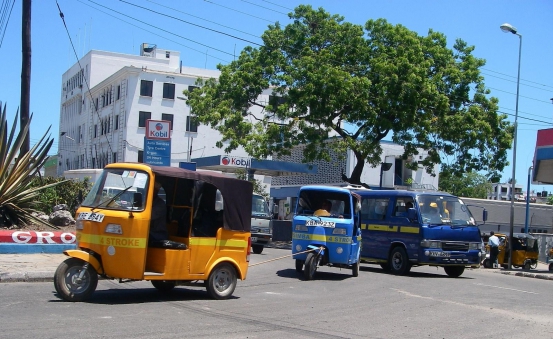
In many urban centres across Kenya, tuktuks have become an indispensable mode of transport, offering commuters an affordable, flexible and convenient way to navigate congested roads.

Their ability to consume less fuel and provide faster mobility in busy towns has made them a preferred option for both passengers and entrepreneurs seeking income opportunities.

For many operators, the three-wheeled vehicles are a source of livelihood and economic independence.

However, behind the growing popularity of the sector lies a harsh financial reality that industry players say aspiring investors must carefully consider, especially when acquiring tuktuks through loans.

For Vincent Otieno, a long-time resident and operator in Kisumu, the business has sustained him for more than a decade. He describes the trade as both a dependable source of income and something he genuinely enjoys.

“This business has been my main source of income and employment for years. On a good day, I can make more than Sh2,500 after fuel expenses,” he told KNA.

Despite the earnings potential, Vincent says the operating environment has become increasingly difficult over the years, significantly reducing profitability for many operators.

Among the biggest challenges is the rising cost of fuel, which continues to eat into daily income. Since tuktuk transport largely depends on affordability to attract passengers, operators often struggle to pass increased fuel costs on to customers through higher fares.

“The way we used to work has changed,” Vincent explains. “We can no longer make the kind of income we used to. At the same time, competition has intensified due to the growth of the boda boda sector.”

The lingering economic effects of the COVID-19 pandemic have also reshaped travel patterns and reduced consumer spending power, further affecting daily earnings.

In addition, the escalating cost of spare parts and vehicle maintenance has increased operational pressure on operators already dealing with shrinking margins.

Due to this reality, Vincent cautions prospective investors against purchasing tuktuks through loans, arguing that many new entrants underestimate the financial strain involved in balancing repayments with operating costs.

“I encourage anyone entering this business to own their tuktuk outright. Taking loans can be risky because the current income levels may not sustain both repayment and daily operations,” he says.

Even with the challenges, Vincent remains optimistic about the future. His long-term ambition is to expand his operations by acquiring additional tuktuks and employing other riders, before eventually venturing into the long-distance transport sector through investment in lorries.

Also Read: Why Electric Two-Wheeler Insurance Needs a Separate Buying Framework

I make up to Sh5,000 daily: Farmer says as he shows off his tree nursery business

0

Trees have long been regarded as a reliable investment, with demand for seedlings and ornamental plants continuing to rise in homes, institutions, and urban centres across the country.

Yet, despite the growing appetite for landscaping and environmental conservation, the tree nursery business remains largely underexploited, offering untapped opportunities for thousands of Kenyans seeking sustainable livelihoods.

In the lakeside city of Kisumu, one entrepreneur has quietly built a successful business from this growing demand. For close to two decades, 48-year-old Alfred Mahonga has nurtured a thriving tree nursery business that now supports his family and provides greenery to homes and commercial spaces across the region.

Situated along one of the city’s busy streets, Mahonga’s nursery stands out with rows of ornamental trees, flowers and seedlings carefully arranged under his watchful eye. His journey into the business, however, began modestly.

Mahonga told KNA he first worked under another nursery owner where he was employed to manage and care for seedlings. Through the experience, he developed skills in handling plants and later decided to establish his own nursery business.

Over the years, he has steadily expanded his stock to include a variety of trees and flowers such as palm trees, eugenia, azaleas and other ornamental plants that are increasingly popular among homeowners and institutions seeking to beautify their surroundings.

According to Mahonga, the business requires patience and consistency. He buys young seedlings from the Kenya Forest Service and other suppliers at about Sh30 each before nurturing them to maturity. Once fully grown, the trees retail at approximately Sh300 depending on the variety and level of maintenance required.

He notes that caring for the seedlings involves daily watering, pruning and close monitoring to ensure healthy growth, factors that contribute to the final selling price.

Demand for seedlings is often highest during the rainy season when many people take advantage of favourable weather conditions to plant trees and flowers. During peak periods, Mahonga says he can make up to Sh5,000 in a single day, income that enables him to sustain his business and meet family expenses.

His day begins long before sunrise. Mahonga says he reports to work at around 5.00am, a routine he has maintained for years.

Before venturing fully into the nursery business, he worked at a public park in Kisumu where he was tasked with cleaning duties that had to be completed by 6.30am each morning. The discipline he developed during that period, he says, continues to shape his work ethic today. He normally closes the nursery at around 5.30pm.

Like many small-scale entrepreneurs, Mahonga has also faced significant challenges in running the business. He recalls a period when theft posed a major threat due to poor lighting in the area, leading to losses of seedlings and equipment.

However, improved security lighting and the hiring of a guard to patrol the nursery have significantly reduced such incidents.

Weather conditions also remain a major concern. Excessive heat and heavy rainfall can damage seedlings and interfere with plant growth, sometimes resulting in losses.

Despite the challenges, Mahonga says the business remains rewarding because it has enabled him to provide for his family while pursuing a passion he enjoys.

He is now encouraging more Kenyans to embrace tree planting and landscaping, saying the practice not only beautifies the environment but also creates employment and income-generating opportunities.

Also Read: Foreigners in US to be forced to return home to apply for Green Card

Foreigners in US to be forced to return home to apply for Green Card

The United States administration of President Donald Trump is releasing a new policy that will require all foreigners in US to return to their home countries if they desire to apply for Permanent Residency.

According to the US Citizenship and Immigration Services which is responsible for running the Green Card system, immigrants will be required to return to their home countries before they can petition for Green Cards. These applications will then be filed at the consulate designated for the applicant’s home country.

“Non-immigrants, like students, temporary workers, or people on tourist visas, come to the U.S. for a short time and for a specific purpose. Our system is designed for them to leave when their visit is over. Their visit should not function as the first step in the Green Card process,” the USCIS stated.

For examples, Kenyans living in the United States who want to apply for regularize their status from temporary residents will be required to return to Nairobi and make the application at the US Embassy in Nairobi. These include workers, students and visitors.

The agency states that it is only under extraordinary circumstances that foreigners who are living in the United States will be granted permanent residency without leaving.

“When aliens apply from their home country, it reduces the need to find and remove those who decide to slip into the shadows and remain in the US illegally after being denied residency,” the agency further added.

READ MORE: I passed US visa interview in Nairobi but my passport was returned with pink slip

According to the USCIS spokesman Zach Kahler, the new system will allow the United States’ immigration system “to function as the law intended instead of incentivizing loopholes” and that visits to the United States “should not function as the first step in the Green Card process”.

“We’re returning to the original intent of the law to ensure aliens navigate our nation’s immigration system properly,” said Kahler.

Why Electric Two-Wheeler Insurance Needs a Separate Buying Framework

0

Electric two-wheelers are becoming a common choice for Indian riders because they suit daily city travel, short commutes, and cleaner mobility goals. However, buying cover for an electric scooter or bike needs a different thought process.

The battery, charger, motor, and electronic parts create different repair needs. This is why insurance for bike owners using electric models should be reviewed through a separate buying framework.

Electric Two-Wheelers Have Different Core Parts

A petrol two-wheeler mainly depends on an engine, fuel system, and mechanical parts. An electric two-wheeler, on the other hand, runs on a battery, a charger, an electric motor, a controller, wiring, and electronic systems.

This difference makes it important to look beyond basic cover and check whether the policy is suitable for EV-specific components. A separate buying framework helps riders choose cover that matches the actual structure and service-related needs of an electric two-wheeler.

Battery and Charger Protection Needs Closer Review

The battery and charger are among the most important parts of an electric two-wheeler. If either of them gets damaged, the vehicle’s running condition may be affected. This makes it important to review whether the policy offers relevant protection for EV-specific parts.

Some two-wheeler insurance plans may offer EV-focused add-ons for items such as the battery charger, electric motor, and related accessories. Riders should check these options before buying or renewing the policy, especially if they use the vehicle daily.

Repair Support May Not Be the Same as Petrol Bikes

Electric two-wheelers may need trained technicians and suitable repair facilities. The inspection process can also differ because EV systems include electrical and electronic components. Before buying a policy, riders should check whether the insurer provides access to a suitable garage network and whether the claim process is easy to follow.

This is especially useful when the vehicle needs inspection after accidental damage, water exposure, fire-related damage, or electrical issues.

Add-Ons Can Change the Policy Value

Add-ons can make a policy more suitable for electric two-wheeler owners. A basic cover may not address every EV-specific need. When selected carefully, add-ons can align the policy better with the rider’s vehicle, usage, and repair requirements.

Area To Review Why It Is Relevant For Electric Two-Wheelers
Battery Charger Cover The charger is important for regular vehicle use
Electric Motor Cover Motor damage can affect vehicle movement
Roadside Assistance Useful if the vehicle stops during travel
Zero Depreciation May reduce depreciation impact on selected parts
Consumables Cover May support items used during repair, depending on policy terms

Own Damage Needs Are Different for Electric Two-Wheelers

Own damage protection becomes important for electric two-wheelers because their key parts and maintenance needs differ from petrol bikes. Third-party insurance is legally required for two-wheelers in India and mainly covers third-party liabilities.

For riders who want protection for their own electric two-wheeler, comprehensive bike insurance may be more relevant. EV-specific parts may also need suitable add-ons, depending on the policy.

Usage Pattern Should Guide Policy Selection

Electric two-wheelers are used for different purposes, such as office commutes, college travel, delivery work, or frequent city rides. A vehicle used daily may need broader protection than one used occasionally.

Before choosing a policy, riders should consider their riding frequency, parking location, monsoon exposure, access to suitable garages, need for roadside support, and relevant EV-specific add-ons.

Better Policy Selection

A separate buying framework helps riders compare key factors such as policy type, own damage cover, EV-specific add-ons, garage access, and the claim process. It makes the decision more focused on the actual needs of an electric two-wheeler instead of only looking at basic cover or legal compliance.

This approach also helps riders choose protection that matches their usage, location, and repair requirements. It supports clearer comparisons before riders finalise their purchase decision.

Final Thoughts

Electric two-wheelers need a different insurance buying approach because their key parts, servicing needs, and usage risks are not the same as petrol bikes. Before buying a policy, riders should look at the type of cover, EV-specific add-ons, garage support, and claim process.

This can help them choose insurance for bike ownership that is more suitable for their electric vehicle and long-term riding needs and budget.

Kenya Blockchain Conference 2026

0

Kenya Blockchain & Crypto Conference 2026, one of the leading blockchain and digital finance conferences was hosted in Nairobi on May 14–15, 2026. It was attended by blockchain innovators, investors, fintech companies, policy makers, developers, and regulators from all around Africa and beyond.

Blockchain, stablecoins, Web3 innovations, and digital payments were the main points of discussion during the conference, all of which are having a significant impact on the digital economy in Africa.

The event, which took place at the A.S.K. Dome on May 14–15, 2026, focused on the following topics: blockchain integration with current financial systems, such as mobile money and banking services; regulation of digital assets; cross-border payments; and actual blockchain implementation.

Participating parties in the fight for long-term digital finance and technical innovation in Africa were able to meet face-to-face, share ideas, and learn about new policies at the conference.

The Digital Economy in Kenya: The Crypto Betting Link

Key Points Speakers Covered

1. Global Money Transfers Made Easier with Stablecoins

Traditional banking systems still make transferring funds across African countries a costly, time-consuming, and inefficient ordeal, according to the speakers. They conjectured that stablecoins might enable:

  • Better in accessing U.S. dollar liquidity
  • Quicker money transfers across borders
  • Quick and easy reimbursement
  • Decrease in the cost of transaction

Rather than viewing stablecoins as speculative digital assets, panellists emphasised their growing utility as a payment infrastructure component in Africa.

More and more, established Financial systems are incorporating stablecoins

Stablecoins, according to several fintech CEOs, aren’t displacing banks or mobile money, but rather integrating with them.

Dave Evans stated that the integration of stablecoin flows into Africa’s digital wallet ecosystem is an inevitable next step.

The speakers argued that mobile wallets and systems like M-Pesa provide a solid basis for financial services driven by blockchain technology.

Significant Issues Persist in Africa’s Payment System

Mobile money is great for retail transactions, but it can take days for institutions, merchants, and banks to make payments.

The Future Is Here with Real-Time Payments

Despite customers’ expectations for instant digital services, Ali Hussein, CEO of AHK Growth Partners, stated that numerous financial institutions are continuing to use obsolete “end-of-day processing” systems.

“Customers are operating in real time,” he said.

Blockchain infrastructure, according to the speakers, may back up real-time financial systems that operate around the clock.

Crypto Speculation Is Becoming Less Important in the Industry

There was a consistent theme among the speakers that blockchain technology in Africa will soon be used for more practical commercial purposes rather than for retail cryptocurrency trading.

Country Manager for Kenya at VALR, Peter Mwangi, stated that the country should prioritize:

  • Institutional blockchain infrastructure
  • Trade settlement
  • Operations in Foreign Exchange
  • Managing the treasury

Further, he emphasized the importance of Kenya’s role in shaping international standards for cryptocurrency regulation.

VACC: Crypto stakeholders call for better policies, lower taxes in digital assets market

Financial Inclusion Could Be Supported by Stablecoins

Blockchain payment systems, according to the speakers, might be useful for:

  • People without bank accounts
  • Freelancers
  • Individuals engaging in trading across international borders
  • Small businesses

by offering them quicker and lower-cost access to global financial systems and digital payments.

2. Regulation Regarding Blockchain in Africa

Blockchain regulations that offer consumer protection without slowing investment and technological advancement are necessary, according to the speakers. These policies should be innovation-friendly and balanced.

Key Points Explored

Importance of Clearly Regulated Frameworks

According to the speakers, many African countries do not have clear laws that regulate:

  • Blockchain payment systems
  • Digital assets
  • Stablecoins
  • Crypto

They stated that institutions, banks, and investors are hesitant to fully engage in the blockchain industry due to the inherent unpredictability.

Innovation Should Be Supported by Regulation

A few of the speakers on the panel cautioned against regulations that are too stringent.

Kenya, according to Peter Mwangi, should strive to be “the global benchmark for institutional Web3 adoption and regulatory integrity.”

The speakers explained the need for regulations to:

  • Permit Institutional participation
  • Prevent fraud by protecting users
  • Encourage innovation
  • Support fintechs and startups

in place of regulations that severely limit or even ban blockchain technology.

Crypto’s Popularity in Kenya Today

Blockchain Regulation in Kenya Could Set the Standard for Africa

According to several speakers, Kenya has all the makings of an African leader in blockchain policy development and digital finance due to:

  • Common use of digital payment methods
  • Currently available fintech innovations
  • Its robust system for mobile money

The conference brought attention to the fact that Kenya has the makings of a major regional hub for blockchain infrastructure and regulated digital finance.

Institutional Finance and Stablecoins Require Regulation

The main points of discussion revolved around regulating:

  • VASPs, or virtual asset service providers
  • Providers of Digital payment
  • Cryptocurrency exchanges
  • Stablecoins

Appropriate regulations, according to the speakers, are essential for:

  • A secure financial future
  • Trust within institutions
  • Cross-border payments
  • The integration of banking

Important points emphasized by industry leaders and regulators were:

  • Compliance with anti-money-laundering mechanisms
  • Protecting investors
  • Standards for cybersecurity
  • Steps to prevent fraud

According to them, blockchain adoption in Africa cannot happen without the public’s trust.

Africa Should Take Part in Global Blockchain Policy

African nations shouldn’t blindly follow American or European regulations, according to some speakers.

“Kenya should not just participate in Web3,” Peter Mwangi stated. We need to lay down the ground principles for crypto regulations and integrity standards fit for institutions.

This was indicative of a more general theme on the need for Africa to develop its own digital finance policies in response to regional economic realities.

Africa Forex Trading Expo 2026 opens in Nairobi with bold vision for Africa’s role in global finance

Teamwork Between Industry and Regulators

Participating in the conference were:

  • Financial institutions
  • Developers of blockchain technology
  • Agencies run by the state
  • The telecommunications firms
  • Central banks
  • Fintech companies

In order to create blockchain laws that are both practical and effective, speakers stressed the need for private firms and regulators to work together.

3. Blockchain Technology for Mobile Money and Financial Institutions

Instead of replacing mobile money platforms like M-Pesa and banks, speakers emphasized how blockchain technology may complement them in order to modernize Africa’s payment systems.

Key Points Speakers Covered

Blockchain Technology Integrating with Current Financial Systems

Blockchain technology, according to the speakers, is quickly becoming an integral part of Africa’s digital payment ecosystem.

“The addition of stablecoin flows is a natural extension” of Africa’s digital wallet ecosystem, according to PawaPay’s Dave Evans.

It became clear throughout the conversations that M-Pesa and similar mobile money systems have established solid digital payment infrastructures across Africa, which makes the integration with blockchain a more realistic prospect.

Blockchain and Mobile Money Can Solve Issues with Cross-Border Payments

The speakers all agreed that mobile money is great for local retail payment, but there are still problems with international payments as they are:

  • Fragmented
  • Slow
  • Quite costly

Spot Trading on OKX: A Beginner-Friendly Guide

The Connectivity Between Blockchain and Financial Institutions Must Improve

Many African banking systems, according to the speakers, are still using obsolete settlement processes.

A number of the panellists, including Ali Hussein, spoke about the potential uses of blockchain technology, including:

  • Better management of treasury
  • Quicker settlement systems
  • Real-time payment
  • Mobile wallets and banks are now more compatible with one another

Blockchain technology, according to the conference’s proponents, can update the monetary backend without displacing traditional institutions like telecom operators and banks.

The Proposed Stablecoin Payment System

Stablecoins were characterized by speakers as tools for:

  • Enterprise payments
  • Foreign exchange operations
  • Management of liquidity
  • Trade settlement

Cryptocurrency retail speculation needs to take a back seat to banking integration and institutional finance, according to VALR’s Peter Mwangi.

M-Pesa Was Featured as a Foundation for Online Money Transfers

The success of the mobile money system in Kenya has been brought up in multiple talks as evidence that Africans have faith in digital financial systems.

Speakers at the conference included Vinod Sharma, chief technology officer of M-PESA Africa, who delivered a talk on “AI, Blockchain & the Future of Intelligent Financial Systems in Africa.”

According to the speakers, blockchain systems have a better chance of succeeding in Africa if they are integrated with well-known platforms like M-Pesa.

How OKX Is redefining Crypto investing for the next billion users in Africa

4. Kenya as a Digital Finance Hub

Due to its robust fintech ecosystem, increasing legal framework, and widespread adoption of mobile money, speakers positioned Kenya as a top contender among Africa’s potential blockchain innovation and digital finance hubs.

Key Points Speakers Covered

Presenting Kenya as a Gateway to Africa

The presentation was titled “Kenya as a Gateway to Africa: Setting Up and Scaling Digital Asset and Fintech Businesses.” It was delivered by Daniel Mainda, CEO of the Nairobi International Financial Centre Authority.

Digital asset companies, blockchain startups, and fintech companies seeking to expand across Africa find Nairobi, Kenya, an attractive location, according to speakers. Nairobi is a regional financial and technological center.

Regulated Digital Finance: Kenya Could Take the Lead in Africa

A number of people spoke about how Kenya is trying to regulate blockchain technology and digital assets.

Speakers stated that clear regulations for:

  • Digital payments
  • Stablecoins
  • Transactions involving digital currencies
  • VASPs, or virtual asset service providers

might position Kenya as a reliable hub for blockchain-related investments and innovations.

The City of Nairobi Was Championed as a Hub for Regional Innovation

According to many who attended the conference, Nairobi is becoming a major hub for:

  • Blockchain infrastructure
  • Cross-border financial technology
  • Enterprise digital payments
  • Fintech startups

International investors in digital finance and Web3 companies were courted by the Nairobi International Financial Centre Authority to set up shop in Kenya.

Speakers Highlighted Real-World Use of Blockchain Technology

The conference’s overarching theme was that, moving forward, Kenya’s blockchain ecosystem should prioritize real-world financial applications over crypto speculation trading.

Things covered by the speakers included:

  • Treasury operations
  • Enterprise blockchain systems
  • Trade settlements
  • Financial inclusion
  • Cross-border payments

The focus of KBCC 2026 was on the fact that Africa is transitioning from blockchain testing to actual implementation.

Conclusion

The increasing importance of digital finance, stablecoins, and blockchain technology in determining Africa’s economic future was brought to light during the 2026 Kenya Blockchain & Crypto Conference.

Digital payments, financial inclusion, practical blockchain applications, and the building of balanced regulatory frameworks were some of the topics covered during the conference, which brought together policymakers, investors, regulators, developers, and fintech leaders.

It highlighted the reality of blockchain technologies being used in enterprise systems, trade, banking, and supply chain management, as opposed to speculative cryptocurrency activity. Also showcased at the event was Kenya’s growing prominence as an African center for Web3 innovation and fintech.

The conference aimed to promote responsible blockchain technology growth across the continent and sustainable digital transformation through innovation, collaboration, and policy talks.


China–Africa Trade Hits Record $275 Billion as Lending Declines – New 2026 Economic Bulletin Reveals Shift in Engagement

0