

Home Blog Page 9

How Kenyan Sports Fans Are Turning Game Knowledge Into Extra Income

0

Something wild has been happening around me these past few months. I’m watching my mates transition from casual football viewers to people who’ve figured out how to monetize what they already know about the game.

Last Saturday I’m sitting with James at this cafe in Westlands, and he casually pulls out his phone to show me Sh12,400 in his account from getting three Premier League predictions right. That literally covers rent for most people I know. The crazy part? He’s been following English football for 17 years anyway—now that same habit generates actual cash.

The whole landscape shifted dramatically. Platforms where you can bet kenya matches transformed from complicated physical shops requiring paperwork to something you set up on your phone in roughly 90 seconds.

Why Sports Betting Appeals to Business-Minded Kenyans

I’ve been thinking about why this trend exploded here specifically. We’re naturally entrepreneurial as a country—about 47% of working Kenyans run at least one side hustle. So treating sports knowledge as another potential income stream makes sense.

But here’s where I’ve noticed a massive divide. The people actually banking consistent money aren’t treating this casually. They approach predictions like analyzing investment opportunities rather than playing scratch cards.

My cousin Mary spent three weeks analyzing how specific teams perform in wet conditions before risking her first shilling. Excessive? Probably. But she’s been profitable for five straight months, bringing in Sh3,000 to Sh8,500 weekly.

Kenya’s Top Betting Platforms with Welcome Offers

What Actually Works According to Regular Users

I interviewed about 14 people in my network who’ve been doing this longer than six months. The successful ones set strict budgets—most never risk more than Sh500 daily, period. They focus exclusively on leagues they genuinely follow and understand deeply, not random Lithuanian basketball because the odds looked tempting. They ignore those “guaranteed win” tips flooding WhatsApp groups. Plus they track every prediction in notebooks or Excel sheets to spot their own patterns.

Look, I’m not suggesting everyone jump into this. Some people lose money they can’t afford. Some develop unhealthy obsessions. But treating predictions like stock analysis rather than lottery tickets produces way better outcomes.

James said something that changed how I think about this. “I spend more time researching one match than most people spend choosing which matatu to board. If you’re just throwing money randomly at teams you like, you’ll lose everything. If you’re actually studying current form, injury reports, head-to-head records? You’ve got a legitimate shot.”

How Education Enhances Responsible Betting Culture

The Mobile Money Connection

Payment infrastructure enabled everything I’m describing. You can deposit Sh100 through M-Pesa at 11:23am and have it active by 11:24am. When you win, the money appears on your phone within hours—no bank visits, no waiting, no bureaucratic nonsense.

I’ve watched this convenience completely reshape how young Kenyans interact with sports. Games transformed from pure entertainment into potential business opportunities you can analyze and profit from.

Is everyone winning consistently? Obviously not. Are some people being dangerously irresponsible? Absolutely. But I’ve also witnessed university students paying off HELB loans early and single mothers covering school fees entirely from winnings. Real humans getting real results that materially improve their situations.

You need genuine discipline though. Set your daily limit based on what you can actually afford to lose completely. Stick to that number religiously. Learn the sports you’re predicting on deeply—watch matches, read analysis, understand tactics. If you’re not willing to research each decision like you’re preparing a business proposal, maybe just enjoy watching the matches without the financial component.


Tata Chemicals: Who owns the company Ruto has ordered out of Kenya?

0

President William Ruto has ordered Tata Chemicals to end its operations in Kenya, accusing the century-old company of failing to deliver enough economic and industrial benefits to the country from its exploitation of soda ash at Lake Magadi in Kajiado County.

The President made the announcement on Thursday, September 3, 2026, during a visit to Kajiado, saying the company had held a contract for more than 100 years but failed to deliver value to local communities.

“That TATA company had that contract for 100 years. They have not built anything in Kajiado, they have not built any factory in Kajiado,” Ruto said.

Ruto said the government would bring in new investors to take over the operation, with the proposed operators expected to establish a large glass manufacturing plant and a chemical-processing facility in Kajiado.

“We have said we will bring a new company and they should put a big glass company here in Kajiado. And another company to make chemicals here in Kajiado,” he added.

The order follows a government directive issued in late July that suspended operations at the Tata Chemicals Magadi plant and halted exports of soda ash.

Tata Chemicals has said it respects the authority of the Kenyan government and remains committed to resolving the outstanding issues through the appropriate legal and regulatory channels.

What does Tata Chemicals do in Kenya?

Formerly known as Magadi Soda Company, Tata Chemicals Magadi has been a part of Tata Chemicals since 2005.

Tata Chemicals Limited, part of the global Tata group, is one of the world’s leading chemical companies, with a widespread portfolio of household products, industrial chemicals and agricultural inputs.

The company has operations in the United States, the United Kingdom, Kenya, and India.

The operation dates back to 1911, when it was established as the Magadi Soda Company. Today, it extracts trona, a naturally occurring mineral containing sodium carbonate compounds, from deposits around Lake Magadi and processes it into soda ash, also known as sodium carbonate.

Soda ash is a major industrial raw material. It is used in the manufacture of glass, detergents and a range of chemicals. The Magadi operation also produces different grades of salt for industrial and other applications.

According to the company, the Magadi operation is Africa’s largest soda ash manufacturer and one of Kenya’s leading exporters.

Financial statements indicate that about 90 per cent of its soda ash is exported, with markets including Southeast Asia, the Middle East, the Indian subcontinent and other African countries.

So, who actually owns Tata Chemicals?

Tata Chemicals Limited is an Indian publicly listed company, meaning its shares are held by a combination of promoter shareholders, institutional investors and members of the public.

As of June 30, 2026, Tata Chemicals’ largest shareholder was Tata Sons Private Limited, which held 31.90 per cent of Tata Chemicals’ equity.

Tata Investment Corporation Limited, another Tata group company, held a further 5.97 per cent. Other Tata-affiliated companies held smaller stakes, including Voltas Limited, Tata Industries Limited, Tata Capital Limited, Titan Company Limited and Tata Consumer Products Limited.

Taken together, the Tata promoter and promoter-group entities controlled approximately 37.98 per cent of Tata Chemicals as of June 30, 2026. The remaining 62.02 per cent was classified as public shareholding.

The Tata Trusts: the biggest owners behind the Tata empire

Tata Sons is the principal investment holding company and promoter of the Tata group. It sits at the centre of the sprawling business empire that includes Tata Consultancy Services, Tata Motors, Tata Steel, Tata Consumer Products, Tata Chemicals and numerous other companies.

According to the Tata Group, 66 per cent of Tata Sons’ equity is held by philanthropic trusts. These trusts support causes including education, healthcare, livelihoods, arts and culture.

Also Read: Why SMEs can’t afford to underinvest in employee healthcare

Migori County announces 118 job vacancies across various departments

0

The Migori County Public Service Board has announced 118 job vacancies across five departments, opening up new employment opportunities for qualified applicants.

In a notice issued on Thursday, September 3, the board said the recruitment aims to fill vacancies created through natural attrition during the 2025/2026 financial year.

“Migori County Public Service Board wishes to recruit competent and qualified persons for the following vacant positions arising due to natural attrition in the FY 2025/2025 and to be filled as per the Constitution of Kenya 2010 under Article 176 and the County Government Act No. 17 of 2012, Section 59(1)(b),” the notice read.

The advertised positions cut across various departments including Health, Finance, and Education among others. Successful applicants will be hired on permanent or contract terms, depending on the position.

Vacancies in Health Department

The Department of Health accounts for a significant share of the advertised positions, with vacancies spread across various medical and support cadres.

The largest number of openings is for Kenya Registered Nurse II, with 28 positions available. The county is also seeking to recruit 10 Kenya Registered Clinical Officer III officers.

Other health-sector vacancies include four Pharmaceutical Technologist III positions, four Nursing Officer posts, three Public Health Officer positions and three Laboratory Technologist I posts.

There are also four vacancies for Assistant Health Records and Information Management Officer and two positions for Mortuary Attendant III.

The board has advertised one position each for Medical Officer and Pharmacist.

Administrative and finance positions

In the Department of Finance and Economic Planning, four vacancies have been announced for Economists.

The Department of Public Service Management and Development is also recruiting two Deputy Director Administration, two Assistant Director Administration, four Administrative Officer I, and six Administrative Officer III.

The department is further seeking one Chief Public Communication Officer, one Sub-County Administrator for Suna-East and three Senior Ward Administrators.

The Senior Ward Administrator positions are for Wasimbete, Got Kachola and Kanyasa wards.

Another vacancy has been created in the Department of Special Programmes for a Director of Administration (Intergovernmental).

ECDE Vacancies

The Department of Education has advertised 31 positions targeting early childhood development education (ECDE), making the education vacancies the second-largest category in the recruitment exercise.

The openings comprise 10 ECDE Teacher III positions and 21 Assistant ECDE Teacher III positions.

How to apply

The board has directed interested candidates to submit their applications online through the Migori County Public Service Board website.

Applicants are required to access the vacancies section, register for an account and select the position they wish to apply for.

They should then log in, complete the online application form and upload the required academic and professional documents.

Applicants are advised to carefully review their details and supporting documents before submitting the application by clicking “Apply Now.”

The deadline for applications is September 23, 2026, at 5pm East Africa Time.

Requirements for shortlisted candidates

Candidates who are shortlisted will be required to present original and certified copies of their national identity cards, academic certificates, transcripts and professional testimonials during the recruitment process.

Successful applicants will also be required to provide clearance documents in accordance with Chapter Six of the Constitution of Kenya.

The required clearances include a KRA Tax Compliance Certificate, HELB clearance certificate, EACC clearance certificate and a Certificate of Good Conduct from the Directorate of Criminal Investigations.

The board has encouraged women, persons living with disabilities and applicants from marginalised groups to take advantage of the opportunities and submit their applications before the deadline.

Also Read: From Lake Victoria fisherman to 480-acre sugarcane entrepreneur

Safaricom Ethiopia surpasses 15M subscribers as network reaches 60% of population

0
Addis Ababa, Ethiopia, 3 September 2026, Safaricom Ethiopia has marked five years since it received a full-service Unified.
Telecommunications Service License from the Government of Ethiopia on 9 July 2021, having it 15 million 90-day active subscribers during this period.
The milestone comes less than four years after Safaricom Ethiopia commenced commercial operations in October 2022, following an initial period focused on establishing the business, building its network, and putting in place the sales and distribution infrastructure required to serve customers across the country.
Surpassing 15 million 90-day active subscribers within four years of commercial operations represents one of the fastest customer growth journeys among new telecom operators that have built their networks and customer bases from the ground up.
“Since receiving our license, we have built more than 3,500 network sites, with our network now reaching around 60% of the country’s population. All our sites are 4G-enabled and 5G-ready, making our network state-of-the-art. This represents one of the fastest network rollouts by a greenfield telecom operator in Africa, and one of the fastest globally for a new entrant building a nationwide network from scratch.” Said Wim Vanhelleputte, Chief Executive Officer, Safaricom Ethiopia
Safaricom Ethiopia’s network footprint now stretches across the country, increasingly bringing high-quality connectivity to smaller towns and communities and helping more Ethiopians participate in the digital economy.
The company’s rapid scale-up stands out in Africa, with more than 15 million 90-day active subscribers and over 3,500 network sites established within five years of receiving its license.
The rapid growth in the customer base and business is also bringing Safaricom Ethiopia closer to financial breakeven. After five years of significant investment in network infrastructure, distribution, technology, and operations, the company is approaching breakeven as its growing customer base and revenues continue to strengthen the business.
The liberalisation of Ethiopia’s telecommunications sector has also had a significant impact on the wider economy and digital ecosystem. Over the past five years, connectivity has expanded, the pace of digitisation has accelerated, internet speeds and data consumption have increased significantly, and digital payments have expanded across the country.
“We have also witnessed the emergence of world-class talent in information technology in Ethiopia, and we have played our part in supporting that journey. Beyond the impact of our core business, we have directly invested ETB 139 million in community development and support, while our shareholders and partners have contributed an additional ETB 545 million. This brings the total investment in communities to ETB 684 million over the past four years of our operations.” Said Wim
Safaricom’s entry into the Ethiopian market has therefore created impact across multiple layers, from expanding connectivity and accelerating digital financial inclusion to supporting communities, developing local talent, and contributing to the country’s ongoing digital transformation.
For media inquiries, please contact: Tewedaj Sintayehu, PR and Communications Manager, at Safaricom Ethiopia – 0777658611
#FurtherAheadTogether

Why SMEs can’t afford to underinvest in employee healthcare

0

Employee healthcare: Kenya’s Employment Growth Highlights the Importance of Healthy Workforces

According to the Kenya National Bureau of Statistics (KNBS) 2026 Economic Survey, Kenya created 822,100 new jobs in 2025, with 716,800, or 87.2 per cent, coming from the informal sector. At the same time, formal employment stood at 3.5 million, including 2.2 million people employed in the private sector. For small and medium-sized businesses, which form an important part of Kenya’s private-sector employment base, these figures highlight the importance of building productive and resilient workforces. The health and well-being of employees are therefore closely linked not only to the performance of individual SMEs, but also to the resilience and growth of Kenya’s wider economy.

Employee Healthcare Is an Investment, Not Just an Expense

Employee healthcare can appear to be an expense that must compete with salaries, rent, taxes, technology and the rising cost of doing business. When margins are under pressure, it is tempting to ask whether medical cover is something a business can afford. The better question is whether a business can afford not to invest in the health of its people.

The Hidden Cost of Presenteeism

There is another side to the equation: presenteeism. An employee does not have to be absent to be unproductive. Someone dealing with untreated pain, anxiety, fatigue or another health problem may still report to work but struggle to perform effectively. Healthcare, therefore, belongs in the productivity conversation.

Out-of-Pocket Healthcare Costs Can Put Employees Under Pressure

The Kenyan context makes this even more relevant. The latest World Bank data, based on the WHO Global Health Expenditure Database, shows that out-of-pocket payments remain a significant component of healthcare spending in Kenya. For employees and their families, an unexpected medical bill can quickly become a significant financial burden.

When employees are forced to choose between seeking treatment and meeting household expenses, illness can be allowed to worsen. A condition that could have been managed through an outpatient consultation may eventually require more costly intervention.

Simplifying insurance management for businesses

SMEs Can Build Healthcare Benefits Around Their Workforce

This is why businesses should think beyond the traditional idea that medical insurance is simply an employee benefit. An established SME does not necessarily need to replicate the benefits package of a multinational. It can instead assess the health needs of its workforce and select solutions that provide meaningful access to primary and outpatient care, specialist services, diagnostics, screening and mental-health support.

When Local Healthcare Cover May Not Be Enough

For businesses with senior executives, internationally mobile employees or operations extending beyond Kenya, however, the healthcare conversation may need to go further. Local private health insurance in Kenya can provide valuable protection, but employees who regularly travel, work across borders or require access to healthcare in different countries may have more complex requirements.

How International Private Medical Insurance Can Support Mobile Employees

At this point, International Private Medical Insurance (IPMI) can provide an important additional layer of protection. IPMI is designed to give individuals and organisations access to private healthcare across multiple countries, depending on the scope of their chosen plan. For companies operating regionally, it can provide greater continuity for executives and employees whose professional and personal lives extend beyond a single market.

This is particularly relevant as businesses become increasingly connected across East Africa. Companies with employees or directors working across the region may need to consider healthcare solutions that reflect this mobility.

Top insurance mistakes that Kenyans make and how to avoid them

Technology Can Improve Access to Employee Healthcare

Technology can also help. Telemedicine and digital health services can reduce unnecessary travel and waiting time while helping employees obtain advice earlier. Health programmes can similarly identify risks before they become expensive medical events.

Employee Healthcare Benefits Extend Beyond the Workplace

There is also a human argument that should not be lost in the financial calculations. Employees are not simply units of labour. They are parents, spouses, caregivers and members of communities. When an employer helps an employee access healthcare, the benefit often extends beyond the workplace to an entire household.

Healthcare Benefits Can Help SMEs Attract and Retain Talent

This matters increasingly in the competition for talent. Established SMEs and growing businesses may not always be able to compete with larger organisations on salary alone. A well-designed benefits package can help them attract and retain people who value security, wellbeing and meaningful support for themselves and their families.

Most and least stolen vehicles in Kenya and their insurance value

Healthcare Planning Should Reflect Business Needs and Mobility

For senior executives and internationally mobile employees, the quality and geographical scope of healthcare support can be particularly important. For business owners and corporate decision-makers, the question is therefore not simply whether to provide medical insurance, but whether the solution is appropriate to the people, ambitions and geographical footprint of the organisation, providing access to appropriate treatment, specialist services and international networks while giving employees confidence that their healthcare needs will be supported wherever their work takes them.

Employee Healthcare Supports Long-Term Business Resilience

The case for investing in employee healthcare is therefore both economic and human. Kenya’s established businesses are operating in an increasingly competitive environment, where retaining experienced people, protecting productivity and maintaining business continuity are critical to long-term success.

The smartest businesses will recognise that employee healthcare is not simply a cost to be managed. It is an investment in the people, resilience and capability that make sustainable growth possible.

About the author

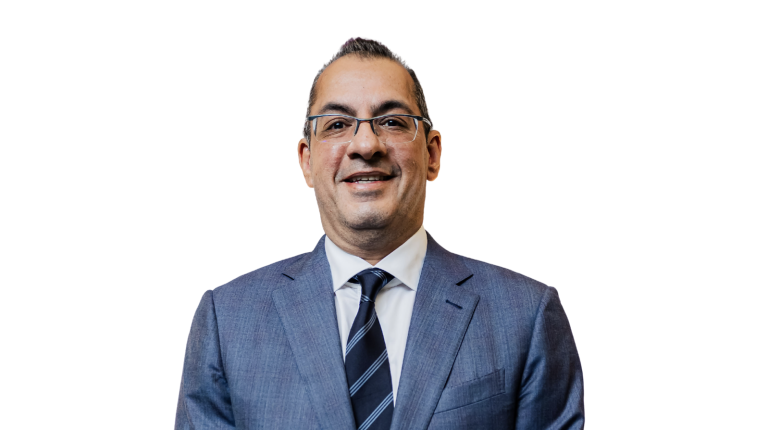
Aly S. Maherali, Chief Executive Officer, Executive Healthcare Solutions (EHS)
Aly S. Maherali
Chief Executive Officer
Executive Healthcare Solutions (EHS)

Aviator Game on Linebet

0

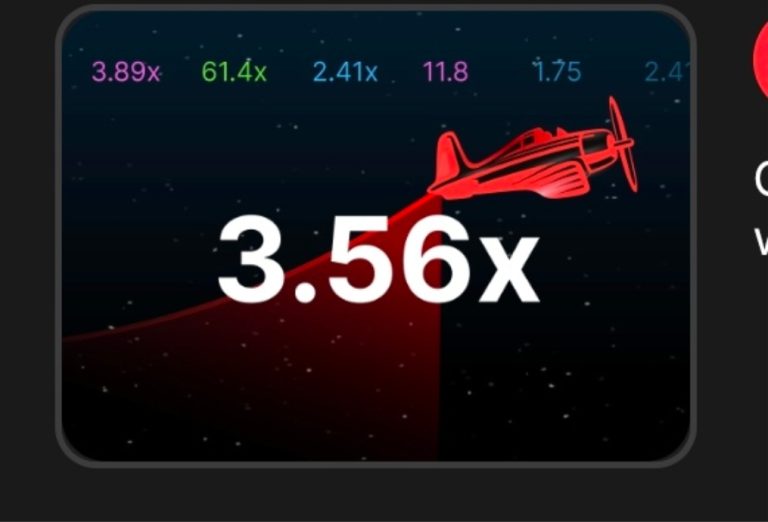
The Aviator game is a popular crash game available in the Linebet casino. Developed by SPRIBE, it features short rounds and a rising multiplier. Instead of reels, players watch a virtual plane fly while the multiplier increases.

The goal is to place an Aviator bet before the round starts and cash out before the plane disappears. A successful cash-out multiplies the stake by the current value, while waiting too long results in losing the bet.

Linebet provides access to the Aviator game online on desktop and mobile devices. Users can play in demo mode or use a registered account for real-money betting.

How to Play Aviator on Linebet

The Aviator game login uses the same credentials as a regular Linebet account, so separate registration is not required. To start playing:

  1. Log in to Linebet.
  2. Open SPRIBE Aviator.
  3. Choose the stake.
  4. Place the bet before takeoff.
  5. Follow the multiplier.
  6. Cash out before the plane disappears.

For example, a 10 stake cashed out at 2.00x returns 20. If the flight ends before cash-out, the stake is lost.

Players can place two Aviator bets during the same round and choose different cash-out points. Auto Bet can automatically place stakes in new rounds, while Auto Cash Out closes a bet once a selected multiplier is reached.

Aviator Multipliers and Payouts

Every round of the Aviator game online starts at 1.00x. The multiplier rises until the aircraft disappears, and the payout is calculated as:

Payout = stake × cash-out multiplier

A stake of 20 cashed out at 1.50x returns 30, while cashing out at 5.00x returns 100. Higher multipliers offer larger possible payouts but also require staying in the round longer.

Previous multipliers may appear in the interface, but they cannot predict future results. Players looking for how to play Aviator game and win should keep in mind that no strategy guarantees profit. Setting a budget and choosing cash-out limits in advance can help manage risk.

Aviator Demo and Real Money Game

The Aviator demo allows users to learn the game without risking deposited funds. The Aviator game demo uses virtual money but follows the same basic gameplay.

What Betting Apps Reveal About Building for Low-End Android

Demo mode can be used to practice placing bets, using two betting panels, following multipliers, manual cash-out, Auto Bet, and Auto Cash Out. An Aviator demo account does not generate real winnings.

The Aviator real money game is available to eligible Linebet users with sufficient balance. Successful cash-outs are credited to the player’s account, while available currencies, payment methods, and limits may vary by location.

Property firm boss on the spot over Sh28 million housing fraud

0

A director of property company Gladdens Homes Limited has been charged in connection with an alleged housing fraud scheme in which 22 people reportedly lost a combined Sh28 million.

Bildad Nzuki Wambua was arraigned at the Makadara Law Courts on Wednesday, September 2, 2026, where he faced multiple charges of obtaining money by false pretences and money laundering.

The Directorate of Criminal Investigations (DCI) said on Thursday that the charges followed investigations by detectives from Starehe Sub-County.

According to the investigative agency, Wambua allegedly ran the scheme between 2024 and 2026, targeting members of the public with promises of affordable homes in a purported housing development project.

The properties were allegedly marketed in different designs and sizes and were said to form part of the Urban Housing Renewable Development LPP project on Land Title No. Nairobi/Block A 40/474.

Investigators allege that victims were induced to make payments through Gladdens Homes Agency, a privately registered entity associated with Wambua.

The payments were reportedly made after the victims were given representations concerning the purported housing development.

“The accused is alleged to have operated a systematic scheme between 2024 and 2026, targeting unsuspecting members of the public,” the DCI said in a statement.

The agency said the accused represented to prospective buyers that they could acquire houses on the identified parcel of land under the purported project.

Wambua’s arrest and subsequent arraignment followed investigations into the transactions, with the prosecution opposing his release on bond when he appeared in court.

The court is expected to rule on the bond application on Thursday September 3 and the matter will next come up for mention on October 15, 2026.

The DCI has meanwhile appealed to other members of the public who may have transacted with Wambua or Gladdens Homes Agency under similar circumstances to come forward.

“Members of the public who may have entered into similar transactions with the accused or Gladdens Homes Agency, and believe they may have been defrauded, are urged to report to the DCI Starehe Sub-County offices for assistance and guidance,” DCI added.

Also Read: I built a Sh1 billion business then watched it collapse in two years

SportPesa Aviator multiplier hits massive 26,419.92x

0

SportPesa Aviator has delivered a major weekly talking point after the multiplier of the week reached 26,419.92x. The figure shows how quickly one Aviator round can capture attention, as players follow the rising multiplier and decide when to cash out before the flight ends. The figure naturally creates curiosity around the game and its unpredictable rounds..

For Aviator fans interested in this fast paced format, SportPesa provides convenient access through a straightforward digital environment. As interest continues to grow, SportPesa Aviator gives enthusiasts an accessible way to follow the action and explore its distinctive format. The 26,419.92x achievement adds an exciting talking point for players following memorable moments. This blend of simplicity and anticipation gives the game a distinctive appeal.

A multiplier beyond limits

The 26,419.92x multiplier stands out because it represents an exceptionally high point reached during an Aviator round. For followers, such a result can quickly become a memorable highlight. Watching the multiplier climb creates anticipation as participants consider whether to continue or secure their position. An exceptional previous result cannot guarantee or predict another round.

The appeal becomes clearer when the format brings together simple mechanics and fast-moving decisions. Players can understand the basic flow without complicated instructions, making the instant cash out gameplay easy to follow. Their attention remains focused on the rising figure and the moment they choose to cash out. This simple structure makes every flight feel different.

“Aviator is exciting because every round is quick, simple and unpredictable. A multiplier such as 26,419.92x gives players a major talking point, but it is also a reminder that every flight is independent and customers should always play responsibly and within their limits,” said SportPesa Kenya Head of PR, Willis Ojwang.

SportPesa Aviator gives Kenyan players a KSh 1 start and up to KSh 6 million per bet

Why 26,419.92x creates buzz

A figure as substantial as 26,419.92x naturally commands attention because it is far beyond levels many rounds may reach. The highlight demonstrates how unpredictable flights can be and why enthusiasts remain curious about online Aviator game. The multiplier can turn one round into a memorable moment. Every new flight remains independent, so earlier outcomes should not be treated as a forecast.

The milestone showcases the excitement associated with multiplier-based entertainment while keeping expectations realistic. Participants can appreciate the high stakes multiplier experience without assuming that an exceptional figure will appear again. Setting personal limits helps maintain control during betting activities. A measured approach keeps the focus on entertainment rather than guaranteed financial results

An online game with thrilling digital experience

Aviator is recognized for its quick rhythm, with developments unfolding rapidly once a round begins. The multiplier starts from a low point and may continue increasing as the flight progresses. Participants need to remain attentive as their chosen cash out moment can influence the result. This balance between timing, anticipation, and uncertainty gives each round its own momentum.

Enthusiasts can explore Aviator within a convenient digital environment that keeps essential features easy to follow. With the SportPesa casino providing an accessible setting, users can focus on the multiplier without navigating a complicated layout. From observing the rising figure to making a cash out decision, the main actions remain straightforward. This simplicity suits people seeking quick digital entertainment.

Kenya’s Top Betting Platforms with Welcome Offers

Explore high Aviator stakes multiplier experience

The milestone gives enthusiasts another reason to explore what makes Aviator distinctive. It is a blend of visual movement, quick decisions, and changing multipliers differs from conventional betting. The 26,419.92x multiplier achievement provides a striking example of dramatic moments. The excitement comes from watching each round unfold rather than expecting a particular result.

For curious enthusiasts, SportPesa offers a digital setting where Aviator sits alongside wider betting options. Users can follow the multiplier and participate according to limits they establish. Its accessible design complements the game’s simple structure and rapid pace. Players choosing to participate should remember that betting involves risk and should only use money they can afford to lose.

Conclusion

SportPesa Aviator’s 26,419.92x multiplier of the week has given players a strong talking point and shown why the game continues to attract attention. The fast-moving format, rising multiplier and cash-out decision make every round different, while the latest highlight adds another memorable moment to the Aviator experience.

Even with such a major multiplier, every flight remains independent and unpredictable. Players should enjoy Aviator as entertainment, set clear limits and remember that past results do not guarantee future outcomes. For SportPesa Kenya, the 26,419.92x milestone reinforces Aviator’s position as one of the platform’s most exciting crash-game experiences.

Dama Wa Spares: I made Sh1 million on the first day as a shop owner

0

Entrepreneur Damaris Wanjiru Muriithi, popularly known as Dama Mobile Spares, has revealed how she made crazy sales on the first day she opened her own shop.

Speaking while appearing on Dr. Ofweneke’s Lessons at 30 podcast, Dama revealed she made Sh1 million in sales on her first day as a Mobile Phone Spares shop owner.

“I enjoyed crazy orders. I remember that the first day I made a lot of sales. On the first day I opened my shop, I think my sales hit Sh1 million. Don’t forget that I did not have any stock, so it was not all my money,’’ she said.

Dama revealed that she did not have enough stock to meet her customers’ demands, adding that she sourced the requested items from the neighbouring shop instead of turning customers away.

“When a customer made an order, I used to get the items from a neighbouring shop where we had an arrangement,” she said.

According to her, the strong start was partly a result of relationships she had built over several years in Nairobi’s mobile phone spare parts trade.

From a Sh7,000 salary to entrepreneurship

Dama entered the phone industry in 2009 shortly after completing secondary school. While staying with her aunt in Kirinyaga, she secured a job selling airtime and charging mobile phones for customers.

“I ventured into the phone industry in 2009 after completing high school. At that time, I lived in Kirinyaga with my aunt, and while there I got a job selling airtime and charging mobile phones for clients at a fee. So, I have an extensive background in the phone industry,” she said in a past interview.

Three years later, she moved to Nairobi, where she took up a position as a shop attendant selling mobile phone accessories along Luthuli Avenue, one of the capital’s major electronics trading centres, earning Sh7,000 a month.

In 2014, she joined another business on Munyu Road, where her pay rose to Sh30,000. The new position also gave her greater responsibility, exposing her to virtually every aspect of running the enterprise.

“In my new workplace, I was running most of the business operations, which helped me to quickly learn the ropes of the business,” she said.

Within two years, her earnings had climbed to Sh80,000. More importantly, she had acquired an understanding of the trade that would later shape her decision to become an independent business owner.

“My boss gave me the freedom to run everything, and I knew all the operations of the business. That was when I decided that I could run the business on my own.”

She eventually left employment with Sh500,000 in savings, supplemented by a bank loan, and set up her first shop on River Road.

Her previous work helped her establish a network of technicians, retailers and wholesale buyers across Nairobi. That customer base would become an important source of business when she opened her own outlet.

Some customers, however, did not immediately realise that she had left her former employer. They continued placing orders through the personal phone number she had used while working at her previous workplace.

That experience became one of her most valuable business lessons. She now advises employers to always provide staff with a dedicated company number rather than allowing them to use personal contacts, to avoid customer loss when employees depart.

With her industry knowledge, customer network and access to suppliers, Dama’s business expanded rapidly.

Six months after opening the first outlet, she launched a second branch. The growth continued as she established herself in Nairobi’s competitive mobile phone spare parts market.

The business has since expanded beyond the capital, with branches in Ruiru and Nakuru, and now employs more than 100 people who assist in the sale of phone components including phone screens, camera lenses, charging systems, mouthpieces, earpieces and batteries for different handset brands.

Secrets to success

Dama attributes much of her competitiveness to knowing what customers need and anticipating demand before it becomes widespread.

Her experience working directly with technicians and other players in the sector gave her insight into which parts move quickly, where to obtain them and how to serve customers.

“I don’t want to be the person who tells a customer, ‘Sorry, we don’t have that product.’ That’s a failure in my eyes.”

She also closely monitors new handset launches, anticipating that demand for replacement components will follow soon after a new model enters the market.

“Whenever a new phone hits the market, I know I’ll be seeing customers asking for spare parts soon. So, I make sure I’m the first to stock them.”

Also Read: From Lake Victoria fisherman to 480-acre sugarcane entrepreneur

Kenya Railways cuts cargo haulage charge to Sh10,000

0

Kenya Railways has cut the cost of moving cargo from the Inland Container Depot (ICD) to the Boma Line de-consolidation centre by more than 80 percent, in a move expected to ease logistics costs for traders handling consolidated imports.

In a communique after a meeting between President William Ruto and MSME traders on Wednesday, September 2, 2026, the government noted that the charge has been reduced from Sh58,000 to Sh10,000 with immediate effect.

“As an immediate intervention to lower the cost of moving goods, Kenya Railways will reduce the charge for transporting cargo from the Inland Container Depot (ICD) to the Bomaline De-consolidation Centre from Sh58,000 to Sh10,000, with immediate effect,” the communiqué reads.

The reduction is part of a broader package of measures agreed during the meeting that are aimed at reducing the cost of importing and clearing goods.

The measures are expected to particularly benefit small traders who combine their shipments with those of other importers to lower transportation and clearance costs.

Alongside the railway tariff cut, the Kenya Revenue Authority (KRA) will lower the benchmark applicable to general consolidated cargo from Sh2.5 million to Sh2 million.

Traders had raised concerns that the higher threshold was increasing the cost of doing business and placing additional pressure on MSMEs that depend on consolidated shipments.

The government said the changes are intended to address the concerns while improving compliance and accountability within the cargo consolidation business.

As part of the reforms, KRA will conduct a fresh vetting and registration of all cargo consolidators. The firms will also be required to provide detailed information on the individual traders and importers whose goods they consolidate.

“All cargo consolidators will be vetted and registered afresh by KRA and will be required to submit a comprehensive list of the individual traders and importers whose goods they consolidate,” the government said.

The registration, vetting and submission of trader information must be completed by October 15, 2026.

The government will also remove the Advance Cargo Declaration requirement, a move aimed at simplifying the clearance process and reducing administrative hurdles for legitimate importers.

KRA will further prepare and publish a list of goods that will be excluded from the general consolidated cargo framework.

The exclusions will be determined based on factors including the value and nature of the goods, specific tax rates, excise requirements and other customs and revenue considerations.

The government said the exclusion list is intended to give traders and consolidators greater clarity on the types of goods that can be processed under the consolidation arrangement and ensure uniform application of the rules.

Meanwhile, existing charges applicable to ready-made clothes, footwear and fabrics will remain in place, while previously negotiated charges for air cargo will also continue to apply.

Also Read: Why Asset Finance Is the Smartest Growth Strategy for Your Business