Home Blog Page 22

Malawians to apply for US visas only at the US Embassy in Nairobi

Citizens and residents of Malawi who are seeking to travel to the United States for any reason whatsoever must now book for appointments and attend visa interviews at the US Embassy in Nairobi.

This is according to a directive that was issued by the United States Department of State.

“The US Department of State is realigning visa operations in Africa to regional hubs as part of a long-standing practice that strengthens national security by promoting more uniform screening, vetting, and adjudication standards, as well as improving efficiency and adjusting to shifting US immigration policy priorities and objectives, the Department of State said.

“Effective August 1, 2026, several US Embassies and Consulates in Africa will no longer be offering routine visa services, including US Embassy Lilongwe. Citizens and residents of Malawi who wish to apply for a US visa must schedule an appointment and pay the required visa fee at US Embassy Nairobi, the new designated location.”

Malawians will now join citizens of Somalia, South Sudan and Eritrea who have been applying gor their US visas at the US Nairobi Embassy.

With this declaration, it now remains to be seen whether the US Nairobi Embassy will experience longer appointment wait times due to the increased demand that is expected from Malawi.

United States adds over 20 African countries including Uganda to $15,000 visa bond list

This is the latest in a series of changes to the visa processes that the US Embassy has been implementing. One of these changes now requires all visa applicants to open up their social media accounts to public to facilitate the vetting process.

“All individuals applying for an A-3, C-3 (if a domestic worker), G-5, H1-B, H-3, H-4 dependent of H-1B and H-3, F, M, J, K-1, K-2, K-3, Q, R-1, R-2, S, T, or U nonimmigrant visa are instructed to adjust the privacy setting on all social media accounts to “public” or “open” to facilitate vetting necessary to establish their identity and admissibility to the United States under US law,” the State Department says.

NCBA posts Sh12.4bn half-year profit on strong digital lending, deposits growth

0

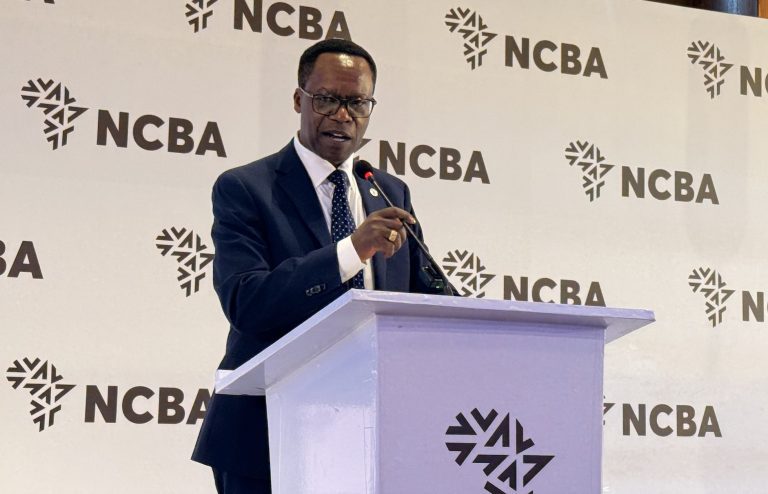
NCBA Group has reported a 12.2 per cent increase in half-year net profit, buoyed by strong growth in operating income, customer deposits and continued investment in technology.

The lender has reported a profit after tax of Sh12.4 billion for the six months ended June 30, 2026, up from the corresponding period last year.

Profit before tax rose 14.3 per cent to Sh15.5 billion, while operating income climbed 15.1 per cent to Sh40.7 billion.

The board declared an interim dividend of Sh3.75 per share, an increase from Sh2.50 paid during the first half of 2025, signalling confidence in the bank’s earnings outlook.

During the review period, NCBA’s balance sheet expanded, with total assets rising 11.5 per cent to Sh739 billion while customer deposits increased by 11 per cent to Sh551 billion, reflecting sustained customer confidence.

Operating expenses grew at a slower pace of 5.1 per cent to Sh19.5 billion, supporting improved profitability.

Digital lending remained one of the group’s strongest growth engines, with loan disbursements surging 26.9 per cent to Sh819 billion as customers increasingly embraced digital borrowing channels.

The lender, however, raised provisions for expected credit losses to Sh5.2 billion, compared with Sh3.2 billion in the same period last year.

UBUNTU strategy drives performance

Commenting on the performance, NCBA Group Managing Director John Gachora attributed the performance to disciplined execution of the lender’s UBUNTU strategy, which he said continued delivering results despite inflationary pressures and cautious monetary policies across the region.

He said improved business volumes, wider interest margins and sustained customer activity supported strong income growth across the group.

NCBA’s non-performing loan ratio stood at 10.5 per cent, remaining well below the Kenyan banking industry’s average of 15.3 per cent, reflecting prudent credit risk management.

The lender also maintained a return on average equity of 19 per cent and a capital adequacy ratio of 21.7 per cent, providing sufficient capacity to finance future expansion and investments.

Kenya remains largest earnings contributor

The Kenyan banking subsidiary continued to anchor the group’s performance, with profit growing 24.3 per cent year-on-year to Sh13.7 billion.

Regional subsidiaries in Uganda, Tanzania and Rwanda collectively generated Sh1.6 billion in profit, supported by a 25 per cent increase in lending, 11 per cent income growth and improved loan recoveries.

Non-banking subsidiaries, including investment banking, leasing, bancassurance and insurance, also posted strong growth, recording a combined profit of Sh1.1 billion, representing a 40 per cent increase compared with the first half of 2025.

Investment in technology accelerates digital transformation

NCBA invested Sh2.4 billion in technology infrastructure during the period as part of its digital transformation strategy focused on artificial intelligence, cyber security and strengthening core banking systems.

The investment delivered system uptime of 99.68 per cent, while the bank recorded a digital Net Promoter Score of 69 per cent and expanded its ConnectPlus business banking platform across regional markets.

Digital channels continued to dominate customer engagement, accounting for 94 per cent of all transactions processed by the bank.

Wealth management, insurance and SME financing expand

The group continued growing its non-interest income businesses and customer offerings.

Assets under management rose to Sh101 billion, with active wealth management clients surpassing 60,000.

Within the insurance business, NCBA Insurance recorded gross written premiums of Sh2.1 billion, while bancassurance premiums increased to Sh2.3 billion.

The lender also expanded financing to small and medium-sized enterprises, growing its SME loan book by 12 per cent to Sh44.7 billion from Sh39.9 billion a year earlier.

Asset finance and retail banking support customer acquisition

NCBA strengthened its position in asset finance through partnerships supporting electric vehicle financing and solar leasing, reinforcing its estimated 30 per cent share of Kenya’s asset finance market.

Its digital vehicle marketplace, CarDuka, facilitated vehicle sales worth Sh1.94 billion, while the KOMIUT transport platform processed collections exceeding Sh117 million.

Retail banking also maintained strong momentum through branch expansion, digital onboarding and targeted campaigns including BOOSTA for SMEs, EasyBuild home financing and diaspora banking.

These initiatives enabled the lender to onboard more than 10,000 new core banking customers every month, while its retail loan portfolio expanded by 54 per cent during the period.

Nedbank transaction progresses

The group also reported progress on its proposed transaction with Nedbank, following the successful closure of its tender offer on July 10, 2026.

The offer attracted subscriptions equivalent to 121 per cent of the targeted shares, with completion now awaiting regulatory approvals and fulfilment of the remaining transaction conditions.

Sustainability agenda gathers pace

Beyond financial performance, NCBA continued advancing its sustainability and social impact agenda.

During the first half of the year, the lender participated in the oversubscribed Sh3 billion Kenya Mortgage Refinance Company (KMRC) bond and expanded financing for electric vehicles across the region.

The group also planted more than 340,000 trees, impacted over 400,000 livelihoods through community programmes, delivered more than 100,000 employee learning hours, and maintained a staff retention rate of 91 per cent.

Outlook

Looking ahead, Mr Gachora said global economic uncertainty is expected to moderate growth, with the world economy projected to expand by 3.1 per cent in 2026.

He, however, expressed confidence that an improving investment climate in the region, coupled with stronger private sector credit demand in Kenya, would support the group’s growth ambitions.

“The regional investment pipeline remains active, with several major transactions expected to conclude in the second half of the year. Our UBUNTU strategy continues to position the Group to deliver sustainable long-term value for customers, shareholders and the communities we serve,” he said.

Also Read: KCB to auction Cytonn’s Cysuites Apartment Hotel over Sh426 million debt

Process and cost of hiring police escort for weddings, private events

0

Hiring police escorts for weddings, funerals and other private events has become increasingly common in Kenya.

Event organisers often request police escorts to help wedding convoys move smoothly through traffic, maintain order at venues and enhance security for VIP guests.

According to the National Police Service, this service is legal and anyone including members of the public, companies, and event organisers, can hire police escort for security, escort or guarding needs.

This article explains the process of hiring police escort and the charges.

According to the National Police Service (NPS), anyone wishing to hire officers for a private function must first visit the nearest Police station and make the request.

The station will then contact NPS to assess the request and determine whether it can be accommodated.

Alternatively, the process can be completed online via the ECitizen platform. NPS directs that applicants log onto eCitizen platform and navigate to the National Police Service section.

Click on the Hire of Police Service menu, download and the fill in the official document titled Request for Hire of Police Security Services.

Applicants must provide key contact details, including name of the organisation or individual, physical address, and telephone number.

They must also indicate the number of officers needed, the specific date they are needed and whether they should be armed or unarmed.

Applicants must also provide a breakdown of ranks required, such as inspectors, sergeants, corporals or constables, before signing the application.

How much it costs to hire police officers in Kenya

The cost of hiring police officers varies depending on duration, rank, and whether they are armed or unarmed. All rates apply for a maximum of eight hours per day.

Armed Officers (Per Hour)

Armed officers are charged differently depending on their rank:

  • Inspectors -Sh188
  • Sergeants-Sh150
  • Corporals-Sh125
  • Constables- Sh100

Unarmed Officers (Per Hour)

  • Inspectors-Sh150
  • Sergeants-Sh125
  • Corporals-Sh100
  • Constables-Sh75

Vehicles and motorbike escort services (Per Hour)

  • 999 patrol car-Sh5,000
  • Armed motorbike rider- Sh1,200 to Sh2,000 (depending on rank)
  • Unarmed riders-Sh1,000 and Sh1,800 (depending on rank)

According to the National Police Service Act (NO 11A of 2011), the monies paid for the private use of the police shall be paid to the Treasury.

“The Inspector-General shall only deploy an officer for private use for the protection of the public good or interest. The monies paid for the private use of the police, as specified in subsection, shall be paid to the Treasury.  The Inspector-General shall make regulations generally to have effect under this section.” Read part of the Act.

Also Read: Why DCI detectives use Subaru Outbacks for undercover operations

Alpine Goat: The profitable dairy breed more farmers should embrace

Dairy goat farming remains one of Kenya’s most underexploited livestock enterprises despite a steadily growing demand for goat milk driven by its nutritional value and perceived health benefits.

As more consumers seek easily digestible dairy products, farmers are increasingly turning to dairy goats as a profitable alternative to conventional dairy farming.

Among the available dairy goat breeds, the Kenya Alpine has emerged as one of the most productive and adaptable animals for commercial milk production.

With relatively low feeding costs, high milk yields and the ability to thrive under a wide range of climatic conditions, the breed presents an attractive investment opportunity for both small-scale and commercial farmers.

Originally developed in Britain by crossing indigenous goats with Alpine breeds imported from Switzerland in 1903, the Alpine goat derives its name from the Alps mountain range.

According to the Kenya Livestock Producers Association (KLPA), the breed is medium to large in size and is characterised by a wide variety of coat colours, including shades of grey, brown, black, red-buff and mixed colour patterns.

Unlike some breeds with distinctive markings, Alpine goats display no fixed colour pattern. They have erect ears, a straight facial profile and horns, and are widely recognised for their exceptional milking ability.

In Kenya, the breed is predominantly reared in the Central and Eastern Highlands, particularly in Nyeri and Meru counties, where climatic conditions favour dairy goat production.

However, experts note that the animals are remarkably hardy and can adapt to diverse environments, making them suitable for many parts of the country. Besides their resilience, Alpine goats are excellent foragers and agile climbers.

Although many farmers keep the animals under zero-grazing systems, kidding seasons are largely determined by pasture availability rather than occurring at fixed times of the year.

Proper breeding boosts productivity

Livestock experts caution farmers against breeding young does before they are physically mature.

While some female goats may exhibit their first heat at around five months of age, mating at this stage is discouraged because it can interfere with growth and negatively affect lifetime productivity.

A doe should only be served after attaining at least two-thirds of its expected mature body weight and should ideally be between 10 and 12 months old, depending on nutrition and breed development.

Breeding immature animals increases the risk of abortion, reduced milk production, stunted growth and kid mortality. Following successful mating, the gestation period lasts approximately five months.

Impressive milk production

The Kenya Alpine is renowned for its high milk output. Under proper management, a doe can produce up to 3.5 kilogrammes of milk daily during the first two months after kidding.

Peak production is usually reached about 35 days after kidding before gradually declining over the lactation period.

Depending on feeding and management, a doe can remain in milk for between three and 10 months.

Studies conducted in 2014 on Alpine dairy goats in Central Kenya showed that goats kidding between November and December recorded the highest milk yields.

Those kidding between January and March ranked second, while goats kidding between May and July produced comparatively lower yields.

On average, a well-managed Alpine goat produces between 2.5 and four litres of milk daily. Farmers are also advised to allow kids to suckle their mothers because this stimulates greater milk production.

Low production costs

One of the breed’s greatest advantages is its ability to perform well under relatively low-input production systems.

The Kenya Alpine can efficiently utilise locally available feed resources while maintaining good growth rates and satisfactory milk production, reducing the cost of production for farmers.

A mature female weighs about 60 kilogrammes and stands between 70 and 76 centimetres tall. Average milk production per lactation is approximately 922.5 kilogrammes, translating to about 4.5 kilogrammes per day, with butterfat content averaging 3.6 per cent.

Mature bucks weigh between 65 and 80 kilogrammes and attain heights of between 80 and 90 centimetres.

Accessing quality breeding stock

Farmers interested in establishing dairy goat enterprises can source breeding stock from certified local breeders or through the Kenya Agricultural and Livestock Research Organisation (KALRO), which supplies pedigree does and bucks for breeding programmes.

Why goat milk demand is rising

Demand for goat milk continues to increase across Kenya as consumers become more conscious of its nutritional and health benefits.

Goat milk contains easily digestible proteins and smaller fat globules than cow milk, making it easier to digest for many people. It is also rich in calcium, phosphorus, potassium and essential vitamins that support bone health and immunity.

Many consumers who experience discomfort after consuming cow milk also prefer goat milk because it is generally gentler on the digestive system.

The milk is increasingly sought after by young children, older adults and individuals looking for nutritious alternatives to conventional dairy products.

The growing market has translated into attractive returns for farmers, with goat milk retailing at between Sh100 and Sh200 per litre—roughly double the price of cow milk.

Also Read: Kisumu farmer making Sh20,000 daily from 150 dairy goats on half an acre

Beyond borders and beyond treatment. Why the future of healthcare must be holistic

0

Healthcare: Burnout has quietly become one of the biggest threats to workplace productivity. It is showing up in boardrooms, hospitals, classrooms and small businesses alike. Yet for too long, mental health was treated as a private struggle rather than a national development issue.

That mindset is changing. And it must. When Kenya hosted the National Mental Health Conference in 2025, it reinforced an important truth: that healthcare can no longer be measured solely by physical health. Emotional resilience, psychological wellbeing and preventive care have become just as critical to individual well-being and economic prosperity.

The Human and Economic Cost of Mental Health

The 2025 National Health Conference put numbers to what many employers already know. It is estimated that about 15 per cent of Kenya’s working population, roughly 3.7 million people, are living with a mental health condition. Nearly three-quarters of those who need care never receive it, and the resulting productivity losses are estimated to cost the economy Ksh62.2 billion every year.

These are not just health statistics. They are economic indicators. The challenge is not unique to Kenya. The World Health Organization WHO) estimates that depression and anxiety cost the global economy nearly US1 invested in mental health treatment yields approximately US$4 in improved health and productivity.

Man who sold all his property to fund 10 surgeries appeals for help for India treatment

The Business Case for Preventive and Holistic Care

The business case for investing in mental wellness has never been clearer. Forward-looking organisations are beginning to understand that healthcare is no longer about treating illness after it occurs. It is about preventing it. Mental health support, executive wellness programmes, lifestyle coaching and preventive health assessments are becoming essential, not because they are fashionable, but because healthy people build resilient organisations.

Patients today expect continuity of care wherever work, study or life takes them. They expect mental wellness to sit alongside physical health, preventive care alongside specialist treatment, and healthcare that follows them rather than ends at the border.

Aligning Universal Health Coverage with Whole-Person Care

As Kenya advances its Universal Health Coverage agenda, the government’s ongoing health financing reforms are reshaping how healthcare is accessed and delivered. The introduction of the Social Health Authority (SHA), under the Social Health Insurance Act, together with the Primary Healthcare Fund and the Emergency, Chronic and Critical Illness Fund, represents an important step towards ensuring more Kenyans can obtain essential health services without facing financial hardship.

These reforms rightly seek to expand access and strengthen equity across the healthcare system. However, achieving universal health coverage is about more than financing treatment. It also requires a stronger emphasis on prevention, early intervention and mental well-being. A healthcare system that treats diabetes but overlooks depression, or manages hypertension while ignoring chronic stress, addresses only part of the problem. True universal health coverage must support the whole person, not simply the illness they present with.

Alice Muhuhu: Kenyan doctor brings life-saving heart care closer to people

More importantly, GEHP reflects the future of healthcare. Today’s patients expect seamless access to quality care across borders, preventive health services that reduce the burden of disease, and mental well-being support that sits alongside physical healthcare. As Kenya strengthens its universal health coverage framework, solutions that combine strong local healthcare foundations with global access will play an increasingly important role in supporting individuals, families and businesses whose lives extend beyond national boundaries.

Addressing a Mobile Workforce Across Regional Borders

East Africans are increasingly mobile. Professionals manage businesses across multiple countries, entrepreneurs pursue opportunities across the continent, students study abroad and families often live in different parts of the world. As regional integration gathers pace, healthcare should not end where national borders begin. It should move with people.

This changing reality is driving partnerships that combine local understanding with global access. Executive Healthcare Services (EHS), which has served African healthcare markets for more than 25 years, has partnered with AXA Global Healthcare to provide the Global Executive Health Plan (GEHP), which is locally insured by Old Mutual General Insurance Kenya.

The partnership provides access to healthcare in more than 192 countries and over two million hospitals worldwide, while delivering responsive service, including fast claims processing within 48 hours. More importantly, GEHP reflects the growing expectation that healthcare should be connected, accessible and responsive to the way people live today. As Kenya strengthens its universal health coverage framework, solutions that combine strong local healthcare foundations with seamless international access will play an increasingly important role in supporting individuals, families and businesses whose lives extend beyond national boundaries.

Warning signs of postpartum complications you shouldn’t ignore

Redefining Employer Value Propositions

The same expectation applies in the workplace. Increasingly, employees are choosing organisations that invest in comprehensive wellbeing, not simply through medical insurance, but by creating healthier workplaces, supporting mental wellness and providing access to quality healthcare wherever opportunity may lead. These are no longer fringe benefits. They are becoming strategic investments in attracting, retaining and empowering talent.

This is the thinking behind Executive Healthcare Solutions. At its heart is a simple idea: quality healthcare should not be constrained by stigma, distance or geography. Whether supporting mental wellness, preventive healthcare or international access to treatment, the goal remains the same – to give people confidence that care will be there whenever and wherever they need it.

The Future: Connected, Preventive, and Borderless

Healthcare is changing because the people it serves have changed. They expect integrated care instead of fragmented services. They value prevention as much as treatment. And they increasingly live lives that extend beyond one city or one country.

Kenya has already begun an important conversation about mental health. The next challenge is to build healthcare systems that are equally holistic, connected and accessible. In a world without borders, healthcare should not have any either.

About the author

Beyond borders and beyond treatment. Why the future of healthcare must be holistic

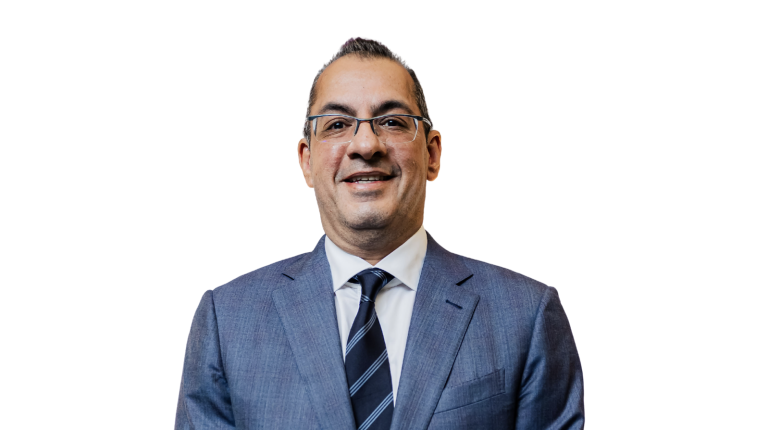
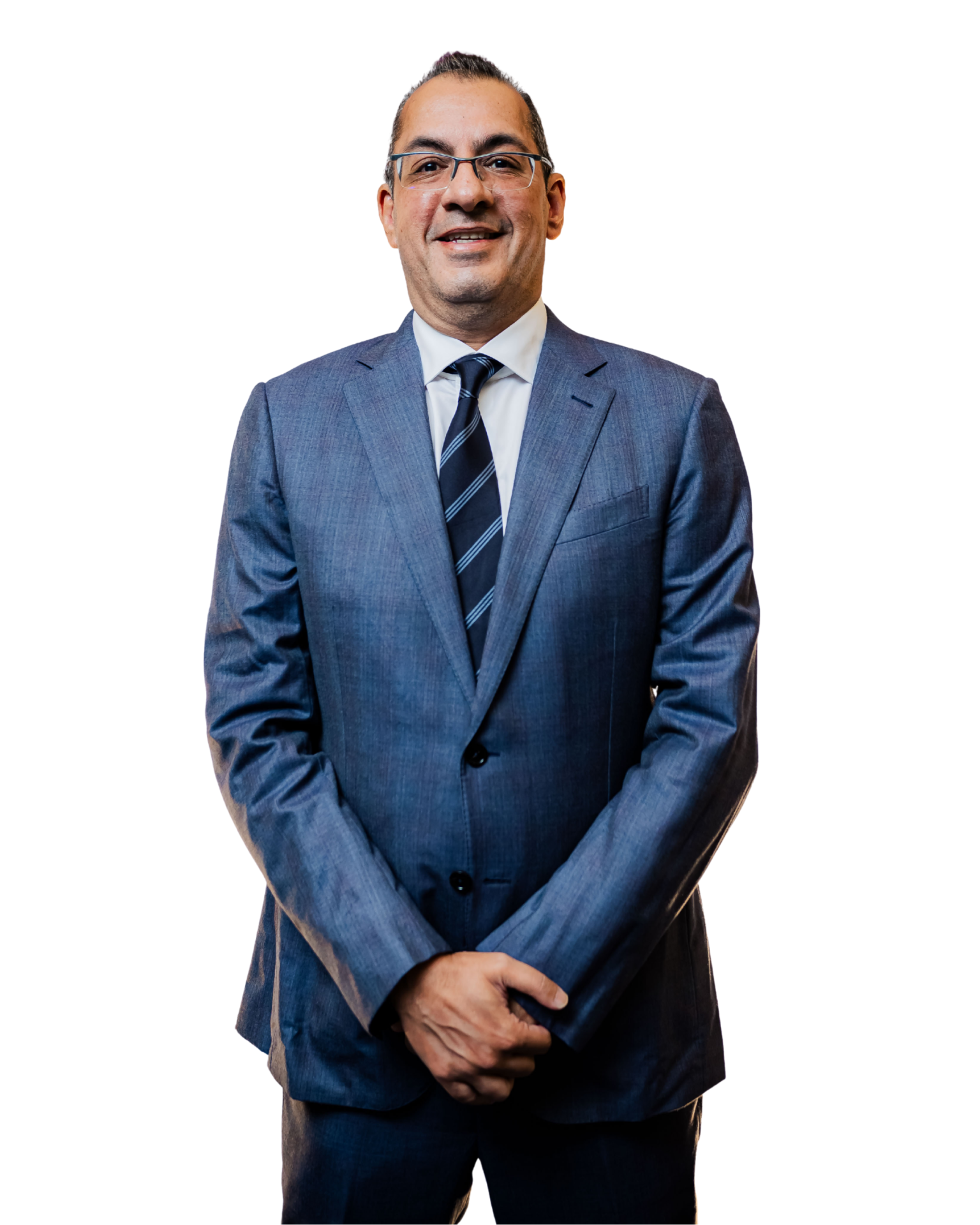
Aly S. Maherali
Chief Executive Officer
Executive Healthcare Solutions (EHS)

Nairobi County announces 997 job vacancies in major recruitment drive

0

Nairobi County has announced a major recruitment drive, inviting qualified candidates to apply for 997 vacant positions across various departments, with most opportunities in the health sector.

In an advert published on its official recruitment portal, the county government said the vacancies include both locum positions and internal advertisements, as it moves to strengthen service delivery in public institutions.

The recruitment is heavily focused on healthcare professionals, with the county seeking to hire 200 Nursing Officers, 200 Registered Nurses and 100 Specialised Nursing Care officers on locum terms.

Other advertised positions include 50 Medical Officers, 30 Medical Laboratory Officers, 30 Nutrition and Dietetics officers, 30 Registered Clinical Officers, 30 Clinical Officers, 30 Morticians, 30 Medical Engineering Technologists III, 25 Health Records and Information officers, and 20 vacancies each for Medical Specialists, Radiographers, Dental Officers, Orthopaedic Technologists, Medical Engineering Technologists I, Pharmacists, Pharmaceutical Technologists, Dental Technologists and Physiotherapists.

The county has also advertised 20 positions for Health Records and Information Officers on locum terms.

Outside the health sector, Nairobi County is recruiting 40 support staff, including cleaners, bush clearers, gardeners and grave diggers.

In addition, two senior management positions have been advertised internally. These are Deputy Director, Human Resource Management and Deputy Director, Human Resource Development, with one vacancy available for each role.

How to apply

The county advised interested applicants to visit its official recruitment portal, where detailed information on job descriptions, qualifications and application requirements has been provided.

Applicants are required to create or log into their accounts on the recruitment portal before submitting their applications.

The application deadline for all advertised positions is August 11, 2026.

Also Read: Kericho County announces 456 job vacancies across key departments

My OneApp: The accidental upgrade that changed how I use Safaricom services

There was a time when managing my mobile services meant juggling different USSD codes, mobile apps, or visiting a Safaricom shop for services that should have taken only a few minutes.

At times, the experience felt frustrating. Just like many people, I wanted a simpler way to stay in control of my account without the inconvenience.

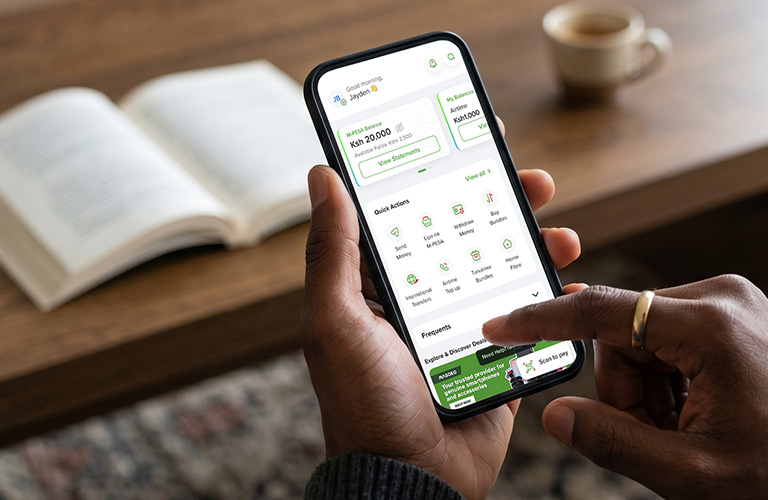
Then came news about Safaricom merging the M-PESA App with the Safaricom App into a single platform called My OneApp.

To be honest, I wasn’t exactly excited. In fact, I deliberately ignored every prompt asking me to update my M-PESA app.

In my mind, if two apps I was already used to were being squeezed into one, surely it would only make things more confusing. So I kept postponing the update, convinced I was making the smart choice.

Well, Safaricom clearly had other plans. One morning, I picked up my phone only to discover the app had updated itself automatically.

My first reaction? “Wait… what happened to my M-PESA app?” For a few moments, I clicked around wondering where everything had gone.

But as I explored the new MyOneApp, my confusion quickly turned into appreciation. Ironically, the very change I had been avoiding turned out to be exactly what I had been looking for all along.

Today, it has become one of the applications I open almost every day because it brings several Safaricom services together in one place.

Keeping Track of My Usage Is Effortless

One of the first things I appreciated was how easy it became to monitor my account. Instead of guessing how much data or airtime I had left, I can instantly check my balances the moment I open the app.

This has become far much simpler compared to previously when I had to struggle with different USSD codes to check my balance.

Buying Bundles Takes Just a Few Moments

Previously, purchasing data or voice bundles often meant remembering different USSD codes. With MyOneApp, everything is clearly organized.

I simply select the bundle I want, complete the purchase, and continue with my day. The process feels straightforward and saves valuable time.

Managing My M-PESA services is more convenient

Another feature I frequently use is the integration with M-PESA services. Whether I need to check my balance, review transactions or access various mobile money services, the app provides a convenient starting point without unnecessary complications.

Exclusive deals add extra value

My OneApp occasionally provides access to exclusive offers and promotions. From discounted bundles to personalized deals based on my usage, these offers have helped me stretch my spending further than I initially expected.

Customer support is always within reach

Whenever I encounter a challenge, I no longer feel the need to search for customer care contacts. The application provides access to support resources that make it easier to resolve common issues or seek assistance when necessary.

Paying bills has become more convenient

The application also simplifies bill payments and account management. Instead of switching between different platforms, I can complete several tasks from one location.

Additionally, I don’t have to cram several Paybill numbers for bill payments as the app has the option to save frequent payment numbers. This makes it easier to make payments for bills such as rent, school fees and utilities.

Everything is centralized in one place

Perhaps the biggest advantage for me is convenience. Rather than relying on multiple applications or memorizing several service codes, My OneApp brings together account management, purchases, M-PESA services, customer support and personalized offers in a single platform.

That level of integration makes everyday mobile management much time consuming.

Getting Started with My OneApp

If you are interested in trying the application yourself, getting started is straightforward.

Step 1: Open the Google Play Store on an Android device or the Apple App Store on an iPhone.

Step 2: Search for “Safaricom My OneApp”.

Step 3: Download and install the application

Step 4: Launch the app after installation.

Step 5: Register or sign in using your Safaricom mobile number.

Step 6: Verify your number using the one-time verification code sent to your phone.

Step 7: Complete your profile if prompted and grant the necessary permissions.

Step 8: Begin exploring the available services, including buying bundles, checking balances, accessing M-PESA features, managing your account and viewing personalized offers.

Also Read: Pochi la Biashara vs Lipa na M-PESA Buy Goods: Which is best for your business?

Step-by-step guide to applying for an Equity agent float loan

0

Access to affordable and timely financing continues to be one of the most significant drivers of growth for small and medium-sized enterprises (SMEs).

For many businesses, particularly those operating in the financial services sector, access to working capital can mean the difference between uninterrupted service delivery and missed business opportunities.

Agency banking operators are among the entrepreneurs who often face liquidity challenges, especially during periods of high customer demand. Running out of cash or electronic float can disrupt transactions, inconvenience customers and result in lost revenue.

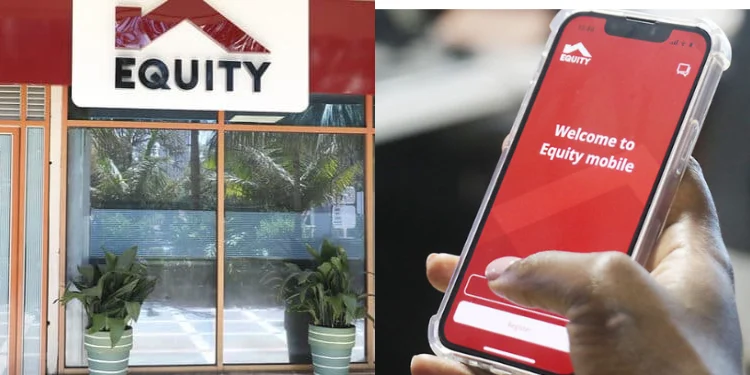
Equity Bank agency operators don’t have to worry about this challenge, as the lender provides float financing to help agents maintain adequate liquidity and continue serving customers seamlessly.

“You now don’t have to worry about running out of cash for your Agency business. Agency float financing allows you to apply and get an instant loan to continue running your business,” Equity Bank says.

The financing solution enables Equity Bank agents to access an instant loan directly into their agent transaction account whenever they experience a shortage of float.

The facility ensures agents can continue processing deposits, withdrawals and payment transactions without interruption, thereby enhancing customer service and supporting business continuity.

How to apply for Equity Bank Agent float financing

The loan is available to all Equity Bank agents. Agents seeking to access the facility for the first time are required to visit their nearest Equity branch to complete the registration process.

Once signed up, agents can apply for the loan through the agency STK platform or point-of-sale (POS) device and receive the funds instantly upon approval.

Agents can also monitor their borrowing capacity by checking their loan limit through their Agent Equitel line. Following a balance inquiry request, the system sends an SMS notification indicating the available loan limit.

According to the bank, loan limits are influenced by transaction activity. Agents who process higher volumes of deposits and withdrawals are likely to qualify for higher financing limits, providing an incentive for business growth and increased customer engagement.

The facility offers flexible repayment terms of up to five days at a fee of 0.5 per cent. Agents with existing loans from the bank may still qualify for Agent Float Financing, provided their current facilities are performing satisfactorily and they demonstrate the ability to repay the loan.

Another feature of the financing solution is the flexibility it offers. Agents are not required to borrow their full approved limit and can access multiple loans provided they remain within their allocated borrowing threshold.

However, timely repayment remains critical. Failure to repay within the stipulated five-day period may result in reduced loan limits, suspension of access to unutilized limits or, in some cases, cancellation of the facility.

Overdue loans may also attract the bank’s prevailing interest rate of 13 per cent. For super-agents managing multiple outlets, the facility provides additional control.

Super-agents may request the deactivation of loan access for specific sub-agent outlets through their branch, helping them manage overall exposure and utilization.

Also Read: EU and Equity Group Foundation partner to send 100 Kenyan scholars annually to European Universities

Pochi la Biashara vs Lipa na M-PESA Buy Goods: Which is best for your business?

0

Businesses that rely on digital payments are set to benefit from lower transaction costs following Safaricom’s decision to revise M-PESA business tariffs.

The new charges, which take effect from August 7, 2026, are aimed at making digital payments more affordable while supporting the growth of small and medium-sized enterprises (SMEs) that handle high volumes of customer transactions.

“To make digital payments more affordable and support the growth of businesses across Kenya, Safaricom is introducing revised tariffs for Pochi la Biashara and Lipa na M-PESA Buy Goods,” the company said in a statement.

While both services enable businesses to receive payments through M-PESA, they are designed for different types of enterprises and attract different charges.

Pochi la Biashara

Pochi la Biashara is primarily designed for informal businesses, small traders, freelancers, home-based entrepreneurs and side hustlers who do not have registered businesses.

The service allows business owners to separate business income from personal funds while maintaining the convenience of using their existing M-PESA account.

Under the promotional tariffs valid between August 1 and October 31, 2026, customers sending between Sh1 and Sh200 will pay no transaction fee.

Payments ranging from Sh201 to Sh500 will attract a Sh7 charge, while transfers between Sh501 and Sh1,000 will cost Sh13.

Customers sending Sh1,001 to Sh1,500 will pay Sh23, whereas those making payments between Sh1,501 and Sh2,500 will be charged Sh33.

For larger transactions ranging from Sh2,501 to Sh250,000, the customer will pay a flat fee of Sh50.

The simplified flat-rate pricing makes Pochi la Biashara suitable for businesses that mainly receive low- to medium-value customer payments, such as market vendors, food kiosks, boda boda operators, online sellers and independent service providers

Lipa na M-PESA Buy Goods

Lipa na M-PESA Buy Goods is designed for registered businesses that use till numbers to receive customer payments. It is widely used by supermarkets, retail shops, restaurants, pharmacies and other merchants processing large transaction volumes.

Under the new tariffs, businesses using Buy Goods will benefit from lower collection charges. Payments of up to Sh500 will now be collected free of charge, compared to the previous threshold of Sh200.

At the same time, collections between Sh201 and Sh500, which previously attracted a 0.55 per cent fee, will also become free.

Transactions worth between Sh501 and Sh36,363 will continue attracting a 0.55 per cent collection fee, while collections exceeding Sh36,363 will remain subject to the maximum charge of Sh200.

How the Two Services Compare

The main difference between the two services lies in how transaction costs are structured.

Pochi la Biashara applies fixed customer charges based on the amount sent. A customer paying Sh2,600 or even Sh100,000 will incur the same maximum charge of Sh50, making it a predictable option for informal traders whose customers pay the transfer fee.

Buy Goods, on the other hand, does not charge customers for making payments. Instead, merchants pay a collection fee calculated as 0.55 per cent of the transaction value for payments above Sh500, with charges capped at Sh200 for high-value transactions.

Which Service Is Best?

The choice depends largely on the nature of the business.

Pochi la Biashara is better suited to informal traders, sole proprietors and micro-enterprises that need a simple payment solution without registering for a till number.

On the other hand, Buy Goods remains the preferred option for registered businesses that process high daily transaction volumes, issue receipts and require a dedicated merchant payment platform.

Also Read: Airtel Money deepens support for small businesses with Bizna Wallet

Why the Co-op Money Market Fund is worth considering

Growing your wealth requires more than simply saving money. In today’s dynamic financial environment, you need investment solutions that can help your money work harder while aligning with your financial goals and risk appetite.

This is where professionally managed investment vehicles such as unit trust funds come in.

Whether you are building an emergency fund, planning for retirement, saving for a major purchase or seeking a steady source of income, investing through a unit trust allows you to access a diversified portfolio without having to manage individual investments yourself.

Instead, experienced fund managers invest your money across carefully selected financial assets, giving you an opportunity to benefit from professional expertise and disciplined investment strategies.

The Co-operative Bank of Kenya (Co-op Bank) is among the financial institutions offering these investment opportunities.

Through the Co-op Unit Trust, the lender offers you an opportunity to invest in a professionally managed portfolio comprising equities, fixed deposits, government and corporate bonds, as well as commercial papers.

The different investment options are designed to cater for varying financial objectives, allowing you to choose a strategy that matches your investment horizon and personal goals.

Co-op Money Market Fund

If you are looking for a low-risk investment that combines competitive returns with easy access to your money, the Co-op Money Market Fund offers a practical solution.

The fund invests in high-quality short-term debt instruments, cash and cash equivalents, making it suitable if your priority is preserving capital while earning regular interest. It is particularly ideal if you want flexibility without locking your funds away for an extended period.

As an investor, you enjoy several benefits, including:

  • No minimum investment period.
  • No minimum deposit requirement, allowing you to start with an amount that suits your financial situation.
  • Access to your funds within three days after giving notice.
  • Account updates within 24 working hours.
  • Interest calculated daily and credited to your account every month.

These features make the Money Market Fund suitable if you are setting aside emergency savings, accumulating capital for short-term goals or simply looking for a better alternative to keeping idle cash.

Bond Fund

If your investment objective is long-term income and capital preservation, the Co-op Bond Fund provides an attractive option.

The fund primarily invests in bonds and other interest-bearing securities, making it suitable if you are prepared to invest for at least three years in exchange for potentially steady returns.

Key features include:

  • A minimum initial investment of Sh50,000.
  • No initial charges.
  • Account updates within 24 working hours.
  • Designed for investors with a long-term investment horizon of three years or more.

The Bond Fund is ideal if you are planning for future financial commitments such as retirement, education funding or long-term wealth accumulation while seeking relatively stable income.

Getting Started

To get started, customers are required to complete the joining and individual risk profiling forms before submitting the required Know Your Customer (KYC) documents.

Once the application is processed, you can make your investment through cheque, money transfer or M-Pesa by sending your funds to the collection account indicated on the joining form.

Also Read: Ecobank Kenya deepens commitment to empower SMEs through financial and non-financial support