
Home Blog Page 21

Farmer questions Hass Avocado boom as oversupply and market access concerns mount

0

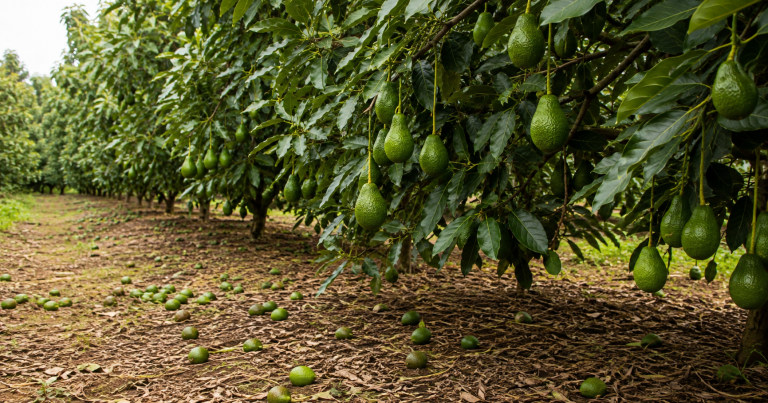
A Kenyan farmer has raised concerns over the growing hype around Hass avocado farming, questioning whether the rush to plant the crop is creating an oversupply that could eventually leave growers with bumper harvests but few buyers.

The farmer, who posted his concerns on the Tujengane Business Ideas Plug Facebook Group, said many farmers in his rural home had been encouraged to uproot traditional avocado varieties and replace them with Hass after being told the crop was a lucrative cash earner.

“Back home, we were told to cut down those local avocado trees because they were not making money and plant Hass because we were told it would bring in serious money. Now almost everyone in my area planted Hass, and this is when they are starting to see a movie,” the farmer wrote.

He went on to complain that the market was becoming crowded while buyers remained few, pushing prices down.

“The market is flooded, buyers are few and the price has fallen badly. By the end of this year, you could find one avocado going for just one shilling if the situation continues this way,” he said.

The farmer went on to question the Hass avocado business: “Where did the Hass avocado business go wrong? Is it oversupply? Poor planning? Everyone planting the same crop at the same time without a market strategy? Or is there something else farmers are not being told?”

The post, however, attracted a different perspective from other users who argued that the problem was not necessarily a lack of demand for Hass avocado but a lack of better market research.

The respondents maintained that the demand for Hass avocado is very high both locally and internationally, advising the farmer to look for markets beyond his home area, with some citing areas in Kenya where the fruit is nowhere to be found.

Another respondent maintained that Hass remains highly sought after, particularly in Europe, and recent export difficulties should not be mistaken for a collapse in the market.

“Hass is very much in demand especially in Europe,” the user said, adding that recent export difficulties had been linked to disruptions caused by the war, but that the export route had reopened.

The user also gave an indication of the prevailing farm-gate market, saying Grade One Hass avocado in size codes 12 to 24 could fetch between Sh85 and Sh100 per kilogram.

Why Kenyan Hass avocado remains in demand

Kenyan Hass avocado continues to attract international buyers, particularly due to its nutritional qualities.

Its creamy texture, relatively high oil content and flavour have made Hass the dominant commercial avocado variety in many international markets.

The country’s geographical conditions further pose an advantage. Avocados are grown in several agro-ecological zones, allowing production across different regions and seasons.

This provides opportunities to supply export markets over extended periods rather than relying on a single harvest window.

Europe is the leading destination for Kenya’s avocado, with the Netherlands, the United Arab Emirates, Spain, France, and Germany remaining significant markets for Kenyan produce.

Research on the European avocado market has found that Hass is the dominant variety in Europe, while European production satisfies less than 10 per cent of the continent’s overall avocado demand, leaving the market heavily dependent on imports from producing countries outside Europe. (AGRIS)

Kenya has also been expanding its access to new markets. In 2023, for instance, the government announced the first consignment of Kenyan avocados to India following bilateral negotiations that opened the Indian market to Kenyan exporters.

China has also become an important destination.

Kenya’s avocado production is rising rapidly

As the demand grows, local production is also rising sharply. Latest data from the Agriculture and Food Authority shows that Kenya’s avocado production rose dramatically from 632,953 tonnes in 2023 to 848,122 tonnes in 2024, representing a 34 per cent increase.

The authority attributed the increase partly to the expansion of avocado farming into non-traditional growing areas, driven by demand in export markets.

In 2024, the country exported about 119.8 million kilogrammes (roughly 119,801 tonnes) of fresh avocados, earning approximately Sh22.27 billion.

Not every Hass avocado is fit for export

Even with the high production, not every fruit qualifies for export. For an avocado to qualify for export, it must meet strict quality, maturity, size, appearance and safety requirements imposed by both Kenyan authorities and importing countries.

These standards are intended to ensure that the fruits can withstand transportation, continue ripening properly and arrive in good condition at their destination.

Also Read: Alpine Goat: The profitable dairy breed more farmers should embrace

JSS teacher earning Sh43,000 reveals how his salary is spent, seeks advice on saving

A Junior Secondary School (JSS) teacher earning a monthly take-home salary of Sh43,000 has turned to social media users for advice after realizing that almost his entire income is consumed by monthly expenses, leaving him with just Sh500 at the end of the month.

The teacher, who said he is 37 years old, shared his financial situation on the Tujengane Business Ideas Plug Facebook group, asking fellow users how he could restructure his finances and start saving.

According to his post, the teacher earns a gross salary of Sh55,550, but statutory and other deductions reduce his take-home pay to Sh43,000.

He listed 12 monthly expenses, which together amount to Sh42,500.

Rent takes up Sh7,500, while food and shopping account for another Sh7,000. Transport is among his largest expenses at Sh7,000 per month.

He also sets aside Sh3,500 for child support and a similar amount for supporting his parents.

The teacher allocates Sh4,000 to his girlfriend, while entertainment takes another Sh3,000. He spends Sh1,500 on Wi-Fi and Sh2,000 on water and electricity.

His other commitments include a Sh2,000 monthly tithe, Sh1,500 towards an emergency fund and Sh1,000 in Sacco shares.

After all these expenses, only Sh500 remains from his Sh43,000 take-home salary.

“Most of my salary is already committed, and I want to know how I can save like other people,” he said, adding that he was going through what he described as a serious personal financial crisis.

The teacher’s budget illustrates a challenge faced by many salaried workers: having a regular income does not necessarily translate into financial stability if most of the income is committed to recurring expenses.

His biggest listed expenses are rent, food, transport and family-related support. Together, these consume a significant portion of his take-home pay before other personal and household obligations are considered.

While some expenses, such as rent, food, utilities and transport, are difficult to eliminate, others offer greater room for adjustment.

Social media users responding to his post suggested that he consider moving closer to his workplace to reduce transport costs.

Others questioned the need for a monthly girlfriend allowance, arguing that the Sh4,000 could instead be redirected towards savings or other financial priorities.

Reducing entertainment expenses was also suggested as another way of freeing up money.

A budget that leaves little room for savings

The teacher’s current plan leaves virtually no room for long-term savings or investment.

His emergency fund contribution of Sh1,500 is a positive step, while his Sacco contribution of Sh1,000 could also help him build financial assets over time.

However, the combined Sh2,500 set aside for these purposes represents only a small proportion of his take-home income.

Financial advisors insists that one should treat savings as a mandatory expense rather than waiting to see what remains at the end of the month.

For example, reducing discretionary spending and transport costs could create additional money that could be channelled into an emergency fund, Sacco savings, investments or other clearly defined financial goals.

What the 50:30:20 budgeting rule says

One commonly used budgeting framework is the 50:30:20 rule. It divides take-home income into three broad categories: 50 per cent for needs, 30 per cent for wants and 20 per cent for savings and financial goals.

For someone taking home Sh43,000, the rule would translate roughly to:

  • 50 per cent — Sh21,500: Essential needs such as rent, food, transport, utilities and other necessary household expenses.
  • 30 per cent — Sh12,900: Wants, including entertainment, leisure and other non-essential personal spending.
  • 20 per cent — Sh8,600: Savings, emergency funds, investments, debt repayment or other long-term financial goals.

The 50:30:20 rule is not a rigid formula that every household must follow. People supporting children, parents or other dependants may have different financial obligations, while high housing or transport costs can make the 50 per cent needs category difficult to maintain.

This is why financial advisors insist on having a side hustle to supplement one’s income. However, the principle is useful: save deliberately, control discretionary spending and ensure that essential expenses do not consume the entire salary.

Also Read: Why the Co-op Money Market Fund is worth considering

TVS Motor Company brings smart electric mobility to Kenya with the launch of a Premium Electric Scooter 

0

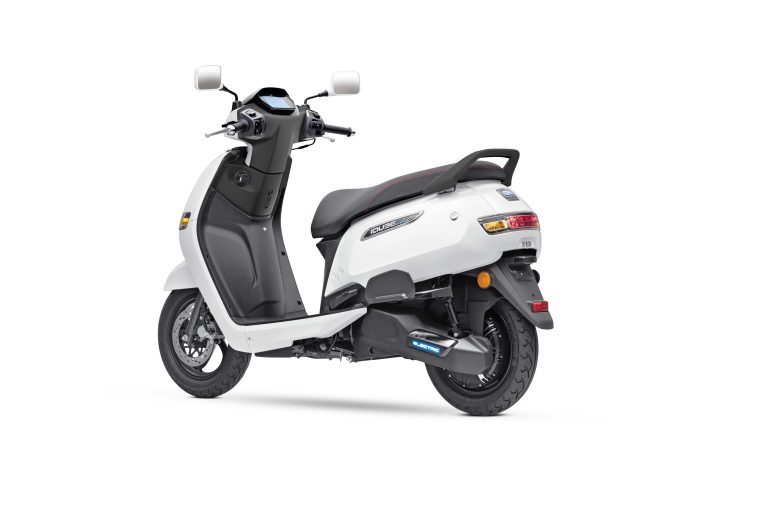
In line with its commitment to sustainable mobility on a global scale, TVS Motor Company (TVSM), part of TVS VENU, a leading global manufacturer listed as the 4th largest 2-wheeler manufacturer in the world today, launched its premium electric scooter, the TVS iQube, in Kenya, its first entry into Africa market. Engineered with TVS Motor’s legacy of innovation and reliability.

Designed for the modern rider, the TVS iQube sets new benchmarks in performance, comfort, safety, and build quality. The product is backed by the extensive after-sales network of Car & General, leveraging over two decades of trusted presence in Kenya.

Tackling Rising Fuel Costs with Urban Innovation

The introduction of the TVS iQube comes as more Kenyans seek practical alternatives to rising fuel costs and increasingly embrace cleaner, technology-enabled transport solutions. Built for everyday city travel, the scooter combines comfort, smart features and reliable performance to give riders a convenient alternative for navigating Kenya’s cities. The launch also strengthens TVS Motor Company’s long-standing partnership with Car & General, which will support customers through its established sales and after-sales network across the country.

Leadership Perspectives on Africa’s EV Expansion

Commenting on the launch, Peyman Kargar, President, International Business, TVS Motor Company said, “Driven by our vision to transform lives through exciting, responsible, and sustainable mobility, we are proud to introduce the TVS iQube in Kenya, marking our entry into the African market. This launch reflects our continued focus on expanding innovative electric solutions across international markets and signifies a key milestone in our global growth journey. With a strong legacy in Africa, we are confident that the addition of our electric portfolio will further reinforce our leadership and offer compelling value to customers.”

Businessman shares jaw-dropping earnings from motorcycle garage business

“While the overall African two-wheeler market is growing at roughly 7-10% Compound Annual Growth Rate (CAGR) through 2030, the electric two-wheeler market is growing much faster, with forecasts ranging from 15% to 25% CAGR through 2030-31. EV penetration is still low relative to the size of the industry but the conditions are rife for its growth and the runway promises to be extremely long,” added Vijay Gidoomal, Chief Executive Officer, Car & General.

Speaking at the launch, Madhu Prakash Singh, Vice President, International Business, TVS Motor Company, said,

“The launch of the TVS iQube in Kenya underscores the company’s commitment to accelerating the transition to electric mobility while catering to the evolving needs of modern urban consumers. Backed by the trust of 1 million+ happy customers worldwide, the TVS iQube is redefining the electric mobility landscape. Designed for everyday practicality, comfort, and smart connectivity, the TVS iQube combines performance with sustainability, offering a seamless riding experience for urban commuters. With fuel prices rising at an unprecedented pace, consumers in the personal mobility segment now have a compelling alternative in the TVS iQube, an electric scooter that delivers everyday mobility at a running cost that is only a fraction of that of a gasoline-powered vehicle. TVS Motor continues to empower customers with the power of choice by expanding its product portfolio across diverse mobility needs and fuel options.”

Daily Convenience and Smart Connectivity

TVS Motor Company brings smart electric mobility to Kenya with the launch of a Premium Electric Scooter 
From left: Car & General Kenya CEO Vijay Gidoomal and TVS Motor Company Associate Vice President Pradeep Chaurasiya during the launch of the TVS iQube at Tamarind Tree Hotel, Nairobi. The launch marked TVS Motor Company’s entry into Africa’s electric two-wheeler market through Kenya.

Designed with the everyday rider in mind, the TVS iQube combines comfort, convenience and smart features to simplify urban commuting. Depending on the model, the scooter can travel between 75 to 115 kilometres on a single charge and can be charged using a portable charger connected to a standard household power outlet, making charging as simple as plugging in any other home appliance.

The scooter also features smartphone connectivity through the SmartXonnect platform, enabling navigation, ride insights and charging information, alongside practical features such as generous under-seat storage and reverse parking assist, all designed to make everyday riding easier.

Significant Cost Savings for Riders

In addition to reducing emissions, the TVS iQube offers significant savings in everyday running costs. Compared to a conventional 125cc petrol-powered scooter, riders can save approximately KES 47,000 annually through lower energy and maintenance costs, making electric mobility an increasingly practical option for urban commuters.

Boda riders reveal tricks loan firms are using to steal motorcycles issued on loan

Proven Global Environmental Impact

Globally, the TVS iQube has earned the trust of more than one million riders, who have collectively ridden over 17.8 billion kilometres, helping avoid 623,595 tonnes of CO₂ emissions. The carbon savings achieved by the TVS iQube community are equivalent to planting nearly 25 million trees, underscoring the tangible impact that electric mobility can create at scale. These outcomes highlight individual mobility choices collectively contributing to global broader sustainability and energy-transition targets.

Availability and Warranty

The TVS iQube will be available through Car & General dealerships in Kenya in two variants and will be supported by a two-year or 30,000-kilometre warranty, whichever comes first, together with nationwide after-sales support.

The TVS iQube will be available in 2 model variants – TVS iQube 3.5 and TVS iQube 2.2.

Specifications TVS iQube 3.5 TVS iQube 2.2
Peak Power 4.6 kW 4.6 kW
No. of Batteries/Type Two / Lithium-Ion One / Lithium-Ion
Battery Capacity 3.5 kWh 2.2 kWh
Range Per Charge Real-world range of 115 kms. Real-world range of 75 kms.
Top Speed  82 km/h 75 km/h
Acceleration 0-40 km/h 4.2 s 4.2 s
Parking Assist Reverse / Forward Reverse / Forward
Peak Torque 140 Nm 140 Nm
Safety BMS-Controlled Protection System & IP67 Waterproofing BMS-Controlled Protection System & IP67 Waterproofing
Cluster 5” Digital Cluster 5” Digital Cluster
Charging Duration (0-80%) 2 hours 55 minutes (950W portable charger) 2 hours (950W portable charger)
Under seat storage 32 litres 30 litres

How to Buy Bitcoin in Kenya: What New Crypto Traders Should Know in 2026

0

Every time Bitcoin hits a major price milestone, search interest for how to buy Bitcoin in Kenya surges — along with the myth that you need a local bank partnership, a Nairobi-based exchange, or technical expertise to get started.

By 2026, most of those barriers have shrunk considerably — though anyone considering a purchase should still look into local regulatory developments and honestly assess their own risk tolerance before jumping in.

BYDFi is a global crypto exchange founded in 2020 that now serves over 1,000,000 registered users across 190+ countries and regions. In August 2025, BYDFi signed on as the Official Crypto Exchange Partner of Newcastle United. This walkthrough covers every step and debunks common misconceptions.

What You Actually Need Before Step 1

  • A smartphone or computer. The BYDFi app is available on iOS, Android, and APK.
  • A valid email address.
  • A government-issued ID for identity verification.
  • A funding method: bank card, bank transfer, or peer-to-peer payment channels.
  • As little as $10 to start — that’s the minimum for copy trading, and spot purchases can be similarly small.

BYDFi’s Fiat Gateway supports 100+ fiat currencies through multiple payment methods including P2P trading, and an English (Africa) language option may offer a more localised experience.

Step 1: Download the App and Create Your Account

Sign-up took under four minutes. Visit the BYDFi website or download the app, tap Sign Up, enter your email, create a password, and verify via the confirmation link.

Step 2: Secure Your Account with 2FA

Head to Security Settings and enable two-factor authentication immediately. BYDFi enforces 2FA to strengthen account security. BYDFi publishes Proof of Reserves reports, maintains reserves above 1:1, and operates an 800 BTC Protection Fund.

Step 3: Practice First with a Demo Account

Most new traders skip this. Don’t. BYDFi offers a demo account preloaded with 50,000 USDT that replicates real market conditions. You can explore spot and futures interfaces, test order types, and read charts without using real funds. The BYDFi demo trading environment provides a similar interface for strategy practice. Navigate to Demo Trading from the app menu.

Step 4: Deposit Funds

How to Buy Bitcoin in Kenya: What New Crypto Traders Should Know in 2026

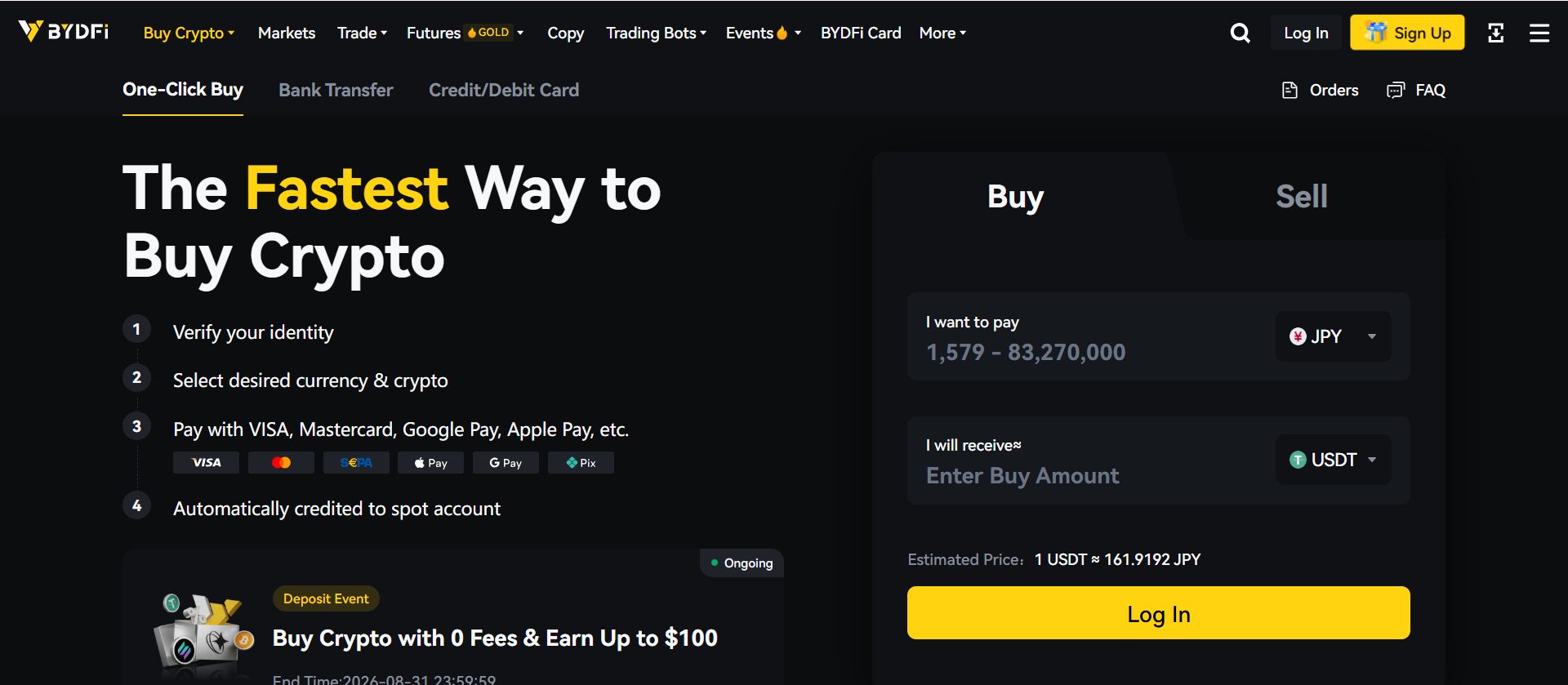
The biggest myth: “You need a US dollar bank account.” Not true. BYDFi’s Fiat Gateway offers One-Click Buy, Bank Transfer, Credit/Debit Card, and P2P trading. The BYDFi P2P trading feature enables direct fiat-to-crypto transactions between users — especially practical in Kenya where mobile money is widely used. Third-party integrations include Banxa, Paybis, Legend Trading, Transak, Mercuryo, and Coinify.

Tap Buy Crypto, select your method, choose your currency and amount, and follow the prompts. Between card payments, bank transfers, and peer-to-peer options, there are several ways to buy Bitcoin in Kenya with BYDFi. New users may be eligible for onboarding rewards — details on the BYDFi website.

Step 5: Buy Bitcoin on the Spot Market

How to Buy Bitcoin in Kenya: What New Crypto Traders Should Know in 2026

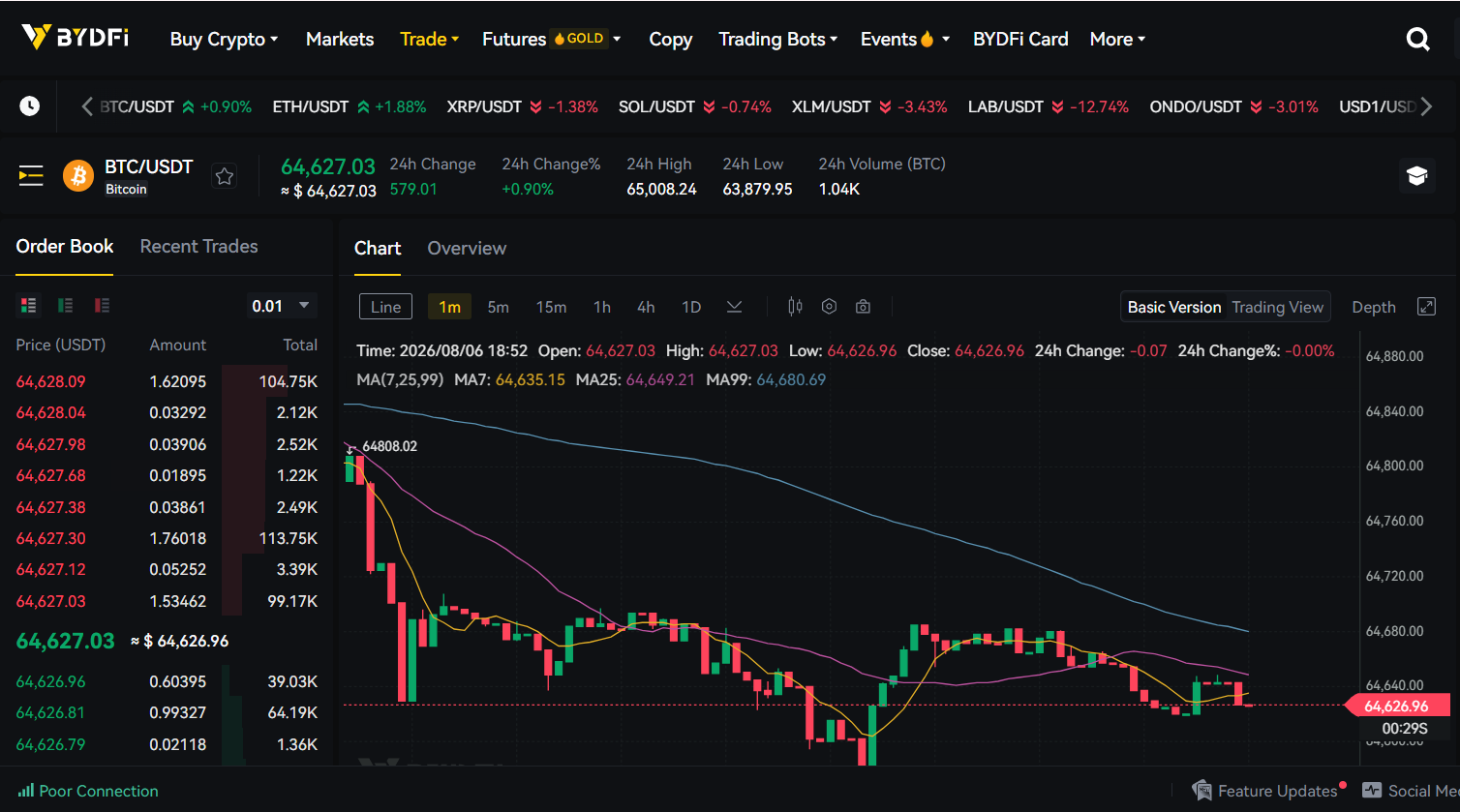
Spot trading is the simplest way to buy — you pay the current price and receive the asset. No leverage, no expiry dates. Navigate to Spot Trading, search BTC/USDT, select Market Order or Limit Order, enter the amount, and confirm. BYDFi spot trading covers major assets including BTC, ETH, XRP, DOGE, ADA, and SHIB, with fees at a flat 0.1% maker / 0.1% taker — competitive with similarly sized global exchanges. Bitcoin’s price is volatile; your purchase can drop just as easily as it can rise.

Step 6: Withdraw or Hold — Your Bitcoin, Your Choice

Once you hold BTC: hold on BYDFi and explore further features; withdraw to a personal wallet; or explore more tools. BYDFi copy trading lets you follow with as little as 10 USDT. Trading bots (Spot DCA, Spot Grid, Futures Grid) automate strategies, and TradFi trading offers stocks, forex and commodities with USDT settlement and 0% trading fees. Around-the-clock BYDFi customer support via email and live chat is available.

Kenya embraces Bitcoin and Blockchain in bold digital shift

Fees and Timing: What Kenyan Traders Should Expect

  • Spot fees: 0.1% maker / 0.1% taker.
  • Derivatives fees: 0.02% maker / 0.06% taker.
  • Fiat deposit fees: Vary by third-party provider.
  • P2P fees: Typically set by individual sellers.
  • Timing: Account creation takes minutes; card purchases process near-instantly; bank transfers may take 1–3 business days.

A VIP program (7 tiers, VIP 0–6) offers up to 60% futures fee discount based on 30-day volume or asset balance. BYDFi’s fee structure uses a flat-rate model at the base tier, simplifying cost calculation for beginners. Confirm specific fees for Kenyan payment methods on BYDFi at the time of your transaction.

First-Time Safety Tips

  1. Enable 2FA immediately. No exceptions.
  2. Start small. Use the demo account before committing real funds.
  3. Approach leverage with extreme caution. BYDFi offers perpetual contracts with BYDFi leverage options up to 200x — designed for experienced derivatives traders, not beginners. Leveraged trading carries high risk of rapid capital loss.
  4. Ignore “guaranteed returns” offers. No legitimate platform promises guaranteed profits.
  5. Verify the platform independently.

FAQ: Buying Bitcoin in Kenya in 2026

How do I buy Bitcoin in Kenya without a traditional bank account?

P2P trading on BYDFi enables peer-to-peer fiat-to-crypto transactions, which can work well where users prefer mobile or alternative payment methods.

What are the fees for buying Bitcoin?

BYDFi spot trading fees are 0.1% maker / 0.1% taker. Fiat deposit fees depend on the payment method and third-party provider.

Can I practice before using real money?

Yes. The BYDFi demo account comes preloaded with 50,000 USDT in a simulated trading environment mirroring live market conditions.

What else can I do on BYDFi besides buying Bitcoin?

Beyond spot trading, BYDFi offers copy trading, automated trading bots, and TradFi trading for stocks, forex, and commodities.

Closing: Back to the Data

Those search spikes every time Bitcoin crosses a major price level aren’t slowing down. Many barriers that once made buying Bitcoin in Kenya difficult have been reduced — though prospective traders should still research local regulatory developments and assess their own risk tolerance.

Stanbic Holdings posts KES 6.6 billion H1 2026 profit as assets jump 27% to KES 602 billion

0

Stanbic Holdings Plc has reported a resilient financial performance for the first half of 2026, posting a net profit of KES 6.6 billion while growing total assets by 27% to KES 602 billion and strengthening support for businesses and households across Kenya.

The Group also recorded a 28% increase in customer deposits to KES 422 billion, reflecting growing customer confidence, while customer loans rose 24% to KES 290 billion, driven by continued financing of sectors critical to the country’s economic growth.

The lender said the strong performance was achieved despite a dynamic operating environment characterised by changes in Kenya’s credit market, evolving monetary policy, elevated energy costs and global economic uncertainty.

Stanbic grows assets and deposits as customer confidence strengthens

Stanbic’s balance sheet continued to expand during the six-month period, with total assets increasing to KES 602 billion from the previous year. Customer deposits climbed to KES 422 billion, reinforcing the bank’s position as one of Kenya’s leading financial institutions.

Customer lending also registered robust growth, reaching KES 290 billion as the bank continued financing businesses and households. The additional lending supported business expansion, consumer spending and employment creation across the economy.

Co-op Bank Profit Jumps 18.1% to KSh 11.4 Billion in Q1 2026 on strong digital growth and MSME lending

Commenting on the results, Stanbic Holdings Plc Chief Executive Dr Joshua Oigara said the performance reflects disciplined execution and the bank’s long-term strategy.

“Our performance in the first half demonstrates the discipline and resilience that continue to define our business. We remain well-capitalised, deeply customer-centric, and steadfast in our commitment to support Kenya’s economic growth. Our prudent risk management approach and continued investments in technology are enhancing client experience while strengthening shareholder value.”

Stanbic Holdings posts KES 6.6 billion H1 2026 profit as assets jump 27% to KES 602 billion
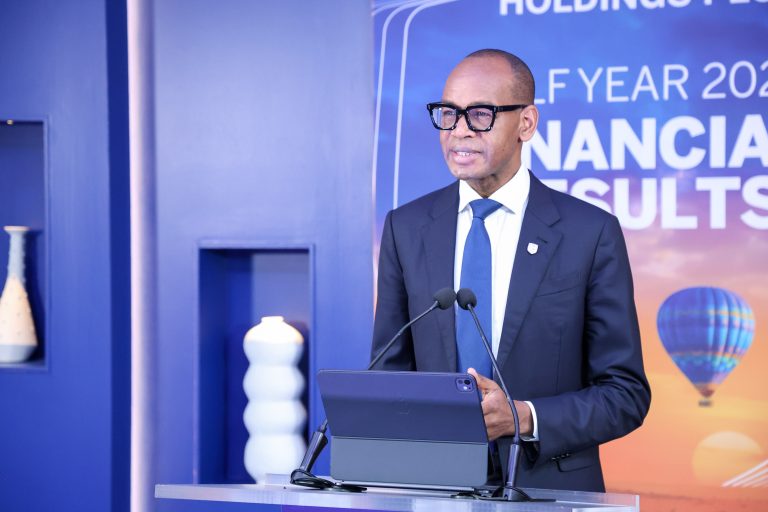
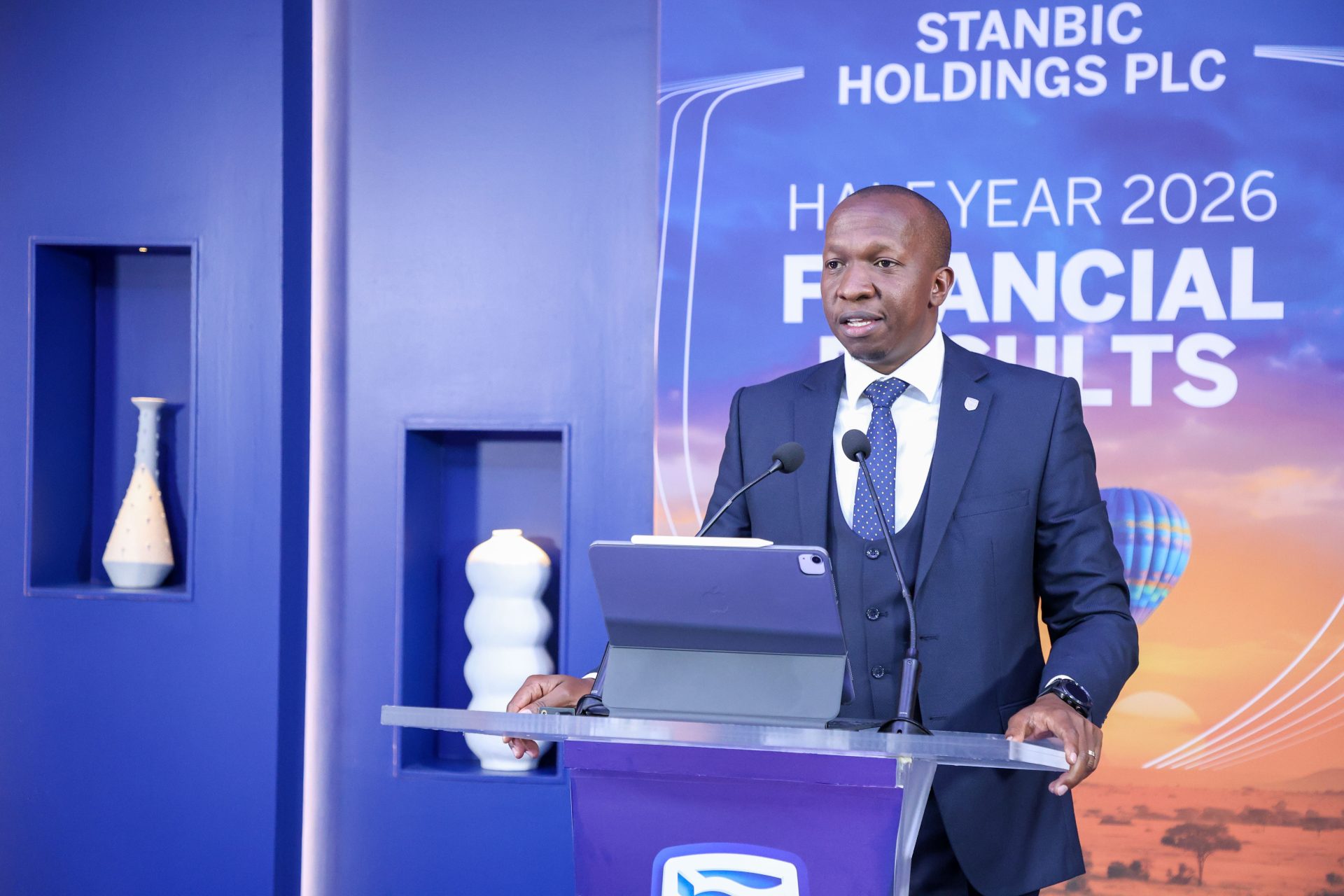
Stanbic Bank Kenya Chief Finance and Value Officer, Dennis Musau during the Stanbic Holdings PLC Half Year 2026 Financial Results.

Strong lending growth backed by prudent risk management

Stanbic said its performance comes as Kenya’s banking sector continues adjusting to the risk-based pricing framework anchored on the Kenya Shilling Overnight Interbank Average (KESONIA) benchmark rate.

Despite the evolving environment, the Group maintained strong asset quality, recording a credit loss ratio of 0.5%, one of the strongest performances in the banking sector. Non-performing loans stood at 7.73%, remaining significantly below the industry average.

NMB Bank makes history as Tanzania’s first offshore Shilling Bond lists on London Stock Exchange

Stanbic Bank Kenya Chief Financial and Value Officer Dennis Musau attributed the results to disciplined execution and improving economic conditions.

“Our half year financial performance reflects a disciplined balance between revenue growth, cost optimisation, and proactive risk management. While the operating environment remains dynamic, our strategic investments, execution discipline, and strong risk management framework position us well to capture opportunities and deliver sustainable value for our stakeholders.”

He added that the rebound in private-sector credit provides an opportunity for the bank to continue growing while maintaining strong risk discipline and delivering sustainable earnings.

KES 181 billion in MSME financing underscores economic commitment

During the reporting period, Stanbic continued supporting sectors critical to Kenya’s economy, including trade, manufacturing, agriculture and energy.

The Group played a key role in several landmark transactions, including the Kenya Pipeline Corporation IPO, Safaricom share-related transactions, and Kenya’s government-to-government petroleum importation programme.

NMB Bank makes history as Tanzania’s first offshore Shilling Bond lists on London Stock Exchange

Stanbic also extended more than KES 21 billion in financing to small and medium-sized enterprises (SMEs), supporting entrepreneurship, business expansion and job creation.

Through the Stanbic Foundation, the Group further strengthened its commitment to the MSME sector by extending KES 181 billion in concessionary lending, helping entrepreneurs start, sustain and scale their businesses.

Stanbic Holdings posts KES 6.6 billion H1 2026 profit as assets jump 27% to KES 602 billion
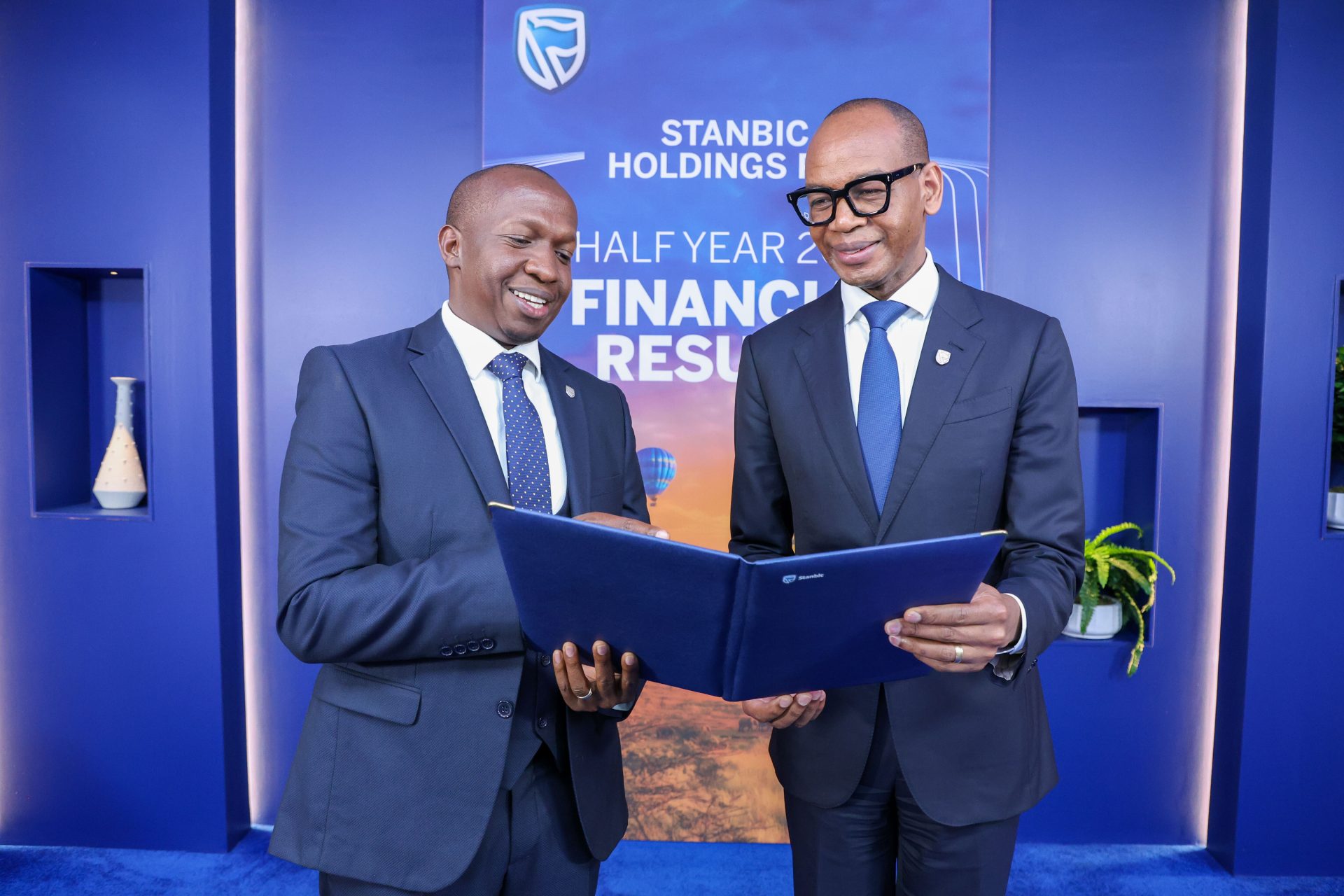
From left: Stanbic Bank Kenya Chief Finance and Value Officer, Dennis Musau and Stanbic Holdings Plc Regional Chief Executive, Dr Joshua Oigara during the Stanbic Holdings PLC Half Year 2026 Financial Results.

Wealth management and digital banking drive future growth

Stanbic continued expanding its non-banking businesses during the period, with assets under management increasing by 63% to KES 7 billion as more customers sought diversified investment and wealth management solutions.

The lender also enhanced its digital banking offering by introducing new mobile banking functionalities and rolling out Dynamic Currency Conversion across its ATM network to improve customer convenience and accessibility.

Its customer base grew by 6% year-on-year to 258,000 customers, reflecting continued investment in customer experience and digital innovation.

Namsia: Why some investors are always making profit and others losses

Looking ahead, Dr Oigara said the Group remains focused on supporting customers while strengthening its balance sheet and accelerating digital transformation.

“Despite prevailing macroeconomic headwinds, our strategic priorities remain clear: supporting our clients’ growth ambitions, accelerating our digital transformation agenda, strengthening our balance sheet, and delivering sustainable value for our shareholders.”

The strong financial performance was also reflected on the Nairobi Securities Exchange, where Stanbic ranked among the top three best-performing banking stocks during the period.

The Group also received several industry recognitions, including Best Bank in Tier 1 at the Think Business Awards, Winner – Mergers and Acquisitions Financial Advisor at the 2025 DealMakers Africa Annual Awards, and Best Investment Bank in Kenya at the Euromoney Awards.

When the parcel is real, but the SMS is not: The evolution of the courier scam in Kenya

0

Courier Scam: Delivery notifications are the most routine messages received by Kenyans. Ordering, paying and receiving goods takes place almost entirely using a mobile device. What makes this market unique is not that Kenyans shop on their phones; this is a global reality, but that for the Kenyan shopper, the entire transaction lives in one place.

According to the Communications Authority of Kenya (CA)’s latest sector statistics, Kenya’s mobile money subscriptions increased to 53.4 million at a growth rate of 3.9%, with an additional two million mobile money accounts added in just three months from January to March 2026. This dependence and growth have created a unique ecosystem where everything from the order to the payment to the delivery update arrives in the same channel, and it is also creating a unique threat environment.

How fake parcel delivery scams target online shoppers

Fraud is rising alongside online deliveries, particularly in the last mile, because of the Kenyan mobile infrastructure, and both customers and the delivery riders are being targeted. For customers, the scam looks like a fake SMS about a delayed parcel, a spoofed link mimicking a real courier website, and the customer being asked to pay a small release fee. The moment they do, their payment details are stolen.

There have been several examples of these scams promoted on social media platforms. In July, the Postal Corporation of Kenya put several alerts on social media, warning customers of potential scams. These are getting increasingly sophisticated and use scare tactics to make customers click on fake links.

Cybersecurity: When disruption becomes opportunity for scammers

Delivery riders are increasingly becoming victims of courier fraud

For the delivery rider, the fraudsters are placing a real order for pay on delivery and the riders arrive at a secluded location where the package is taken and the scammer disappears. In some cases the delivery riders are robbed or harmed as a result.

Why Kenya’s SMS-based payment ecosystem is vulnerable

The agent layer is one of the key areas where this fraud is being felt and has come about as a result of this growth and demand. Mobile money is being placed at the heart of core financial infrastructure rather than as the add-on feature it has been in the past, which is putting the customer, company and delivery rider at risk.

This infrastructure relies on the SMS as its centralised signalling rail, and any compromise within this channel can affect the entire lifecycle of the transaction. There isn’t a second, independent evidence trail – a digitally signed receipt in an app or an email – and this makes it challenging to detect fraud and makes user verification increasingly difficult and fragile. Everything lives within the mobile system and through SMS.

How fraudsters exploit trust in delivery notifications

Fraudsters are taking advantage of this linear system by copying the fulfilment flow with such accuracy that customers are finding it increasingly hard to detect the fakes. The messages announcing a held parcel or a missed delivery attempt and asking for a clearance or redelivery fee are designed to come across as incredibly authentic. The technique doesn’t require any real technical sophistication as it relies on the fact that a message about a delayed parcel is ordinary enough (and the fake branding believable enough) that most people respond before they assess it.

ESET Threat Report: Deepfake scams and AI co-generated malware among key cyber risks for Kenya

Businesses can reduce fraud through secure payment processes

Companies need to change their payment collection processes. The point where the delivery scam converts is at the payment instruction, so if companies break this link, they are reducing the risk of customers clicking on fake links or SMS’s. Many have started to move their payment collection process off M-Pesa numbers and onto verified Paybill or Till numbers. Fraudulent sellers are flagged by their requests to pay using personal M-Pesa numbers instead of the official numbers, so this helps to break up reliance on a single channel while simultaneously reducing risk.

It’s important for companies to also consider training their delivery riders to spot suspicious addresses or sudden changes – the same goes for customers. Make sure people think about what they’re being asked to do or to double-check any order changes or messages. This will also give them the upper hand when it comes to managing unusual situations, especially if companies prioritise giving customers and riders a way of escalating a problem. Implementing one-time passwords for handovers along with real-time tracking can also support every person in the chain, improving visibility and providing ample opportunity to raise an alert.

How Kenyan woman lost Sh1.2 million in a Canada job scam

Building trust through consistency and smarter security measures

While many of these additional measures do put the onus of proof on both the business and the consumer, they do help minimise the risks. It is the age-old struggle between functionality and security and speed versus safety – the whole appeal of mobile money is its instant gratification and resolution. This means that additional security has to balance speed and that it should only show up when a transaction looks wrong, like a new payee or an unusually large amount or several transfers at speed.

Ultimately, fraudsters are always going to find new ways of hacking into the courier process and disrupting trust and transactions. Companies need to find ways of diverting customers back onto secure pathways by remaining consistent and clear, using the same patterns and processes, and using language that is accessible and easy to understand. It costs nothing to be consistent and clear, but it adds meaningfully to security and customer protection.

SportPesa Casino launches Every Spin Counts and Shinda Heavy rewards

0

Casino gaming becomes even more engaging when every qualifying spin brings rewards. SportPesa gives players an opportunity to explore entertaining casino experiences while participating in promotions designed to add extra value. Every Spin Counts promotion offers a chance to win up to KSh150,000,000, creating an exciting reason to keep an eye on your gaming activity.

Promotions can make casino entertainment more appealing by giving players additional opportunities beyond ordinary gameplay. SportPesa combines a wide range of campaigns like Every Spin Counts eligible players can compete for attractive rewards. Those interested in discovering more can explore SportPesa casino games and learn how the available promotions work.

Discover the thrill behind Shinda Heavy

Shinda Heavy brings a different flavour to the promotional experience, giving casino enthusiasts another opportunity to pursue an attractive reward. The campaign offers a chance to Shinda Heavy creating a prospect for those who enjoy competitive promotional concepts. Its name itself suggests an experience centred around aiming for something substantial while enjoying casino entertainment. 

The promotion also adds variety to the overall SportPesa Casino offering by giving players another campaign to explore. Rather than having every promotion follow the same format, different concepts can appeal to people with different gaming interests.  SportPesa casino is giving eligible players access to major promotional reward opportunities through qualifying casino activity.

SportPesa Mega Jackpot hits KSh 129,484,042 as 17-match weekend chase begins

Spin and compete for up to KSh 150,000,000

Every Spin Counts adds an exciting dimension to casino entertainment by putting attention on the number of qualifying spin counts made. The promotion allows participants to win up to KSh 150,000,000, making every qualifying spin count feel more engaging. It creates an appealing concept for enthusiasts who enjoy seeing their casino activity connected to a larger reward opportunity. The impressive potential amount also makes spin counts a notable feature within the promotional lineup.

Beyond the size of the possible reward, the campaign introduces a sense of anticipation to regular casino sessions. Each qualifying activity contributes to an experience where consistency and excitement come together in an entertaining format. Anyone searching for SportPesa spin counts can discover more about this particular campaign and its available details. 

“Every Spin Counts and Shinda Heavy are designed to make casino promotions more exciting for eligible players. With up to KSh 150,000,000 available through Every Spin Counts and up to KSh 3,750,000,000 up for grabs through Shinda Heavy, SportPesa casino is giving players more ways to enjoy promotional rewards while taking part responsibly,” said SportPesa Kenya Head of PR, Willis Ojwang.

How Single Bets, Live In-Play and 1XUP can qualify fans for Katambe na SportPesa’s KSh 5,000,000 prize pool

Aim high with the KSh 3,750,000,000 promotion

The promotion stands out because of its remarkable potential reward of KSh 3,750,000,000. Such a substantial figure naturally captures attention and adds another level of excitement to SportPesa casino promotion selection. It can appeal to casino players who enjoy campaigns featuring ambitious reward opportunities. The large amount also gives a distinctive identity alongside the other promotions.

A promotion with such a significant potential reward can create anticipation before and during casino entertainment. For anyone interested in learning more, the KSh 3,750,000,000 promotion provides a clear starting point for exploring this particular campaign. Its presence alongside Every Spin Counts and Shinda Heavy gives the overall offering greater variety. 

Enjoy casino entertainment responsibly

Promotions can add excitement to casino gaming, but responsible participation should always remain a priority. Players should decide on a spending limit before starting and avoid using money needed for important personal expenses. SportPesa casino promotions are intended to complement entertainment rather than encourage players to spend beyond their means. 

The best casino experience comes from treating promotions as entertainment rather than guaranteed ways to make money. Players can explore spin counts, Shinda Heavy, while remembering that outcomes are not guaranteed and results can vary. Checking the terms before participating and maintaining a personal budget can make the experience more comfortable. 

Conclusion

SportPesa offers several promotional opportunities for players looking for something extra from their casino experience. Spin Counts provide the chance to win up to KSh 150,000,000, while Shinda Heavy offers another promotional challenge with the possibility of ShindaHeavy up KSh 3,750,000,000 for eligible participants. Whether exploring spin counts, players can discover different promotional possibilities through SportPesa. The key is to participate within your limits while enjoying the casino experience responsibly.

Absa set to launch two global investment funds following CMA approval

1

Absa Asset Management Limited (AAML), the asset management subsidiary of Absa Bank Kenya PLC, has received approval from the Capital Markets Authority (CMA) to establish two new Special Funds under the existing Absa Unit Trust Scheme, expanding its range of investment solutions for Kenyan investors.

The approval paves the way for the launch of the Absa Global Multi-Asset Special Fund (USD) and the Absa Global Multi-Asset Special Fund (KES), offering investors additional opportunities to diversify their portfolios through professionally managed global investment strategies.

CMA Approves Two New Global Multi-Asset Special Funds

In its approval letter, the CMA confirmed that it had reviewed AAML’s application and supporting documentation and found them to be fully compliant with the requirements of the Capital Markets (Collective Investment Schemes) Regulations, 2023.

Pursuant to the Capital Markets Act and the applicable regulations, the Authority approved the registration of the two Special Funds as additional sub-funds under the Absa Unit Trust Scheme. The approval remains subject to AAML’s continued compliance with all applicable regulatory requirements and guidelines issued by the Authority.

Ndindi Nyoro: These are my 3 steps to getting rich easily today

Absa Expands Investment Portfolio with Global Diversification Options

AAML plans to launch the two Special Funds in the coming months, further strengthening Absa’s investment offering.

The firm’s existing portfolio includes the Absa Shilling Money Market Fund, Absa Dollar Money Market Fund, Absa Fixed Income Fund, Absa Balanced Fund, and Absa Equity Fund. These funds are managed by AAML, which is licensed by the Capital Markets Authority to operate as a Fund Manager of Collective Investment Schemes in Kenya.

The new Global Multi-Asset Special Funds are expected to complement the existing range by giving investors access to professionally managed global investment opportunities across multiple asset classes while catering to different financial goals and risk profiles.

New Funds Aim to Meet Growing Demand for Diversified Investments

Commenting on the approval, AAML Head Elizabeth Irungu described it as an important milestone in expanding investment opportunities for Kenyan investors.

“This approval is a strong endorsement of our commitment to developing investment solutions that respond to the changing needs of our clients. As investors increasingly seek diversified opportunities that can help them achieve their financial goals, the introduction of these Global Multi-Asset Special Funds provides them with additional avenues to grow and preserve wealth while benefiting from professional fund management,” she said.

Why the Co-op Money Market Fund is worth considering

Irungu noted that the new funds reflect AAML’s commitment to understanding evolving customer needs and delivering investment solutions that meet different investor profiles.

She added that while the Special Funds will provide clients with access to international investment markets, Kenya’s local equity market continues to deliver strong returns. The Absa Equity Fund recorded a 15 per cent return during the first half of 2026, highlighting the continued attractiveness of domestic investments.

She further pointed out that locally focused investment products remain accessible to retail investors, with minimum investment amounts starting from KSh1,000 for Kenya Shilling-denominated funds and USD100 for dollar-denominated products.

“At Absa Asset Management, we are constantly listening to our clients and developing products and solutions that speak to their aspirations, risk profiles and long-term financial objectives. The approval of these funds expands the array of investment options available to our clients and reinforces our commitment to helping them invest better and achieve their financial ambitions,” she said.

My OneApp: The accidental upgrade that changed how I use Safaricom services

Special Funds Gain Momentum as Investor Appetite Grows

According to the Capital Markets Authority, Special Funds are becoming an increasingly significant segment of Kenya’s Collective Investment Schemes (CIS) market.

As of March 2026, Special Funds accounted for a record 23.9 per cent market share of the CIS industry, with assets under management reaching KSh203.5 billion. The growth reflects increasing investor demand for specialised investment products that address diverse financial goals and changing market conditions.

The new Absa Global Multi-Asset Special Funds are expected to provide investors with exposure to diversified investments across multiple asset classes, enabling broader market participation while benefiting from professional portfolio management tailored to varying investment objectives.

In line with its purpose of Empowering Africa’s tomorrow, together, one story at a time, Absa continues to strengthen its investment offering through accessible, transparent and professionally managed solutions that help individuals, businesses and institutions achieve their financial goals.

The company noted that AAML’s funds have grown by 28 per cent since inception, reflecting rising investor confidence and increasing demand for innovative, diversified investment solutions that support long-term wealth creation.

Absa Asset Management receives CMA approval to launch two new Global Investment Funds
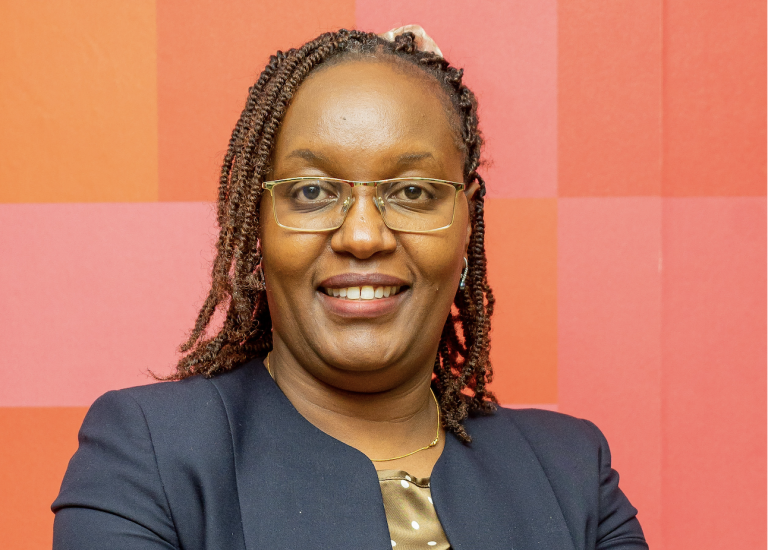
Absa Asset Management Limited CEO Elizabeth Irungu

EABL posts record Sh18.2bn profit as revenue climbs 13 pc

0

East African Breweries Plc (EABL) has posted a 49 per cent rise in annual net profit amid a challenging operating environment.

The brewer has reported a profit after tax of Sh18.2 billion for the financial year ended June 2026, up from Sh12.2 billion a year earlier, supported by double-digit revenue growth, tighter cost controls and lower financing expenses.

Revenue increased by 13 per cent to more than $1.12 billion (about Sh146 billion), prompting the company to recommend a final dividend of Sh8.70 per share.

This brings the total annual dividend to Sh12.70 per share, representing a 59 per cent increase from the previous financial year.

The improved earnings came despite a Sh1.2 billion foreign exchange loss, largely attributed to the weakening of the Kenyan shilling against the British pound and the euro, currencies in which the company settles payments for a significant portion of its imported raw materials.

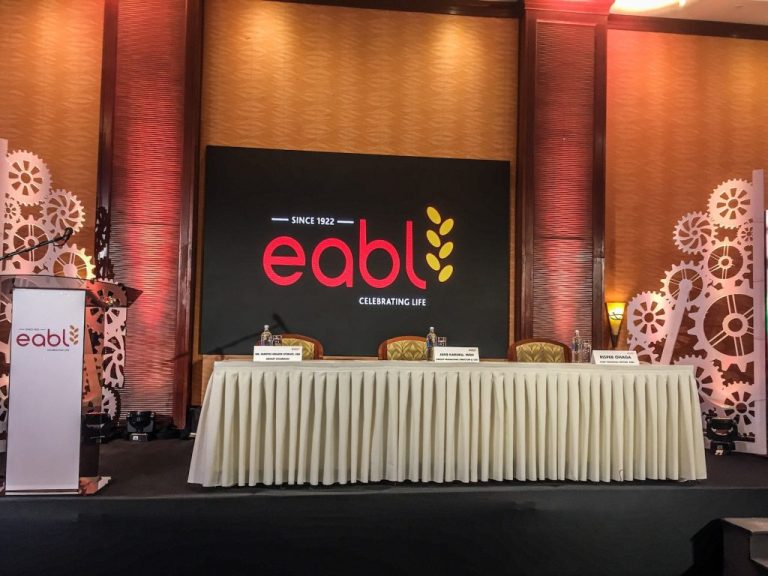
EABL Managing Director Jane Karuku said the brewer also contended with supply chain disruptions linked to geopolitical tensions in the Middle East, rising food inflation and escalating production costs during the year.

“Disciplined cost control, productivity improvements and lower finance costs cushioned the impact of the external shocks,” Ms. Karuku said.

Operating profit before foreign exchange movements grew by nearly 34 per cent, reflecting improved operational efficiency even as external pressures persisted.

Debt reduction cuts finance costs

The brewer’s profitability was further supported by a stronger balance sheet after it reduced total borrowings by nearly Sh6 billion during the year.

Outstanding debt fell from approximately Sh39 billion to Sh33 billion, helping lower finance costs by Sh1.5 billion and easing pressure on earnings.

Speaking during the release of the annual results, Ms. Karuku said the company had operated in a difficult macroeconomic environment characterised by geopolitical uncertainty, pressure on household incomes and evolving consumer preferences.

She noted that although consumers remained financially constrained and continued shifting towards lower-priced products, demand for flavoured alcoholic beverages and premium brands continued to rise, presenting opportunities for product innovation and premiumisation.

Regional markets drive growth

Growth across regional markets strengthened EABL’s overall performance, reducing its dependence on the Kenyan market.

Uganda recorded a 16 per cent increase in revenue during the year, while Tanzania posted a 44 per cent jump as the market continued to recover.

Kenya, which accounts for about 60 per cent of the group’s business, registered five per cent revenue growth.

The company said the stronger contribution from regional operations validated its long-term diversification strategy and enhanced earnings resilience.

Across its product portfolio, beer volumes increased by nine per cent, supported by a more favourable excise tax environment.

Mainstream spirits recorded a 30 per cent expansion, driven by new product launches and flavoured offerings targeting younger consumers.

Premium beer and premium spirits each registered nine per cent growth, reflecting sustained demand for higher-value products despite pressure on household spending.

The brewer also strengthened its cash position during the year, generating Sh42 billion from operating activities, an 18 per cent increase from the previous year.

The higher cash generation enabled the company to finance capital investments, reward shareholders through higher dividend payouts and continue reducing debt.

Free cash flow rose to approximately Sh22 billion, up from Sh17 billion a year earlier, reinforcing EABL’s financial flexibility as it positions itself for sustained regional growth despite continued macroeconomic headwinds.

Also Read: NCBA posts Sh12.4bn half-year profit on strong digital lending, deposits growth

HELB opens Jielimishe loan applications for salaried learners

0

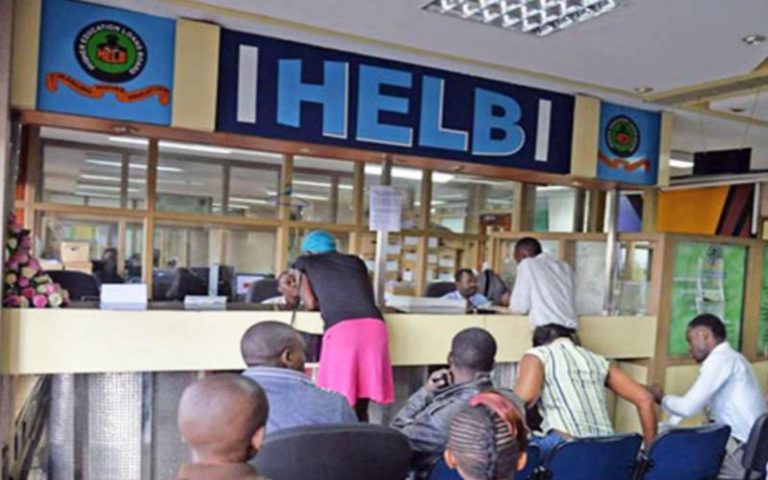
The Higher Education Loans Board (HELB) has opened applications for its Jielimishe Loan programme for the 2026/2027 academic year, offering salaried Kenyans an opportunity to finance their higher education and professional development.

In a public notice issued on Thursday, August 6, the board announced that applications are now open for eligible employed learners seeking financial support to advance their studies.

“HELB 2026/27 Jielimishe Loan application for salaried learners is now open. Take the next step in your career with the Jielimishe Loan,” the notice stated.

Under the programme, eligible applicants can access financing of up to Sh600,000, with repayment periods ranging from 12 to 48 months.

HELB said the loans attract an annual interest rate of 10 percent and are processed within a short period to enable learners to commence or continue their studies without unnecessary delays.

The board highlighted the programme’s key features, including flexible repayment plans, competitive interest rates and expedited loan processing.

Interested applicants have been advised to submit their applications through the Higher Education Financing Portal.

The opening of the Jielimishe Loan applications comes barely a week after HELB invited applications for its 2026/2027 Partial Postgraduate Scholarship programme targeting Kenyan students pursuing master’s and doctoral studies.

In a notice issued on July 30, the board said the scholarships are available to eligible students enrolled in public and private universities accredited by the Commission for University Education (CUE).

According to HELB, successful master’s students will receive scholarships worth Sh200,000, tenable for two years, while successful PhD applicants will be awarded Sh450,000, tenable for three years.

To qualify, applicants must be Kenyan citizens enrolled in master’s or PhD programmes at CUE-recognised universities.

They are also required to have attained at least a Second Class Upper Division in their undergraduate studies and possess a valid admission letter for a Science, Technology, Engineering and Mathematics (STEM) or agriculture-related programme.

Also Read: OUK expands AI and digital skills courses as admissions open