Home Blog Page 49

From Risk to Resilience: Why East Africa Must Rethink Insurance

Insurance Gap in East Africa Remains Significant

Across East Africa, insurance remains one of the most misunderstood financial tools despite its growing importance in everyday life and business. Insurance penetration across the region remains low – roughly 2.4% of GDP in Kenya, about 2.1% in Tanzania, and under 1% in Uganda – underscoring both the scale of under-protection and the opportunity for growth.

For many people, insurance is something considered only after a crisis unfolds after a hospital admission, a vehicle accident, a fire, or an unexpected business disruption. That reactive mindset is understandable, but it reflects a broader challenge facing our region: insurance is still widely viewed as complicated, costly, or inaccessible.

Yet, the environment in which we live and work is changing rapidly. Healthcare costs are rising. Businesses face increasingly complex risks. Families are navigating economic uncertainty alongside growing expectations for quality medical care, education, and financial stability. In this environment, insurance should no longer be viewed as optional.

Understanding Insurance as a Risk Management Tool

At its core, insurance is simple. It is a structured way of managing uncertainty. By pooling risk, individuals and organisations create a financial safety net that allows them to absorb shocks that would otherwise be devastating.

Top insurance mistakes that Kenyans make and how to avoid them

Still, basic concepts remain unfamiliar to many consumers. Terms such as premiums, deductibles, exclusions, and coverage limits can feel technical or intimidating. That knowledge gap matters because informed consumers make better decisions about protecting their health, livelihoods, and enterprises.

Rising Demand for Better Health Insurance Solutions

Health insurance illustrates this shift particularly well. In Kenya, Uganda, and Tanzania, we are witnessing growing demand for healthcare solutions that go beyond traditional reimbursement models. Patients increasingly want faster access to specialists, stronger provider networks, preventive care options, and confidence that they can receive quality treatment when they need it.

In Kenya, this has contributed to increased interest in International Private Medical Insurance (IPMI), especially among multinational companies, internationally mobile professionals, and families seeking broader healthcare access. The appeal is not simply international treatment, but flexibility, continuity, and access to trusted systems of care.

Meanwhile, Uganda and Tanzania continue to demonstrate the importance of locally responsive medical insurance models. Medical Insurance Companies and regional healthcare financing mechanisms remain essential in developing solutions aligned with local realities, affordability considerations, and employer needs.

Rhina Namsia: Are insurance policies in Kenya a scam or not?

Protecting Businesses Against Unexpected Shocks

But healthcare is only one part of the story. Insurance is equally important for business resilience. Small and medium enterprises (SMEs) form the backbone of East African economies, yet many operate with little protection against unexpected setbacks. A shopkeeper who loses stock to a fire, for example, may have no financial cushion to restock, reopen, or continue paying employees. When shocks like these occur, the consequences often ripple beyond one business to families, suppliers, and communities.

Insurance cannot eliminate risk. It can, however, make risk manageable. One of the persistent barriers to wider adoption across our markets remains perception. Too often, insurance is framed as a reluctant expense rather than a strategic planning tool. This is where the entire industry – insurers, intermediaries, regulators, employers, and advisors alike – carries responsibility.

Building Trust Through Education and Simplicity

We must invest more deliberately in education, transparency, and product simplicity. Consumers should not need specialist knowledge to understand what they are buying. Trust grows when products are clear, claims processes are efficient, and providers communicate honestly about both benefits and limitations.

Technology Expanding Access to Insurance

Technology will also shape the next chapter of insurance growth in East Africa. Digital onboarding, mobile payments, telemedicine integration, and data-enabled services are already expanding access and convenience. These developments create opportunities to reach populations historically underserved by traditional insurance models.

But technology alone is not enough. The broader shift required is cultural. We need to move away from thinking about insurance as a purchase driven by fear and toward seeing it as a tool for resilience, preparedness, and long-term planning.

Preparing for an Uncertain Future

As East Africa’s economies expand and healthcare systems evolve, insurance will play an increasingly central role in protecting individuals, families, and businesses from financial vulnerability.

The question is no longer whether risk exists. It is whether we are prepared for it.

About the author

From Risk to Resilience: Why East Africa Must Rethink Insurance
Aly S. Maherali
Chief Executive Officer
Executive Healthcare Solutions (EHS)

Brain Health Research critical for Africa’s children as new consortium builds African scientific capacity

Africa’s Growing Child Development and Brain Health Challenge

Africa faces a significant burden of child developmental delays and disabilities, with an estimated 29 million children in Eastern and Southern Africa affected, according to global estimates. At the same time, the region continues to experience a critical shortage of locally generated brain health evidence and trained neuroscientists to guide context-specific solutions for its rapidly growing population.

Experts highlighted the need to strengthen brain health research capacity in Africa as they gathered at the Aga Khan University’s Institute for Human Development (IHD) 10th anniversary celebrations, held in Nairobi. The call came during discussions under the theme Unlocking Human Potential for Optimal Development Across the Lifespan: A Decade of Evidence, Innovation, and Policy Impact,” with stakeholders advocating for increased investment in research, innovation, and evidence-based policy solutions to improve health and development outcomes among children.

“Every child deserves the opportunity to grow, learn, and thrive. Yet for many children, circumstances beyond their control prevent them from reaching their full potential. Investments in research allow us to identify effective interventions, understand local realities, and generate the evidence needed to improve child health and development outcomes,” said Prof. Amina Abubakar.

According to the Kenya Demographic and Health Survey (KDHS) 2022, 18 per cent of children under five are stunted, while only 31 per cent of children aged 6–23 months receive a minimum acceptable diet, and 37 per cent meet minimum dietary diversity. Poor nutrition during early childhood is a key risk factor for brain development, particularly in the first eight years of life when rapid brain growth occurs, and is associated with poorer cognitive and learning outcomes later in life.

Breakthrough as early signs of Parkinson’s disease identifiable in blood

Government Calls for Greater Investment in Research and Innovation

Speaking during the conference, the Guest of Honour, Prof. Shaukat Abdulrazak, underscored the importance of investing in science and research, particularly in child development and brain health, to drive sustainable development.

“When we invest in research, we invest in better decisions. Evidence helps us understand what challenges our communities are facing and which solutions are most likely to improve lives. For governments, this knowledge is essential for designing policies and programmes that respond to people’s needs and create opportunities for future generations,” said Prof. Abdulrazak.

ALMA Consortium Building Africa’s Next Generation of Neuroscientists

At the centre of this call is the Africa Leadership for Measuring Brain Health in Children and Adolescents (ALMA) consortium, an African-led initiative working to strengthen neuroscience research capacity and train the next generation of scientists in child and adolescent brain health.

Launched in 2023, ALMA is currently training more than 50 early-career researchers across four African countries: Kenya, Malawi, South Africa, and Zambia, to conduct high-quality, locally relevant research on brain development and mental health in children and adolescents.

The programme is implemented through a network of leading African and global research institutions, including the Aga Khan University’s Institute for Human Development in Kenya, University of Cape Town, University of Zambia, and Kamuzu University of Health Sciences, with additional collaboration from University of Oxford and Massachusetts General Hospital.

In Kenya, ALMA research is already contributing to emerging evidence on child and adolescent mental health, including the development of a Mental Health Literacy Toolkit for adolescents, designed to improve awareness of mental health conditions, reduce stigma, and strengthen supportive learning environments in schools.

Brain Health Research critical for Africa's children as new consortium builds African scientific capacity
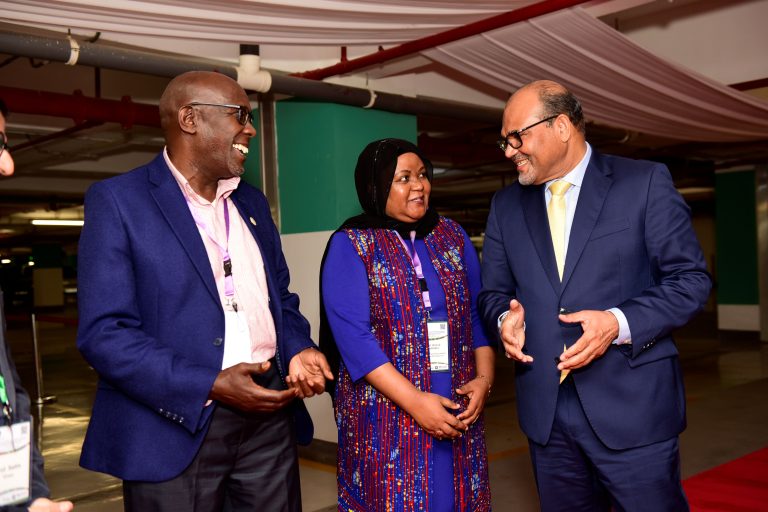
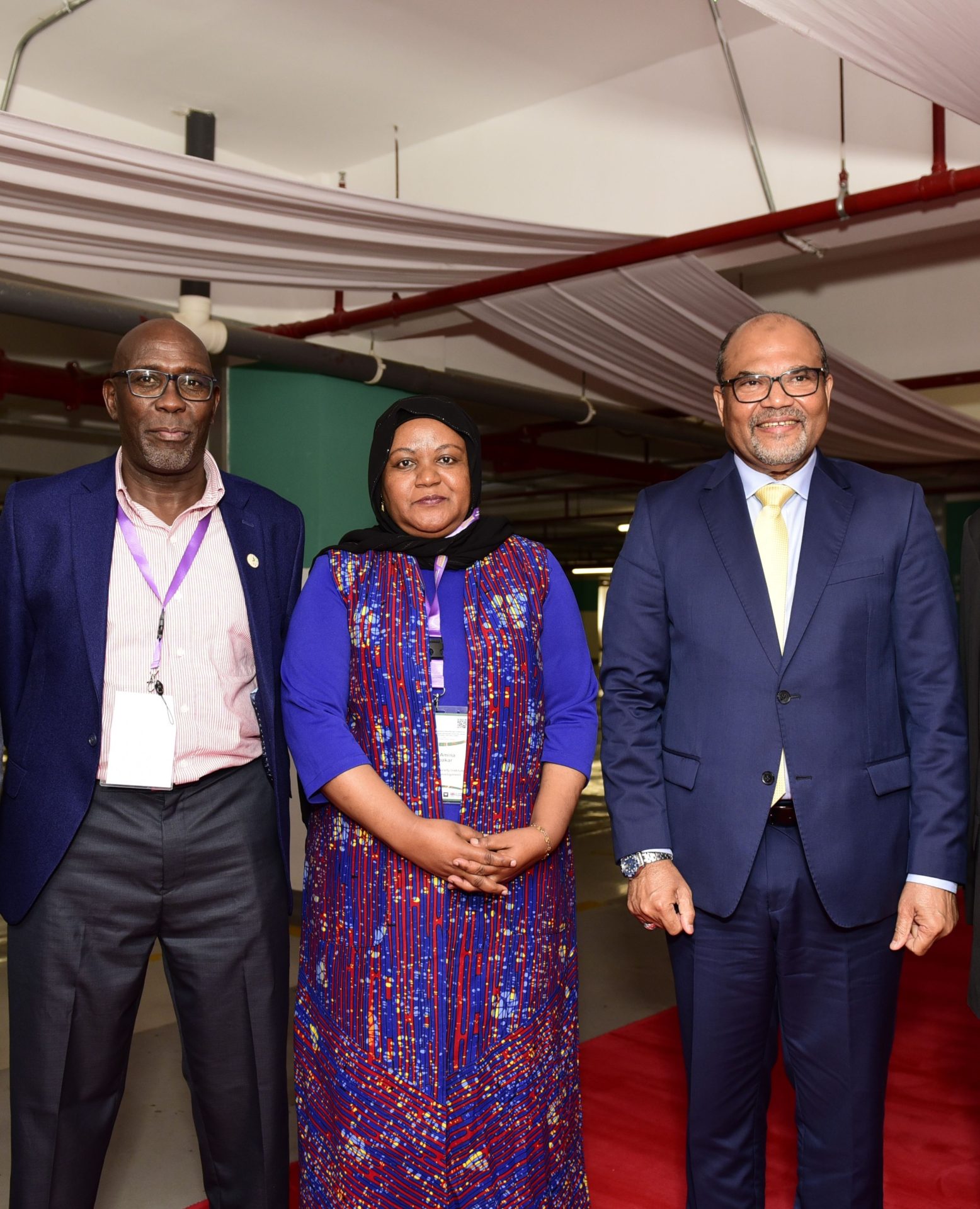
PS Science, Research and Innovation Prof. Shaukat Abdulrazak (R), Science for Africa Foundation CEO Dr Tom Kariuki (L) & Aga Khan University Institute for Human Development (IHD) Director Prof. Amina Abubakar during the University’s IHD Conference advocating for increased investment in research, innovation, and evidence-based policy solutions to improve health and development outcomes among children.

Airtel expands service reach in Nairobi with new customer touchpoints

0

Airtel Kenya has expanded its customer service footprint in Nairobi with the launch of four new service touchpoints, responding to rising demand for mobile connectivity, digital solutions and mobile financial services across the capital.

The new outlets are located at Development House in the Central Business District (CBD), Freedom Heights in Lang’ata, Magunas Superstores in Utawala, and Garden City Mall.

The expansion is aimed at enhancing service accessibility across some of Nairobi’s fastest-growing residential and commercial hubs.

The move is part of Airtel Kenya’s wider strategy to double its customer service network nationwide by the end of the year.

The initiative is designed to bring services closer to customers, improve convenience, shorten service turnaround times, and strengthen in-person support.

Customers visiting the new outlets will have access to a range of services including SIM registration and replacement, Airtel Money support, customer onboarding, device assistance, as well as voice and data solutions for both individual and enterprise users.

Airtel Kenya Managing Director Ashish Malhotra said the expansion underscores the company’s commitment to evolving customer needs amid accelerating digital adoption in the country.

“As Nairobi continues to grow and evolve, so do the needs of our customers. We are seeing increasing demand for reliable connectivity, digital services and mobile financial solutions. These new customer touchpoints are designed to make it easier for customers to access Airtel products, services and support wherever they are, while reinforcing our commitment to delivering an exceptional customer experience,” he said.

The new outlets further deepen Airtel’s presence in key growth corridors. The Lang’ata branch becomes the company’s first customer service shop in the area, while Development House adds to its footprint in the CBD as the third touchpoint within the city centre.

The Utawala outlet extends coverage along the fast-growing Eastern Bypass corridor, while the Garden City location enhances service access along the Thika Road commercial stretch.

The expansion comes as telecom operators continue to invest in customer-facing infrastructure to support Kenya’s expanding digital economy and broaden access to connectivity and financial services.

Also Read: Safaricom explains how customers can recover funds after failed M-Pesa reversals

NTSA: Full list of new traffic offences and fines

0

Motorists found violating traffic regulations will continue to face enforcement action and be required to pay prescribed penalties.

The National Transport and Safety Authority (NTSA) has clarified that the Minor Traffic Offences Enforcement Framework, which took effect on June 1, 2026, remains operational, dismissing public concerns that the system had been suspended.

Speaking amid growing uncertainty over the programme’s status, NTSA Director-General Nashon Kondiwa said the authority continues to identify and process traffic offences through existing automated enforcement systems and notices issued by traffic police officers.

Kondiwa explained that court orders issued by the Kiambu Law Courts relate specifically to the Public-Private Partnership (PPP) component of the programme and do not affect the implementation of the Minor Traffic Offences Rules.

“We have orders from the Kiambu Law Courts directing us to keep records of payments and another order suspending the implementation of the PPP component,” he said.

He emphasized that the suspension of the PPP arrangement should not be interpreted as a suspension of the traffic enforcement framework itself.

“It is important to note the difference between PPP implementation and the Minor Traffic Offences Rules implementation. They are not the same. No one has suspended the rules,” Kondiwa stated.

According to NTSA, traffic violations continue to be detected through cameras installed by the Kenya National Highways Authority (KeNHA) and the Kenya Urban Roads Authority (KURA).

The authority added that traffic police officers are also using a digital enforcement application to identify and process offences committed on Kenyan roads.

As a result, motorists who breach traffic regulations will continue receiving enforcement notices and will be required to settle the applicable fines.

Below is the full list of the published traffic offences and their instant fines:

No. Offence Fine (Sh)
1 Driving without identification plates affixed, or with plates not fixed in the prescribed manner 10,000
2 Driving a vehicle without a valid inspection certificate 10,000
3 Driving without a valid driving licence endorsement for the class of vehicle 3,000
4 Failure to renew a driving licence 1,000
5 Driving a public service vehicle (PSV) while unqualified 5,000
6 Failing to carry and produce a driving licence on demand 1,000
7 Exceeding the speed limit prescribed for a class of vehicle 500
8 Exceeding the 50 kph speed limit or any speed limit indicated by a traffic sign 500
9 Driving on or through a pavement or pedestrian walkway 5,000
10 Failure to obey directions given by a police officer in uniform 3,000
11 Failure to comply with indications given by a traffic sign 3,000
12 Failure to stop when required by a police officer in uniform 5,000
13 Causing obstruction by leaving a vehicle in a position that obstructs the road 10,000
14 Failure to display reflective triangles or warning signs when a vehicle is obstructing traffic 3,000
15 Motorcycle rider carrying more than one pillion passenger 1,000
16 Driving a vehicle on a footpath 5,000
17 Pedestrian wilfully obstructing the free passage of vehicles 500
18 Unlicensed person driving or acting as a conductor of a PSV 5,000
19 Owner or operator of a PSV employing an unlicensed driver or conductor 10,000
20 Failure to refund fare for the incomplete portion of a journey where full fare was paid 3,000
21 Touting 3,000
22 Failure by a PSV driver or conductor to wear the prescribed badge and uniform 2,000
23 Motorcycle rider operating without protective gear 1,000
24 Motorcycle passenger riding without protective gear 1,000
25 A person who is not the designated PSV driver driving the vehicle 3,000
26 A PSV driver allowing an unauthorized person to drive the vehicle 3,000
27 Learner driver failing to display “L” plates on the front and rear of the vehicle 1,000
28 Failure by a vehicle owner to fit seat belts in a motor vehicle 1,000
29 Failure to wear a seat belt while a vehicle is in motion 500
30 Failure by a PSV conductor to keep seat belts clean, dry and wearable 500
31 Failure of a vehicle to carry reflective warning signs (lifesavers) 2,000
32 Failure to fit a prescribed speed governor in a PSV or commercial vehicle 10,000
33 Driving or operating a PSV with tinted windows or windscreen 3,000
34 Failure by a PSV to carry functional fire extinguishers and fire kits 2,000
35 Using a mobile phone while driving 2,000
36 Picking up or dropping passengers at unauthorized bus stops or terminals 3,000
37 Boarding or alighting from a matatu at unauthorized bus stops or terminals 1,000
38 Travelling with part of the body outside a moving vehicle 1,000

Also Read: Kenya’s military spashes Sh190.3 billion in 12 months

Safaricom explains how customers can recover funds after failed M-Pesa reversals

0

Many Kenyans have at one time or another, experienced the frustration of accidentally sending money to the wrong person through M-PESA, only to discover that recovering the funds is not always straightforward.

Safaricom has now clarified the steps customers should take when a recipient disputes or declines an M-PESA reversal request, leaving the sender uncertain about how to recover their money.

The clarification came after a user raised concerns online regarding failed reversal attempts after sending money to the wrong number.

The user identified as Malkia questioned the effectiveness of the M-PESA reversal process, noting that some recipients are able to reject reversal requests, potentially leaving senders without a clear recovery option.

“So nowadays, if you send money to the wrong number by mistake and you reverse, the recipient gets to decline the reversal, and when you reach out to @Safaricom_Care @SafaricomPLC, they ask you to report to the police. Then what’s the point of reversal?” the X user named Malkia stated.

Responding to the concerns, Safaricom explained that customers whose reversal requests are declined should first attempt to contact the recipient directly and request a refund of the mistakenly transferred funds.

According to the telco, if direct engagement with the recipient does not yield results, customers may seek assistance from law enforcement agencies by reporting the matter to the police to facilitate recovery efforts.

Safaricom also reiterated the importance of verifying transaction details before sending money to minimise the risk of erroneous transfers.

The company encouraged customers to take advantage of available verification tools, including the M-PESA One App and the recently introduced “Hakikisha” feature.

“Hello Malkia, kindly note that where an M-Pesa reversal request is disputed by the recipient, you need to contact them directly for a refund or report to police to assist with recovery. Please use One App and hakikisha to confirm transaction details for a better experience,” Safaricom responded.

The Hakikisha feature was introduced as an additional security measure aimed at reducing cases of money being sent to the wrong mobile number. The feature requires customers to confirm a recipient’s phone number before completing a transaction.

Under the system, users receive an additional pop-up notification prompting them to verify the number entered before authorising the transfer.

Safaricom says the enhanced verification process is designed to provide an extra layer of protection for customers and help curb the growing number of accidental M-PESA transactions.

Also Read: Unlocking growth for early-stage startups: Inside Safaricom’s spark accelerator program

Court intervenes after lender inflates car loan from Sh100k to over Sh600,000

0

A Thika court has granted significant relief to a borrower after sharply reducing a lender’s claim over a vehicle financing facility, ruling that the interest charged was excessive and bordering on exploitation.

In a landmark judgment delivered on June 2, 2026, the Small Claims Court in Thika cut the lender’s demand from Sh677,381 to Sh100,631 after finding that the amount claimed far exceeded what was legally recoverable.

The beneficiary of the ruling, Aziz Daniel Odoyo Nyumbah, had secured a Sh400,000 asset financing loan on June 7, 2022, from Mogo Auto Limited, using the logbook of his motor vehicle as collateral.

Court records show that he had already repaid Sh299,369 before falling into arrears.

The dispute arose after the lender moved to court seeking Sh677,381, arguing that Nyumbah had defaulted on the loan and that the security used to secure the facility had allegedly gone missing, preventing it from exercising its right of sale to recover the outstanding debt.

Nyumbah acknowledged taking the loan and admitted he had defaulted on repayments. However, he challenged the amount being demanded, maintaining that after paying Sh299,369, the outstanding balance stood at Sh100,631.

He further argued that the lender was unlawfully seeking to recover nearly Sh1 million from a loan of Sh400,000 through excessive interest charges and penalties that were never agreed upon.

During the hearing, the lender’s customer operations manager testified that interest on the facility was charged at a flat rate of 2.4 percent per month over a period of 36 months.

The witness also confirmed that the original logbook remained in the lender’s possession, contradicting earlier assertions that the security had been lost.

In determining the matter, the court applied the in duplum rule, a legal principle that limits the amount of recoverable interest to the value of the original loan advanced.

The court also rejected several fees, penalties, and charges that it found had not been adequately explained or justified.

The magistrate observed that a straightforward calculation of the loan terms showed that, by the end of the 36-month repayment period, the borrower would have paid interest equivalent to about 86.4 percent of the principal amount, excluding additional charges contained in the agreement.

The court concluded that the interest levied on the facility was disproportionate and approached an oppressive level, making it unreasonable to enforce the lender’s full claim.

Consequently, the court held that the actual amount outstanding was Sh100,631, representing the unpaid portion of the principal after accounting for the repayments already made by the borrower.

Also Read: School Fires: How principals, teachers fuel secondary school fires and strikes

NCBA marks World Environment Day with tree planting at Kamwaki Estate

0

NCBA Bank joined the world in marking World Environment Day with a renewed call for collective action on ecosystem restoration, underscoring the lender’s growing role as a leader in ESG-driven banking across East Africa.

The lender participated in the planting of indigenous trees at Kamwaki Estate in Kiambu County, an exercise that brought together farmers, sustainability stakeholders, conservation partners, and local communities.

The event, organised in partnership with Boreka Initiative, is part of NCBA’s broader sustainability agenda and reflects the Group’s commitment to embedding sustainability into its operations and business strategy through responsible environmental practices, sustainable financing and community-led interventions.

Over the years, NCBA has demonstrated how financial institutions can move beyond financing to actively support ecosystem restoration and climate resilience on the ground.

Since launching its 15 Sustainability Commitments in 2023, the lender has made significant progress in advancing environmental and social impact.

The Group has supported the growing of more than 1.4 million trees, mobilised Sh9.5 billion in Green and Sustainable Financing, achieved an annual waste recycling rate of 83.59 percent and established six electric vehicle charging stations across Kenya, Rwanda and Uganda.

Through its sustainability and community programmes, more than 1.4 million livelihoods have also been positively impacted.

The lender’s long-term target of growing 10 million trees by 2030 is supported by strategic partnerships that combine environmental conservation with community empowerment.

Among the most impactful is its collaboration with Boreka Group, launched in 2023 to advance ecosystem restoration while creating sustainable economic opportunities for local communities.

Since its inception, the partnership has facilitated the planting of 340,000 trees across 35 indigenous species, engaged 642 farmers, trained more than 1,000 farmers in sustainable agroforestry practices and supported the creation of 400 green jobs.

Additionally, more than 10,000 people, including farming households, workers, suppliers and surrounding communities, have benefited from the initiative.

NCBA’s approach emphasises long-term environmental outcomes rather than one-off interventions. The programme has achieved a seedling survival rate of approximately 75 percent, reflecting sustained investment in nurturing and maintaining restored ecosystems.

Based on observed growth data, trees planted through the partnership have already sequestered an estimated 5,000 tonnes of carbon dioxide equivalent since 2023.

Over a projected lifespan of 20 years, the trees have the potential to remove more than 765,000 tonnes of carbon dioxide from the atmosphere.

In 2026 alone, the bank committed to planting an additional 100,000 trees through the partnership, with 40,185 already planted by the end of May.

The inspiration behind Kamwaki Estate

Kamwaki Estate was selected as the venue for this year’s World Environment Day engagement because of its unique position within one of Kenya’s leading coffee-growing regions.

The estate offers a practical example of how sustainable agriculture, biodiversity conservation and ecosystem restoration can coexist within productive landscapes.

Its agroforestry-based coffee farming model demonstrates the connection between healthy ecosystems, resilient agricultural systems and sustainable livelihoods, making it an ideal setting for showcasing integrated approaches to environmental and economic sustainability.

Also Read: Inside East Africa’s 2025 trade boom: Key takeaways from the NCBA forum

Future of Digital Finance

Technological developments such as fintech, mobile banking, AI, digital payments, and blockchain are anticipated to propel the digital finance industry into the future.

Financial services are becoming more accessible, secure, and quick thanks to digital finance, which is also changing the way governments, businesses, and individuals handle and move money. With the proliferation of smartphones and internet access, digital finance is poised to revolutionize financial inclusion, drive economic growth, and foster innovation on a global scale.

Advantages of Digital Finance

1. The Expanding Field of Fintech

  • Financial innovations will come from an increase in the number of tech companies and startups
  • Easier access to investment services, savings, loans, and insurance

2. Blockchain Technology’s Growth

  • Better protection against financial fraud
  • Enhanced international money transfers and trade settlements
  • Blockchain technology’s widespread use for transparent and secure transactions

3. Automation and Smart Contracts

  • Financial agreements and transactions can be automated with blockchain-based smart contracts
  • Streamlined operations and less paperwork

4. CBDCs, or central bank digital currencies

Numerous central banks are exploring or working on digital currency alternatives.

Advantages:

  • Enhanced financial inclusion
  • Transaction costs are lower
  • Quicker payments

5. Improved Financial Inclusion

  • Payment and banking services will remain accessible through mobile phones
  • People in rural areas, who are excessively unbanked or underbanked, will be able to access digital finance

6. Financial Interactions with AI

  • Money management solutions tailored to each individual’s needs
  • Better risk management and fraud detection
  • AI-driven chatbots for customer service

7. Integrated Finance and Open Banking

  • More extensive exchange of customer-approved financial data among institutions
  • The financial services industry is seeing more innovation and competition

8. Digital Assets and Stablecoins’ Rise

  • Establishing regulated marketplaces for digital assets
  • The adoption of stablecoins as a medium of exchange for financial transactions
  • Deeper interaction with more conventional financial systems

9. Enhanced Cybersecurity Measures

  • Users must be protected from financial fraud and cyber threats using advanced security technologies

10. The Expansion of Digital Payments

  • More people using contactless payments, digital wallets, and mobile money
  • Transactions that are easier and quicker for both businesses and consumers

Kenya Blockchain Conference 2026

Challenges That Will Affect Future Digital Finance

  • Disparities in the availability of technology and internet services
  • Uncertainty regarding regulations
  • Concerns about data privacy
  • Uneven levels of digital literacy
  • Threats to data security

Big move from the United States

Traditional payment systems and financial services should be integrated with new financial technology and digital assets, according to an Executive Order signed by President Trump on May 19, 2026.

Reviving the industry’s long-suffering methods for assessing baking services and payment systems is a critical area for non-bank financial institutions and crypto businesses.

This further strengthens the case that digital assets will soon be a part of the traditional financial system.

A combination of digital assets and traditional banking is expected to shape the financial landscape of the future.

The GENIUS Act and the Future of Crypto Regulation: Implications of the CLARITY Act

Two landmark pieces of American legislation, the CLARITY Act and the GENIUS Act, have lately moved the nation closer to regulating the cryptocurrency industry. Regulatory clarity, innovation, consumer protection, and the appropriate expansion of digital assets are the overarching goals of these statutes. A bill that would drastically alter the cryptocurrency market once passed, the CLARITY Act is now making its way through Congress but might join the GENIUS Act in becoming law

Guiding and Establishing National Innovation for U.S. Stablecoin) GENIUS Act

A first-of-its-kind, the GENIUS Act creates the initial nationwide regulatory framework for payment stablecoins in the US. Digital assets called “stablecoins” are backed by reserves like short-term government securities or cash to ensure that their value remains constant.

Provisions Crucial to the GENIUS Act

As stated in the Act:

  • Improved operations standards and consumer protection measures
  • Adherence to laws and policies aimed at preventing the laundering of illegal funds and the financing of terrorism
  • Disclosing reserve holdings regularly to the public
  • Significant stablecoin issuers are subject to federal oversight
  • There must be a one-to-one relationship between stablecoins and high-quality liquid assets

This is what it will take to unlock women access to digital finance

Repercussions for the Cryptocurrency Industry

The GENIUS Act is significant for multiple reasons:

1. High Cost of Compliance 

There may be consolidation in the stablecoin industry if smaller issuers have trouble achieving regulatory requirements.

2. Adoption by Institutions

Due to the well-defined regulatory framework, fintech companies, payment providers, and banks are more inclined to incorporate stablecoins into their offerings.

3. Better Protection for Buyers

To increase user trust and decrease the likelihood of stablecoin failures, regulations requiring reserves and mandating transparency help.

4. Increasing the Credibility of Stablecoins

Consumers, businesses, and financial institutions are more likely to use stablecoins now that the law provides them legal certainty.

5. The Growth of Digital Payments

Potentially growing uses for stablecoins include:

  • Treasury management
  • Remittances
  • Cross-border payments
  • Merchant transactions

Present Status of the CLARITY Act

Beyond stablecoins, the Digital Asset Market CLARITY Act aims to build a regulatory framework for digital assets and cryptocurrencies.

Although it has made significant progress in the United States Congress, the CLARITY Act is still not a law as of June 2026. It still needs:

  • The full Senate must approve
  • Reconciliation of any discrepancies between Senate and House version
  • The president’s signature

Due to its solution to the crypto sector’s long-standing regulatory uncertainty, the bill has garnered strong bipartisan support.

Impact of the CLARITY Act

Determining which government entities are responsible for overseeing various forms of digital assets is the fundamental objective behind the CLARITY Act.

SEC vs. CFTC Jurisdiction

The main challenge for the cryptocurrency industry has been determining whether a digital asset is classified as a commodity regulated by the Commodity Futures Trading Commission (CFTC) or as a security regulated by the Securities and Exchange Commission (SEC).

The CLARITY Act establishes a system for categorizing digital assets based on their characteristics and level of decentralization.

Certainty in Regulations

The Act would:

  • Minimize the uncertainty that results from regulations that are dependent on enforcement
  • Establish pathways for the registration of digital asset businesses
  • Let’s set some rules for cryptocurrency exchanges
  • Token issuers need rules clarified

Protecting Yourself from Online Scams in the age of Digital Finance

What are the Proposed Changes to the CLARITY Act?

The crypto industry stands to benefit greatly from the CLARITY Act, should it be passed into law.

1. Tokenization’s Growth

The Act could fast-track the tokenization of the following:

  • Investment funds
  • Bonds
  • Commodities
  • Stocks
  • Real estate

2. Enhanced Protection for Consumers

The purpose of the legislation’s provisions is to:

  • Promote honesty in the market
  • Make disclosure standards more stringent
  • Make sure that digital asset platforms are well supervised
  • Fraud prevention

3. Growth of Cryptocurrency Exchanges

An advantage for regulated exchanges would be:

  • Banking services are more accessible
  • Decreased uncertainty in the law
  • Definitive standards for compliance

These measures could enhance the market’s stability and investor trust.

Financial market accessibility, transparency, and liquidity could all see significant improvements with tokenization.

4. More Investment from Institutions

Due to regulatory uncertainties, large financial institutions have exercised caution. Defined legal parameters have the potential to inspire:

  • Insurance firms
  • Banks
  • Pension funds
  • Asset managers

 to increase their presence in marketplaces for digital assets.

5. Increase in Innovation

There would be more clarity for blockchain developers and new startups regarding:

  • Compliance responsibilities
  • Fundraising
  • Development of products

The sector may see an influx of new talent and investment as a result of these changes.

6. The Effects on a Global Scale

With the US still being one of the biggest financial markets in the world, the CLARITY Act’s approval can have an impact on crypto legislation all over the globe. To maintain their competitiveness and attract blockchain investment, other nations may follow suit and implement comparable frameworks.

Kenya adopts landmark crypto law to attract investments and regulate digital assets

The GENIUS and CLARITY Acts’ Joint Impacts

When combined, these two laws would establish a thorough regulatory framework that would encompass the vast majority of the crypto industry’s key areas:

  • Digital Asset Classification – CLARITY Act
  • Stablecoins – GENIUS Act
  • Crypto Exchanges – CLARITY Act
  • Institutional Participation – Both Acts
  • AML Compliance – Both Acts
  • Consumer Protection – Both Acts

Cryptocurrency is mostly unregulated, but these regulations could make it a part of the global financial system.

By increasing openness, protecting consumers, and inspiring trust among institutions, the GENIUS Act has laid a solid legislative foundation for stablecoins. Simultaneously, the CLARITY Act seeks to allay wider regulatory concerns about digital assets by outlining the responsibilities of the SEC and the CFTC and creating thorough regulations for the cryptocurrency market.

The anticipated outcomes of the CLARITY Act’s passage into law include a strengthening of consumer protection, acceleration of tokenization, an increase in innovation, and a deeper integration of digital assets into mainstream finance. These laws could greatly affect how cryptocurrencies are regulated and used in the US and worldwide.

Effects in Kenya and Across Africa

These laws may have far-reaching consequences for the Kenyan market and the African market as a whole:

  • A possible acceleration of the adoption of stablecoins in areas with restricted dollar access
  • Blockchain-based payments are now more trusted by institutions
  • Digital asset infrastructure governed by the United States should be more easily integrated with African fintechs
  • Remittances and cross-border trade using regulated USD stablecoins have increased

Clear regulations, cross-border payments, stablecoins, and blockchain integration with current financial systems were among the topics covered at length at the Kenya Blockchain & Crypto Conference 2026.

Conclusion

Digital currencies issued by central banks, digital payments, blockchain, stablecoins, and AIs are some of the promising technologies that could revolutionize the world’s financial system in the near future. Businesses and individuals will be able to take part in the digital economy to a greater extent as digital finance innovations lead to more accessible, safe, and efficient financial services.


How construction loans are helping Kenyans build their dream homes

0

Owning a home remains one of the greatest life aspirations for most individuals. Beyond providing shelter, a home offers security, stability, dignity, and a lasting investment for future generations, privileges that most people yearn to have.

However, for thousands of families, that dream remains far out of reach primarily due to cost. Rising construction costs, coupled with limited access to affordable financing, have left many trapped in a cycle of tenancy despite having plans to build.

The rise in the number of financial solutions is, however, helping address this issue. Even though not everyone qualifies for the various available solutions, a large number of homeowners are now finding a way out through construction financing.

Through this model, individuals are able to build homes gradually while spreading the cost over manageable repayment periods.

One of the institutions supporting this journey is the Co-operative Bank of Kenya (Co-op Bank), whose construction loans are helping individuals and businesses finance the construction or renovation of residential and commercial properties.

The bank offers repayment periods of up to 20 years for single dwelling units and up to 10 years for residential commercial units, making home ownership more attainable for families who may otherwise struggle to raise large sums of money upfront.

For 42-year-old businessman Peter Mwangi, building a home had remained a distant goal for years despite owning a parcel of land on the outskirts of Nairobi.

“I had the land for almost seven years, but every time I tried to save enough money to build, something would come up. Construction costs kept increasing and the amount I had saved was never enough,” he says.

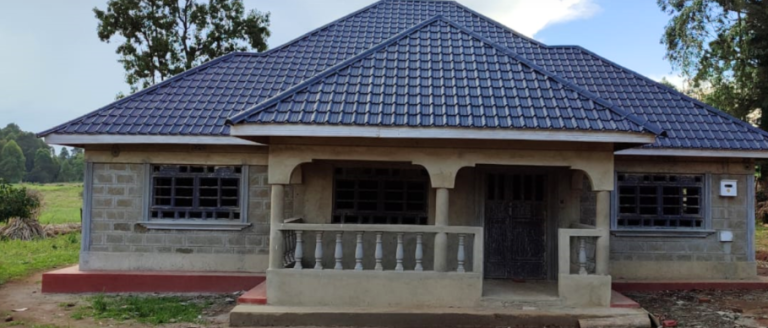
Mwangi eventually secured a construction loan from Co-op Bank and began building his family home in phases. The businessman completed his four-bedroom bungalow in Kimuka, Ngong in 2025 and has since moved in with his family.

“Today, my family is living in our own house. Instead of paying rent every month, I am paying towards an asset that belongs to us. That has made a huge difference financially and emotionally,” he says.

One of the biggest barriers to home ownership is the misconception that a person must have all the money required before starting construction.

In reality, structured financing can bridge the gap and allow homeowners to build immediately while repaying over time.

Co-op Bank’s construction loans come with competitive interest rates and affordable monthly instalments designed to suit different income levels.

Borrowers also benefit from a six-month moratorium, or grace period, allowing construction to progress before regular repayments commence.

The financing model also offers flexibility, with the property being financed serving as collateral. In cases where the property generates rental income, the proceeds can be used to support loan repayment.

For teacher and mother of three, Grace Wanjiru, the grace period proved crucial during the construction of her family home.

“Building a house comes with many expenses that people do not always anticipate. Having a few months before the full repayment schedule kicked in gave us room to complete the project and settle in comfortably,” she says.

Beyond individual homeowners, the financing is also supporting investors looking to construct mixed-use residential and commercial developments.

According to the bank, eligible applicants include individuals, registered businesses and companies seeking financing for construction or renovation projects.

Applicants are required to provide identification documents, business registration documents where applicable, six months of bank statements and, for larger facilities above Sh5 million, audited accounts.

Registered companies must also provide borrowing resolutions, while all projects must secure the necessary approvals from relevant authorities, including county governments and environmental regulators.

Also Read: Why experience-led living is redefining real estate in Kenya

Why Jijenge account is the best savings account for small business owners

As Kenya’s small and medium-sized enterprises (SMEs) continue to navigate a dynamic and often challenging business environment, access to reliable savings solutions remains critical to long-term growth and resilience.

And as financial institutions continue to roll out tailored solutions to fill this gap, Equity Bank’s Jijenge account is emerging as a practical financial tool that enables entrepreneurs to cultivate a strong savings culture while preparing for future business opportunities.

While the account is available to individuals, its features make it particularly relevant for SME owners who are looking to accumulate capital for business expansion, equipment purchases, inventory financing or emergency reserves.

True to its name, “Jijenge” – meaning “build yourself” – the account is tailored to encourage consistent saving through affordable and flexible terms.

Customers can open the account with as little as Sh300 and maintain it through minimum monthly contributions of Sh300, making it accessible to entrepreneurs at different stages of their business journey.

One of the account’s defining features is its minimum six-month lock-in period, during which no partial withdrawals are permitted.

This not only encourages financial discipline but also helps business owners protect funds that may otherwise be diverted to day-to-day expenses.

This feature further allows for long-term capital accumulation for future investments and planned growth initiatives.

The account also comes with no ledger or monthly maintenance fees, ensuring that savers retain more of their funds.

For SME owners who rely on regular cash flow management, the availability of free internal standing orders offers added convenience by enabling automated contributions into the account.

This allows entrepreneurs to establish a savings routine without the burden of making manual deposits every month.

Beyond savings, the Jijenge Account provides an important financing advantage. Customers can access instant loans of up to 90 percent of their accumulated savings at discounted rates.

This feature can be especially valuable for SMEs that require quick access to working capital without disrupting their long-term savings plans. Instead of withdrawing their savings and potentially derailing their financial goals, entrepreneurs can leverage their deposits to secure financing when opportunities or urgent needs arise.

Accessibility is another key benefit. Customers can access their accounts through any Equity Bank branch across the country, ensuring convenience regardless of their location.

In addition, the bank provides round-the-clock customer support, offering assistance whenever account holders require guidance or information.

For many business owners, the account has become a strategic growth tool. Nairobi-based retailer Wanjiku Githinji says the account has helped her develop a consistent savings habit that has translated into tangible business growth.

“Running a small business means there are always expenses competing for your attention. The Jijenge Account gave me a structured way to save towards expanding my stock. Knowing that my savings are protected helped me stay focused on my goals,” she says.

Similarly, agribusiness entrepreneur Peter Mwangi notes that the ability to access a loan against his savings has provided valuable financial flexibility.

“There are times when business opportunities come unexpectedly. Through the Jijenge Account, I was able to access financing quickly without having to go through a lengthy borrowing process. That helped me secure additional inventory during a peak season,” he explains.

How to open a Jijenge Account

Opening a Jijenge Account is straightforward. Individuals can open the account either singly or jointly online via the Equity Bank mobile app, or physically by visiting the nearest branch countrywide.

Requirements include an original identification document and a KRA PIN certificate.

Also Read: 4 Fanikisha loans helping women in business unlock growth