Home Blog Page 76

Full list of new mobile loan apps licensed by CBK as total number hits 227

The number of Digital Credit Providers (DCPs) in Kenya has hit 227 after the Central Bank of Kenya (CBK) licensed 32 new lenders.

In a statement on Tuesday, April 14, CBK said the licensing is in line with section 59 (2) of the CBK Act and follows the licensing of 42 DCPs in December 2025.

“The Central Bank of Kenya (CBK) announces the licensing of an additional 32 Digital Credit Providers (DCPs). This is pursuant to Section 59(2) of the Central Bank of Kenya Act (CBK Act),” read part of the statement.

Digital Credit Providers (DCPs) are financial institutions that offer loans and credit services though digital platforms such as mobile apps, websites, or USSD.

ICBK officially started regulating the providers in 2022 to ensure consumer protection and transparency. According the regulator, over 800 applications have been received since March 2022, with many still under review pending the submission of the required documents.

“The focus of the engagements with DCPs has been inter alia on business models, consumer protection and fitness and propriety of proposed shareholders, directors, and management. This is to ensure adherence to the relevant laws and, importantly, that the interests of customers are safeguarded.”

As of November 2025, the licensed DCPs had issued 6.6 million loans valued at Sh109.8 billion.

The new licensed DCPs are:

  1. Abepot Credit Limited
  2. African Capital Limited
  3. Afrimoney Credit Limited
  4. Amaze Credit Limitedu
  5. Baecot Credit Ltd
  6. Beavers Credit Limited
  7. Becalob Credit Limited
  8. Betasoft Credit Limited
  9. Bluewave Cash Limited
  10. Dahawi Credit Limited
  11. Fluid Capital Limited
  12. Hakki Africa Limited
  13. Iboda Credit Limited
  14. Inkomoko Capital Kenya Limited
  15. Insight Credit Limited
  16. Izwe Loans Kenya Ltd
  17. Jawabu Biashara Limited
  18. Jefigs Credit Limited
  19. Karibu Credit Limited
  20. Kechita Capital Investment Limited
  21. Kopo Kopo Inc. Kenya Limited
  22. Lendara Credit Limited
  23. Lendbucks Ltd
  24. NJB Limited
  25. Novatok Credit Limited
  26. Primebridge Capital Limited
  27. Quickflex Ventures Ltd
  28. Rosky Credit Limited
  29. Sumpay Limited
  30. Tundar Capital Limited
  31. Wiresphere Limited
  32. Yehu Impact Limited

Also Read: Data firm Sama to lay off 1,108 Nairobi employees after Meta deal ends

KEMRI extends applications for May postgraduate courses: How to apply

0

The Kenya Medical Research Institute (KEMRI), in Partnership with Jomo Kenyatta University of Agriculture and Technology (JKUAT), has announced the extension of the application deadline for the May 2026 postgraduate intake.

In a notice on Wednesday, April 15, the institution invited its self-sponsored students seeking to pursue Master of Science (M.Sc.) and Doctor of Philosophy (Ph.D.) programmes to submit applications.

“Application Deadline Extension! The deadline for applications into the May 2026 KEMRI Graduate School/Jomo Kenyatta University of Agriculture and Technology (JKUAT) MSc and PhD programmes has been extended,” the notice reads in part.

“Take advantage of this opportunity to advance your academic and research journey,” it adds.

MSc programmes run for 2 to 3 years while PhD programmes take between 3 and 4 years. Under the Public Health Programme, prospective students can pursue an MSc in Public Health, MSc in Epidemiology and Biostatistics or MSc in Global Health.

Under Biomedical Sciences, applicants can pursue MSc degrees in Medical Microbiology, Medical Virology, Medical Mycology, Medical Parasitology and Entomology, and Molecular Medicine.

Programmes under Pharmacy include an MSc in Medicinal Chemistry and an MSc in Medicinal Phytochemistry.

PhD positions are available in all the MSc areas listed, subject to JKUAT’s doctoral admission regulations.

Requirements

According to KEMRI, applicants seeking admission into the Graduate School must meet the general regulations governing all master’s degrees at JKUAT.

Additionally, applicants must be holders of a Bachelor’s degree with Second Class (Upper Division) in a relevant field from JKUAT or any other institution recognised by the JKUAT Senate.

Those with a Second Class (Lower Division) may qualify if they have at least two years of post-qualification work or research experience. Applicants with a Pass degree must possess a relevant Postgraduate Diploma to be considered.

For PhD programmes, applicants must meet the minimum entry requirements set by JKUAT for doctoral studies.

How to apply

Interested candidates are required to download and complete the application form from the KEMRI Graduate School website, kgs.ac.ke.

Applicants must attach certified copies of their academic certificates and transcripts, along with copies of their national ID or passport and KCSE certificate.

Additionally, applicants must pay an application fee of Sh2,500 for MSc programmes, while PhD candidates must pay Sh3,500.

Payments should be made at the JKUAT Cash Office at the Main Campus in Juja or at JKUAT Towers in Nairobi’s Central Business District.

After payment, applicants are required to attach the original payment slip to one application form and copies of the slip to additional forms before submission.

All completed application documents should be submitted to the KEMRI Graduate School Administration Office at KEMRI Headquarters in Nairobi by April, 24, 2026.

Applications may be addressed to either the Director of the Graduate School at JKUAT or the Director of the KEMRI Graduate School.

Also Read: Full list of private universities eligible for HELB funding

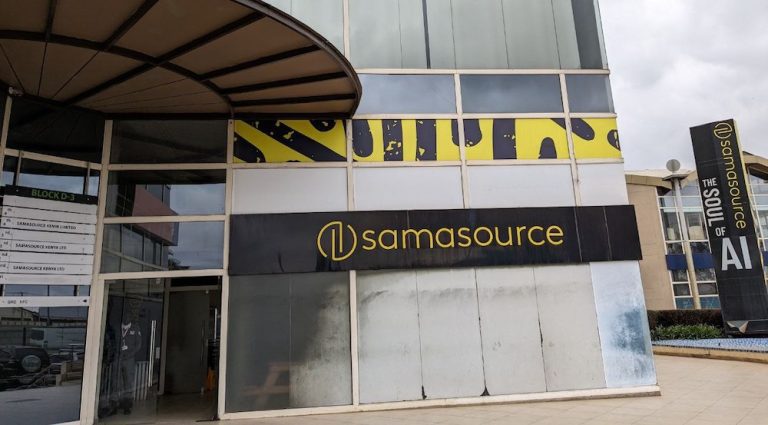
Data firm Sama to lay off 1,108 Nairobi employees after Meta deal ends

0

Nairobi-based data annotation firm Sama has announced that it will lay off 1,108 employees following the termination of its contract with Meta.

The company has been providing training data for artificial intelligence systems. The layoffs at this firm are expected to kick off towards the end of this month.

“As is standard in our industry, client programmes evolve, and we work closely with our partners to manage these transitions responsibly. Our immediate priority is supporting our employees through this change and ensuring continuity across our border operations,” Sama Country Lead and Vice President for Global Delivery Annepeace Alwala said.

“We recognize the significant impact on the team and the local community. We are actively working to support affected employees with care and respect. Our teams receive living wages and full benefits, and have consistently had access to comprehensive wellness resources, full medical benefits, and on-site counseling support by qualified and licensed practitioners.”

Namsia: Inside Kenyan banks 2025 profits and what investors need to know

The data firm has been providing employment for workers who provided digital services and solutions including data annotation solutions, and specialization in computer vision, natural language processing (NLP), and multi-modal data for various industries.

For over ten years, the firm has been providing high-accuracy, human-in-the-loop (HITL) data annotation, validation, and training data solutions to help companies train and improve AI/machine learning models.

The company is headquartered in San Francisco. For its Nairobi base, Meta, which owns Facebook, has been its largest client, a key indication to the huge impact that the end of this contract has brought upon its workforce.

Equity Bank retains top spot as Kenya’s most valuable brand in 2026

0

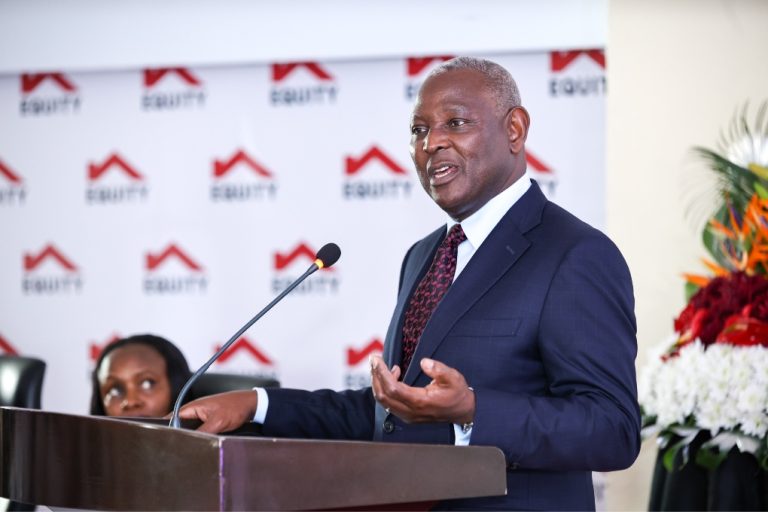
Equity Bank has retained its position as Kenya’s most valuable brand for the third consecutive year, underscoring its continued dominance in the country’s financial sector and its growing regional influence.

According to the latest Brand Finance Kenya 25 2026 report, released Thursday, Equity Bank’s brand value rose by 4 per cent to KES73.9 billion, supported by strong financial performance, steady revenue growth, and an expanding asset base approaching KES2 trillion. The lender’s sustained growth reflects its aggressive regional expansion and positioning as a digital-first financial institution.

The ranking comes on the back of a strong year for Kenya’s banking sector, which continues to dominate the country’s brand landscape. Banks account for 56 per cent of the total brand value, equivalent to KES196 billion, with seven lenders featuring in the top 25 and six securing positions in the top 10.

Brand Finance East Africa Regional Manager Walter Serem said the results highlight the increasing importance of scale, financial performance, and innovation in building strong brands.

“Kenya’s brand landscape in 2026 reflects a market that is becoming increasingly competitive, resilient, and strategically diversified. The continued strength of the banking sector, led by Equity Bank, highlights the importance of scale, financial performance, and regional expansion in driving brand value,” he said.

Equity’s Insurance unit powers profit growth as premiums jumps by 75%

Kenya Commercial Bank ranked second, with its brand value increasing by 9 per cent to KES59.7 billion. The lender’s rise was largely driven by a record-breaking profit after tax of KES55.9 billion in the 2024 financial year—the highest ever reported in Kenya’s banking history.

Safaricom dropped to third place, with its brand value declining by 4 per cent to KES55.7 billion. The telco’s performance was affected by regulatory scrutiny in its mobile money business and delays in rolling out commercial 5G services. Its expansion into Ethiopia also weighed on performance due to higher-than-expected operating costs, although its core Kenyan business remains resilient.

Overall, the total brand value of Kenya’s top 25 brands rose by 3 per cent to KES349 billion, reflecting a stable and steadily growing business environment.

In the wider rankings, CIC Insurance Group emerged as the fastest-growing brand, recording a 28 per cent increase in brand value to KES3.3 billion, driven by increased demand for insurance products and regional expansion.

Tusker retained its position as the strongest brand in the country followed closely by Equity Bank.

Other top-ranked brands include Co-operative Bank, NCBA, Kenya Power, I&M and Diamond Trust Bank, further cementing the dominance of financial institutions in Kenya’s corporate landscape.

The latest rankings reinforce Equity Bank’s position not just as a market leader, but as a key driver of financial inclusion and innovation, as competition intensifies across Kenya’s evolving business environment.

Roam launches air gen 3 electric motorcycle with gaster charging and enhanced security

0

Roam, Africa’s fastest-growing electric mobility company according to the Financial Times (2025), today announced the launch of the Roam Air Gen 3, the latest evolution of its electric motorcycle platform. The new model introduces the redesigned Roam Gen 3 battery, engineered to reduce theft, shorten charging times, and deliver greater durability for commercial riders.

The Gen 3 battery integrates GPS location tracking, IP67-rated water resistance, the fastest charging in the market at 2 kW, and enhanced safety features that comply with international safety standards (AIS-156). It is purpose-built for high-utilization use cases, particularly in the commercial motorcycle industry’s boda
boda market.

Charging performance is a market first, delivering more than 1 kilometre of range per minute of charging, enabling a 20% to
80% charge in under 40 minutes. Reducing downtime and allowing riders to spend more time generating income.

Designed with daily operations in mind, the battery features an ergonomic form factor, an industrial-grade aluminium casing that makes it drop-proof and submersible under water. Its aluminium die-cast casing improves heat dissipation, supporting stable and reliable performance under demanding conditions with an extended life span.

Passengers shocked as cockroaches roam Air India seats during flight

Motorcycles are a critical component of urban mobility across Africa, transporting millions of passengers each day. However, the transition to electric has been constrained by slow infrastructure rollout, long charging times, and durability concerns. The Roam Gen 3 battery directly addresses these barriers. Integrated GPS tracking enables riders and fleet operators to locate the battery via the Roam app in the event of loss or theft, and to track fleet performance and battery health, while still allowing flexible charging at home and at Roam’s charging locations.

Built for African road conditions, the Roam Air Gen 3 is backed by a 100,000 km battery guarantee, providing confidence to both riders and financing partners. The motorcycle features a reinforced chassis manufactured with 98% robotic welding, improving structural consistency and durability. The frame has been validated through over 200,000 vibration cycles under a 300 kg load to simulate real-world operating conditions.

Habib Lukaya, Roam Country Manager, said: “We designed the Roam Air Gen 3 around the real challenges riders face: long charging times, affordability, theft, and tough road conditions. Every feature, from fast charging to tracking and durability, is focused on keeping riders on the road, reducing operating costs, and increasing daily earnings.”

Machakos County advertises 94 Job vacancies: How to apply

0

The County Government of Machakos has advertised 94 job vacancies across various departments.

In an advertisement on its website, the Machakos County Public Service Board invited applications from qualified candidates.

The recruitment drive targets both entry-level and experienced professionals, offering roles in engineering, health services, mechanical operations, environmental management, and technical support.

All positions are based in Machakos County, with duty stations primarily at the Youth Center in Machakos.

Interested and qualified candidates are required to submit their applications online through the Machakos County Public Service Board portal.

“Interested and qualified persons are requested to complete the online application form available on the Machakos County website or the Machakos County Public Service Board portal. It is an offence to include incorrect information in the application. Note that all applications must be submitted electronically,” the board stated.

All applications must be submitted by Thursday, April 16, at 5 PM, while other roles have a deadline of Tuesday, April 21. Successful candidates will be employed on Permanent and Pensionable terms.

Below are the advertised positions:

  1. Engineering Technician III (Roads)- 13 open positions
  2. Senior Engineer (Roads)-10 open positions
  3. Plant Operators III -10 open positions
  4. Engineer II (Roads) – 10 open positions
  5. Artisan Mechanical (Panel Beating, Spray Painting And Upholstery) III- 9 open positions
  6. Land Surveyors -5 open positions
  7. Environment And Natural Resource Officer -5 open positions
  8. Principal Engineer (Roads) – 5 open positions
  9. Land Surveyors Assistant III – 5 open positions
  10. Medical Officers – 4 open positions
  11. Artisan Auto-Electrician (Motor Vehicle And Plant) III -3 open positions
  12. Artisan Mechanical -3 open positions
  13. Nursing Officers -3 open positions
  14. Mechanical Engineering II (Mechanical & Transport)- 2 open positions
  15. Senior Principal Engineer (Roads) -2 open positions
  16. Medical Laboratory Officer
  17. Optimetrist
  18. Engineering Technician I (Automotive)
  19. Principal Engineering Technician (Automotive)
  20. Medical Engineering Technologist

Also Read: Nakuru County announces 85 job vacancies: How to apply

Nakuru County announces 85 job vacancies: How to apply

0

The Nakuru County Government has announced a mass recruitment drive targeting professionals across various fields.

In a notice dated April 15, the Nakuru County Public Service Board invited applications to fill 85 positions across the Education Department, ICT, E-Government, and Public Communication Department, and the Department of Health Services.

“Pursuant to the provisions of Article 235 of the Constitution of Kenya and Section 59 of the County Governments Act Chapter 265 of the laws of Kenya, Nakuru County Public Service Board invites applications from qualified Kenyan citizens to fill the following vacant positions,” the statement read in part.

According to the notice, the county is seeking to recruit a Public Communication Officer, ICT officers I (5), ICT officers III (8), Public Communication Officers (4), and Youth Polytechnic Instructors (66).

More details on job requirements can be accessed online through the official Nakuru County recruitment portal: https://recruitment.nakuru.go.ke

Applicants are required to carefully review the job descriptions, requirements, and qualifications, before submitting applications.

Applications should be submitted on or before 6th May, 2026. The county noted that hand-delivered and email applications will not be accepted.

“Applications should be submitted on or before 6ᵗʰ May, 2026 (Hand-delivered or emailed applications will NOT be accepted),” the county stated.

The County further warned applicants against engaging with fraudsters and impersonators who may request money in exchange for job influence or placement.

“We caution applicants not to fall victim to fraudsters and impersonators who solicit for money with a promise of influencing the outcome,” the statement read.

Only shortlisted candidates will be contacted for interviews.

Also Read: KIPPRA announces 45 job vacancies: How to apply

Powering a KES 500 Billion tourism economy: TouristTap transforms payments for travelers in Kenya

0

Kenya Craft Silicon proudly announces the official recognition as an authorized payment option of its innovative digital payment platform, TouristTap, by the Government of Kenya, marking a transformative milestone for the country’s tourism and digital payments landscape.

Unveiled during the “Tap into Kenya” event, Tourist Tap is now approved for use across key tourism touchpoints, enabling visitors to seamlessly make payments at game parks, hotels, coastal destinations, and a wide range of attractions across the country. This advancement reinforces Kenya’s commitment to delivering a modern, connected, and world-class tourism experience.

TouristTap introduces a secure, efficient, and fully cashless ecosystem that allows international and domestic travelers to transact effortlessly without physical currency. By removing traditional payment barriers, the platform enhances convenience, improves transaction transparency, and elevates the overall visitor journey.

At the core of this innovation is a strategic partnership with KCB Bank as the payments partner, alongside Visa, powered through the advanced capabilities of CyberSource, delivered via the Visa Acceptance Platform. CyberSource is used by banks and businesses worldwide to securely process digital payments, manage fraud risk, and support fast, reliable transactions on a scale. This collaboration ensures that TouristTap operates on globally trusted standards of security, reliability, and scalability, supporting high-volume, real-time transactions across the tourism value chain.

KCB Group to acquire stake in digital payments company Pesapal

TouristTap enables visitors to pay like locals by using their card directly from their NFC enabled mobile devices. Travelers simply download and register on the TouristTap app, choose where to pay by entering the local till, paybill or mobile number, and complete the payment with a simple tap on their phone and secure PIN. Payments are processed instantly, allowing tourists to transact seamlessly at shops, markets, hotels, and attractions, without the need for cash or currency exchange.

Kenya’s tourism sector generated approximately KES 500 billion in revenue in 2025, highlighting both its economic significance and the growing need for digital transformation. TouristTap is positioned to play a pivotal role in this evolution, enabling seamless payment flows while contributing meaningfully to the sector’s continued growth and formalization.

Speaking on the launch, Kamal Budhabhatti, Group Chief Executive Officer – Craft Silicon, emphasized the platform’s broader impact:

“TouristTap represents a new era of convenience for travelers visiting Kenya. By enabling secure, cashless payments across the tourism ecosystem, we are not only enhancing the visitor experience but also supporting financial inclusion, transparency, and operational efficiency for service providers.”

Hon. Rebecca Miano, EGH, Cabinet Secretary, Ministry of Tourism and Wildlife, who presided as Chief Guest, added:

“Kenya continues to position itself as a forward-looking, digitally enabled tourism destination. The adoption of platforms like TouristTap strengthens our commitment to enhancing visitor experience, improving revenue transparency, and ensuring that our tourism ecosystem remains globally competitive.”

Powering a KES 500 Billion tourism economy: TouristTap transforms payments for travelers in Kenya
Powering a KES 500 Billion Tourism Economy: TouristTap Transforms Payments for Travelers in Kenya

From the payments ecosystem, Chad Pollock, General Manager and Vice-President, East Africa – Visa, noted:

“Tourism is one of Kenya’s most important economic engines, and how visitors pay is a critical part of the experience. Through Visa’s global network and secure payment capabilities, TouristTap enables travellers to pay seamlessly and securely wherever their journey takes them, while helping tourism players operate more efficiently and transparently. This is how digital payments can unlock growth across the entire tourism value chain

Representing the acquiring partner, Johnson Ondicho, Head of Digital Channels – KCB Bank, stated:

“As KCB, we are proud to power the acquiring infrastructure behind TouristTap. This initiative aligns with our commitment to driving digital payments adoption and supporting key sectors such as tourism with scalable and secure financial solutions.”

With its robust infrastructure and strategic alliances, TouristTap is set to redefine how tourists engage with Kenya’s vibrant destinations, ensuring that every transaction is simple, secure, and fully digital.

Moses Wekesa: Profile of new Kenya Airport Authority CEO

0

The Kenya Airports Authority (KAA) has appointed Moses Wekesa as its new Managing Director and Chief Executive Officer.

The KAA Board announced Wekesa’s appointment on April 14, following what it described as a competitive recruitment process that placed him at the helm of one of Kenya’s most strategic institutions, overseeing key aviation infrastructure.

“The Board of Directors of the Kenya Airports Authority (KAA) has appointed Moses Wekesa as the new Managing Director/CEO. This decision follows a rigorous, competitive interview process that identified Wekesa as the ideal leader to drive KAA’s ambitious agenda,” KAA stated.

The board cited Wekesa’s extensive experience in managing large-scale projects across multiple regions, including Europe, Asia, the Pacific, and Africa.

“He has managed high-impact projects across diverse economic sectors in Europe, Asia, the Pacific, and Africa,” the board added.

His international exposure is expected to bring a broader perspective to KAA’s operational priorities and long-term development agenda, particularly at a time when the aviation sector is increasingly focused on modernization, efficiency, and passenger experience.

Prior to his appointment, Wekesa served as Business Development Director at Kenya Electricity Generating Company (KenGen), where he played a key role in driving growth in the company’s core operations.

He holds a Bachelor of Science degree in Engineering from Jomo Kenyatta University of Agriculture and Technology (JKUAT) and a Master of Science in Mechanical Engineering from the University of Nairobi.

Wekesa also has postgraduate qualifications in finance and project planning from the University of Bradford.

 “The Board extends its best wishes to Mr. Wekesa in this new assignment and expresses its appreciation to KAA General Manager Finance, Dr. Mohamud Gedi, for his dedicated service as Acting Managing Director.”

Also Read: 60,000 tonnes of bad petrol already released into market, says KPC

Businesses likely to suffer most under new fuel prices

0

Kenya’s economy is poised for intensified cost pressures following the latest Energy and Petroleum Regulatory Authority (EPRA) fuel price review, which ushers in substantial hikes in petrol and diesel prices for the April to May 2026 cycle.

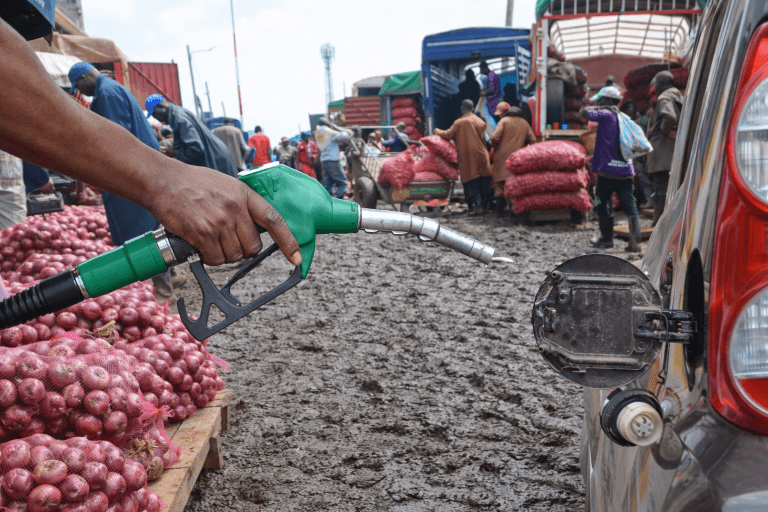
In its latest fuel review released on Tuesday, April 14, 2026, EPRA announced a Sh40.30 increase in the price of a litre of diesel to Sh206.84 in Nairobi.

Petrol increased by Sh28.69 and will now retail at Sh206.97 per litre in Nairobi, while a litre of kerosene will continue to retail at Sh152.78 per litre.

The regulator attributed the spike largely to surging global oil prices, which have significantly pushed up the landed cost of imported petroleum products. Kenya imports all its refined fuel, making local prices highly sensitive to movements in the international market.

According to EPRA, the average landed cost of imported Super Petrol increased by 41.53 percent from Sh75,266.82 per cubic metre in December last year to Sh106,526.39 in January 2026.

Similarly, the landed cost of Diesel increased by Sh68.72 percent from Sh82,292.99 per cubic metre to Sh138,764.76 per cubic metre while Kerosene increased by 105.15 percent from Sh82,684.76 per cubic metre to Sh169,632.55 per cubic metre over the same period.

To cushion consumers from the rising costs, the government has reduced Value Added Tax (VAT) on petroleum products from 16 percent to 13 percent.

While the average motorist will feel the pinch at the pump, the costly fuel impact is expected to extend across multiple economic sectors, amplifying inflationary pressures already evident in key components of the consumer price index.

Some of the sectors likely to be hardly hit by the development are:

Transport and Logistics

Transport operators are among the hardest hit. Diesel accounts for a significant proportion of costs in freight and passenger transport. Sources indicate that fuel can constitute up to 55 percent of total operating expenses for some fleets.

Matatu associations and haulage firms have already signalled intentions to adjust fares and freight charges to offset rising fuel outlays.

In a statement on Tuesday, April 14 night, the Kenya Transporters Association Ltd (KTA) said that fuel accounts for 55 percent of transport operating expenses, adding that the latest price hike would result in an increase of approximately 13 to 14 percent in transport operating costs.

The move is likely to strain household budgets and increase the cost of goods transported over long distances. Elevated transport costs historically feed directly into consumer prices, particularly for rural-to-urban supply chains.

Agriculture

Agriculture, central to Kenya’s economy and food security, faces a dual blow. Diesel-powered machinery and transport services are critical for planting, harvesting and distributing produce to markets.

With heightened fuel costs, farmers expect to confront increased expenses in logistics and mechanisation, potentially leading to higher market prices for staples and perishables.

According to the latest Consumer Price Index (CPI) and Inflation Report from the Kenya National Bureau of Statistics (KNBS), food price inflation remains the largest contributor to overall inflation, with staples such as vegetables and livestock products recording year-on-year increases.

Between February and March 2026, tomato prices surged by 13.3 percent, while beef with bones rose by 1.8 percent.

KNBS notes that over the past year, the cost of food and non-alcoholic beverages recorded the highest increase by 7.7 percent.

Manufacturing and Industrial Output

Manufacturers dependent on diesel for power generation, heavy machinery, and logistics are expected to absorb heightened costs or pass them on to consumers.

For energy-intensive industries that operate on thin margins, increased fuel tariffs is expected to significantly impact profitability.

Consumer Goods and Services

The combined effect of higher transport, agricultural and manufacturing costs is likely to translate into rising prices across a broad array of goods and services.

Basic commodities, household essentials, and service sectors such as hospitality and retail could experience significant upward pricing pressure.

This is likely to push inflation further above current levels, tightening disposable incomes and reducing real household consumption capacity.

Projections indicate that inflation could rise further above 4 percent, potentially reducing household incomes by up to 2.6 percent.

Also Read: 60,000 tonnes of bad petrol already released into market, says KPC