

Home Blog Page 26

Businessman shares jaw-dropping earnings from motorcycle garage business

0

Motorcycle repair has emerged as one of the most profitable ventures in Kenya’s informal sector, driven by the rapid growth of the boda boda industry and increasing demand for affordable maintenance services.

For a group of young mechanics in Kisumu, the trade has become more than a source of income; it has created jobs, transformed livelihoods and offered hope to other youth seeking sustainable employment.

At Lake View Auto Garage in Mamboleo Estate, Kisumu, 31-year-old Brian Ouma and his colleagues have built a thriving business by restoring damaged motorcycles that many people would otherwise consign to the scrapyard.

Brian established the garage in 2020 after spending nearly seven years as an apprentice. Raised in Manyatta Estate, he watched his parents struggle to support the family.

Financial constraints forced him to abandon his college education, prompting him to pursue motorcycle mechanics at a neighbourhood workshop.

The early years were difficult, with long hours yielding little income.

“It wasn’t easy in the beginning,” he recalls. “Sometimes I worked for an entire day and earned almost nothing. But I knew that if I became skilled, one day I would own my own garage,” he told KNA.

Today, Brian works alongside fellow mechanics Kevin Onyango and Peter Ochieng, repairing motorcycles damaged in road accidents or abandoned after owners deemed them too costly to fix.

The trio purchases damaged motorcycles, overhauls engines, replaces worn-out components, repaints frames and resells the refurbished bikes at affordable prices. They also offer routine servicing, repair services and spare parts to customers.

Their workshop attracts between 10 and 15 customers daily, including boda boda operators, delivery riders and private motorcycle owners.

On a good day, the business records revenue of between Sh15,000 and Sh25,000. After meeting expenses such as spare parts, rent, electricity bills and workers’ wages, the garage posts an estimated daily profit of between Sh5,000 and Sh8,000.

“The profit depends on the type of repairs,” he explains. “Some days are slow, but when we rebuild and sell a motorcycle, the returns are much better.”

Despite the business’s success, the mechanics continue to grapple with several challenges.

Among the biggest concerns is the rising cost of genuine motorcycle spare parts, coupled with an influx of counterfeit products that make it difficult to maintain quality while keeping repair costs affordable.

They also cite increasing rent and electricity costs, which continue to erode profit margins. Business activity often slows during the rainy season when fewer motorcycle owners seek major repairs.

The mechanics further contend with stereotypes associated with their profession.

“Some people think mechanics are school dropouts with no future,” Peter says. “But this profession requires knowledge, patience and continuous learning because motorcycle technology keeps changing.”

Even so, the workshop has built a loyal customer base through quality workmanship and transparency.

Beyond generating income, Lake View Auto Garage has become a training ground for aspiring mechanics. Brian regularly takes in apprentices, saying mentorship is essential for preserving technical skills and creating opportunities for young people.

“Every skilled mechanic started somewhere,” he says. “If we don’t train young people, these skills could disappear.”

He advises aspiring mechanics to prioritise discipline, integrity and continuous learning over the pursuit of quick financial gains.

“Don’t chase quick money. Learn the basics, respect customers, be honest and keep improving your skills. A good reputation is more valuable than any advertisement.”

Looking ahead, Brian plans to transform Lake View Auto Garage into one of Kisumu’s leading motorcycle service centres by investing in modern diagnostic equipment, employing more young mechanics and opening a spare-parts shop to lower repair costs for customers.

Also Read: Why Asset Finance Is the Smartest Growth Strategy for Your Business

SportPesa Mega Jackpot hits KSh 129,484,042 as 17-match weekend chase begins

0

SportPesa Mega Jackpot has climbed to KSh 129,484,042, setting up another high-stakes weekend for Kenyan football fans. With a KSh 99 entry stake, players are required to predict the outcomes of 17 selected matches correctly to win the jackpot, while bonus payouts remain available for selected near-perfect predictions in line with the official terms. This mega jackpot proves that a small amount of 99 bob can successfully secure a ticket to become a millionaire.

Modern sports betting survives on highly interactive moments that connect fans with the global stage. The incredible jump of SportPesa Kenya Mega Jackpot to KSh 129 million simplifies the mechanics of football betting for the local fans. Players no longer have to go through confusing gaming words, statistics, or even the time for calculating odds when placing bets. Your only job is to evaluate the 17-match selection list and lock in your predictions early.

The KSh 99 entry stake

The KSh 99 entry stake keeps the Mega Jackpot simple and accessible for football fans who want to take part in the weekend prediction challenge. It allows players to submit their 17-match predictions while keeping the promotion easy to understand This makes it possible for fans to use their natural sporting intuition.

“The SportPesa Mega Jackpot gives fans a simple but exciting football challenge every weekend. With the jackpot now at KSh 129,484,042, players have another reason to study the fixture list, make their predictions and take part responsibly,” said SportPesa Kenya Head of PR, Willis Ojwang.

From everyday fan to millionaire

The journey of winning the KSh 129,484,042 grand prize is decorated with many success stories of regular citizens who completely changed their life overnight. SportPesa Kenya has built strong public interest over the years because of previous jackpot winners and bonus payouts. For many fans, the appeal is not only the size of the prize but also the challenge of reading the weekend fixture list correctly.

These past winners give hope and remind every single player that they don’t need elite status or specialized backgrounds to win the mega jackpot. Reading about the humble beginnings of the winners creates a deep sense of community connection. This transforms the weekly 17-match selection list from an abstract digital game into predictable winnings.

Guaranteed bonus payouts

This huge appeal of the SportPesa Mega Jackpot extends far beyond the grand prize thanks to a highly rewarding bonus structure. SportPesa understands that correctly predicting the outcomes of 17 elite football matches is an intense test. To cushion players from the heartbreaking last-minute equalizer, heavy cash bonuses are guaranteed. 

For anyone who manages to secure 12, 13, 14, 15, or 16 correct predictions, you are automatically locked in for a substantial bonus. This transforms the entire gaming experience by removing the traditional all-or-nothing by appreciating the narrow misses. The bonus payouts frequently climb into hundreds of thousands or even millions depending on how many matches you correctly predict.

Play safe, win big

Maintaining focus on player safety is the cornerstone of SportPesa Kenya’s operations, especially as the mega jackpot climbs higher. When the thrill of chasing the KSh 129,484,042 Mega Jackpot captures the whole nation, SportPesa ensures that entertainment remains strict and controlled.

The company consistently reminds the community that online gaming is a casual recreation and entertainment. Local regulators and community leaders always praise this transparent dedication to consumer safety. By lowering the entry amount, SportPesa ensures that a simple 99 bob stake never compromises any personal well-being.

Conclusion

SportPesa’s mega jackpot provides a clear structure for Kenyan football fans to engage with major sporting events. By keeping the entry barrier at a fixed 99 bob, the platform ensures that the chase for multi-million shilling prizes across the country remains fair. The game empowers the fans by using a transparent 17-match prediction format where individual insights dictate the path to victory.

Judicial Service Commission announces 221 job vacancies

0

The Judicial Service Commission (JSC) has announced a mass recruitment drive targeting professionals across various fields.

In a notice, JSC invited interested applicants to submit applications to fill 221 vacancies, including 201 internship opportunities.

The advertised positions include advocate and non-advocate roles. They include Chairperson, Sports Disputes Tribunal, Member, Sports Disputes Tribunal (Non-Advocate), Deputy Chairperson, Co-operative Tribunal, Member, Co-operative Tribunal (Non-Advocate), and Chairperson, Capital Markets Tribunal.

Others are Member, Capital Markets Tribunal (Non-Advocate) (2 vacancies), Member, Public Private Partnerships Petition Committee (Non-Advocate), Member, Energy and Petroleum Tribunal (Advocate), Member, Energy and Petroleum Tribunal (Non-Advocate), Member, HIV and AIDS Tribunal (Medical Practitioner) and Member, Financial Centre Tribunal (Advocate) (2 vacancies).

JSC is also seeking to recruit Member, National Examinations Appeals Tribunal (Non-Advocate),  Member, Tax Appeals Tribunal (Advocate) (4 vacancies), Member, Tax Appeals Tribunal (Non-Advocate) (2 vacancies), and Graduate and Diploma Interns (201 vacancies).

Interested and qualified applicants are required to submit their applications through the Judicial Service Commission Jobs Portal, where detailed job descriptions, appointment requirements, and application instructions are available.

Applications must be submitted through the official JSC recruitment portal on or before 13 August 2026 at 5:00 P.M.

The commission warned that any form of canvassing will result in automatic disqualification, adding that only shortlisted and successful candidates will be contacted.

“The Judicial Service Commission is an Equal Opportunity Employer and recruits candidates on merit through a fair and open competitive process,” the notice reads.

Also Read: PSC announces 130 job vacancies across ministries, universities

Co-op Bank and CARE International Kenya Launch Guarantee Fund to Unlock USD 7.5 Million for Women Farmers

Co-op Bank Kenya and CARE International Kenya have signed a Memorandum of Understanding (MOU) formalising a strategic partnership expected to unlock USD 7.5 million (approximately KES 975 million) in financing for women farmer groups. The signing took place in Kisumu, marking the start of a collaboration designed to strengthen agricultural value chains and deepen financial inclusion for smallholder farmers.

The partnership introduces a de-risking guarantee fund that eases collateral requirements for women farmer groups, removing one of the most persistent barriers to formal credit for smallholder agriculture.

The first phase of the programme will be implemented in Homa Bay County, supporting 21 women farmer groups, each comprising an average of 20 members, alongside an agricultural cooperative that will coordinate and provide support to participating groups.

“Co-op Bank has built its identity around the cooperative movement, and this partnership is a natural extension of that heritage,” said David Akumi, Head of Business Banking at Co-op Bank Kenya. “The guarantee fund allows us to lend with confidence to women farmer groups who have historically been locked out by collateral requirements. We expect this model to demonstrate strong repayment performance and to inform how we scale similar facilities across other counties.”

Co-op Bank named Kenya’s Best Retail and Digital Bank at Euromoney Awards

The signing builds on Co-op Bank’s longstanding role as a lender to Kenya’s agricultural and cooperative sectors, and on CARE International Kenya’s track record of programming focused on women’s economic empowerment across the region.

On her part, Getrude Misango, Country Director, CARE International Kenya said, “Access to affordable credit remains one of the biggest constraints facing women farmers in Kenya, despite their central role in agricultural production. This partnership with Co-op Bank addresses that constraint directly, giving women farmer groups in Homa Bay County the financial backing they need to grow their enterprises and strengthen their households. We look forward to seeing the impact of this first phase and to expanding it further.”

The initiative is expected to significantly improve access to credit for participating farmer groups, enhance agricultural productivity across Homa Bay County, and strengthen the coordination role played by the agricultural cooperative supporting the groups. By easing collateral requirements, the guarantee fund is designed to bring previously excluded women farmers into the formal financial system, with knock-on benefits for household income and local economic activity.

Co-operative Bank honoured for leadership in cooperative banking at 2024 ushirika day

The programme is also expected to support more sustainable agricultural practices among participating groups, as improved access to financing allows farmers to invest in inputs, equipment and techniques that strengthen resilience to climate and market shocks.

Co-op Bank and CARE International Kenya indicated that lessons from the Homa Bay County phase will inform future expansion of the guarantee fund to additional counties and farmer groups, as part of a broader push to widen access to agricultural finance across Kenya.

How to apply for Sh10,000 salary advance loan from Co-op Bank

The partnership reaffirms Co-op Bank’s commitment to inclusive financing solutions and sustainable rural economic development, continuing its long-standing focus on the cooperative movement and agricultural lending as core pillars of its business.

The MOU signing was attended by the CARE International Kenya Board, led by Chairperson Lucy Nguru, alongside Regional Director for East and Southern Africa Walter Mwasaa, Country Director Getrude Misango, and other board members. Co-op Bank was represented by Head of Business Banking David Akumi, Head of Group Banking Dickson Agesa, Western Regional Manager Paul Cianda, and the Homa Bay Branch Manager. Also in attendance was Chief Officer for Trade, Investment, Industrialisation and Tourism, Eng. Bernard Ouru Nyobange, representing the Governor of Homa Bay County.

Nairobi dialogue highlights critical role of female Faith Leaders in 3nding GBV

0

Nairobi, Kenya, 23 July 2026 – Female faith leaders must be more intentionally recognised and supported as influential voices in efforts to prevent gender-based violence (GBV), support survivors and challenge harmful social norms.

This call was made during a high-level event on “Elevating Female Faith Leaders’ Voices in Ending Gender-Based Violence,” convened by the International Gender Champions (IGC) Nairobi Hub in collaboration with World Vision East Africa Regional Office and Plan International.

The dialogue comes as violence against women and girls remains a major concern. Globally, nearly one in three women, an estimated 840 million women and girls, have experienced physical or sexual violence in their lifetime, according to the World Health Organization. In Sub-Saharan Africa, around 34 per cent of girls are affected by child marriage, while more than 144 million women and girls have undergone female genital mutilation (FGM).

The scale of the challenge, participants said, requires greater investment in trusted community voices that can help prevent violence before it occurs.

“Every time a woman finds the courage to speak, it is because someone believed in her and was willing to sit down and listen. Every time a girl stays in school instead of becoming a child bride, every time a survivor finds healing instead of shame, and every time a family chooses respect over violence, we change more than one life. We change the trajectory of generations. Ending gender-based violence therefore requires all of us, governments, faith communities, civil society, development partners, the private sector, women, girls, boys and men to speak up and challenge harmful norms. Each of us has a vital role to play.” said Lilian Dodzo, Regional Leader and Vice President of World Vision International, East Africa Region.

Female faith leaders, participants noted, are uniquely positioned to influence attitudes and behaviours within families and communities. As pastors, counsellors, teachers, mentors and caregivers, they often work directly with women, children and families affected by or at risk of violence.

Yet their voices remain underrepresented in policy and decision-making spaces.

The dialogue therefore called for female faith leaders to be recognised not only for their pastoral and caregiving roles, but also as policy influencers, decision-makers and strategic partners in preventing GBV and advancing gender equality.

According to the Africa Gender Index 2023, Africa has achieved only 50.3 per cent of the progress needed to reach gender equality, while women’s economic parity declined from 61 per cent in 2019 to 58.2 per cent in 2023 highlighting the continent’s wider gender equality gap.

World Vision Kenya calls for urgent action to eradicate FGM

“These figures show that we still have a long way to go. We need to do more to ensure women have a stronger voice in shaping the decisions that affect their lives and communities. Female faith leaders especially have an important role to play in this work, and we must create more opportunities for them to lead, speak up and be heard. We also need to separate matters which require abitration from GBV issues which are criminal in nature so they receive the appropriate justice needed” said, Rev. Dr. Linda Ochola, Senior Coordinator, Church Partnerships, International Justice Mission (IJM) Kenya

Participants also called for faith institutions to become safer spaces for survivors by establishing confidential mechanisms for reporting abuse and accessing appropriate support. They stressed the importance of ensuring that survivor experiences and voices inform how faith communities shape GBV prevention and response efforts.

“We must move beyond simply having a woman’s name on a committee or leadership structure and ensure women have a meaningful voice in decision-making. Women should be given opportunities to serve in positions of leadership, including as Kadis and in mosque committees, because they understand and can speak to issues that directly affect women. We cannot continue to make decisions for women without having women at the table.” Said Dr. Sheikh Hasan Kenyomari, Chairman, Muslim Persons of Africa

The discussion also focused on the role of faith leaders in shaping the attitudes of Africa’s young population. With approximately 60 per cent of Africa’s population under the age of 25, participants said female faith leaders can serve as positive role models for young people and help challenge harmful ideas about gender, relationships and violence.

“The values young people develop today will shape the Africa we live in tomorrow. We need to ensure they have positive role models who can help them understand that respect and equality are not optional, and that violence has no place in our families or communities. Female faith leaders can be powerful voices in that conversation, particularly for young people who look to them for guidance.” said Hajir Maalim, Regional Director, Middle East, Eastern & Southern Africa, Plan International

World Vision International has worked with faith leaders across East Africa through approaches including Channels of Hope and Becoming One, supporting efforts to challenge harmful social norms, strengthen families, promote positive masculinity,

support survivors and build relationships grounded in dignity, respect and mutual accountability.

The dialogue was held ahead of Pan-African Women’s Day on 31 July and comes as the continent strengthens its commitment to ending violence against women and girls through the African Union Convention on Ending Violence Against Women and Girls (AU CEVAWG).

How modern irrigation is transforming farming and why Faulu Irrigation LTD is winning farmers’ trust

0

Faulu Irrigation: Agriculture remains the backbone of Kenya’s economy, employing millions of people while contributing more than one-fifth of the country’s Gross Domestic Product (GDP). Yet despite its importance, much of Kenya’s farming still depends on increasingly unpredictable rainfall, exposing farmers to drought, crop failures and declining productivity.

This changing climate has accelerated demand for modern irrigation technologies that enable year-round farming. From drip irrigation and sprinklers to greenhouses and water storage systems, farmers are increasingly investing in solutions that reduce risk while improving yields.

Among the companies positioning themselves in this growing sector is Faulu Irrigation LTD, an emerging Kenyan agribusiness specializing in irrigation systems, greenhouse structures, agricultural nets and post-harvest technologies. Founded in March 2026, the company provides both equipment supply and installation services for farmers across Kenya.

Why Irrigation Is Becoming Essential

For decades, rainfall has determined planting seasons in Kenya. However, changing weather patterns have made rainfall less predictable, forcing many farmers to rethink traditional farming methods.

Baobab Land Consult: A smarter way for Kenyan investors to access profitable agricultural ventures

Modern irrigation allows crops to receive controlled amounts of water exactly when needed, helping farmers maintain production regardless of seasonal rainfall.

The benefits extend beyond drought management. Proper irrigation enables farmers to harvest multiple seasons annually, improve crop quality, increase farm income and use available water more efficiently.

Growing Demand for Drip Irrigation Systems

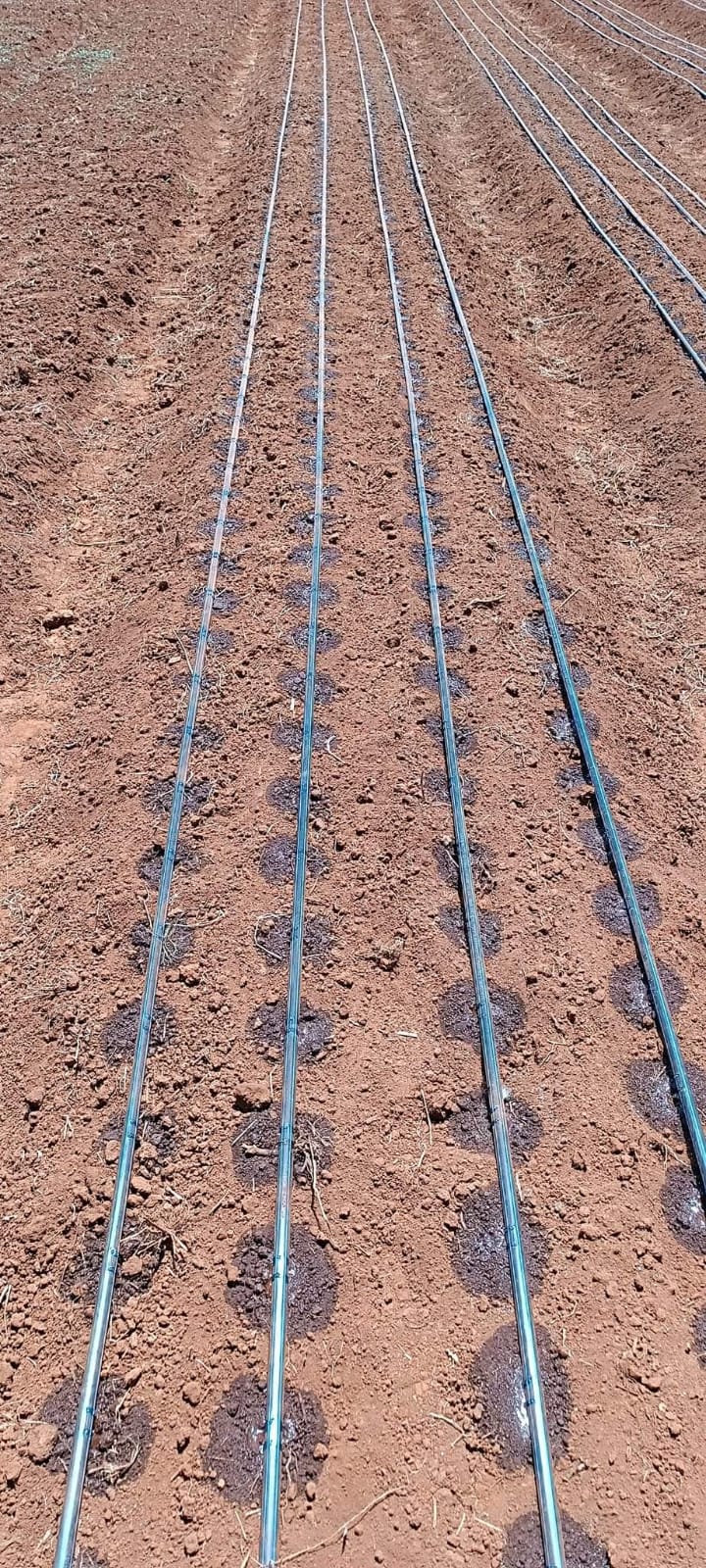
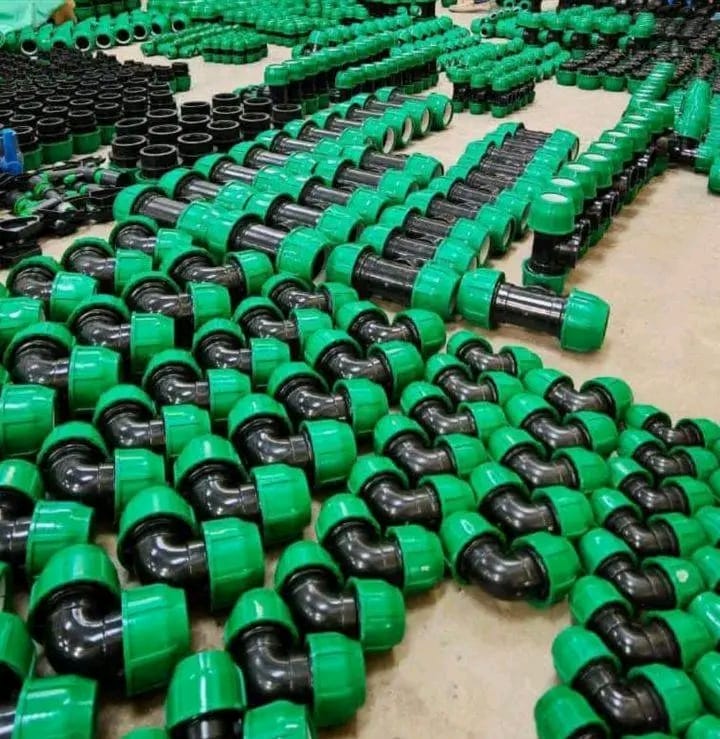
Among the most popular irrigation technologies is drip irrigation, which delivers water directly to plant roots through a network of pipes and drip tapes.

Unlike flood irrigation, drip systems minimise water wastage by supplying moisture only where crops require it.

According to Faulu Irrigation LTD, drip irrigation is particularly suitable for tomatoes, onions, cabbages, capsicum, watermelons, orchards, greenhouses and other high-value horticultural crops. The system also improves fertiliser efficiency while reducing weed growth.

Sprinkler Irrigation Expands Beyond Large Farms

Sprinkler irrigation continues to gain popularity among both commercial and small-scale farmers because of its ability to simulate natural rainfall.

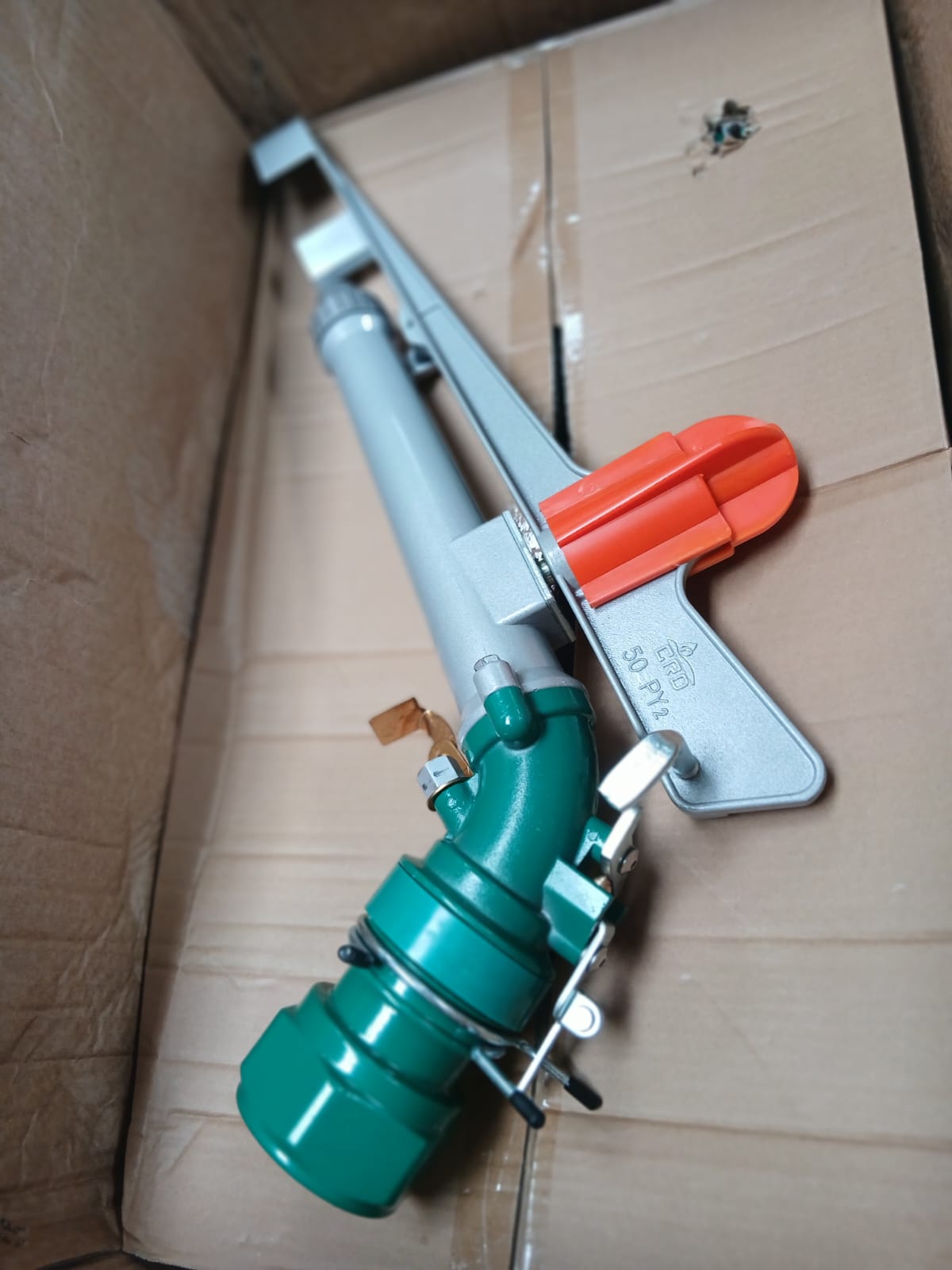
Faulu Irrigation LTD supplies several sprinkler options including plastic impact sprinklers, butterfly sprinklers, rain guns, flange sprinklers and micro sprinklers.

While butterfly and micro sprinklers are commonly used on vegetable farms, rain guns and flange sprinklers are better suited for large-scale production of crops such as maize, wheat and fodder.

Lawn Irrigation Increasingly Popular in Urban Developments

The demand for irrigation is no longer confined to agriculture.

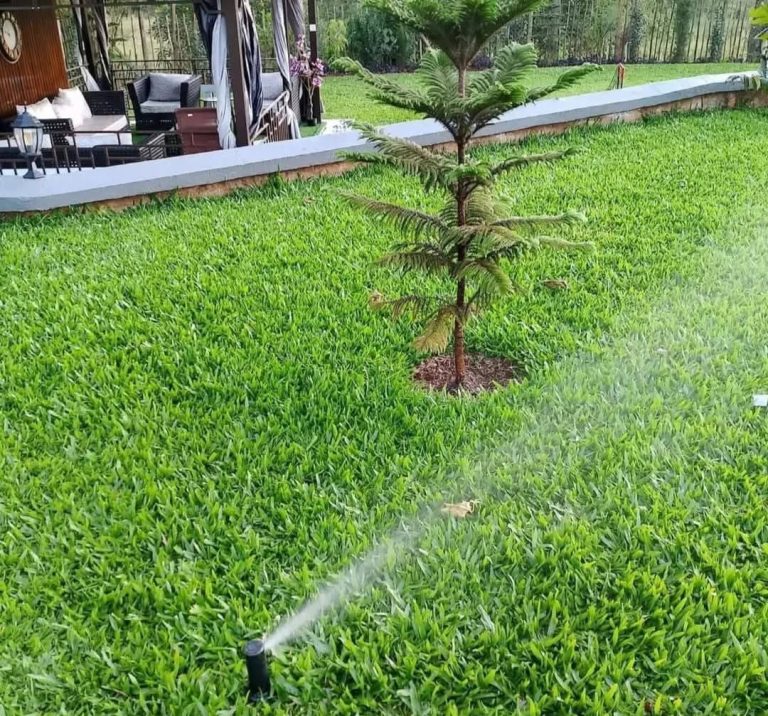
Residential homes, hotels, schools, golf courses and commercial developments are increasingly installing automated pop-up sprinkler systems to maintain lawns and landscaped gardens.

These systems remain hidden beneath the ground when not in use before automatically rising during irrigation, providing uniform water coverage while preserving the appearance of the landscape. Faulu Irrigation LTD supplies pop-up sprinklers in different sizes depending on water requirements.

Greenhouses Helping Farmers Improve Productivity

Protected farming has become another important trend in Kenyan agriculture.

Greenhouse structures create controlled growing environments by regulating temperature and humidity while protecting crops from harsh weather conditions.

Faulu Irrigation LTD supplies both wooden and metallic greenhouse structures suitable for vegetables, fruits and flowers.

The company also installs shade net houses that reduce excessive sunlight and bird net structures designed to minimise crop losses caused by birds.

Water Storage Becoming a Priority

Reliable irrigation depends not only on irrigation equipment but also on dependable water storage.

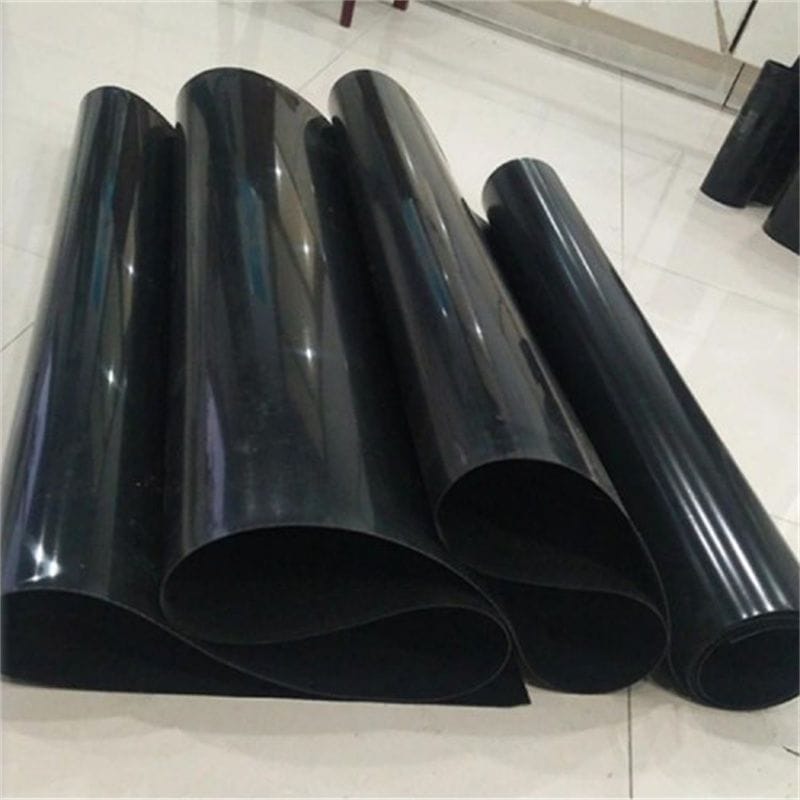
To address this need, Faulu Irrigation LTD supplies High-Density Polyethylene (HDPE) dam liners in various thicknesses suitable for irrigation reservoirs, fish ponds, domestic water storage, sewage containment and industrial applications.

The synthetic liners are designed to withstand corrosion while providing long-term water retention solutions.

Savannah Honey CEO Kyalo Mutua Named CEO of the Year at Jamhuri Kenya Leadership Awards

Tackling Post-Harvest Losses

Beyond irrigation, farmers continue to lose significant amounts of produce after harvest due to poor drying and storage methods.

Solar crop dryers are emerging as one solution to this challenge.

The structures remove moisture from harvested fruits, vegetables and cereals, helping preserve quality, reduce contamination and extend shelf life before produce reaches the market.

Installation Remains Critical

Agricultural experts note that purchasing quality equipment alone does not guarantee success. Proper design and installation determine how efficiently an irrigation system performs over its lifetime.

Faulu Irrigation LTD says its installation process includes farm assessment, water source evaluation, irrigation design, equipment supply, installation, system testing, farmer training and maintenance support.

Serving Farmers Across Kenya

Based in Nairobi, Faulu Irrigation LTD supplies irrigation equipment nationwide and undertakes installation projects for both smallholder and commercial farmers.

Its product portfolio includes:

  • Drip irrigation systems
  • Sprinkler irrigation systems
  • Rain hose irrigation
  • Solar-powered irrigation systems
  • Water pumps
  • Filtration systems
  • Greenhouses
  • Shade nets
  • Bird nets
  • Dam liners
  • Solar crop dryers

Outlook for Irrigation in Kenya

As climate variability continues to affect rainfall patterns, irrigation is increasingly becoming a necessity rather than an option for Kenyan farmers.

Investment in efficient water management technologies is expected to play a growing role in improving agricultural productivity, enhancing food security and supporting commercial farming throughout the year.

Companies that combine quality products with professional installation and technical support are likely to remain central to this transition, as more farmers embrace climate-smart agriculture.

Contact

Faulu Irrigation LTD

Phone: 0717 120 401

Email: [email protected]

KMTC opens applications for September intake

0

The Kenya Medical Training College (KMTC) has opened applications for its September 2026 intake.

In a notice on Wednesday, July 22, KMTC invited candidates seeking admission to various certificate and diploma programmes to submit applications through the Kenya Universities and Colleges Central Placement Service (KUCCPS).

Applicants enrolling for in-service and upgrading programmes are required to use the official KMTC Admissions Portal, with the deadline set for August 11, 2026.

“Pre-service programmes are now open for application through the KUCCPS Student Portal, with the application deadline set for August 11, 2026. Applicants can submit their applications through https://students.kuccps.net. In-service and upgrading programmes are also open for application through the KMTC Admissions Portal at https://admissions.kmtc.ac.ke,” reads the notice.

The admission exercise comes shortly after the institution concluded its Final Qualifying and End-of-Semester examinations, paving the way for a new cohort of trainees expected to report later this year.

KMTC is among the country’s largest public institutions for training healthcare professionals. The college offers certificate, diploma and short courses through seven faculties and 18 departments, with a total of 126 medical programmes.

The institution trains health professionals in a wide range of disciplines, including Nursing, Clinical Medicine, Pharmacy, Medical Laboratory Sciences, Radiography, Public Health, Nutrition, Physiotherapy, Occupational Therapy, Community Health and several other specialised fields.

The college has also outlined the minimum entry requirements for prospective applicants. Candidates seeking admission to certificate programmes must have attained at least a mean grade of C- (minus) in the Kenya Certificate of Secondary Education (KCSE), alongside the required grades in relevant cluster subjects.

Applicants for diploma programmes must have a minimum KCSE mean grade of C (plain) and meet the prescribed subject requirements.

Those seeking admission to upgrading courses must hold a certificate in the relevant discipline, while applicants for Higher Diploma programmes are required to possess a diploma qualification in the corresponding field.

Also Read: HELB opens first-time loan & scholarship applications for university, TVET students

NCBA champions Kenya’s creative and sports economy through talent, finance and mentorship

NCBA Group was featured on The Jam with June & Martin on Capital FM for a strategic conversation centered on the future of Kenya’s creative and sports economies. The discussion explored how talent can be better supported through financial inclusion, mentorship, corporate citizenship, and strategic partnerships to transform raw skill into long-term economic value.

Key Discussion Points

1. Empowering Kenya’s Creative Economy

The panel highlighted the significant economic contribution of Kenya’s creative sector, which generates roughly 5 percent of national GDP. The discussion underscored the need to build robust support systems that elevate creative skills into bankable assets, enabling artists and creators to establish sustainable careers and compete on the global stage.

2. Talent as an Economic Asset

A central theme was shifting traditional corporate perceptions by recognizing talent as a legitimate, income-generating economic asset. The panel emphasized the importance of pioneering alternative valuation models, allowing creatives and athletes to leverage their intellectual property and skills as collateral to access institutional finance.

3. Financial Literacy and Long-Term Planning

The conversation emphasized financial education as a critical foundation for long term wealth preservation. Practical insights focused on guiding young, high earning creatives and professional athletes in budgeting, risk management, and strategic investments to secure their financial futures beyond their active performing years.

NCBA Insurance bets on marine cover as Kenya’s trade sector expands

4. The Business Behind Creative Success

Motif Di Don highlighted the necessity of mastering music business mechanics, including contracts, royalties, publishing rights, and split sheets. Through initiatives like NCBA Elevate, over 30 emerging artists are receiving both technical production support and business mentorship to build viable, commercial careers.

5. Taking Kenyan Talent to the Global Stage

The interview explored expanded pathways for Kenyan talent to achieve international reach. Motif Di Don reflected on his milestone invitation to join the Recording Academy, while the panel discussed how structured institutional backing can help local talent break into global markets.

6. Corporate Citizenship and Ubuntu

Nelly Wainaina detailed NCBA’s corporate citizenship framework, anchored in the Ubuntu philosophy: “I am because we are.” She reinforced that corporate prosperity is intrinsically linked to societal progress, noting that business success cannot occur in isolation and that youth empowerment is central to community growth.

7. Discipline, Consistency, and Athletic Success

Njoroge Kibugu shared key insights from his journey as a professional golfer, detailing the resilience, humility, and daily discipline required to excel at an elite level. He stressed the importance of staying grounded despite rapid success and acting as a positive role model for younger athletes.

8. Mentorship and Paying It Forward

Mentorship emerged as a vital responsibility for established leaders across business, creative arts, and sports. The guests agreed that experienced professionals must actively guide the next generation by sharing knowledge, opening doors, and demystifying industry structures.

9. Building Sustainable Careers

The panel concluded that long term success in sports, music, or business requires far more than raw talent alone. Sustainable, thriving careers are built on a framework of formal education, financial discipline, institutional support, and continuous access to strategic opportunities.

You can reference the interview here: https://www.youtube.com/watch?v=MMF1ura_Tlg

M-KOPA reaches 10M customers as Pan-African expansion accelerates

0

Pan-African fintech M-KOPA, has reached 10 million customers, marking a major milestone in its expansion across Kenya, Uganda, Nigeria, Ghana and South Africa.The company reached its first one million customers in 2020 after eight years of operations. Since entering smartphone financing in 2020, M-KOPA has added nine million more customers across its five markets in just six years, reflecting a marked acceleration in customer growth.

The company is now adding 10,000 new customers daily.The milestone reflects growing demand for M-KOPA’s “More than a Phone” platform, which combines smartphone financing with embedded insurance, credit and device protection at the point of purchase.M-KOPA was built for what it calls “Every Day Earners”: the traders, boda riders, tailors and shopkeepers who generate income daily but remain invisible to conventional financial services.

Where traditional banks saw only risk, M-KOPA saw an opportunity to provide an economically active population with innovative products and services designed around daily livelihoods. Nine in 10 independently surveyed M-KOPA customers say that M-KOPA products have improved their lives.”Every Day Earners have always been creditworthy.

Inside Kenya’s largest smartphone assembly plant in Nairobi

What they needed was credit built around how they really make a living, not a payslip. Informal has never meant unviable. 10 million customers on, that’s no longer a belief. It’s proven,” said Jesse Moore, Co-Founder and CEO of M-KOPA.The addressable opportunity remains vast. Nearly nine in 10 workers in sub-Saharan Africa earn their living in the informal economy.

By 2040, Africa is projected to have among the largest populations of non-salaried, economically active adults in the world, the core market M-KOPA is built to serve.In Kenya, the company opened the continent’s largest smartphone assembly factory in 2023.

The facility employs more than 400 people, has achieved global ISO certification, and has produced more than 3.3 million devices to date.Growth beyond East Africa has also accelerated. Nigeria became the fastest market in MKOPA’s history to surpass one million customers. The company’s reach is supported by Africa’s largest direct sales distribution network, with more than 40,000 agents across five countries.M-KOPA’s revenue has grown at an average annual rate of 50% since 2020.

The company has been named to the Financial Times’ Africa’s Fastest Growing Companies list for five consecutive years and to CNBC’s World’s Top Fintech Companies list for the second consecutive year.

“Every Day Earners are why we do this. From our very first customer to this year’s ten millionth, this is proof that a model built for Africa’s Every Day Earners doesn’t just work, it scales and endures. It’s a proud moment for our team, and we’re already looking to the next 10 million,” said M-KOPA CFO Faraimose Kutadzaushe.

Mbukinya Bus founder dies at 91: Business lessons to learn from his journey

0

Paul Mburu Kinyanjui, the founder of Mbukinya Bus Company and one of Kenya’s pioneering transport entrepreneurs, has died at the age of 91.

The businessman passed away on July 19, 2026. His family has not publicly disclosed the cause of death.

His passing marks the end of an era for Kenya’s public transport sector, where he built one of the country’s oldest and most respected long-distance bus companies.

Over several decades, Mbukinya Buses Company has been a reliable provider of passenger and parcel transport services, connecting Nairobi with major towns across Western Kenya, Nyanza and the Coast.

Born and raised in Limuru, Mburu developed an interest in the transport business at an early age. While still in secondary school, he often told his classmates that he would one day become a successful investor in Kenya’s transport industry.

Although many dismissed his ambitions because of his humble background, he remained determined to pursue his dream.

Inspired by the buses that regularly passed through his hometown, Mburu resolved to venture into business instead of seeking formal employment after completing school.

Without the financial backing to launch a transport company immediately, he began building capital through small-scale trade.

After completing his final examinations in 1952, Mburu started selling eggs and chicken in Limuru. Eleven years later, he had saved Sh6,000, enough to purchase his first second-hand bus.

He supplemented the amount with a Sh5,000 loan and began operating passenger services between Limuru and Nairobi. As the business expanded, he sold the vehicle and acquired a second-hand Mercedes-Benz bus.

“I was the driver, and I had hired a conductor. Since it had now become my full-time business, I got better at it day by day,” Mburu said in a previous media interview.

His breakthrough came in 1972 when he purchased his first brand-new bus and expanded into long-distance routes serving Kisumu and Kakamega.

The move significantly increased the company’s operational capacity and accelerated its growth.

“With the new bus, I was able to operate for 24 hours, and this grew the business by leaps and bounds. I increased my buses quickly,” he said.

By the 1980s, Mbukinya Bus had grown its fleet to 48 buses, making it one of the country’s largest transport operators.

However, rising insurance costs in the 1990s forced the company to scale down its operations. The business later regained momentum, increasing its fleet to 39 buses after acquiring 21 Hino buses from Toyota Kenya in 2014.

Today, the family-owned company is managed by Mburu’s children under the leadership of his eldest son, who is reported to be in his 70s.

Mbukinya continues to operate key routes linking Nairobi with Western Kenya, Nyanza and Mombasa, maintaining relatively affordable fares that remain competitive within the industry.

Despite its decades-long success, the company also faced significant setbacks. In 2019, Mbukinya was embroiled in a dispute involving 41 Toyota Hino buses acquired from Toyota Kenya after the vehicles reportedly developed serious mechanical defects before their warranties expired.

The company cited fatal engine failures, overheating, brake malfunctions and cracks on the chassis among the problems affecting the buses.

Mburu subsequently returned the vehicles to Toyota, which bought out CFC Bank and Tsusho Capital, the financiers of the buses, and assumed ownership.

“Toyota moved fast to agree a deal in which Toyota Kenya reportedly paid off CFC Bank and Tshusho Capital to own the 41 vehicles,” COFEK reported in 2019.

Although the buses were later repaired and offered back to the company, Mburu accepted only 14 vehicles whose logbooks reflected joint ownership with Toyota Kenya.

Reports at the time indicated that he received Sh60 million in compensation, but he maintained that the business had suffered losses running into billions.

Mburu leaves behind a legacy of resilience, entrepreneurship and innovation that transformed a modest dream into one of Kenya’s most enduring transport brands.

His contribution to the country’s public transport industry leaves behind key lessons for aspiring business owners:

  1. Have a vision in life – Mburu set his sights on owning a transport company while still in secondary school, long before he had the resources to achieve it.
  2. Do not let criticism discourage you – Despite being mocked by his peers because of his humble background, he remained focused on his dream.
  3. Start with what you have – Instead of waiting for capital, he began by selling eggs and chicken to raise money for his first investment.
  4. Practice financial discipline – Mburu saved consistently for 11 years before purchasing his first bus, demonstrating the importance of patience and prudent financial management.
  5. Use loans strategically – He complemented his savings with a Sh5,000 loan, showing that borrowing can accelerate growth when used responsibly.
  6. Presence in business matters– In the early years, he personally drove the bus while employing only a conductor, helping him reduce operating costs and understand the business firsthand.
  7. Continuously improve your skills – Mburu noted that he became better at the business every day, highlighting the value of learning through experience.
  8. Reinvest profits for growth – Rather than remaining with one vehicle, he upgraded to better buses and expanded into new routes as the business grew.
  9. Expand when opportunities arise – Purchasing his first new bus enabled him to introduce 24-hour operations and venture into long-distance travel, significantly increasing revenue.
  10. Scale cautiously but confidently – His fleet grew to 48 buses by the 1980s, illustrating the rewards of strategic expansion over time.
  11. Adapt to changing business conditions – When insurance costs became unsustainable in the 1990s, he downsized the fleet instead of risking the company’s collapse.
  12. Recover from setbacks – After reducing operations, he later rebuilt the business by acquiring additional buses.
  13. Protect your business interests – When the Hino buses developed defects, Mburu pursued compensation and sought accountability instead of absorbing the losses silently.
  14. Build a business that outlives you – Mburu involved his family in the enterprise, ensuring that Mbukinya Bus Company continued operating under the next generation.
  15. Resilience is the foundation of long-term success – From humble beginnings to building one of Kenya’s oldest transport companies, Mburu’s journey demonstrates that persistence and determination are often more valuable than starting with wealth.

Also Read: Messi’s 2026 World Cup: 8 Business Lessons on Strategy, Tenacity and Talent