

Home Blog Page 28

Why Gamification Is Reshaping Digital Entertainment

0

Gamification is the practice of applying game mechanics to non-game contexts. Points, levels, streaks, and rewards are no longer exclusive to video games. They appear in fitness apps, learning platforms, banking interfaces, and entertainment services used by millions of people across Nigeria and Kenya every day.

The growth of this approach is not accidental. It is the result of companies learning, through years of user data, that these mechanics change how people interact with digital products in measurable and repeatable ways.

What Is Gamification?

Gamification strategies borrow the structural elements that make games compelling and apply them to products where the primary purpose is something other than entertainment. A banking app that gives users a badge for saving consistently is using gamification. A fitness tracker that shows a 14-day streak is using gamification.

The core elements are simple: a goal, a way to measure progress toward that goal, feedback when progress is made, and a reward when the goal is reached. That loop, which game designers have refined over decades, is now embedded in products across every digital sector.

Why It Works So Well

The psychological mechanism behind digital gamification connects to how humans process progress and reward. When a user sees a progress bar move, a level increase, or a streak number climb, the brain registers a small but real sense of achievement.

Chicken Road Kenya: Why Crash-Style Casino Games Are Popular Among Mobile Players in Africa

This response does not require a large reward. Research shows that visible progress toward a goal motivates continued behavior more effectively than the reward itself. The anticipation stage, not the completion stage, is where most of the motivational energy sits.

User engagement data from platforms that added gamification elements shows consistent patterns: session length increases, return visit frequency increases, and users who engage with gamified features are significantly more likely to recommend the platform to others.

Examples Beyond Video Games

Gamification appears in contexts that most users do not immediately recognize as game-like. The following examples show how widely the approach has spread across different sectors:

  • Duolingo uses daily streaks and experience points to teach languages, making study sessions feel like game sessions.
  • Strava gives runners achievement badges and places them on leaderboards against their own previous performances.
  • Revolut and other banking apps reward users with cashback multipliers tied to spending milestones.

Each of these products serves a practical purpose, but the gamification layer is what drives the habit. Without it, the underlying product would still function, but user retention numbers would look significantly different.

How Businesses Use Gamification

Why Gamification Is Reshaping Digital Entertainment

Reward systems are the most visible gamification tool, but the deeper application is in how platforms structure the entire user journey. Every decision about when to show a notification, how to display a progress indicator, or when to unlock a new feature is a gamification decision, whether the product team labels it that way or not.

Online entertainment platforms have applied these mechanics with particular effectiveness. Platforms like Pin-Up, alongside other digital entertainment services, use loyalty points, level progression, and achievement systems to create interactive experiences that give users reasons to return beyond the core content itself.

The table below shows how different platform types apply gamification mechanics in 2026:

Platform Type Core Mechanic Used Primary Effect
Language learning apps Streaks and experience points Daily habit formation
Fitness trackers Achievement badges and rankings Long-term retention
Online entertainment Loyalty tiers and reward missions Increased session frequency
Banking and fintech Savings milestones and cashback levels Behavioral change

The consistency across sectors shows that the mechanics work regardless of the product category, as long as the underlying experience is solid enough to warrant return visits.

Future Trends in User Engagement

Gamification will become more personalized as platforms collect more data about individual behavior patterns. A user who responds to competitive leaderboards will see more of those elements, while a user who prefers solo progress tracking will experience a different version of the same product.

This personalization layer removes one of the main criticisms of gamification: that the same mechanics do not work equally for all users. When the system adapts to the individual, the relevant mechanics surface for the right person at the right time.

In conclusion, gamification works because it aligns with how people are wired to respond to progress, reward, and challenge. Platforms that understand and apply these mechanics thoughtfully will continue to outperform those that rely on content alone to retain their users.


World Cup 2026: A Masterclass in Strategy, Luck, and Giving Everything for the Ultimate Prize

0

The curtain has fallen on the FIFA World Cup 2026, with Spain lifting football’s most coveted trophy after defeating Argentina 1-0 in a tightly contested final. Over one month, the tournament delivered moments of brilliance, heartbreak, tactical innovation and unexpected upsets.

While millions watched to celebrate football, entrepreneurs witnessed something equally valuable—a global case study on leadership, execution, calculated risk-taking and resilience under immense pressure.

Building a successful business often resembles winning a World Cup. Talent alone is rarely enough. The organizations that ultimately triumph combine preparation, adaptability, teamwork, discipline and a little fortune when it matters most.

World Cup 2026: A Masterclass in Strategy, Luck, and Giving Everything for the Ultimate Prize

Here are the entrepreneurial lessons from the just-concluded World Cup.

Strategy Beats Talent Alone

Every team that reached the latter stages of the tournament possessed exceptional individual players. Yet many favourites exited earlier than expected.

The difference often came down to tactical discipline rather than individual brilliance.

In business, this mirrors an uncomfortable reality. A startup with brilliant founders but poor execution will often lose to an average team with a superior strategy.

Entrepreneurs frequently overestimate product quality while underestimating distribution, customer experience and operational excellence.

Markets reward execution—not ideas.

10 Entrepreneurship Lessons from the 2026 World Cup Every Business Owner Should Learn

Preparation Creates Opportunities

No team arrives at the World Cup by accident.

Behind every 90-minute match are years of scouting, coaching, data analysis, physical conditioning and psychological preparation.

Likewise, successful businesses prepare long before opportunities become visible.

Companies that survive economic downturns usually have stronger cash reserves, diversified revenue streams and contingency plans developed well before a crisis emerges.

Preparation rarely attracts headlines, but it consistently creates competitive advantage.

World Cup 2026: A Masterclass in Strategy, Luck, and Giving Everything for the Ultimate Prize

Luck Matters—but Only After Preparation

Sport has always contained an element of chance.

A deflected shot, a controversial refereeing decision, injuries or even weather conditions can change the outcome of a tournament.

Business is no different.

A new regulation, viral social media exposure, unexpected partnerships or changing consumer behaviour can rapidly alter a company’s fortunes.

However, luck benefits those who are ready.

Businesses positioned with the right products, capable teams and sufficient capital are better placed to convert unexpected opportunities into long-term growth.

As the saying goes, luck is often preparation meeting opportunity.

Messi’s 2026 World Cup: 8 Business Lessons on Strategy, Tenacity and Talent

Adaptability Wins Championships

The World Cup demonstrated that rigid tactics rarely survive an entire tournament.

Successful coaches adjusted formations, substituted players strategically and changed approaches depending on the opponent.

Entrepreneurs operate under similar conditions.

Consumer preferences evolve.

Technology changes.

Competitors innovate.

Economic conditions shift.

The businesses that endure are not necessarily the biggest but those capable of adapting faster than everyone else.

Adaptability has become a strategic advantage rather than simply a survival skill.

World Cup 2026: A Masterclass in Strategy, Luck, and Giving Everything for the Ultimate Prize

Every Player Matters

Championships are rarely won by superstars alone.

Goalkeepers make decisive saves.

Defenders prevent costly mistakes.

Midfielders control the game’s rhythm.

Substitutes often score tournament-defining goals.

Successful companies operate in much the same way.

Founders receive public recognition, yet growth depends equally on finance teams, customer service representatives, engineers, marketers, logistics staff and sales professionals.

Strong organizational cultures recognise contributions across every level.

Leadership is ultimately about enabling others to perform at their highest level.

How Single Bets, Live In-Play and 1XUP can qualify fans for Katambe na SportPesa’s KSh 5,000,000 prize pool

Pressure Reveals Character

Knockout football leaves little room for error.

Penalty shootouts, injury-time goals and high-pressure moments reveal emotional resilience more than technical ability.

Entrepreneurship follows the same pattern.

Anyone can lead when business is booming.

Real leadership emerges during declining revenues, cash flow challenges, difficult hiring decisions or economic uncertainty.

The entrepreneurs who remain calm, communicate clearly and make rational decisions under pressure often emerge stronger.

World Cup 2026: A Masterclass in Strategy, Luck, and Giving Everything for the Ultimate Prize

Winning Requires Sacrifice

Behind every World Cup victory are years of sacrifice.

Players spend months away from family.

They endure injuries, criticism and relentless competition.

The same principle applies to entrepreneurship.

Building a sustainable business demands difficult decisions, delayed gratification and continuous learning.

There are no meaningful shortcuts to creating enduring enterprises.

Success usually reflects thousands of disciplined decisions made consistently over many years.

Your ultimate FIFA World Cup prep guide: 5 things you need to be match‑ready

Competition Makes Everyone Better

The World Cup assembled the world’s best football nations on one stage.

The quality of competition pushed every team to improve.

Entrepreneurs should view competition similarly.

Competitors validate markets.

They expose weaknesses.

They accelerate innovation.

Instead of fearing competition, founders should study it carefully.

Healthy competition often becomes one of the strongest drivers of business improvement.

World Cup 2026: A Masterclass in Strategy, Luck, and Giving Everything for the Ultimate Prize

The Final Whistle

The World Cup 2026 reminded the world that greatness is rarely accidental.

Champions are built through preparation, intelligent strategy, disciplined execution and unwavering commitment, while recognising that uncertainty is an unavoidable part of any journey.

Entrepreneurship follows the same path.

Every startup competes for its own version of the World Cup—a loyal customer base, sustainable profitability, industry leadership or global expansion.

Only a few will lift the trophy.

The businesses that ultimately succeed will not necessarily be those with the biggest budgets or the brightest ideas, but those that consistently execute better than everyone else, adapt faster when circumstances change, and continue moving forward despite setbacks.

In business, as in football, the ultimate prize belongs to those willing to give everything until the final whistle.

Turning Banana Waste into Sustainable Opportunity: How EcoBana is Building Africa’s Circular Economy

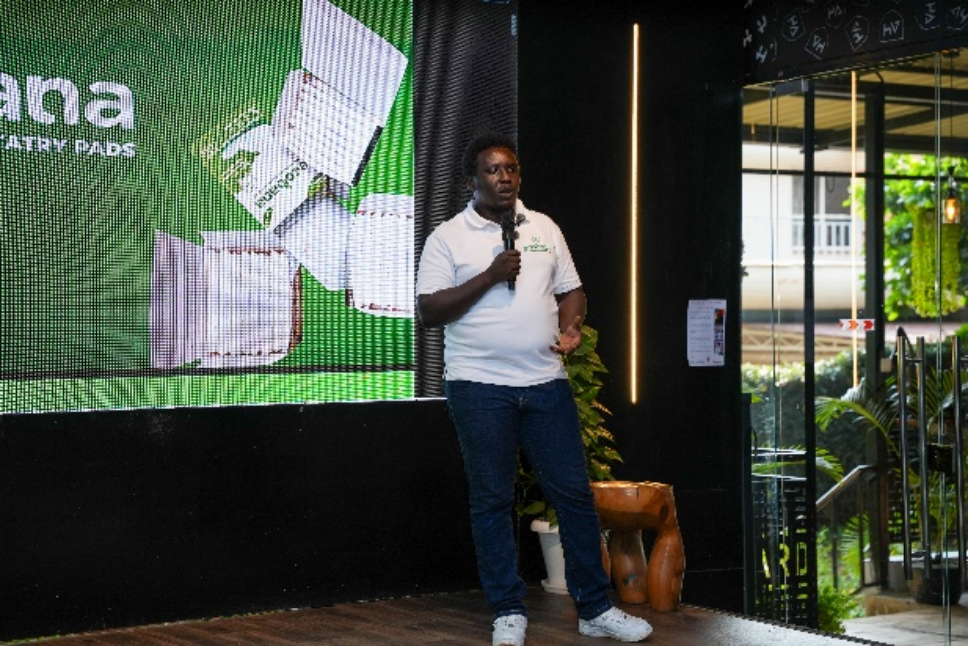
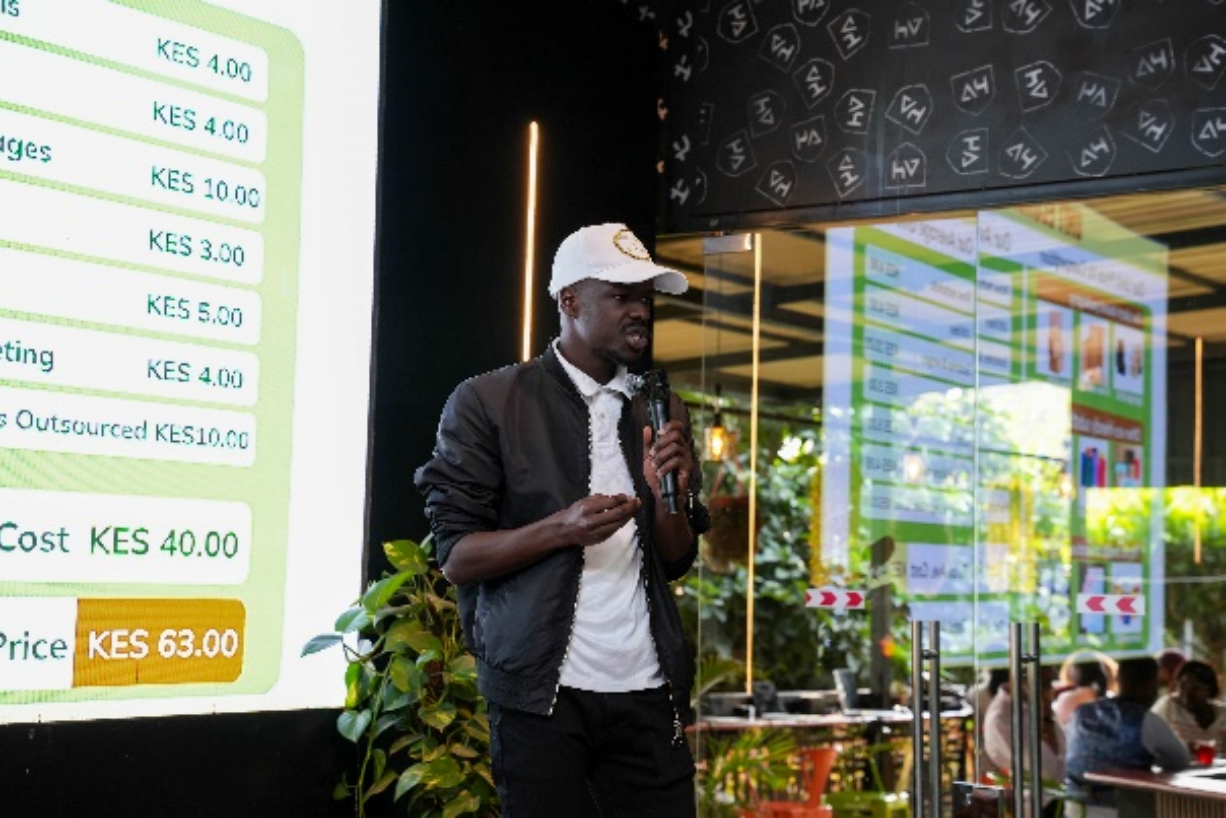
EcoBana: Across Africa, millions of tonnes of agricultural waste are discarded every year, often burned or left to decompose despite their untapped economic potential. At the same time, businesses are under increasing pressure to reduce their reliance on plastic packaging and adopt more sustainable alternatives.

For EcoBana, these two challenges presented a single opportunity.

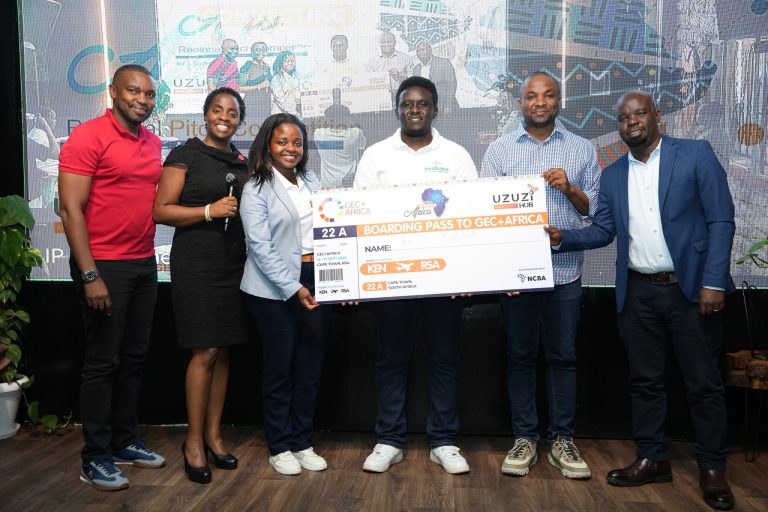
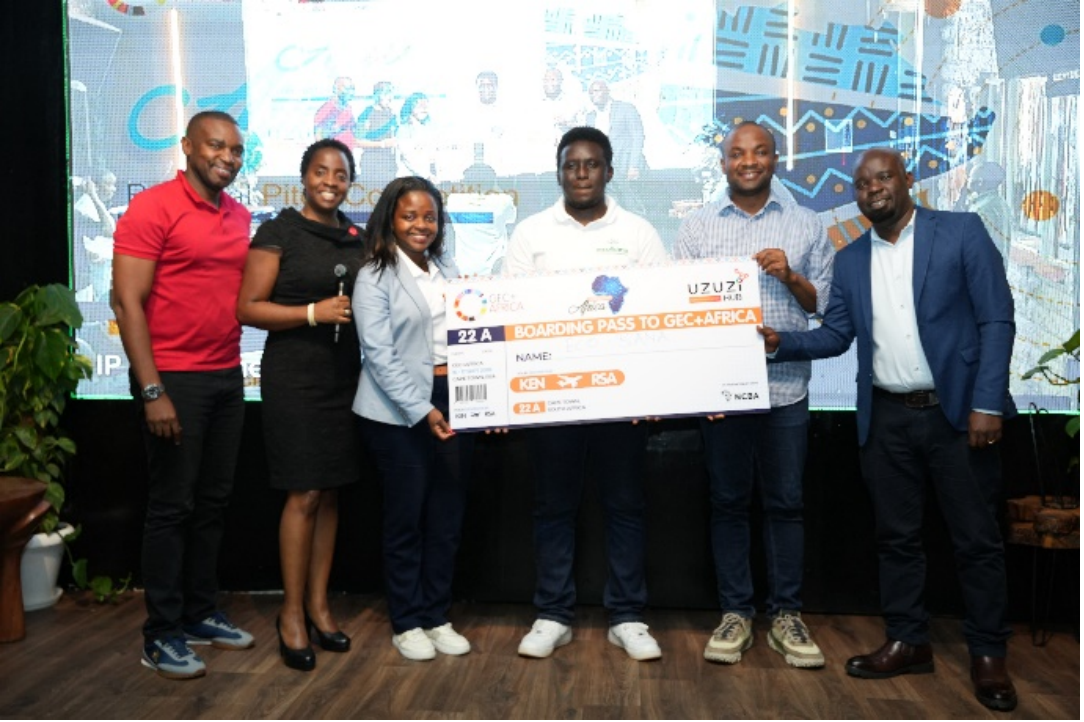
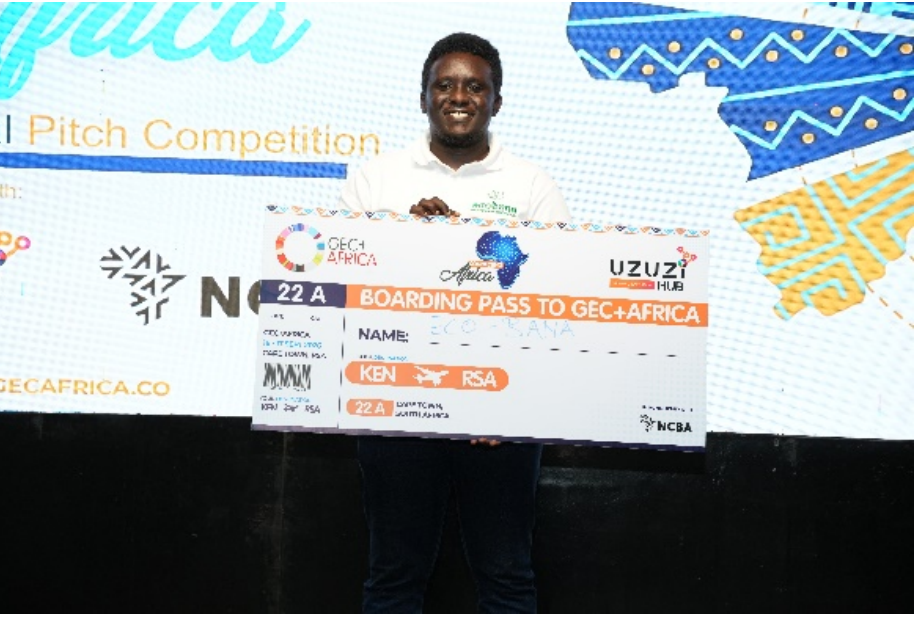
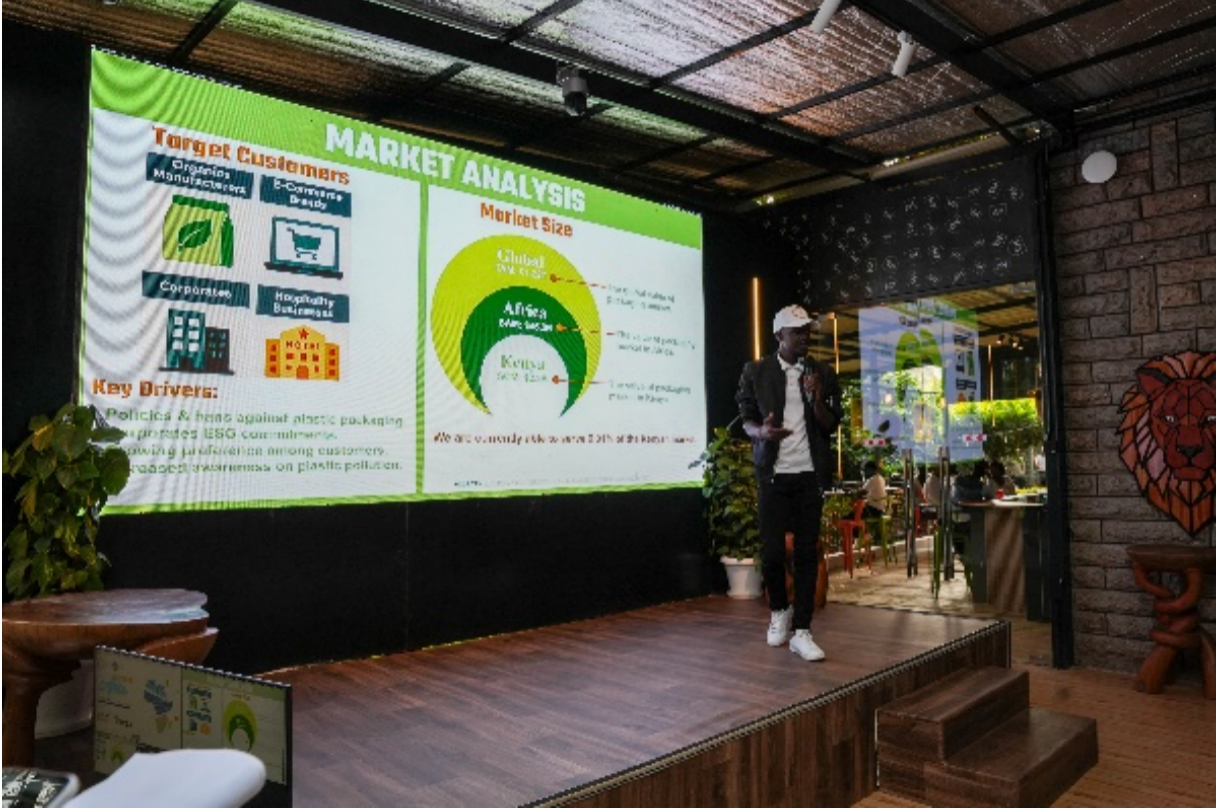
The Kenyan startup, which emerged as the overall winner of the GEC+ Africa Kenya Regional Pitch Competition 2026, has developed an innovative process that converts banana pseudostems, the fibrous trunks left behind after harvesting bananas, into biodegradable, tree-free paper and sustainable packaging products. By turning agricultural waste into commercially viable materials, EcoBana is helping businesses reduce their environmental footprint while creating new income opportunities for farmers and underserved communities.

Solving More Than One Problem

EcoBana’s innovation addresses several interconnected challenges. Plastic pollution continues to threaten ecosystems, while conventional paper production contributes to deforestation and high carbon emissions. At the same time, many smallholder farmers struggle to generate value from agricultural by-products that are often treated as waste.

Mazingira Recyclers: Company making chairs, fencing poles from plastic

By sourcing banana pseudostems from farming communities, EcoBana transforms what was once discarded into a valuable raw material. The result is a biodegradable packaging solution that supports businesses looking for environmentally responsible alternatives while creating additional revenue streams for farmers.

The model also strengthens local communities by integrating women and young people into the production process through training and employment, demonstrating how circular economy businesses can generate both environmental and social impact.

Innovation with Commercial Potential

While sustainability is central to EcoBana’s mission, the company has also built a business model designed for growth.

Rather than simply manufacturing packaging products, EcoBana has positioned itself to serve the growing demand for sustainable packaging among SMEs, agribusinesses, retailers, and FMCG companies responding to changing consumer preferences and environmental regulations.

The startup’s decentralized production model enables manufacturing closer to banana-growing regions, reducing transport costs while creating employment opportunities in local communities. This approach also provides a scalable framework that can be replicated across Kenya and eventually throughout East Africa.

Turning Banana Waste into Sustainable Opportunity: How EcoBana is Building Africa's Circular Economy
Turning Banana Waste into Sustainable Opportunity: How EcoBana is Building Africa’s Circular Economy

From Recognition to Market Validation

EcoBana’s progress reflects both its commercial viability and its growing impact.

The startup has already secured supply agreements with more than 300 businesses, generated over USD 160,000 in revenue, and built partnerships with five farmers’ cooperatives, giving it access to more than 1,600 banana farmers for a consistent supply of raw materials.

Beyond its commercial achievements, EcoBana has trained and engaged approximately 300 women and youth, equipping them with practical manufacturing skills and integrating many into its production process. These efforts have contributed to creating sustainable livelihoods while strengthening local value chains.

Its innovation has also earned national and international recognition, including the Circular Economy Catalyst Award and the 2024 QS ImpACT Green Innovator of the Year Award, reinforcing the startup’s position as one of Kenya’s most promising climate-focused enterprises.

Building a Greener Kenya: Role of Corporate organizations in driving Carbon Neutrality in Kenya

Building Through Resilience

Like many startups, EcoBana’s journey has not been without challenges.

From securing reliable raw materials to refining production processes and operating with limited resources, the team has consistently adapted its approach. Instead of relying on capital-intensive manufacturing facilities, EcoBana developed a decentralized production model that allowed it to continue growing while remaining financially efficient.

The company has also continuously refined its products based on customer feedback, improving quality, durability, and design to compete effectively with conventional packaging solutions.

This willingness to adapt has become one of EcoBana’s greatest strengths and a key reason behind its continued growth.

Looking Beyond Kenya

Following its success at the GEC+ Africa Kenya Regional Pitch Competition, EcoBana is preparing for its next phase of expansion.

The company plans to establish additional processing facilities in major banana-growing regions across Kenya before replicating its community-based production model across East Africa. Alongside expanding its market reach, EcoBana is exploring advanced sustainable packaging products, including moulded food containers and customized packaging solutions for corporate clients.

Its long-term vision is to become one of Africa’s leading providers of sustainable packaging while proving that environmental conservation, inclusive economic growth, and commercial success can go hand in hand.

As the winner of the GEC+ Africa Kenya Regional Pitch Competition 2026, organized by Uzuzi Hub in partnership with GEN Kenya, GEC+ Africa, and NCBA, EcoBana represents the type of innovation the competition seeks to champion: businesses that solve real challenges, create measurable impact, and have the potential to scale across the continent.

Powering Africa’s Electric Future: How LinQ Powr is Solving the Missing Link in E-Mobility

0

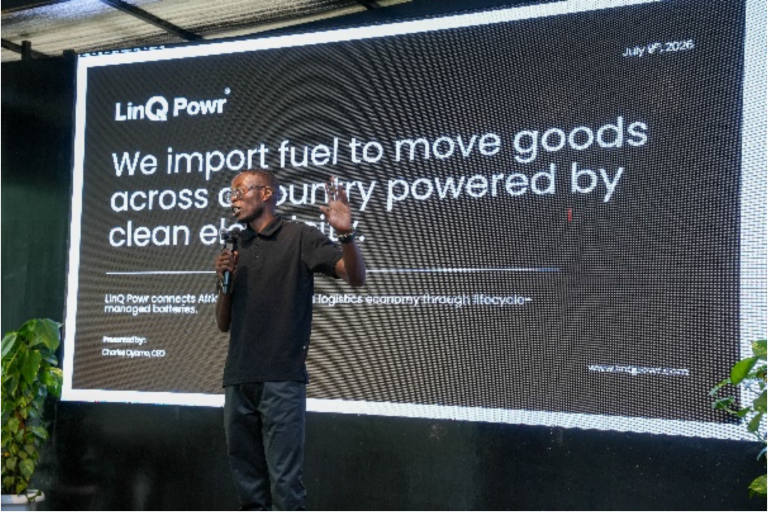
LinQ Powr: Africa’s electric mobility revolution is well underway. Across cities, thousands of riders are switching from petrol-powered motorcycles to electric alternatives, attracted by lower operating costs and a cleaner mode of transport. But while electric motorcycles are becoming more common, one critical challenge remains largely invisible: keeping battery swap stations powered.

For LinQ Powr, this challenge became an opportunity to rethink how Africa powers its growing electric transport ecosystem.

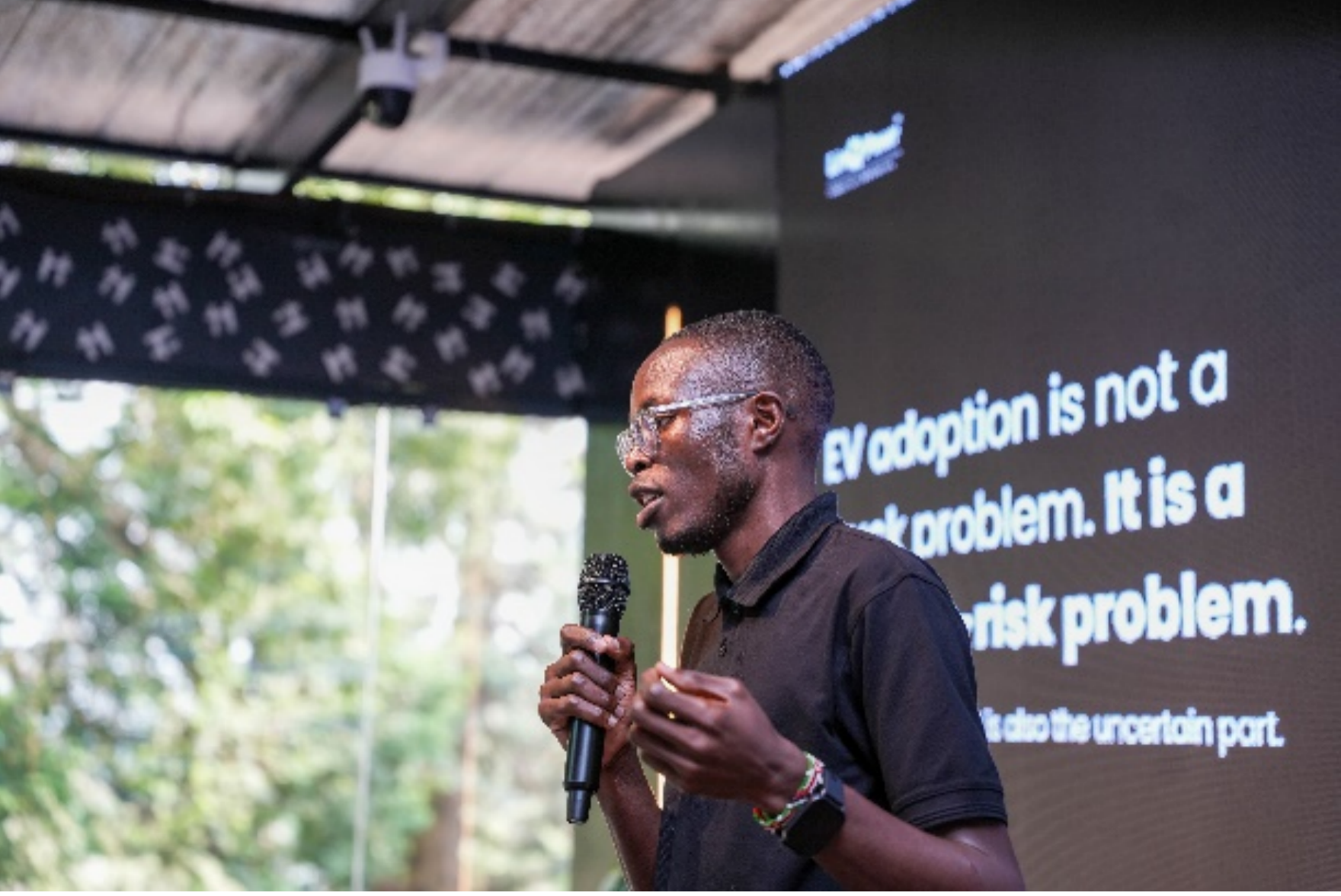
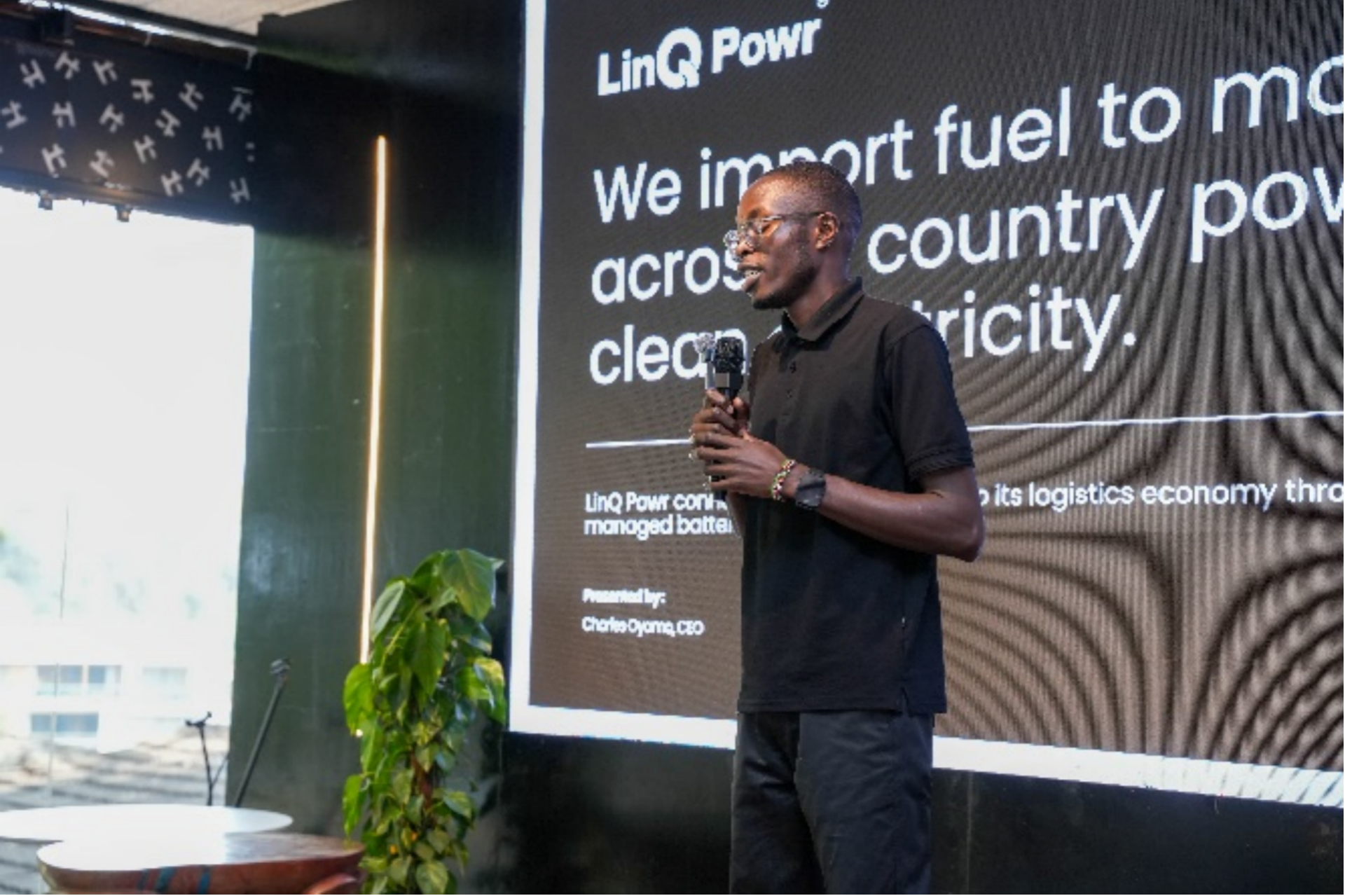
Founded by Charles Oyamo, the Kenyan startup is developing hybrid energy infrastructure to keep electric motorcycle battery-swap stations running even during grid outages. By combining grid electricity, solar energy, second-life EV batteries, and intelligent remote monitoring, LinQ Powr is helping ensure that riders can access fully charged batteries whenever they need them.

Solving the Infrastructure Challenge Behind E-Mobility

Electric motorcycles are transforming urban transport across Africa, but the success of this transition depends on reliable charging infrastructure. Battery swap stations, which allow riders to exchange depleted batteries for fully charged ones within minutes, are becoming the backbone of this ecosystem.

No One-Size-Fits-All: Embracing Unique Journeys in Entrepreneurship

However, unreliable electricity remains a major obstacle.

Frequent power outages and unstable grids can leave swap stations unable to charge batteries, disrupting operations and affecting everyone in the value chain, from riders who rely on their motorcycles for daily income to manufacturers investing in cleaner transport solutions.

LinQ Powr addresses this challenge by providing Energy Infrastructure as a Service. Rather than requiring manufacturers or station operators to invest heavily in backup power systems, the company designs, deploys, operates, and monitors hybrid energy nodes that guarantee greater uptime and operational reliability.

A Smarter Way to Scale Electric Mobility

What makes LinQ Powr unique is that it goes beyond supplying hardware.

The company has positioned itself as a long-term infrastructure partner, taking responsibility for powering, monitoring, and maintaining battery swap stations. This allows electric mobility companies to focus on growing their fleets while LinQ Powr ensures reliable energy behind the scenes.

Its innovative use of second-life EV batteries is another key differentiator. Instead of discarding retired vehicle batteries, the startup repurposes them into stationary energy storage systems, extending their useful life while reducing electronic waste and improving energy resilience.

The approach not only supports sustainable mobility but also demonstrates how circular economy principles can strengthen Africa’s clean energy transition.

Powering Africa's Electric Future: How LinQ Powr is Solving the Missing Link in E-Mobility
Powering Africa’s Electric Future: How LinQ Powr is Solving the Missing Link in E-Mobility

Early Progress with Big Ambitions

Although still in its early stages, LinQ Powr has already achieved several important milestones that validate both its technology and business model.

The startup has generated more than USD 18,000 in early commercial revenue, successfully developed and tested its hybrid energy node, and secured an OEM-backed pilot with Ampersand in Kigali, one of Africa’s leading electric motorcycle companies.

Its work has also attracted international recognition through programmes including Mercedes-Benz beVisioneers and the Enel Foundation/RES4Africa wAtt-Boost Award, providing the team with valuable mentorship and exposure within the global clean energy ecosystem.

These milestones reflect growing confidence in the startup’s vision and demonstrate increasing demand for reliable energy infrastructure as Africa accelerates its shift towards electric mobility.

Uzuzi Hub Launches University Innovation Challenge in Partnership with NCBA Bank

Building Through Adaptability

Like many startups operating in emerging sectors, LinQ Powr has evolved alongside the market it serves.

Founder Charles Oyamo recognised early that unreliable electricity wasn’t simply an operational inconvenience—it was one of the biggest barriers preventing electric mobility from scaling across Africa. Rather than building another battery or solar company, LinQ Powr focused on becoming an independent energy infrastructure provider dedicated to keeping swap stations online.

The company has continued refining its model through field testing, customer feedback, and strategic partnerships while operating within the realities of limited capital and evolving market dynamics.

This ability to adapt has become one of its greatest strengths.

Powering Africa's Electric Future: How LinQ Powr is Solving the Missing Link in E-Mobility
Powering Africa’s Electric Future: How LinQ Powr is Solving the Missing Link in E-Mobility

Looking Ahead

With its pilot deployments underway, LinQ Powr is now preparing for the next stage of growth.

Over the next 12 to 18 months, the company plans to expand beyond individual pilot sites by deploying multiple hybrid-powered swap stations across Kenya and Rwanda. At the same time, it aims to strengthen its remote monitoring platform, enhance second-life battery diagnostics, and build scalable operational systems that support long-term expansion.

Looking further ahead, the company sees opportunities beyond motorcycle battery swapping, including powering electric vehicle fleets, logistics hubs, and distributed clean energy infrastructure across Africa.

Its vision is simple but ambitious: to become one of the companies enabling Africa’s transition to cleaner, more reliable, and more resilient transport systems.

LinQ Powr’s innovative approach earned it a place among the Top 10 finalists of the GEC+ Africa Kenya Regional Pitch Competition 2026, organized by Uzuzi Hub in partnership with GEN Kenya, GEC+ Africa, and NCBA. The competition recognizes startups developing scalable solutions that address real challenges while creating lasting economic, social, and environmental impact.

From Farm Waste to Sustainable Packaging: How Zuripacks is Turning Banana Stems into a Circular Economy Success Story

0

Africa produces nearly 90 million tonnes of banana crop waste, much of which is left to decompose or burned after harvest. At the same time, demand for sustainable packaging continues to grow as businesses seek alternatives to plastic and paper products that contribute to pollution and deforestation.

For Zuripacks Limited, these two challenges presented a unique opportunity.

The Kenyan startup has developed an innovative process that transforms discarded banana pseudostems into biodegradable, tree-free packaging products, creating value from agricultural waste while supporting farmers, protecting forests, and reducing plastic pollution.

Its innovative approach earned the company a place among the Top 10 finalists of the GEC+ Africa Kenya Regional Pitch Competition 2026, where it showcased how circular economy solutions can drive both environmental sustainability and economic growth.

Kenya’s Top Startups & MSMEs Set to Compete at the GEC+ Africa Kenya Regional Pitch Competition

Seeing Value Where Others Saw Waste

Bananas are among Kenya’s most widely grown crops, yet once harvested, the stems are often discarded despite containing strong natural fibres ideal for manufacturing.

Zuripacks saw an opportunity to rethink this waste stream.

Using locally sourced banana pseudostems, the company produces durable paper fibre that is transformed into shopping bags, food containers, cartons, and other packaging products. The result is a locally manufactured alternative that reduces dependence on plastic while avoiding the environmental costs associated with traditional paper production.

Beyond producing sustainable packaging, the company has built a model that creates additional income for farmers by purchasing materials that previously had little or no economic value.

From Farm Waste to Sustainable Packaging: How Zuripacks is Turning Banana Stems into a Circular Economy Success Story

Building a Business Around Sustainability

Zuripacks has positioned itself at the intersection of agriculture, manufacturing, and environmental conservation.

Its business model focuses on supplying environmentally friendly packaging solutions to SMEs, retailers, agribusinesses, and commercial enterprises increasingly looking to meet consumer demand for sustainable products.

To support long-term growth, the startup is also developing decentralized micro-processing units that enable fibre extraction closer to farming communities. This approach reduces transportation costs, strengthens local supply chains, and creates employment opportunities in rural areas while ensuring a consistent supply of raw materials.

The combination of environmental impact and commercial viability makes the business well-positioned to serve Africa’s rapidly growing sustainable packaging market.

Uzuzi Hub Takes the Global Stage in Innovation

Growing Through Partnerships and Innovation

Zuripacks has already demonstrated strong market traction.

The startup has generated more than USD 160,000 in revenue, secured over 300 business supply contracts, and built partnerships with 1,600 farmers and 10 community organizations across Kenya. These collaborations have strengthened local agricultural value chains while helping businesses transition toward more sustainable packaging options.

Its work has also received national recognition, including the Circular Economy Catalyst Award and the 2024 Green Innovator of the Year Award, highlighting the growing importance of circular economy businesses within Kenya’s innovation ecosystem.

From Farm Waste to Sustainable Packaging: How Zuripacks is Turning Banana Stems into a Circular Economy Success Story

A Vision Beyond Packaging

For Zuripacks, sustainability is not simply about replacing plastic; it is about reimagining how agricultural waste can fuel economic development.

The company envisions expanding its production capacity, growing its network of farmer partners, and introducing additional fibre-based packaging products to meet increasing demand across East Africa. By strengthening local manufacturing and reducing reliance on imported packaging materials, Zuripacks hopes to contribute to a more resilient and environmentally responsible economy.

Its long-term ambition is to demonstrate that Africa’s agricultural resources can support globally competitive manufacturing while creating opportunities for farmers, businesses, and communities alike.

As one of the Top 10 finalists of the GEC+ Africa Kenya Regional Pitch Competition 2026, organized by Uzuzi Hub in partnership with GEN Kenya, GEC+ Africa, and NCBA, Zuripacks exemplifies the type of innovation the competition seeks to champion: solutions that tackle pressing environmental challenges while creating sustainable businesses with the potential to scale across the continent.

PSC announces 130 job vacancies across ministries, universities

0

The Public Service Commission (PSC) has announced 130 vacancies across government ministries, public universities and the National Government Constituencies Development Fund (NG-CDF) Board in its latest recruitment drive targeting qualified Kenyans.

In a notice published on July 21, the Commission invited applications for senior university leadership positions, foreign service roles, correctional services jobs and a board appointment under the National Treasury and Economic Planning.

The recruitment includes top management positions in public universities, with Bomet University seeking a Vice Chancellor, while the Technical University of Mombasa is recruiting a Deputy Vice Chancellor (Administration, Finance and Planning).

Kabarnet University College has also advertised four senior positions comprising a Deputy Vice Chancellor, a Deputy Principal (Academics, Research, Extension and Student Affairs) and a Deputy Principal (Administration, Planning and Finance).

Outside the university sector, the PSC is seeking a Member – Board of Directors, National Government Constituencies Development Fund (NG-CDF), under the National Treasury and Economic Planning.

The largest recruitment is at the Ministry of Foreign Affairs, which is hiring Foreign Service Cadet/Third Secretary Cadet (100 positions) under Job Group CSG 11.

The State Department for Correctional Services is also recruiting Hospitality Officer I (5) in Job Group CSG 11 and Instructor II (20) in Job Group CSG 12.

How to apply

The Commission advised interested applicants to visit the Public Service Commission website for detailed information on the advertised positions, qualification requirements, and application procedures.

Applications can be submitted online through the PSC website or the PSC jobs portal by following the instructions provided on the platform.

Applicants who prefer manual submission may hand-deliver their applications to the Office of the Secretary/Chief Executive Officer, Public Service Commission, 4th Floor, Commission House, off Harambee Avenue, Nairobi.

Alternatively, applications may be sent through Registered Mail addressed to the Secretary/CEO, Public Service Commission.

Interview requirements

PSC said candidates shortlisted for interviews will be required to present original copies of their National Identity Card, academic and professional certificates, including transcripts, as well as any other supporting documents and testimonials.

They will also be expected to provide valid clearance certificates from the Kenya Revenue Authority (KRA), Ethics and Anti-Corruption Commission (EACC), Higher Education Loans Board (HELB), a registered Credit Reference Bureau (CRB) and the Directorate of Criminal Investigations (DCI) Police Clearance unit.

Where applicable, candidates must also submit recommendations from relevant professional bodies and associations, alongside recommendations from at least three referees, which should be sent separately to the address specified by the Public Service Commission.

Also Read: Kenya School of Government announces 122 job vacancies; details & how to apply

Airtel raises Airtel Money charges on cross-network transfers, cash withdrawals

0

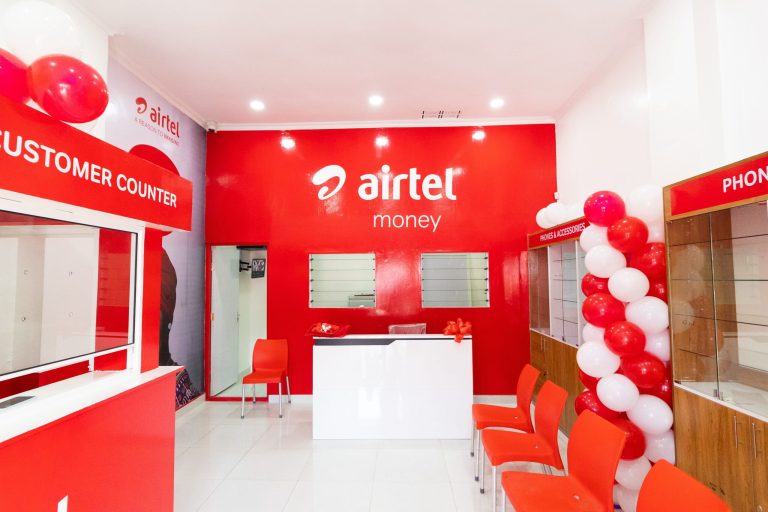
Airtel Kenya has revised its Airtel Money tariff structure, increasing the cost of sending money to other mobile networks and withdrawing cash through Airtel Money agents.

The updated charges leave Airtel-to-Airtel money transfers unchanged, with customers continuing to enjoy free transactions within the network.

However, users making transfers to other mobile money platforms will now pay higher fees across most transaction bands.

“We have waived all person-to-person transaction fees for Airtel Money customers across all the bands. Further to this, in boosting and supporting the SME and micro business enterprise, together with the Central Bank of Kenya, we have also revised the transaction limits for Airtel Money,” the telco stated

Under the new pricing, customers sending between Sh50 and Sh100 to another mobile network will pay a transfer fee of Sh7. Transfers ranging from Sh101 to Sh500 will now attract a charge of Sh13, while those sending between Sh501 and Sh1,000 will pay Sh23.

The revised tariffs also show significant increases for higher-value transactions. Customers transferring between Sh1,001 and Sh1,500 will now pay Sh33, while those sending between Sh1,501 and Sh2,500 will be charged Sh53.

For transfers valued between Sh2,501 and Sh3,500, the fee has been set at Sh57, rising to Sh78 for amounts between Sh3,501 and Sh5,000.

Customers sending between Sh5,001 and Sh7,500 will pay Sh90, while transactions ranging from Sh7,501 to Sh10,000 will cost Sh100. Transfers of between Sh10,001 and Sh15,000 will attract a fee of Sh110.

Airtel Kenya has also adjusted cash withdrawal charges at Airtel Money agents, with fees varying depending on the amount withdrawn.

Customers withdrawing between Sh50 and Sh100 will pay Sh11, while withdrawals ranging from Sh101 to Sh2,500 will attract a fee of Sh29. Those withdrawing between Sh2,501 and Sh3,500 will be charged Sh52.

The withdrawal fee increases to Sh69 for transactions between Sh3,501 and Sh5,000, Sh87 for amounts between Sh5,001 and Sh7,500, and Sh115 for withdrawals of between Sh7,501 and Sh10,000.

Customers withdrawing between Sh10,001 and Sh15,000 will now pay Sh167.

Also Read: Esther Waititu ends Safaricom stint after leading M-Pesa innovation

Inside Esther Waititu’s mission to make M-PESA a lifeline for millions

0

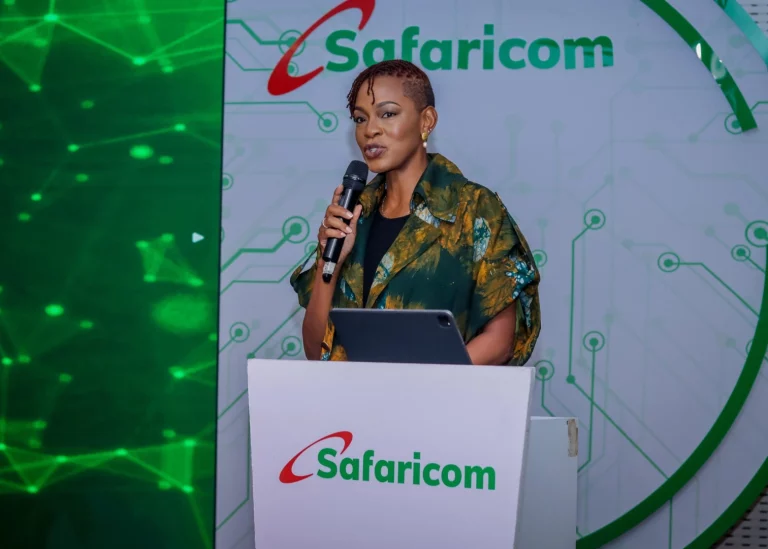
Safaricom’s Chief Financial Services Officer Esther Waititu is set to leave the telecommunications giant at the end of the month, bringing to a close a tenure marked by the rapid expansion of M-PESA into a broad digital financial services platform.

In an internal memo to employees, Safaricom Chief Executive Officer Peter Ndegwa announced that Waititu will step down effective July 31, 2026, saying she had requested to leave the company to pursue other opportunities.

During her tenure, Waititu led the transformation of M-PESA from a mobile payments service into a comprehensive financial ecosystem offering savings, credit, insurance and investment solutions.

The shift has reinforced the platform’s position as a digital financial partner for millions of customers beyond its traditional role as a money transfer service.

Among the key milestones achieved under her leadership was the rollout of the M-PESA SuperApp, which expanded the platform into a lifestyle hub by integrating more than 80 mini-applications.

The SuperApp enables users to access a range of services, including shopping, transport and digital utilities, through a single interface.

She also oversaw the development of the Ziidi Investment Platform, including the introduction of Ziidi Shariah and the Ziidi Money Market Fund (MMF), broadening investment opportunities available through M-PESA.

Another major innovation during her leadership was the launch of M-PESA Ratiba, a mobile money standing order solution that allows customers to automate recurring payments and savings.

Waititu also spearheaded the expansion of digital credit products designed for retail customers, businesses and public sector institutions, strengthening M-PESA’s footprint in Kenya’s financial services market.

She leaves behind a legacy defined by financial inclusion, digital innovation and products that expanded M-PESA beyond payments into savings, investments, insurance and business solutions.

In a farewell message, Waititu said her mission was to transform M-PESA into “a lifeline platform” that enables customers to save for school fees, insure against risks, access credit to grow businesses and build wealth for future generations.

“3 years ago, M-PESA was already Africa’s leading digital payment platform. I believed we could do more. With an exceptional team, we set out to make it a lifeline platform, one that helps people save for school fees, insure against risk, borrow to grow, and build wealth for the next generation,” Waititu stated.

“Pochi la Biashara let micro-entrepreneurs, food vendors, kiosk owners, boda-boda operators, separate business from personal funds and grow with confidence. Tuunza Mapato and device insurance protected not just their income but the tools that income depends on, so one accident or one stolen phone no longer undoes years of progress. Ziidi has helped over 5 million people earn daily interest and take their first step into formal investing,” she added.

She further hailed her efforts on the launch of Ziidi Trader, a platform that brought stock market investing directly to M-PESA users.

Developed in partnership with the Nairobi Securities Exchange (NSE), the Capital Markets Authority (CMA), KASIB Kenya and the Central Depository and Settlement Corporation (CDSC), the service enables customers to purchase listed shares through their mobile phones without opening a traditional brokerage account.

Beyond customer-facing products, Waititu oversaw significant investments in the technology powering M-PESA.

Under the Fintech 2.0 programme, Safaricom re-engineered the platform’s underlying infrastructure to improve reliability, scalability and future innovation.

The company also launched Daraja 3.0, an upgraded developer platform that opened M-PESA’s infrastructure to software developers, enabling them to build new financial solutions on top of the ecosystem.

According to Waititu, some of the innovations now running on M-PESA were created by developers she has never met, a reflection of the open innovation model the company embraced.

“With the ecosystem now firmly established, the time feels right for a new chapter. I am stepping down from Safaricom with enormous pride in what we built as a team, and with the conviction that drew me here: that finance should serve everyone,” she added.

She thanked Safaricom Group Chief Executive Officer Peter Ndegwa, the company’s board, investors, colleagues and customers for their support throughout her journey, adding that she will soon announce her next career move.

“Thank you to Dr. Peter Ndegwa C.B.S for your steadfast trust and partnership, to Adil Khawaja SC, MBS, MGH and the Board, to investors for our vision, and most of all, to my incredible team and to our customers, the people who inspire us daily,” she added.

Before joining Safaricom, Waititu served as Director of Corporate Banking at KCB Group. Her career spans several of the region’s leading financial institutions, including Commercial Bank of Africa, Standard Chartered Bank, Stanbic Bank and KCB Group.

She holds a Bachelor of Business Administration degree from the University of Eastern Africa, Baraton, a Master of Business Administration from the University of Liverpool, and is an AoEC Accredited Executive Coach.

Also Read: Kenya Airways restores Boeing 777 to London route, boosting capacity and global connectivity

NCBA deepens affluent banking push with exclusive platinum and premier client experiences NAIROBI, Kenya

0

NCBA Bank is reinforcing its leadership in Kenya’s affluent banking segment through two exclusive client engagements that blend premium lifestyle experiences with personalized wealth and Asset Finance Advisory. Held concurrently under the Bank’s Platinum and Premier Banking propositions, the engagements reflect NCBA’s commitment to relationship-led banking by creating tailored experiences that resonate with the distinct needs and aspirations of its affluent clientele.

Platinum clients enjoy exclusive World Cup final experience

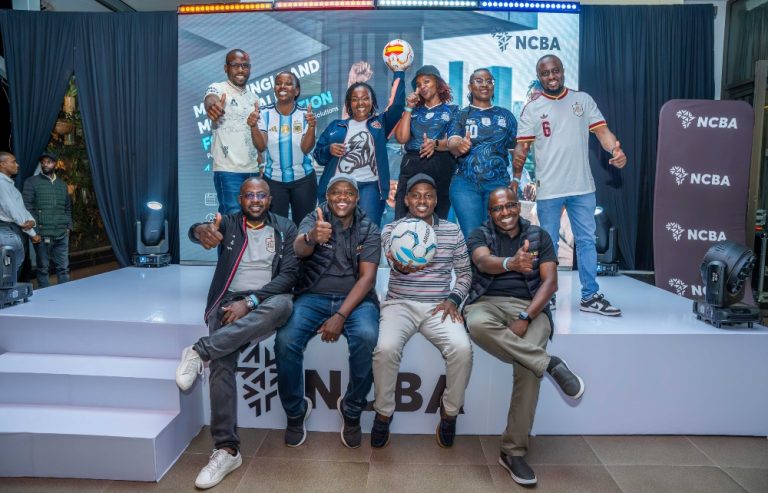
The Platinum Banking engagement brought together more than 60 Platinum Banking clients and select prospective customers at the Radisson Blu Hotel, Nairobi, for an exclusive live viewing experience of the international football final between Spain and Argentina. The invitation-only event provided a unique platform for networking, relationship building and meaningful conversations centered on wealth creation, preservation and long-term financial planning.

Wealth advisory beyond traditional banking

Designed to deepen relationships in an increasingly competitive affluent banking landscape, the gathering brought together clients, wealth advisors and senior leaders in an informal yet premium setting. Beyond the match, guests engaged in personalized discussions around investment opportunities, portfolio diversification, wealth preservation and succession planning, while gaining insights into how NCBA’s integrated financial ecosystem can support both their personal and business ambitions.

The Platinum Banking proposition offers clients access to a comprehensive wealth ecosystem comprising dedicated relationship management, investment advisory, structured investment products, deposit solutions, lifestyle financing and personalized financial planning. Together, these solutions are designed to support clients throughout every stage of their wealth journey; from wealth accumulation and preservation to succession planning and intergenerational wealth transfer.

Running an Event in Nairobi? Here’s Why Myjiji Is the Smartest Place to List It

NCBA emphasizes relationship-led banking

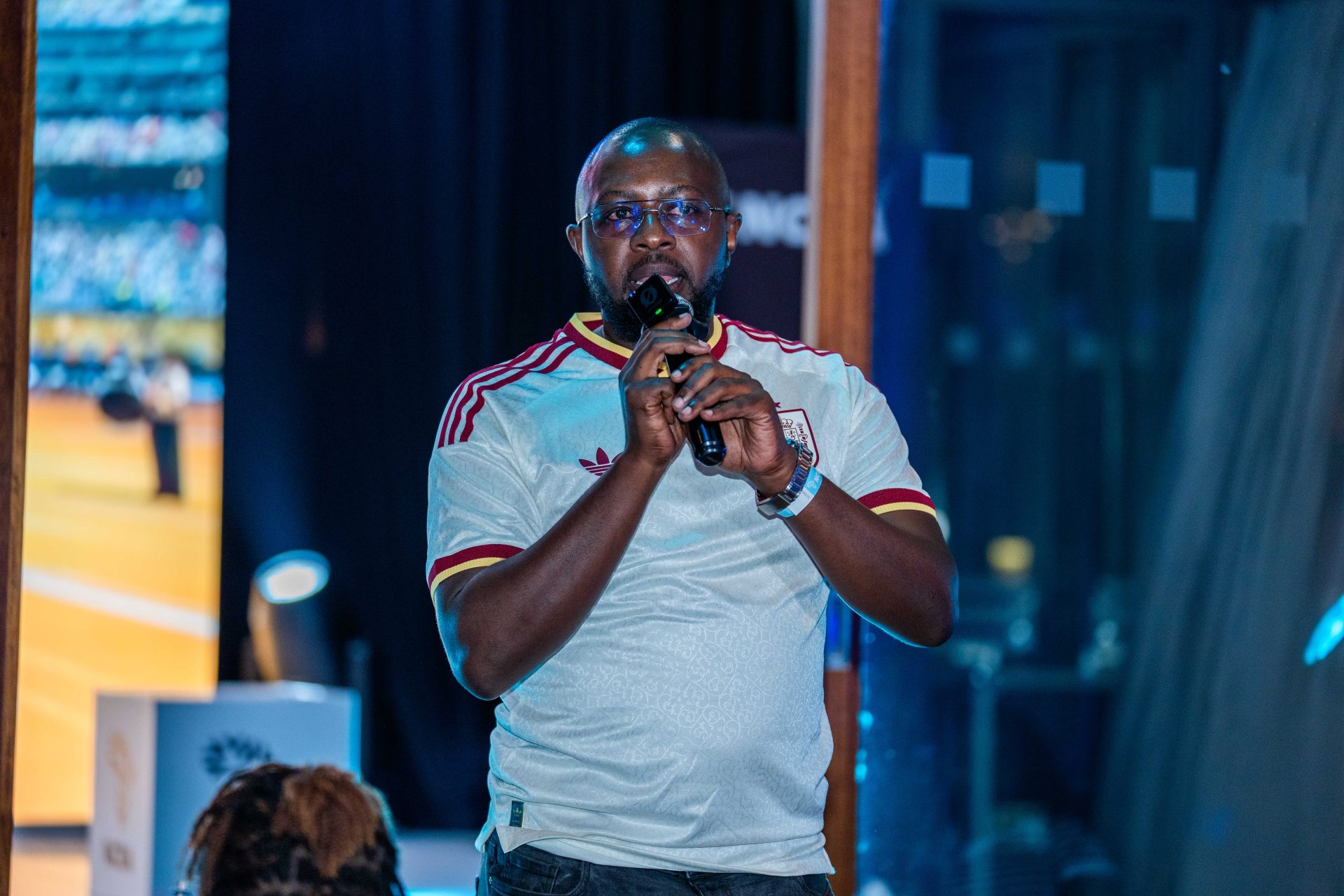
Speaking during the event, Dennis Njau, Group Director, Retail Banking at NCBA, said: “At NCBA, our purpose is Banking on Belief, Empowering Ambition, and for our affluent clients, this means delivering more than exceptional financial solutions. It is about building trusted relationships and creating experiences that align with their lifestyles, passions, ambitions and long-term wealth aspirations. Through our Platinum and Premier Banking propositions, we combine personalized advisory, investment expertise and curated lifestyle experiences to help clients grow, preserve and seamlessly transition their wealth with confidence.

He added, “This engagement reflects our commitment to deepening client relationships by connecting through shared passion points that matter most to them. These experiences create meaningful opportunities for authentic conversations, enabling us to better understand our clients’ evolving needs while showcasing the breadth of solutions across the NCBA ecosystem. By bringing together lifestyle, expertise and financial innovation, we empower our clients to make informed decisions and confidently achieve their long-term ambitions.”

Premier Banking showcases luxury asset financing

Running concurrently, NCBA also hosted an exclusive Premier Banking engagement at the Jaguar Land Rover showroom in partnership with Inchcape Kenya. Curated for the Bank’s highest-tier banking clients, the experience showcased premium asset financing solutions while highlighting how the Bank’s integrated ecosystem combines bespoke wealth advisory with tailored financing options for the acquisition of luxury and high-value assets.

World Cup 2026: A Masterclass in Strategy, Luck, and Giving Everything for the Ultimate Prize

Strategic partnerships drive premium client value

The Premier Banking engagement provided clients with the opportunity to interact with NCBA’s asset finance specialists alongside representatives from Inchcape Kenya, demonstrating how strategic partnerships enable the Bank to deliver end-to-end financial solutions that support clients’ lifestyle aspirations while preserving long-term financial wellbeing.

Dual engagements reinforce affluent banking strategy

Together, the two engagements underscore NCBA’s differentiated approach to affluent banking. While the Platinum Banking experience centered on wealth conversations within a premium lifestyle setting, the Premier Banking engagement focused on bespoke financing solutions for high-value assets. Both experiences reflect the Bank’s commitment to delivering personalized value through curated engagements that extend beyond conventional banking, connecting clients with the expertise, solutions and partnerships that matter most to their financial journeys.

Investing in long-term client relationships

As the expectations of affluent customers continue to evolve, NCBA remains focused on investing in relationship-led banking models that combine expert financial guidance with meaningful client experiences. By creating tailored engagements for different customer segments, the Bank is strengthening relationships, delivering personalized value and reinforcing its position as a trusted partner in wealth creation, preservation and long-term financial success.

Equity retirement funds post double-digit returns as assets hit KSh900 million

Two retirement schemes sponsored by Equity Life Assurance delivered double-digit returns above the industry average in 2025, with their combined assets under management surpassing Sh900 million, underscoring growing demand for structured retirement savings and income solutions.

Equity cites growing confidence in retirement planning

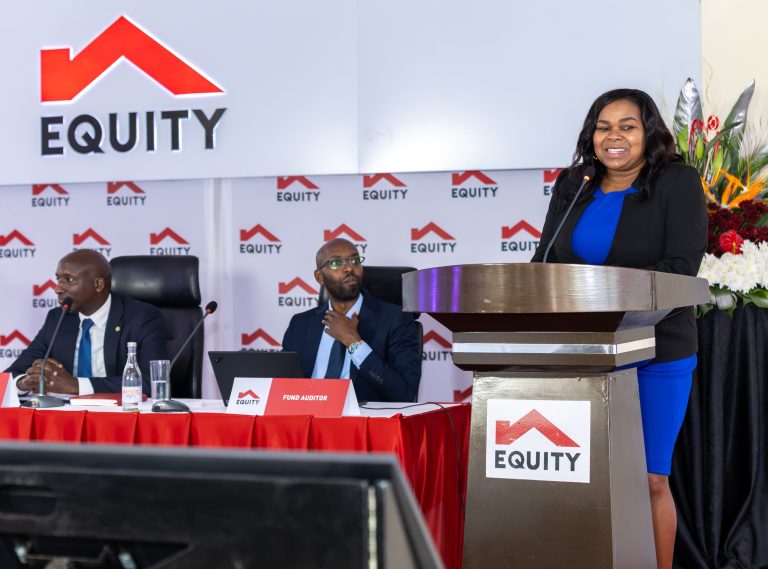
Speaking during the Annual General Meetings of the Equity Income Drawdown Fund and the Equity Individual Savings and Retirement Plan, Equity Life Assurance Managing Director and Principal Officer Angela Okinda said the strong performance reflected disciplined investment management and increasing confidence among members.

“The continued growth in assets and membership is a clear signal of growing confidence in this Plan as a serious, credible vehicle for individual retirement planning in Kenya,” Ms Okinda said.

Individual Savings and Retirement Plan records rapid asset growth

The Equity Individual Savings and Retirement Plan recorded the strongest growth, with assets under management rising from Sh313 million at the end of 2024 to Sh518 million by December 2025 before reaching Sh796 million by June 30, 2026, representing growth of more than 154 per cent within 18 months.

The plan, which had 408 members by the end of 2025, posted a net return of 13.6 per cent for the year ended December 2025, outperforming the industry’s average return of 10.2 per cent.

Building Sh5 million retirement home is my biggest financial regret

Income Drawdown Fund delivers strong returns

The Equity Income Drawdown Fund also maintained strong momentum, with assets under management increasing from Sh44 million at the end of 2024 to Sh104 million by December 2025 before rising to Sh109 million by June 2026, representing growth of more than 148 per cent over the same period.

The fund delivered a net return of 13.8 per cent in 2025, also outperforming the industry average of 10.2 per cent.

Ms Okinda said the drawdown fund reflects Equity Group’s broader mission of extending financial inclusion beyond working life by providing retirees with sustainable income solutions.

“Our purpose remains to transform lives by increasing access to affordable financial services and wealth creation opportunities. The Income Drawdown Fund and Individual Savings and Retirement Plan are natural extension of that promise, ensuring members continue to enjoy financial security after formal employment,” she said.

RBA commends governance and performance

Retirement Benefits Authority (RBA) representative Peter Mugambi said the two schemes have consistently demonstrated strong performance since their inception, earning top ratings from the regulator.

“At the RBA, we use a rating scale of one to five, where five represents the poorest-performing schemes while two and below are considered among the best performers. I am pleased to note that both schemes have consistently maintained ratings below 1.5, which is an indication of strong governance and performance,” Mugambi said.

Your pension, Your pace: building lasting income after retirement

Trustees express confidence in future growth

Equity Income Drawdown Fund Corporate Trustee Anthony Odhiambo attributed the fund’s resilience to collaboration among the sponsor, service providers and members despite economic and geopolitical uncertainties experienced during the year.

“Despite the economic and geopolitical challenges experienced both locally and globally, the Fund has remained resilient through the commitment and collaboration of all stakeholders,” he said.

For the Individual Savings and Retirement Plan, Corporate Trustee Anthony Kilavi lauded the performance, saying the signs were clear that the positive results will continue.

“The return credited to members’ accounts was 13.6 per cent, well above the industry average of 10.2 per cent. Economic conditions in 2025 were favorable, and 2026 is also looking positive, giving us confidence that the scheme will continue delivering strong double-digit returns,” he said.

Growing demand for professionally managed retirement savings

The strong performance of the two schemes comes at a time when more Kenyans are being encouraged to strengthen their retirement savings amid rising life expectancy, inflation and economic uncertainty.

By delivering returns above the industry average while growing their asset base and membership, the schemes signal increasing confidence in professionally managed retirement solutions as individuals seek greater financial security beyond their working years.