

Home Blog Page 33

Why an investment in sustainable agriculture must include the African smallholder

Africa’s agricultural future will not be decided in boardrooms or international climate conferences. It will be determined on millions of small farms where families wake before dawn to cultivate the crops that feed our communities, power local industries and sustain rural economies. If the continent is serious about building resilient agricultural value chains, then sustainability must include the smallholder.

Across sub-Saharan Africa, smallholder farmers produce up to 80 per cent of the region’s food supply while accounting for the livelihoods of hundreds of millions of people. Yet they remain among the most vulnerable to climate change, volatile commodity prices, declining soil fertility and limited access to finance. The paradox is stark: those who contribute the least to global emissions are often the first to bear the consequences of a changing climate.

This challenge extends to Africa’s palm oil sector. While global conversations about palm oil often focus on Southeast Asia, Africa is the crop’s ancestral home and is increasingly becoming part of the global sustainability agenda. Smallholders are estimated to account for nearly 70 per cent of Africa’s palm oil production, making them indispensable to both food security and economic development.

Demand for vegetable oils is projected to continue rising as populations grow and urbanisation accelerates. The question, therefore, is not whether Africa should produce more palm oil, but how it can do so responsibly. Expanding production at the expense of forests, biodiversity and community rights would be a costly mistake. Equally, denying smallholders access to growing markets because they cannot meet sustainability requirements would only deepen rural inequality.

Revolutionizing Kenya’s agricultural Sector: A blueprint for sustainable investment

Investing in Smallholders as the Foundation of Sustainable Agriculture

The solution lies in making sustainability an investment rather than a compliance exercise. Certification is often viewed as an extra cost rather than an investment. Yet, experience increasingly shows that sustainable production improves productivity, strengthens resilience and opens access to premium markets. Better agricultural practices can reduce unnecessary input costs, improve yields and protect natural resources that farmers depend upon for future harvests. Sustainability, in other words, is becoming central to business competitiveness.

This was a recurring message during the recent RSPO Africa Supply Chain Forum held in Nairobi, which brought together growers, manufacturers, refiners and other downstream actors to explore how Africa can accelerate the uptake of certified sustainable palm oil. The Roundtable on Sustainable Palm Oil (RSPO) acknowledges that transforming the market requires more than standards. It demands stronger partnerships across governments, financial institutions, buyers and producers.

Encouragingly, there are signs of progress. Through the RSPO Smallholder Support Fund, more than US$800,000 has been invested in projects supporting independent smallholders across six African countries. In Sierra Leone alone, over 5,000 independent farmers have achieved certification through Africa’s first certified independent smallholder group, demonstrating that sustainability is achievable when farmers receive the right technical support and market incentives.

Why Sustainable Palm Oil Matters for Africa’s Economic Growth

The broader economic context makes this work even more urgent. According to the African Development Bank (AfDB), agriculture contributes approximately 23 per cent of Africa’s GDP and employs more than half of the continent’s workforce. By 2050, Africa’s population is expected to approach 2.5 billion people, significantly increasing demand for food, edible oils and agricultural commodities. Meeting that demand sustainably will require productivity gains and ensuring any required agricultural expansion does not compromise forests and high conservation value areas.

Data-Driven Revolution: How African Policymakers Can Transform Agriculture

Kenya holds an opportunity. Although not a palm oil-producing country, it is one of Africa’s largest importers of edible oils and an important manufacturing hub for consumer goods. Decisions made by processors, retailers and manufacturers in Nairobi have implications that extend across regional supply chains. Growing palm oil production in West and Central Africa could create future intra-African trade. As more companies adopt sustainability commitments, market demand for certified products is likely to increase.

Removing Barriers Facing Africa’s Smallholder Farmers

The challenge is ensuring that smallholders are not left behind. For many farmers, barriers remain practical rather than ideological. Limited access to affordable finance constrains investment in improved seedlings and farm management. On many smallholder farms, the oil palm plants are past their productive lifecycle because farmers cannot afford to replant, lacking alternative crops or income sources to sustain them during the three to four years before the new oil palm is commercially productive. Land tenure insecurity discourages long-term investment.

These obstacles are not insurmountable. They require coordinated action. Financial institutions can develop lending products tailored to smallholder realities. Development partners can continue investing in farmer training and capacity building. The private sector can reward sustainable production through long-term sourcing commitments that provide farmers with confidence to invest, in addition to incentives such as premiums.

Building Resilient Agricultural Value Chains for Africa’s Future

Africa has an opportunity to chart a course towards sustainability that provides economic growth by creating resilient farming communities and stable supply chains that attract foreign investment and ensure environmental protection. That opportunity begins with recognising the smallholder as the greatest strategic asset in the value chain.
Features of Co-op Bank’s premium account for executives and business leaders

In today’s fast-evolving financial landscape, choosing the right bank account has become as important as selecting the right investment.

For senior executives, entrepreneurs and high-net-worth individuals, banking is no longer just about depositing money or making withdrawals.

It is about accessing financial solutions that complement their lifestyle, safeguard their wealth and simplify the management of their personal and business finances.

As incomes grow and financial portfolios become more sophisticated, customers increasingly seek banking products that reflect their evolving needs.

Premium accounts have emerged as an attractive option, offering a balance between convenience, accessibility and tailored service.

These accounts are designed for customers who require more than standard banking, providing features that support efficient financial management while maintaining the flexibility expected by professionals with demanding schedules.

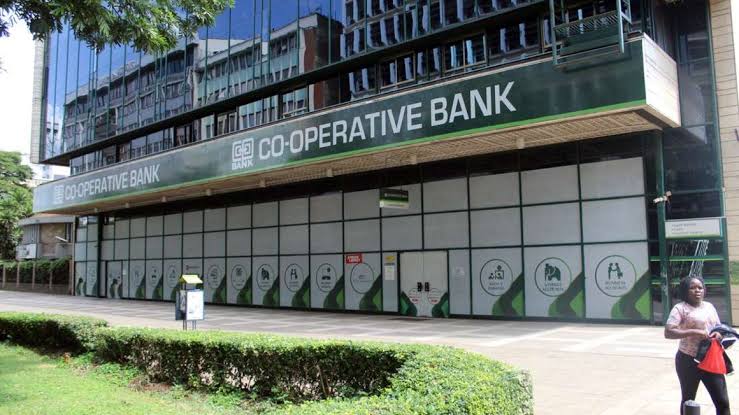
A good example of such products is the Co-operative Bank of Kenya’s Goldfish Access Account, a banking solution tailored for senior executives, businesspeople and high-net-worth individuals seeking a seamless and reliable banking experience.

The account is structured to provide customers with a straightforward way to manage their finances while maintaining access to banking services suited to individuals handling significant financial transactions.

One of the defining characteristics of the Goldfish Access Account is its minimum opening and operating balance of Sh50,000.

This threshold positions the account within the premium banking segment while ensuring customers maintain a healthy working balance that supports everyday banking requirements.

Maintaining the prescribed balance also enables account holders to avoid a monthly maintenance fee of Sh400, which applies when the account balance falls below the required minimum.

How to open Co-op Bank Goldfish Account

Opening a Goldfish Access Account is designed to be a straightforward process.

Prospective customers are required to present an original national identity card or passport together with a copy, provide a copy of their Kenya Revenue Authority (KRA) PIN certificate, submit details of one referee and deposit the minimum opening balance of Sh50,000.

The Co-op Bank Goldfish account reflects the growing importance of convenience in modern banking.

Senior executives and entrepreneurs often juggle multiple financial responsibilities ranging from personal expenses and investment commitments to business obligations.

A banking solution designed around these realities can help streamline financial management and improve overall efficiency.

Business owners, in particular, benefit from banking arrangements that provide stability and easy access to funds.

Whether managing cash flow, making supplier payments or handling personal financial commitments, having an account designed for customers with substantial financial activity can contribute to smoother day-to-day operations.

For executives whose careers involve frequent travel, demanding work schedules and multiple financial commitments, the value of a dependable banking relationship cannot be overstated.

Also Read: Make free transactions with Co-op Bank prepaid card

Building wealth, protecting future: Inside NCBA’s GO Educator plan

Insurance is one of the most effective tools for protecting wealth, safeguarding families against financial uncertainty and preserving long-term financial goals.

While many people focus on building assets and growing their income, unexpected events such as illness, disability, job loss or death can quickly derail years of financial planning without adequate protection.

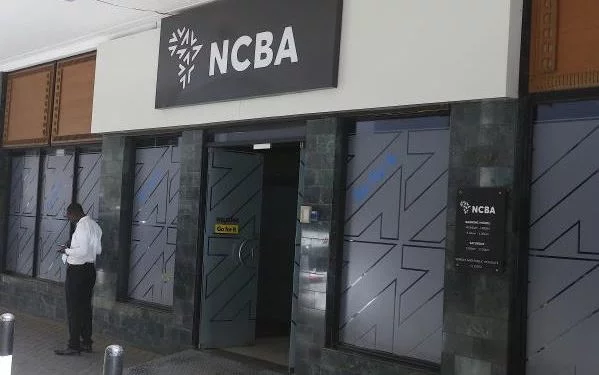
Recognising the need for comprehensive financial security, NCBA Bank continues to strengthen its wealth management offering for Gold Banking customers through a range of Bancassurance solutions designed to help them build, grow and protect their legacy.

Among these is the GO Educator Plan, a personal insurance solution that enables parents and guardians to secure their children’s education while enjoying guaranteed returns and a host of financial protection benefits.

The GO Educator Plan is structured to provide financial stability by helping customers systematically save towards future education expenses.

Unlike conventional savings options, the plan guarantees a maturity value and returns, giving policyholders certainty over the amount that will be available when their education goal is due.

Beyond education planning, the solution incorporates wealth preservation features that cushion families against life’s uncertainties.

Customers have the option of adding critical illness cover, which protects up to 50 percent of their targeted savings benefit should they be diagnosed with a covered critical illness.

The plan also offers optional permanent and total disability cover, providing financial support depending on the nature of the disability.

To ensure savings goals remain on track during difficult times, policyholders can opt for a waiver of premium benefit.

This feature keeps the policy active even if the insured suffers a critical illness or permanent and total disability, allowing the education fund to continue growing without interruption.

The plan also provides retrenchment protection, offering up to nine months of premium payments if the policyholder loses employment through retrenchment or redundancy while in permanent employment.

This helps families maintain their long-term financial commitments during periods of temporary income disruption.

In the unfortunate event of death, beneficiaries receive an immediate cash benefit while the full maturity value remains protected and payable upon the policy’s maturity.

This ensures dependants receive immediate financial support without compromising the education savings that were set aside for the future.

The GO Educator Plan further supports customers through tax efficiency. Investors can claim tax relief of up to 15 percent on their monthly investment, subject to an annual maximum of Sh60,000.

Another key feature is its estate planning component, which offers a structured wealth transfer solution. By providing a clear framework for passing on assets, the plan helps minimise disputes and ensures beneficiaries receive the intended financial benefits with minimal complications.

Requirements

Enrolling for the plan requires a copy of a national identification document, a KRA PIN certificate, a passport-size photograph, a completed proposal form and payment of the first premium.

Customers also enjoy flexibility in premium payments, with options to pay monthly, quarterly, half-yearly, or annually, depending on their financial preferences.

Also Read: NCBA loan facility makes asset acquisition more accessible

Garage Business in Kenya: 6 common ways unscrupulous mechanics rip off car owners

0

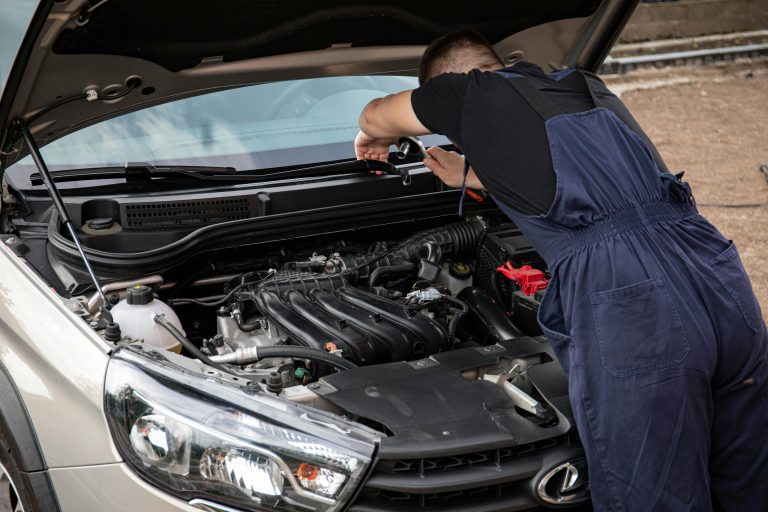
Mechanics: The garage business in Kenya plays a vital role in keeping millions of vehicles on the road. While many mechanics are skilled, honest professionals, others exploit customers through dishonest practices that lead to unnecessary expenses and frustration.

Whether you own a personal car, a taxi, or a commercial vehicle, knowing how mechanics can take advantage of unsuspecting customers can help you avoid costly mistakes.

Here are six common ways dishonest mechanics rip off motorists in Kenya.

1. Charging for unnecessary repairs

One of the most common scams in the garage business in Kenya is billing customers for repairs that were never needed.

A mechanic may diagnose one fault, repair it, and then claim the problem still exists because of another issue. This process may repeat several times until the original problem is eventually fixed.

The customer ends up paying for every repair—even those that were unnecessary or caused by an incorrect diagnosis.

A competent mechanic should accurately identify the problem before replacing parts or charging for repairs.

Cars not to buy in Kenya: 10 cars to avoid when you are on a tight budget

2. Overcharging for spare parts and labour

Many garages legitimately mark up spare parts to cover operating costs. However, some mechanics take advantage of customers who have little knowledge of vehicle parts and pricing.

Common practices include:

  • Inflating the cost of genuine or aftermarket spare parts.
  • Charging for premium-quality parts while installing cheaper alternatives.
  • Billing excessive labour charges for relatively simple repairs.

Before authorizing major repairs, compare prices from reputable spare parts dealers and request a detailed quotation.

3. Recommending replacement instead of repair

Not every worn component needs to be replaced.

Dishonest mechanics may recommend replacing brake discs instead of resurfacing them, installing a new alternator instead of repairing it, or replacing suspension components that still have useful life.

These unnecessary replacements significantly increase repair costs while benefiting the garage rather than the customer.

If a repair estimate seems unusually high, seek a second opinion from another qualified mechanic.

4. Joyriding with customer vehicles

Although most mechanics conduct legitimate road tests after repairs, some abuse customer vehicles by taking them on unauthorized trips.

With the growing use of dashboard cameras (dashcams), more motorists have discovered mechanics using their vehicles for personal errands or recreational driving.

Unauthorized use not only wastes fuel but also exposes the vehicle to accidents, speeding fines, and unnecessary wear and tear.

Rules you must comply with when importing used cars in 2026

5. Damaging your vehicle during repairs

Your vehicle should be returned in the same condition—or better—than when you left it at the garage.

Unfortunately, some customers discover:

  • New dents or scratches.
  • Grease stains on seats or carpets.
  • Missing bolts or poorly fitted components.
  • Tools left inside the vehicle.
  • Interior damage caused during repairs.

Inspect your vehicle carefully before leaving the garage and report any damage immediately.

6. Theft of personal belongings or vehicle parts

Theft remains one of the most serious complaints in the garage business in Kenya.

Some motorists have reported losing:

  • Mobile phones.
  • Cash and wallets.
  • Car accessories.
  • Sound systems.
  • Performance parts.
  • Alloy wheels.
  • Tools and emergency equipment.

Before leaving your vehicle for service, remove valuables and take photos of expensive accessories. If anything goes missing while the vehicle is under the garage’s custody, report the matter immediately and document the incident.

How to protect yourself when visiting a garage

You can reduce the risk of being scammed by following these simple precautions:

  • Choose a reputable garage with positive customer reviews.
  • Ask for a written quotation before repairs begin.
  • Request old parts after replacements.
  • Compare spare part prices from multiple suppliers.
  • Keep service records and invoices.
  • Install a dashcam if possible.
  • Seek a second opinion for expensive repairs.

Final thoughts

Most mechanics in Kenya work hard to build honest businesses and long-term customer relationships. However, a few unethical operators continue to damage the reputation of the industry through dishonest practices.

Understanding these common scams can help you make informed decisions, reduce unnecessary repair costs, and find a mechanic you can trust.

Have you ever been overcharged or misled by a mechanic in Kenya? Share your experience in the comments and help other motorists avoid similar situations.

Naom Monari: Kenyan nurse bringing dialysis machines closer to patients

Naom Monari trained as a nurse and experienced early in her career within Kenya’s public health system how difficult it was for patients with long-term conditions to access care outside major cities.

In 2017, she founded Bena Care to provide home-based nursing services, aiming to reduce the financial and emotional strain of hospital-based treatment.

After the 2019 global pandemic, her team noticed a sharp rise in patients needing dialysis. To understand why, Naom secured a research grant from the International Development Research Centre (IDRC) and partnered with a local university to run a year-long study between 2022 and 2023 in a county heavily burdened by kidney disease.

The findings were stark: many patients were travelling up to 200 kilometres twice a week for dialysis, work commitments and caregiving responsibilities led to missed sessions, and missed dialysis can quickly become fatal. For Naom Monari, the conclusion was clear: distance should not determine survival.

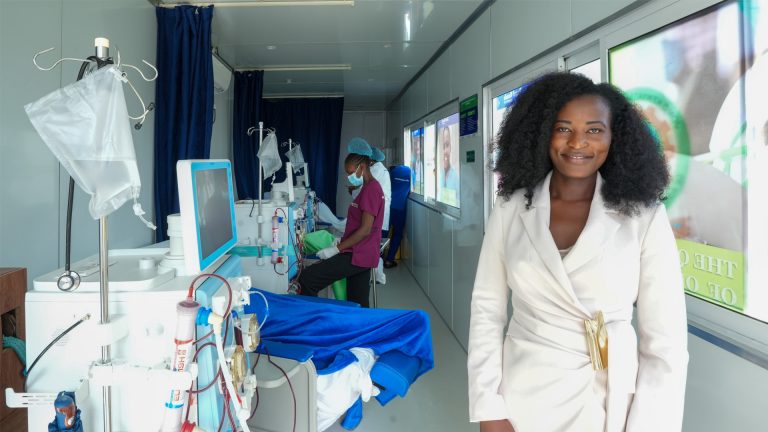
Renal Roads is a mobile dialysis facility designed and built in Kenya. Working with biomedical engineers, medical statisticians, university partners, and local Jua Kali fabricators (informal sector of self-employed artisans, traders, and technicians such as metalworkers, carpenters, and mechanics), Naom Monari converted a used 40-foot shipping container into a fully operational dialysis clinic.

The unit houses four dialysis machines, reclining dialysis chairs, and a dedicated emergency area with clinical-grade walls and epoxy flooring to meet infection control standards. Dialysis depends on large volumes of purified water, so the unit also includes a reverse osmosis water treatment system, integrated plumbing and controlled drainage, plus solar power and backup systems to ensure continuity in off-grid locations.

While dialysis machines themselves are commercially manufactured, the engineering breakthrough lies in making a traditionally fixed, hospital-based system safely mobile. The machines are secured to operate during transport, and the entire configuration is protected under a utility patent.

See More: Why cases of kidney disease are more rampant in poor neighbourhoods

The truck operates on a predictable rotational schedule, typically serving three communities per week. Each site hosts two four-hour dialysis sessions per patient per week, allowing up to 12 sessions per day. Clinical oversight is provided by a county nephrologist, while trained renal or critical care nurses deliver treatment on site.

Renal Roads has already transformed dialysis access in parts of rural Kenya. Following launch in Murang’a County, evaluation results showed a 76.6 percent reduction in travel distance and 100 percent improvement in adherence, measured by patients attending sessions and completing the full four-hour treatment.

Patients and families report significant improvements to their daily life. One 26-year-old mother of two, who previously travelled 70 kilometres each way for dialysis, described the mobile unit as an answered prayer when it arrived near her home.

The service is also financially accessible, with sessions reimbursed through national health insurance. With one unit operational, and a second ready for deployment, Naom’s ambition is to expand across additional counties and refine the design further.

“Our goal is simple: bring life-saving care closer to people who need it. The first version has worked, but three years from now it will be more compact and efficient,” says Naom Monari.

Quick Takeaway…

  • Across Kenya, most dialysis centres are concentrated in major towns and cities, leaving patients with chronic kidney disease without close access to treatment.
  • For those in need of regular and frequent dialysis, this can mean travelling up to 200 kilometres each way, twice a week, for years. The cost, time and physical strain often lead to missed sessions and life-threatening complications.
  • Chronic kidney disease is a long term disease that affects kidneys and leads to renal failure.
  • The disease can be tricky to spot without a medical test because not all patients show symptoms. Symptoms develop slowly as the kidneys fail. In Kenya, kidney disease is now becoming one of the most deadly diseases.

Norway v England: Miami Vice

0

Everything can wait! Norway and England will do battle in the third Quarterfinal at the 2026 FIFA World Cup, set for the Miami Stadium on Saturday evening. The Vikings have already claimed one major scalp by ousting five-time champions Brazil in the previous round – can they now end the dreams of the Three Lions, who showed their hunger for World Cup success by overcoming co-hosts Mexico this past weekend? Here’s the breakdown as Norway and England battle in ‘Miami Vice’.

Head-to-head

Matches played 12

Norway wins 2

England wins 7

Draws 3

Norway goals 7

England goals 28

Norway and England have met in 12 previous matches, with the Three Lions claiming seven wins compared to two for the Vikings, while three games have been drawn. The teams’ most recent clash was a friendly at Wembley Stadium in 2014 which England won 1-0 thanks to a goal from Wayne Rooney.

Players to watch

Norway – Erling Haaland

Tournament stats

– Appearances: 4

– Goals: 7

– Assists: 1

– Yellow/red cards: 0/0

Erling Haaland has further underlined his reputation as perhaps the best outright No.9 in world football, scoring seven goals in just four games at the global tournament – including a brace of goals to secure the Vikings a famous win over Brazil.

Goals, red cards, and live music: The 2026 world cup officially begins!

England – Harry Kane

Tournament stats

– Appearances: 5

– Goals: 6

– Assists: 1

– Yellow/red cards: 0/0

Harry Kane is England’s captain, highest scorer and all-round clutch player – without him, the Three Lions would already have gone home. The Bayern Munich forward will look to outshine Erling Haaland and take his team to the semifinals.

Key stats

– 51.4 – Erling Haaland has averaged a goal every 51.4 minutes at the World Cup.

– 9 – Norway have conceded nine goals in five matches at the World Cup.

– 3 – Mexico had not conceded a single goal at the World Cup until they ran into England and shipped three inside an hour.

– 73 – Harry Kane has scored an astonishing 73 goals in the 2025-26 season for club and country.

Tactical battle

Ståle Solbakken’s Norway arrive with a pragmatic, adaptable structure, typically a flexible 4-3-3 that becomes more direct and physical in key moments, especially through set-pieces and Erling Haaland’s presence. Their recent win over Brazil underlined Solbakken’s in-game adaptability and reliance on vertical transitions and late attacking surges.

Thomas Tuchel’s England, meanwhile, emphasise tactical flexibility, using wide overloads and a crossing-heavy approach to break compact defences, while remaining willing to make bold positional switches mid-game. The battle hinges on whether Norway’s structure and aerial threat can disrupt England’s fluid attacking patterns and territorial control.

Broadcast details

Times CAT

Saturday 11 July

23:00: Quarterfinal 3 – Norway v England – LIVE on SuperSport World Cup Central

Ruto orders licence waiver, unique ID for NYOTA fund beneficiaries

0

President William Ruto has directed county governments to waive business permit fees for beneficiaries of the National Youth Opportunities Towards Advancement (NYOTA) programme for two years.

Speaking on Friday, July 10, during the disbursement of the second tranche of NYOTA funds at Ulinzi Sports Complex in Nairobi, Ruto said the move aimed at easing the cost of doing business for young entrepreneurs and accelerating the growth of youth-owned enterprises.

He directed the Intergovernmental Budget and Economic Council (IBEC), working with county governments, to develop and implement the two-year business permit waiver for all NYOTA beneficiaries.

“I therefore direct the Intergovernmental Budget and Economic Council, working together with the county governments, to develop and implement a two-year business permit waiver for all NYOTA beneficiaries,” he said.

According to the Head of State, the waiver is intended to reduce the regulatory burden on start-ups and allow new enterprises sufficient time to become established before taking on the full cost of compliance.

Ruto said the achievements recorded by beneficiaries who had received modest government support underscored the need for policies that encourage rather than hinder business growth.

“Having seen what these young entrepreneurs have achieved with modest support, the government of Kenya now has a responsibility to remove the barriers that still stand in their way. Success should never be constrained by unnecessary bureaucracy,”  he added.

To further strengthen the programme, the President directed the Ministry of Cooperatives and Micro, Small and Medium Enterprises (MSME) Development to establish a national NYOTA identification mechanism for all beneficiaries.

The unique identification system will enable participants to seamlessly access government programmes, incentives and other opportunities designed to support enterprise development and expansion.

In addition, Ruto instructed government-backed financial institutions, including the Youth Enterprise Development Fund, Uwezo Fund, Women Enterprise Fund and Kenya Industrial Estates, to develop dedicated financial products tailored specifically for NYOTA beneficiaries.

He said the initial grant provided through the programme should serve as a stepping stone for continued business growth while encouraging beneficiaries to seek additional financial opportunities.

The NYOTA programme, jointly funded by the Government of Kenya and the World Bank, is one of the country’s flagship youth empowerment initiatives aimed at supporting young people to start and expand businesses while improving access to employment opportunities.

Besides providing seed capital, the programme equips beneficiaries with business development and management skills to improve the sustainability of their enterprises.

Under the latest phase, the government is injecting Sh3 billion into the programme, with each beneficiary receiving Sh25,000.

The payment follows an earlier disbursement of the same amount, bringing the total support allocated to each participant to Sh50,000.

Only beneficiaries who successfully completed the mandatory business development training qualified for the second tranche of funding, which the government says is intended to strengthen the long-term viability of youth-led enterprises.

Also Read: What is NYOTA program? Eligibility and how to apply for Sh50K gov’t grant

HELB opens first-time loan & scholarship applications for university, TVET students

0

The Higher Education Loans Board (HELB) has opened applications for first-time loans, scholarships, and bursaries for the 2026/2027 academic year.

In a notice issued on Friday, July 10, HELB called on eligible applicants to submit their applications early and adhere to the prescribed guidelines to ensure smooth processing.

“2026/2027 First-Time HELB Applications are NOW OPEN! Ready to start your higher education journey? Eligible first-time applicants can now apply for undergraduate and TVET loans and scholarships. Apply early and follow the application guidelines carefully,” the board said.

The application window gives students joining universities and Technical and Vocational Education and Training (TVET) institutions an opportunity to apply for government funding under the Student-Centred Funding Model.

The window targets students who have secured admission to undergraduate degree programmes and TVET institutions for the 2026/2027 academic year.

The funding package includes loans, scholarships and bursaries administered through the Higher Education Financing (HEF) programme.

How to apply

According to the HEF portal, applicants must first obtain an official admission letter from the university or TVET institution where they have been placed before applying for financial support.

Students are required to create an account on the Higher Education Financing portal using their personal details before completing the online application.

Those who initially registered using their KCSE Index Number but have since acquired a National Identity Card can update their existing account details instead of creating a new profile.

Applicants will be required to provide several supporting documents and details, including a valid National ID, KCPE and KCSE examination information, a recent passport-size photograph, parents’ identification details, bank account or M-Pesa information, as well as guarantor details, among other requirements.

HELB also reminded applicants that the funding application process is free of charge and urged students to remain vigilant against fraudsters.

The board advised anyone asked to pay for application services or who encounters suspicious activity to report the matter immediately.

The opening of the application portal marks the beginning of the government’s annual funding process, which supports thousands of students pursuing higher education in universities and TVET institutions across the country.

Successful applicants will receive financial support based on the government’s needs assessment under the Student-Centred Funding Model.

Also Read: KUCCPS placement results: Step-by-step guide on how to apply for transfers

How social media helped grow a thriving Airbnb business

0

The rapid growth of short-term rental accommodation is opening new opportunities for young entrepreneurs, with digital platforms increasingly becoming the bridge between property owners and guests

At the centre of this transformation is a new generation of Airbnb managers who are building profitable businesses without owning the apartments they market.

For Michael Najabi Mukoya, founder of Kisumu Living, social media has been more than a marketing tool, it has been the foundation upon which he built his business.

His entry into the hospitality sector was unplanned. A graduate of Economics from Maseno University, Mukoya discovered Airbnb while searching for accommodation during a trip from Nairobi to Kisumu.

“I had no plan. We were just looking for accommodation. I did not even know what Airbnb was at the time. That is when I learned it exists,” he recalled as quoted by KNA.

Despite lacking the capital required to purchase and furnish properties, Mukoya did not resist. Instead, he adopted a different business model by acting as an intermediary between property owners and guests.

“I had no capital, so I decided to become an agent. Airbnb requires money because you need to furnish apartments before you can begin. I therefore started by connecting hosts with guests,” he explained.

Building trust, however, proved to be the biggest hurdle. Without apartments of his own or an established brand, attracting clients required persistence and creativity.

The breakthrough came through digital marketing.

“The internet changed everything. I got my first clients through Facebook,” he said.

Mukoya began advertising furnished apartments on Facebook Marketplace under the Kisumu Living brand, often posting listings before securing long-term partnerships with property owners.

“I was posting every day even before I had enough hosts. People kept responding to my adverts, and that is when I realised accommodation was a genuine business opportunity,” he said.

His confidence grew after securing his first successful booking for a one-bedroom apartment in Lolwe Estate.

“At first I thought it was a joke. Someone simply asked whether the apartment was available. I confirmed it was, and they booked it for three nights,” he recalled.

The experience demonstrated that potential guests were willing to trust a service they had discovered online.

“I was very shy, but when the client actually arrived and stayed, it proved that someone could trust me simply because they had seen my Facebook post.”

As positive reviews and referrals increased, more landlords entrusted him with managing their furnished apartments.

Today, Kisumu Living oversees short-term rental units in Milimani, Tom Mboya Estate, Makasembo, Polyview, Lolwe Estate, Mamboleo, Otonglo and the Central Business District, allowing the business to cater to visitors seeking accommodation in different parts of the city.

“We are spread across different parts of Kisumu so that we can serve clients wherever they want to stay,” Mukoya said.

Unlike traditional hotels, furnished apartments offer visitors greater privacy, kitchen facilities and flexible pricing, making them increasingly attractive to business travellers, conference delegates, families and tourists.

Mukoya believes this growing visitor traffic has created a strong market for professionally managed Airbnb units.

The business has also become a source of employment for young people, creating opportunities beyond property management.

“We work with cleaners, maintenance personnel, photographers, online marketers and customer service providers. Every apartment creates work for several people.”

As Kisumu Living expanded, its focus shifted from simply providing accommodation to delivering an experience that enhances guests’ productivity during their stay.

“We do not just provide a place to sleep. We aim to maximise our clients’ productivity while they are in Kisumu by ensuring they enjoy a comfortable stay.”

He believes the quality of accommodation directly influences visitors’ overall experience.

“Your productivity today depends on how well you slept yesterday. Our responsibility is to make sure every guest rests comfortably.”

Social media continues to play a central role in attracting customers. While Facebook helped launch the business, TikTok has become another powerful marketing platform, enabling Kisumu Living to reach wider audiences through short-form videos.

“In today’s world, visibility comes before everything else. You may possess excellent skills, but if nobody knows your business exists, success becomes difficult.”

One TikTok video generated one of the company’s most memorable bookings.

“I had very few followers when I uploaded a video. A lady contacted me through direct message, requested a viewing and later booked one of our Milimani apartments for eight days.”

Despite its growth, the business continues to face challenges. Mukoya says the high cost of setting up quality furnished apartments remains a major barrier for aspiring entrepreneurs.

“Setting up even one quality apartment requires substantial investment.”

Managing multiple properties also comes with security risks, including occasional theft of household items after guests check out.

To minimise losses, some apartments have installed CCTV cameras in common areas, while others require guests to present national identification documents before checking in.

Balancing affordability with quality and security also requires careful planning, particularly when serving clients with different budgets.

“We serve both budget-conscious travellers and high-end clients. Concentrating only on expensive neighbourhoods would lock out many potential customers.”

Looking ahead, Mukoya remains optimistic about the future of Airbnb management in Kisumu as visitor numbers continue to grow.

He encourages young entrepreneurs to embrace digital platforms, build credibility and understand the importance of location when entering the business.

“I encourage young people to explore Airbnb management and other digital businesses. If you learn how to market your services effectively, you can succeed even without owning expensive assets.”

He also stresses that success in the short-term rental business depends not only on the quality of an apartment but also on where it is located.

“Location is everything. You may have an excellent apartment, but if it is inaccessible or inconvenient, attracting guests becomes much harder.”

Also Read: 9 Most Profitable Businesses to Start With Sh. 20,000

KRA to introduce web-based tax return filing as Excel forms are phased out

0

The Kenya Revenue Authority (KRA) has announced plans to replace its long-used Excel-based income tax return filing system with a fully web-based platform from 2027, marking a significant shift in how taxpayers submit annual returns.

The transition forms part of reforms introduced under the Finance Act, 2026, and is aimed at modernising tax administration while supporting a new staggered tax return filing calendar designed to ease pressure on the authority’s online systems.

Under the new platform, taxpayers will complete and submit their returns directly through an internet browser, eliminating the need to download, fill and upload Excel spreadsheets as is currently required.

KRA said the digital upgrade complements amendments to Section 52 of the Income Tax Act, which introduce different filing deadlines for various categories of taxpayers to reduce congestion on the iTax system.

“We have staggered returns in the Act so that the individual returns will be due by April and the persons, the non-natural persons will be due by June. That makes then the traffic not coming at the same time. And are we transferring the problem we had in June to April? No, because most of the filers are individuals,” KRA stated.

The tax authority said the reforms are expected to improve the efficiency and reliability of tax return processing by distributing filing activity across multiple deadlines rather than concentrating it within a single period.

“The first thing is we’re introducing web-based returns and these returns we’re not going to have to require you to fill the Excel anymore. It will be web-based,” KRA added.

Under the revised filing calendar, natural persons, including salaried employees whose income is taxed through the Pay As You Earn (PAYE) system, will be required to submit their annual income tax returns by April 30 following the end of their year of income.

Companies and other non-natural persons will have until June 30 to file their annual returns.

Meanwhile, taxpayers required to submit nil returns, including unemployed individuals, students, inactive Personal Identification Number (PIN) holders and those with no taxable income, will be expected to file by January 31.

The revised deadlines will take effect for returns relating to the 2026 year of income, with the first filings under the new timetable scheduled for 2027.

According to KRA, the staggered filing schedule is expected to significantly reduce the system congestion that has traditionally occurred when all taxpayers rushed to meet a single filing deadline, with the web-based filing platform set to streamline the return submission process and enhance taxpayers’ experience.

Also Read: Ex-EPRA boss Daniel Kiptoo stripped, tortured us over Sh96 million