Home Blog Page 35

Kitui farmers making up to Sh4,000 daily from watermelon farming

0

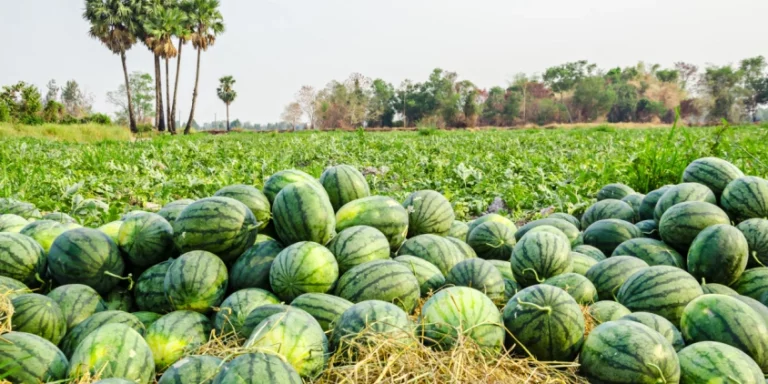
Watermelon farming is emerging as one of the most profitable agricultural ventures in Kenya’s dry eastern region, offering farmers a reliable source of income where conventional crops such as maize have repeatedly failed due to erratic rainfall.

In parts of Kitui County, the drought-tolerant crop is transforming livelihoods, with farmers and traders capitalising on its growing demand among motorists and urban markets.

Along the Garissa-Mwingi highway in Malaani Township, the shrill whistle of vendors has become a familiar sound to passing motorists.

The calls are an invitation to stop for freshly harvested watermelon, now one of the area’s most sought-after roadside products.

“We whistle to draw motorists’ attention, who are our main customers,” Fridah Muema, a vendor, told Seeds of Gold.

The roadside trade has created a dependable source of income for many families. A watermelon sells for at least Sh200, depending on its size, with sales peaking between May and June before tapering off in August.

“On a good day, I make up to Sh4,000. The money supports my children’s education and family upkeep,” says Grace Muange, a vendor who buys the fruit directly from local farmers.

The rapid increase in watermelon production around Malaani has, however, exposed farmers to exploitation by middlemen who purchase the fruit in bulk before transporting it to markets in Garissa, Kitui, Mwingi, Nairobi and Thika.

Many farmers and vendors have instead embraced direct roadside sales, where returns are significantly higher.

“Middlemen offer Sh35 for a fruit weighing five kilos. The same fruit goes for Sh200 on the roadside,” said Muange.

Over the years, vendors have also built loyal customer networks that provide a steady market beyond passing motorists.

“One customer orders at least Sh5,000 worth per week for juice. These networks keep my business afloat,” says Muema.

The success of the watermelon business reflects a broader shift in farming practices across the Mwingi region, where prolonged dry spells have forced farmers to abandon maize in favour of crops better suited to the area’s harsh climate.

Unlike many commercial watermelon-growing regions that rely on irrigation, farmers in Kitui depend entirely on rainfall.

They say the crop requires relatively little moisture once established, as its sprawling vines and leaves help conserve soil moisture by reducing evaporation. It also matures within about two months, allowing farmers to earn returns quickly.

For many growers, the financial rewards far exceed those of other drought-tolerant crops.

“An acre of watermelon can earn up to Sh400,000 in a good season. Maize, cowpeas, mung bean and pearl millet farmers can only dream of this income,” Muema says.

With growing consumer demand and better earnings through direct marketing, watermelon farming is increasingly becoming a lifeline for households in Kitui, demonstrating how climate-smart agriculture can turn the challenges of arid conditions into profitable opportunities.

Also Read: Kenya unveils Shs1.08T agri-food investment framework to transform agriculture

Ekong’s World cup heartbreak: “I would have loved to see Nigeria there” — But he believes Africa’s moment has arrived

0

There is one thought that has followed William Troost-Ekong throughout the FIFA World Cup.

What if Nigeria had been there?

As one of the country’s most respected footballers and a former captain of the Super Eagles, Troost-Ekong has watched Africa continue to make its mark on football’s biggest stage with equal measures of pride and frustration.

Pride because African football continues to prove it belongs among the world’s elite.

Frustration because he firmly believes Nigeria should have been part of that story.

“I think the motivation has always been there,” Troost-Ekong says.

“All of us are incredibly eager to see Nigeria back at the World Cup, and missing out again only increases that desire.”

“I would have loved to see Nigeria there because, when you watch the African teams performing so well, you cannot help but think Nigeria would also have put in a strong performance.”

“Looking at the quality and talent within the squad, I believe they would have been ready. Many of the players have matured, and some also gained valuable experience at the 2018 World Cup.

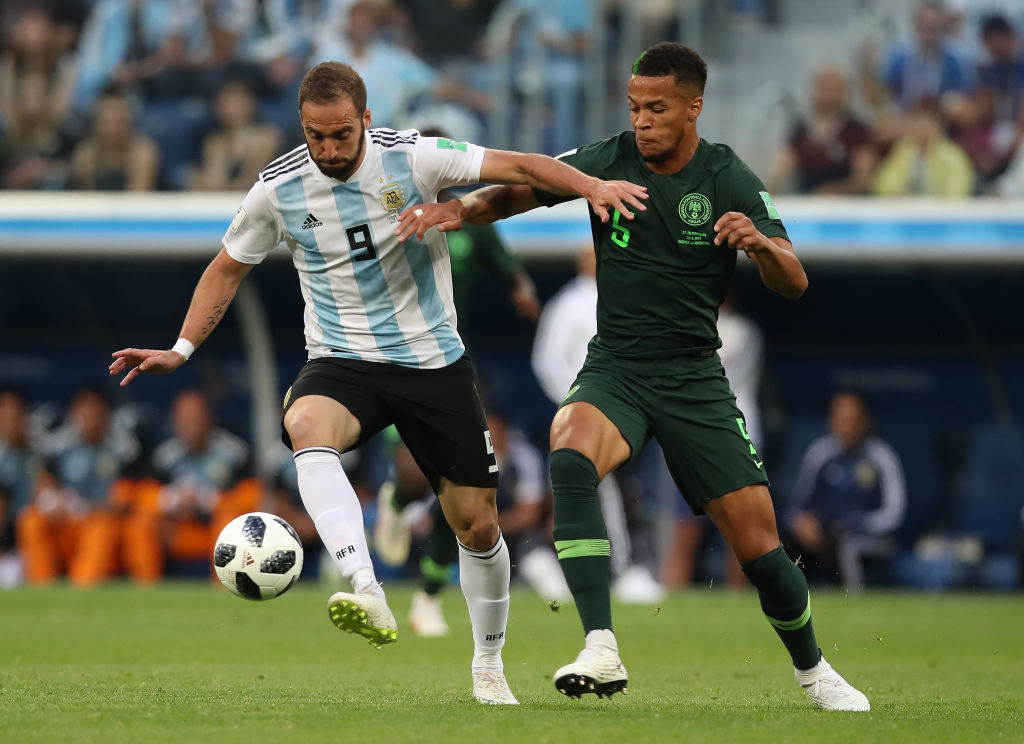
Former Nigeria captain William Troost-Ekong in action against Argentina. Credit: Getty Images.

It is not bitterness that comes through in his voice, but belief.

Belief that one of Africa’s footballing giants has the talent to compete with the very best.

Belief that missing consecutive World Cups should become the catalyst for meaningful change rather than another painful chapter.

“It would have been wonderful to see them compete, but I also think this serves as an important lesson,” he says.

“We need to reflect on our preparation and identify what needs to change in order to reach the next level ahead of the next World Cup.”
Ekong's World cup heartbreak: "I would have loved to see Nigeria there" — But he believes Africa's moment has arrived
SAINT PETERSBURG, RUSSIA – JUNE 26: Gonzalo Higuain of Argentina vies with William Troost-Ekong of Nigeria during the 2018 FIFA World Cup Russia group D match between Nigeria and Argentina at Saint Petersburg Stadium on June 26, 2018 in Saint Petersburg, Russia. (Photo by Ian MacNicol/Getty Images)

“The players will continue working hard, sharing ideas, and doing everything possible to improve.”

“I have never felt there was a lack of motivation or commitment from the players. I simply believe there are several areas that need to change, and this time those changes will be essential if the team is to succeed.”

While Nigeria’s absence still hurts, Troost-Ekong has found plenty of reasons to smile watching the continent’s representatives continue to challenge the traditional powers.

The former captain believes the gap between Africa and Europe and South America has never been smaller.
Ekong's World cup heartbreak: "I would have loved to see Nigeria there" — But he believes Africa's moment has arrived
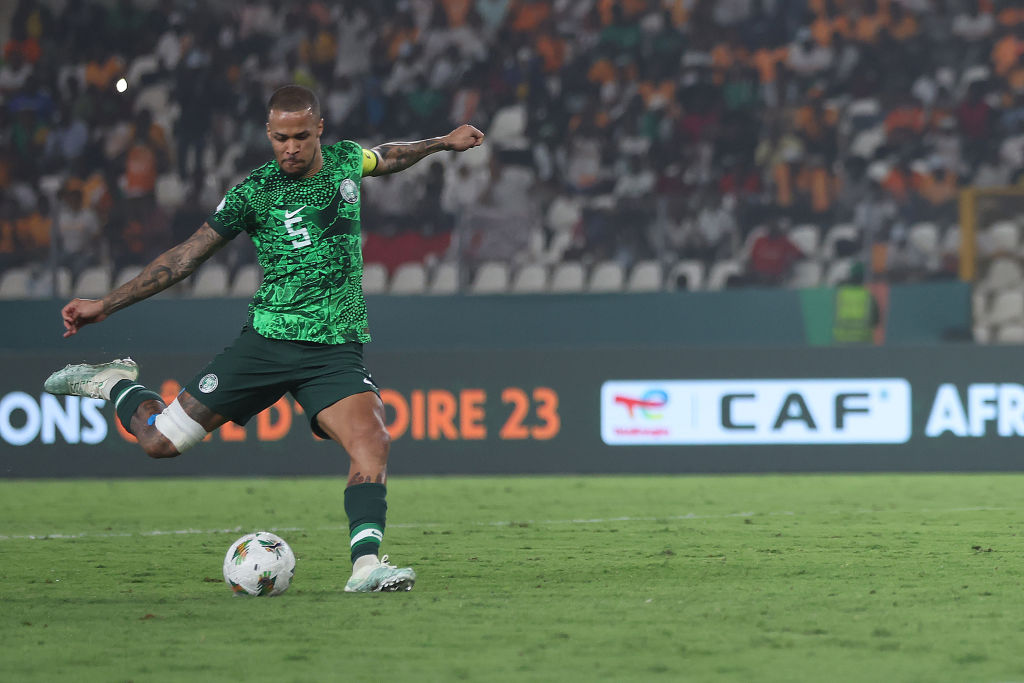
Bouaké, IVORY COAST – FEBRUARY 7: William Troost-Ekong of Nigeria during the TotalEnergies CAF Africa Cup of Nations semi-final match between Nigeria and South Africa at Peace Stadium of Bouaké on February 7, 2024 in Bouaké, Ivory Coast. (Photo by MB Media/Getty Images)

Former Nigeria captain William Troost-Ekong in action. Credit: Getty Images.

In fact, he believes this  tournament is where African football takes another historic leap forward.

“I think so,” he says when asked whether this is Africa’s breakthrough World Cup.

“At the last World Cup, Morocco broke down those barriers and showed everyone what is possible.”

“Based on what we have seen so far in this tournament, many African teams, players, and individual performances have demonstrated that they can compete with the very best in the world.”

“I am very hopeful that this could be the World Cup where an African team goes even further than Morocco did. If they reach that stage, hopefully they can go all the way.”

His faith in Morocco national football team remains unwavering.

With Morocco preparing for a blockbuster Round of 16 clash against France national football team on Thursday, 9 July (22:00 CAT), Troost-Ekong believes they once again carry the hopes of an entire continent.

“Morocco is definitely the first team that comes to mind,” he says.

“Senegal and Ivory Coast both did exceptionally well too until their eliminations, and they were a bit unlucky.”

Football fans across Africa will be hoping his prediction proves correct.
Ekong's World cup heartbreak: "I would have loved to see Nigeria there" — But he believes Africa's moment has arrived
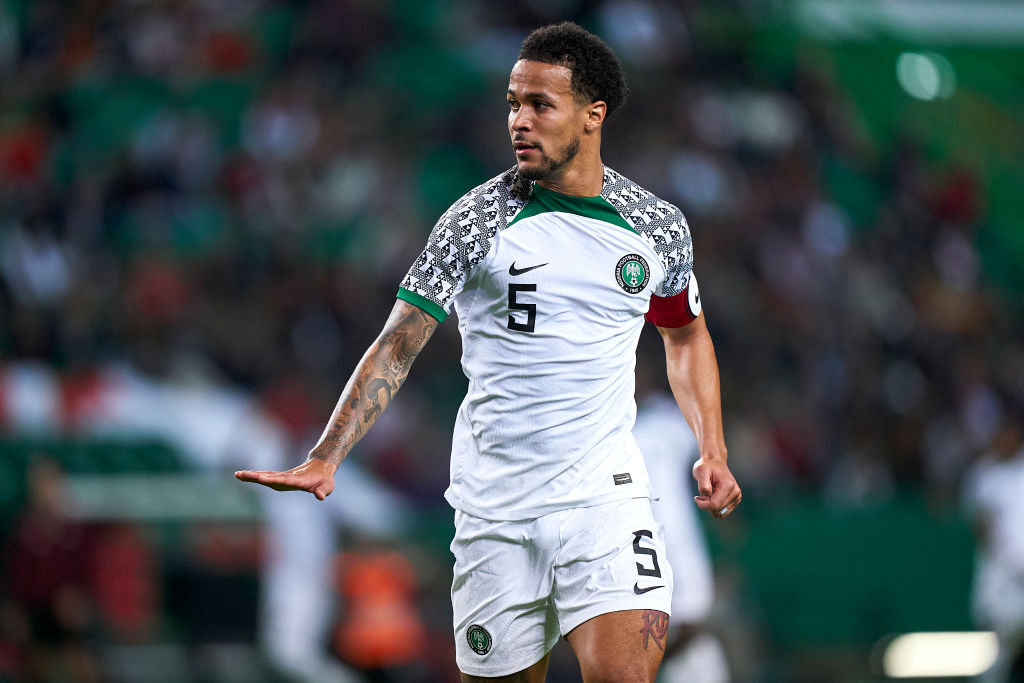
LISBON, PORTUGAL – NOVEMBER 17: William Troost-Ekong of Nigeria reacts during the friendly match between Portugal and Nigeria at Estadio Jose Alvalade on November 17, 2022 in Lisbon, Portugal. (Photo by Jose Manuel Alvarez/Quality Sport Images/Getty Images)

Former Nigeria captain William Troost-Ekong in action.. Credit: Getty Images.

The Morocco-France showdown promises to be one of the biggest matches of the tournament, with a place in the quarter-finals at stake, and viewers can watch every moment live on SuperSport.

As the official broadcaster of the FIFA World Cup across sub-Saharan Africa, SuperSport is bringing fans all 104 matches live, making this the most accessible FIFA World Cup ever, with comprehensive coverage available across television, streaming and digital platforms so that supporters never miss a moment of the world’s biggest sporting spectacle.

Away from the football, Troost-Ekong has embraced a different side of the tournament during his time as part of SuperSport’s world-class broadcast team.

Instead of arriving as an opponent focused solely on training sessions and matchdays, he has been able to experience South Africa in a way he never could during his playing career.

“I have really enjoyed it,” he says.

“It has been great being part of the SuperSport team and meeting some amazing current and former players.”

“Although it has been a little colder than I am used to, I have had a fantastic time. It is also the first time in many years that I have been in South Africa without being here as a player.”

Goals, red cards, and live music: The 2026 world cup officially begins!

“When you are playing, you are naturally a bit more restricted in terms of what you can and cannot do. This time, I have been able to take everything in and experience some of the best parts of South Africa whenever I have not been working.”

The football has not been the only highlight.

“Absolutely,” he laughs when asked about whether he is enjoying South Africa’s food and culture.

“I have enjoyed some great food, listened to good music in all the right places, and had one or two drinks since it is my off-season.”

“It has been nice to enjoy everything outside of work because, once I head back home, it will be time to focus on my other job, which is still playing football. Pre-season will begin, and everything will become much more serious again.”

For now, though, Troost-Ekong watches on as an analyst rather than a player — still carrying the disappointment of Nigeria’s absence, but optimistic that Africa’s story at this FIFA World Cup is far from finished.

If Morocco can overcome France on Thursday night, they will not only keep their own dream alive, but also continue carrying the hopes of a continent still chasing its greatest-ever World Cup achievement.

Watch Morocco vs Franc LIVE on SuperSport this Thursday at 22:00 CAT, as SuperSport continues to bring you every moment of the FIFA World Cup—live, unrivalled and in one place.

Media Note: All quotes provided in this release are free for editorial use, provided they are attributed to SuperSport.

NCBA backs women entrepreneurs as AFAWA programme unlocks growth capital for 32 SMEs

0

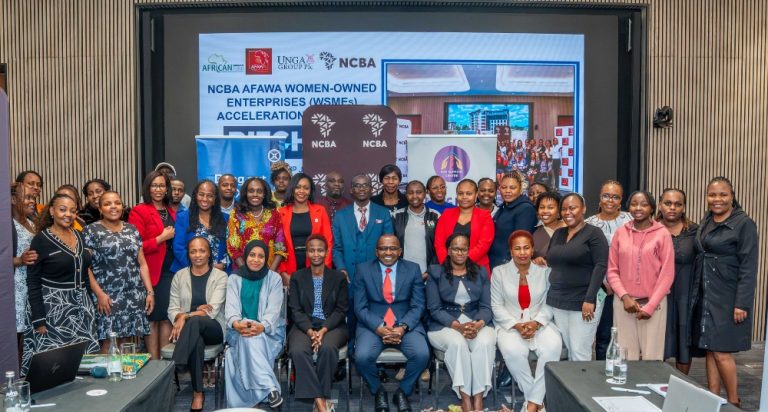
NCBA Bank has reaffirmed its commitment to empowering women entrepreneurs by convening the final investment pitching event of the NCBA AFAWA Women Small and Medium Enterprises (WSMEs) Acceleration Programme. AFAWA (Affirmative Finance Action for Women in Africa) is a pan-African initiative by the African Development Bank, designed to bridge the $42 billion to $49 billion financing gap facing women entrepreneurs. The Acceleration Programme, run in partnership with the African Guarantee Fund (AGF) is designed to equip women-owned businesses with the skills, networks and access to finance needed to achieve sustainable growth for their enterprises.

Held over two days, the Pitch session brought together 32 women entrepreneurs who presented their business growth plans and funding requirements before an investment panel comprising representatives from NCBA, the African Guarantee Fund (AGF), Unga Group and the SME Support Centre. The event marks the culmination of an intensive business acceleration journey that has prepared participating enterprises to become investment-ready and unlock growth capital.

Women-owned businesses play a vital role in Kenya’s economy, accounting for an estimated 48% of the country’s micro, small and medium-sized enterprises (MSMEs) according to a joint report by the International Finance Corporation (IFC) and the World Bank. Despite them contributing significantly to employment and economic activity, many continue to face barriers to accessing finance, markets and business development support that limit their ability to scale. The NCBA AFAWA WSMEs Acceleration Programme was established to bridge these gaps through an integrated model that combines business development, mentorship, coaching, market exposure and financing.

Since its inception, the programme has supported 82 women-owned SMEs across two cohorts. The current cohort, with an average participant age of between 38 and 40 years represents a diverse cross-section of Kenya’s agricultural economy, spanning value chains including cereals, pulses, fresh fruits and vegetables, avocados, mushrooms, poultry and eggs, tomatoes, meat, coffee, animal feeds, macadamia, bananas, fish, seedlings, rabbits and value-added food products such as cakes. Through structured business acceleration and mentorship, participants have strengthened their business models, governance, financial management and investment readiness ahead of the final pitching sessions. The programme aims to unlock USD 5 million in financing for participating businesses, with USD 1.365 million already unlocked, demonstrating the impact of pairing business capability development with tailored financial solutions.

Linda Onyango, Chief Executive Officer of the SME Support Centre, said the programme was designed to ensure entrepreneurs leave with far more than improved access to finance. “Our role has been to equip these women entrepreneurs with the practical skills, confidence and strategic mindset needed to build resilient businesses. Throughout the programme, we’ve worked closely with them to strengthen their governance, financial management, business planning and pitching capabilities so that when they seek investment, they are truly investment ready.”

Speaking on the event, NCBA Group Director Retail Banking, Dennis Njau said the programme reflects the banks strategic commitment to Banking on Belief: Empowering Ambitions, recognising that every entrepreneur deserves the opportunity to realise their potential regardless of the circumstances they face.

“At NCBA, we believe every ambition matters. Through our Banking on Belief strategy, we are committed to supporting entrepreneurs with not only the capital they need to grow, but also the skills, networks and confidence to build resilient businesses. This programme demonstrates our belief that when we invest in people and communities, we unlock transformative impact.”

NCBA expands solar leasing and easy build solutions

Ann Mwangi, representing the African Guarantee Fund (AGF), said the programme was intentionally designed to prepare women entrepreneurs to become investment-ready and confidently access formal financing. “Our goal is to build a pipeline of bankable women-owned businesses that are ready to access financing through our partner, NCBA. Together with our anchor partner, Unga Group, we have designed this programme to equip entrepreneurs with the skills, confidence and business readiness needed to be viewed as credible borrowers and position themselves for sustainable growth.”

The initiative also advances NCBA’s Change the Story agenda by addressing both the financial and non-financial barriers that have historically limited the growth of women-owned enterprises. Rather than focusing solely on access to credit, the programme equips entrepreneurs with the capabilities required to build sustainable businesses that contribute to stronger value chains, greater financial inclusion and long-term economic resilience.

The programme is delivered through a strategic partnership bringing together complementary expertise from the African Guarantee Fund (AGF), the Affirmative Finance Action for Women in Africa (AFAWA), SME Support Centre (SSC), Unga Group and NCBA Bank.

Guided by the philosophy of Ubuntu; “I am because we are”, the partnership reflects a shared belief that lasting impact is achieved through collaboration. AGF and AFAWA provide the risk-sharing framework that expands access to finance for women entrepreneurs, the SME Support Centre delivers business acceleration and mentorship, Unga Group provides industry exposure and market insights, while NCBA delivers the financial solutions that enable businesses to scale. Together, the partners have created an ecosystem that empowers entrepreneurs with the knowledge, networks and capital needed for long-term success.

“This programme demonstrates what is possible when institutions come together around a shared purpose,” added Njau. “When we combine partnerships, practical business support and innovative financing, we create opportunities for entrepreneurs to grow sustainable businesses that strengthen families, communities and the wider economy. That is how we continue to Change the Story.”

As the participating entrepreneurs present their growth strategies over the two-day Pitch session, NCBA reaffirmed its commitment to expanding access to inclusive financing solutions and strategic partnerships that empower women-led enterprises and contribute to Kenya’s sustainable economic development.

Government to release Sh3 billion to 122,000 youth under Nyota programme

0

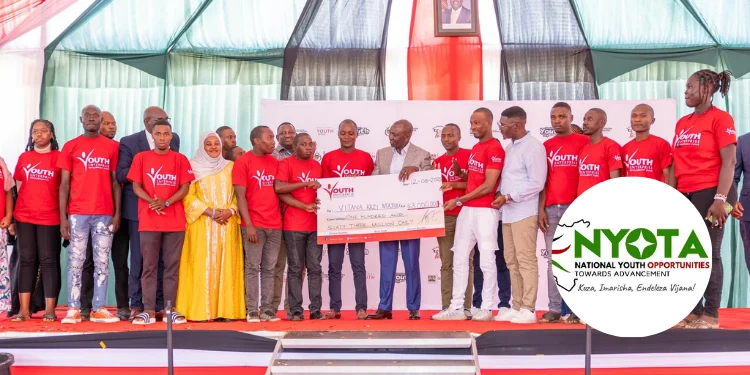
More than 122,000 young Kenyans are set to receive the second instalment of funding under the government’s NYOTA Business Support Programme as the nationwide disbursement enters its next phase this week.

President William Ruto announced that the second phase of the programme will begin on Friday, July 10, following a progress briefing at State House on the implementation of the initiative by the State Department for Micro, Small, and Medium Enterprises (MSMEs).

The latest rollout will see the government inject Sh3 billion into the programme, with each beneficiary receiving Sh25,000. This follows an earlier payment of a similar amount, bringing the total support provided to each participant to Sh50,000.

“With the launch of the Sh3 billion second tranche of the business support component for the 122,000 beneficiaries, each beneficiary will receive Sh25,000. In addition to a similar amount they had received earlier in the year, each beneficiary will have received a total of Sh50,000,” President Ruto said in a statement shared on his X account on Monday.

According to the Head of State, the nationwide launch will be conducted simultaneously at 18 venues, bringing together beneficiaries drawn from all 47 counties.

Ruto said all the beneficiaries earmarked for the second disbursement had successfully completed the mandatory business development training, making them eligible to receive the funds.

The NYOTA programme, jointly financed by the Government of Kenya and the World Bank, is one of the country’s flagship youth empowerment initiatives designed to help young entrepreneurs establish and grow businesses.

Beyond providing start-up capital, the programme also equips participants with business management skills and links them to employment opportunities.

The programme releases financial support in phases to encourage accountability and ensure beneficiaries acquire the necessary entrepreneurial skills before accessing the full grant.

The upcoming disbursement builds on the programme’s initial rollout earlier this year, when Sh250 million was distributed to 9,500 young entrepreneurs across six counties in the North Rift region.

During the first phase, beneficiaries from Turkana, West Pokot, Trans Nzoia, Nandi, Uasin Gishu and Elgeyo Marakwet received the funds directly through their mobile money accounts under the NYOTA Business Start-Up Capital component.

Also Read: CS Wandayi commissions solar power project at Nairobi remand prison

Glee Hotel placed under administration as Sh8bn debt battle escalates

0

Glee Hotel, one of Nairobi’s high-end hospitality establishments, has reportedly been placed under administration after defaulting on loans worth over Sh8 billion.

Sources familiar with the matter said Equity Bank has appointed insolvency practitioner Kamal Anantroy Bhatt as administrator, effectively transferring control of the hotel’s assets and operations as the lender moves to recover the outstanding debt.

The appointment comes only weeks after the High Court declined to grant the hotel owner and businesswoman Mary Wambui Mungai unconditional protection from the lender’s recovery efforts, ordering her to pay Equity Bank Sh100 million within seven days or risk losing the property to auction.

In its ruling, the High Court in Nairobi suspended the bank’s exercise of its statutory power of sale on condition that Wambui remits the amount within the specified period.

“The suspension is on condition that Mary Wambui Mungai pays Equity Bank the sum of Sh100 million within seven days of the date of this ruling, in default of which the order of suspension shall automatically lapse,” the court ruled.

Wambui had moved to court seeking to stop Equity Bank from auctioning Glee Hotel and other properties that had been charged as security for the loan, while also requesting an additional 60 days to comply with a settlement agreement reached earlier this year.

Under a consent agreement recorded on February 24, 2026, Equity Bank agreed to accept Sh7.75 billion as full and final settlement of the outstanding debt owed by Wambui and her related entities.

The amount represented about 85 per cent of the total debt and was expected to be refinanced through an arrangement with KCB Bank Kenya within 45 days.

The settlement, however, provided that failure to honour the payment deadline would allow Equity Bank to revoke the agreement and pursue recovery of the entire outstanding debt, together with accrued interest and associated costs, by enforcing the securities charged against the facilities.

Among the assets pledged as collateral were parcels of land on which Glee Hotel was developed.

In her application, Wambui argued that the refinancing arrangement required additional time because of the extensive due diligence being undertaken by KCB Bank, making it impossible to meet the agreed timelines.

Equity Bank opposed the request, maintaining that the dispute had already been conclusively resolved through a binding consent judgment voluntarily entered into by both parties and that there was no legal basis for extending the agreed payment period.

Located along Nairobi’s Northern Bypass in the affluent Runda neighbourhood, Glee Hotel is among the capital’s premium hospitality developments.

The 211-room property targets business and leisure travellers with facilities that include nine meeting rooms, expansive conference spaces and landscaped gardens for corporate and social events.

The hotel also benefits from its proximity to the United Nations offices, Village Market and Karura Forest, making it a preferred destination for diplomats, corporate guests and conference organisers.

Its amenities include six restaurants and bars, a nightclub, a heated swimming pool, a spa, family recreation areas and a skywalk, positioning it as one of Nairobi’s upscale mixed-use hospitality destinations.

Also Read: Mary Wambui: Meet businesswoman behind the prestigious Glee Hotel

ODPP announces auction of 19 vehicles from as low as Sh30,000

0

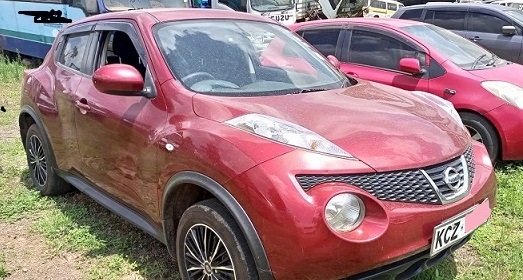
The Office of the Director of Public Prosecutions (ODPP) has announced a public auction of 19 unserviceable motor vehicles alongside obsolete office equipment and surplus stores.

According to a public notice issued on July 7, the auction will take place on July 22, 2026, from 10:00 a.m. at the ODPP headquarters in Nairobi.

The disposal exercise will be conducted in compliance with the Public Procurement and Asset Disposal Act, 2015, and the Public Procurement and Asset Disposal Regulations, 2020. The ODPP has appointed Trend Auctioneers to manage the sale.

Among the vehicles listed for disposal are Toyota Hilux pickups, Toyota Corolla saloons, Nissan Tiida hatchbacks, a Nissan X-Trail, a Toyota Hiace van, a Peugeot 504 and a Suzuki motorcycle.

Reserve prices for the vehicles begin at Sh30,000, providing potential buyers with a range of options at varying price points.

The assets are spread across several stations, including Nairobi, Embu, Garissa, Kapenguria, Lodwar, Marsabit, Migori, Siaya and Tharaka-Nithi.

Besides the motor vehicles, the ODPP will also dispose of assorted vehicle spare parts, batteries, office furniture, office equipment, tyres and information and communication technology (ICT) accessories, all of which have been declared obsolete or surplus to the institution’s needs.

Prospective buyers are required to inspect the vehicles and other items before the auction. The inspection exercise will run from July 9 to July 17, 2026, between 9:00 a.m. and 4:00 p.m., at the respective locations where the assets are stored.

To qualify for participation, bidders seeking to purchase motor vehicles must pay a refundable deposit equivalent to 10 percent of the reserve price of each vehicle they intend to bid for.

Those interested in the assorted stores, which will be sold as a single lot, are required to pay a refundable deposit of Sh5,000.

The deposits should be paid into the ODPP account held at the Central Bank of Kenya under the account name REC – Directorate of Public Prosecutions, Account Number 1000181605.

On the auction day, bidders will be required to present proof of payment to obtain a bidding number.

They must also produce a valid national identification card, passport or, in the case of companies, a certificate of incorporation before being allowed to participate in the auction.

Successful bidders will be required to pay 25 percent of the purchase price immediately at the fall of the hammer and clear the remaining balance within seven days.

According to ODPP, purchased vehicles must be collected within 14 days after the auction failure to which a daily storage fee of Sh2,000 will be imposed.

Also Read: CS Wandayi commissions solar power project at Nairobi remand prison

AfricaNenda supported by Gates Foundation partner with Equity Group

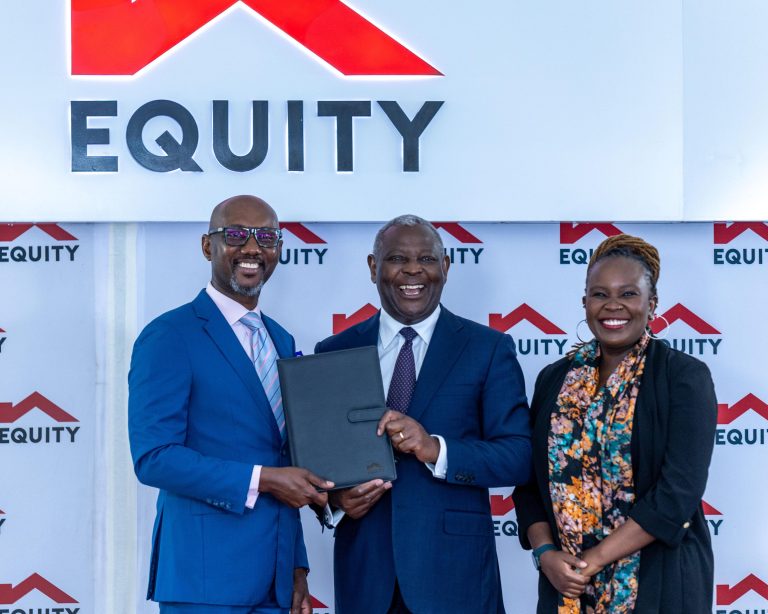
Equity Group Holdings, AfricaNenda Foundation and the Gates Foundation have entered into a strategic partnership to accelerate the development and implementation of Digital Public Infrastructure (DPI) across Africa. The collaboration aims to expand financial inclusion, strengthen digital payment ecosystems and support Africa’s digital transformation through stronger public-private partnerships while modernizing African economies.

Dr James Mwangi Named Africa’s Continental Digital Public Infrastructure Champion

At the same time, Equity Group Managing Director and CEO, Dr James Mwangi, has been appointed the Continental Digital Public Infrastructure (DPI) Champion in recognition of his leadership in advancing inclusive digital financial ecosystems and his commitment to driving Africa’s digital transformation agenda.

Partnership Targets Financial Inclusion and Digital Transformation Across Africa

Speaking during the MOU signing, Dr Robert Ochola, Chief Executive Officer at AfricaNenda, said the partnership builds on Equity Group’s proven leadership in expanding financial inclusion and will help accelerate the adoption of Digital Public Infrastructure across Africa.

“Equity has transformed banking and financial inclusion for millions of Africans. Yet nearly 400 million people across the continent remain excluded from formal financial services. Through this partnership, we want to build practical Digital Public Infrastructure models and scale them across 20 to 30 African markets,” he said.

He added:

“Digital Public Infrastructure cannot succeed without private-sector participation. Equity brings the execution capability, market reach, and innovation needed to move this agenda from policy to implementation. We are delighted that Dr James Mwangi has accepted the role of championing this initiative across the continent.”

Equity Group shareholders approve KES. 21.7 Billion dividend, insurance expansion, and key governance resolutions at 22nd AGM

Public-Private Collaboration to Scale Digital Public Infrastructure

The collaboration will combine AfricaNenda’s technical expertise, policy expertise, and ecosystem leadership with Equity Group’s extensive regional footprint, digital payments capabilities, and implementation experience to accelerate the adoption of Digital Public Infrastructure across Africa.

Focus Areas of the AfricaNenda–Equity Group Partnership

Together, the partners will support the development of interoperable payment systems, digital payment innovation, government and merchant payment solutions, cross-border payment ecosystems, regulatory engagement, technical assistance, knowledge sharing, and policy advocacy.

Industry Leaders Endorse the Digital Public Infrastructure Initiative

Robert Karanja, Founder and Senior Advisor at DPI4Africa and Board Member of the Mojaloop Foundation, said accelerating Digital Public Infrastructure across Africa will require strong private-sector leadership working alongside governments to drive adoption, innovation and financial inclusion.

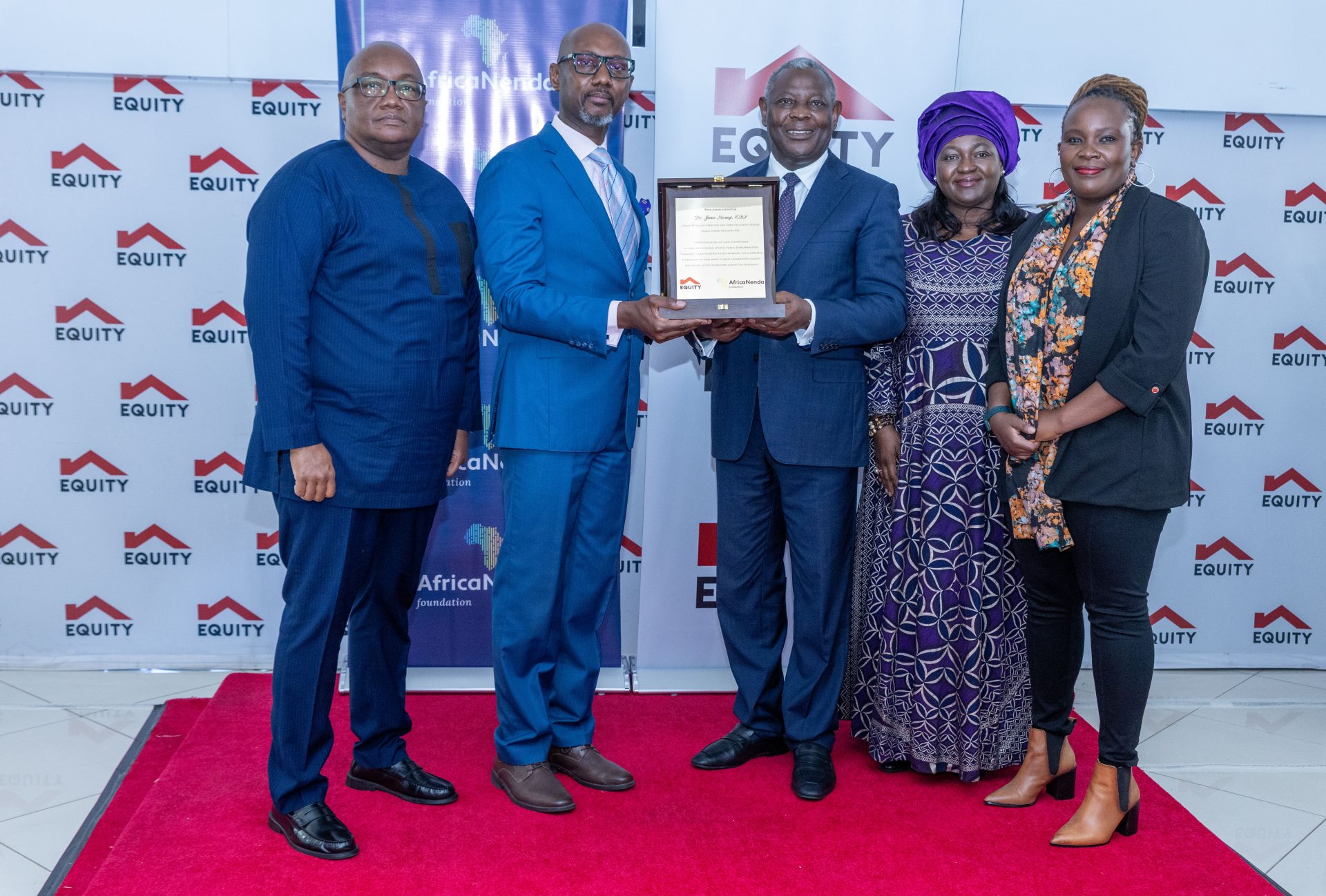
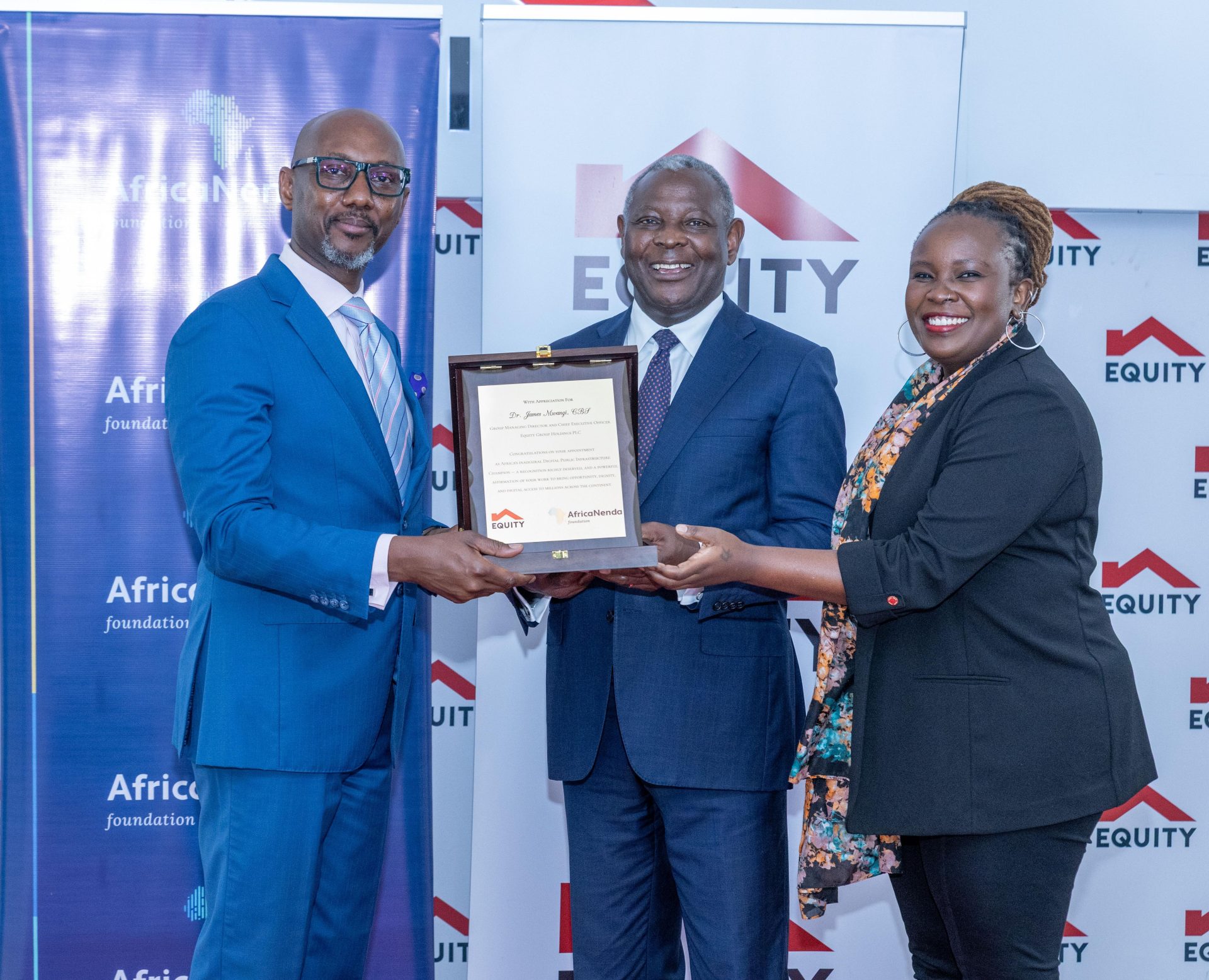
“Today, we are presenting a symbolic plaque bearing Dr Mwangi’s name in recognition of his appointment as Africa’s inaugural Digital Public Infrastructure Champion. This honor reflects his leadership and commitment to advancing digital transformation across the continent. His leadership will bring together a coalition of willing partners to accelerate the adoption and implementation of Digital Public Infrastructure across Africa,” he said.

AfricaNenda supported by Gates Foundation partner with Equity Group to accelerate digital public infrastructure as Dr James Mwangi is named the Continental Champion
(L-R) Founder and Senior Advisor DPI4Africa, Board Member Mojaloop Foundation, Robert Karanja, AfricaNenda Foundation CEO Dr Robert Ochola, Equity Group Managing Director and CEO Dr James Mwangi (centre), AfricaNenda Deputy CEO Sabine Mensah and Nanjira Sambuli, Senior Advocacy Manager, Africa (Inclusive Financial Systems and Digital Public Infrastructure), Gates Foundation, during the handing over of the symbolic plaque on the appointment of Dr. Mwangi as the Continental Digital Public Infrastructure (DPI) Champion.

How Digital Public Infrastructure Will Transform Africa

In this role, Dr Mwangi will champion interoperable Digital Public Infrastructure (DPI) to accelerate financial inclusion, expand access to digital services, and unlock opportunities for millions of Africans. By lowering the cost of accessing trusted digital platforms, DPI will empower young innovators and entrepreneurs to build scalable digital solutions, access regional markets, and create jobs, driving Africa’s digital economy and inclusive growth. It will also enable seamless cross-border payments, trusted digital identities, and secure data exchange, supporting the implementation of the African Continental Free Trade Area (AfCFTA) and deepening regional economic integration.

Dr James Mwangi: Digital Infrastructure Will Power Africa’s Next Economic Transformation

Speaking after the presentation and signing of the MoU, Dr Mwangi said the partnership aligns naturally with Equity Group’s long-standing mission of transforming lives and promoting Africa’s socio-economic development.

“Championing Africa’s economic transformation has always been our purpose. Digital Public Infrastructure provides the foundation for the next phase of that transformation by enabling inclusive digital financial services that reach every citizen. With humility, I accept this appointment to be the champion of Continental Digital Public Infrastructure. I will continue working with governments, regulators, development partners and the private sector to accelerate this agenda because I firmly believe Digital Public Infrastructure has the power to transform economies, expand opportunity and improve lives across Africa,” said Dr Mwangi.

He added:

“We are not asking governments to surrender ownership of public infrastructure. Instead, we are demonstrating how the private sector can partner with governments to accelerate the implementation of critical digital infrastructure such as digital identity and interoperable digital payments. Just as physical infrastructure transformed economies in the past, Digital Public Infrastructure will modernise and transform Africa’s future. Infrastructure alone is not enough; its value comes from the solutions innovators, entrepreneurs and businesses built on top of it.”

Dr Mwangi’s appointment aligns with Equity Group’s Africa Recovery and Resilience Plan (ARRP), reinforcing his leadership in advancing digital innovation, value addition across sectors such as agriculture and extractives, and inclusive economic transformation through trade and investment, manufacturing, technology and logistics, and social and environmental development.

AfricaNenda supported by Gates Foundation partner with Equity Group to accelerate digital public infrastructure as Dr James Mwangi is named the Continental Champion
Equity Group Managing Director and CEO Dr James Mwangi (centre) receives a symbolic plaque on his appointment as the Continental Digital Public Infrastructure (DPI) Champion from AfricaNenda Foundation CEO Dr Robert Ochola (left) and Nanjira Sambuli, Senior Advocacy Manager, Africa (Inclusive Financial Systems and Digital Public Infrastructure), Gates Foundation.

Africa Forward Summit Strengthens Regional Trade and Value Addition

The appointment also follows the successful conclusion of the Africa Forward Summit, where Dr. Mwangi co-chaired the Business Forum and championed value addition, regional trade, and market access for African products. The summit catalyzed strategic partnerships that have since opened premium international markets for Kenyan specialty teas, culminating in the successful launch of Kenyan Purple Tea in Paris and reinforcing Kenya’s transition from exporting raw commodities to branded, high-value products. These achievements reflect Dr Mwangi’s leadership in advancing agricultural transformation and value addition across strategic sectors, including tea, coffee, rice, leather, and other agricultural value chains, creating sustainable livelihoods while strengthening Africa’s long-term economic resilience.

Gates Foundation Backs Practical Digital Public Infrastructure Adoption

Nanjira Sambuli, Senior Advocacy Officer for Africa (Inclusive Financial Systems & Digital Public Infrastructure) at the Gates Foundation, said the Foundation is supporting the partnership because Digital Public Infrastructure must translate into real-world impact by expanding financial inclusion and improving people’s lives.

“At the Gates Foundation, we believe building Digital Public Infrastructure is only a first step. The real measure of success is whether people use it to improve their lives.

That is why we are proud to support AfricaNenda’s partnership with Equity, an institution that has consistently championed financial inclusion and socio-economic transformation across Africa,” she said.

Why Africa Still Needs Digital Public Infrastructure

Despite significant progress in mobile money, hundreds of millions of Africans remain excluded from formal financial services, underscoring the need for interoperable digital infrastructure that enables broader participation in the digital economy.

AfricaNenda Works With More Than 30 Central Banks

AfricaNenda currently works with more than 30 central banks across Africa and believes that the partnership with Equity Group will accelerate the practical implementation of Digital Public Infrastructure through stronger public-private collaboration.

Equity Group Expands Leadership in Africa’s Digital Economy

The collaboration further strengthens Equity Group’s engagement with the Gates Foundation ecosystem while positioning the Group as a leading private-sector implementation partner for Digital Public Infrastructure in Africa.

Next Steps: Governments and Private Sector to Drive Africa’s Digital Future

Through the partnership, AfricaNenda and Equity Group will collaborate with governments, regulators and ecosystem stakeholders to demonstrate how DPI can expand financial inclusion, strengthen cross-border payments and accelerate Africa’s digital transformation.

CS Wandayi commissions solar power project at Nairobi remand prison

0

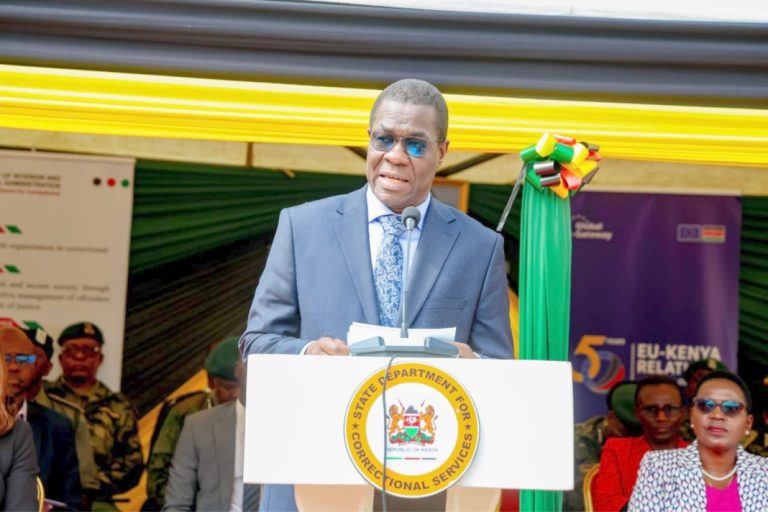
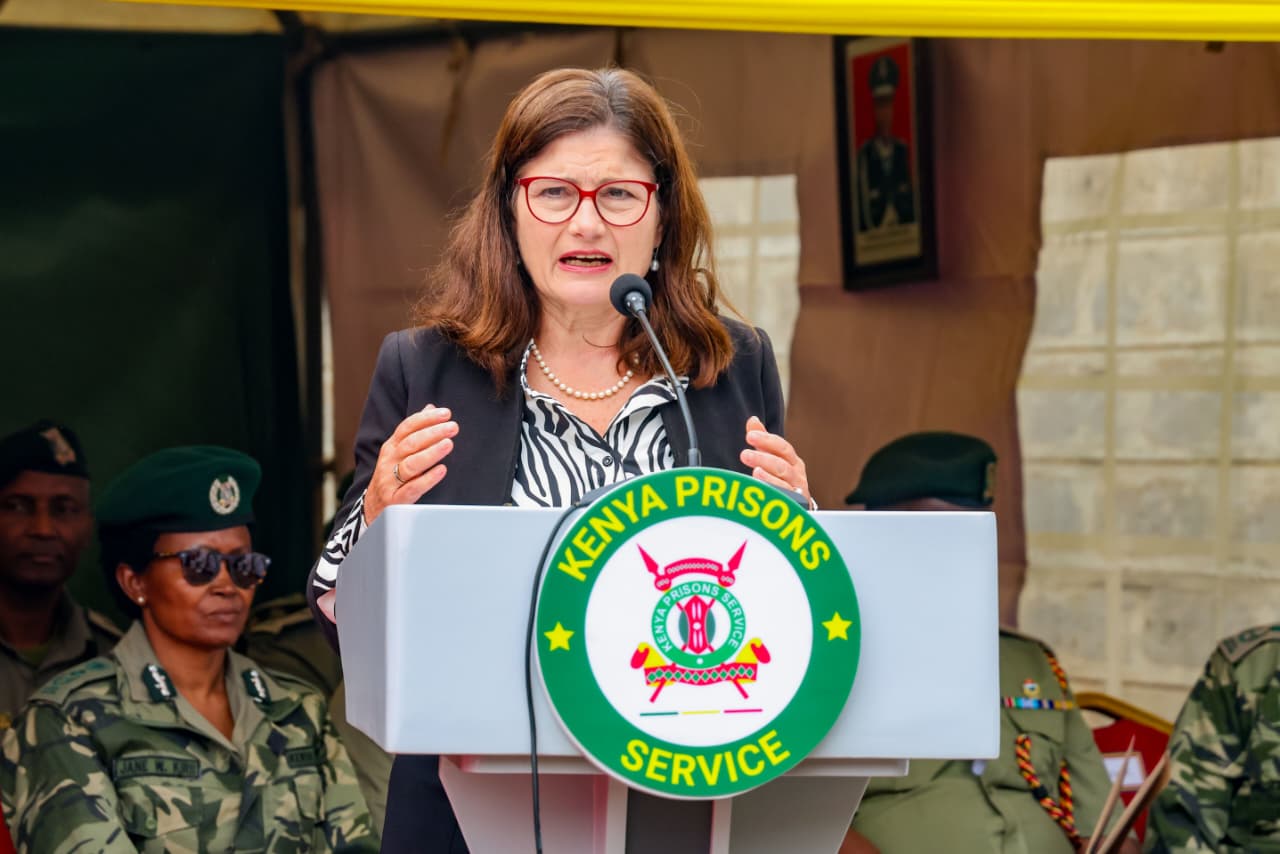
Energy and Petroleum Cabinet Secretary Opiyo Wandayi has officially launched a major solar power project at the Nairobi Remand and Allocation Maximum Security Prison. This project is a key step in modernizing the country’s correctional services and improving access to justice through reliable and sustainable energy. It highlights the government’s commitment to creating an efficient, secure, and environmentally friendly correctional system that can support uninterrupted judicial services.

The project is a collaboration among the Government of Kenya, the European Union, and the United Nations Office on Drugs and Crime as part of the Promoting Legal Education and Assistance to Detained Persons program. This initiative shows the importance of international cooperation in supporting Kenya’s green growth and climate resilience efforts.

During the ceremony, CS Wandayi urged public institutions across the country to embrace renewable energy to reduce electricity costs and mitigate the effects of national grid failures. Before this green infrastructure was installed, the Nairobi Remand facility often faced power outages that disrupted daily operations. These blackouts notably affected the prison’s virtual court infrastructure, which facilitates between 200 and 500 virtual court sessions each day for regional stations in Makadara, Milimani, Kiambu, Kibera, Ngong, Thika, Kisumu, and Mombasa. Unreliable electricity led to unnecessary trial adjournments, delayed digital services, and compromised inmate welfare by shutting down the automated water pumps that supply the facility’s water.

CS Wandayi commissions solar power project at Nairobi remand prison

To address these issues, the new 28.08-kilowatt peak hybrid solar power system includes strong technical backups. The installation features battery storage, inverter chargers, automated switching systems, energy-efficient lighting, and a fully rehabilitated diesel backup generator for emergencies. This system ensures a smooth switch to clean energy during grid failures, keeping critical operational areas, security systems, and digital courtrooms powered at all times. Accompanied by Correctional Services Principal Secretary Dr. Salome Beacco, officials noted that a reliable energy source not only modernizes infrastructure but also restores inmate dignity by ensuring consistent access to utilities.

The operational and financial benefits from the installation have been immediate. Virtual court proceedings—including case mentions, hearings, rulings, appeals, and bail applications—can now happen without interruptions.

Electricity bills to skyrocket by 30 pc over unpaid wayleave fees, warns Energy CS

This directly reduces the backlog of cases in the Kenyan judicial system while upholding the right to timely justice. Additionally, remote virtual trials significantly cut the high logistical costs and security risks of transporting prisoners to various courthouses. The shift to renewable energy has also led to a drop in monthly utility costs at the prison, allowing saved funds to be redirected to important programs for inmate rehabilitation and vocational training.

To ensure the long-term success of the project, structured measures have been put in place, such as staff training, scheduled maintenance plans, and dedicated contractor support during the initial defect notification period. As Kenya continues to progress in climate action and digital transformation, the successful solarization of the Nairobi Remand prison serves as a model for public institutions nationwide. CS Wandayi called for ongoing investments in integrated security systems, high-speed internet, and modern ICT solutions to further the digital transformation of the country’s correctional services while asking international partners to continue supporting these essential reforms.

NCBA loan facility makes asset acquisition more accessible

0

Access to affordable credit can be a game-changer for individuals seeking to acquire assets, meet pressing financial needs or achieve long-term personal goals.

Whether it is purchasing a home appliance, financing education, renovating a house or managing unexpected expenses, the right loan facility can provide the financial flexibility needed without disrupting one’s savings or daily cash flow.

Recognising these evolving financial needs, NCBA Bank offers a Personal Secured Loan designed to help customers access financing tailored to their lifestyles and repayment capacity.

“Acquire assets, accomplish your goals and move further with secured and unsecured personal loans custom-made to suit your lifestyle,” NCBA states.

The facility is structured to accommodate both salaried individuals and customers with other dependable sources of income, making it accessible to a wider range of borrowers.

To qualify, applicants must demonstrate a reliable source of income. This may include a salary or other consistent earnings, which are verified through bank statements.

The verification process helps ensure borrowers receive loan amounts that match their financial ability, promoting responsible borrowing and sustainable repayment.

The loan is available in multiple currencies, including Kenya shillings, US dollars, Sterling pounds and euros.

This gives customers flexibility to borrow in the currency that best suits their financial obligations, particularly those with income or expenses denominated in foreign currencies.

Borrowers can access financing starting from Sh50,000, making the facility suitable for both modest and substantial financial needs.

Rather than imposing a fixed upper borrowing limit, the maximum amount available is determined by an individual’s repayment capacity.

This approach enables customers to secure financing that aligns with their income while reducing the risk of over-borrowing.

NCBA also offers competitive interest rates, helping customers manage the overall cost of borrowing. In addition, interest is calculated on a reducing balance basis, meaning interest is charged only on the outstanding loan balance after each repayment.

As the principal amount declines over the repayment period, the interest payable also reduces, allowing borrowers to save on financing costs compared to loans where interest is charged on the original principal throughout the loan term.

Also Read: NCBA insurance strengthens youth mentorship through ASSK actuarial competition

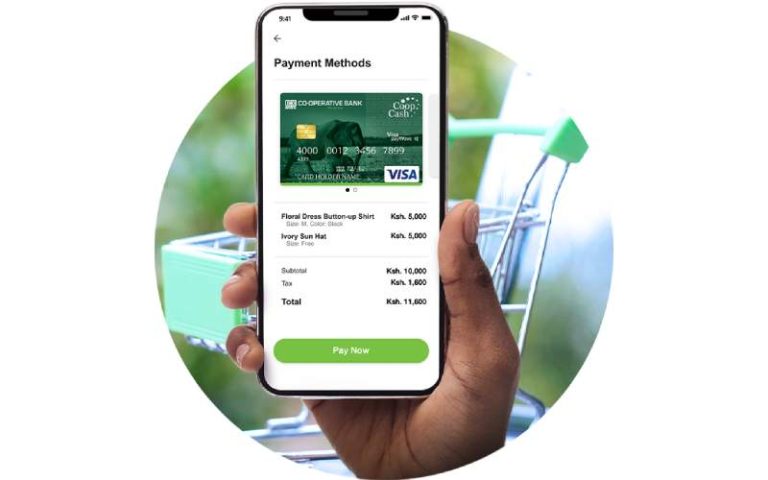
Qualifications to access Co-op mobile loans of up to Sh500,000

1

Sometimes, financial emergencies arise without warning. A medical bill, urgent school fees, an unexpected car repair or a pressing household expense can quickly strain even the most carefully planned budget.

In such moments, access to quick and affordable credit can make the difference between overcoming a temporary cash crunch and falling into financial distress.

Recognising this need, Co-op Bank has introduced a mobile loan solution that enables salaried customers to access short-term financing conveniently through their mobile phones.

The facility is designed to bridge the gap between paydays, giving customers fast access to funds when they need them most.

The mobile loan allows eligible customers to borrow between Sh1,000 and Sh500,000, offering flexibility to cater for a wide range of financial needs.

Whether a customer requires a modest amount to meet an urgent expense or a larger sum to address more significant obligations, the loan provides options suited to different income levels and borrowing requirements.

Another key advantage is the flexible repayment period of between one and three months. This gives borrowers sufficient time to repay the loan without the pressure of making immediate lump-sum payments.

The short repayment window also helps customers manage debt responsibly while ensuring the facility remains a practical solution for temporary financial challenges.

Convenience is at the heart of the service. Customers can apply for the loan by simply dialing *667# on their mobile phones, eliminating the need to visit a banking hall or complete lengthy paperwork.

The simplified application process allows eligible borrowers to access funds quickly, making it particularly useful during emergencies when time is of the essence.

The facility is available to customers who receive their salaries through a Co-op Bank salary account.

This requirement enables the bank to assess customers’ repayment ability while ensuring a seamless lending process.

For employees, routing their salaries through the bank also opens the door to additional financial services tailored to their needs.

Requirements

To qualify, customers are required to open a Co-op Bank salary account, provide a copy of their KRA PIN and register for mobile banking through the Co-op Bank App.

Registration on the mobile banking platform gives customers access not only to the loan service but also to a range of digital banking solutions, including account management, money transfers and bill payments from the convenience of their smartphones.

Eligibility also requires at least one salary credit into the account. This helps establish a customer’s income history, enabling faster loan processing and responsible lending decisions.

Also Read: Make free transactions with Co-op Bank prepaid card