
Home Blog Page 39

NCBA expands access to sustainable homeownership with solar leasing rollout on the Coast

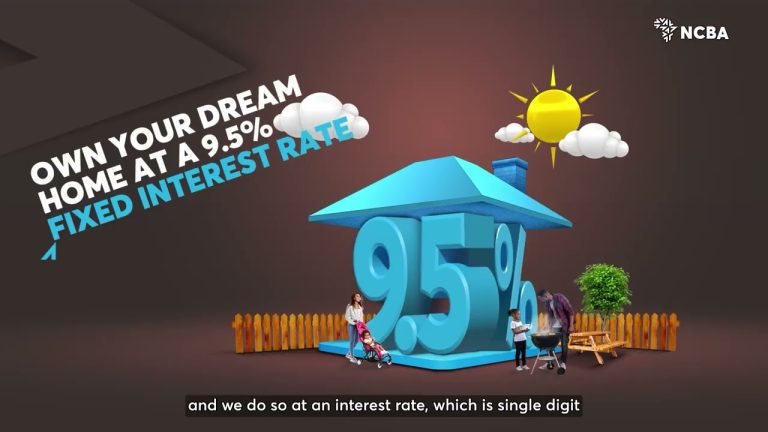
NCBA is strengthening access to more affordable and sustainable homeownership through the rollout of its Solar Leasing solution to the Coast region, alongside its flexible Easy Build financing offering. These solutions were showcased during the Mombasa Property Investment Tour, providing customers with practical, accessible pathways to owning, building and powering their homes.

As Kenya’s real estate sector continues to expand, the Coast region is emerging as one of the country’s most attractive property investment destinations. According to Knight Frank, Mombasa contributes 4.9% of Kenya’s GDP and has matured into a property market whose prime residential values increasingly rival those of Nairobi. This growth is being supported by strategic infrastructure projects such as the Dongo Kundu Bypass, growing diaspora investment and rising demand for residential, holiday and retirement homes.

Despite significant progress in national electrification with approximately 76–79% of Kenyans now having access to electricity and urban access exceeding 97% energy usage and reliability remaining uneven, particularly across coastal regions. In Mombasa, for instance, less than half of households rely on electricity for lighting, while a very small proportion use it for cooking, highlighting continued dependence on alternative energy sources. At the same time, one in five Kenyan households has adopted solar solutions, signalling growing demand for more reliable, flexible and sustainable energy options.

Against this evolving infrastructure and energy landscape, emerging locations such as Vipingo are also gaining popularity as investors seek opportunities within master-planned communities that offer both lifestyle appeal and long-term value appreciation. Despite these opportunities, many aspiring homeowners and investors still face challenges around financing, affordability and navigating the property acquisition process.

Breaking down NCBA’s mortgage facilities for land and home ownership

In response to these barriers, NCBA continues to introduce solutions that make property ownership more flexible and attainable. The newly introduced Solar Leasing solution enables customers to access clean, reliable energy for their homes without the need for significant upfront capital investment, making sustainable living more accessible. This complements NCBA’s Easy Build financing solution, which allows customers to purchase land and construct homes in phases based on their financial capacity.

Through the Mombasa Property Investment Tour, customers were able to engage directly with these solutions while receiving practical guidance on financing, legal requirements and ownership options. The tour offered a first-hand look at high-potential developments across Vipingo and the wider coastal region, including Ocean View Ridge, Kingswood Park, Awali and Pazuri.

Through discussions with legal advisors, valuers, property developers and NCBA financial experts, attendees gained clearer insight into the homeownership journey and the financing options available to support their goals. These engagements covered key aspects of property ownership, including legal due diligence, ownership documentation, mortgage structuring, affordability assessments, insurance solutions and risk management.

NCBA continues to support property ownership across the Coast region, backed by a mortgage portfolio of more than KES 1.1 billion. The bank has partnered with seven property developers in Mombasa and continues to advance affordable housing initiatives and buy-and-build opportunities aligned with changing customer needs.

During the tour, NCBA also showcased its full suite of property financing solutions designed to address common barriers to homeownership. These include up to 105% mortgage financing, which helps customers cover not only the property purchase but also associated costs such as legal fees and valuation charges, significantly reducing upfront financial requirements.

NCBA brings property investment drive to Kisumu as demand for housing grows

The bank also highlighted its Easy Build solution, which allows customers to construct homes in phases, providing greater flexibility and control over the building process. For customers undertaking larger projects, NCBA’s construction financing solutions offer structured funding aligned to project milestones, supported by the bank’s in-house technical expertise, including quantity surveyors who provide guidance throughout construction.

The addition of Solar Leasing further strengthens NCBA’s end-to-end homeownership ecosystem, enabling customers not only to finance and build their homes but also to power them sustainably. This integrated approach positions NCBA as a trusted partner supporting customers from acquisition and financing through to construction and long-term home use.

Beyond property showcases, the tour provided a platform for meaningful engagement and relationship-building, allowing participants to interact directly with NCBA financial advisors, legal experts and property developers.

The success of the Mombasa engagement reflects NCBA’s continued focus on delivering practical, innovative solutions that make homeownership more accessible, flexible and sustainable. Building on this momentum, NCBA plans to roll out similar initiatives across the country, expanding access to property investment opportunities, expert guidance and tailored financing solutions.

Customers interested in learning more about NCBA’s property financing solutions and upcoming engagements can access information through the bank’s branches and digital platforms.

 

Farmers switch to indigenous vegetable farming as demand soars

0

Indigenous vegetables, once largely regarded as food for low-income households, are making a remarkable comeback in western Kenya, with farmers increasingly abandoning conventional vegetable farming in favour of traditional crops that promise quicker returns and a ready market.

In Lugari Subcounty, Kakamega County, growers are expanding acreage under black nightshade (managu), amaranth (terere), spider plant (saga), cowpea leaves (kunde) and pumpkin leaves as consumer demand continues to outstrip supply.

The shift has been driven by growing awareness of the vegetables’ nutritional and medicinal benefits, making them highly sought after in both rural and urban markets.

Unlike kale and cabbage, indigenous vegetables mature within a short period, require relatively low production costs and can be harvested repeatedly, enabling farmers to earn a steady income throughout the year.

Peter Wekesa, a farmer from Lumakanda, says the crops have transformed his earnings due to their quick turnover and dependable market.

“I harvest after one week and rarely keep the vegetables for long because traders buy everything directly from the farm,” he told KNA.

According to Wekesa, a 90-kilogramme sack of indigenous vegetables fetches between Sh3,500 and Sh5,000 depending on the season and variety, significantly higher than the Sh1,500 to Sh2,500 earned from a similar quantity of kale or cabbage.

The increased profitability has encouraged more farmers to venture into indigenous vegetable production, although demand continues to outpace supply.

At Lumakanda Market, trader Mary Nanjala says customers are buying up the vegetables as soon as they arrive, leaving traders struggling to satisfy the growing appetite.

“Five years ago, these vegetables were readily available, but today we struggle to get enough. By 8 am, most of my stock is already bought by consumers,” she says.

Agricultural experts attribute the growing popularity of indigenous vegetables to changing dietary habits, with more Kenyans embracing healthier foods rich in essential nutrients.

Lugari Subcounty Agriculture Officer Kakai Wekesa says traditional vegetables have evolved from being subsistence crops to lucrative commercial enterprises due to their superior nutritional value.

“Traditional vegetables are rich in iron, calcium, vitamins A and C, as well as antioxidants. More consumers are embracing healthier diets, making these crops commercially attractive to farmers,” he says.

Besides their nutritional advantages, Wekesa notes that indigenous vegetables require fewer chemical inputs, mature rapidly and can be harvested several times from a single planting, reducing production costs while ensuring continuous income for farmers.

He says increased public awareness on nutrition, changing consumer preferences and the return to traditional diets among urban households have significantly expanded the market.

Institutions such as hospitals, schools and hotels are also increasingly incorporating indigenous vegetables into their menus, further boosting demand.

However, despite the growing commercial potential, production has failed to keep pace with consumption.

Agricultural experts cite shrinking land sizes, prolonged dry spells, unreliable rainfall, declining household kitchen gardens and the gradual replacement of indigenous vegetables with exotic crops as key factors limiting production.

They argue that increased investment in quality seed production, irrigation and farmer training could help bridge the widening supply gap while enabling more farmers to benefit from the rapidly expanding market.

Also Read: Magic flower helping vegetable farmers cut costs, boost yields

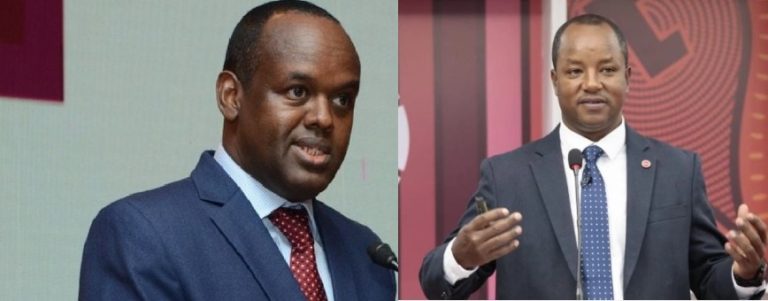
Absa Bank Kenya CEO Abdi Mohamed resigns, Yusuf Omari appointed interim CEO

Absa Bank Kenya has announced the resignation of its Chief Executive Officer, Abdi Mohamed, effective 30 June 2026, bringing to an end his tenure of just over three years at the helm of the lender.

Absa Bank Board announced Abdi’s departure on Monday, June 29, adding that he resigned to pursue other career opportunities.

“Serving Absa for the past three decades has been one of the greatest privileges of my professional life. I have had the opportunity to work alongside exceptional colleagues, supportive boards, and valued customers across different markets, including Kenya and Tanzania. I am proud of what we have achieved together, particularly over the last three years. As I embark on a new chapter, I do so with immense gratitude and confidence in the Bank’s future. Absa Bank Kenya has a strong leadership team, a clear strategy, and tremendous potential, and I wish Yusuf and the entire team continued success,” Mr. Mohamed remarked.

Mr. Mohamed is leaving the Bank after a 32-year career during which he served in various leadership roles, including the last three years as CEO and MD of Absa Bank Kenya. He also previously served as Managing Director of Absa Bank Tanzania.

During his tenure, he has steered the Bank through defining moments that have not only enhanced organizational resilience but also created strong business growth, leading to the doubling of the Absa Kenya share price over a three-year period.

“The board and management of Absa Bank Kenya appreciate Mr. Mohamed for his leadership, diligence, outstanding service and contribution to Absa and wishes him the best in his future endeavours,” said Absa Bank Board of Directors Chairman Mr. Mohammed Nyaoga.

To ensure a smooth leadership transition, the Board has appointed Absa Bank Kenya’s Chief Financial Officer Yusuf Omari as Interim Managing Director and Chief Executive Officer with effect from 1st July 2026, subject to regulatory approvals.

This marks the second time Omari has been called upon to steer the bank in an acting capacity, having previously taken over the position in 2022 following the departure of former CEO Jeremy Awori.

Omari is a seasoned finance and banking professional with more than two decades of experience at Absa Bank Kenya. He joined the lender in 2004 from audit firm KPMG, where he had worked between 1998 and 2004.

During his time at the bank, he has held several senior leadership positions, including Head of Internal Audit for the East and West Africa cluster from 2004 to 2008 and Head of Compliance between 2008 and 2009.

He was appointed Chief Financial Officer in 2009, a role he has held for over 15 years while overseeing the bank’s financial strategy and performance.

Omari is also a qualified Certified Public Accountant (CPA) and Certified Internal Auditor. He is a member of the Institute of Chartered Public Accountants of Kenya (ICPAK) and the Institute of Internal Auditors (IIA).

Beyond his executive responsibilities, he serves on the boards of the University of Nairobi Enterprise Services and ICPAK.

Academically, he holds a Master of Business Administration from Strathmore Business School and a Bachelor’s degree in Economics from the University of Nairobi.

His extensive institutional knowledge and leadership experience are expected to provide continuity as the bank transitions to new leadership.

“The Board is fully committed to supporting Mr. Omari and is confident in his ability to provide strong, steady, and effective leadership during this period of transition. We believe his extensive experience and deep understanding of the business will ensure that the Bank remains focused on executing its strategy, delivering value to stakeholders, and sustaining its growth trajectory,” said Mr. Nyaoga.

Also Read: Family Bank shares seesaw on NSE days after historic listing

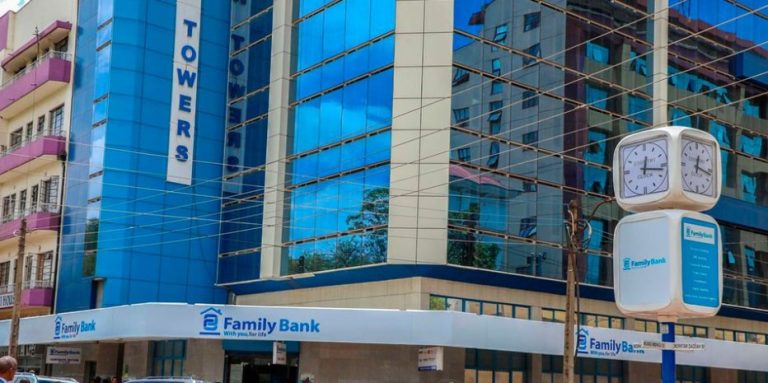
Family Bank shares seesaw on NSE days after historic listing

Days after Family Bank shares started trading on the Nairobi Securities Exchange, the counter has been seesawing from highs and lows as it seeks its actual trading range.

A spot check by Bizna Kenya shows that on the first day of trading, the Family Bank shares touched a high of Sh50 per share before swinging to low 20s.

In the following days after this listing, the shares recorded daily price reduction, with the counter featuring prominently on the NSE top losers chart.

According to Muthoni Njakwe, an accountant and the author of personal finance book Her Shilling, Her Power: A Woman’s Guide to Financial Freedom, buying the stock at a price of Sh50 per share may not have been a very sound investment decision.

“If you buy Family Bank shares at Sh50 after its introduction, you will cry. That’s guaranteed. Always check whether a company is trading above its book value and whether the valuation makes sense before investing. Do not just buy because everyone is buying,” says Muthoni.

“If you buy at Sh50, you will have to either cry, sell at a loss or hold through it, for several years as you wait for the fundamentals to catch up with the valuation. Do not buy the hype. Be patient. Once the excitement settles, the market usually adjusts.”

Muthoni adds that even as the market adjusts, Family Bank remains a very strong stock for investors. “This is a great stock. It has great fundamentals,” she says.

READ MORE: No new runway will be built at JKIA despite Sh154bn ‘upgrade’ project 

On June 23, the counter closed trading at an average price of Sh26 per share with a traded volume of 1.87 million shares. A day later on June 24, it went down to an average trading price of Sh24.65 per share with a traded volume of 1.75 million shares. On June 25, the counter went down even further to settle at a day’s trading average price of Sh22.40 from a traded volume of 2.15 million shares.

On June 26, it gained by 9.38 percent from Sh22.40 apiece to end the week at a trading average price of Sh24.50 per share. This came from a traded volume of 1.03 million shares. On that day, the Family Bank shares touched a high of Sh24.60 and a low of Sh23.75 per share.

On Monday June 29, the stock gained marginally to close the day at an average trading price of Sh24.95 per share. On Tuesday June 30th, though, it dipped by 3.01 percent to end the month at an average trading price of Sh24.20 with a traded volume of 754,820 shares. During the day’s trading session though, the counter touched a high of Sh25 per share.

“Family bank is considering bringing in strategic investors to support its next phase of growth. This is something investors should Keep an eye on. In the short term, investors are rarely rational, and they react quickly to such news. The moment the announcement drops that Family Bank has officially brought in new strategic investors, the stock will likely hit a temporary all-time high. That’s how sentiment-driven moves usually play out,” says Muthoni.

The Family Bank shares had listed at an introductory price of Sh18 per share. Listing by introduction means that no new shares were issued for purchase on the NSE. Instead, the bank’s existing 1.66 billion shares, which had been trading on the over-the-counter market since 2006, were transferred to the NSE’s regulated trading platform. The bank listed on the Main Investment Market Segment (MIMS) section on the NSE.

The bank became the 12th lender to be listed on the NSE, and the first addition on the segment since Rwanda’s BK Group cross-listed on the local bourse.

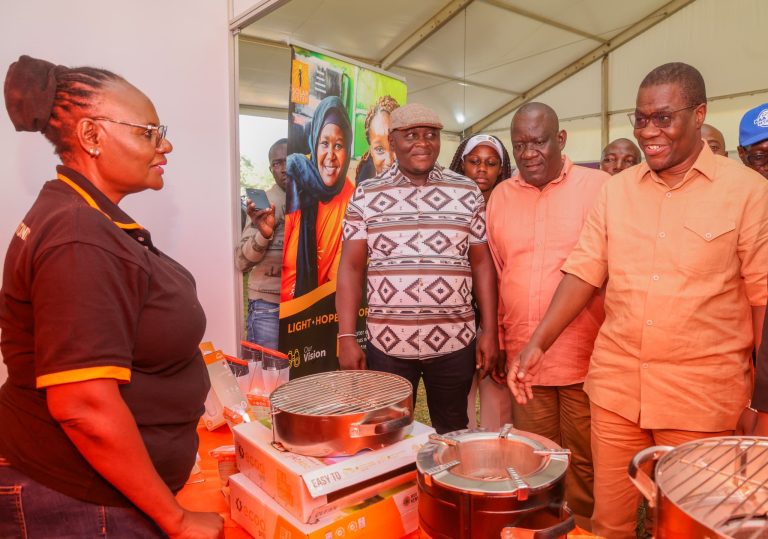
Energy CS Wandayi: Kenya on course to achieve universal clean cooking access by 2028

0

 Kenya aims to ensure universal access to clean cooking solutions by 2028. This goal addresses the serious public health and environmental risks linked to traditional fuels. Currently, about 9.1 million Kenyan households use firewood and charcoal as their main energy source. Of these, 7.4 million are in rural areas, and 1.7 million are in urban centers. This widespread use puts millions at risk for harmful indoor air pollution, leading to respiratory diseases, eye problems, and other serious health issues.

To address this challenge, the energy CS Hon.  Opiyo wandayi government launched the Kenya National Cooking Transition Strategy 2024–2028. This single, unified plan brings together various existing initiatives, including the Bioenergy Strategy, the Bioethanol Masterplan, the LPG Growth Strategy, and the Electric Cooking Strategy. By integrating these programs, the framework acknowledges that different communities need different approaches based on their local circumstances and resources.

Kenya Advances Biofuel Blending to Strengthen Energy Security and Reduce Fuel Import Dependence

The transition focuses on five key priority areas to connect rural and urban needs. First, the government wants to increase the availability of clean cooking fuels and technologies throughout all regions. Second, it aims to improve affordability so lower-income households can move away from charcoal and wood. To support this financially, the strategy also emphasizes promoting local manufacturing of clean cooking equipment and developing sustainable, homegrown fuel sources like biogas and bioethanol. Finally, the plan stresses the importance of raising public awareness by teaching communities about the direct risks between traditional fuels and poor health.

Additionally, implementation is heavily decentralized through the Integrated National Energy Plan (INEP) 2023–2043. This plan includes clean cooking in county-level energy planning, allowing local governments to customize investments in LPG distribution, electric cooking, bioethanol, biogas, and improved cookstoves. This localized approach ensures that solutions fit local economic needs and cultural practices while creating regional job opportunities.

1xBet & Nairobi City Marathon 2026: Results of a Day Built on Energy, Sport and Community

0

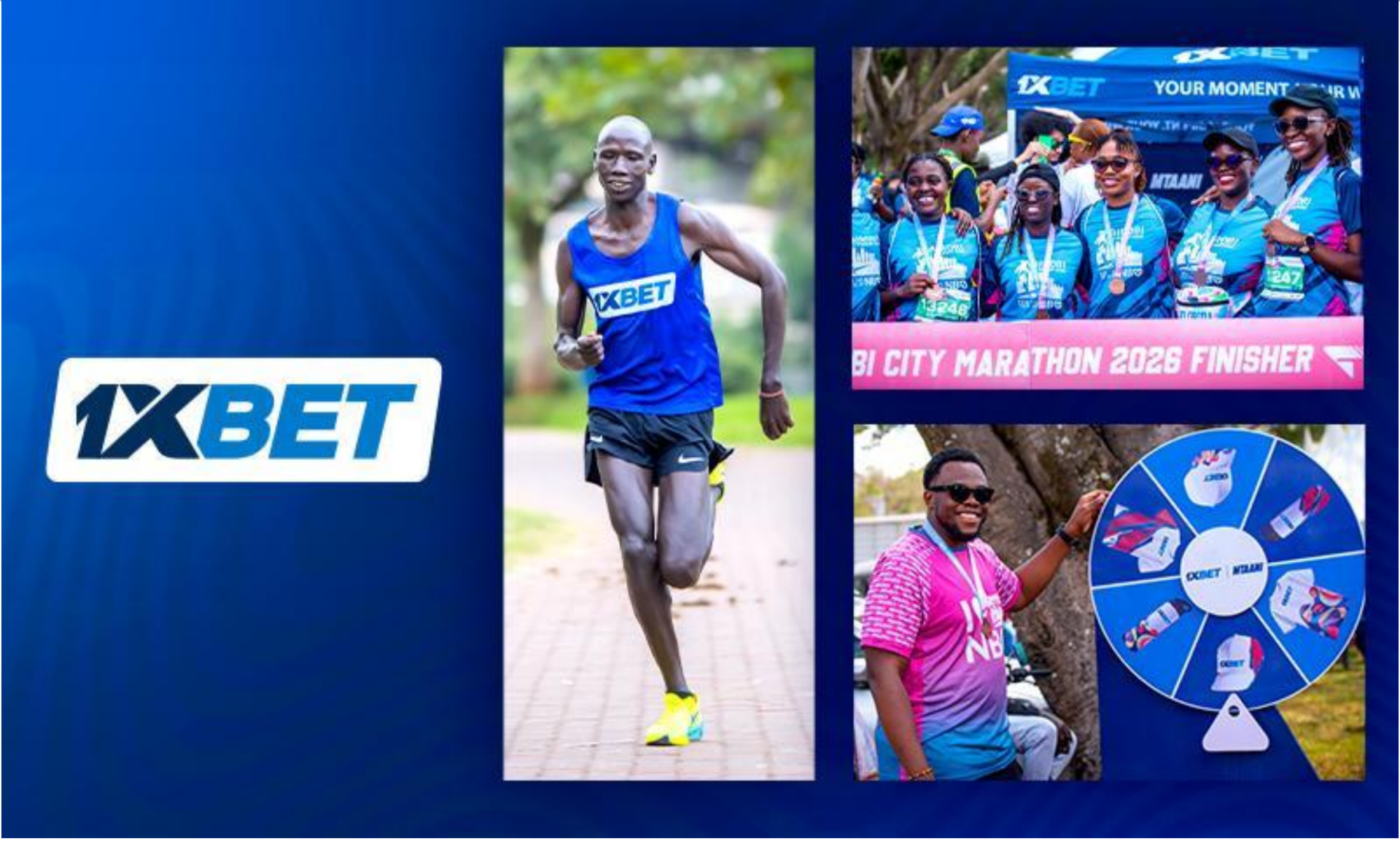
1xBet successfully joined Nairobi City Marathon 2026 as a partner, supporting one of Kenya’s major running events and becoming part of a day that brought together runners, fans and Nairobi’s active sports community.

The marathon took place on 7 June 2026 in Nairobi, Kenya, with participants competing across several race categories, including the 42 km marathon, 21 km half marathon, 10 km Expressway Run and 6 km Fun Run.

1xBet was present at the event with the Runner Recharge Point – a branded hospitality area created for runners and fans. The zone included a photo area, promoters, on-site activities and branded gifts. Finishers also received 1xBet towels as a practical souvenir after completing their race.

Nairobi’s Energy Through Participants’ Eyes

After the marathon, participants shared their impressions of the event. Their responses showed how the marathon was perceived as a personal challenge and a shared city moment.

Don’t miss your chance to get a welcome package of up to 190 000 KES + 150 FS in 1xBet Casino!

For one participant, Nairobi City Marathon 2026 became a first marathon experience and a test of personal readiness:

“Besides work, I was really excited for my first ever marathon and seeing if I was actually healthy enough to do a marathon. I now know I am ready.”

Another participant highlighted the atmosphere of the day:

“It was one of the most wholesome events I have been to in a while. The support, the energy from the people, the togetherness everyone had. Beautiful.”

Yet another participant explained:

“It not only brings people together, but it reminds people there’s more to live for besides our day-to-day life in the offices and work.”

For many, sport also has a wider meaning. It supports a balanced lifestyle, helps maintain social connections and can work as a positive way to manage stress.

“Whichever sport one is into helps with maintaining a healthy social life. A good stress reliever if you ask me.”

1xBet & Nairobi City Marathon 2026: Results of a Day Built on Energy, Sport and Community

The Role of Brand Support

For 1xBet, Nairobi City Marathon 2026 was an opportunity to support a relevant local sports event and engage with runners in a natural event environment. The brand’s on-site presence helped extend the marathon experience through interaction, photos and small post-race rewards.

Participants also recognised the role of brands in supporting events of this scale:

“Brands not only enhance their visibility, but they make lasting impressions in the mind of participants who later become part of their consumers.”

Through the Runner Recharge Point and branded finishers’ gifts, 1xBet contributed to the event atmosphere while strengthening its connection with Kenya’s running community.

Mobile-first as new standard: why apps define future of betting in Africa

A Message for Future Runners

For people thinking about joining similar events in the future, participants shared a clear message: take the chance, even if it looks difficult at first.

“Go for it. It might look hard or unrealistic, but there is something about pushing yourself past your limit. And even better because you get a community.”

Nairobi City Marathon 2026 showed that mass sports events create space for personal achievement, community support and shared city pride.

1xBet thanks everyone who joined Nairobi City Marathon 2026, visited the Runner Recharge Point and helped make the day memorable.

Nairobi runs. 1xBet supports the pulse.

Unilever Kenya seeks distribution partners for Nairobi CBD operations

0

Unilever Kenya Limited has invited visionary entrepreneurs and established companies to apply for distributorship opportunities within Nairobi’s Central Business District (CBD).

The company has issued a request for expressions of interest, inviting qualified firms to become distribution partners for its extensive portfolio of fast-moving consumer goods (FMCG).

The opportunity targets businesses with the financial capacity and operational expertise to manage a large-scale distribution network.

“Unilever Kenya Limited (UKL), a leading manufacturer of consumer goods, is inviting visionary entrepreneurs and companies to become distribution partners within CBD, Nairobi, Kenya. This is more than a business; it’s a chance to drive impact, build wealth, and grow with one of the world’s most trusted brands,” Unilever said in a statement.

To qualify, applicants must demonstrate proven experience in driving FMCG business and show the ability to effectively manage the distributorship either directly or through a competent management team.

Prospective distributors are also expected to have the financial muscle to raise more than Sh35 million in working capital and secure a bank guarantee from a reputable financial institution.

Successful applicants must also be prepared to establish operations within Nairobi’s CBD and demonstrate a proven ability to develop category solution centres.

The company is looking for partners capable of executing integrated marketing initiatives across the region to improve customer experience, increase foot traffic and accelerate category growth.

“Proven capability to establish category solution centers within the beauty retail environment and lead the execution of integrated marketing initiatives across the region to enhance brand experience, drive footfall, and accelerate category growth.”

Businesses interested in the opportunity have until July 6, 2026, to submit their applications via email [email protected]. The email subject line should read “Unilever Distributor Application – CBD Nairobi.”

“Applications will be accepted via email only.”

Applications must be accompanied by a comprehensive company profile alongside details of the company’s directors, including a list of directors and copies of their national identification documents.

The application should also include references from business associates. In addition, businesses must provide copies of key registration documents, including the certificate of incorporation, trading licence, tax clearance certificate, income tax certificate, and withholding tax exemption certificate, where applicable.

Bank statements covering the previous six months are also required as part of the evaluation process.

Only shortlisted candidates will be contacted and will be required to present original documents for verification upon request.

Also Read: Safaricom tightens grip on Kenya’s fixed broadband market

Lock it. Grow it. Win up to Shs50,000

0

Most of us have made peace with a lie we tell ourselves every month: ‘I’ll start saving properly next time.’ But next time keeps moving. And meanwhile, the money that could have been building a future quietly disappears into a hundred small decisions that felt necessary in the moment.

Here’s the truth: the gap between people who build financial security and people who don’t is rarely income. It’s the habit of saving first, and the right tool to make that habit stick.

Why the Lock Is the Secret

M-Shwari Lock Savings works because it removes temptation from the equation entirely. Regular savings sit there, vulnerable to every impulse. Locked savings are committed. They earn interest quietly in the background while you get on with life, and when your lock period ends, you find a version of your money that has grown without you having to do anything else.

Every shilling you lock today is working for you tomorrow. Not sitting. Working.

That’s not a small thing. That’s the foundation of every financial milestone worth reaching — a child’s school fees, a business, a home, the freedom to say yes when opportunity knocks.

And Right Now, There’s a Reward Worth Chasing

The M-Shwari Smart Savers Campaign is live and it is rewarding customers who save consistently with cash prizes of up to Shs50,000. Real money. Not vouchers, not points. To qualify, simply save consistently at least once a week for 12 weeks, set a target in Lock Savings and achieve it, or emerge as the highest saver, with cash rewards ranging from Shs2,000 up to Shs50,000. The kind of reward that reminds you that good financial habits should pay you twice: once in peace of mind, and again in hard cash.

Getting started takes two minutes. Open M-Pesa, select M-Shwari, then Lock Savings. Choose your amount, set your period, and you’re in. The rest takes care of itself.

Why is my M-Shwari limit zero yet I am saving? Safaricom answers

The Best Time to Start Was Yesterday. The Next Best Is Now.

You don’t need a large sum. You don’t need to wait for the perfect month. You just need to make the decision once and let the lock do the rest. The campaign is live. The rewards are real. The only thing standing between you and Shs50,000 is the moment you decide your future is worth saving for.

Safaricom tightens grip on Kenya’s fixed broadband market

0

Safaricom has strengthened its leadership in Kenya’s fixed internet market, growing its market share to 35.5 per cent and increasing its subscriber base to 941,501 customers, according to the latest sector statistics released by the Communications Authority of Kenya (CA).

The CA’s third-quarter 2025/26 report shows that Safaricom added more than 83,000 new fixed broadband customers between December 2025 and March 2026, increasing its market share from 34.9 per cent in the previous quarter.

The growth comes amid rapid transformation in Kenya’s fixed broadband market, with operators increasing internet speeds, improving affordability, and expanding access to underserved customer segments.

Other key players in the market include Jamii Telecommunications Limited (Faiba), Wananchi Group (Zuku), and Poa Internet Kenya Limited, with market shares of 20.1 per cent, 11.1 per cent, and 10.7 per cent, respectively.

“Most fixed internet subscriptions in Kenya are on speeds between the 10 and 30 Mbps bands, mainly due to their affordability and reliability for most subscribers,” the Communications Authority noted in its report.

As the market leader, Safaricom has positioned 15 Mbps as the entry-level speed on its most affordable fibre package; a move expected to further accelerate broadband adoption and usage.

The opportunity for growth remains significant. While Kenya has more than eight million households connected to electricity, only 2.7 million currently have fixed internet subscriptions.

Safaricom inches closer to 60M subscribers in Kenyan market

In its financial year ending March 2026, Safaricom recorded 32 per cent growth in fixed broadband subscribers and a 12 per cent increase in revenue from the segment, underlining the strategic importance of the business.

The company has also transformed its fibre deployment model, leveraging technological innovations and lower installation costs to expand connectivity beyond traditional high-income residential areas.

Existing customers have benefited from doubled internet speeds at no additional cost, while new solutions such as WiFi Bamba are enabling affordable home fibre connectivity in lower-income communities, including the Affordable Housing Project in Mukuru, Nairobi.

Safaricom is also piloting tokenisation models that would allow customers to purchase short-term, high-speed internet access within fibre-enabled zones, while its partnership with Huawei on Fibre-to-the-Home (FTTH) solutions is improving connectivity experiences within homes and businesses.

The broader sector continues to benefit from major investments in international connectivity infrastructure. According to the Communications Authority, Kenya’s international internet bandwidth grew by 16.4 per cent to 28,130.3 Gbps.

“This growth was driven by increasing demand for higher capacity and faster internet speeds. Notably, SEACOM expanded its capacity by 53.3 per cent to 10,500.0 Gbps. Consequently, total utilized bandwidth capacity grew by 3.0 per cent to 17,758.824 Gbps,” the report noted.

CFAO mobility Kenya unveils new Suzuki Models to boost affordable mobility

0
Suzuki by CFAO Mobility Kenya has today unveiled the new Suzuki Models Super Carry, Eeco and Across which are designed to provide Kenyans with affordable, fuel-efficient, and accessible mobility solutions that stimulate economic growth by empowering individuals and small businesses with efficient mobility solutions to drive their ambitions.
The Suzuki models are designed to provide Kenyans with affordable, fuel-efficient, and accessible mobility solutions that will empower individuals and small businesses. The brand’s key value proposition is centered around affordability and efficiency of running the vehicle, making ownership more achievable for every Kenyan.
Speaking during the unveiling ceremony, CFAO Mobility Kenya Managing Director, Arvinder Reel said, “Kenya’s automotive market is increasingly value-driven, with buyers being cost-conscious and seeking vehicles that offer better value, are reliable, practical, and cost-efficient over time. The Suzuki models are designed to make car ownership more attainable with the models reflecting the brand’s strong commitment to cost-conscious consumers and first-time buyers.”
He added, “By prioritizing safety, reliability, and accessibility, Suzuki by CFAO Mobility Kenya continues to promote inclusive mobility solutions that address the diverse transportation needs of Kenyans.”
The Suzuki Super Carry is a light-duty pickup designed for small businesses and last-mile logistics. The vehicle is built for efficient urban operations and can maneuver in congested areas. It is a fuel-efficient car with a 30-litre fuel tank, a large cargo deck designed to carry goods and equipment, a payload capacity of up to 730 kg, and a high-strength steel chassis that enhances safety for commercial use. It has a two-seat single-cab layout and is engineered for daily operations, durability and long-term reliability.
The Suzuki Eeco is a multi-purpose van designed to meet both family and business needs. It has a spacious interior and load area that makes it ideal for passenger transport, accommodating up to 7 passengers; last-mile deliveries for goods and equipment; and small business operations. It also has a payload capacity of 615 kg. It is fuel-efficient, with a fuel tank capacity of up to 32 litres. The vehicle can also manoeuvre in urban environments, while its robust chassis enhances durability and reliability. It is also built for long-term use, offering low maintenance and cost-effective ownership and making it ideal for businesses and families seeking dependable and affordable mobility.
Suzuki Across is an SUV with strong performance and all-wheel-drive capability, making it well-suited for city driving and off road conditions. It features a spacious five-seat cabin and a 45-litre fuel tank, powered by a 1.5-litre engine that delivers excellent performance suitable for both daily commutes and longer journeys.  It also comes with advanced safety features with 6 airbags, Anti lock braking system (ABS), Dual Sensor Brake support and hill assist.
The new Suzuki models by CFAO Mobility Kenya will be supported by the country’s largest aftersales and service network of over 43 branches, dealerships, and authorised service centres, ensuring convenient and reliable aftersales support, and providing peace of mind for every customer.