Home Blog Page 6

Absa Bank Kenya appoints Yusuf Omari as Managing Director and CEO, strengthening leadership for Next Growth Phase

The Board of Directors of Absa Bank Kenya PLC has appointed Yusuf Omari as Managing Director and Chief Executive Officer, with immediate effect, following receipt of all required regulatory and internal approvals.

Omari Takes Over After Serving as Interim CEO

Mr Omari has served as Interim Managing Director and Chief Executive Officer of Absa Bank Kenya since 1 July 2026, having previously served as the Bank’s Chief Financial Officer since 2009.

He is a seasoned banking executive with more than two decades of leadership experience spanning finance, treasury, risk management, governance, sustainability, strategy and transformation, and executive management.

Two Decades of Banking Leadership

Throughout his career, Mr Yusuf Omari has built a strong track record of driving sustainable growth, financial performance and transformation in complex banking environments.

As Chief Financial Officer, he played a key role in strengthening the Bank’s financial performance, improving its cost-to-income ratio, optimising capital and supporting the growth of Absa Kenya’s Corporate and Investment Banking, Business Banking and Consumer Banking franchises.

He also championed strategic initiatives in digital transformation, ecosystem banking and sustainability.

Absa Bank Kenya CEO Abdi Mohamed resigns, Yusuf Omari appointed interim CEO

Board Backs Yusuf Omari to Lead Next Chapter

Commenting on the appointment, Mohammed Nyaoga, Chairman of Absa Bank Kenya, said:

“Yusuf’s appointment reflects his proven ability to lead, deliver sustainable growth and create long-term value. His extensive experience across the Bank, deep understanding of the Kenyan market, and strong track record of working with customers, colleagues, regulators and other stakeholders position him strongly to lead Absa Bank Kenya into its next chapter. The Board is confident that under his leadership, the Bank will continue to strengthen its competitiveness, deepen customer relationships and deliver sustainable growth.”

Absa Group Highlights Experience and Performance

Saviour Chibiya, Regional Executive for East Africa, Absa Group, said:

“Yusuf is a highly accomplished leader who has made a significant contribution to our business and exemplifies the values of excellence, integrity and performance that define our organisation. We have every confidence in Yusuf as he takes on the leadership of Absa Bank Kenya and wish him every success in this important role.”

Absa Bank Kenya posts Sh10.5 billion half-year profit

Omari Sets Focus on Sustainable Growth and Customer Relationships

Commenting on his appointment, Yusuf Omari, Managing Director and Chief Executive Officer of Absa Bank Kenya, said:

“I am deeply honoured by the confidence that the Board and Absa Group have placed in me through this appointment. Absa Bank Kenya has a strong foundation, an exceptional team and an important role to play in supporting Kenya’s economic growth and development.

“My focus will be on building on this foundation, deepening our relationships with customers, accelerating sustainable growth, strengthening our competitiveness and investing in our people and capabilities. Together, we will continue to make Absa Bank Kenya a bank of choice for our customers and a trusted partner in Kenya’s economic development.”

Omari Brings Strong Academic and Professional Credentials

Mr Omari holds a degree in Economics and a Master of Business Administration. He is also a Fellow of the Institute of Certified Public Accountants of Kenya (FCPA) and a graduate of the Advanced Management Programme delivered by Strathmore and IESE Business School.

His appointment places a long-serving Absa Kenya executive at the helm of the bank, with a mandate centred on sustainable growth, competitiveness, customer relationships and continued organisational transformation.

Absa Bank Kenya appoints Yusuf Omari as Managing Director and CEO, strengthening leadership for Next Growth Phase
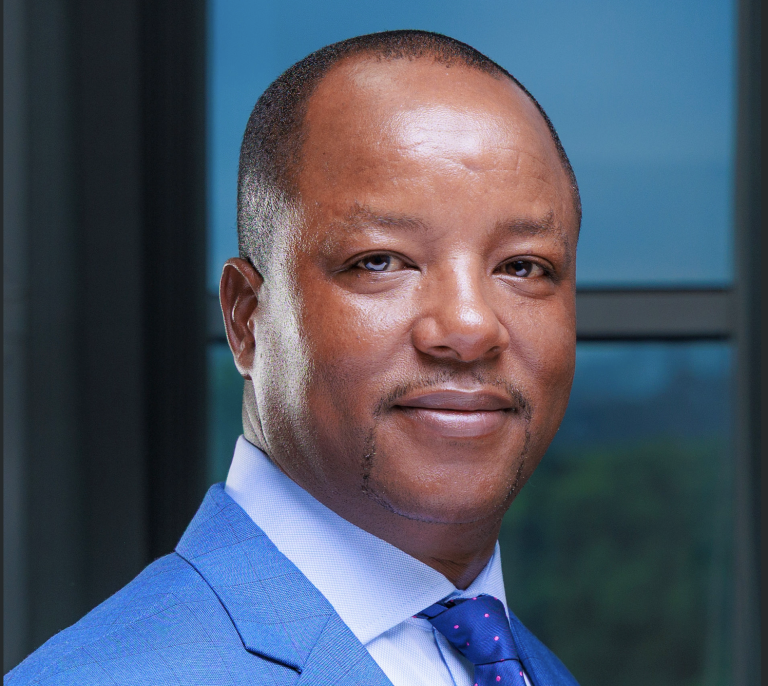
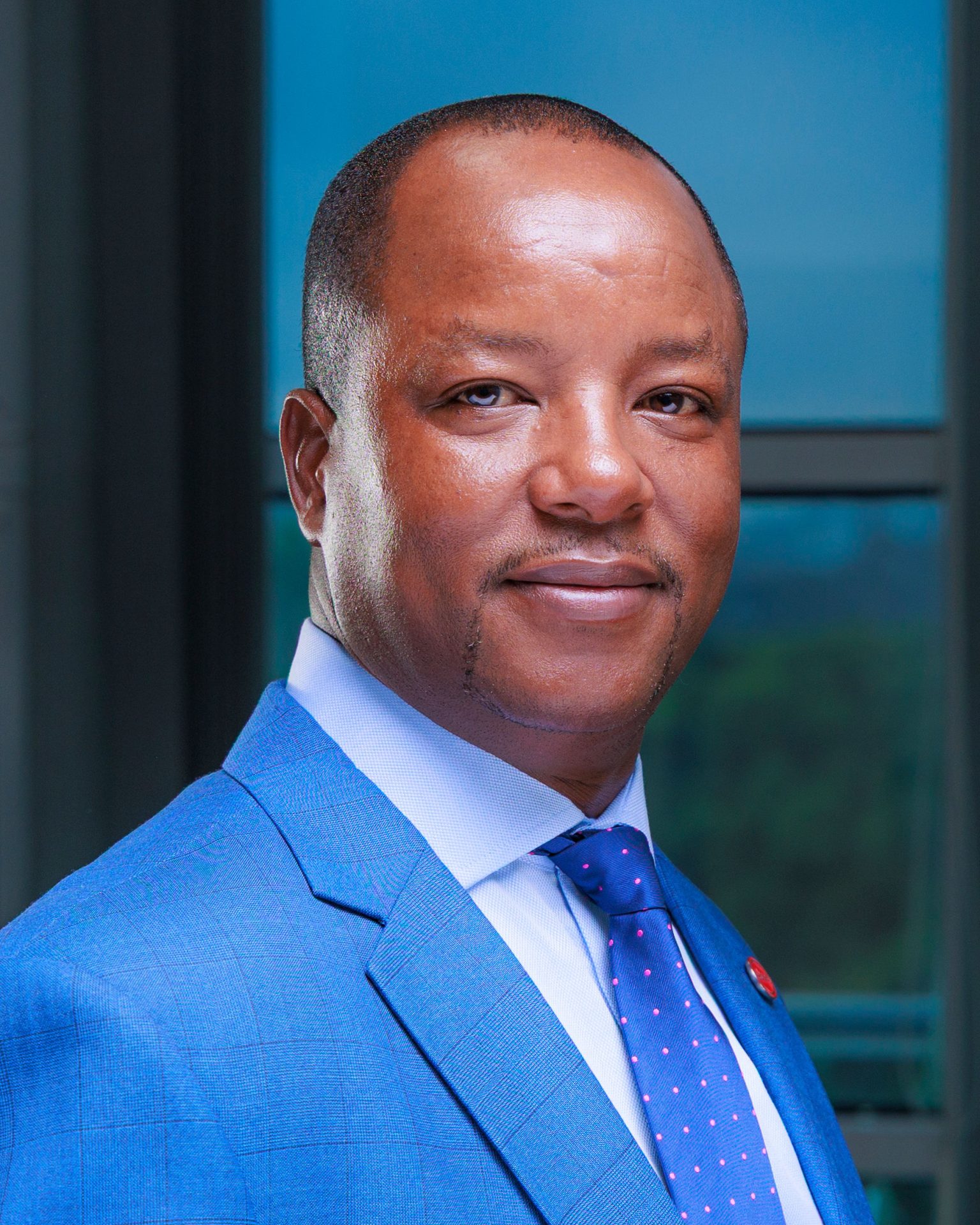
Absa Bank Kenya Managing Director and Chief Executive Office, Yusuf Omari

KRA scraps June 30 individual tax return deadline as it announces new dates

0

Kenyans filing individual income tax returns will have to adjust their calendars after the Kenya Revenue Authority (KRA) moved the annual deadline from June 30 to April 30.

The new filing date will take effect from January 1, 2027, following changes introduced through the Finance Act 2026.

The law requires individual taxpayers to submit their returns by the end of the fourth month after the close of the year of income. KRA said the revised timeline will apply to returns covering the 2026 year of income and subsequent years.

The authority announced the change on Tuesday, September 8, saying the earlier deadline was intended to improve the administration of tax returns and reduce the pressure associated with last-minute filing.

The authority expects spreading the filing process over a longer period to ease congestion on its systems and minimise technical challenges that often emerge as the June deadline approaches.

The move is also expected to give KRA more time to conduct compliance reviews and validate taxpayer information before the start of the next financial year.

KRA Commissioner General Adan Mohamed told Parliament’s Finance Committee in June that staggered filing timelines would strengthen the authority’s ability to undertake these checks.

The change applies to individual taxpayers, including employees whose income is subject to Pay As You Earn (PAYE), self-employed Kenyans and resident individuals earning income from different sources.

KRA has urged affected taxpayers to revise their filing schedules and ensure they meet the new requirement to avoid penalties.

Companies, however, will not be affected by the change. Corporate taxpayers will continue to file their income tax returns by the end of the sixth month after the close of their year of income, retaining the June 30 deadline for entities whose financial year ends in December.

Failure to file within the prescribed period will attract a penalty of 5 per cent of the tax payable or Sh2,000 for individuals, whichever is higher.

For companies and other non-individual taxpayers, late filing will attract a penalty of 5 per cent of the tax due or Sh20,000, whichever is higher.

“This change will affect individual taxpayers and self-employed persons, so make sure you adjust your filing calendar accordingly,” KRA stated.

Also Read: Health leaders call for patient safety to become a core part of non-communicable diseases care

Health leaders call for patient safety to become a core part of non-communicable diseases care

0

As Kenya and the region confront the growing burden of non-communicable diseases (NCDs), health leaders are calling for greater attention to patient safety, an often overlooked but critical link in ensuring people living with chronic conditions receive safe, effective and continuous care.

Strengthening Patient Safety in NCD Care

While efforts to address NCDs have traditionally focused on prevention, diagnosis and treatment, healthcare professionals, policymakers, researchers, patients and regulators say stronger patient safety systems are essential to closing gaps in care and reducing preventable harm.

The call came during the opening ceremony of a three-day World Patient Safety Day (WPSD) 2026 Conference, hosted by Aga Khan University Hospital, Nairobi and the Aga Khan University Medical College, East Africa, under the theme, “Safe Care for Life: Safe Care for Non-Communicable Diseases (NCDs).”

Government Expands NCD Prevention and Management

“The Kenyan government has continued to strengthen the policy and health system environment for prevention and management of NCDs. Our National Strategic Plan for the Prevention and Control of Non-communicable Diseases provides a framework for reducing premature mortality from NCDs and strengthening prevention, early detection and management,” said Ms. Mary Muthoni, Permanent Secretary, Public Health & Professional Standards, Ministry of Health.

“As the Ministry of Health, we have also strengthened clinical guidance for priority NCDs, including cardiovascular diseases and expanded the focus on primary healthcare, community health and access to essential services,” she added.

Beyond borders and beyond treatment. Why the future of healthcare must be holistic

NCDs Continue to Drive Kenya’s Health Burden

According to the World Health Organisation (WHO), non-communicable diseases are projected to kill 3.8 million people in Africa every year by 2030. In Kenya, NCDs currently account for about 41 per cent of all deaths and half of all hospital admissions.

The statistics indicate that NCDs are a major and growing public health challenge in Kenya, causing high mortality, overwhelming the healthcare system, and incurring significant economic costs. The data underscores that a large portion of this burden is preventable through addressing key risk factors like unhealthy diets, physical inactivity, and tobacco use, as well as improving early diagnosis and treatment.

Health leaders call for patient safety to become a core part of non-communicable diseases care
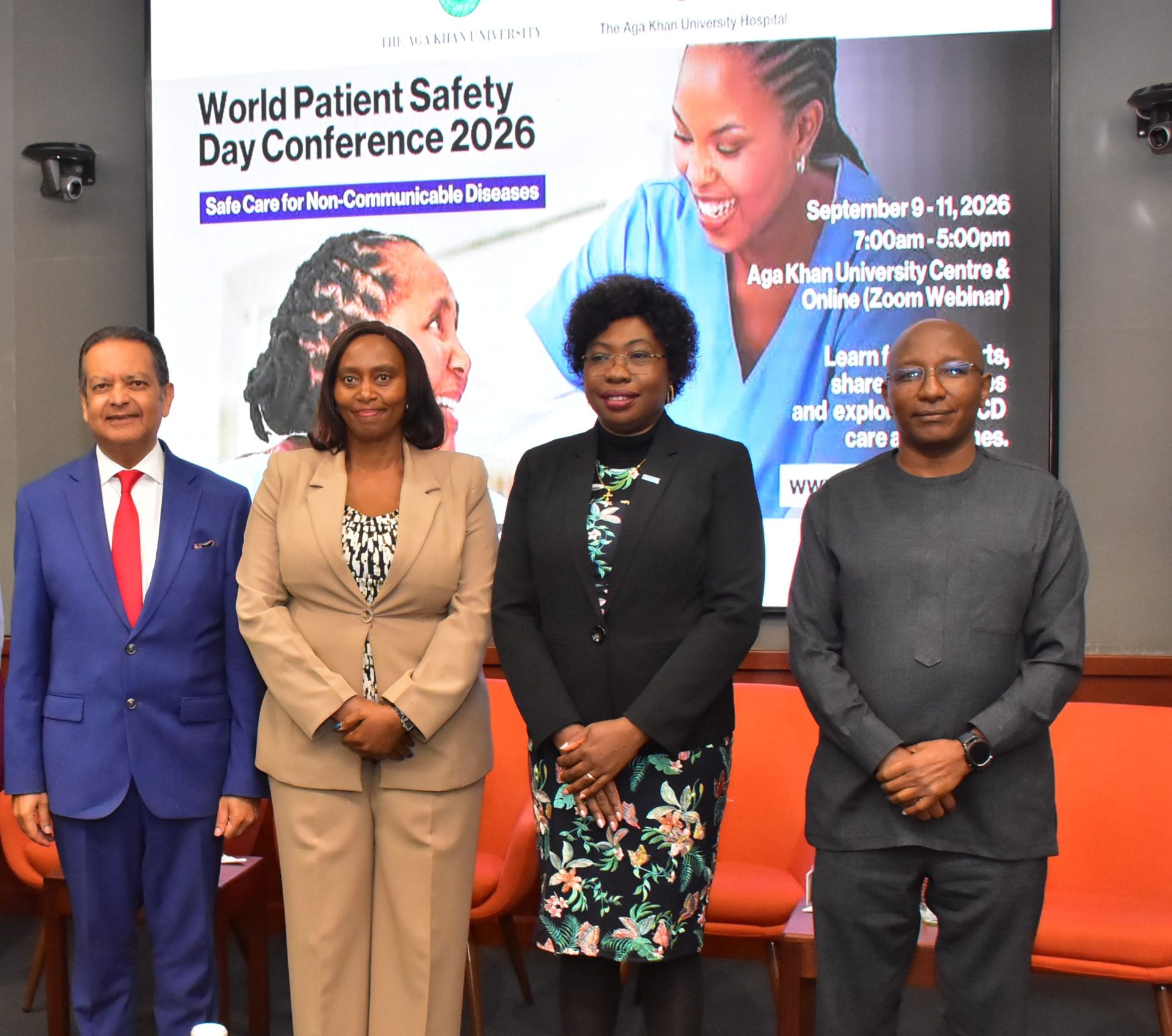
Aga Khan Development Network OBE-Diplomatic Representative Ambassador Amin Mawji, Ministry of Health Permanent Secretary of Public Health & Professional Standards Ms Mary Muthoni, World Health Organization Representative to Kenya Dr Neema Kimambo and Aga Khan University Hospital Chief Medical Officer Prof. John Weru during the World Patient Safety Day Conference held to call for stronger collaboration and coordinated approaches to safety in non-communicable diseases care

WHO Highlights Patient Safety as a Health System Priority

“Patient safety remains a global health priority for WHO and a cornerstone for stronger health systems for universal health coverage. Investing in patient safety not only saves resources but more importantly saves lives and improves health outcomes,” said Dr. Neema Rusibamayila Kimambo, World Health Organization Representative to Kenya.

“The WHO has recognized Kenya for its pioneering efforts in developing a national policy and action plan on patient safety and quality of care, especially the proposed quality healthcare patient safety bill of 2025.”

Doctors implant pacemaker without surgical blade in regional first

Fragmented Care Increases Risks for NCD Patients

As people live longer with these conditions, they often require care from multiple providers and across different levels of the health system, increasing the risk of fragmented care, medication-related harm, delayed diagnosis, poor care transitions and inadequate monitoring.

The conference discussions are examining how healthcare systems can reduce preventable harm and improve the safety, quality and continuity of care for people living with chronic conditions beyond individual clinical encounters and strengthen the systems that support patients throughout their care journeys.

Stakeholders Seek Practical Solutions for Safer Care

“The reason we observe World Patient Safety Day is to inform and sensitise communities, patients, families and policymakers about the importance of patient safety in healthcare. For people living with NCDs, this means ensuring that care is safe, coordinated and continuous across the entire patient journey. This conference has brought together key stakeholders to share knowledge, identify gaps and, most importantly, translate these discussions into practical actions that can strengthen NCD care and reduce preventable harm,” says Prof John Weru, Associate Dean, Clinical Affairs, Aga Khan University, Medical College, East Africa and Chief Medical Officer, Aga Khan University Hospital, Nairobi.

The discussions are providing an opportunity for participants to share experiences and innovative approaches from different healthcare settings, with a focus on identifying solutions that can be adapted to the Kenyan and wider African context.

Process of importing a car into Kenya: Documents required and taxes

0

Kenya’s appetite for motor vehicles continues to outpace the country’s capacity to produce them locally, leaving imports as the main source of cars on the roads.

A limited domestic vehicle manufacturing base, coupled with growing demand for personal and commercial transport, has made the import market an important part of Kenya’s automotive sector.

The country is among the world’s major destinations for used vehicles. Global trade data ranks Kenya as the 93rd-largest importer of cars and the 12th-largest importer of used vehicles.

The value of car imports rose to about $1.25 billion in 2025, representing a 20 per cent increase from the previous year.

For many Kenyan buyers, importing a vehicle is attractive because it provides access to a wider range of models and specifications at prices that can be more competitive than locally available alternatives.

Japan remains the dominant source

Japan has retained its position as Kenya’s principal source of imported vehicles, accounting for about 75.6 per cent of total car imports, according to Global Trade data.

The popularity of Japanese vehicles is largely linked to their reputation for reliability, relatively affordable maintenance and availability of spare parts in Kenya.

Japanese manufacturers also offer models suited to Kenyan driving conditions, from compact cars for urban use to four-wheel-drive vehicles for longer-distance travel.

Toyota remains one of the most sought-after brands, with models such as the Toyota Fielder, Axio, Harrier, RAV4 and Land Cruiser popular among different categories of buyers.

Nissan and Mazda also have a substantial following, while models such as the Nissan Note, X-Trail and Mazda Demio feature prominently in the used-car market.

The choice of vehicle is increasingly influenced by fuel economy, engine size, ground clearance, availability of spare parts and resale value.

Regulations for importing a car in Kenya

Kenya has set strict rules for importing motor vehicles, with all vehicles required to meet specific safety and roadworthiness standards before they are registered for use in the country.

The applicable standards are administered by the Kenya Bureau of Standards (KEBS) under the Verification of Conformity to Standards requirements and the relevant Kenyan standards for road vehicles.

According to KEBS, an imported car must generally be less than eight years old from the year of first registration.

The vehicle must also be right-hand drive. Left-hand-drive vehicles are generally not eligible for ordinary importation and registration in Kenya, subject to specific exemptions provided under the applicable rules.

In addition, an imported vehicle is required to undergo a pre-shipment roadworthiness inspection by an inspection agent appointed by KEBS in the country of export.

Documents needed for clearance

According to Kenya Revenue Authority (KRA), to successfully clear a vehicle through Kenya Customs, an importer must engage a licensed clearing agent.

Required document include the original commercial invoice, which establishes the transaction value, and the vehicle’s original foreign logbook.

“Original Logbook from the country of importation that has been cancelled from the country of origin, as this will be required by National Transport and Safety Authority to give you an original Kenyan Log Book,” KRA states.

Other important documents include the original bill of lading, which provides evidence of shipment, and the pre-shipment inspection or roadworthiness certificate.

An individual importer also needs a copy of their Kenya Revenue Authority PIN certificate. Where the importer is a company, the relevant company registration and incorporation documents are required.

Taxes

The cost of importing a vehicle extends well beyond the price paid to the overseas seller. Importers must account for customs duties and other government charges when calculating the final landed cost.

The standard import duty is 25 per cent, while ambulances and hearses may qualify for a zero-duty treatment under the applicable provisions.

Excise duty depends on the vehicle and its engine capacity, with rates ranging from 20 per cent for smaller-engine vehicles to 25 per cent for larger engines under the rates set out in the applicable tax framework. Value Added Tax (VAT) is charged at 16 per cent.

Other charges include the Railway Development Levy at 2 percent and the Import Declaration Fee at 3.5 percent.

These charges are calculated with reference to the vehicle’s customs value and, where applicable, its CIF value—the combined cost of the vehicle, insurance and freight to Kenya.

Also Read: Decoding Kenya’s number plates: What the letters and colours really mean

Nyeri County advertises over 140 permanent jobs: How to apply

0

The County Government of Nyeri has opened more than 140 positions on permanent and pensionable terms, with the bulk of the vacancies targeting health professionals.

The recruitment drive, announced by the Nyeri County Public Service Board on Tuesday, covers several departments, including Medical Services and Public Health, Finance and Economic Planning, and Agriculture, Livestock and Aquaculture.

The health department has the highest number of openings, with the county seeking to strengthen its workforce across various cadres and improve service delivery in its health facilities.

Among the positions available are 59 registered nurses in Job Group H, seven medical laboratory technologists, seven assistant public health officers and five nursing officers.

The county is also recruiting a pathologist in Job Group Q, three registered anaesthetists in Job Group K, four medical officers in Job Group M, one dental officer in the same job group and two orthopaedic officers in Job Group H.

The recruitment also includes two accountant positions in the Department of Finance and Economic Planning. The Department of Agriculture, Livestock and Aquaculture has vacancies for an agricultural inspector and a plant mechanic.

The County Public Service Board has directed interested applicants to obtain detailed information on the available positions, qualifications and application procedures from the county’s official website.

The board has warned members of the public against individuals demanding money or favours in exchange for employment, stressing that recruitment will be conducted strictly on merit.

It said it does not charge applicants at any stage of the recruitment process, including shortlisting and appointment, and advised anyone asked to make payments to report the matter to the police.

Successful candidates will be remunerated in line with guidelines issued by the Salaries and Remuneration Commission.

Applicants meeting the stipulated requirements are required to complete the prescribed employment form and submit copies of their academic and professional certificates and testimonials to the County Public Service Board.

Applications must reach the board’s offices by September 29.

Also Read: CA opens three-month attachment programme for university students

Muhoho Kenyatta shares insights on building a sustainable business

0

Businessman Muhoho Kenyatta has shared insights into building a sustainable business, pointing to focus, hard work, patience, and disciplined reinvestment as the foundations of sustainable wealth.

Speaking during an interview with content creator Young Millionaire Talks, Muhoho said building a successful business requires the discipline to resist the temptation to spend early profits and instead allow the enterprise to grow over time.

He explained that entrepreneurs should not view their businesses as immediate sources of luxury, but as ventures that require continuous investment before they can generate lasting returns.

The businessman advocates putting profits back into the enterprise repeatedly, allowing growth to build upon growth.

“You have to look at your business, not as a cash cow that the minute you make your first profit, you go out to make your first celebration or, to buy your first big car. No, I mean, you have to earn whatever money you earn, reinvest it and reinvest and reinvest,” he said.

Muhoho further cautioned against the growing perception that entrepreneurship is the only route to financial success.

He argued that young people should pursue careers that match their abilities and interests instead of feeling compelled to start businesses.

In his view, some potentially outstanding engineers, innovators and professionals have abandoned their strengths in pursuit of entrepreneurship, potentially missing opportunities to make a greater impact in their chosen fields.

“There are a lot of different careers that people can look at, not just starting a business. That is not the beginning and the end of life,” he said.

Muhoho also stressed the importance of having the right people around you, particularly when navigating unfamiliar spaces where opportunities and mentorship can be found.

He observed that some young people limit their own growth by assuming they do not belong in certain circles. He encouraged young people to enter such spaces with confidence and remain open to learning from those around them.

Muhoho Kenyatta’s vast business footprint

Muhoho, the younger brother of former President Uhuru Kenyatta, has built a reputation as one of Kenya’s most prominent businessmen while largely staying away from the political spotlight that has surrounded his family.

With more than three decades of experience in business, he has been closely associated with the management of the Kenyatta family’s extensive commercial interests, spanning agriculture, real estate, banking and hospitality.

He studied at St Mary’s School in Nairobi before proceeding to Williams College in Massachusetts, United States, where he earned a Bachelor of Arts degree in Political Science and Economics.

After university, Muhoho joined the family’s business interests, initially working in areas including agriculture and property development.

His most notable business venture came in 1993 when he founded Brookside Africa Limited. The dairy company subsequently expanded significantly, becoming one of the largest dairy processors in East and Central Africa, with operations in countries including Kenya and Uganda.

During its expansion, Brookside acquired several established dairy brands, among them Ilara, Molo Milk, Delamere and Kilifi.

Beyond dairy processing, Muhoho has interests across several sectors. He is a major shareholder and Vice Chairman of NCBA Bank, while also overseeing hospitality investments associated with the Heritage Group.

The group’s portfolio includes properties such as the Mara and Samburu Intrepids, Great Rift Valley Lodges and Voyager Beach Resort.

Also Read: Who owns the company Ruto has ordered out of Kenya?

CA opens three-month attachment programme for university students

0

The Communications Authority of Kenya (CA) has opened applications for a three-month student attachment programme targeting university students seeking practical workplace experience.

In an announcement issued on September 8, the Authority said the attachment will run from October to December 2026, with opportunities available in 17 functional areas across the regulator.

The programme is designed to give students exposure to professional practice in areas including corporate communications, human resources and administration, finance and accounts, supply chain management, information technology, cyber security, legal services and competition management.

“The Communications Authority of Kanya (CA) is the regulatory agency for the ICT industry in Kenya with responsibilities in telecommunications, cyber security, e-commerce, broadcasting, multimedia, and postal /courier services,” read part of the announcement.

The programme covers a broad range of academic disciplines, giving students from both business and technical fields an opportunity to gain experience within the ICT regulatory sector.

Students studying journalism, mass communication, public relations, media studies and communication studies can apply for placements in Corporate Communications.

Those pursuing accounting, finance, commerce, economics and business administration are eligible for opportunities in Finance and Accounts, while students specialising in procurement, logistics and supply chain management can seek placements in Supply Chain Management.

Engineering and ICT students are also targeted for several technical departments. These include Frequency and Spectrum Management, Compliance Enforcement, Monitoring, Inspection and Regional Coordination, Standard and Type Approval, Information Technology and Cyber Security.

Students undertaking telecommunications, communications or electrical engineering, as well as ICT-related programmes, may therefore find opportunities across several of the Authority’s technical functions.

Other placements are available in Consumer Protection and Advocacy, Public Education and Awareness, Research, Planning and Quality Management, Universal Service Fund, Competition Management, Postal and Telecom Licensing and Legal Services.

The relevant academic backgrounds range from law and public policy to education, sociology, marketing, statistics, development studies, project management and regulatory affairs.

Requirements

To qualify, applicants must be currently enrolled students at a recognised university.

Their course of study must correspond with the functional area for which they are applying. The Authority is also seeking students interested in developing practical skills and gaining exposure to work within a regulatory institution.

Application Process

Interested students are required to submit their applications online through the Communications Authority’s application form.

Applicants will be required to provide personal and academic details, including their names, identification number, email address, telephone number, gender, age and information about their university.

They must also state their course of study and select the functional area in which they wish to undertake their attachment.

Where applicable, applicants are required to provide disability status details, including a PWD number.

The application must be accompanied by a one-page curriculum vitae, a cover letter indicating the applicant’s preferred department and confirmation from their university showing current enrolment and support for the attachment.

The deadline for applications is September 18, 2026, at 5:00 p.m. East Africa Time (EAT).

Also Read: KMTC announces 89 job vacancies

CBK reopens Sh60 billion Treasury bond sale: How to invest

0

The Central Bank of Kenya (CBK) has reopened the sale of two fixed-coupon Treasury bonds seeking to raise Sh60 billion to support the government’s budget financing needs.

The offer, announced on Tuesday, September 8, comprises two bonds with maturities of 2039 and 2056, respectively.

The first bond, FXD1/2019/020, carries a coupon rate of 12.873 per cent and has 12.6 years remaining to maturity. It is due for redemption on March 21, 2039.

The second, FXD1/2026/030, offers a 12.5 per cent coupon rate and has 29.6 years to maturity. It will mature on March 13, 2056.

The offer opened on September 8 and will close at 10am on September 16, when the CBK will conduct the auction. The bonds will be issued through a multi-price auction and will attract a 10 per cent withholding tax.

Investors participating through active DhowCSD accounts can submit non-competitive bids starting from Sh50,000, with a maximum of Sh50 million. Competitive bids must be worth at least Sh2 million per CSD account for each bond tenor.

Successful investors are required to settle their payments on September 21, when secondary trading in the securities will also commence. The bonds will be listed on the Nairobi Securities Exchange and will qualify as statutory liquidity assets for commercial banks and non-bank financial institutions.

The CBK said successful bidders will be required to obtain their payment key and the amount payable through the DhowCSD Investor Portal or mobile application on September 18.

“Defaulters may be suspended from subsequent investment in Government Securities,” the CBK said, adding that it reserves the right to accept applications either wholly or partially, or reject them without giving a reason.

How to invest

Investors who do not have an active DhowCSD account must first register with the CBK before participating in the bond sale.

The registration process can be completed online using a mobile phone or computer with internet access.

Applicants are required to provide a valid email address, an active mobile number registered with a Kenyan mobile network, a Kenya Revenue Authority (KRA) PIN, settlement bank account details, a recent passport-size photograph and a valid identification document.

The CBK accepts identification documents including a national identity card, passport or alien card.

Applicants must complete the registration process within seven days. The CBK said incomplete applications are automatically deleted from the system after the seven-day period.

Once an application has been approved, the investor receives a username by email. The username, together with the registered email address, can then be used to access the DhowCSD Investor Portal or mobile application and participate in government securities investments.

Also Read: Investment opportunities for M-PESA customers on My OneApp

PAKPRO and Kenya Scouts Association partner to empower young environmental champions through Tuwezeshe Schools Programme

0

Nairobi, Kenya |Tuesday, 8th September 2026 – The Packaging Producer Responsibility Organisation (PAKPRO) and the Kenya Scouts Association (KSA) today signed a Memorandum of Understanding (MoU) to advance environmental education, waste segregation and packaging recovery among young people and schools across Kenya.

The partnership marks the official launch of the TUWEZESHE program – PAKPRO’s environmental education and awareness programme designed to equip young people with the knowledge, skills and practical tools to make sustainable waste management part of everyday life.

Through the partnership, PAKPRO and KSA will leverage the Scouts’ extensive youth network to promote environmental stewardship in schools and communities, while creating practical opportunities for learners to participate in waste segregation, recycling and packaging recovery.

“Tuwezeshe is about giving training to young minds early to shift behaviour change positively within society around waste management,” said PAKPRO Chief Executive Officer, Joyce Gachugi-Waweru.

“This partnership is important for us as it gives us access to more than 200,000 schools within the Kenya Scouts Association. We know we have a disposal culture, as our culture is skewed in Kenya. We recognise the power of the KSA team to shift cultural power to create a mindset in society that values waste. People tend to look at young children like others; they are consumers and not net contributors, but in the next 20 years, they will determine whether we have a clean country. We know that the habits and values we develop early in life can stay with us for years. Hence, a culture shift from the current irresponsible nature we experience today in the larger society will be important. Through our partnership with the Kenya Scouts Association, we are bringing environmental education into schools and allowing learners to turn knowledge into  action and become environmental champions in their schools, homes and communities.”

From Environmental education to Action

A key component of the Tuwezeshe programme will be Adopt-a-Bin, PAKPRO’s packaging recovery initiative, which will provide dedicated segregated collection points for recyclable materials. As part of the programme, PAKPRO will support the placement of a total of 600 segregated recycling bins in 150 schools nationally, providing learners and school communities with accessible infrastructure to separate and recover packaging

materials. For learners, this creates a direct connection between what they learn about the environment and what they do on a day to day. Additionally, the Tuwezeshe program initiative will undertake a quarterly take-back program focused on paper and cartons, materials commonly generated through day-to-day school activities, including used exercise books, examination papers and packaging.

Rather than treating recycling as a one-off activity, the programme seeks to integrate waste segregation into everyday school life. Teachers and school administrators often store these materials, which prevents optimised use of their space. This programme seeks to evacuate these readily recycled materials through PAKPRO’s recovery network and channel them back into productive use.

The Kenya Scouts Association will play an important role in mobilising young people and supporting environmental activities within schools and communities.

“Scouting has always been about equipping young people with the values, skills and confidence to make a positive contribution to society,” said Hon. Victor Radido, Chief Commissioner, Kenya Scouts Association.

Tetra Pak® East Africa joins the packaging producer responsibility organisation (PAKPRO®)

“Through this partnership with PAKPRO, we are giving our young people an opportunity to take practical

action on an issue that affects their schools, homes and communities. Tuwezeshe provides an important  platform for our Scouts to lead by example and champion responsible waste management.”

Building a culture of responsible waste management

The partnership comes at a time when Kenya is strengthening its approach to sustainable waste management and implementing the Extended Producer Responsibility (EPR) Regulations, 2024.

For PAKPRO, environmental education is an important part of building a sustainable packaging recovery system. While EPR establishes responsibility for packaging beyond the point of sale, lasting impact depends on consumers and communities understanding how to properly separate, handle and recover packaging.

Mr. Moses Danda, National Executive Commissioner, Kenya Scouts Association, said: Through our network of  Scouts, we want to put effort into attitude change of young people beyond knowledge on environmental protection lessons beyond the classroom and into homes and communities. By giving young people access  to opportunities to participate in waste recovery, separation of waste, we help them understand the value of  the materials they use every day. This partnership is an important step towards duty to self, duty to others in environmental care.”

Through Tuwezeshe, PAKPRO aims to reach young people at an early stage and build comprehension that packaging is a resource, especially when it is kept clean, separated and recovered. The launch will see the unveiling of the first Adopt-a-Bin recycling station, symbolising the beginning of a wider programme that seeks to make schools centres of environmental learning and practical action.

An opportunity for wider partnerships The Tuwezeshe and Adopt-a-Bin programmes also provide an opportunity for corporates, institutions and other partners to support environmental education and packaging recovery in schools. Through sponsorship and partnerships, organizations can support the installation of segregated recycling stations, environmental education activities and material recovery, strengthen their ESG impact by creating visible and measurable environmental and social impact at community level.

By combining PAKPRO’s expertise in Extended Producer Responsibility, packaging recovery and the circular economy with KSA’s national youth network and community reach, the partnership seeks to demonstrate that environmental action can begin in the classroom and extend into homes and communities.Together, PAKPRO and the Kenya Scouts Association are calling on schools, learners, teachers, parents, communities and partners to make waste segregation and recycling part of everyday life.

Tuwezeshe is about more than teaching young people about the environment. It is about allowing them to act.


IFAD and Equity launch US$200M climate adaptation finance mechanism for East Africa

0

KIGALI, Rwanda, 8 September 2026 – Access to climate adaptation finance remains a significant challenge for smallholder farmers and rural businesses across Africa, with available capital often failing to reach those who need it most. To help bridge this financing and delivery gap, the International Fund for Agricultural Development (IFAD) and Equity Group have kicked off the Africa Rural Climate Adaptation Finance Mechanism (ARCAFIM) – a US$200 million, private sector-led mechanism built to close that gap for smallholder farmers and rural businesses across East Africa – at the Africa Food Systems Forum 2026 in Kigali, Rwanda.

ARCAFIM is convened with the co-financiers of the Green Climate Fund, the Ministry for Foreign Affairs of Finland and the Nordic Development Fund and also co-financed by the Government of Denmark and the European Union.

The mechanism runs for twelve years and is structured in two parts: US$180 million of lending capital and approximately US$20 million of technical assistance. Because the lending capital revolves over roughly four investment cycles, it is expected to generate in the order of US$266 million in loans to micro, small and medium-sized enterprises (MSMEs) and smallholder farmers across East Africa’s food systems.

What distinguishes ARCAFIM is a detailed climate change adaptation taxonomy ensuring critical knowledge transfer of viable climate adaptation investment options to participating financial institutions and smallholder farmers and agro-businesses and that a commercial bank is carrying the risk alongside the public capital rather than administering it. Of the US$180 million lending base, US$90 million comes from Equity Group’s own balance sheet, matching the concessional contribution one for one. Credit protection is tranched across the portfolio, with international financing partners covering a first-loss layer, a mezzanine layer shared with the bank, and the bank carrying the senior risk.

The programme will operate in Kenya, Uganda, Tanzania and Rwanda, with the ambition of providing financing to approximately 260,000 smallholder producers and 500 rural MSMEs. At least 50 per cent of the intended beneficiaries will be women and 30 per cent youth. The initiative is expected to strengthen food security for approximately 1.2 million people and to benefit an estimated 1.5 million people in total, directly and indirectly, while helping rural communities and businesses invest in measures that enable them to better withstand the effects of climate change.

2. The measure of success is commercial permanence. ARCAFIM is designed so that lending for climate resilience survives as an ordinary business line for African financial institutions long after the concessional capital has been spent.

Speaking during the launch, Dr. Gérardine Mukeshimana, Vice President IFAD, said the success of climate adaptation finance will ultimately depend on its ability to translate global commitments into tangible investments in rural communities.

“ARCAFIM’s ambition is to make rural climate adaptation a recognizable, viable and sustainable business line for African financial institutions. It will support tailored financial products and a climate adaptation financing taxonomy, so that participating institutions gain the experience, systems and confidence to continue expanding adaptation finance. The mechanism is starting in East Africa, but it is designed to be adapted and replicated across Africa,” said Mukeshimana.

The technical assistance component is part of the financial architecture rather than an add-on. It builds the capacity of participating microfinance institutions and SACCOs to originate adaptation lending and gives farmers and rural enterprises the technical knowledge to identify which investments will actually protect them — irrigation and water harvesting, dairy and livestock resilience, post-harvest storage, renewable energy, and climate-resilient agro-processing. Dr. James Mwangi, Group Managing Director and Chief Executive Officer of Equity Group Holdings Plc, said the mechanism reframes how African finance sees the rural borrower.

“Africa’s smallholder farmers are not waiting to be rescued. They are entrepreneurs operating in the most demanding risk environment on earth, and what they have lacked is a financial system built to back them. ARCAFIM changes that equation.

By committing our own balance sheet alongside concessional capital, we are not funding a project — we are building a market, one in which lending climate resilience becomes an ordinary banking business rather than an act of charity. Dignity begins with being seen as bankable. If we prove this in East Africa, the model belongs to the whole continent,” said Dr. Mwangi. Moses Nyabanda, Managing Director of Equity Bank Kenya Limited, said the bank will play a direct role in translating climate adaptation finance into practical investments for farmers and agricultural value chain businesses.

Equity Bank’s Ordinary Account simplifies banking experience for customers

“Through ARCAFIM, we will finance smallholder farmers and agricultural producers directly and
through microfinance institutions, SACCOs and value chain companies, while extending financing to rural MSMEs. We will also build capacity on climate adaptation finance and promote sustainable agricultural practices and technologies.

The goal is simple: enable farmers and agricultural businesses to adapt, increase production, grow revenues and incomes, and become more resilient to the effects of climate change,” said Nyabanda. 3 “ARCAFIM is an important example of Green Climate Fund’s (GCF’s) catalytic role in bringing partners and capital together to scale up investment in climate-resilient agriculture.

Through its US$55 million commitment and close collaboration with IFAD and the program’s financing partners, GCF helped structure a mechanism that mobilizes substantial commercial investment from Equity Group and expands access to adaptation finance for smallholder farmers and rural businesses across East Africa.” said Catherine Koffman, Director of the Department of Africa Region at the Green Climate Fund. “Mobilizing private capital for sustainable development is central to Finland’s development policy.

ARCAFIM demonstrates how public-private collaboration can unlock financing for sustainable investments and channel capital to where it is needed most. Strengthening the resilience of agriculture to climate change is a smart investment that benefits both communities and businesses: it increases productivity and incomes for smallholder farmers while reducing the risks associated with agricultural finance,” said Juha Savolainen, Director General at the Ministry for Foreign Affairs of Finland.

Nordic Development Fund (NDF) Managing Director, Satu Santala, said the fund’s support for ARCAFIM from its inception reflected the importance of building mechanisms capable of unlocking greater investment in climate adaptation.

“NDF is pleased to have supported ARCAFIM from the very beginning, helping lay the foundations for a mechanism that can unlock greater investments in climate adaptation. Together with our Nordic and international partners, we are proud to reduce investment risk and mobilise financing for smallholder farmers and rural MSMEs. ARCAFIM demonstrates how innovation, partnerships, risk-sharing, and catalytic finance can help accelerate climate adaptation where it is needed most,” said Santala.

The launch brought together representatives of IFAD and the financing institutions, alongside
government representatives from Kenya, Uganda, Tanzania and Rwanda, private-sector investors, development partners and climate finance institutions. The agreements were signed by Gérardine Mukeshimana for IFAD and Moses Nyabanda for Equity Bank Kenya, in a ceremony presided over by Hannington Namara, Managing Director of Equity Bank Rwanda.

By strengthening financial intermediation and private lending channels across agricultural value chains, ARCAFIM seeks to demonstrate how climate adaptation finance can become a sustainable business line while improving access to finance for underserved rural communities.

The initiative also seeks to generate practical lessons that can inform the replication of blended climate finance approaches in other regions of Africa facing similar challenges in financing climate resilience.

IFAD and Equity Group have identified Southern and West Africa as the next candidate regions.