Home Blog Page 5

Equity Bank unveils loan for farmers seeking funds for farm development

0

Agriculture remains a key pillar of Kenya’s economy, supporting millions of livelihoods while contributing significantly to food production, employment, and household incomes.

From tea and dairy farming to other agricultural activities, the sector provides an important source of income for families across the country.

However, access to affordable and suitable financing remains a major obstacle faced by farmers when they seek to expand their operations.

It is against this backdrop that Equity Bank has introduced the Kilimo Maendeleo Loan, a financing facility designed to support farmers undertaking farm and personal development projects.

The facility is primarily available to farmers who receive regular monthly remittances through Equity Bank, including tea and dairy farmers.

It allows eligible customers to access financing for a range of investments, including construction of farm structures, development of zero-grazing facilities, installation of biogas plants, purchase of motor vehicles and land, as well as other social development needs.

A key feature of the facility is its repayment flexibility, with borrowers allowed up to 24 months to repay the loan. This provides farmers with a repayment window that can be aligned with their income flows.

Qualifications

To qualify, a farmer must have maintained a monthly remittance account with Equity Bank for at least three months and received at least one month’s remittance through the account.

Applicants are also required to provide account statements covering the previous three years from their former or current bankers.

For customers transferring their borrowing arrangements from another financial institution, formal confirmation from the previous bank allowing the remittances to be redirected to Equity Bank is required, alongside three years of account statements.

Applicants must also demonstrate their capacity to repay the facility and submit their three most recent payslips.

In addition, they are required to provide proof that they own the farm being used for agricultural production or present a valid lease agreement covering at least the next two farming seasons. Lease documents must be properly signed and witnessed by a lawyer.

Farmers seeking financing must also provide documentation showing what the funds will be used for. Depending on the project, this could include quotations, pro forma invoices or bills of quantities.

How to apply

Borrowers are required to visit the nearest Equity Bank branch and initiate an application by completing a loan application form. The bank then assesses the application before issuing an offer letter to successful applicants.

Once the customer accepts the offer and fulfils the required conditions, the loan is processed for disbursement.

Also Read: Avocado farming mistakes that are costing Kenyan farmers millions

16 Entertainment Ideas for Different Moods and Energy Levels

0

Entertainment ideas: Ever notice how the same activity can feel perfect one night and completely wrong the next? A quiet book might sound relaxing on Monday and unbearably slow by Friday, while going out could flip from exciting to exhausting within hours. The fix isn’t one “best” way to unwind; it’s having options for different moods, from a few rounds of online casino games on a low-key night to a spontaneous outing when you’re feeling restless. Here are sixteen entertainment ideas to match your mood or energy level.

1. Rewatch a Comfort Show

A new pick means weighing genre, length, and overall quality, and that decision alone can eat up half an hour. A rewatch skips all of that, since you already know it’s worth the time.

2. Squeeze in a Digital Diversion

For short pockets of time, such as a commute or the ten minutes before a client call starts, mobile puzzle games, a hand of solitaire, or online casino games can fill the gap without requiring a major time commitment. For players who enjoy slot-style games, Super Ace is an online casino game that combines a simple reel-based format with quick, easy-to-follow gameplay. If you’re looking for the best Super Ace experience, it can be a convenient option when you want something more engaging than a basic mobile game without committing to a longer activity. Any of these activities can be put down when it’s time to move on.

3. Turn a Call into a Hangout

A shared watch party, a group chat that runs for hours, or a virtual bingo night together over video call all turn an evening at home into something shared. The specific activity matters less than having people on the other end of the call.

Why Gamification Is Reshaping Digital Entertainment

4. Discover New Music

A genre that doesn’t usually get picked, whether that’s jazz, K-pop, or old-school OPM, turns an ordinary evening into a small exploration. Fifteen minutes with headphones on is often enough to shift a mood entirely.

5. Plan a Movie Marathon

A theme, whether it’s one director or one genre, gives the night more structure than a random pick. Snacks and a loose schedule are the only real prep required.

6. Watch a Niche Creator

A livestream of a favorite creator or a niche corner of YouTube can fill the same slot as TV without the commitment of a full episode. It’s an easy default when nothing else sounds appealing yet. For the moments when a screen isn’t part of the plan at all, the ideas below work just as well.

7. Settle in with a Book

Skip anything with a fast-moving plot and pick something familiar or unhurried instead. Print in particular removes the pull of notifications, making it easier to finish a chapter without checking your phone.

How Online Slots Have Redefined Casual Entertainment

8. Catch a Live Event

A concert, comedy show, or big game carries a kind of energy that recorded content can’t fully replicate. The shared anticipation of something happening in real time sets it apart from everything else on this list.

9. Organize a Fun Night

Board games and karaoke both bring a bit of noise and light competition into a week that’s been too quiet. Neither requires much setup beyond a deck of cards or a phone app.

10. Take a Walk, Hike, or Bike Ride

The choice between the three usually comes down to how much energy is left in the tank, not how ambitious it sounds on paper. A short neighbourhood walk can reset a scattered mind almost as effectively as a longer hike.

11. Wander Somewhere New

Some days call for wandering with no real agenda, and a market stall or pop-up shop you’ve never checked out gives the outing a bit of structure. Discovering even one new spot nearby can shift how familiar your own city feels.

SportPesa Casino launches Every Spin Counts and Shinda Heavy rewards

12. Appreciate Art

Local galleries and pop-up exhibits rarely require the planning a big museum trip does, and a single room’s worth of art is enough to make an afternoon feel different. Weekday visits tend to be quieter, which leaves more room to actually look.

13. Test Your Mind

An escape room’s countdown or a trivia night’s scoreboard adds a kind of pressure that passive entertainment never quite matches. Most venues run them on a fixed schedule, so the only real planning required is picking a time slot.

14. Start a New Project

Something small enough to finish in one sitting beats an ambitious multi-day build, since the goal is completion, not a polished result. Painting or simple woodworking both count.

Slot Games as Stress Busters: Unwinding with Online Slots

15. Grow a Garden

A few plant cuttings, a small raised bed, or even a couple of pots on a balcony give a slow hobby with a visible payoff. It’s low-effort day-to-day, but rewarding to watch over weeks.

16. Go on a Day Trip

Even an hour’s drive to a town you’ve never visited can break the routine of cycling through the same weekend spots. It takes more planning than most items here, but the change of scenery is usually worth it.

 isn’t constant, and neither is the way they get spent; what works after a draining week won’t necessarily work after an easy one. There’s no universally “right” way to fill free time, only a right way for the mood that’s actually showing up. Match the two, and almost anything on this list works.

Co-op Bank steps up insurance cover for boda boda riders: How to apply

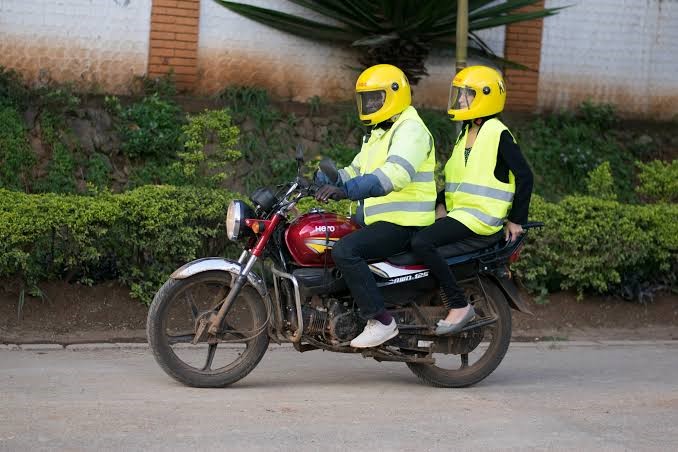
Boda bodas play a crucial role in Kenya’s transport sector, offering a quick alternative to cars and public transport for short-distance commuters.

At busy junctions, outside office blocks, near matatu stages and along residential streets, boda bodas weave through traffic, ferrying passengers and parcels while helping commuters beat traffic congestion.

But the convenience comes with significant risks. Motorcyclists remain among the most vulnerable road users, and the number of crashes involving motorcycles continues to raise concern among road safety authorities.

Data from the National Transport and Safety Authority (NTSA) showed that 2,150 people had died in road crashes by mid-June 2026, representing an increase of about 11 per cent from the comparable period a year earlier.

Motorcyclists were the second-largest category of fatalities after pedestrians. NTSA Director-General Nashon Kondiwa said about 836 of the deaths were pedestrians, while motorcyclists accounted for a significant share of the remaining fatalities.

The Authority has identified factors including speeding, poor road-user behaviour, inadequate compliance with traffic rules and weaknesses in enforcement as part of the wider road-safety challenge.

For boda boda riders, the consequences of a crash can extend well beyond physical injuries. Thousands of riders rely on the boda boda business as a source of income for their families.

This means a damaged motorcycle can immediately interrupt a rider’s livelihood, while medical bills, third-party claims, and the cost of repairing or replacing the machine can create additional financial pressure.

It is within this reality that insurance providers have stepped up with insurance products designed around the particular risks faced by motorcycle owners and operators.

Among financial institutions responding to this need is Co-operative Bank of Kenya, which has an insurance product aimed at both private motorcycle owners and commercial boda boda operators.

The cover combines protection for the motorcycle with optional personal accident benefits for the rider.

For commercial operators, the product provides a six-month option at Sh6,000 and a 12-month option at Sh12,108. Private motorcycle owners can obtain 12 months of cover for Sh7,081.

The comprehensive motorcycle cover is priced at five per cent of the motorcycle’s insured value, subject to a minimum premium of Sh5,000, inclusive of applicable levies.

Customers can also add personal accident protection for Sh2,000, providing benefits for death and permanent total disability of up to Sh250,000, alongside medical expenses of up to Sh50,000 arising from motorcycle accidents.

The policy also provides protection against third-party risks. Third-party bodily injury liability is unlimited, while property damage is covered up to Sh2 million.

Passenger legal liability is capped at Sh3 million per person and Sh20 million for an event. Other provisions include towing costs of up to Sh10,000, repair authority of Sh20,000 and accidental medical expenses of up to Sh20,000.

The cover extends across Kenya and includes a number of additional protections, including specified special perils, riots, strikes, civil commotion, terrorism and political violence, subject to the applicable terms and extensions.

For riders, the personal accident component can provide up to Sh100,000 each for death and permanent total disability, as well as medical expenses of up to Sh20,000.

The product also sets out specific excesses and conditions. For example, material damage attracts an excess of 2.5 per cent of the sum insured, subject to a minimum of Sh7,500.

Theft and recovery claims carry a similar excess, while total theft attracts an excess of 10 per cent of the motorcycle’s value, subject to a minimum of Sh15,000.

Requirements for Co-op Bank boda boda insurance

The policy requires a rider to be authorised by the insured and to hold the appropriate riding licence prescribed by NTSA.

Riders with less than one year of experience attract an additional Sh5,000 novice-rider excess, while motorcycles being operated by unlicensed riders are not covered.

Additional benefits available under the product are tracking devices, occupational group personal accident protection for drivers and loaders, carriers’ liability, loss-of-use protection and cover for personal effects.

Other benefits include replacement of damaged or lost keys, accommodation following an accident, daily hospitalisation allowances, a courtesy car and protection against political violence and terrorism, subject to the policy’s terms.

How to apply

Eligibility is open to people aged 18 and above who hold a valid driving licence.

Applicants are required to provide the motorcycle’s logbook, a valid driving licence, identification documents, a KRA PIN certificate and the applicable premium.

Customers interested in the Co-op Bank motorcycle insurance product can visit a Co-op Bank branch countrywide or access the bank’s insurance services online.

Also Read: Co-op Bank targets young Kenyans with 100pc home financing facility

KUCCPS clarifies procedure for first-year students seeking course changes

0

First-year university students seeking to change their courses within the institutions where they were placed have been advised to deal directly with their respective universities.

The Kenya Universities and Colleges Central Placement Service (KUCCPS) said such changes, commonly referred to as interfaculty transfers, are handled internally by universities and do not require the involvement of the placement agency.

The clarification comes amid inquiries from newly admitted students seeking to switch programmes while remaining in the same university.

In response to the concerns, KUCCPS urged students interested in changing their courses to approach their institutions, explaining that universities are responsible for initiating and managing the process.

“Interested students should engage their respective universities as the process is initiated internally at the universities,” KUCCPS stated.

The announcement comes as thousands of first-year students settle into their university programmes, with some reconsidering their initial course choices based on their academic interests, qualifications and career prospects.

While internal course changes are managed by individual universities, students seeking to move from one institution to another have a separate option through the inter-institutional transfer process.

KUCCPS has also clarified that students who did not apply for an inter-institutional transfer before the August 14 deadline may still be eligible to seek a transfer in subsequent years.

According to the placement agency, candidates who sat the Kenya Certificate of Secondary Education (KCSE) examination in 2025 remain eligible to apply for an inter-institutional transfer in 2026 and/or 2027.

“If they sat for KCSE in 2025, they are eligible for transfer this year, 2026, and/or next year 2027,” KUCCPS said.

The agency is currently processing transfer applications submitted by students. It has assured applicants that transfer letters will be issued once the exercise is completed.

Successful applicants will receive their transfer letters directly through the student portal. Students awaiting the outcome of their applications have been advised to monitor their KUCCPS portals regularly.

Also Read: HELB opens loan applications for KMTC certificate and diploma students

UEFA Nations League 2026/27: Why the Compressed Calendar Changes Every Betting Read

0

The fifth UEFA Nations League begins with a scheduling jolt. UEFA has packed Matchdays 1-4 between Sep 24, 2026 and Oct 6, 2026, so most teams will play four competitive fixtures in 13 days. Matchdays 5 and 6 follow in November, before the quarter-finals and promotion/relegation play-offs in March. Squad depth will influence prices as much as reputation.

Four matches. Thirteen days.

The extended opening window punishes shallow squads. Coaches must manage travel, recovery and minutes across four games, while bettors have to judge whether a familiar starting XI can appear twice in quick succession. A strong result on Matchday 1 may therefore say less about Matchday 4 than the team sheet, rest interval and substitution pattern.

The World Cup ends, Football never stops on SuperSport

League A has no soft landing

The top division contains four groups built for high-pressure football. Spain must handle Croatia, England and Czechia, while holders Portugal face Denmark, Norway and Wales. France share Group A1 with Italy, Belgium and Türkiye; Germany meet the Netherlands, Serbia and Greece in A2.

League A groups

  • A1: France, Italy, Belgium, Türkiye.
  • A2: Germany, Netherlands, Serbia, Greece.
  • A3: Spain, Croatia, England, Czechia.
  • A4: Portugal, Denmark, Norway, Wales.

The line moves before kick-off

A useful pre-match read begins with the official squad and confirmed starting XI. The RolsBet official site presents pre-match and in-play sections in one account, making it easier to compare the opening position with the live market. Rotation can alter pressing intensity, chance creation and set-piece roles within minutes of the line-up release. The badge stays the same; the probability does not.

First place is only half the story

League A group winners and runners-up enter two-legged quarter-finals. Third-placed teams face League B runners-up in promotion/relegation play-offs, while fourth place brings automatic relegation. League B and C group winners move up automatically, and their runners-up get a play-off route. A team protecting second place may accept a draw; a side trapped in fourth needs a different risk profile.

Read the match state, not the badge

Pregame rankings lose value when a qualified team rotates or a threatened side changes shape. The sports betting page gives users access to football markets before kick-off and updated options during play. A slow first 20 minutes can support a lower-goals position if both teams protect the center and create little from open play. An early red card, repeated box entries or a tactical substitution can invalidate that read immediately.

Mark these dates

  • Matchdays 1-4: Sep 24, 2026-Oct 6, 2026.
  • Matchdays 5-6: Nov 12, 2026-Nov 17, 2026.
  • League A quarter-finals and A/B-B/C play-offs: Mar 25, 2027-Mar 30, 2027.
  • Final tournament: Jun 9, 2027-Jun 13, 2027.

A sharper pre-bet checklist

  • Confirm the starting XI, rest days and travel sequence.
  • Check whether the team needs first, second or third place.
  • Compare the current price with implied probability; decimal odds of 2.00 equal 50% before the sportsbook margin.
  • Reassess live positions after a red card, injury or major tactical change.

Four games in 13 days leave little room for lazy assumptions. If a coach rests the main ball carrier or both starting full-backs, reduce the weight placed on the team’s previous attacking numbers. Price the players on the field, not the reputation printed above them.


Explainer: Why Sh80k salary in Nairobi is better than Sh200k in Europe

0

A Kenyan financial advisor has cautioned Kenyans seeking employment opportunities abroad against being swayed by attractive salary figures without first considering the cost of living and other expenses in their destination countries.

Benjamin Cheruiyot, a financial advisor at Abojani Investments, said some Kenyans could end up financially worse off after taking jobs in countries such as Turkey, despite earning significantly higher salaries than they would in Kenya.

In an analysis shared on X, Cheruiyot cited Turkey as an example, noting that many young Kenyans are taking entry-level jobs in the textile, hospitality and teaching sectors, where monthly salaries typically range between Sh100,000 and Sh150,000.

He posed a scenario of a Kenyan earning Sh80,000 net per month in Nairobi who receives an offer to work in Turkey for Sh200,000, equivalent to about 75,000 Turkish lira.

According to Cheruiyot, the higher salary does not necessarily translate into greater disposable income.

“Sh80,000 net in Nairobi is better than Sh200,000 net in Turkey unless housing is free,” he argued, pointing to the significantly higher cost of living in Istanbul.

He noted that available cost-of-living comparisons indicate that Nairobi is cheaper than Istanbul, including when rent is taken into account. For instance, a bedsitter that could cost about Sh15,000 a month in Nairobi may require more than Sh45,000 in Istanbul.

Cheruiyot estimated that a person earning Sh80,000 in Nairobi could spend about Sh20,000 on rent, Sh20,000 on food and shopping, Sh7,000 on transport, Sh5,000 on utilities and another Sh8,000 on other expenses, leaving about Sh20,000 for savings.

The situation would be markedly different for someone earning Sh200,000 in Istanbul, he said. A one-bedroom apartment within the city could cost between Sh80,000 and Sh110,000 a month, consuming up to 55 per cent of the salary before food, transport and other bills are considered.

He estimated that groceries, utilities and transport could take up a further Sh80,000, leaving little or nothing to save.

Cheruiyot also warned that some Kenyans have quit jobs in Turkey after discovering that the actual financial benefits did not match what had been presented by recruitment agents.

He advised job seekers to look beyond the headline salary and establish whether an overseas job package includes key benefits such as accommodation, meals, work permits and airfare.

He said Kenyans may be better off remaining in Kenya on a Sh80,000 net salary if a Turkish offer does not provide free accommodation, a work permit and flight costs, particularly where the job is an entry-level hospitality position.

According to his analysis, hospitality and hotel reception jobs in Turkey generally pay about Sh80,000 to Sh105,000, meaning a Sh200,000 salary should not automatically be viewed as the standard for entry-level positions.

He also advised those with family responsibilities in Kenya to carefully weigh the decision, as the higher gross salary abroad may not compensate for the additional living expenses.

However, Cheruiyot said a Sh200,000 net salary in Turkey could make financial sense where the employer provides free accommodation, meals, a work permit and a flight ticket.

Under such circumstances, he estimated that a worker could potentially save close to Sh100,000 a month—substantially more than the estimated Sh20,000 savings available to a worker earning Sh80,000 in Nairobi.

Beyond the financial calculations, Cheruiyot noted that some Kenyans may still choose to take overseas opportunities for the experience and exposure they provide, particularly if they view the job as a stepping stone towards opportunities elsewhere in Europe.

Also Read: Need to utilise digital technologies to support basic education

Nyeri farmer turns rejected avocado into oil selling at Sh800 a bottle

0

Avocado farming has increasingly emerged as a lucrative agricultural venture in Kenya, driven by growing local and export demand.

However, for many farmers, the returns from the crop have remained constrained by weak bargaining power, limited access to premium markets, and reliance on middlemen.

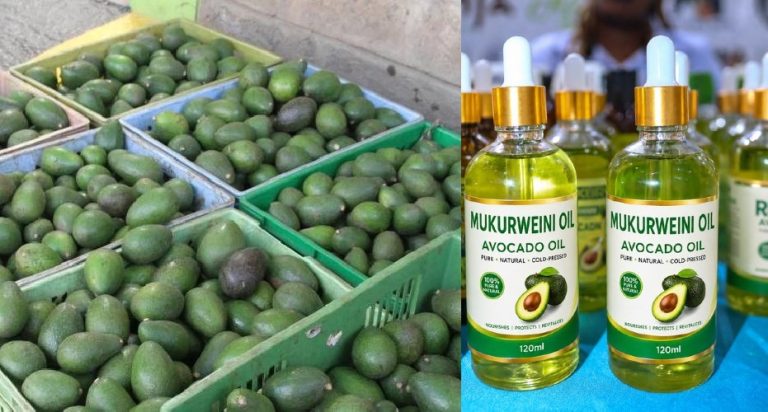
In Mukurwe-ini, Nyeri County, farmers have reported selling a kilogramme of avocado for as little as Sh5 to middlemen.

A kilogramme typically contains seven to nine fruits, meaning traders can acquire the produce at a fraction of its retail value.

In the market, a single avocado can fetch between Sh50 and Sh70, highlighting the wide gap between what farmers receive and what consumers ultimately pay.

It is this gap that pushed former nominated Nyeri County Assembly member Patrick Mutahi Muthoni to look beyond the traditional fresh produce market and find value in avocados that would otherwise be rejected or left to rot.

In 2024, Mr. Mutahi founded Mukurwe-ini Oil Enterprises, an agribusiness that processes avocado, sunflower and castor oil.

The business targets, among other produce, avocados that fail to meet export requirements because of their size, dents or other cosmetic imperfections.

Instead of leaving such fruit on farms to spoil, the enterprise buys and processes it into oil, giving farmers an alternative market while converting what would otherwise be waste into a commercial product.

“As a leader, I saw an opportunity to be able to provide access to markets for our farmers,” Mr. Mutahi says.

According to the Kenya Agricultural and Livestock Research Organisation (KALRO), an average of four kilogrammes of avocado can produce one litre of oil.

Mr. Mutahi says the venture is rooted in a broader market challenge facing farmers in his community.

“The main motivation was to improve the livelihood of our farmers here. They have so many agricultural products, but they normally sell them as raw products. Others, because of the distant market, are not able to get to the market,” he says.

The enterprise began with three employees but has since expanded to 10 permanent workers and five casual workers.

It now operates across three value chains, seeking to extract greater commercial value from crops that farmers would otherwise sell without processing.

The company has also gone a step further by developing products beyond plain avocado oil. One of its products is a pain-relief oil made by blending avocado, sunflower and castor oils. The product retails at Sh1,200 a bottle, compared with Sh800 for the plain oil.

“We also have realised, instead of selling it as pure as it is, we blend now to make this pain relief oil. Just to add more value,” he says. “We are adding value when we produce it as it is. But we felt that we could add more value.”

The model offers farmers an alternative to depending entirely on fresh produce buyers, particularly when the fruit cannot meet the stringent requirements of export markets.

The enterprise currently works with about 150 farmers, with Mutahi aspiring to grow the network to more than 1,000 farmers as the business expands its processing capacity and market reach.

Also Read: Avocado farming mistakes that are costing Kenyan farmers millions

Avocado farming mistakes that are costing Kenyan farmers millions

0

Avocado farming remains one of Kenya’s most promising high-value agricultural ventures, offering farmers an opportunity to earn significantly higher returns than many traditional food crops.

According to the Agriculture and Food Authority (AFA), land under avocado increased from 25,669 hectares in 2022 to 36,118 hectares in 2024, while production rose from 441,593 tonnes to 848,122 tonnes over the same period.

The value of avocado production reached Sh29.5 billion in 2024. The crop has a strong domestic market as well as an expanding international market.

Locally, avocados are consumed fresh and supplied to retailers, hotels, processors and other food businesses. Internationally, Kenyan avocados have established a presence in European, Middle Eastern and Asian markets.

In 2023, avocado accounted for about 59 per cent of the value of Kenya’s fruit exports, with 114,073 tonnes exported at a value of Sh19.04 billion.

The country’s key export destinations include the Netherlands, the United Kingdom, France, the United Arab Emirates and Germany.

Despite the impressive figures, not every farmer entering the avocado business is making money. For some growers, the promise of lucrative export markets has been followed by disappointing yields, diseased trees, rejected fruit and low farm-gate prices.

According to agricultural experts, farmers often invest heavily in seedlings, land preparation and irrigation but overlook basic production decisions that determine whether an orchard becomes commercially productive.

Here are some of the mistakes that can turn an avocado investment into a loss.

  1. Drowning the roots before they start

One of the most expensive mistakes is establishing an orchard on poorly drained land. Avocado trees do not tolerate prolonged waterlogging.

Planting them in heavy clay soils without adequate drainage can deprive the roots of oxygen and create conditions favourable to Phytophthora root rot, a disease capable of weakening or killing young trees before the farmer has recovered the initial investment.

On heavy or poorly drained soils, farmers can use raised beds or ridges to keep the root zone above standing water. Raised ridges of about 50 centimetres or more, where appropriate to the site and soil conditions, can improve drainage and maintain oxygen around the roots during heavy rains.

  1. Ignoring canopy and sunlight management

Another costly mistake is allowing avocado trees to grow into tall, densely packed canopies with little management.

Farmers sometimes assume that a bigger tree automatically means more fruit. In commercial production, however, uncontrolled vegetative growth can make harvesting, spraying and orchard management more difficult while reducing light penetration into the canopy.

Pruning should begin early and be guided by the desired shape of the mature tree. An open canopy allows sunlight to reach productive branches while improving air movement and spray coverage.

Removing selected branches can also reduce excessive internal shading and help prevent the dieback of poorly illuminated branches.

  1. Falling into the nutrition trap during flowering

Flowering is one of the stages when farmers can be tempted to apply fertiliser indiscriminately in the hope of increasing fruit set.

That approach can backfire.

Avocado nutrition needs to be based on the tree’s growth stage, soil condition and nutrient requirements rather than on guesswork. Excessive or poorly timed applications can interfere with the tree’s balance at a critical stage.

Potassium and micronutrients are particularly important in reproductive development. Boron and zinc are among the micronutrients associated with reproductive processes, including pollen development and pollen-tube growth.

Rather than throwing fertiliser at flowering trees, farmers should consider soil and leaf analysis and follow a nutrition programme developed for the orchard.

  1. Neglecting water quality and irrigation timing

Water stress is another hidden source of losses.

Avocado trees need reliable moisture, particularly during flowering, fruit set and fruit development. Long periods of dryness followed by excessive irrigation can create sharp changes in soil moisture and place trees under stress.

Water quality is equally important. Saline or otherwise unsuitable irrigation water can gradually damage the root zone and reduce tree performance.

For farmers using irrigation, micro-sprinklers can provide more controlled water application. Organic mulch can also help conserve soil moisture and moderate root-zone temperatures.

  1. Misjudging tree spacing and airflow

Planting trees too close together can appear attractive when an orchard is young. At that stage, there is plenty of open space between the trees and the farmer may be tempted to maximise the number of seedlings per acre.

The problem emerges as the trees mature.

Overcrowded orchards develop dense canopies and humid pockets with poor air circulation. Such conditions can favour fungal diseases, including anthracnose, while reducing fruit quality and making spraying more difficult.

Adequate spacing, appropriate pruning and well-planned row orientation can improve sunlight penetration and air movement while making harvesting and crop protection easier.

  1. Failing to manage cross-pollination

Pollination is another area where an apparently healthy orchard can disappoint.

Relying exclusively on one avocado variety can limit opportunities for effective cross-pollination, depending on flowering behaviour and local conditions. Bees and other pollinators play an important role, but orchard design also matters.

Commercial growers can strategically combine compatible flowering types. Hass is a Type A avocado, while Fuerte is a Type B variety. Interplanting compatible varieties can help provide overlapping flowering periods and improve opportunities for bee-mediated cross-pollination.

Farmers should also avoid indiscriminate pesticide applications during peak bee activity, since reducing pollinator numbers can undermine the very pollination the orchard requires.

  1. Waiting for buyers until harvest

Perhaps one of the most painful mistakes occurs after the farmer has successfully grown the crop.

Some growers wait until the fruit is almost ready for harvest before looking for a buyer. By then, the negotiating power has shifted away from the farmer.

A farmer who has invested several years establishing an orchard may end up selling to whoever arrives at the farm gate, sometimes at a price that does not reflect the cost of production.

Market planning should therefore begin well before harvest.

Where possible, farmers should establish relationships with reputable exporters, aggregators, processors or institutional buyers ahead of the harvesting period.

Off-take arrangements made several months before harvest can give growers greater clarity on quality requirements, expected volumes, harvesting windows and maturity specifications.

Also Read: Expert reveals avocado farming potential earnings per season

SportPesa 1UP, 2UP and 3UP turns football leads into early payout moments

0

A football lead can disappear in seconds. A team can go ahead early, control the match, and still concede late. SportPesa gives Kenyan football fans a different way to follow that tension through 1UP, 2UP and 3UP markets, where eligible selections can settle once the chosen team reaches the required goal advantage.

The format is easy to understand once each threshold is clear. Fans exploring SportPesa IUP, 2UP and 3UP options can choose between a one-goal, two-goal or three-goal advantage. When the selected side reaches the required margin, the qualifying selection is settled according to the applicable rules. This gives supporters different ways to approach fixtures based on their expectations.

Early payout with 1UP

1UP is the simplest  option because the selected team only needs to lead by one goal. A 1-0, 2-1 or 3-2 advantage can be enough to trigger the market, depending on the rules. That makes 1UP the most direct option for fans who expect a team to find a breakthrough. The market may appeal to fans expecting a competitive fixture with a likely breakthrough.

Once the required advantage is reached, the selection is settled under the relevant IUP rules. A later equaliser does not reverse a settlement that has already been triggered. This makes1UP early payout interesting when a chosen side starts creating consistent pressure. Fans can then follow the rest of the match with a different perspective.

“1UP, 2UP and 3UP make every lead more meaningful because fans do not only have to wait for the final whistle. When a selected team reaches the required goal margin, the market can settle early, which adds another layer of excitement to eligible football fixtures,” said SportPesa Kenya Head of PR, Willis Ojwang.

SportPesa Aviator multiplier hits massive 26,419.92x

Play live betting with 2UP

2UP raises the challenge because the selected team must build a two-goal lead. This market is more suited to fixtures where a fan expects one team to create chances, control possession and apply pressure for longer periods. The higher threshold naturally calls for careful consideration before choosing a selection.

Several factors can help shape that assessment before a match begins. Recent results, scoring records, defensive strength and home advantage may influence expectations about a two-goal lead. Fans considering 2UP also have a chance to play live betting then two-goal leads into early payout moments on eligible fixtures.

Exploring the 3UP market

3UP is the boldest of the three because the selected team must open a three-goal lead. It is the most demanding 3UP market and is usually considered when a fan expects a dominant attacking performance. This option may interest fans expecting a particularly dominant display from a strong favorite. Fixtures involving uneven form can sometimes create greater interest around such a demanding threshold.

The larger requirement also makes 3UP different from its lower-margin alternatives. Fans exploring 3UP can consider scoring trends and defensive records before making their choice. A three-goal lead can arrive through sustained attacking pressure, but football remains unpredictable. Injuries, red cards and unexpected performances can quickly change the direction of a contest.

La Liga 2026/27: Big Business Meets Big Football

Choosing the right betting markets

Selecting between 1UP, 2UP and 3UP depends on how better reads the expected match pattern. A narrow advantage may make the lowest threshold seem more suitable, while confidence in a dominant display could favour a higher option. Reviewing team form and scoring ability can provide useful context before making a decision. The chosen market should reflect the expected flow of the fixture.

These SportPesa betting markets give football enthusiasts another way to engage with selected matches through these goal-based markets. Each threshold creates a different challenge, allowing fans to focus on the strength of a potential performance. Availability can vary between fixtures, so checking the platform before placing a selection remains important. Responsible betting should also remain central, with spending kept within personal limits.

Conclusion

SportPesa gives Kenyan football fans a more exciting way to follow selected matches by making every lead matter before the final whistle. With 1UP, 2UP and 3UP, eligible bets can settle when the chosen team reaches a one-goal, two-goal or three-goal advantage, adding more meaning to match momentum. For players using SportPesa Kenya, the key is to understand how each market works, check availability before placing a bet, playing three times and enjoy the experience responsibly.

One Emergency Away: The fragile reality of Small Businesses

0

The Daily Pressure of Running a Small Business

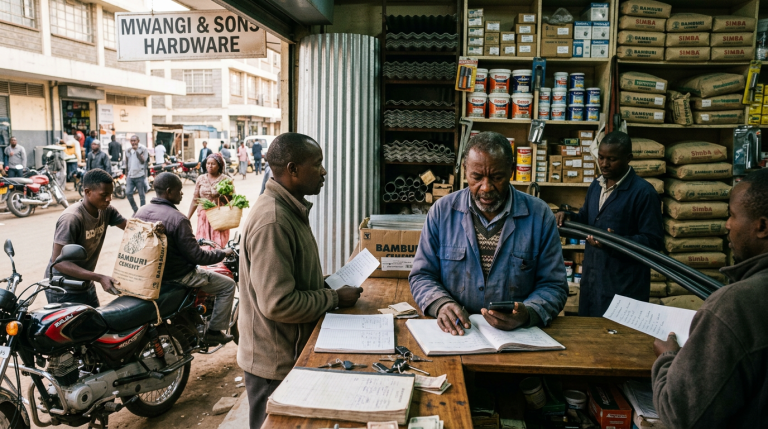
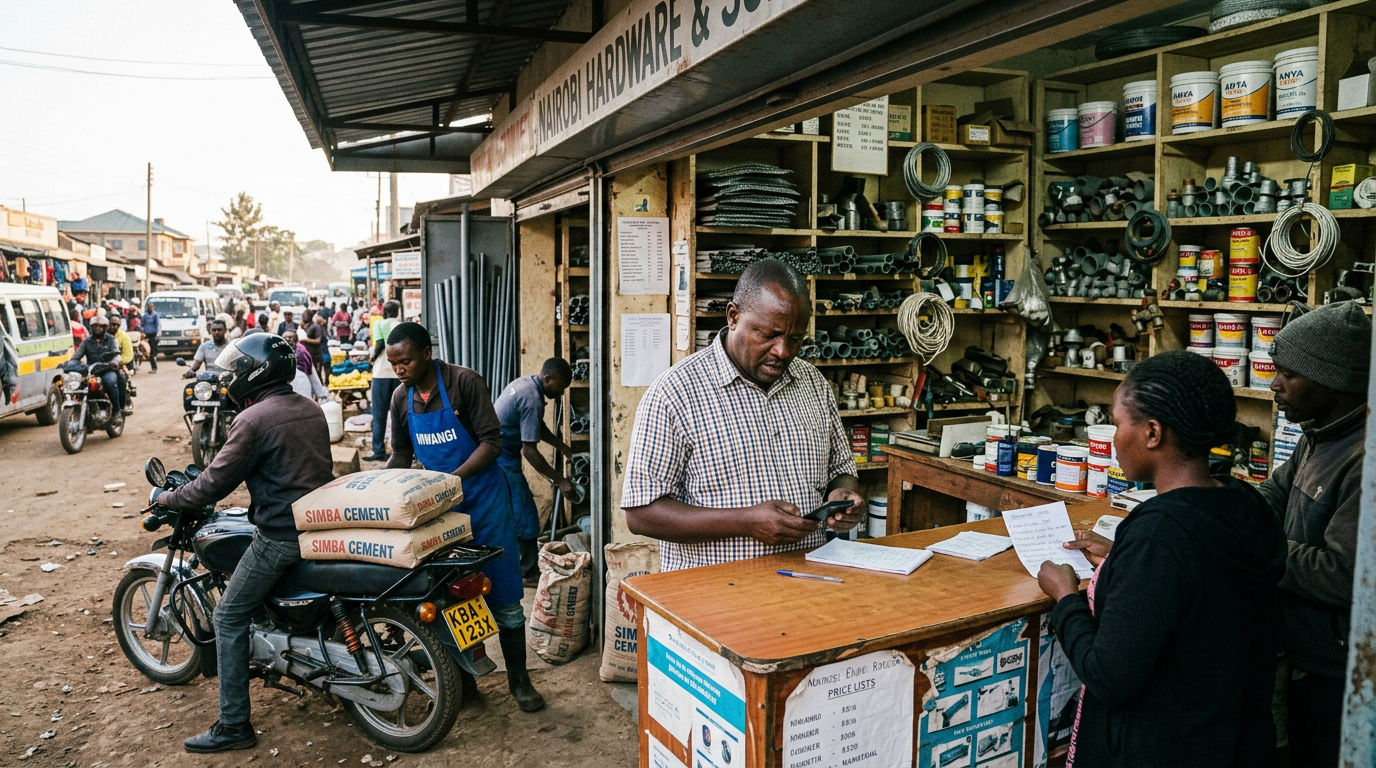
By 7am, the hardware stores along Gikomba Road are already alive.

One customer wants iron sheets delivered to a site in Kitengela. Another is bargaining over the price of paint buckets. A fundi waits impatiently for plumbing fittings while a boda boda rider loads sacks of cement onto his bike.

For many small business owners, this is the rhythm of everyday survival.

The hardware owner opens before sunrise because every hour matters. A delayed delivery means a lost customer. An absent employee slows down the entire operation. One medical emergency can wipe out weeks of profit.

It is the kind of pressure many Kenyan entrepreneurs quietly carry. And it is not limited to hardware businesses.

How much do you need to start a kitchen utensil business?

When Health Becomes a Business Risk

In Nairobi’s boutiques, fashion shop owners spend long days serving customers while managing rising costs behind the scenes. Across estates and market centres, salon owners depend heavily on a few trusted employees to keep business moving.

Freelancers, from photographers and designers to content creators and consultants, often operate without any form of medical protection at all.

Then there are chamas.

Chamas as an Informal Safety Net

For years, chamas have become the invisible financial safety net for millions of Kenyans.

Groups of friends, traders, church members, professionals, and small business owners come together to pool resources, contribute monthly, and support one another during emergencies, school fees crises, funerals, or investment opportunities.

Healthcare challenges frequently find their way into those conversations.

A member falls sick unexpectedly. A child is admitted to hospital. Contributions meant for investment are suddenly redirected toward medical bills. What was meant to build financial progress becomes emergency support.

9 Most Profitable Businesses to Start With Sh. 20,000

A Medical Cover Designed for Groups

It is within this everyday reality that Equity’s SME Health Cover comes in handy.

Rather than targeting only large corporations, the cover focuses on the people who keep Kenya’s informal and SME economy running, small businesses, SACCOs, chamas, schools, churches, staff groups, and growing enterprises seeking practical healthcare solutions.

The model is intentionally built around accessibility and flexibility.

Groups can join from as few as three principal members, making it suitable even for small businesses or informal groups that may previously have considered medical insurance out of reach.

One Emergency Away: The fragile reality of Small and Medium Businesses

Affordability and Simplicity Matter

For many SMEs, affordability alone is not enough. Simplicity matters just as much.

Business owners often avoid medical cover because of hidden costs, complex terms, or fears that employees will still be forced to top up payments during treatment.

Equity’s SME Health Cover addresses this by offering no co-pay on services, alongside full cover for chronic and pre-existing conditions.

Valentine Cake House celebrates 25 years of baking dreams, creating opportunities and celebrating life

Protection Beyond Routine Healthcare

The product also includes unlimited children cover, emergency care support including ambulance services, and lifetime cover with no upper age restriction.

That becomes especially important for informal business groups and freelancers who may not have access to employer-sponsored healthcare.

For boutique owners operating with small teams, or freelancers whose income depends entirely on remaining healthy and active, a medical emergency can easily interrupt income flow for weeks.

The same applies to chama members who often carry both personal and collective financial responsibilities.

Nationwide Access to Healthcare

Healthcare access is also central to the offering.

Members can seek treatment through a nationwide network of mission, public, and private hospitals, alongside Equity Afya clinics that continue expanding closer to communities.

For SMEs operating across counties or serving mobile populations, nationwide accessibility becomes critical.

10 Entrepreneurship Lessons from the 2026 World Cup Every Business Owner Should Learn

Building Resilience, Not Just Treating Illness

But beyond healthcare itself, the product speaks to something deeper within Kenya’s SME culture: the need for stability.

Many small businesses are no longer about profits only. They are thinking about resilience: how to keep operations running during emergencies, how to protect employees without straining finances, and how to grow without slipping back into crisis management.

This is where Equity Health insurance serves you well, not just as a provider of insurance, but as a long-term partner in the growth of Kenya’s SME economy.

Protecting the People Behind the Business

Because whether it is a hardware owner in Gikomba, a boutique operator in Eastleigh, a freelance photographer in Nairobi, or a chama managing shared savings, the challenge is often the same:

Growth becomes fragile when a single illness can destabilize everything.