Home Blog Page 11

Simple things you need to do to get a quick loan of up to Sh8 million

0

Do you have an upcoming event but don’t have enough funds to fund it to your expectations? Well, this is one of the worst experiences, especially when you don’t have someone to fund you the extra amount.

The good news is that you can prevent such future occurrences as long as you have a solid source of income that can then allow you to get a quick loan to you whenever your needs demand for one. The secret is just simple: Being a Co-op Bank customer.

By being a customer at Co-op Bank Kenya, you unlock multiple benefits that will enable you to meet your financial situation with a brave face.

From agriculture loans and asset financing to affordable mortgages and personal loans, the lender has products for everyone.

For those looking for personal loans to make a major purchase, finance a wedding, or pay school fees, Co-op Bank has got you covered with a loan of up to Sh8 million with a flexible repayment period.

According to the lender, to be eligible for this loan, one needs to be employed or self-employed with a regular income.

In addition, they should channel their monthly income to the bank and maintain an active salary account for a minimum of six months for non-check-off customers.

”Customers under schemes/ check can open accounts and fill change of PayPoint to Co-op bank and immediately access credit facilities,’’ Co-op states.

The Co-op bank personal loan allows customers to borrow between Sh50,000 and Sh8 million with a repayment period of up to 96 months.

The loan, which is available in both local and US currencies, covers various purposes, including education, medical, furniture, consumer durables, motor vehicles, plot purchases, holidays, and shares.

The loan application process is simple, with the request processed within 48 hours, subject to employer confirmation.

When applying for the loan, borrowers are required to submit a filled-in loan application form, an original national identity card and a copy, salary pay slips for the last 3 months, and a copy of KRA PIN. According to Co-op, no specific minimum net salary is required.

Britam holdings reports 52% tise in pre-tax profit to Shs3.8Billion

0
Nairobi, August — Britam Holdings Plc reported a 52% increase in profit before tax for the six months ended June 30, providing a solid start to its ASCEND 2026-2030 strategy as underwriting revenue and investment income grew.
Pre-tax profit rose to Shs3.8 billion from  Shs2.5 billion the previous year, Britam announced. The result reinforces management’s confidence in the Group’s long-term growth prospects.
Insurance revenue increased 13.7% to Shs22.4 billion from Shs19.7 billion, supported by continued growth across the Group’s Life and General Insurance businesses and the strength of its distribution and partnership networks across its markets.
Britam Group Managing Director and CEO Tom Gitogo said the performance shows the ASCEND strategy, anchored in sustainable African expansion, customer-led innovation, operational excellence, and digital transformation, is translating into stronger business outcomes.
“These results give us an encouraging start to our ASCEND Strategy and show that we are moving in the right direction by responding to customers’ needs and translating that into sustainable business growth,” Gitogo said. “We are strengthening Britam from within while remaining focused on our purpose of safeguarding the dreams and aspirations of our customers across Africa.”
The net insurance service result improved 36% to Shs1.8 billion from Shs1.3 billion, reflecting improved underwriting performance in both the Life and General Insurance businesses.
Britam said the results demonstrate the health of its underwriting principles and the continued focus on disciplined execution across the business.
“The improvement in the insurance service result is important because it reflects the underlying health of our core business,” Gitogo said. “We will continue to execute with discipline while investing in customer experience, distribution and digital capability to support sustainable growth.”
Interest and dividend income increased to Shs12.0 billion, supported by disciplined portfolio management and the continued optimization of investments.
Total assets rose to Shs270.8 billion, while total equity increased to Shs37.6 billion, highlighting the Group’s robust capital position and providing a strong foundation to support future growth opportunities across the region.
Key business developments in the last six months
  • Brand strength: Britam continued to strengthen its brand position, ranking as the 8th strongest brand in Africa, 3rd strongest brand in Kenya and the Most Valuable Insurance Brand in Kenya, according to Brand Finance.
  • Industry recognition: Britam was named the 2026 AIO Hall of Fame Award winner in the Insurance Company category by the African Insurance Organisation (AIO), recognising its contribution to the development of the insurance industry in Africa.
  • Sustainability: Britam released its 2025 Sustainability Report, highlighting progress in responsible business, climate action and sustainable value creation. The Group also paid KSh97.3 million in claims in 2025 to support 402,681 farmers and pastoralists affected by climate-related shocks across East Africa.
  • Britam Foundation: The Foundation released its inaugural 2025 Impact Report, highlighting the results of its work across four focus areas: water access, maternal health, environmental restoration and enterprise development. In nearly two years of operation, the Foundation has impacted over 172,000 lives and supported the creation of over 1,628 jobs.
  • Affordable protection: Britam Connect expanded its microinsurance offering through the Heshima Farewell Plan, developed in partnership with Montezuma Funeral Home to provide affordable last-expense cover and help families manage the financial burden associated with funerals.
  • Legacy planning: The new Britam Whole Life Insurance Plan provides lifetime cover to help customers protect what they build and provide long-term financial support for their loved ones. Britam also launched Britam Trust Fund to help customers protect, preserve and pass on wealth across generations.
  • Digitalisation: Britam advanced the digitalisation of marine insurance through the Digital Marine Cargo Insurance platform, supporting the transition to mandatory electronic marine cargo insurance certificates from July 2026.

Musculoskeletal Ultrasound Imaging: Applications, Benefits, and Future Trends

0

Musculoskeletal disorders affect millions of people worldwide, ranging from acute sports injuries and tendon tears to chronic conditions such as arthritis and repetitive strain injuries. Accurate imaging plays a critical role in diagnosing these conditions, monitoring recovery, and guiding treatment decisions. As healthcare providers continue to seek faster, safer, and more accessible diagnostic tools, musculoskeletal ultrasound imaging has become an increasingly important part of modern musculoskeletal care.

In this article, we’ll explore how musculoskeletal ultrasound imaging works, its most common clinical applications, the factors driving its growing adoption, and the latest developments shaping its future.

Musculoskeletal Ultrasound Imaging: Applications, Benefits, and Future Trends

What Is Musculoskeletal Ultrasound Imaging?

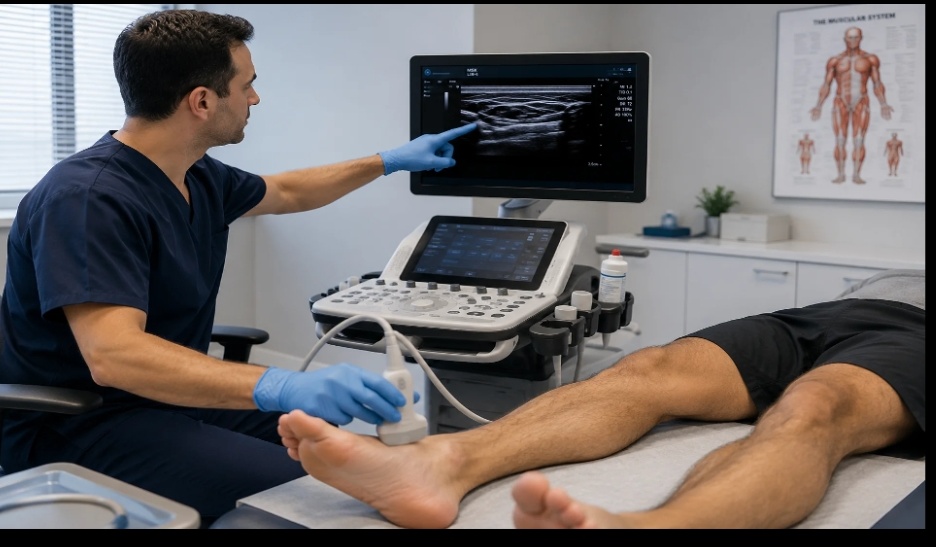
Musculoskeletal ultrasound imaging (MSK ultrasound) is a non-invasive diagnostic imaging technique that uses high-frequency sound waves to generate real-time images of the body’s musculoskeletal structure. It enables healthcare providers to evaluate soft tissues without exposing patients to ionizing radiation.

Unlike imaging modalities that produce only static images, musculoskeletal ultrasound imaging allows clinicians to observe tissues in real time as a patient performs specific movements. This capability makes it particularly useful for evaluating conditions that become apparent only during motion. In addition to its diagnostic value, ultrasound is frequently used to guide minimally invasive procedures, including joint aspirations, corticosteroid injections, and nerve blocks, improving procedural accuracy while minimizing the risk of injury to surrounding structures. Its combination of real-time visualization, accessibility, and excellent soft-tissue resolution has made musculoskeletal ultrasound imaging an essential component of modern orthopedic, sports medicine, rheumatology, and rehabilitation practices.

How Does Musculoskeletal Ultrasound Imaging Work?

Musculoskeletal Ultrasound Imaging: Applications, Benefits, and Future Trends

Musculoskeletal ultrasound imaging uses a handheld transducer to emit high-frequency sound waves into the body. As these waves pass through muscles, tendons, ligaments, nerves, and other soft tissues, they are reflected back at different intensities depending on the characteristics of each structure.

The ultrasound machine processes these returning echoes and instantly converts them into detailed, real-time images displayed on a monitor. Because ultrasound uses sound waves rather than ionizing radiation, it is considered a safe imaging modality for repeated examinations and ongoing patient monitoring.

As mentioned earlier, one of the greatest strengths of musculoskeletal ultrasound imaging is its ability to perform dynamic assessments. This means that clinicians can evaluate muscles, tendons, ligaments, and joints as patients move the affected area, making it easier to identify conditions that may not be visible on static imaging. High-frequency linear transducers such as the Sonosite HFL38x are typically preferred because they provide excellent resolution for superficial structures, helping clinicians visualize subtle tissue abnormalities with greater clarity.

Common Applications of Musculoskeletal Ultrasound Imaging

Musculoskeletal ultrasound imaging is used across a wide range of medical specialties to evaluate soft tissue injuries, monitor chronic musculoskeletal conditions, and guide minimally invasive procedures. Some of its most common applications include:

  • Tendon Injuries: Evaluates tendon tears, tendinopathy, and inflammation in the rotator cuff, Achilles tendon, and patellar tendon.
  • Ligament Injuries: Helps identify sprains, partial tears, and complete ligament ruptures while allowing dynamic assessment of joint stability.
  • Muscle Disorders: Detects muscle strains, tears, hematomas, and other soft tissue abnormalities, particularly in sports-related injuries.
  • Joint Disorders: Assesses joint effusions, synovitis, bursitis, and other inflammatory conditions affecting the shoulder, knee, hip, wrist, and ankle.
  • Peripheral Nerve Evaluation: Visualizes nerve compression and entrapment syndromes, including conditions such as carpal tunnel syndrome and ulnar neuropathy.
  • Sports Medicine: Supports the diagnosis and monitoring of acute and chronic athletic injuries, enabling clinicians to evaluate tissue healing throughout rehabilitation.
  • Rheumatology: Assists in detecting inflammatory changes in joints, tendons, and surrounding soft tissues associated with diseases such as rheumatoid arthritis.
  • Ultrasound-Guided Procedures: Provides real-time guidance for joint aspirations, corticosteroid injections, platelet-rich plasma (PRP) therapy, and peripheral nerve blocks, improving procedural accuracy and patient safety.

These diverse applications have made musculoskeletal ultrasound imaging an essential diagnostic and interventional tool in orthopedic clinics, sports medicine centers, rehabilitation facilities, rheumatology practices, and pain management clinics worldwide.

Why Musculoskeletal Ultrasound Imaging Has Become More Popular

The increasing adoption of musculoskeletal ultrasound imaging reflects broader changes in modern healthcare. As clinicians place greater emphasis on early diagnosis, minimally invasive treatments, and efficient patient care, ultrasound has become an increasingly practical imaging solution. It enables healthcare providers to examine patients during a single appointment, helping reduce delays between assessment, diagnosis, and treatment while improving overall clinical workflow.

Another key factor behind its growing popularity is the continuous advancement of ultrasound technology. Modern systems provide higher image quality, greater portability, and AI-assisted features that enable faster, more consistent examinations. At the same time, growing clinician experience and expanded training in musculoskeletal ultrasound have increased confidence in its use across specialties such as orthopedics, sports medicine, rheumatology, and rehabilitation. Together, these developments have established musculoskeletal ultrasound imaging as an integral part of contemporary musculoskeletal care.

PhD lecturer enrolled at KMTC campus, studying Diploma in Clinical Medicine

Risks and Benefits of Musculoskeletal Ultrasound Imaging

Like any medical imaging modality, musculoskeletal ultrasound imaging has both advantages and limitations, as shown in the table below.

Benefits Risks
No ionizing radiation Operator-dependent
Real-time imaging Bone limitations
Excellent soft tissue visualization Smaller field of view
Portable and accessible Some conditions require additional imaging

The Continued Growth of Musculoskeletal Ultrasound Imaging in 2026 and Beyond

Musculoskeletal ultrasound imaging is expected to play an even greater role in healthcare as technology continues to advance and clinical expertise expands. Improvements in image quality, high-frequency transducers, artificial intelligence, and portable ultrasound systems are making examinations faster, more accurate, and more accessible across a wide range of healthcare settings. At the same time, growing demand for point-of-care imaging and minimally invasive procedures is encouraging more hospitals, outpatient clinics, and sports medicine centers to incorporate ultrasound into routine musculoskeletal assessments.

Looking ahead, continued investment in ultrasound technology is likely to further enhance diagnostic capabilities and clinical workflows. Better software integration, cloud-based data management, and AI-assisted image analysis are expected to improve efficiency while supporting more consistent clinical decision-making. As these innovations become increasingly available, musculoskeletal ultrasound imaging will continue to strengthen its position as a valuable diagnostic tool for evaluating soft tissue conditions and guiding patient care across multiple medical specialties.

Conclusion

Musculoskeletal ultrasound imaging has become an essential tool for evaluating a wide range of musculoskeletal conditions, offering clinicians a safe, real-time, and highly effective method for examining soft tissues and guiding minimally invasive procedures. Continuous advancements in ultrasound technology, including higher-resolution imaging, high-frequency transducers, and AI-powered features, have expanded its clinical capabilities while improving diagnostic confidence and workflow efficiency.

As healthcare providers continue to prioritize earlier diagnosis, personalized treatment, and point-of-care delivery, the role of musculoskeletal ultrasound imaging is expected to grow even further. Choosing the right imaging equipment and transducer is an important part of achieving optimal clinical outcomes, ensuring healthcare professionals can deliver accurate diagnoses and high-quality patient care across a broad range of musculoskeletal applications.


Eight Esports Metrics to Review Before Match Probability Analysis

0

An esports match can look simple on a results page, yet the same team can enter a best-of-one with a very different statistical profile from a best-of-five. Map vetoes can change the usable sample again. For readers comparing esports prices across sports betting sites, the useful question is not which side owns the better headline record, but which data still describes the match about to be played. Eight checks help separate current evidence from old or incomplete numbers. Counter-Strike 2 and VALORANT put heavy weight on maps. League of Legends and Dota 2 often require closer attention to patch conditions and draft structure.

1. Tournament format changes the amount of uncertainty

A best-of-one gives each team much less room to recover from a poor start. One unusual draft or a weak opening map can decide the entire match. A best-of-three spreads the result across a larger sample, while a best-of-five places even more weight on depth and adaptation.

The bracket matters as well. A Swiss stage can pair teams according to their evolving record rather than a fixed knockout path. Double-elimination gives a team another route after one defeat. Single-elimination removes that buffer.

Those structures affect how old results should be compared. A team with a strong best-of-one record may not carry the same edge into a long series. The reverse is also possible when a roster has enough map depth to survive a poor opening choice.

Official event rules deserve priority because the same game can use different formats across tournaments. VALORANT competition procedures, for example, can vary by event. League of Legends also changed its 2026 European structure, so records from the previous format need context before they are treated as directly comparable.

Dota 2 creates the same need for event-specific checking. Stage progression can change the series format later in a tournament, which means a record compiled earlier in the event may come from different competitive conditions.

2. Map picks and veto order narrow the relevant sample

Overall map records are only a starting point in Counter-Strike 2 or VALORANT. The likely veto often determines which part of that record matters.

A team may remove its weakest map before play. Another roster may deliberately select a map where it has a specialist setup or unusually strong recent numbers. Seed can also affect the order in which choices are made, depending on the event rules.

That means a 65% overall series win rate can hide a much weaker profile on the maps most likely to survive the veto. The opposite can happen when a team’s strongest maps align neatly with an opponent’s weaker pool.

A compact map worksheet helps separate the useful evidence:

Data point What it reveals
Overall series record Broad recent performance
Map win percentage Strength on each competitive map
Opponent-adjusted record Quality of the teams faced
Recent map sample Performance under the current patch
Map veto history Maps a team prefers or avoids

The veto should therefore be read before individual map percentages receive much weight. A strong record on a map that is almost certain to be removed has little influence on the match being priced.

This also explains why shooter analysis does not transfer directly to every esport. League of Legends and Dota 2 do not use a shooter-style map veto. Draft priorities carry more analytical weight there.

3. The active patch sets the boundary for recent form

Esports statistics can age quickly after a major update. A patch may change map availability or character balance. It can also alter how objectives are approached.

Counter-Strike 2 offers a clear August 2026 example. Cache entered the Active Duty map pool, while Overpass left it. Results collected under the previous pool still describe past performance, but they do not fully reproduce the competitive conditions teams face after the change.

That makes date boundaries important. A team may have an excellent long-term record on a map that is no longer active, while its experience on a newly introduced competitive map remains limited.

The same principle applies differently to League of Legends and Dota 2. A patch can alter which picks receive priority. Strategic routes can change as well. Historical win rates remain useful only when the version under which they were recorded is clear.

A practical data sheet can separate pre-patch matches from games played after the current version arrived. The newer sample may be smaller, but it is more closely tied to the conditions currently governing play.

This is where context can matter more than volume. Twenty matches from an old patch are not automatically more informative than eight matches under the active one.

4. Map-specific percentages reveal strengths hidden by headline form

A single team-level win rate compresses too much information. In tactical shooters, map-by-map records often show where that overall number came from.

Suppose a team has won 65% of its recent series. That looks strong. If most of those victories came on two maps that the next opponent usually removes, the headline figure becomes less useful.

Opponent quality matters too. A 70% map record against weaker competition does not carry the same evidential weight as a similar percentage recorded against stronger opposition. The number alone cannot show that difference.

Recent match pages often separate series form from individual-map results. Player-level measures can add another layer. Those figures help explain how a map record was produced, but no single statistic deserves to stand in for the full match.

The strongest sample is one that matches the current patch and likely veto. It should also reflect the level of opposition.

Sample size remains important. A 100% map record from two appearances says something very different from a 70% record built across a much larger set of competitive maps. Percentage and volume belong together.

5. Side performance can expose a matchup-specific edge

Starting position matters most when a game produces measurable side differences. In Counter-Strike 2 or VALORANT, the relevant question is not simply which side a team begins on. The better question is how consistently that roster converts the position into rounds.

A team may defend well on one map but struggle to create openings when attacking. Another may show the reverse pattern. Those splits become more useful once the likely map is known.

The sample still needs enough rounds to carry meaning. A side percentage built from one short series can move dramatically after the next match.

Mobile access through 1xbet download apk can place esports markets on a phone, yet the underlying analysis remains the same: side splits belong beside map context rather than replacing it.

This metric has less direct relevance to League of Legends or Dota 2 because those games are not organised around attack-and-defence halves in the same way. Draft order or starting-side selection can be examined according to the structure of each competition instead.

Side data is therefore a supporting variable. It becomes stronger when it agrees with map form and the expected veto.

6. Roster continuity changes what a team name represents

A familiar team name can hide a substantially different lineup. A change in shot-calling can alter round structure. Replacing a support player may change how resources are distributed.

The exact five-player roster is therefore more important than the organisation’s long-term record. Substitute status matters too, especially when a late replacement has completed very few official matches with the rest of the lineup.

Continuity can be measured in simple terms: how many official series has the current group played together? That number does not prove quality, but it shows whether recent team statistics belong to the same personnel expected to play next.

Role changes deserve attention even when all five names remain. A player moving from a support position into a primary damage role can make older individual averages less representative.

League of Legends and Dota 2 require the same care. A roster can retain most of its players while changing a role that affects drafting or resource distribution. Older team-wide numbers then need to be interpreted alongside the revised responsibilities.

Confirmed lineup information belongs near the top of a match worksheet because every map percentage and recent series result depends on who produced it.

7. Schedule and series volume define the recency of the evidence

A team playing its second match of the day enters with very fresh competitive information. It also has less time between series. Neither condition is automatically positive or negative.

A long break creates the opposite analytical problem. Preparation time may be greater, yet older statistics can become less representative if the patch or map pool has changed during the gap.

Series volume therefore works best as context. It can explain why one roster has a large current sample while another has only a few recent matches.

Phone Habits for West Africa’s eSports Nights and Betting Checks

The timing of those matches matters as much as the count. Eight series played under the active patch can be more informative than a much larger record stretching across several updates.

Competition stage can change the comparison again. A team moving from group play into an elimination round may face stronger opposition than it did earlier. The series length may also change.

Schedule analysis is therefore not a shortcut for labelling rest as good or activity as bad. It helps establish how current the available evidence is and whether the comparison uses matches played under similar conditions.

8. Market probability belongs after the competitive data

Decimal odds can be converted into a raw implied probability with a simple formula:

Implied probability = (1 / decimal odds) × 100

That produces a useful reference scale:

Decimal odds Raw implied probability
1.50 66.67%
1.80 55.56%
2.00 50.00%
2.50 40.00%
3.00 33.33%

These are raw percentages. They have not been adjusted for the bookmaker’s margin, so they are not a complete fair-probability model.

A price of 1.80 implies 55.56% before any margin adjustment. The useful comparison comes later: a separate match estimate can be set against that percentage after format and map conditions have been checked. Patch date and the confirmed lineup belong in the same process.

If an independent estimate sits above the market-implied figure, that shows a disagreement between the model and the available price. It does not prove that the selection will win or produce a positive return.

A similar caution applies when several competitive metrics point toward the same team. Esports matches still contain uncertainty. Inputs can also change close to match time.

Best-of-one and best-of-five records provide a good example of why the market comes last. A 60% win rate drawn mostly from short series should not automatically produce the same estimate for a long elimination match. The format changes what the historical percentage represents.

Map numbers require the same discipline. A strong overall Counter-Strike 2 record carries less weight if the likely veto removes the maps responsible for much of that success. In League of Legends or Dota 2, a pre-patch record can become similarly detached from current draft conditions.

The eight metrics therefore work as a filter for evidence rather than a shortcut to a prediction. Tournament rules establish the competitive structure. Map and patch information narrow the relevant sample. Roster continuity then shows whether those numbers still belong to the group expected to compete.

Only after those checks does the market probability become useful as a comparison point. That order limits the weight given to headline statistics produced under different conditions. The final percentage remains an analytical estimate, not a guaranteed match result.


 

Pig farming: Management tips every farmer needs to follow for a profitable business

0

Pig farming can be a profitable agricultural enterprise for farmers who combine sound husbandry with careful management.

Demand for pork remains strong, while pigs have the potential for relatively fast growth and efficient conversion of feed into meat, allowing farmers to generate income within a manageable production cycle.

However, profitability is not determined by the number of pigs a farmer keeps. It depends heavily on the quality of management, from the design and cleanliness of the pig house to the choice of breeding stock and the control of disease.

Poor management can quickly turn what appears to be a promising enterprise into a costly venture.

Below are some of the things farmers need to be keen on to build a sustainable and profitable pig business.

Keep the piggery surroundings clean

Disease prevention should begin outside the pig house. Farmers should maintain a clean perimeter around their piggery, with the surrounding yard free of overgrown bushes, tall grass and accumulated waste.

A neat and open environment makes it easier to monitor the area and reduces hiding places and breeding grounds for pests that can potentially carry disease into the herd.

This is particularly important when dealing with serious diseases such as African Swine Fever (ASF), for which there is no cure and whose impact can be devastating to a pig enterprise.

Strict biosecurity, including keeping unnecessary visitors, animals and potentially contaminated materials away from the piggery, should form part of the farmer’s routine disease prevention measures.

Maintain smooth and clean walls

The condition of the pig house itself also plays an important role in disease control. Farmers should avoid leaving walls with rough, cracked or deteriorating surfaces, as these can harbour dirt, bacteria and parasites and make thorough cleaning difficult.

Plastered walls provide a smoother surface that can be scrubbed and disinfected more effectively. Whitewashing the walls can also help maintain a clean, bright environment, while making dirt and contamination easier to identify.

Regular cleaning and disinfection should be incorporated into routine pig-house management rather than being carried out only when disease occurs.

Create separate areas for eating and sleeping

The design of the floor can have a direct effect on the health and comfort of pigs, particularly young piglets.

A poorly designed floor that leaves animals constantly exposed to cold and damp conditions can contribute to health problems and poor growth.

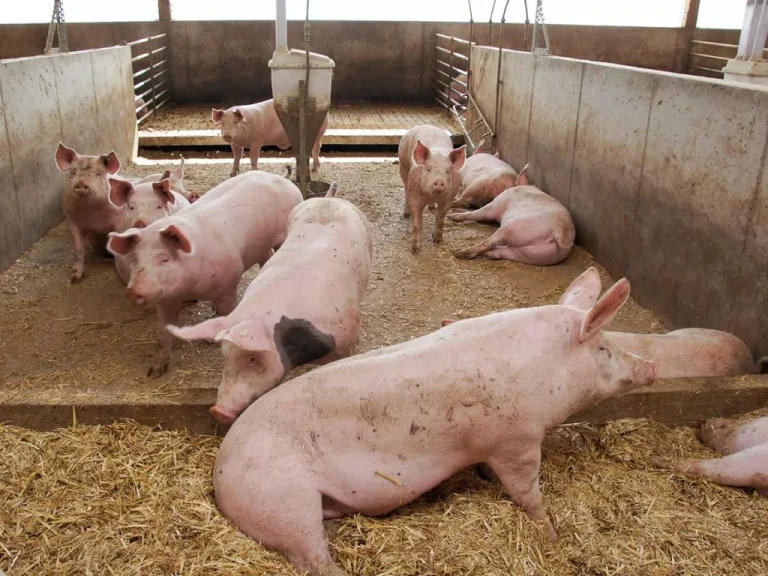
A well-designed pig house should have distinct zones for different activities. The walking and feeding section can have a properly grooved concrete floor that provides traction and is easy to clean.

The sleeping section, meanwhile, should be kept dry and comfortable, using clean rice husks or chopped dry straw as bedding where appropriate.

Separating the sleeping area from the wet and frequently soiled sections helps pigs remain warm and comfortable while making it easier for farmers to maintain hygiene.

Choose quality breeding stock

The profitability of a pig enterprise can also be determined before the piglets even arrive on the farm. Farmers should be cautious about buying animals simply because they are cheap, particularly when their breed, health status or performance history cannot be verified.

Poor-quality pigs may consume substantial amounts of feed without delivering the desired growth or meat production.

Because feed is one of the major costs in pig production, slow-growing animals can significantly reduce a farmer’s returns.

Investing in healthy, productive commercial breeds from reputable and trusted suppliers may require more money at the beginning, but it can offer better growth performance and ultimately improve the economics of the enterprise.

Prioritise natural ventilation

Good ventilation is another essential component of pig-house management. Pigs generate considerable body heat, while manure and urine produce gases that can affect air quality when allowed to accumulate.

Pig houses should be designed to encourage the natural movement of fresh air. High roofs can help reduce the direct impact of heat from the sun, while wide, open-sided structures can allow breezes to pass through the building.

Adequate ventilation helps reduce heat stress and keeps the air fresher for both pigs and workers.

At the same time, farmers should ensure that the housing design protects animals from excessive cold, rain and strong draughts, particularly young piglets.

Also Read: Why this dairy farmer believes Jersey cows are the better choice

Simple organic remedies for farmers wishing to cut pesticide costs

0

Organic farming is gaining attention among farmers seeking to produce healthier food, protect the environment, and reduce rising agricultural input costs.

The shift to organic farming has been supported by rising consumer demand for organic produce.

By limiting the use of synthetic chemicals, farmers can help preserve soil health, protect beneficial insects, and reduce the risk of chemical residues on food and contamination of water sources.

For smallholder farmers in particular, organic approaches can also provide an opportunity to cut production costs by making use of locally available materials.

According to agribusiness experts, some plants and household by-products that are often overlooked can be turned into simple pest-control solutions, offering farmers an alternative to spending heavily on commercial pesticides.

However, farmers should use such preparations carefully and apply them at the right time. Experts note that homemade organic pest-control solutions are best sprayed during the cooler hours of the morning or in the late afternoon to minimise the risk of scorching or damaging crops.

Among the readily available options are garlic, tithonia, thorn apple, pawpaw leaves, wood ash, hot pepper and lantana camara.

Garlic can be used to manage aphids. Crush garlic, mix it with hot water, and allow the mixture to cool and stand for about two hours before spraying it on affected plants.

Tithonia, commonly known as Mexican sunflower: Prepare about 2kg of leaves by crushing and soaking them in 4 litres of warm water for two to three hours.

Alternatively, the leaves can be soaked in cold water for two days. The resulting solution can be used against caterpillars.

Thorn apple (Datura stramonium) is another option for controlling several crop pests. Use 1kg of the plant’s leaves, fruits and stems, boil them in 4 litres of water for 20 minutes and allow the mixture to cool before application.

The mixture is used against aphids, scale insects and leaf miners, including Tuta absoluta.

Pawpaw leaves can also be used to prepare a pest-control solution. Crush about 1kg of fresh leaves and boil in 4 litres of water for 20 minutes. Once cooled, apply the solution to crops affected by aphids and scale insects.

For farmers dealing with cutworms, wood ash provides a simple and inexpensive option. Ash obtained from burning maize cobs is applied around seedlings to help control the pests.

Hot pepper offers another readily available alternative. About 500g of ripe peppers can be crushed and boiled in 5 litres of water for 20 minutes. After cooling, dilute with another 5 litres of water and add 50 ml of mild soap. Use the preparation against ants, aphids, flies and caterpillars.

Farmers can also make use of Lantana camara by burning its leaves and branches to produce ash. Broadcast the ash over the affected area to help control ants and worms.

Also Read: Why I ditched tomato, cabbage for herb farming

M-Pesa agents warned of new con trick after Sh243,000 loss in Kapsabet

0

A Facebook user has shared details of how an M-Pesa agent in Kapsabet allegedly lost Sh243,000 within five minutes after falling victim to a new trick involving a customer who appeared to be making a legitimate cash deposit.

The incident, shared on the Tujengane Business Ideas Facebook Group, has sparked a warning to M-Pesa agents and other mobile money operators to exercise caution when handling customers.

According to the account shared on the platform, the man walked into the agent’s shop and asked to deposit Sh243,000 into his M-Pesa account.

The agent, however, had only Sh30,000 in her float and had to source an additional Sh213,000 from another agent to complete the transaction.

After receiving the Sh243,000 from the customer, the agent counted and confirmed the cash before beginning the transaction. She entered the customer’s identification and mobile phone details and attempted to send the money.

The first attempt reportedly failed after the agent entered an incorrect number. Subsequent attempts using details provided by the customer also failed.

After several unsuccessful attempts and without receiving a confirmation message from Safaricom, the customer allegedly asked for his money back.

The agent reportedly refunded the full Sh243,000, allowing the man to leave the shop.

It was only after the customer had left that the agent checked her M-Pesa balance and discovered that she had been left with just Sh58.

A subsequent call to customer care allegedly revealed that the money had been withdrawn about five minutes earlier.

The account has raised questions about how the transaction could have been completed without the agent receiving a successful transaction notification.

How the alleged trick works

One of the comments responding to the Facebook post offered a possible explanation of how the fraud may have been carried out.

The commenter alleged that the customer, after several failed attempts, asked to use the agent’s M-Pesa phone to enter his own number.

According to the explanation, the customer could then allegedly block incoming M-Pesa notifications before entering the correct transaction details and completing a successful transfer. The phone would subsequently be returned to the agent for the transaction PIN to be entered.

With transaction notifications blocked, the agent would not immediately receive confirmation that the money had been successfully transferred.

The customer could then allegedly ask the agent to make another attempt, this time providing incorrect details.

Believing that no money had been transferred, the agent could then refund the cash handed over by the customer.

Meanwhile, the money from the earlier successful transaction could already have been withdrawn by the recipient, leaving the agent with both the cash refunded to the customer and the amount that had already been transferred missing from the account.

The commenter cautioned M-Pesa agents against allowing customers to operate the agent’s phone during transactions, regardless of the reason given.

“What she’s failing to tell yu is that after like two failed attempts, the customer requested apewe the M-Pesa phone ajiwekee number of which the agent complied, thereafter the customer blocks M-Pesa messages, inputs his correct details, hands the phone back to the agent aweke pin and the transaction goes through,” Lucy Carey explained.

“Now that the messages are blocked, the agent won’t receive any notification so the customer requests they try for the fourth time now, anaweka wrong details, unblock messages, ile yenye pesa ilienda anadelete and hands the phone back for the completion of the transaction again which will automatically fail due to wrong details. Now that ameunblock messages hiyo itaigia na iseme failed the agent will have to refund the cash but pesa Ishenda and the receiving party withdraws immediately. This is the new trick nowadays. Caution; never give the mpesa phone to a customer no matter what,” she added.

Also Read: 400 artisans get NCA certification as BioTank Africa rolls out Nationwide Fundi Training drive in Kitengela

KSB calls for inclusion of persons with visual impairment in Kenya’s Creative Economy

0

The Kenya Society for the Blind (KSB) has called for greater inclusion of persons with visual impairment in Kenya’s growing creative economy, urging the Government, corporates and industry players to open more professional opportunities for talented persons with disabilities.

Creative Economy Must Be Inclusive

Speaking during the KSB @ 70 Talent Day & Inclusive Talent Showcase, KSB Vice Chair Anna Ooko said Kenya’s creative economy must be inclusive if the country is to fully realise its development ambitions under Vision 2030.

“The creative economy must be inclusive. People with visual impairment are not merely beneficiaries; they are artists, performers, entrepreneurs, producers, content creators and business owners. They have talent, creativity and value to contribute to Kenya’s creative economy. What they need are platforms, professional opportunities and the opportunity to earn from their creativity.”

Turning Inclusion Into Sustainable Livelihoods

Ms Ooko said KSB’s work supports the Government’s efforts to grow the creative economy and create sustainable livelihoods.

The Government is rightly investing in the creative economy as a driver of jobs, enterprise and economic growth. People with visual impairment must be part of this transformation. Inclusion cannot remain a principle on paper; it must translate into contracts, income, businesses and sustainable livelihoods.”

NCBA and HEVA Fund unveil KES 20 Million Zero-Security financing facility for Kenya’s creative economy

Call for Investment in Disability Talent

She called on corporates, media houses, creative industry players, cultural institutions and development partners to move beyond symbolic inclusion and invest directly in talent.

Give them a stage. Commission their work. Engage them professionally. Pay them fairly. Open the doors. When we invest in talent, we are not giving charity—we are investing in Kenya’s human capital and economic future.”

Talent Showcase Highlights Creative Potential

The Talent Day showcased the capabilities of artists with visual impairment and forms part of KSB’s 70-year journey of restoring dignity through education, rehabilitation, independence and inclusion.

The event also highlighted the SANARA Project, supported by HEVA Fund, which is nurturing creative talent, building skills and connecting creatives with opportunities within the creative economy.

KSB Seeks Greater Economic Participation

KSB Executive Director Samson Waweru said the Society is determined to build on its 70-year legacy by creating pathways for persons with visual impairment to participate meaningfully in the economy.

“Our next chapter is about turning talent into opportunity, creativity into livelihoods and inclusion into economic participation.”

KSB Marks 70 Years With Strategic Plan Launch

KSB will hold its 70th Anniversary Celebrations and Strategic Plan Launch from 15th–17th October 2026 in Nairobi, bringing together Government, corporates, partners, artists, development organisations and other stakeholders.

About Kenya Society for the Blind (KSB)

The Kenya Society for the Blind (KSB) was established in 1956 through an Act of Parliament, Cap 251 of the laws of Kenya (Revised 2012). KSB is charged with the responsibility of serving all Kenyan citizens who are at risk of going blind, as well as people living with visual impairment (PWVI).

The functions of KSB, as provided in Cap 251 of the laws of Kenya, are:

  • To promote the welfare, education, training, and employment of the blind and to assist in the prevention and alleviation of blindness.
  • To assist the government, societies, any institution, organizations or society or person in all matters related to the blind.
  • To awaken public interest in the welfare of the blind and in all matters relating to blindness.
  • To advise on all things necessary or required in any matter to or connected with the blind.

CIC Insurance Group profit surges 70% to Shs1.09 Billion in H1 2026

0

CIC Insurance Group PLC records a 70% increase in profit after tax to Ksh 1.09 billion for the six-month period ending 30th June 2026.

Profit Before Tax rose by 30% to shs1.56 billion, buoyed by investment return, which grew by  44% to shs3.96 billion, with the asset management unit generating shs1.04 billion in revenue from asset management services compared to shs829 million in June 2025, reflecting growing investor confidence and expanding Assets Under Management (AUM). Insurance revenue rose by nearly 18% to shs16.34 billion.

The improved performance marks a positive recovery from the results reported in a similar period last year and reflects the progress made in strengthening the Group’s earnings. Improved investment returns and increased revenue from asset management services have supported this performance and strengthened our outlook.

The Group recorded shs962 million in revenue from land sales. This yielded a gross margin of shs341million after cost of sales, supporting balance sheet optimisation.

As the Group executes its 2026-2030 strategy, it remains focused on creating sustainable shareholder value through disciplined investment, customer-centric innovation and digital transformation, while diversifying product portfolio and strengthening collaboration across its subsidiaries.

The announcement comes weeks after the Group launched its microinsurance business (CIC IMPACT), expected to provide insurance services to more underserved Kenyans in the informal sector.

Key Financial Highlights:

  • H1 2026 Net profits up 70.3% to shs1.09 billion from Kshs 638.5 million in June 2025
  • Profit Before Tax up 30.2% to shs1.56 billion compared to shs1.2 billion in 2025
  • Insurance revenue rose 17.8% to Kshs 16.3 billion from Kshs 13.87 billion in June 2025
  • Investment return up by 44% from shs2.75 billion in 2025 to Kshs 3.96 billion in 2026
  • Earnings per share increased to shs June 2026, up from 0.23 in June 2025.
  • Total assets rose to shs81.68 billion in June 2026 from shs 73.75 billion in June 2025.

Kenya Subsidiaries

General Insurance Business

The General Insurance business delivered strong topline growth, with insurance revenue increasing by 18% to KShs 10.7 billion, driven by GWP growth under motor and medical classes.

  • Profit Before Tax stood at KShs 734 million, reflecting a 33% growth YOY attributed to strong topline growth which positively impacted insurance revenue growth which significantly outpaced the growth on claim cost.
  • The business continued to strengthen its balance sheet, with total assets growing by 12% YTD to Shs23.95 billion, driven by growth in investment on financial assets attributed to new placements in the investment portfolio.

CIC Life Assurance

The subsidiary demonstrated steady growth, with insurance revenue increasing by 20% to KShs 4 billion, supported by continued demand for life products.

  • Profit Before Tax stood at Shs 190 million, reflecting increased claims experience during the year.
  • The deposit administration increased by 14% YTD to Shs                                                                                                                                                                                             21 billion, reinforcing our position in long-term savings solutions.
  • In line with the above growth, total assets increased by 16% YTD to KShs 48 billion reflecting growth in insurance reserves.

CIC Asset Management

  • CIC Asset Management continued to be a key growth driver for the Group, with assets under management increasing by 19% YOY to Shs211.7B, supported by a positive fund performance.
  • Profit Before Tax increased by 9% YOY to Shs526M, driven by higher fund management fees in line with the growth in AUM.
  • The fixed income fund has grown significantly by 61% YTD to shs29B, driven by attractive returns.
  • The business remains well-positioned to capitalise on increasing demand for investment solutions, supported by digital distribution channels and product innovation.

CIC Asset Management unveils upgraded CIC Invest App

Regional Subsidiaries

The performance of regional subsidiaries remained an important contributor to the Group’s topline growth during the year.

  • CIC Malawi recorded 5% growth in insurance revenue to KShs 595 million in H1 2026.
  • CIC South Sudan recorded 71% growth in insurance revenue to KShs 563 million in H1 2026.
  • CIC Uganda recorded a 31% decline in insurance revenue to KShs 426 million in H1 2026

The Group continues to invest in strengthening regional operations. All regional subsidiaries are well capitalised.

Sustainability and Impact

CIC Group continued to integrate sustainability into its operations, focusing on:

  • Expanding financial inclusion by providing insurance coverage to more than 2 million lives
  • Strengthening communities through the training of 6,590 cooperative leaders and a KSh 48 million investment in education
  • Reducing environmental impact through a 4.8% decline in electricity consumption and the avoidance of over 861 tonnes of carbon emissions
  • Supporting climate resilience through the payment of Shs80 million in agricultural insurance claims

Strategic Outlook

As the Group executes its 2026 -2030 strategy, it will build on the progress achieved during the first half of 2026 to drive sustainable growth and create long-term value for shareholders, customers and other stakeholders.

Looking ahead, we will focus on:

  • Advancing digital transformation, product innovation and diversification.
  • Expanding financial inclusion through the Microinsurance Subsidiary.
  • Strengthening performance and collaboration across subsidiaries and regional markets.
  • Strengthening employee engagement to enhance stakeholder value.
  • Deepening sustainability and shared value commitments.

Conclusion

We are pleased with the growth trajectory of our business and remain confident in our ability to scale even greater heights. We are committed to delivering our 2026-2030 strategy and forging strong business partnerships with stakeholders across our markets, ensuring alignment with our business goals.

Old Mutual holdings profit soars to Shs882M as insurance business returns to profitability

0
NAIROBI, 28 AUGUST  2026…  Old Mutual Holdings Plc has reported profits after tax of KES 882 million for the six months ended 30 June 2026, up from KES 5 million in the same period last year, marking significant improvement at a time when the underwriting margins across the insurance industry remain under pressure.
The insurance business recorded an insurance service result of Shs287 million, reversing a S 303 million loss reported in the first half of 2025. The improvement followed a focused claims management, underwriting discipline, and cost control across the Group.
Old Mutual Group CEO Arthur Oginga said the results reflect progress made in strengthening the underlying performance of the Group’s businesses.
“Our ambition continues to be our customers’ first choice for sustaining, growing, and protecting their prosperity. This ambition is guided by our strategic pillars of lifestyle and wellness, technology and digital transformation, sustainability, strategic partnerships, and customer experience.”
“Our performance demonstrates the progress we are making in executing our strategy and delivering on our long-term ambitions. We will continue to enhance this performance through new growth engines and a focus on a value led rather than a volume led business,” said Mr Oginga.
Net investment results increased to KES 1.9 billion from KES 1.7 billion in the corresponding period, supported by selective allocation to higher yielding investments, asset-liability matching initiatives, and effective liquidity management.
AUM increased by 32%, contributing to a 34% rise in commission income, underpinned by growth in managed funds and a deliberate focus on higher yielding portfolios.
Group Chief Financial Officer Isaiah Gakonyo said the Group remains committed to sustaining its improved performance by driving transformation initiatives, strengthening operational efficiency, and enhancing financial effectiveness across the business.
“Our first half performance reflects disciplined execution across the Group, delivering improved insurance profitability, stronger net investment results, and sustained growth in asset management. These outcomes demonstrate the effectiveness of our strategic interventions in strengthening earnings quality and resilience. We remain focused on asset-liability management, cost optimisation, balance sheet restructuring, and targeted technology investments to profitability,” said Mr. Gakonyo.
Outlook
Looking ahead to the second half of 2026, Old Mutual Holdings will focus on sustaining the recovery in underwriting performance and accelerating growth across its investment and assets management businesses.
Old Mutual Holdings Plc Chairman Dr Habil Olaka said the Group remains focused on sustaining the performance while navigating a challenging economic environment and strengthening its capacity to deliver long-term value to shareholders.
“Our priority is to ensure that this improvement translates into sustained profitability over the long term. We are strengthening the Group’s businesses, balance sheet and operating model to build greater resilience and create sustainable value for shareholders. As profitability and the Group’s financial position continue to strengthen, our ambition is to create the capacity for sustainable shareholder distributions, including the future resumption of dividend payment, subject to the Group’s financial position and applicable regulatory and statutory requirements.”