Home Blog Page 57

The key in your Inbox: Why protecting your email is the secret to keeping your bank account safe

0

When we think about bank security, we usually picture heavy vault doors, complex PINs, and secure mobile banking apps. Rarely do we think about our personal email addresses.

Yet to a cybercriminal, access to your email inbox can be the ultimate gateway to your finances.

Today, scammers are increasingly targeting customer email accounts as a backdoor to their bank accounts.

Let’s look at how this happens, how to spot the warning signs, and the simple steps you can take today to lock your digital front door.

How to keep your bank account safe from fraudsters

How a Hacked Email Leads to a Swiped Bank Account

You might wonder, ”How can someone access my bank account just by getting into my email?” Here are the common tactics scammers use once they gain access to your inbox:

  1. The Forgot Password Trick: If a scammer knows your email address and has hacked into it, they can go to your online banking portal, click “Forgot Password,” and have the reset link sent straight to your email. Since they are already logged into your inbox, they reset your password, log into your bank account, and transfer funds.
  2. The Paper Trail Hunt: Scammers search your inbox and “Sent” folder for keywords like “statement,” “OTP,” “PIN,” “ID copy,” or “bank.” Armed with this personal information, they can easily impersonate you or trick customer service into giving them access to your accounts.
  3. Deleting the Evidence: Once they perform a transaction, they delete the bank notification emails from your inbox and “Trash”folder so you don’t notice anything iswrong until it’s too late.

Kaa Chonjo: Equity continues to sensitize customers on secure banking

Red Flags: How to Tell if Your Email is Hacked

  • The Sudden Silent Inbox: You notice you aren’t receiving any new emails, or you miss important notifications.
  • Unusual Password Reset Emails: You receive emails asking you to reset passwords for accounts you didn’t request.
  • The Device Alert Notification: Your email provider sends a notification that a new device (e.g., from a different city or country) has logged into your account.
  • Sent Folder Surprises: There are emails in your Sent folder that you never wrote.

Avoid Financial Fraud: Joseph’s Story and Essential Safety Tips

Kaa Chonjo! 4 Easy Steps to Protect Your Email and Your Money.

Protecting your bank account starts with securing your email. Here is your checklist to stay safe today:

Step 1

Set Up 2-Factor Authentication (2FA) on Your Email: This is your strongest shield. When enabled, anyone trying to log into your email from a new device will need a code sent to your phone. Even if a scammer guesses your password, they can’t get in without your phone.

Step 2

Create a Strong, Unique Password: Never use the same password for your email that you use for your bank account or social media. Make it a phrase that is easy for you to remember but hard for a computer to guess.

Step 3:

Clean Out Your Inbox: Delete old emails that contain sensitive documents like bank statements, photos of your ID, or utility bills. If scammers do get in, don’t leave them a treasure map.

Step 4:

Keep an Eye Out for 0763 000 000: Remember, Equity will only call you from 0763 000 000. If anyone calls claiming to be from Equity asking for your email, password, OTP, or PIN—even if they claim your account is blocked—hang up immediately.

Your security is a partnership. By keeping your email locked, you keep your hard-earned money safe.

Stay Alert. Kaa Chonjo!

Ruto govt spends Sh1.1 trillion on office supplies like tea, snacks, fuel in 9 months

0

President William Ruto’s government spent Sh1.1 trillion on office supplies, tea and snacks in just 9 months. This has been exposed by fresh data from the government itself. Data published by the National Treasury in the Quarterly Economic and Budgetary Review shows that in the nine months leading to March 2026, the government of President Ruto spent Sh1.05 trillion on Operation & Maintenance.

This was an increase by a staggering Sh400 million from the Sh700 million that was spent in the same period the previous 2024/25 fiscal year. This represented an increase of 57 percent. At the same time, this increase marked the first time in Kenya’s history that over Sh1 trillion was being spent on operations and maintenance which included samosas and tea.

The heavy expenditure by the government accounted for 32.27 percent of the Sh3.26 trillion total expenditure by the government in that period. In the previous year, this category had accounted for 25.9 percent of total government expenditure.

Noteworthy, this amount of money was not used on development or salaries or payment of any public debts. Operations and Maintenance is the category of expenditure that covers things like travel, utilities, office stationeries like printing and stationeries, tea and snacks, training and fuel.

SEE MORE: Ruto splashes taxpayer millions on private jet as Kenyans cry over fuel costs

In the same period, the money that President Ruto’s government allocated to development was Sh262.6 billion. This means that in nine months, the amount that went to office operations was five times more than the amount that went to development.

This heavy expenditure came riding on the back of a screaming national debt. For instance, data from the Central Bank of Kenya (CBK) shows that in just the first 8 months of the current financial year 2025/26, President Ruto and his government had borrowed over Sh1 trillion.

At the same time, the data shows that from September 2022 when he was inaugurated as the fifth president to February 2026, Ruto and his government borrowed Sh4.1 trillion.

The data further shows that as at the end of February 2026, the total public debt stood at a staggering Sh12.844 trillion, having risen from the previous administration’s Sh8.7 trillion mark as at September 2022.

Domestic debt stood at Sh7.01 trillion while external dent was Sh5.78 trillion. This saw the total debt coming in at 69.5 percent of the national gross domestic product (GDP).

Alarmingly, President Ruto’s government is now spending over two thirds of tax revenues in paying debt interest. For instance, in February 2026, tax revenues were recorded as Sh172 billion while the government spent Sh124 billion to pay debt interest. Out of this amount, Sh101 billion was used to pay domestic debt interest while Sh23 billion was used on external debt interest.

Top 15 genuine loan apps in Kenya for instant mobile loans (2026 Guide)

Mobile loan apps have transformed access to credit in Kenya. Today, millions of Kenyans borrow directly from their smartphones for emergencies, school fees, rent, biashara stock, and short-term cash flow needs.

However, the rapid growth of digital lending has also created a major problem: fake and predatory loan apps.

Many borrowers are now searching for:

  • genuine loan apps in Kenya
  • CBK licensed loan apps
  • safe loan apps
  • instant loans without scams
  • trusted M-Pesa loan apps

The good news is that Kenya’s digital lending industry is now heavily regulated by the Central Bank of Kenya (CBK), which has licensed more than 190 Digital Credit Providers (DCPs).

Top 20 Loaning Apps in Kenya for Quick Loans

Below is a list of the best genuine and trusted loan apps in Kenya in 2026 based on:

  • CBK licensing
  • transparency
  • speed
  • user adoption
  • repayment terms
  • reliability
  • customer trust

What Is a Genuine Loan App in Kenya?

A genuine loan app is a licensed and regulated digital lender that:

  • clearly discloses loan terms
  • follows CBK regulations
  • protects customer data
  • uses transparent pricing
  • disburses funds legally
  • avoids harassment and illegal debt collection

Before borrowing, always confirm whether a lender is licensed by the CBK.

Unregulated apps have increasingly been accused of:

  • harassment
  • misuse of contacts
  • hidden charges
  • excessive interest rates
  • data privacy violations

Research published in 2026 found that many digital loan apps globally still violate privacy and regulatory standards by collecting excessive user data.

Top 10 Loan Apps in Kenya With Best Interest Rates

1. M-Shwari

Best for: Low-cost and reliable emergency loans

M-Shwari remains one of Kenya’s most trusted mobile lending products because it is integrated directly into M-Pesa and operated in partnership with NCBA Bank.

According to market reports, M-Shwari remains among the largest and most widely used mobile lending platforms in Kenya.

Key Features

  • Instant loans via M-Pesa
  • Savings account integration
  • No separate app required
  • Widely trusted
  • Accessible 24/7

Loan Range

KSh 100 to KSh 1 million depending on eligibility.

Why Kenyans Prefer It

  • Fast approval
  • Strong trust
  • Predictable pricing
  • Backed by regulated banking institutions

Full list of new mobile loan apps licensed by CBK as total number hits 227

2. Tala

Best for: Fast unsecured personal loans

Tala is among the most downloaded loan apps in Kenya and is licensed by the CBK. The app provides instant loans directly to M-Pesa within minutes.

Key Features

  • Loan limits up to KSh 50,000
  • Approval within minutes
  • Flexible repayment
  • No collateral required

Why It Ranks Highly

  • Strong brand trust
  • Millions of users
  • User-friendly interface
  • Fast repeat borrowing

According to Google Play statistics, Tala has over 10 million downloads globally and strong user ratings.

3. Fuliza

Best for: Emergency overdrafts

Fuliza is currently Kenya’s largest digital overdraft facility and is integrated into M-Pesa.

Industry reports estimate that Fuliza processed over KSh 1.4 trillion in transactions in the financial year ending 2026.

Key Features

  • Automatic overdraft
  • No separate application
  • Instant access
  • Daily repayment model

Best Use Case

Small short-term emergencies such as:

  • transport
  • groceries
  • airtime
  • utility bills

Loop Loan: What you need to know to secure up to Sh3 million instantly

4. KCB M-Pesa

Best for: Higher mobile loan limits

KCB M-Pesa combines mobile lending with banking services and remains one of Kenya’s most widely used digital loan products.

Key Features

  • Higher borrowing limits
  • Savings functionality
  • Instant disbursement
  • Strong nationwide reach

Loan Benefits

Many users prefer KCB M-Pesa because loan limits grow steadily with repayment history.

5. Branch

Best for: Repeat borrowers and flexible limits

Branch is a major fintech lender operating in Kenya and other African countries.

The app uses smartphone data and repayment behavior to determine eligibility and loan growth.

Key Features

  • Instant approval
  • Flexible repayment periods
  • Higher limits for loyal users
  • No paperwork

Popularity

Branch remains among the most widely used fintech lending apps in Kenya.

CBK licenses 42 new digital lenders

6. Zenka

Best for: Flexible repayment periods

Zenka is increasingly popular because of its relatively flexible repayment terms and growing loan limits.

According to Google Play data, Zenka has more than 10 million downloads.

Key Features

  • Loans up to KSh 200,000
  • Fast disbursement
  • Flexible repayment
  • No hidden processing fees

Why Users Like It

Many borrowers prefer Zenka because repayment terms are generally longer than some payday-style lenders.

7. Hustler Fund

Best for: Cheapest government-backed loans

The Hustler Fund remains among the cheapest legitimate mobile loan products available in Kenya today.

According to recent financial rankings, it is considered one of the safest and lowest-cost digital borrowing options.

Key Features

  • Government-backed
  • Low interest rates
  • Integrated with mobile money
  • Accessible to informal workers

Co-op Bank introduces Sh100,000 Kamilisha overdraft mobile loans

8. Timiza

Best for: Bank-backed digital borrowing

Timiza is operated by Absa Bank Kenya and offers:

  • instant loans
  • savings
  • insurance
  • bill payments

Why It Is Trusted

  • Backed by a major bank
  • Strong regulatory oversight
  • Transparent lending structure

9. Okash

Best for: Quick emergency borrowing

OKash remains one of the most recognized instant loan apps in Kenya.

However, borrowers should carefully review:

  • repayment periods
  • fees
  • penalties

before borrowing.

Kingdom Bank reduces interest rates on loans

10. Saida

Best for: Small emergency loans

Saida offers small instant loans and financial management services.

It targets:

  • salaried workers
  • SMEs
  • freelancers
  • young professionals

11. Berry Loan App

Best for: First-time borrowers

Berry Loan is increasingly attracting users seeking simple and fast loan approvals.

Features

  • Simple onboarding
  • Fast disbursement
  • Small starter loans

12. Haraka Loan App

Best for: Fast loan approval

Haraka remains popular among borrowers looking for very fast approval times.

The app mainly focuses on:

  • short-term mobile credit
  • repeat borrowing
  • small personal loans

Number of licensed digital lenders hit 152 as CBK licenses 27 new DCPs; full list

13. iPesa

Best for: Short-term digital loans

iPesa provides quick loans through a fully digital application process.

Loan Features

  • Instant M-Pesa disbursement
  • Short-term repayment
  • Growing loan limits

14. Timely Loan Apps for SMEs

Many SME owners in Kenya are increasingly using digital lending platforms for:

  • stock financing
  • transport
  • short-term working capital
  • emergency operating expenses

Popular SME-friendly platforms include:

  • KCB M-Pesa
  • Tala
  • Branch
  • M-Shwari

Loan apps making fake court documents to scare borrowers

15. Tuma Loan

Tuma Loan is a newer entrant positioning itself around:

  • transparency
  • quick processing
  • compliance with Kenya’s Data Protection Act

According to its Play Store listing, it offers loans from KSh 1,000 to KSh 60,000.

Best Genuine Loan Apps in Kenya — Comparison Table

Loan App Loan Limit Best For Disbursement
M-Shwari Up to KSh 1M Reliability Instant
Tala Up to KSh 50K Fast loans Minutes
Fuliza Varies Emergencies Instant
KCB M-Pesa High limits Repeat borrowing Instant
Branch Varies Flexible limits Minutes
Zenka Up to KSh 200K Longer repayment Minutes
Hustler Fund Small loans Cheap credit Instant
Timiza Varies Bank-backed lending Minutes

How to Identify Fake Loan Apps in Kenya

Before installing any loan app, check whether it:

  • Is licensed by CBK
  • Has clear interest rates
  • Provides proper terms and conditions
  • Has transparent repayment structures
  • Avoids excessive permissions

Experts and users online increasingly warn against apps that:

  • access contacts aggressively
  • threaten borrowers
  • charge hidden fees
  • lack physical offices

A recent academic study also found widespread abuse of personal data among predatory loan apps globally.

Discussions among Kenyan users online also reveal growing concern over harassment and misuse of customer data by some unregulated lenders.

How New KCB Mobile App has simplified business operations in Kenya

Important Things to Consider Before Borrowing

Before taking a mobile loan:

  • Compare interest rates
  • Read repayment terms carefully
  • Borrow only what you can repay
  • Avoid multiple concurrent loans
  • Prioritize licensed lenders

Digital loans are useful for short-term emergencies, but overreliance can quickly lead to debt cycles.

FAQs About Genuine Loan Apps in Kenya

Which is the safest loan app in Kenya?

M-Shwari, KCB M-Pesa, Fuliza, Tala, and Branch are among the safest and most trusted because they are regulated and widely used.

Which loan app gives money instantly in Kenya?

Most major loan apps including Tala, M-Shwari, Fuliza, Branch, and KCB M-Pesa disburse loans within minutes.

Are loan apps legal in Kenya?

Yes. Licensed Digital Credit Providers regulated by the Central Bank of Kenya are legal.

Which loan app has the lowest interest rates?

Government-backed products such as the Hustler Fund and regulated bank-based products generally offer lower borrowing costs.

Final Word

Kenya’s mobile lending ecosystem has matured significantly over the past decade. Today, borrowers have access to faster, more regulated, and more transparent digital credit products than ever before.

However, the rise of fake and predatory loan apps also means borrowers must exercise greater caution.

The safest long-term strategy is to use mobile loans responsibly, prioritize regulated lenders, protect personal data, and avoid turning short-term credit into permanent debt.

Most marketable courses in Kenya today (2026 Guide)

Choosing the right course after KCSE is one of the most important decisions students and parents make in Kenya today. With rising unemployment, technological disruption, and a rapidly changing economy, many students are increasingly asking one question:

Which courses are most marketable in Kenya right now?

The truth is that marketable courses are no longer determined only by prestige. The most competitive careers today are those aligned with Kenya’s fastest-growing sectors, such as technology, healthcare, engineering, finance, agribusiness, and digital business.

According to education and labor market trends, courses that combine technical skills, digital literacy, problem-solving, and global relevance are currently offering the best employment and self-employment opportunities in Kenya.

Below is a list of the most marketable degree, diploma, and TVET courses in Kenya in 2026 and the careers they can lead to.

What Makes a Course Marketable in Kenya?

A marketable course is one that:

  • Has strong demand in the job market
  • Offers opportunities for self-employment
  • Solves real economic problems
  • Provides practical and digital skills
  • Has regional or global relevance
  • Aligns with growing industries

Marketable courses to take with a KCSE mean grade of D+ and below

In Kenya today, employers are increasingly prioritizing practical skills, adaptability, certifications, and experience over academic papers alone. Discussions among Kenyan professionals online also show growing emphasis on skills and personal branding rather than degrees alone.

1. Computer Science and Software Engineering

Average starting salary: KSh 80,000 – KSh 350,000+

Technology-related courses are currently among the most marketable in Kenya due to increasing digitization across industries.

Banks, telecom companies, startups, government agencies, hospitals, and SMEs all rely heavily on software systems, cybersecurity, cloud computing, and data management.

Top specializations include:

  • Software Engineering
  • Cybersecurity
  • Data Science
  • Artificial Intelligence
  • Cloud Computing
  • Web Development
  • Mobile App Development

Top careers:

  • Software Developer
  • Data Analyst
  • Cybersecurity Analyst
  • AI Engineer
  • DevOps Engineer

According to discussions among Kenyan tech professionals, cybersecurity, cloud computing, and AI are among the fastest-growing tech fields today.

2. Medicine and Surgery

Average salary: KSh 120,000 – KSh 500,000+

Medicine remains one of the most respected and marketable courses in Kenya.

The healthcare sector continues to experience shortages of qualified doctors, specialists, and healthcare workers, especially in counties and rural areas. Kenya’s Universal Health Coverage (UHC) agenda has also increased demand for medical professionals.

Top medical fields include:

  • Surgery
  • Pediatrics
  • Radiology
  • Anesthesiology
  • Dentistry
  • Physiotherapy

Medicine requires commitment and patience because of the long training period, but it remains one of the most stable career paths in Kenya.

Most marketable courses in Kenya today

3. Nursing

Average salary: KSh 70,000 – KSh 250,000+

Nursing is among the most employable healthcare courses in Kenya and internationally.

The demand for nurses continues to grow in:

  • Public hospitals
  • Private hospitals
  • NGOs
  • International healthcare agencies
  • Overseas labor markets

Popular nursing specializations include:

  • Critical Care Nursing
  • Psychiatric Nursing
  • Nephrology Nursing
  • Pediatric Nursing
  • Community Health Nursing

Nursing graduates also enjoy growing opportunities abroad, especially in the UK, US, Germany, and the Middle East.

4. Engineering Courses

Average salary: KSh 100,000 – KSh 400,000+

Engineering remains highly marketable because of continued investment in:

  • infrastructure
  • energy
  • transport
  • housing
  • manufacturing

Top engineering courses include:

  • Civil Engineering
  • Electrical Engineering
  • Mechanical Engineering
  • Mechatronics
  • Petroleum Engineering

Kenya’s infrastructure expansion and energy projects continue to create demand for engineers and technical experts.

Marketable Engineering, Oil & Gas courses for C- and D students

5. Data Science and Artificial Intelligence

Average salary: KSh 120,000 – KSh 600,000+

Artificial Intelligence and data analytics are rapidly becoming some of the highest-paying fields globally.

Companies are increasingly looking for professionals who can:

  • analyze customer behavior
  • automate systems
  • interpret data
  • improve business decision-making

Top careers include:

  • Data Scientist
  • Machine Learning Engineer
  • Business Intelligence Analyst
  • AI Specialist

AI-related skills are also becoming valuable in finance, healthcare, logistics, marketing, and agriculture.

6. Actuarial Science

Average salary: KSh 120,000 – KSh 500,000+

Actuarial Science remains one of the most prestigious and marketable university courses in Kenya.

Actuaries are highly valued because they help companies measure financial risk using mathematics and statistics.

They mainly work in:

  • insurance
  • banking
  • pensions
  • investment firms
  • consulting

The profession has relatively few qualified experts in Kenya, increasing demand and salaries.

Marketable engineering courses for D students

7. Digital Marketing

Average salary: KSh 50,000 – KSh 300,000+

Digital marketing has become one of the fastest-growing professional skills in Kenya due to the rise of:

  • social media
  • e-commerce
  • online advertising
  • content creation
  • influencer marketing

Businesses are increasingly moving from traditional advertising to digital platforms.

Top areas include:

  • SEO
  • Social Media Marketing
  • Content Marketing
  • Email Marketing
  • Performance Advertising
  • Graphic Design

Digital marketing also offers strong freelance and remote work opportunities.

8. Law

Average salary: KSh 100,000 – KSh 1 million+

Law continues to be a highly respected and marketable profession in Kenya.

Corporate lawyers, tax lawyers, intellectual property lawyers, and commercial litigators remain highly sought after.

Top legal specializations include:

  • Corporate Law
  • Tax Law
  • Constitutional Law
  • Commercial Litigation
  • Intellectual Property Law

Large law firms and corporate organizations offer particularly attractive compensation packages.

9 Free marketable short courses you can learn online today

9. Agriculture and Agribusiness

Average salary: KSh 60,000 – KSh 300,000+

Agriculture remains one of Kenya’s largest economic sectors and continues to create major opportunities for young entrepreneurs and professionals.

Modern agribusiness is increasingly driven by:

  • technology
  • irrigation
  • food processing
  • export farming
  • agritech

Top agriculture-related courses include:

  • Agribusiness Management
  • Food Science
  • Animal Science
  • Agricultural Economics
  • Horticulture

Agriculture is especially attractive because it supports both employment and entrepreneurship.

10. Real Estate and Construction Management

Average salary: KSh 80,000 – KSh 400,000+

Kenya’s real estate sector continues to expand through:

  • affordable housing
  • commercial developments
  • infrastructure growth
  • urbanization

Top courses include:

  • Real Estate Management
  • Quantity Surveying
  • Construction Management
  • Urban Planning

The sector also offers entrepreneurship opportunities through property development and project management.

List of all marketable KMTC courses, qualifications, fees

11. Finance and Accounting

Average salary: KSh 80,000 – KSh 500,000+

Finance-related courses remain highly employable because every organization requires financial management.

Top finance careers include:

  • Accounting
  • Financial Analysis
  • Investment Banking
  • Auditing
  • Risk Management

Professional certifications such as CPA, CFA, and ACCA significantly improve employability and salaries. Discussions among Kenyan professionals continue to rank CFA among the most respected finance qualifications.

12. TVET and Technical Courses

Average salary: Highly variable

Technical and vocational courses are increasingly becoming more marketable than some traditional degrees.

Short technical courses now offering strong opportunities include:

  • CCTV Installation
  • Fiber Optics
  • Electrical Installation
  • Plumbing
  • Welding
  • Refrigeration
  • Solar Installation

Online discussions among Kenyan youth show growing demand for practical technical skills with quick income potential.

Less explored one-month courses earning Kenyan graduates Sh. 300,000

Most Marketable Courses in Kenya — Summary Table

Course Demand Level Employment Potential
Computer Science Very High Excellent
Medicine Very High Excellent
Nursing Very High Excellent
Engineering High Excellent
AI & Data Science Very High Excellent
Actuarial Science High Excellent
Digital Marketing High Very Good
Law High Very Good
Agribusiness High Very Good
Finance & Accounting High Excellent
TVET Courses Very High Excellent

Courses That Are Growing Fast in Kenya

The fastest-growing career fields today include:

  • Artificial Intelligence
  • Cybersecurity
  • Data Analytics
  • Cloud Computing
  • Digital Marketing
  • Renewable Energy
  • Healthcare
  • Agritech

These sectors are expected to dominate hiring over the next decade.

Important Reality About “Marketable Courses”

One important trend emerging in Kenya’s labor market is that degrees alone are no longer enough.

Many employers now prioritize:

  • practical skills
  • certifications
  • internships
  • digital literacy
  • communication skills
  • personal branding

As some Kenyan professionals online have noted, there are increasingly “marketable individuals” rather than simply marketable courses.

Students who continuously build skills, networks, and experience tend to outperform graduates who rely only on academic qualifications.

In-demand KMTC courses that will earn you a job in UK & US

FAQs About Most Marketable Courses in Kenya

Which course is most marketable in Kenya today?

Computer Science, Medicine, Nursing, Data Science, and Engineering are currently among the most marketable courses in Kenya.

Which courses have the highest salaries in Kenya?

Medicine, software engineering, actuarial science, aviation, and executive finance careers offer some of the highest salaries in Kenya.

Are TVET courses marketable in Kenya?

Yes. Technical skills such as electrical installation, plumbing, fiber optics, welding, and solar installation are increasingly in demand.

Is digital marketing a good course in Kenya?

Yes. As businesses continue shifting online, demand for digital marketers, content creators, SEO specialists, and social media managers is growing rapidly.

Final Word

Choosing a course should balance three things:

  • passion
  • skills
  • market demand

Kenya’s economy is changing rapidly, and the careers likely to thrive in the future are those linked to technology, healthcare, engineering, finance, and practical technical skills.

The students most likely to succeed will not necessarily be those with the most prestigious degrees, but those who continuously learn, adapt, and solve real problems in the economy.


Top 20 Highest Paying Jobs in Kenya and Monthly Salaries (2026 Update)

Kenya’s job market is increasingly rewarding specialized skills in finance, technology, healthcare, engineering, aviation, and international development. According to the Kenya National Bureau of Statistics (KNBS) Economic Survey, professionals working in multinational organizations, financial services, energy, and technical industries continue to earn some of the highest salaries in the country.

Although unemployment remains a major challenge, highly skilled professionals in strategic sectors continue to command premium salaries due to talent shortages, digital transformation, globalization, and growing demand for technical expertise.

Below is a list of the highest-paying jobs and industries in Kenya in 2026 and the average monthly salaries employees earn.

What is the highest-paying job in Kenya?

The highest paying jobs in Kenya are found in:

  • International organizations and NGOs
  • Banking and finance
  • Aviation
  • Medicine and surgery
  • Technology and software engineering
  • Energy and petroleum
  • Corporate executive leadership

Some senior professionals and executives earn between KSh 300,000 and KSh 2 million per month depending on industry, experience, and employer.

List of top-paying jobs in Kenya and salaries per month

1. International Organizations and NGOs

Average monthly salary: KSh 350,000+

Employees working for international organizations such as the United Nations, World Bank, and international NGOs remain among the highest-paid workers in Kenya.

According to the KNBS Economic Survey 2026, Kenyans employed in extraterritorial organizations and bodies earned an average monthly salary of over KSh 372,000, making the sector the best paying in the country.

These jobs pay highly because they are often funded in foreign currency and require specialized expertise in:

  • project management
  • policy
  • international development
  • finance
  • public health
  • humanitarian operations

Top roles:

  • Program Directors
  • Policy Advisors
  • Economists
  • Monitoring & Evaluation Specialists
  • Regional Managers

2. Banking and Financial Services

Average monthly salary: KSh 200,000+

Kenya’s banking and financial services sector continues to offer some of the most lucrative careers in the country.

KNBS data shows employees in financial and insurance services earn average monthly salaries exceeding KSh 218,000 in some institutions.

The best-paying jobs in banking include:

  • Investment Banking
  • Treasury Management
  • Risk Management
  • Corporate Banking
  • Actuarial Science
  • Financial Analysis
  • Executive Leadership

Senior executives in banks can earn multi-million-shilling annual compensation packages.

Nairobi water announces over 300 technical jobs: How to apply

3. Aviation and Piloting

Average monthly salary: KSh 250,000 – KSh 2.5 million

Pilots remain among the highest paid professionals in Kenya due to the high cost of training, licensing requirements, and skill scarcity.

Commercial airline captains and senior aviation professionals working for regional and international airlines can earn millions annually.

Top aviation careers include:

  • Commercial Pilots
  • Airline Captains
  • Aviation Engineers
  • Air Traffic Controllers
  • Flight Operations Managers
  • 4. Medicine and Specialized Surgery

Average monthly salary: KSh 150,000 – KSh 1.5 million

Medical specialists remain among the highest-earning professionals in Kenya, especially in private hospitals, international organizations, and specialized clinics.

High-paying medical fields include:

  • Surgery
  • Radiology
  • Anesthesiology
  • Cardiology
  • Gynecology
  • Neurosurgery
  • Doctors with specialized expertise and private practices can earn significantly above the national average.

5. Technology and Software Engineering

Average monthly salary: KSh 120,000 – KSh 800,000

Kenya’s digital economy has created a sharp rise in demand for software engineers, cybersecurity experts, AI specialists, and cloud architects.

Technology jobs now rank among the fastest-growing and best-paying careers in Kenya, especially in:

  • fintech
  • telecommunications
  • multinational firms
  • remote international work

Developers working remotely for foreign companies often earn salaries benchmarked in dollars. Discussions among Kenyan tech professionals also show rising salaries in software engineering and product management roles.

Top-paying tech jobs include:

  • Software Engineers
  • AI Engineers
  • Cybersecurity Specialists
  • Cloud Architects
  • Data Scientists
  • DevOps Engineers

Baringo County announces permanent and pensionable jobs

6. Energy, Petroleum and Engineering

Average monthly salary: KSh 180,000+

Employees in electricity, gas, petroleum, and infrastructure projects continue to rank among Kenya’s top earners.

According to KNBS data, workers in the electricity and gas sector earned average monthly salaries above KSh 218,000 in 2026.

Top-paying engineering careers include:

  • Petroleum Engineering
  • Electrical Engineering
  • Mechanical Engineering
  • Geothermal Engineering
  • Civil Infrastructure Engineering

The sector pays highly due to technical complexity and growing energy investments.

7. Corporate Executives and CEOs

Average monthly salary: KSh 500,000 – KSh 10 million+

Chief executives of banks, telcos, insurance firms, and listed companies remain among the highest paid individuals in Kenya.

Some CEOs earn hundreds of millions annually through salaries, bonuses, stock options, and allowances.

Top executive roles include:

  • CEOs
  • CFOs
  • Managing Directors
  • Regional Executives
  • Chief Technology Officers

NCBA Bank advertises well-paying jobs with tight deadlines: How to apply

8. Law and Corporate Legal Practice

Average monthly salary: KSh 150,000 – KSh 1 million

Corporate lawyers, commercial litigators, and legal advisors working with large firms and multinational corporations earn some of the highest legal salaries in Kenya.

Areas that attract premium pay include:

  • Corporate law
  • Tax law
  • Energy law
  • Intellectual property
  • International arbitration

Senior partners in elite law firms can earn millions annually.

9. Telecommunications and Media Executives

Average monthly salary: KSh 200,000+

Senior executives in telecommunications companies and major media houses continue to command large salaries.

Kenya’s telecom industry remains highly profitable, supporting strong executive compensation packages.

Top-paying roles include:

  • Telco Executives
  • Network Engineers
  • Product Directors
  • Digital Transformation Leads

10. Actuarial Science

Average monthly salary: KSh 150,000 – KSh 600,000

Actuaries are among the highest-paid professionals in Kenya because of the technical nature of the profession and the limited supply of qualified experts.

They mainly work in:

  • insurance
  • investment firms
  • pensions
  • banking
  • risk consulting

Actuarial science remains one of the most marketable and lucrative university courses in Kenya.

Co-op Bank announces job vacancies; details & how to apply

Highest Paying Industries in Kenya — Salary Comparison

Industry Average Monthly Salary
International NGOs KSh 372,000+
Electricity & Energy KSh 218,000+
Financial Services KSh 218,000+
Aviation KSh 250,000 – 2.5M
Medicine KSh 150,000 – 1.5M
Technology KSh 120,000 – 800K
Executive Leadership KSh 500,000 – 10M+

Source: KNBS Economic Survey 2026 and industry salary reports.

Why Some Jobs Pay More Than Others in Kenya

The highest-paying careers in Kenya tend to share several characteristics:

  • High technical specialization
  • Long training periods
  • International demand
  • Scarcity of talent
  • Large financial responsibility
  • Revenue generation capability

Employers pay premium salaries where replacing skilled professionals is difficult or costly.

Best Courses for High Salaries in Kenya

Students seeking high-paying careers should consider courses in:

  • Medicine
  • Software Engineering
  • Actuarial Science
  • Engineering
  • Finance
  • Data Science
  • Aviation
  • Cybersecurity

Technical and STEM-oriented careers continue to dominate Kenya’s top-paying professions.

FAQs About Highest Paying Jobs in Kenya

Which industry pays the highest salary in Kenya?

International organizations and NGOs currently offer the highest average salaries in Kenya according to KNBS data.

What is considered a good salary in Kenya in 2026?

A monthly salary above KSh 150,000 is generally considered highly competitive in Kenya’s current labor market.

Are tech jobs well-paying in Kenya?

Yes. Software engineering, cybersecurity, cloud computing, and AI-related careers are increasingly among the best-paying professions in Kenya.

Which degree course leads to the highest-paying jobs in Kenya?

Courses in medicine, actuarial science, engineering, finance, and software development often lead to the highest-paying careers.

Final Word

Kenya’s highest-paying jobs are increasingly concentrated in knowledge-driven and technical industries. Professionals with specialized expertise in technology, finance, healthcare, engineering, and international development are likely to remain highly competitive in the coming years.

For young professionals and students, the long-term opportunity is no longer just acquiring degrees. It is building rare, globally relevant skills that can compete in regional and international markets.

Ministry of Interior announces 80 job vacancies; how to apply

1

The Ministry of Interior has announced 80 job vacancies across various departments.

In a statement released on May 21, the ministry invited interested and qualified candidates to submit applications before the deadline.

“The Public Service Commission (PSC) has advertised 80 vacancies in key directorates under Internal Security and Correctional Services, in a move aimed at improving capacity in peace building, government reception services, and probation services,” the statement reads.

In the State Department for Internal Security and National Administration, the ministry is seeking to recruit Secretary (1), Director (2), Deputy Director (6), Assistant Director (7), and Senior Principal Lecturer (7).

In the State Department for Correctional Services, available vacancies include Secretary (15), Deputy Director (21), and Assistant Director (8).

Qualifications

Individuals seeking positions such as Director of Peace Building and Conflict Management are expected to have up to 18 years of experience, with at least 3 years in a similar senior post.

Additionally, applicants must have a bachelor’s and master’s degree in peace and conflict studies, political science, law, sociology, or international relations, and a leadership course of at least four weeks from an accredited institution.

On the other hand,  individuals seeking mid-level positions are expected to have 10 to 12 years of experience, while those seeking higher posts, such as Deputy Director, are expected to have at least 15 years of experience in the public service sector.

Detailed information about all the available jobs and requirements is available on the Ministry’s careers page.

How to apply

Interested and qualified candidates are directed to submit applications online via the PSC’s official recruitment platform by May 26. All positions are open to serving officers only.

Also Read: Nyeri County announces mass job vacancies, internship opportunities; how to apply

Kenya Advances Biofuel Blending to Strengthen Energy Security and Reduce Fuel Import Dependence

0

Biofuel: Kenya is moving forward with the implementation of the Energy (Biofuels) Regulations, 2025, which will support the phased rollout of locally produced biofuel blends across the country’s fuel supply chain. The initiative is part of broader national efforts to strengthen energy security, diversify energy sources, and reduce dependence on imported fuel.

As part of the implementation process, the Ministry of Energy and Petroleum and the Energy and Petroleum Regulatory Authority (EPRA)convened a high-level stakeholder consultation that brought together regulators, oil marketing companies, ethanol producers, manufacturers, logistics entities, and other industry participants. The discussions focused on sector preparedness, infrastructure needs, implementation priorities, and the operationalisation of Kenya’s biofuels blending framework.

Regulatory Framework

The regulations set the framework for blending local biofuels with petroleum through phased E5 and E10 introductions (E5 has 5% bioethanol, E10 has 10% bioethanol). Gazetted in December 2025, the Energy (Biofuels) Regulations, 2025, cover biofuel production, licensing, blending, transportation, storage, distribution, and sales. The rollout comes at a time when countries are reassessing their energy security and fuel resilience amid ongoing global oil market volatility and geopolitical disruptions.

Bioethanol is produced from feedstocks such as sugarcane molasses, cassava, maize, and sorghum through fermentation and distillation, while biodiesel is produced from vegetable oils, waste cooking oil, and other organic materials via chemical processing. Bioethanol and biodiesel can also be further processed to produce Sustainable Aviation Fuel (SAF), which is increasingly being adopted globally as part of efforts to decarbonise the aviation sector.

Fuel prices surge as Diesel jumps sharply to KSh 46.29 in the latest EPRA review

Governments worldwide promote biofuels to boost energy resilience, reduce oil dependence, support agriculture, diversify fuel sources, and lower transport emissions. Countries such as Brazil, India, the US, Thailand, and South Africa have expanded biofuel blending. Kenya aims to use local feedstocks to support a similar shift, creating economic opportunities across agriculture, manufacturing, logistics, and renewable energy.

Biofuels regulations

Speaking during the stakeholder consultation, Dr. Eng. Joseph Oketch, Acting Director General of EPRA, said, “The Biofuels Regulations provide Kenya with an important opportunity to strengthen energy security while building new local industries around agriculture, manufacturing, and renewable energy. As we scale domestic bioethanol production and structured blending, we can gradually reduce exposure to external fuel shocks while creating new opportunities for farmers, investors, manufacturers, and other players across the value chain.”

Eng. Isaac Kiva, Secretary for Renewable Energy in the State Department for Energy at the Ministry of Energy and Petroleum, noted that the Government remains committed to creating an enabling environment that supports long-term sector growth and investment.

“Kenya’s ethanol plants can process 83 million litres a year, yet we currently produce only 26.5 million litres. Scaling domestic bioethanol production will be important not only for supporting cleaner transport fuels, but also for expanding clean cooking solutions, strengthening local industry, and reducing costly fuel imports.”

Beyond energy security, stakeholders noted that the regulations could unlock significant economic opportunities across agriculture, agro-processing, logistics, transport, manufacturing, and rural economies. The blending programme is expected to create new markets for agricultural feedstocks, stimulate investment in local processing capacity, strengthen domestic value chains, and support the growth of green industries and jobs.

Stakeholders highlighted the need for ongoing coordination among government agencies, ethanol producers, oil marketing firms, investors, logistics providers, and standards organisations to guarantee the effective rollout of the blending program and the sector’s long-term sustainability.

NBK Reports Strong Q1 2026 Financial Results as Profit Surges 275% to KSh 1.03 Billion

The National Bank of Kenya (NBK) has reported a sharp turnaround in its financial performance for the first quarter of 2026, posting a 275% increase in profit after tax to KSh 1.03 billion. This marks a significant rise from KSh 275.7 million recorded during a similar period in 2025, signaling improved operational efficiency and stronger asset quality.

The strong performance positions NBK among the notable banking sector gainers in early 2026, reflecting broader recovery trends in Kenya’s financial services industry.

Net interest income drives growth

NBK’s net interest income rose to KSh 2.84 billion, up from KSh 2.4 billion in Q1 2025. Disciplined asset pricing strategies and improved funding efficiency primarily supported this growth.

Non-interest income remained stable at KSh 664.3 million, underpinned by consistent performance in fees and commissions despite a highly competitive banking environment.

From a strategic standpoint, the bank’s ability to grow interest income while maintaining stable non-funded income streams indicates balanced revenue diversification—a critical factor in long-term banking resilience.

National Bank of Kenya (NBK), now owned by Access Bank PLC, reported strong financial growth in 2025

Cost management and declining loan loss provisions

Operating expenses were contained at KSh 2.1 billion, reflecting NBK’s continued focus on cost discipline and operational efficiency.

More notably, loan loss provisions declined sharply by 92% to KSh 50 million, down from KSh 618 million in Q1 2025. This improvement was driven by:

  • A reduction in non-performing loans (NPLs)
  • Stronger loan recoveries
  • Enhanced credit risk management frameworks

This shift is structurally important. Lower impairment charges directly improve profitability and signal improving credit quality—an area where Kenyan banks have faced sustained pressure in recent years.

Balance sheet strength and customer confidence

NBK’s balance sheet remained robust, with total assets rising to KSh 145.3 billion from KSh 141.1 billion in December 2025.

Customer deposits stood at KSh 106.7 billion, highlighting sustained customer confidence and providing a stable, low-cost funding base.

Net loans and advances increased to KSh 57.0 billion from KSh 51.0 billion, reflecting the bank’s continued support for businesses and key economic sectors. This lending growth is particularly relevant in a market where access to credit remains a constraint for SMEs.

Leadership perspective

According to NBK Managing Director George Odhiambo:

“We have started off the year on a strong footing, driven by customer confidence, cost management and operational efficiency initiatives. We are reinventing ourselves in the market to come out stronger, and I am confident that by the end of the year, we will be at a higher level.”

This statement underscores a deliberate repositioning strategy, likely tied to operational restructuring and market re-entry under a strengthened ownership framework.

Outlook: growth, digital transformation, and integration

NBK’s outlook remains anchored on sustainable growth, digital transformation, and disciplined risk management. The bank is also expected to benefit from its integration into Access Bank PLC, which could unlock:

  • Capital efficiency and balance sheet strength
  • Expanded product offerings
  • Regional market access
  • Technology transfer and digital banking capabilities

For Kenya’s banking sector, this integration signals increasing consolidation and cross-border expansion—trends that are reshaping competition and scale advantages.

Strategic implications for the market

NBK’s Q1 2026 results reflect three broader shifts in the banking sector:

  1. Return to Profitability Through Asset Quality – Reduced NPLs are becoming a primary driver of earnings recovery.
  2. Operational Discipline as a Competitive Advantage – Cost control is now as critical as revenue growth.
  3. Consolidation and Regionalization – Partnerships with pan-African banks are redefining growth pathways.

For entrepreneurs and business leaders, the implications are clear: banks are becoming more selective, more efficient, and increasingly data-driven. Access to capital will favor businesses with strong financial discipline, transparency, and scalability.

Bottom Line

NBK’s performance is not just a quarterly rebound—it is an early indicator of institutional correction and strategic repositioning. Sustaining this trajectory will depend on execution consistency, digital adoption, and disciplined lending.

In business, turnarounds are rarely accidental. They are the result of deliberate choices—on cost, risk, and customer focus. The same principle applies to founders and executives: sustainable growth is built on structure, not momentum.

Mushroom farming: How value addition is secretly earning farmers fortune

0

Mushroom farming is a least explored venture in Kenya despite its potential. Alice Wambui, who runs the business, says the secret to profitable mushroom farming is value addition.

Wambui launched her value addition startup after realizing she was incurring losses from the sale of fresh mushrooms, thanks to training by the Kenya Industrial Research and Development Institute (KIRDI).

To start off, the farmer says she injected Sh870,000 into the project, part of which was a grant from the Kenya Climate Innovation Center.

Her facility in Kiambu town consists of solar panels, a milling machine, and a drying chamber. According to her, mushrooms are highly perishable and cannot last for more than five days after harvesting.

”Dry mushrooms can stay for long as long as they are not in contact with moisture and that is why they are becoming a popular delicacy when prepared in soups, roasted, grilled or fried,’’ she says.

The farmer sources mushrooms from her farm in Githunguri, which yields a daily harvest of 50kgs.

She dries them for three days, during which she assesses the moisture content of the mushrooms before grinding them into powder and preparing them for sale.

”When the produce is received from farmers we first sort it then weigh. Then it is sliced uniformly and spread in the two-storey solar dryers,’’ she adds

Wambui sells 100 grams of mushroom for Sh400 and 40 grams of mushroom powder for Sh200. Her produce is mainly sold to lactating mothers, toddlers, and the elderly.

Mushroom has 60 percent protein, no cholesterol, and is a good source of Vitamin B2 and iron,’’ she adds.

Through social media marketing, the farmer has scaled her innovation which has created employment for other Kenyans.

Also Read: Inside Kenya’s rare fruit boom: What farmers are growing

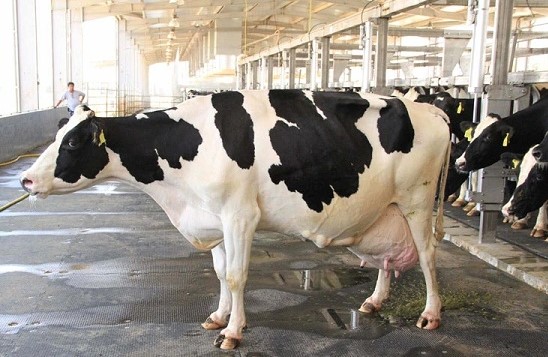
How I increased milk production from 7 litres to 38 litres per cow daily

Githunguri Constituency in Kiambu County is one of the leading milk-producing areas in Kenya, with some farmers in the region earning big from the venture, thanks to a ready market from various processors, including the Githunguri Dairy Farmers Cooperative Society, the producer of the popular Fresha brand.

Mary Kimani, a co-director of MK Dairy and Modern Cowshed Consultancy, is among the smallholder farmers in the region making it in dairy farming.

In an interview with Kilimo Faida TV, Mary revealed she ventured into dairy farming five years ago, inspired by her parents, who have been in the venture for 30 years.

She credits herself for being instrumental in introducing modern farming techniques into the farm, which have scaled operations, ultimately leading to increased milk production.

“I have seen a lot of change, and the farm has really grown tremendously in terms of milk production. When I joined my parents, their highest production was 18 litres; currently, we are doing up to 40 litres,” she said.

High-value forage helping dairy farmers cut feed costs by 60 percent

According to her, one of the game-changer innovations is modern cow sheds, which she says ensure comfort for the animals.

Unlike some farmers who use mattresses as bedding, MK Dairy has embraced sawdust, which Mary says is safer in terms of preventing cow diseases.

“From my experience, sawdust is the best because the cow is able to sleep in a dry, warm place. But for the mattress, if a cow urinates and the mattress is not changed on time, they may contract diseases such as mastitis due to that wetness,” she explains.

MK Dairy has also invested in feed formulation equipment, including chaff cutters, which aid feed formulation to keep production costs low.

The 20 milking cows on the farm feed on molasses and Napier grass. However, there are special meals served to the animals at each growing stage to boost production.

“When we serve our heifers with the right sexed semen, there is a way we take care of it to achieve a high quantity of milk.  Once a cow is in calf, we feed it a mixture of dairy meal, maize germ and bran, and salt supplement,” Mary explains.

“After 7 months, we start steaming, whereby we give it a dairy meal alone and a salt supplement,” she adds.

The cows are fed thrice a day, in the morning, afternoon, and evening, just immediately after milking. Clean water is also provided in clean troughs.